Seoul’s old center makes more sense when you see its sacred sites and lived-in streets in one walk. I like the contrast between Jongmyo Shrine’s royal Confucian rites and the calm of Jogyesa, then the change of pace in Ikseon-dong’s old hanok lanes.
I also like that a guide can connect the sights instead of leaving you to piece together their meaning alone. Charlie DDA is one guide named in a recent account, praised for answering questions, explaining local traditions, and helping with photos. One point to check before booking: the description promotes Gwangjang Market as the food finale, but the timed route does not show a market visit.
- Jogyesa opens the walk: Spend 50 minutes at a major Buddhist temple in the city center.
- Insadong adds time to browse: The route includes an hour for its traditional streets and Ssamziegil, with some free time.
- Ikseon-dong puts old and new together: Walk among century-old hanoks now used as shops and cafes.
- Jongmyo is the royal history anchor: This UNESCO-listed shrine gets a 40-minute guided visit, with photography limits in some solemn areas.
- Food is not included: Bring money for lunch, and confirm whether Gwangjang Market is part of your actual route.
- Expect five hours on foot: Comfortable shoes matter, and the minimum group size is four.
- A five-hour walk through Seoul’s old center
- Jogyesa: a calm opening among city streets
- Insadong and Ssamziegil: time to look around
- Ikseon-dong: hanok architecture with a new life
- Lunch and the question of Gwangjang Market
- Jongmyo: royal ritual and quiet formality
- What the price does, and does not, cover
- Who should book this Seoul walk?
- FAQ
- How long is the tour?
- Where does the tour meet?
- Where does the tour end?
- Are meals included?
- Is Gwangjang Market part of the tour?
- What is included in the price?
- What happens if the minimum group size is not met?
- The Best Of Seoul!
- More Walking Tours in Seoul
- More Tours in Seoul
- More Tour Reviews in Seoul
- Not for you? Here's more nearby things to do in Seoul we have reviewed
A five-hour walk through Seoul’s old center
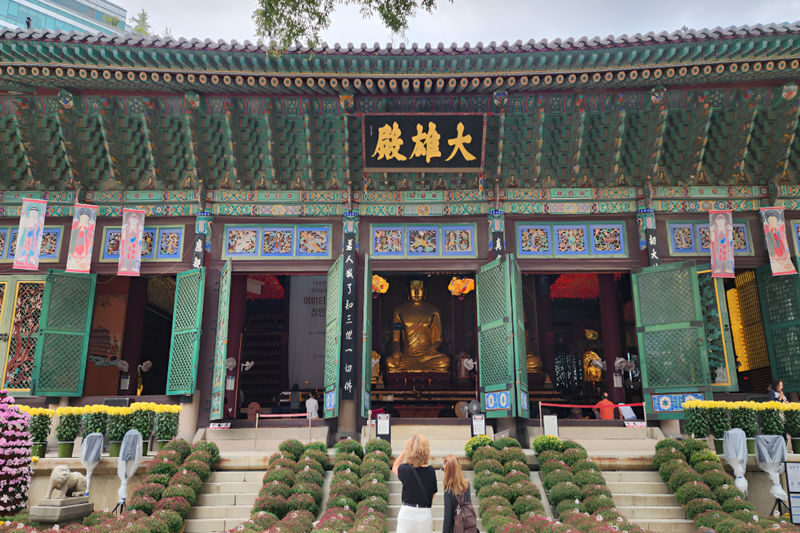
This tour sets out to tell Seoul through four kinds of place: a Buddhist temple, a traditional shopping district, a reworked hanok neighborhood, and a royal shrine. That mix is its main strength. You get more context than a quick photo stop can offer, while still covering several central areas in half a day.
The route begins at Anguk Station, Exit 6, with a 10:00 meeting time. Arrive five minutes early. The walk ends near Jongno 3-ga Station at about 15:00, though the schedule can change with weather and traffic. No transportation between stops is listed, so plan for a sustained walk rather than a ride-based tour.
A small group is part of the experience’s appeal. The tour requires at least four participants, and a close group makes it easier to ask questions as you go. That minimum also creates a booking risk: if too few people sign up, you may need to choose another date or request a full refund.
👉 See our pick of the 25 Best Guided Tours In Seoul
Jogyesa: a calm opening among city streets
The first stop is Jogyesa, where the group spends about 50 minutes with a guide. It offers an introduction to Korean Buddhism in the middle of busy central Seoul. The temple is a place of worship, not simply a backdrop, so you’ll want to keep your voice and clothing respectful.
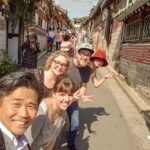
The guide’s role matters here. The tour promises stories and context beyond basic sightseeing, and this is a good place to ask how the temple fits into Korean Buddhist life. A past guest singled out Charlie DDA for clear explanations, patient answers, humor, and help taking pictures. You can’t count on having the same guide, but the account gives a useful sense of the kind of personal interaction this small-group format can support.
Dress with the sacred setting in mind. The tour advises against revealing clothing, including sleeveless tops and very short shorts. Photography is encouraged where permitted, but follow your guide’s directions and any restrictions at the site.
You can also read our reviews of more walking tours in Seoul
Insadong and Ssamziegil: time to look around
From Jogyesa, the tour moves to Insadong for roughly an hour. This section is described as a cultural walk through traditional streets, with time to explore Ssamziegil. Compared with the more solemn temple and shrine visits, this is the part of the day that gives you a chance to browse at your own pace.
That hour is useful, but it is not a long shopping stop. If you like taking your time in craft shops or choosing souvenirs, be ready to make decisions quickly. The guide can help you understand the area’s cultural character, while the free time lets you look around without needing to stay in a tight group every minute.
The order also gives the walk a natural rhythm. You begin with a religious site, then shift into a district where traditional culture is encountered through streets and shops. You’ll get more from the stop if you treat it as a place to notice details, not just a chance to shop.
Ikseon-dong: hanok architecture with a new life
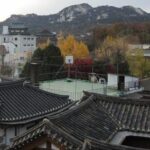
Ikseon-dong gets about 40 minutes of guided time. Its appeal lies in the contrast between old houses and their current role as part of one of Seoul’s trendier districts. The hanoks are described as around 100 years old, and the tour focuses on how traditional architecture has been adapted for present-day use.
This stop is especially good for photos. The narrow lanes and older buildings create a different feel from the temple grounds and formal shrine that bookend the route. Your guide can point out the architecture and explain the area’s change over time, giving you more to notice than the storefronts alone.
Forty minutes is a fairly short visit, so don’t expect to explore every lane or linger over a cafe stop. It is a guided walk, not a long neighborhood stay. If Ikseon-dong is high on your list, you may want to return on your own after the tour.
Lunch and the question of Gwangjang Market
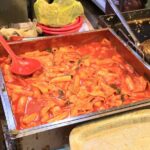
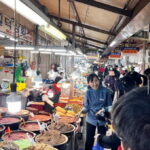
The schedule includes a one-hour meal break at about 13:00, and meals and drinks are not included in the price. This is a useful pause after several hours on foot, but you should budget separately for food and bring enough time to eat without rushing.
There is a detail worth checking before you book. The tour’s overview describes Gwangjang Market as the grand finale, with mung-bean pancakes and other street food, and its practical notes suggest using a market must-eat list after the tour. Yet the timed route lists lunch, then Jongmyo, and says the tour ends near Jongno 3-ga Station. It does not assign Gwangjang Market a visit or a set time.
That mismatch affects the value. If a guided market stop and food exploration are the main reasons you’re interested, ask the operator to confirm whether the market is included on your date. In any case, food and beverages are your own expense, so bring money for anything you want to try. Don’t assume the guide will lead a tasting unless that is confirmed.
Jongmyo: royal ritual and quiet formality
The final named sightseeing stop is Jongmyo Shrine, a UNESCO World Heritage site. The guided visit lasts about 40 minutes and focuses on the royal Confucian heritage of the Joseon dynasty, including the shrine’s architecture and sacred rituals. This is the most formal stop on the route, and it gives the day a strong historical finish.
Jongmyo is not just an old building to photograph. Its importance lies in the ceremonies and royal traditions it preserves, so the guide’s explanation can help you understand why the site matters. The tour includes admission, which means you do not need to buy a separate ticket for this stop.
Photography is restricted in some solemn areas. Your guide can point out where photos are permitted, so keep your camera ready but follow the rules. The tour advises modest clothing here, too. After the visit, the group concludes near Jongno 3-ga Station, with the listed return time around 15:00.
You can also read our reviews of more shopping tours in Seoul



What the price does, and does not, cover
The price information gives two starting figures: the headline says from $61.29, while the package options show English and Chinese guides from US$53.29. Prices can vary, so check the final amount shown for your chosen date and guide before paying. Admission, an English-speaking guide for the English package, one bottle of water per person, and Jongmyo entry are included.
Meals, beverages, and personal purchases are extra. Since the route includes a meal break and may or may not include Gwangjang Market as a guided stop, your food budget depends on how much you choose to eat. The value is strongest if you want a guide to connect several major sites in one outing, rather than simply paying for entry at each place.
A past booking account also raises a practical caution. The original reservation was canceled because the group did not reach the required minimum, and the replacement booking cost $20 more. The tour’s terms allow you to choose an alternative date or request a full refund if the minimum of four is not met, but that does not erase the inconvenience of changing plans. Keep some flexibility if your Seoul schedule is tight.
The tour has a 4 out of 5 score based on one tour-specific rating, which is too small a sample for a firm judgment. The provider, JUNG HO TRAVEL SERVICE, has 731 reviews and a 93 percent good review rate, but that figure covers the provider’s wider offerings. The strongest specific account describes Charlie DDA as helpful, funny, clear, and good at answering questions and taking photos. Treat that as a promising example, not a guarantee of your guide.
Who should book this Seoul walk?
I’d choose this tour if you want a guided overview of Seoul’s older center and value explanation as much as the sights themselves. It is a good fit for first-time visitors who want to understand the links between Buddhist practice, royal Confucian heritage, traditional streets, and modern neighborhood life in one compact outing.
It is less suited to anyone who wants a leisurely shopping day, a sit-down food tour, or a route with little walking. The pace covers several places, and the scheduled time in Ikseon-dong and Jongmyo is limited. You’ll also need to pay for your own lunch and drinks.
Before booking, confirm two things: the final price for your date and whether Gwangjang Market is actually part of the guided route. If both are clear, the tour offers a useful mix of landmark history and neighborhood texture. If the market is essential to you and it is not included, plan to visit it separately.
Roots of Seoul Walking tour: Jongmyo, Jogyesa & Gwangjang Market
“I enjoyed my tour very much! Mr Charlie DDA was very helpful, exclaimed and answered all my questions. I learned alot about the culture, traditions…”
FAQ
How long is the tour?
The tour runs from 10:00 to about 15:00, for roughly five hours. The schedule may change because of traffic or weather.
Where does the tour meet?
Meet at Anguk Station, Exit 6, at 10:00. You are asked to arrive five minutes early.
Where does the tour end?
The listed conclusion is near Jongno 3-ga Station. The tour does not promise a return to your hotel or a personal address.
Are meals included?
No. Meals and beverages are not included, though the schedule allows one hour for a meal.
Is Gwangjang Market part of the tour?
The tour description presents Gwangjang Market as a food stop, but the timed route does not list a visit there. Confirm with the operator before booking if the market is important to you.
What is included in the price?
The English package includes an English-speaking guide, attraction admission, Jongmyo Shrine admission, and one bottle of water per person. Personal expenses, meals, and beverages are not included.
What happens if the minimum group size is not met?
The activity requires at least four participants. If that minimum is not reached, you can book an alternative date or request a full refund.