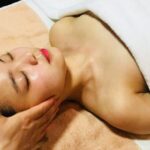
The best part of this Seoul class is that you do more than hear traditional Korean music: you pick up the sticks and make the rhythm yourself. Instructor Da Hwi Jung introduces the janggu, Korea’s hourglass-shaped drum, then leads you from basic technique toward a short group ensemble.
I like that the class makes rhythm physical and approachable, even if you have never played an instrument. I also like the combination of drumming and hanbok rental: you get a hands-on music lesson and a traditional outfit in one visit.
One consideration: this is a focused cultural class, not a concert or a broad survey of Korean music. You’ll spend your time learning and playing, and the published details don’t specify the class duration or group size, so check those points before booking if they matter to your plans.
- You play from the start: Learn how to hold the sticks, sit or stand with basic posture, and make sound on the janggu.
- Two Korean rhythms are on the lesson plan: Try Gutgeori and Semachi, then feel how their patterns differ.
- Call and response keeps the class lively: Rhythm games let you listen, answer, and find the beat with the group.
- You finish with an ensemble: Work toward a short shared performance, rather than leaving with only a few isolated exercises.
- Hanbok comes with the class: Rental is included, and the available styles have been described as cute and down-to-earth.
- It’s set in Itaewon: K-Harmony offers other Korean cultural classes at the same location, including gayageum, daegeum, cooking, and folk painting.
- A first lesson with the janggu
- From posture to Gutgeori and Semachi
- A teacher who makes beginners feel at ease
- Hanbok adds a second kind of Korean culture
- K-Harmony in Itaewon
- What the price buys you
- Who will enjoy this class most
- Practical points before you book
- Should you book the janggu class?
- FAQ
- Where does the janggu class take place?
- Who teaches the class?
- Do I need experience playing an instrument?
- What rhythms will I learn?
- Is hanbok rental included?
- What is the minimum age?
- Can I bring a pet?
- What is the cancellation policy?
- The Best Of Seoul!
- More Workshops & Classes in Seoul
- More Tours in Seoul
- More Tour Reviews in Seoul
- Not for you? Here's more nearby things to do in Seoul we have reviewed
A first lesson with the janggu
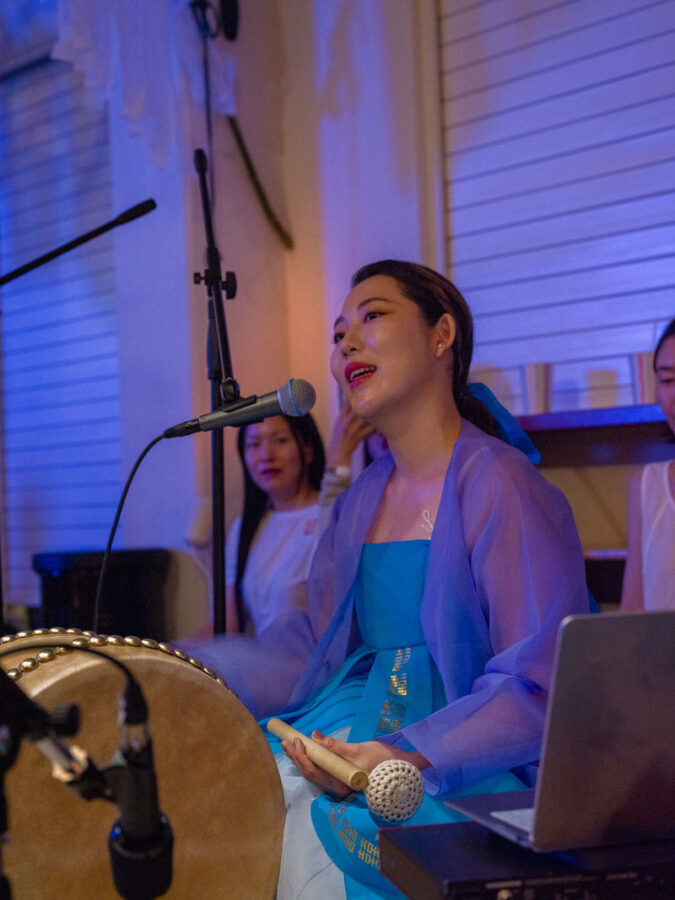
The janggu is an hourglass-shaped drum with two heads, and learning its basic sounds gives you a direct way into Korean rhythm. This is not a sit-back-and-watch performance. You learn through your hands, ears, and body, which makes the session a good fit if you want to take part rather than simply hear about an art form.
Da Hwi Jung is a traditional percussionist whose work includes janggu, buk, and performance-based education. Her teaching focuses on helping beginners feel the rhythm physically. In practical terms, expect an active class with guidance as you try each step, not a music theory lecture that assumes you already know the terms.
The class is designed for people with no prior experience, and participants aged eight and up can attend. A drummer or percussionist may find the basic movements familiar, but the Korean rhythmic patterns still offer something new to work on. If you’re a complete beginner, the lesson is structured to start with the fundamentals.
👉 See our pick of the 25 Best Guided Tours In Seoul
From posture to Gutgeori and Semachi
The class begins with an introduction to the janggu’s structure and sound. Knowing how the instrument is built helps you understand why your hands and sticks can produce different tones. It also gives you a moment to listen before you start playing.
Next, you learn how to hold the sticks and use basic posture. These small details matter: a relaxed grip and a clear starting position make it easier to follow the rhythm without turning every beat into a wrestling match with the instrument. The instructor guides you through the first techniques at a beginner-friendly pace.
Then you try accessible patterns, including Gutgeori and Semachi. The value here is not simply memorizing two names. You get to hear and feel that Korean music has its own rhythmic flow, and to notice how a change in pattern changes the energy of the playing.
The class moves into rhythm games based on call and response. One person plays a phrase, and another answers it. This format gives you a simple way to practice listening as well as keeping time. It can also take the pressure off: you don’t have to carry the rhythm alone from the first minute.
Finally, the group brings its skills together in a short ensemble. The goal is modest but satisfying: participants have been able to start with basic rhythm and finish by playing a song together. A more experienced percussionist may find the beat a manageable challenge; a newcomer can treat the final piece as a shared effort rather than a test.
You can also read our reviews of more tours and experiences in Seoul


A teacher who makes beginners feel at ease
A good first music lesson depends on more than the instrument. You need clear instructions, encouragement when your hands get ahead of your ears, and enough repetition to make the pattern stick. Da Hwi Jung’s teaching is described as friendly and encouraging, and English communication has worked easily in class.
That matters if you’re learning in a language that isn’t your own. You’ll need to follow demonstrations and guidance about posture, stick handling, and rhythm. The class is presented as accessible to all ages and experience levels, but the stated minimum age is eight.
The instructor may also play traditional songs during the session. That gives you a chance to hear the janggu in musical context, rather than only as an instrument you’re trying to master. Recording her playing has been welcomed by a participant, but it’s sensible to ask before filming or taking photos so you know what is allowed during your class.
Hanbok adds a second kind of Korean culture
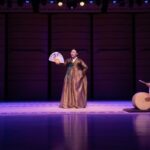
Hanbok rental is included, so the experience pairs music with traditional dress without requiring you to arrange a separate rental. The clothing adds a visual element to your visit and can make photos or videos from the session more memorable.
The available hanbok has been described as cute and down-to-earth, rather than an especially flashy costume. That may suit you if you’d rather wear something that feels relaxed than dress for a formal portrait. Still, outfit styles and choices can vary, so don’t book expecting a particular color, design, or photo setup.
The combination works especially well for couples, friends, or families who want to do something together. One person’s rhythm can be a little wobbly, another’s may come quickly, and the group performance gives everyone a shared finish. Solo participants can also join the ensemble, since playing together is part of the class design.
K-Harmony in Itaewon
The meeting point is K-Harmony, at 28 Itaewon-ro 23-gil in Yongsan-gu, Seoul. The studio offers several Korean cultural activities in one location, including gayageum and daegeum lessons, Korean cooking, and Minhwa folk painting.
That range is useful if you want to build a half-day around hands-on culture without changing venues. K-Harmony offers discounts when you book multiple classes, though the amount and conditions are not specified here. Check the current offer and class availability before planning your schedule around more than one activity.
Itaewon is the location, but the class details don’t provide transport directions or a travel time from other parts of Seoul. Use the full address when planning your route, and leave enough time to arrive. The stated late-arrival rule is strict: refunds are not available if you are 20 minutes late or more.
What the price buys you
The supplied starting prices differ: the overview gives US$110.75, while the Experience package details say from US$100.69. Treat these as starting figures rather than a guaranteed final price. Check the price shown for your date and booking before paying.
The value depends on what you want from a cultural activity. The fee covers the janggu class, a professional instructor, and hanbok rental. You’re paying for active teaching and a chance to play, not just entry to a performance. The group rhythm work and final ensemble give the lesson a clear arc, from first technique to making music with others.
If you’re mainly looking for a low-cost introduction to Korean music, the price may feel high for a single class. If you value an instructor-led activity, want to try a traditional instrument, and like the added outfit rental, the package offers more than a short demonstration. For someone who plays percussion already, the chance to work on Korean rhythms may be the strongest draw.


Who will enjoy this class most
I’d put this near the top of the list for curious beginners, music fans, and families with children aged eight or older. It’s especially appealing if you like activities that ask you to participate and don’t mind making a few imperfect sounds while you learn.
It also suits couples or friends looking for a shared activity with a tangible result. You’ll learn basic patterns, play games, and work toward an ensemble together. The hanbok rental adds a visual keepsake, although this is not described as a dedicated photo session.
If you’re an experienced drummer, expect an introduction rather than an advanced masterclass. The rhythm may still challenge or interest you, but the lesson begins with basic technique and is designed to welcome all levels. And if you prefer to watch rather than play, a traditional music performance may be a better match.
Practical points before you book
The voucher is valid only on the date and time specified for your booking. Confirmation is expected within 48 hours; if no confirmation email arrives, contact customer support. Pets are prohibited, and participants must be at least eight years old.
You can cancel for a full refund at least 48 hours before the activity date, using local destination time as the cutoff. The operator may cancel in unforeseen events or extreme weather, in which case you can reschedule or request a full refund. Refunds are not available once you have taken part in an activity or used a ticket, and changes or rescheduling depend on availability.
Should you book the janggu class?
Book it if you want to make music, not just watch it, and you like the idea of learning a traditional Korean rhythm with a supportive instructor. The sequence from basic stick handling to a group piece gives the session a satisfying goal, while hanbok rental adds another cultural layer.
Skip it if you’re after a concert, a long musical course, or a highly technical lesson for advanced players. The class is introductory, and its duration and group size aren’t specified in the details here. For a hands-on activity in Itaewon that combines rhythm, teamwork, and traditional dress, it’s a distinctive use of a Seoul afternoon.
Seoul: Korean Culture Experience Janggu Class with Hanbok
“Instructor Hui was very kind and we could communicate very easily in English. She was so encouraging and me and my partner enjoyed the whole sessio…”
FAQ
Where does the janggu class take place?
It meets at K-Harmony, 28 Itaewon-ro 23-gil, Yongsan-gu, Seoul, Republic of Korea.
Who teaches the class?
The instructor is Da Hwi Jung, a Korean traditional percussionist whose work includes janggu, buk, and performance-based education.
Do I need experience playing an instrument?
No prior experience is required. The class teaches basic janggu technique and is described as suitable for all ages and experience levels, with a minimum age of eight.
What rhythms will I learn?
The class includes accessible patterns such as Gutgeori and Semachi, along with call-and-response rhythm games.
Is hanbok rental included?
Yes. Hanbok rental is included with the janggu class.
What is the minimum age?
Participants must be at least eight years old.
Can I bring a pet?
No. Pets are prohibited.
What is the cancellation policy?
A full refund is available if you cancel at least 48 hours before the activity date, based on local destination time. Refunds are not available for participants who arrive 20 minutes late or more.