A tie-dye workshop gives you something Osaka sightseeing rarely does: a few hours to make an object with your own hands, then take it home. At Yu Kobo Osaka Umeda, you choose a textile item and work through the process with staff on hand to guide first-timers.
I like that the finished design is yours, not a souvenir picked from a shelf, and that the workshop suits solo visitors, pairs, friends, and families with children aged six and up. One practical catch: the starting price may not cover every product option, so confirm the cost of your chosen item before you book.
- What to know before you book
- Making something in the middle of Umeda
- Choosing your item, and checking its price
- What happens during the workshop
- Staff guidance and language expectations
- Drying time and taking your work home
- Is the US.09 starting price worth it?
- Getting there and planning your visit
- Who should book this workshop?
- FAQ
- How much does the tie-dye workshop cost?
- What can I make?
- How old do participants need to be?
- Where is Yu Kobo Osaka Umeda?
- How long does the item take to dry?
- Is the workshop accessible by wheelchair or stroller?
- The Best Of Osaka!
- More Workshops & Classes in Osaka
- More Tours in Osaka
- More Tour Reviews in Osaka
- Not for you? Here's more nearby things to do in Osaka we have reviewed
What to know before you book
 1 / 5
 2 / 5
 3 / 5
 4 / 5
 5 / 5
- You make a wearable or useful keepsake: Options include a handkerchief, T-shirt, or eco bag, with different product prices possible.
- Beginners are welcome: Staff guide you through a straightforward introduction to the craft.
- The item is the main event: This is a hands-on making session, not a tour of Osaka or a demonstration to watch from the sidelines.
- Drying may take extra time: One participant found their work needed about 1.5 to 2 hours to dry.
- Small groups keep the session manageable: Bookings are for one to seven participants.
- The workshop is in Umeda: It is about a five-minute walk from Hankyu Umeda Station.
👉 See our pick of the 24 Best Workshops And Classes In Osaka
Making something in the middle of Umeda
Umeda is one of Osaka’s busiest transport and shopping districts, so a craft session here can make a pleasant change from station corridors and department stores. Yu Kobo is in the Nomoto Umeda Building at 1-10-3 Shibata, Kita Ward. The first floor is Cafe Yu Umeda, and the workshop occupies floors two through four.
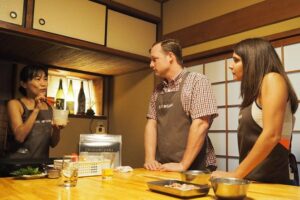
The workshop’s appeal is simple: you get to shape a personal design and see how it turns out on cloth. There is no need to arrive with craft experience. The activity is aimed at beginners, and staff provide guidance as you work. One participant described the course as easy to understand, while another found that their finished shirt came close to the design they had imagined.
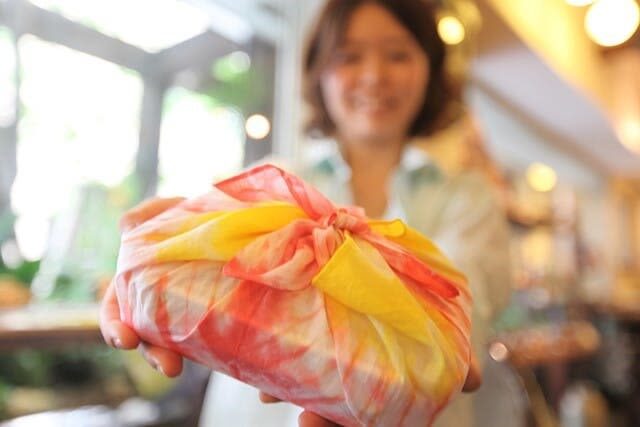
That creative control is part of the value. You are not just watching someone else make a traditional craft. You choose a piece to dye and take an active role in making it your own. The result may be a gift for someone else, or a useful reminder of your time in Osaka.
You can also read our reviews of more tours and experiences in Osaka



Choosing your item, and checking its price
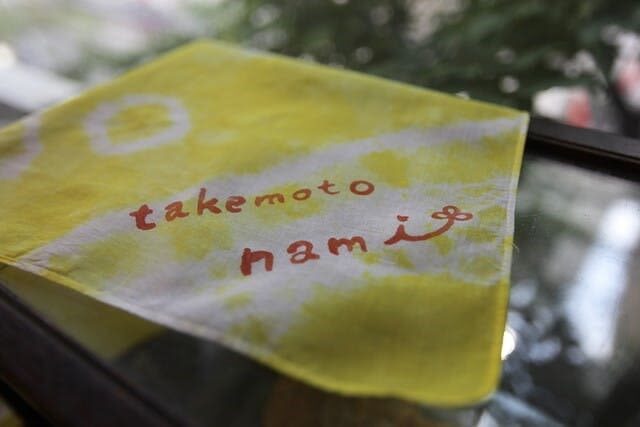
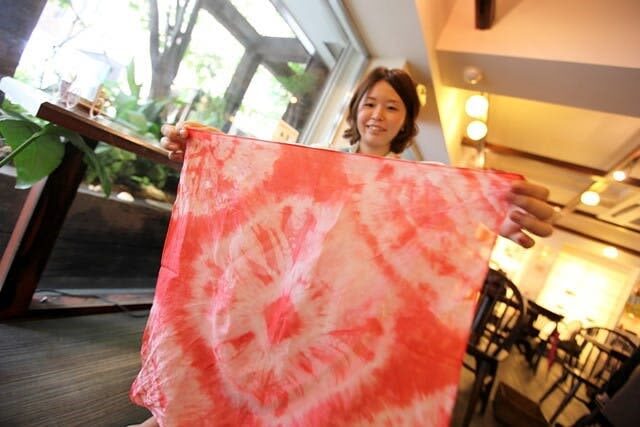
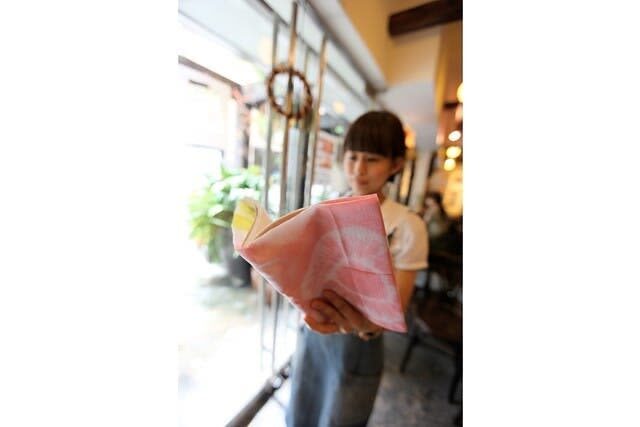
The listed activity is the shibori tie-dye experience, with a starting price of US$34.09. Handkerchiefs, T-shirts, and eco bags are among the available items. A participant also described a scarf option, but noted that its actual size was smaller than the one pictured. Product prices vary, so ask which item the base price covers and how much an upgrade costs.
This point deserves attention before you book. The activity fee includes the workshop and materials, but the price of the chosen product may differ. One participant found that a T-shirt cost extra. That does not mean the base price is poor value, but it does mean you should not assume it covers every textile choice.
If you are set on making a T-shirt, bag, or scarf, confirm the exact item and total cost with the provider before paying. If you are flexible, a lower-priced option may make the session easier on your budget. The same price applies to all ages, but the final cost of a chosen product can still vary.
What happens during the workshop
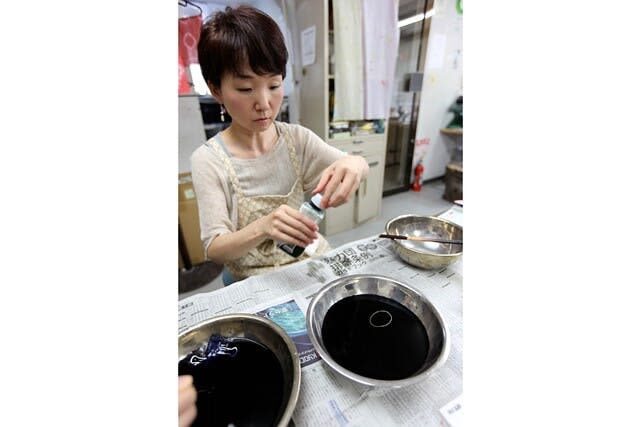
The session is built around designing and making your item, with staff guiding you through the process. The supplied details do not give a fixed class length or a step-by-step schedule, so plan for a craft activity rather than a timed sightseeing stop. You will need to follow the instructor’s directions, make choices about your design, and wait to see the result on the finished fabric.
That last reveal is a big part of the fun. Tie-dye involves a gap between what you picture and what the cloth becomes, so there is room for surprise. One participant said their piece came out close to the image they had in mind. Others described the activity as fresh and interesting, and appreciated seeing the result by the end.
This is a good activity if you like doing rather than simply looking. It also gives you a natural way to spend time together: friends, couples, and families can each make a piece, then compare results. Since the workshop accepts groups of one to seven, it can work for a solo visitor as well as a small party. Larger groups will need to fit within that limit or arrange separate bookings.
The workshop is intended for people aged six and older. Children can take part, but the practical advice about wearing clothes that can get dirty applies to adults too. Bring an apron if you have one, and choose clothes that cover more skin rather than a delicate outfit you would hate to stain.
Staff guidance and language expectations
The workshop is described as guided by experienced staff, and beginner-friendly instruction is one of its strengths. But language support may not be consistent from one session to another. Some participants found communication easy, while another had to use a phone translation app because the instructor did not speak English.
I would not book on the assumption that every instructor will teach in English. If you need detailed English instructions, contact the venue in advance to ask what support is available for your time slot. A translation app can help with basic questions, but it may not replace a clear demonstration when you are learning a hands-on process.
A staff member named Mr. Chan was praised for keeping a group informed and well cared for. That is a useful sign of the kind of personal attention a session can offer, but it does not guarantee he will lead your class. Staff assignments can vary, so treat the name as a possibility, not a promised instructor.
Drying time and taking your work home
The product is described as collectible at the end of the workshop, but you should leave room for drying. One participant estimated that their work took about 1.5 to 2 hours to dry. That may affect what you plan to do next, especially if you have a train to catch or a tightly packed day.
A participant also found that using hair dryers to dry a T-shirt could be unpleasant, as they heat up and the process may smell. The venue’s exact drying setup is not specified. Ask staff how long your item is likely to take and whether you can return for it later. Storage is available at the venue, though a fee may apply, so confirm the rate on site.
The product information says you can collect your work at the end of the workshop. To avoid a mismatch between that expectation and the actual drying time, check the collection plan before you begin. If you have limited time in Umeda, build in a generous buffer.





Is the US$34.09 starting price worth it?
For a hands-on class that includes the workshop and materials, the starting price is reasonable if you want a personal keepsake and enjoy making things. The value is not only the finished object. You also get time to learn the basics and make design choices yourself, which turns an ordinary shopping purchase into an activity.
The real value depends on the item you choose. If a T-shirt or another product costs extra, add that amount to the advertised starting price before comparing it with other Osaka activities. The fee is the same for children and adults, so a family should budget per person rather than assume a child’s ticket costs less.
The class may be less appealing if you want a long, detailed lesson on textile history or a guaranteed English-speaking instructor. The available description focuses on a practical making experience, and comments about communication vary. It is best approached as an accessible introduction, with a useful finished piece as the reward.
Getting there and planning your visit
The venue is a five-minute walk from Hankyu Umeda Station. If you are driving, the stated route is about 11 minutes from the Minamimorimachi exit on the Hanshin Expressway No. 1 Loop Line, with nearby coin parking recommended. Public transport is likely the simpler choice if you are already exploring Umeda.
The workshop is open daily from 10:00 a.m. to 6:30 p.m. Arrive five minutes before your booked time, and bring your mobile voucher. The voucher is valid only on the date and, when applicable, the time selected. Late arrivals and no-shows are not refundable, so allow time to find the building.
The activity is wheelchair- and stroller-accessible, which makes it more practical for families and visitors with mobility needs. If you need to store belongings, ask staff about storage fees. There is no requirement listed to bring special supplies beyond an apron, but wear clothes that can get dirty and leave less skin exposed.
Cancellations made at least eight days before the activity receive a full refund. Cancellations three to seven days ahead receive a 50 percent refund. Cancellations one or two days before, or on the activity date, are not refundable. If extreme weather or another unforeseen event leads the operator to cancel, you can request a full refund or reschedule.
Who should book this workshop?
I’d choose this class if you want a relaxed, creative break in Umeda and like the idea of leaving with something you made yourself. It is a sensible pick for a couple, a few friends, or a family with children six and older. The small group limit should help keep the session focused, while the beginner-friendly format means you do not need to arrive with a craft background.
It may not suit you if you have a tight schedule, are particular about English-language instruction, or need a firm guarantee about when your item will be dry. Ask about those details before booking, especially if you want a specific product or have a train to catch afterward.
Book it if the making is as important to you as the souvenir. Before you pay, confirm the price of your preferred item and leave enough time for drying. That small bit of planning can turn a pleasant workshop into a keepsake you are genuinely glad to bring home.
Tie-Dyeing Workshop by Yu Kobo Osaka Umeda
“The advertisement is misleading because it should mention that the material is not completely included! It is possible to dye a t-shirt, a bag or a…”
FAQ
How much does the tie-dye workshop cost?
The listed starting price is US$34.09. Different products may have different prices, so confirm the total cost of your chosen item before booking.
What can I make?
The listed options include a handkerchief, T-shirt, or eco bag. A scarf has also been offered, but product choice and price can vary.
How old do participants need to be?
Participants must be at least six years old. The same activity price applies to all ages.
Where is Yu Kobo Osaka Umeda?
It is at Nomoto Umeda Building, 1-10-3 Shibata, Kita Ward, Osaka. Hankyu Umeda Station is about a five-minute walk away.
How long does the item take to dry?
Drying time can vary. One participant reported that their work took about 1.5 to 2 hours, so ask staff about your item and collection plan.
Is the workshop accessible by wheelchair or stroller?
Yes. The activity is listed as wheelchair- and stroller-accessible.