Matcha is not simply a drink here: you learn how it is prepared, then whisk your own cup after a short introduction to tea ceremony customs. I like that this gives you a hands-on taste of Japanese culture without requiring a full formal ceremony, and I like the option to add nerikiri sweet making for a longer, more creative session.
The main consideration is pace. The basic tea ceremony can be brief, so if you want a substantial activity, choose the sweets package rather than expecting a long ceremony. The experience is at AN NAGOYA Japanese Culture Experience in Meieki, and the starting price is $8.05.
- At a glance
- A small tea lesson in the middle of Nagoya
- Choosing between tea alone and tea with nerikiri
- What happens during the tea ceremony
- Shaping nerikiri by hand
- Getting to AN NAGOYA
- Is the starting price good value?
- Who will enjoy this experience most?
- Should you book it?
- FAQ
- How much does the Tea Ceremony Experience cost?
- Where does the experience take place?
- What is included in the traditional tea ceremony package?
- Can I make Japanese sweets as well as matcha?
- How long does the combined tea and sweets session take?
- What is the minimum age to participate?
- Can I cancel or change my booking?
- The Best Of Nagoya!
- More Tours in Nagoya
- More Tour Reviews in Nagoya
- Not for you? Here's more nearby things to do in Nagoya we have reviewed
At a glance
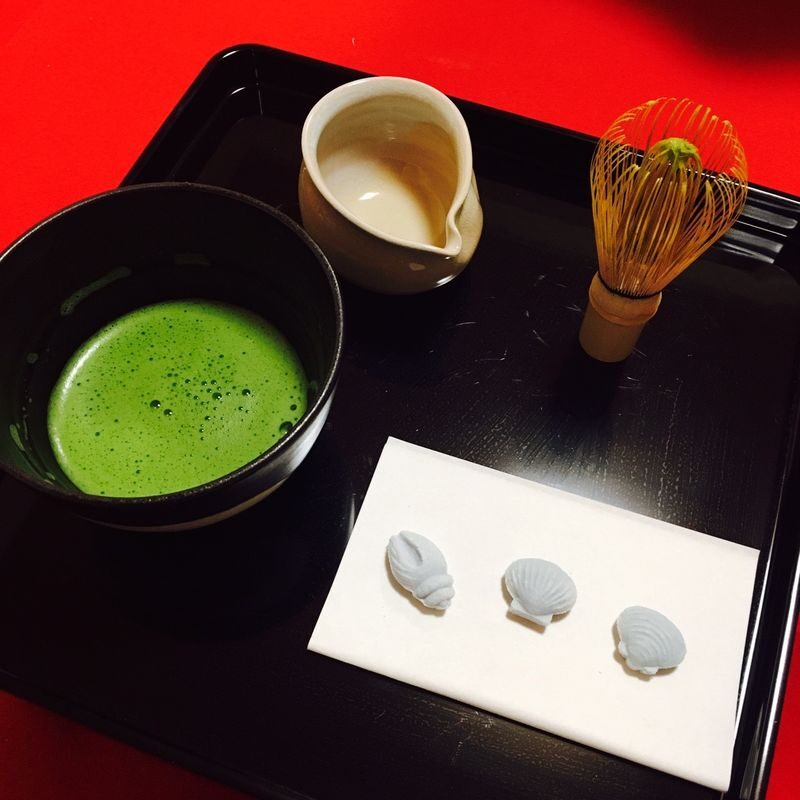
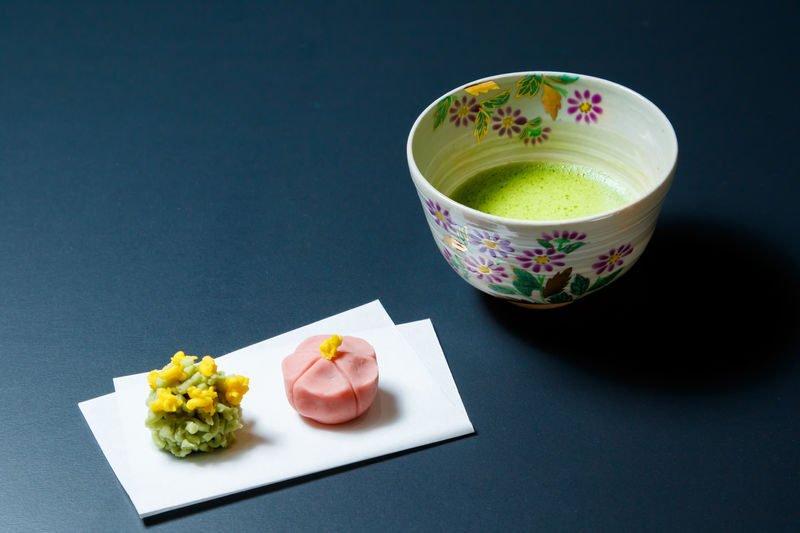
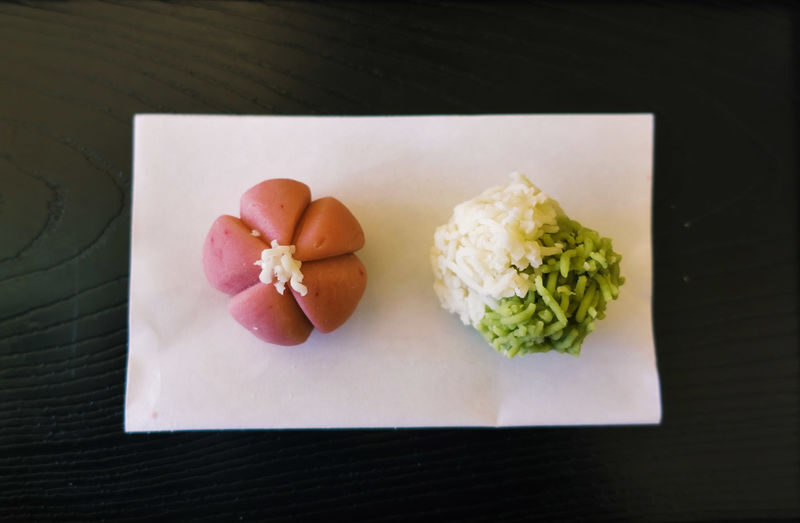
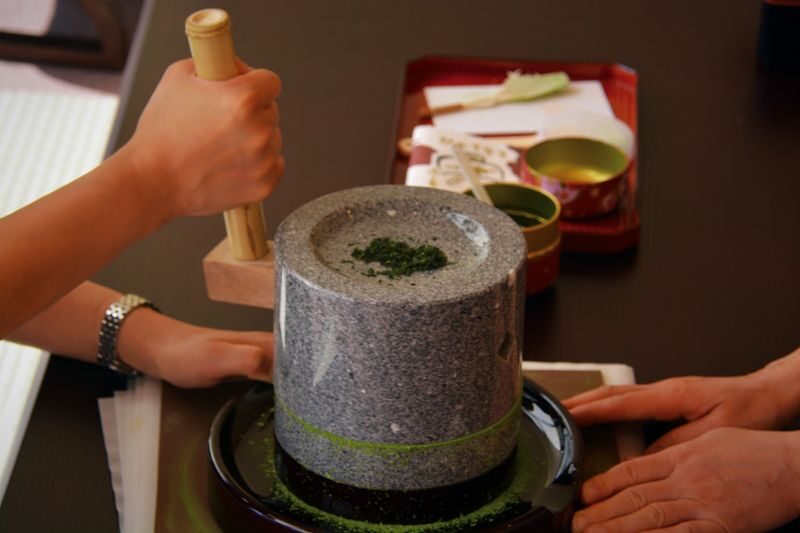
- You whisk your own matcha: A short introduction leads into practical instruction, so you do more than watch a demonstration.
- Nerikiri adds a hands-on hour: The optional sweets workshop pairs shaping traditional Japanese sweets with the tea ceremony.
- English instruction is available in sessions: Instructors have explained the steps in Japanese and English, though cultural details may take more effort to follow.
- The basic ceremony is quick: Choose it for a compact cultural pause, not a lengthy formal event.
- The address is in Meieki: The venue is listed at Uezen Bldg 3F, 5-22-23 Meieki, Nakamura-ku, Nagoya.
👉 See our pick of the 8 Best Workshops And Classes In Nagoya
A small tea lesson in the middle of Nagoya
This experience is well suited to a day when you want a calm change of pace. Nagoya sightseeing can mean castles, shops, food stops, and plenty of walking. Here, you pause, learn a few customs, and make a bowl of matcha yourself. The emphasis is on taking part, not sitting through a long lecture.
The format is approachable for beginners. You do not need to know tea ceremony etiquette before you arrive. The instructor demonstrates, explains the basic actions, and guides you as you try them. You can watch and follow along even if some of the cultural explanation is unfamiliar.
That balance of demonstration and practice is the activity’s real appeal. Tea ceremony is known for careful movements and attention to the way tea is prepared and served. A short class cannot cover every detail of the tradition, but it can help you notice that the small steps have a purpose. You leave with more than a cup of tea: you have tried making it yourself.
The provider is 株式会社B.B.Advisors(名古屋), and instructors named in sessions include Ueno and Saki. The experience is designed for individuals as well as groups, and children aged 1 and up may participate. If you are travelling with family, the sweets option gives younger participants something tactile to do alongside the tea lesson.
You can also read our reviews of more tours and experiences in Nagoya.


Choosing between tea alone and tea with nerikiri
The Traditional Tea Ceremony Experience is the shorter choice. It includes the tea ceremony, with a brief introduction to matcha and its preparation before you whisk your own cup. One account of the basic package describes a quick lesson, so think of it as a compact introduction rather than an extended study of tea.
Choose this option if you want to fit a cultural activity between other plans, or if the tea-making itself is what interests you. It can also suit a first-time visitor who would rather try one focused activity than set aside much of the day.
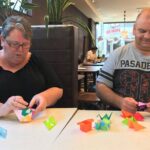
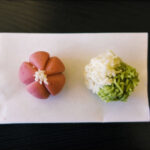
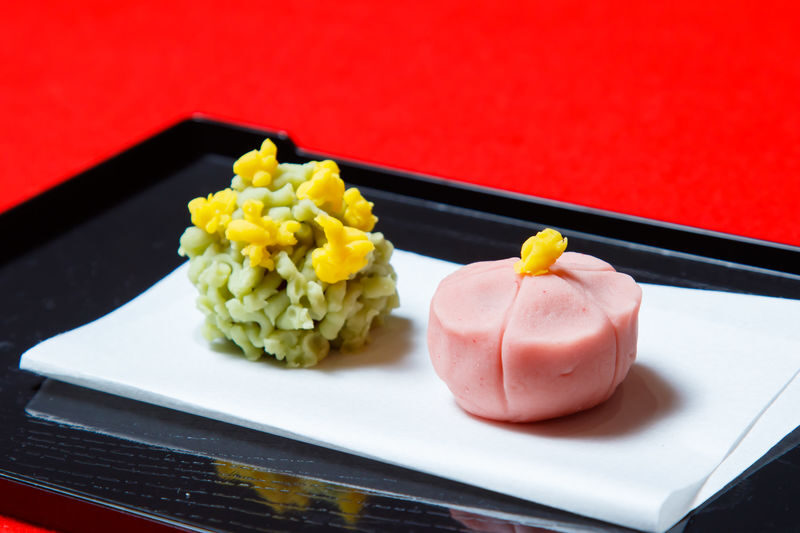
The second option combines tea ceremony with nerikiri making. Nerikiri is a traditional Japanese sweet, shaped by hand into seasonal or decorative forms. One session, for example, used a Mid-Autumn Festival theme, with shapes including a rabbit, a full moon, and a chrysanthemum. The design can vary, so treat that as an example rather than a promise of what you will make.
The sweets workshop takes about an hour, followed by roughly 20 to 30 minutes for the tea ceremony, according to one account of the combined package. Another description puts the whole visit at around 1.5 hours. That makes it the better pick if you want a fuller activity and enjoy food crafts. You also get to taste the sweet with matcha, a pairing that helps explain why the two are often served together.
The trade-off is time and price. The advertised starting price of $8.05 is for the traditional tea ceremony package, and the cost of the sweets option is not specified here. Check the price for your chosen package before booking rather than assuming the starting rate covers both activities.
What happens during the tea ceremony
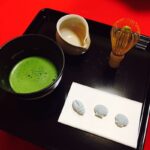
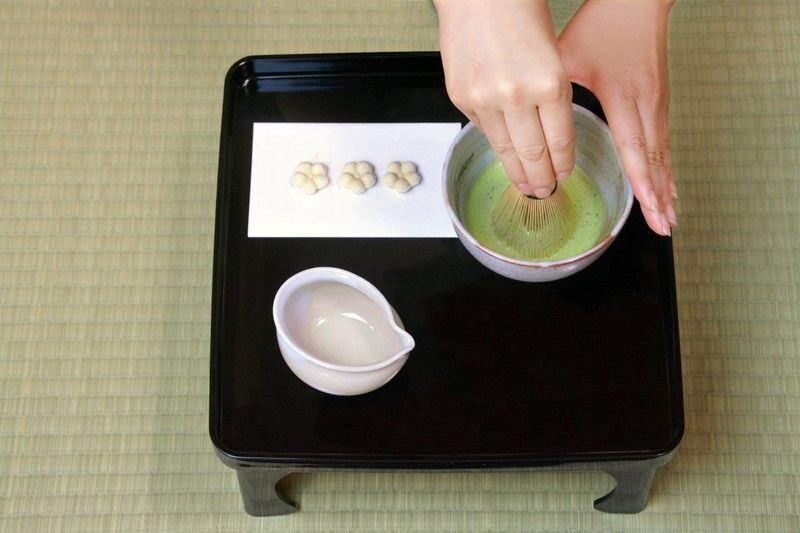
The session begins with an introduction to matcha and the customs around preparing and serving it. The instructor explains the basic steps, then shows you how to whisk the tea. You get to prepare your own cup, which makes the lesson more engaging than watching someone else do all the work.
The ceremony is presented in a simplified form. That is useful if you have never taken part: you can focus on the main movements and the instructor’s explanation without being expected to know formal etiquette. The tea is served with a sweet in some sessions, including a local sugar cookie mentioned alongside the matcha. The precise sweet may depend on the session or package.
The lesson can also touch on how tea is made and served. One account described learning about matcha and tea production, including how processing affects the kind of tea produced. If you enjoy food culture, those details give the cup context. If you are hoping for a deep study of tea history or a long, formal ceremony, this is probably not the right format.
Instructors have used both Japanese and English. English-speaking participants have been able to follow practical demonstrations, and the instructions are generally built around watching and doing. Still, some cultural explanations may be harder to follow if English is not your first language. You can copy the movements even when you miss a detail, but ask for clarification if a particular step matters to you.
Shaping nerikiri by hand
The sweets package adds a creative, slightly more demanding part to the visit. You learn how to shape nerikiri under the instructor’s guidance. The finished sweets need not look exactly like the sample to make the exercise worthwhile: the fun is in learning how the form comes together and seeing what you can manage with your hands.
The task is suitable for beginners, and children have enjoyed making sweets with their families. It is not just a quick decoration activity, though. One account describes the shaping as challenging, which is part of its charm if you like trying a new skill. An instructor can demonstrate each step and help you along, but the final result may vary with your own dexterity.
The workshop also gives you a more direct connection to Japanese sweets than simply buying one at a shop. You learn by making, then get to enjoy the sweet with matcha. If food is a big part of how you like to explore a place, this package offers more substance than the tea-only version.
The instructor’s manner matters in a small class like this. Instructors including Ueno and Saki have been named in sessions, and accounts describe patient, welcoming teaching. One attendee had a poor experience with an instructor, a reminder that no class is guaranteed to be perfect. Overall, the experience has a 4.9 rating across 66 reviews, with a 97 percent good-review rate across 91 total reviews. Those figures point to a strong track record, not a guarantee of a particular teacher or outcome.
Getting to AN NAGOYA
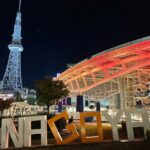
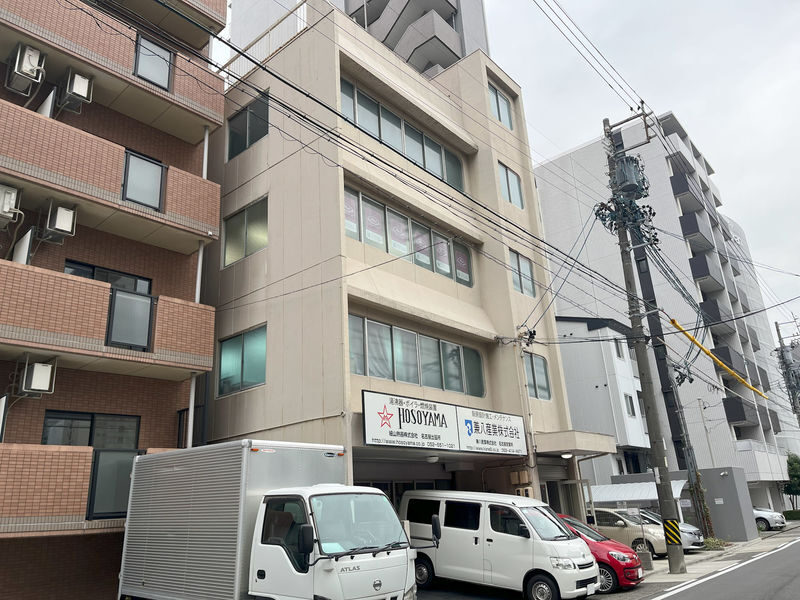
The meeting point is AN NAGOYA Japanese Culture Experience, listed at Uezen Bldg 3F, 5-22-23 Meieki, Nakamura-ku, Nagoya. Meieki is the area around Nagoya Station. The venue has been described as walkable from the station, while another visitor took a taxi from the station and paid about ¥1,300. Your best choice depends on your starting point, luggage, and comfort navigating the neighborhood.
There is a small practical wrinkle about the floor. The address gives the third floor, while one account described stairs to a fourth-floor room. Before setting out, confirm the exact floor and access details with the operator, particularly if stairs are a concern. One participant said the stairs were manageable with small bags, but that does not establish that the route is suitable for everyone.
Plan to arrive with enough time to find the building and get upstairs. This is a scheduled, hands-on activity, so arriving flustered is not the ideal start to a lesson built around slowing down.


Is the starting price good value?
At from $8.05, the tea-only experience is an inexpensive way to add a cultural activity to a Nagoya itinerary. Its value comes from participation: you learn a little about matcha, practise whisking, and take a short break from sightseeing. If you only want to taste matcha, a café may be simpler. If you want someone to show you how to make it and explain the customs, this class offers something extra for a modest starting price.
The sweets-and-tea package is likely the better value for anyone who wants a longer visit. It adds about an hour of making nerikiri to the tea session, so you have more time to practise and take part. Since the sweets package price is not given here, compare the current rate with the tea-only option before deciding.
Keep expectations in proportion to the cost and duration. The shorter package is an introduction, not an exhaustive course. The combined package gives you more activity, but it is still a workshop rather than a full-day cultural programme. For a relatively small addition to a Nagoya day, either option can be worthwhile if you enjoy learning by doing.
Who will enjoy this experience most?
I would choose the basic tea ceremony if you are curious about matcha, short on time, or looking for a relaxed stop between Nagoya sights. It also works for a solo visitor: the activity is open to individuals as well as groups, and the practical steps make it easy to take part without prior knowledge.
Pick tea and nerikiri if you like cooking, crafts, or food traditions. It is the stronger family choice for children who enjoy making things, though children must be at least 1 year old to participate. Older children have enjoyed the sweets and tea together, while adults can appreciate the cultural explanation and the chance to try a new technique.
This is also a good choice if you want an activity that feels different from the usual sightseeing checklist. It is not a grand ceremony in a famous temple setting, and the short format keeps it informal. Its appeal is the close-up practice: whisking the matcha, following the instructor’s movements, and, if you choose the longer package, shaping a sweet yourself.
Should you book it?
Book the tea-only session if you want a low-cost, concise introduction to matcha and tea ceremony. Choose the nerikiri package if you can spare about 1.5 hours and want a more hands-on experience with a sweet to make as well as tea to prepare.
I would not book the basic option expecting a long or highly formal ceremony. But if a calm break, a practical lesson, and a taste of Japanese food culture sound right for your Nagoya day, this is a sensible, good-value choice. Check the current package price and confirm the venue floor before you go.
Tea Ceremony Experience (Nagoya)
“Ueno was very kind to me and made me feel welcome. She was so patient teaching me how to whisk the matcha and shape the nerikiri sweets. I was nerv…”
FAQ
How much does the Tea Ceremony Experience cost?
The listed starting price is $8.05 for the Traditional Tea Ceremony Experience. The price for the Tea Ceremony and Nerikiri package is not specified here, so check the current rate for that option before booking.
Where does the experience take place?
The meeting point is AN NAGOYA Japanese Culture Experience, Uezen Bldg 3F, 5-22-23 Meieki, Nakamura-ku, Nagoya. Confirm the exact floor before you go, as one account described a room on the fourth floor.
What is included in the traditional tea ceremony package?
The Traditional Tea Ceremony Experience is included. Other personal expenses are not included.
Can I make Japanese sweets as well as matcha?
Yes. The Tea Ceremony and Nerikiri (Japanese Sweet) Making package combines sweet making with the tea ceremony. The traditional tea-only package does not list sweet making as an included activity.
How long does the combined tea and sweets session take?
An account of the combined package describes about one hour for sweet making and 20 to 30 minutes for the tea ceremony. Another puts the total visit at around 1.5 hours.
What is the minimum age to participate?
Participants must be aged 1 or older.
Can I cancel or change my booking?
A full refund is available if you cancel at least 24 hours before the activity date, using destination local time. Booking changes are allowed until 24 hours before the activity starts, with exceptions for some bookings, including those made with Klook Pass or certain credits.