Nagoya’s nerikiri workshop turns a pretty shop-window sweet into something you can shape with your own hands. In about 55 minutes, you’ll make two confections, learn a little about their place in Japanese food culture, and see how simple tools and careful shaping create such fine details.
I like the use of genuine wooden molds made by skilled artisans, and the nerikiri filling sourced from a long-established Kyoto shop. The instructor’s demonstrations make the process approachable, even if you have no experience with sweets or Japanese.
One thing to weigh: this is a short, beginner-friendly class, not an advanced pastry lesson. The building can be easy to miss, and the room has been described on different floors, so check your booking details before you set out.
- What to know before you book
- Making nerikiri by hand in Nagoya
- Shaping two seasonal sweets
- What the teaching is like
- A central address with a few small snags
- Is US.85 good value?
- A sweet introduction to Japanese culture
- Who should book this workshop?
- Booking and practical details
- Should you book it?
- FAQ
- How long does the workshop take?
- What sweets will I make?
- Where does the workshop take place?
- Is the venue close to Nagoya Station?
- Is the class suitable for children?
- Do I need experience making Japanese sweets?
- Is English instruction available?
- Do the sweets change by season?
- Are materials included?
- What are the available start times?
- The Best Of Nagoya!
- More Dessert Tours in Nagoya
- More Tours in Nagoya
- More Tour Reviews in Nagoya
- Not for you? Here's more nearby things to do in Nagoya we have reviewed
What to know before you book
 1 / 5
 2 / 5
 3 / 5
 4 / 5
 5 / 5
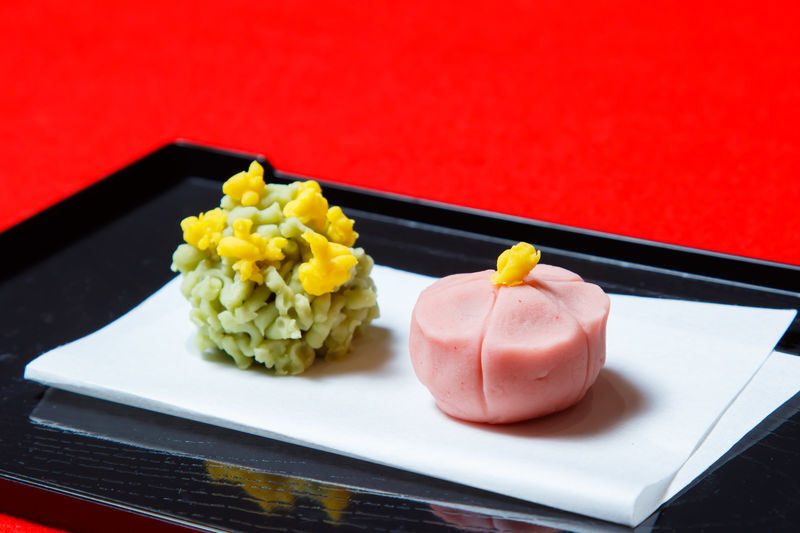
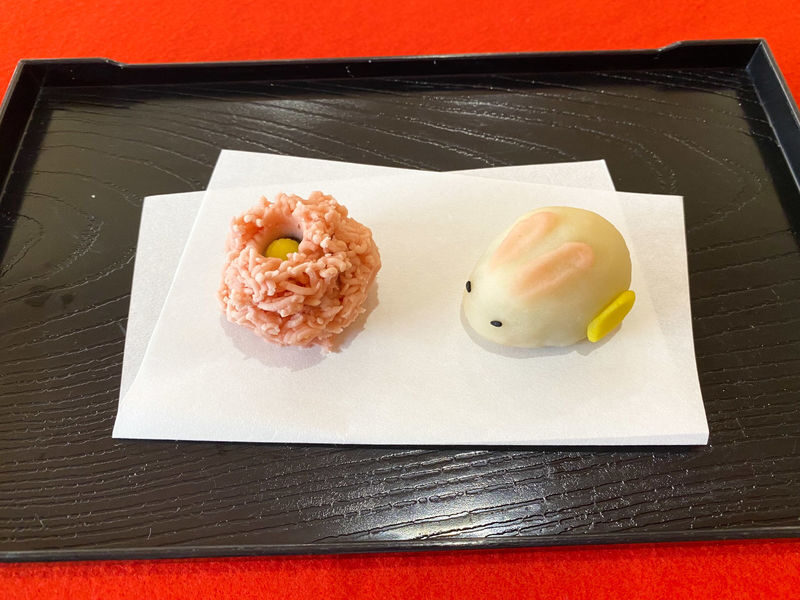
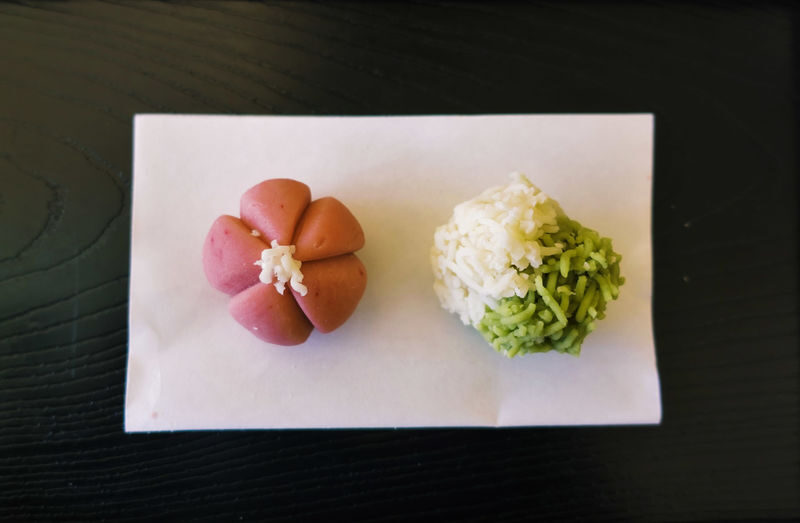
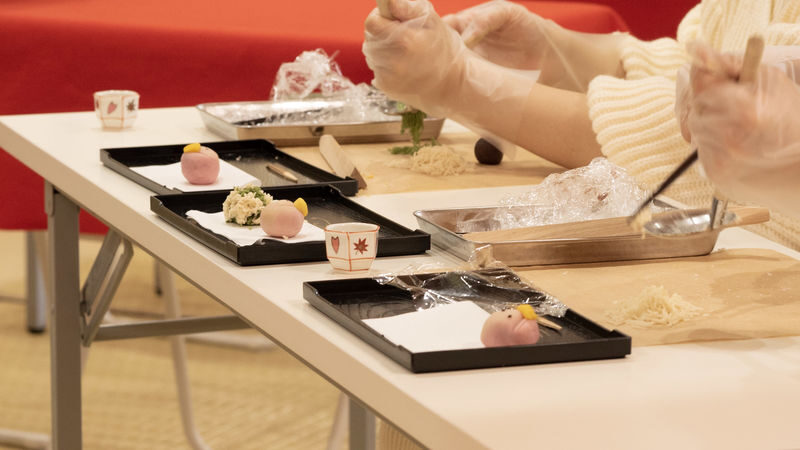
- Two sweets in one short class: Make a flower-shaped nerikiri and a kinton nerikiri, with designs that can change by season.
- Kyoto-sourced filling: The nerikiri filling comes from a long-established shop in Kyoto, bringing a small taste of another Japanese confectionery tradition to Nagoya.
- Artisan-made tools: The workshop uses genuine wooden molds crafted by skilled wood mold artisans.
- English help is often available: Instructors have been described as patient and willing to explain or demonstrate in English, but the booking details do not promise a particular language arrangement.
- Central Nagoya address, modest exterior: The class is at Uezen Bldg, 5-22-23 Meieki, a walk from Nagoya Station. Allow time to spot the building and find the classroom.
- A low-cost cultural activity: Prices start at US$11.85, making this a compact, hands-on option for a spare hour.
👉 See our pick of the 8 Best Workshops And Classes In Nagoya
Making nerikiri by hand in Nagoya
Nerikiri is a soft Japanese sweet often shaped into flowers and other seasonal forms. Its appeal is visual as well as edible: the careful colors and sculpted details reflect the season, and the sweet is often displayed with the care you might give a small piece of art.
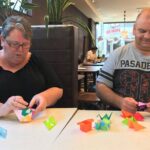
This class gives you a chance to move beyond admiring those sweets in a shop window. You’ll handle the confection yourself, follow the instructor’s demonstration, and make two pieces. The workshop is designed to be easy for beginners, so you don’t need special skills or prior experience.
The ingredients and tools add substance to what could otherwise be a simple craft activity. The filling is sourced from a long-established Kyoto shop, while the wooden molds are made by skilled artisans. Those details help connect the hands-on work to the wider craft traditions behind Japanese sweets.
The class is also brief enough to fit into a day of sightseeing. The scheduled making session lasts 55 minutes, followed by a 10-minute break. The listed departure and return slots suggest a compact outing of about an hour, though the schedule can change with conditions.
You can also read our reviews of more tours and experiences in Nagoya


Shaping two seasonal sweets
The workshop begins with an explanation of traditional Japanese sweets. That introduction gives you context for the designs before you start handling the ingredients. The menu can vary with the season and ingredient availability, so the exact shapes are not fixed year-round.
Next comes a flower-shaped nerikiri. You’ll follow the instructor’s steps to shape the sweet, using demonstrations to see how the form comes together. This is the part where patience matters more than artistic talent. The process is meant to be accessible, and the instructor can guide you when your flower looks less polished than the sample.
The second project is kinton nerikiri. This is another style of nerikiri, giving you a chance to try a different look and technique rather than making two identical sweets. The two-part format is a useful introduction: you get variety without committing to a long class.
A photo session follows the making. It’s a handy chance to record your finished work before the class moves on. Don’t expect every sweet to look like the instructor’s model. The point is to learn the method and make something yourself, not produce a perfect display piece on your first try.
What the teaching is like
The clearest strength of the class is its patient, demonstration-led teaching. Instructors have been described as kind and encouraging, and participants have found it possible to follow along even without understanding Japanese. Some instructors have spoken both Japanese and English, while others have used simple explanations and gestures to make each step clear.
English arrangements may vary, so don’t assume that every session has a dedicated English-speaking instructor. If language support matters to you, check the booking details or contact the operator before choosing a time. Still, the craft is visual, and watching the teacher’s hands can carry much of the instruction.
The workshop is suitable for families, including children. The stated minimum age is one year, and children have been able to keep up with the basic steps. Keep expectations realistic: very young participants may need help, and the activity is about trying the process together rather than making flawless sweets.
Solo participants can also fit in comfortably. One-person sessions have taken place, and the class does not depend on bringing a group. It can be a pleasant change of pace if you’ve spent the day moving between stations, shops, and attractions.
A central address with a few small snags
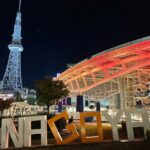
The activity takes place at 庵an名古屋, also called AN NAGOYA Japanese Culture Experience, at Uezen Bldg 3F, 5-22-23 Meieki, Nakamura-ku. The venue is within walking distance of Nagoya Station, which makes it practical to add to a day near the station.
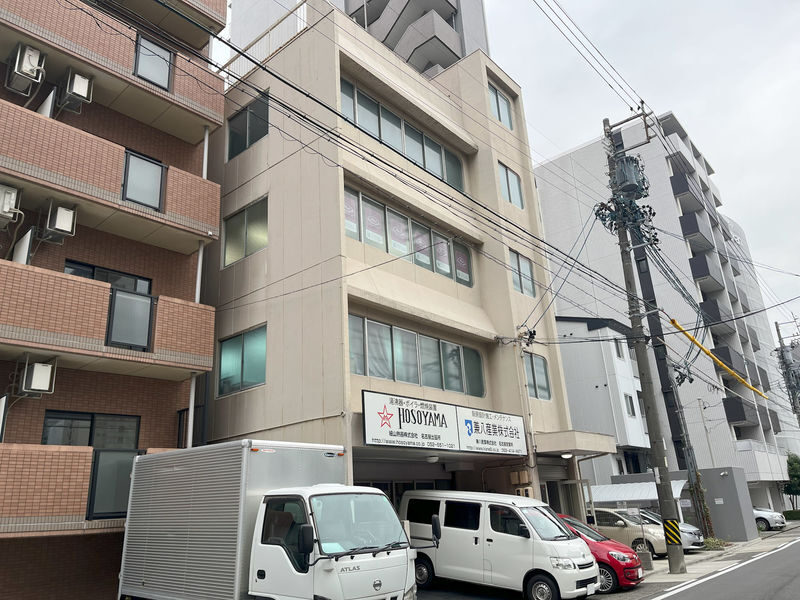
The building exterior is not especially prominent, so use the address and map rather than relying on a bold storefront sign. One useful tip is to look up for the sign once you reach the location. The listed address says 3F, but classroom floor details have varied, with one participant finding it on the 4th floor. Check the latest instructions on your voucher.
Several descriptions note stairs and no elevator. If stairs are a concern, confirm access arrangements before booking. You’ll also need to remove your shoes before entering the classroom, so wear footwear that’s easy to take off and put back on.
Arrive with a little breathing room. The activity has set departure times at 08:00, 10:30, 13:00, 15:30, and 18:00, but you need to attend the time selected when booking. One late arrival experience involved waiting outside in cold weather, so it’s sensible to confirm where to meet and aim to arrive on time.
Is US$11.85 good value?
At a starting price of US$11.85, this is an inexpensive way to add a hands-on cultural activity to your Nagoya plans. You get instruction, materials for two sweets, and a short introduction to wagashi. The Kyoto-sourced filling and artisan-made molds also give the class more character than a generic craft session.
The value depends on what you want from the hour. If you’re looking for a relaxed first taste of Japanese confectionery making, the price is appealing. If you want an in-depth course on ingredients, advanced shaping, or professional techniques, this format may feel basic. It is built for access and enjoyment, not specialist training.
Check what happens to the sweets after the class. A participant reported paying extra for takeaway boxes, but packaging is not listed as included. If you want to carry your work with you, ask whether a box is available and whether it costs extra.
There is also a 10-minute break in the schedule. Treat the activity as a short class rather than a full morning or afternoon program. The concise format is a plus for a packed itinerary, but it leaves limited time for extended questions or multiple practice attempts.
You can also read our reviews of more tours and experiences in Nagoya


A sweet introduction to Japanese culture
Wagashi are more than a treat to eat. Their shapes and colors can reflect seasonal themes, and the designs connect food with the calendar and Japanese aesthetics. Making nerikiri gives you a practical way to notice that relationship: you work with the shape, color, and presentation instead of only reading about them.
The seasonal menu makes repeat visits potentially different. Autumn designs, for example, have included chrysanthemum and fragrant olive, while other months bring their own motifs. The exact sweets depend on the season and ingredient supply, so it’s best to think of the listed flower and kinton styles as the workshop’s format rather than a guarantee of fixed designs.
If you’re interested in tea culture, this class can pair naturally with a tea ceremony activity. The sweets are made to be enjoyed as part of Japanese food culture, and a separate tea ceremony nearby may give you a fuller sense of how wagashi can accompany matcha. That said, the sweets class itself is a complete short activity, not a tea ceremony.
Who should book this workshop?
I’d recommend the class to first-time visitors curious about Japanese food, families wanting a low-pressure activity, and solo visitors who enjoy learning by doing. You don’t need a steady hand or prior cooking ability. The instructor demonstrates the techniques, and the aim is to try shaping the sweets yourself.
It’s also a good fit for anyone who has admired wagashi but never thought about how they are made. You’ll come away with a better eye for the detail behind those small, refined designs, even if your own results are delightfully uneven.
You may want to skip it if you’re seeking a long, technical cooking lesson or a guaranteed English-language class without confirming the arrangements. The workshop is short and introductory. Its charm is in the direct contact with the craft, the friendly guidance, and the chance to make two seasonal sweets without spending much.
Booking and practical details
The activity costs from US$11.85 and takes place at AN NAGOYA Japanese Culture Experience in Meieki, Nagoya. You can choose from listed start times of 08:00, 10:30, 13:00, 15:30, or 18:00, subject to availability. The voucher is valid only for the date and time shown.
Participants must be at least one year old. Booking changes are allowed until 24 hours before the activity, with some exceptions for particular pass or voucher bookings. A full refund is available when you cancel at least 24 hours before the activity date in local time. In severe weather or other unforeseen circumstances, the operator may cancel and offer a reschedule or refund.
Should you book it?
Book this workshop if you want a short, affordable introduction to wagashi and enjoy making things with your hands. The two-sweet format, seasonal designs, Kyoto-sourced filling, and artisan-made molds make it a worthwhile hour for curious beginners.
Before you go, confirm language support, the classroom floor, and whether takeaway packaging costs extra. If you’re after advanced instruction, choose a longer class; if you want an easy cultural activity near Nagoya Station, this one makes a practical and tasty choice.
Traditional Japanese Sweets Making Workshop in Nagoya
“An adorable experience with adorable staff! The team really makes an effort to ensure international travelers feel included. The explanations are s…”
FAQ
How long does the workshop take?
The sweets-making session is listed as 55 minutes, followed by a 10-minute break. The overall schedule is about 65 minutes, though timing can change.
What sweets will I make?
The class includes a flower-shaped nerikiri and a kinton nerikiri. Designs may change with the season and ingredient availability.
Where does the workshop take place?
It takes place at 庵an名古屋 / AN NAGOYA Japanese Culture Experience, Uezen Bldg 3F, 5-22-23 Meieki, Nakamura-ku, Nagoya.
Is the venue close to Nagoya Station?
The venue is described as within walking distance of Nagoya Station.
Is the class suitable for children?
The minimum age is one year. Children can participate, and the activity is described as suitable for families.
Do I need experience making Japanese sweets?
No prior experience is required. The instructor demonstrates the steps, and the workshop is designed to be approachable for beginners.
Is English instruction available?
English support has been available in some classes, including bilingual instruction and explanations. The booking information does not guarantee a particular language arrangement, so check before booking if it is important to you.
Do the sweets change by season?
Yes. The menu may change depending on the season and ingredient availability.
Are materials included?
The class involves making two sweets, and no special equipment or ingredients are listed as something you need to bring. The activity information does not specify whether takeaway boxes are included.
What are the available start times?
The listed options are 08:00, 10:30, 13:00, 15:30, and 18:00. Available times may vary, and you must attend the time selected at booking.