SPYSCAPE turns spycraft into a series of real-world stories and hands-on tests. You’ll see artifacts and learn about intelligence work, then try challenges that measure how you handle surveillance, codes, deception and pressure.
I like the mix of historical material and active challenges, and the way your results build into a personal Q Type profile rather than ending with a simple score. One thing to weigh: the activities rely on English, and the $52.70 starting price does not include the separate SPYGAMES attraction.
At a glance
- Try several kinds of spy work: Challenges cover deception, surveillance, encryption and agility.
- Watch the room closely: In the surveillance zone, camera feeds appear overhead, and you answer questions based on what you spot.
- Get a personal Q Type: Your challenge results form a behavioral profile of your decision-making and performance under pressure.
- Learn the history behind the gadgets: Exhibits cover intelligence work, including WWII and Cold War stories.
- Budget 1 to 2 hours: You may need longer if you want to attempt every activity at an unhurried pace.

👉 See our pick of the 6 Best Tours In New York
- At a glance
- At 928 8th Avenue, the museum begins with a question
- Spy stories, artifacts and a route through the past
- Surveillance and codes turn watching into a game
- Your Q Type is a profile, not a spy license
- Who will get the most from the visit
- What the ticket covers, and what it does not
- Getting there and preparing for entry
- Should you book SPYSCAPE?
- FAQ
- How long should I allow for SPYSCAPE?
- What does the ticket include?
- Is SPYGAMES included?
- Where is SPYSCAPE?
- How do I get there by subway?
- What are the opening hours?
- Can young children enter?
- Can I bring a large bag or outside food?
- The Best Of New York!
- More Tickets in New York
- More Tours in New York
- More Tour Reviews in New York
- Not for you? Here's more nearby things to do in New York we have reviewed
At 928 8th Avenue, the museum begins with a question
 1 / 6
 2 / 6
 3 / 6
 4 / 6
 5 / 6
 6 / 6
SPYSCAPE sits at 928 8th Avenue, at the southeast corner of West 55th Street. It is close to Times Square and Central Park, making it an easy indoor stop to pair with a Midtown day out.
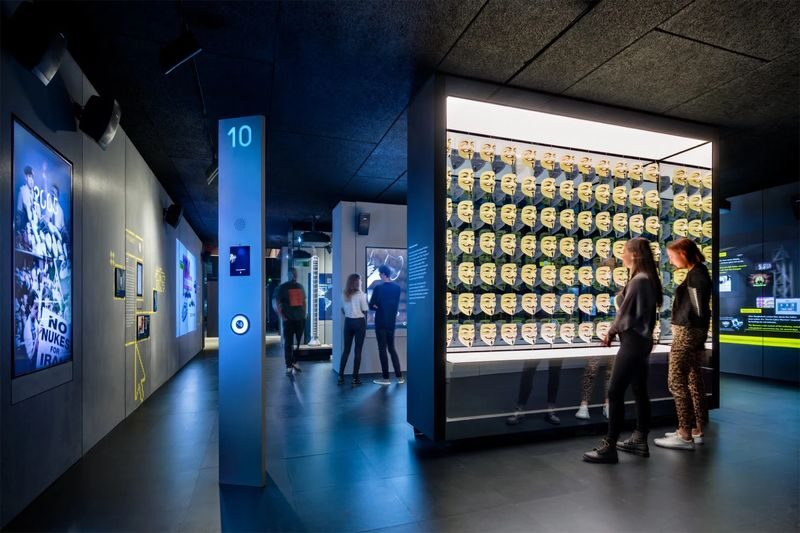
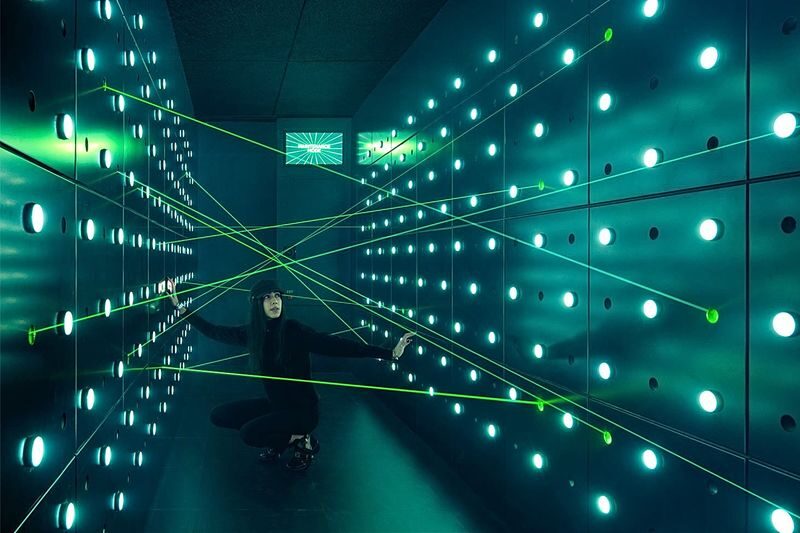
The attraction is not a quiet gallery where you simply read labels and move on. It combines spy history, objects and interactive challenges, so you shift between looking, listening, making decisions and testing your attention.
That combination matters if you are visiting with children or friends who have different museum habits. A history enthusiast can focus on the stories and artifacts, while someone who would rather press a button than read a panel has a reason to keep moving.
The experience was developed with input from MI6 experts and psychologists. That background helps explain why it mixes espionage stories with tests of how you think and act, rather than treating spy work as only gadgets and disguises.
You can also read our reviews of more tours and experiences in New York



Spy stories, artifacts and a route through the past
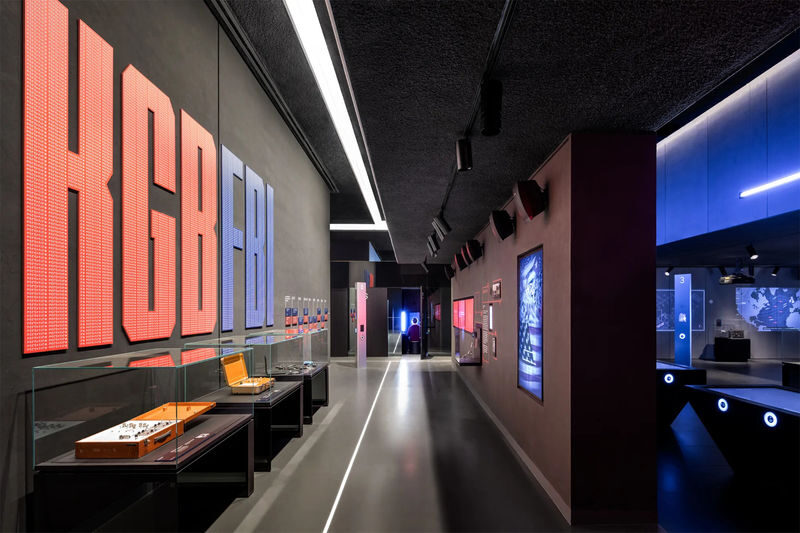
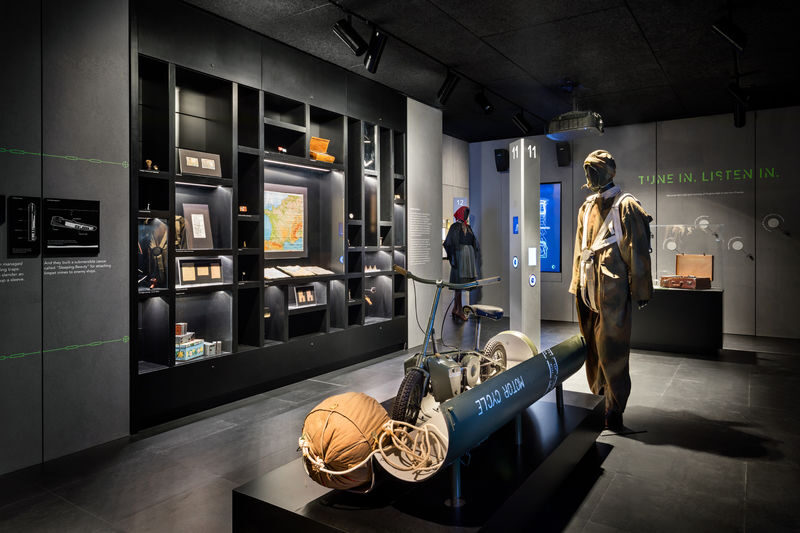
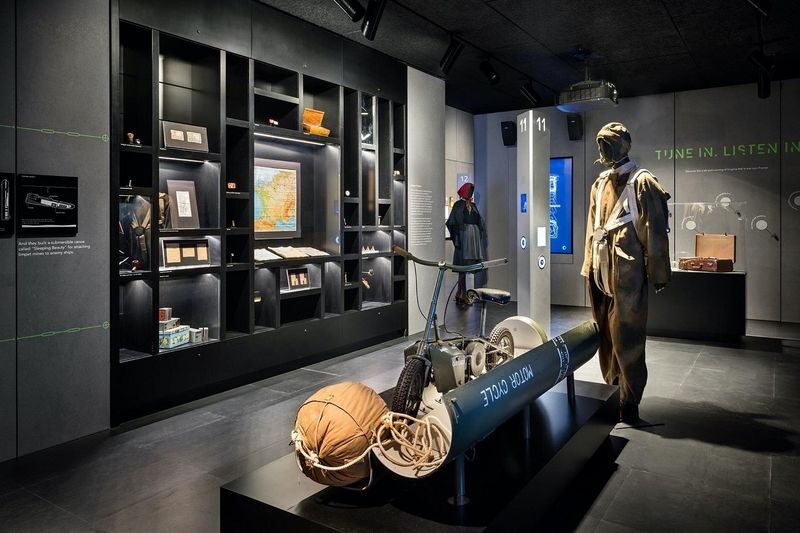
The museum’s historical side gives the challenges some context. You can learn about intelligence agencies and spy work through stories connected to WWII and the Cold War, along with material that reaches into modern hacking and cryptology.
The subjects are broad enough to appeal beyond dedicated spy-fiction fans. Espionage touches on surveillance, coded messages and the choices people make when information is incomplete. Those ideas give the displays a clear purpose, even if you are not planning to read every panel.
The artifacts and stories are part of the value, but this is a compact, activity-led attraction rather than a sprawling history museum. If you want a full day of archival material and detailed political history, this may feel light. Think of it as a lively introduction, with the interactive elements doing much of the teaching.
Give yourself time to pause at the displays instead of rushing from one challenge to the next. A visit can fit into an hour, but that may mean skipping activities. The stated visit length is 1 to 2 hours, and the extra time is useful if you want to explore the history and try the tests without watching the clock.
Surveillance and codes turn watching into a game
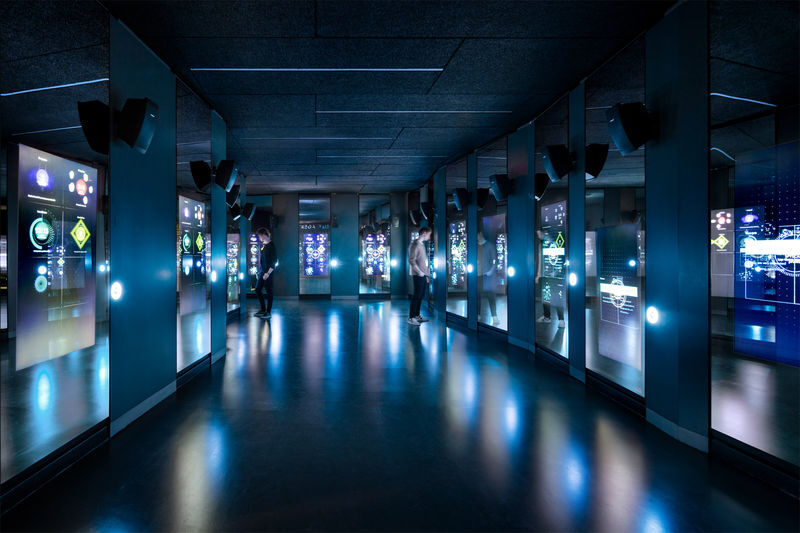
The challenges put you on the spot in several areas: deception, surveillance, encryption and agility. Some test how you read information; others ask you to respond quickly or use physical skills. The point is less to prove that you are a perfect spy than to show how you work through different kinds of pressure.
The surveillance zone offers one of the most distinctive activities. Camera feeds are displayed overhead in a 360-degree arrangement, and you look for the right details before answering. You can respond using a phone in the room or select an answer on your own phone, depending on the activity.
This setup makes observation an active task. You are not just told that surveillance depends on attention; you have to track what is happening and pick out the relevant information. If you miss a detail, the timer and score make that clear. It is a fun way to involve a group, though it can feel hurried if you prefer to study a display at your own pace.
Other challenges involve pattern recognition, decision-making and physical agility. The exact test you encounter may vary, but the overall mix means you are not repeating one type of puzzle throughout the visit. Some parts may suit a quick thinker; others reward patience and close observation.
The activities record scores and responses for your profile. That gives the experience a sense of progression, but it also means you should not expect every moment to feel like a traditional museum visit. If you want to linger over each object without prompts or a timer, the game-like format may be a drawback.
Your Q Type is a profile, not a spy license
At the end, your challenge results feed into a digital Q Type profile. It describes how you think, decide and act under pressure, and maps strengths and possible potential. You may get a suggested intelligence role, such as intelligence analyst, based on how you perform.
Treat it as an entertaining snapshot, not a formal career assessment. The profile adds a personal payoff to the activities, especially when you compare results with friends or family. It can also give younger visitors a playful way to think about different skills, from close observation to pattern recognition.
You can access your profile through an email sent after the experience. A printed or purchased profile book may be offered separately, but you do not need to buy one simply to see your results. Check what is included before spending extra at the end.
A useful feature is that the profile draws on performance, not just your answers to personality questions. The experience combines questionnaire-style material with timed tasks and recorded results, so the final readout reflects more than what you say you are good at. Still, the value is mainly in the fun of seeing how the tests characterize you.
Who will get the most from the visit
SPYSCAPE is a strong choice for families with school-age children and teenagers, as well as friends looking for an activity that gives everyone something to do. The combination of historical displays and interactive tests can keep a mixed-age group engaged, though very young children may not get much from the content.
Children aged 0 to 5 enter free, but preschool-aged children are not recommended because some material may be sensitive. That is worth keeping in mind if you are planning a family visit. Older children who can read instructions and follow the activities are more likely to take part fully.
The English requirement is important. The questionnaire and game instructions are in English, and the activities are harder to enjoy if you cannot follow the wording quickly. If someone in your group has limited English, they may still be able to look at exhibits, but they could miss much of the challenge and profile experience.
For a date, the format offers plenty to talk about: compare scores, debate who spotted more in the camera feeds, and see how different profiles turn out. It is also a practical rainy-day stop in Midtown. If you want a quiet, contemplative museum date, though, the timed tasks and busy interactive focus may not be your style.
You can also read our reviews of more museum experiences in New York





What the ticket covers, and what it does not
The standard ticket includes museum admission, interactive spy challenges and the digital Q Type profile. SPYGAMES is separate, as are special exhibits, so check the ticket details if either is a main reason for your visit.
At a starting price of $52.70, this is not a bargain-priced museum stop. The value depends on how much of the experience you use. If you take your time with the displays, attempt several challenges and compare profiles with your group, the ticket covers more than a quick look around. If you only want to see spy artifacts, the price may feel steep for a relatively compact museum.
There are weekday and weekend ticket options. Admission is subject to availability, and if your chosen time is full, you may be asked to enter at the next available slot. The venue regulates the number of people inside, so arriving with a little flexibility is sensible.
Plan for 1 to 2 hours, and avoid arriving near closing if you want to try everything. Last admission is 90 minutes before closing. Hours are 10 a.m. to 8 p.m. Monday through Thursday and Sunday, and 10 a.m. to 10 p.m. Friday and Saturday.
Getting there and preparing for entry
The nearest listed subway options are the C and E trains at 50th Street, or the A, C, B and D trains at 59th Street-Columbus Circle. Bus options include the M20 and M104 northbound to 8th Avenue and West 52nd Street, or the M20 southbound to 7th Avenue and West 55th Street.
If you are driving, the iPark garage at 308 West 55th Street lists parking at $15 for up to three hours; longer stays are charged at garage rates. That can be useful for a short visit, but Midtown parking adds cost to an already substantial ticket.
All bags are subject to search. Free coat-room storage is available on a first-come, first-served basis, with lockers measuring 11.5 by 19.5 by 24 inches. Oversize items are not allowed inside, so travel light. Outside food and drinks are prohibited, and flash photography is not allowed.
The voucher is valid only on the date selected. You can present the mobile voucher at the venue, though you may need to wait for the next available time if your slot is full. Free cancellation is available with at least 24 hours’ notice; once you have used a ticket or taken part in an activity, a refund cannot be issued.
Should you book SPYSCAPE?
Book SPYSCAPE if you want a Midtown activity that mixes spy history with puzzles, observation tests and a personal performance profile. It suits families with older children, groups of friends and anyone who likes a little competition alongside museum displays.
Skip it if you mainly want a large, quiet collection of historical artifacts, if English-language activities will be a barrier, or if the price only makes sense to you when SPYGAMES is included. For the best value, allow close to two hours and plan to take part in more than one challenge. That is when the museum’s mix of story and play makes the most sense.
SPYSCAPE Immersive Spy Museum and Experience Ticket in New York
“This is a fascinating museum, full of history and fun, interesting things to do and learn. I loved it!”
FAQ
How long should I allow for SPYSCAPE?
Plan on 1 to 2 hours. You may need more time to try all the activities at a relaxed pace.
What does the ticket include?
It includes admission to SPYSCAPE, interactive spy challenges and a digital Q Type profile.
Is SPYGAMES included?
No. SPYGAMES requires a separate ticket. Admission to special exhibits is also not included.
Where is SPYSCAPE?
The address is 928 8th Avenue, New York, NY 10019. The entrance is at the southeast corner of West 55th Street.
How do I get there by subway?
Take the C or E train to 50th Street, or the A, C, B or D train to 59th Street-Columbus Circle.
What are the opening hours?
The museum is open from 10 a.m. to 8 p.m. Monday through Thursday and Sunday, and from 10 a.m. to 10 p.m. Friday and Saturday. Last admission is 90 minutes before closing.
Can young children enter?
Children aged 0 to 5 can enter free. Preschool-aged children are not recommended because the museum contains sensitive material.
Can I bring a large bag or outside food?
Bags are subject to search, and free coat-room storage is available on a first-come, first-served basis. Lockers measure 11.5 by 19.5 by 24 inches; outside food and drinks are not allowed.