The 9/11 Memorial Museum tells the story of the attacks through the people who lived through them and the people who did not come home. Its exhibits include portraits of the 2,983 victims, personal accounts, films, and objects connected to the events and their aftermath. This is not a quick stop for a photograph. Give it time, and come prepared for a solemn visit.
I like two things especially: the museum sets the events in a wider historical context, and its personal stories keep the focus on human lives rather than headlines alone. The memorial pools outside offer a quieter place to pause, and admission to them is free.
One consideration: some exhibits are intense and may be too much for younger children. The museum advises discretion for children under 10, and even adults may want a break during the visit.
- Key points to know before you go
- Start at the World Trade Center site
- The museum’s story begins before September 11
- Victim portraits and first-person accounts
- Films and an audio guide can add useful context
- Step outside to the memorial pools
- How much time to set aside
- Ticket value and practical details
- Who should make time for this visit?
- Should you book the 9/11 Memorial Museum ticket?
- FAQ
- Where is the 9/11 Memorial Museum?
- How do I get to the museum by public transit?
- What are the museum’s opening hours?
- How long should I allow for a visit?
- Are the memorial pools included in the museum ticket?
- Is the museum suitable for children and wheelchair users?
- The Best Of New York!
- More Tickets in New York
- More Tours in New York
- More Tour Reviews in New York
- Not for you? Here's more nearby things to do in New York we have reviewed
Key points to know before you go
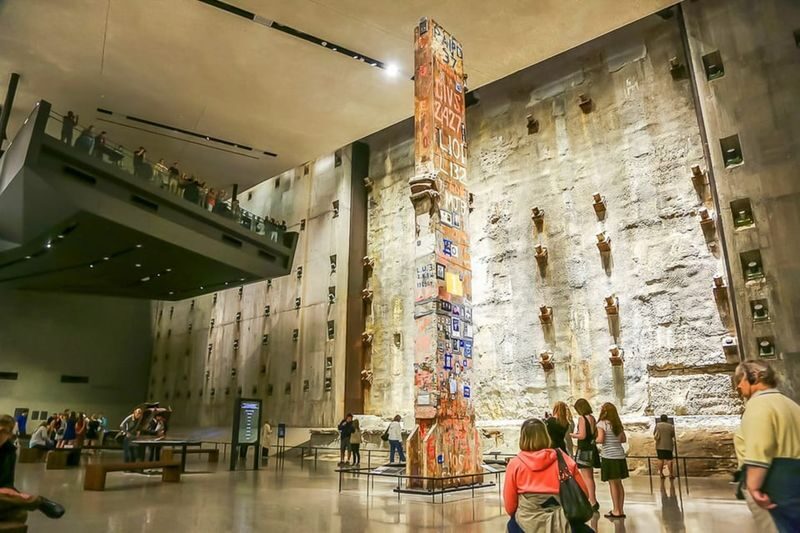
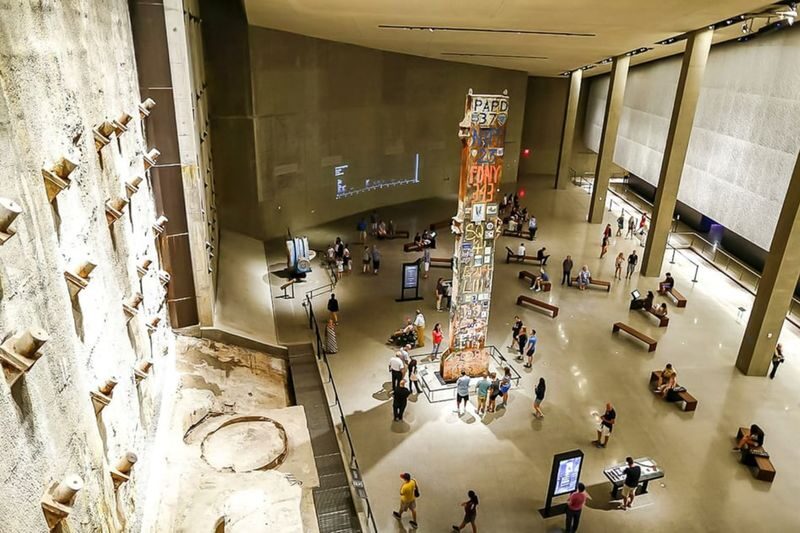
- The museum is a substantial visit: Plan on two and a half to three hours if you want to move through the exhibits without rushing.
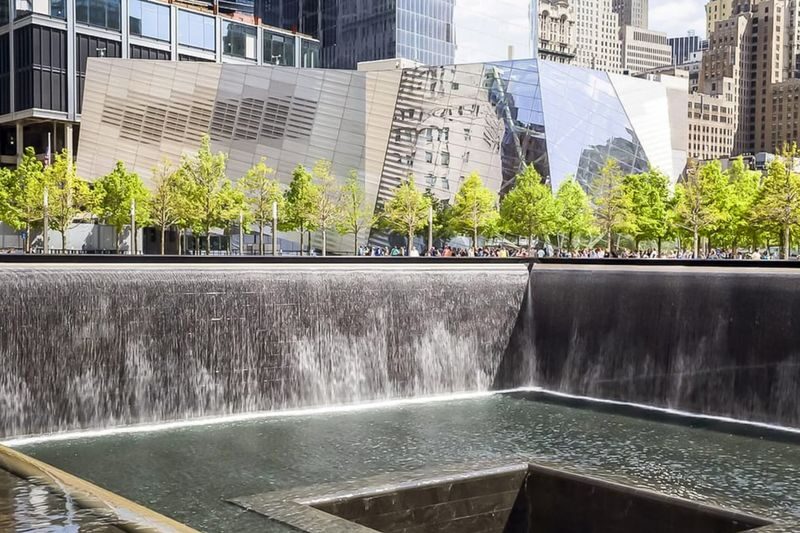
- The memorial pools are outside the ticketed museum: You can visit these reflective pools in the Twin Towers’ footprints for free.
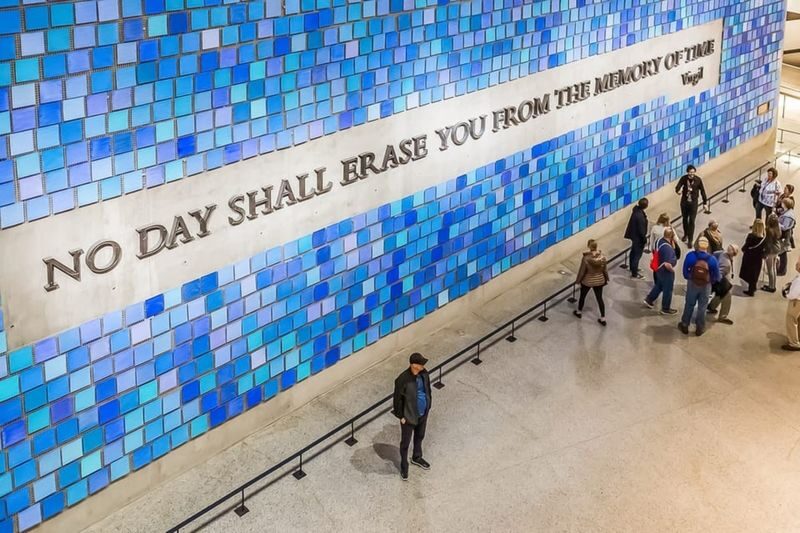
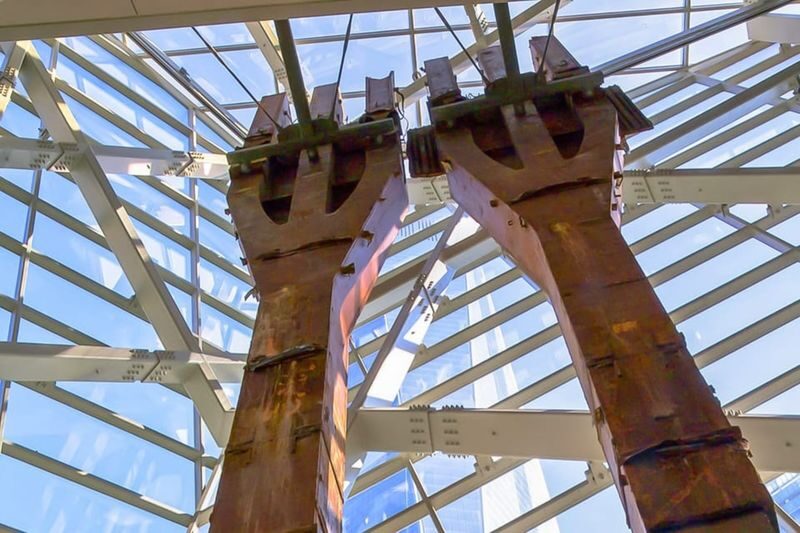
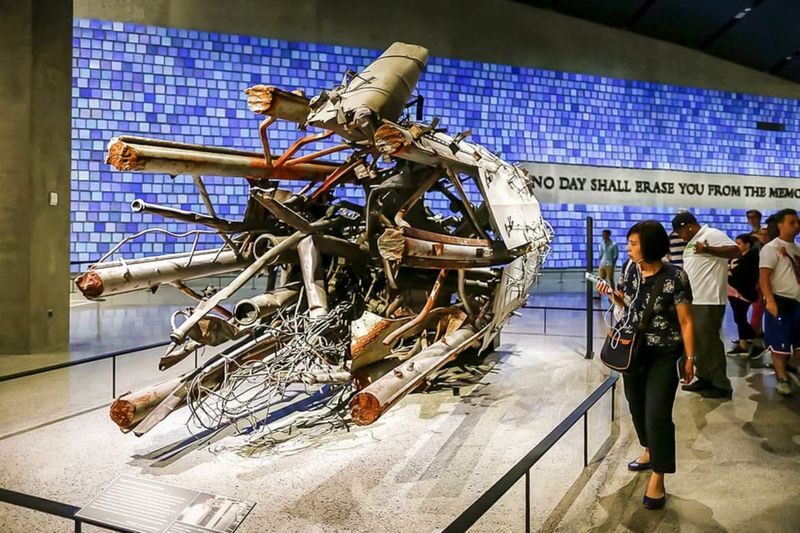
- Personal stories are central: Portraits of the victims, recordings, photographs, and objects give the history a human scale.
- Films are included: Daily screenings are free for museum visitors, including a film in the Museum Pavilion auditorium.
- An audio guide may add context: One reported price was about $11 at the entrance. Check the current cost before your visit.
- Book for a date you can keep: The voucher is valid only for the selected date and time, if one is specified.

👉 See our pick of the 6 Best Tours In New York
Start at the World Trade Center site
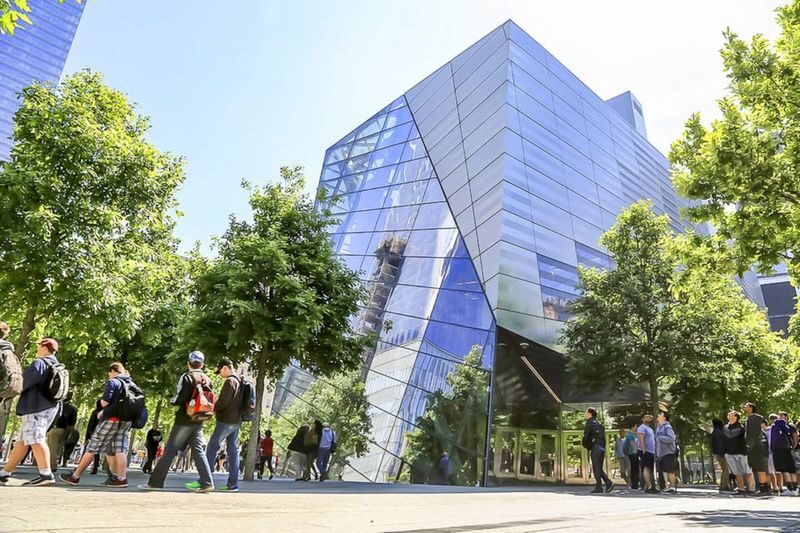
The National 9/11 Memorial Museum is at 180 Greenwich Street in Lower Manhattan, on the World Trade Center site. The address is easy to reach by subway, bus, or on foot if you are already exploring this part of the city.
By subway, take the A, C, J, Z, 2, 3, 4, or 5 to Fulton Street. Bus routes M55, M20, and M22 also serve the area. If you are driving, the nearest parking garage listed is at Brookfield Place. A taxi can take you to the museum, but public transit is often the simpler option in Lower Manhattan.
Before you enter, take a moment to notice the setting. The museum and the outdoor memorial are part of an active urban neighborhood, not a separate park removed from city life. That contrast matters: the memorial asks for quiet reflection, while the streets around it carry on with the everyday business of New York.
The ticket is for the museum. The memorial pools are free and open to the public daily, so you can visit them before or after your timed museum entry, or on their own. Keep in mind that a museum ticket does not make the outdoor pools a guided experience; it simply gives you access to the museum’s exhibits and films.
You can also read our reviews of more tours and experiences in New York


The museum’s story begins before September 11
The historical exhibition does more than recount the day’s attacks. It explores the background leading up to them, the events themselves, and what followed. That wider frame helps you understand the attacks as part of a longer history, rather than as a single shocking day separated from everything around it.
The museum’s scale can surprise you. There is a lot to take in, and the subject asks for more than a quick glance. Visitors often plan two to three hours, but you may need longer if you stop to read, watch films, or use an audio guide. One visitor found that three or four hours passed while taking in the detailed displays. If you have only an hour, you will have to be selective.
The most effective way to approach the galleries is at your own pace. Some material is direct and difficult; you do not need to press on through every section at once. Pause when you need to. The museum is meant to inform and commemorate, but there is no prize for seeing every display in a single uninterrupted march.
Victim portraits and first-person accounts
The portraits of the 2,983 victims bring the scale of the tragedy down to individual lives. A number can be hard to grasp. A face, a name, or a personal account gives that number a human presence and reminds you that each loss belonged to a family, a community, and a future that was cut short.
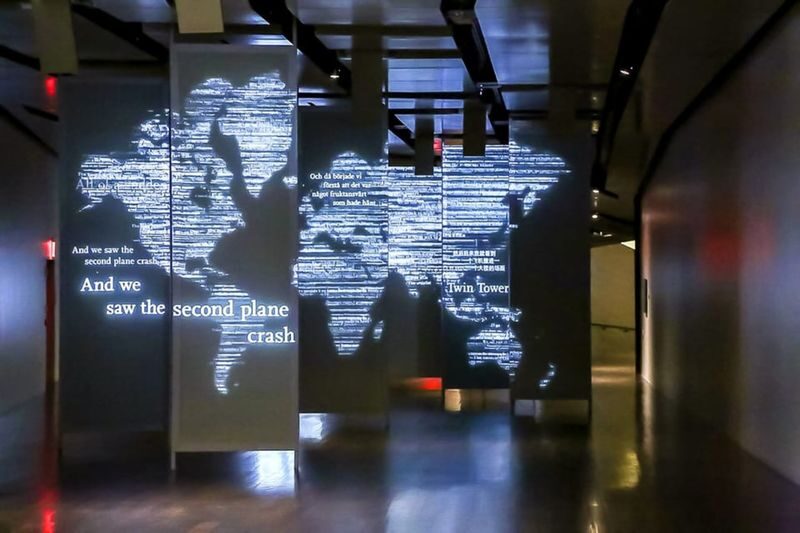
Photographs, recordings, and personal stories are among the museum’s most affecting elements. They help explain not only what happened, but what the day meant to people who experienced it. I value this emphasis because it keeps the visit from becoming a display of wreckage alone.
The museum also addresses rescue and recovery efforts and the aftermath of the attacks. The result is an account that includes grief and destruction, but also the people who responded and the long process of rebuilding. You may find the emotional weight builds as you move through the exhibits. Allow time to sit with what you have seen rather than rushing straight to the next attraction.
Films and an audio guide can add useful context
Films are offered daily and are included with museum admission. One short film mentioned by visitors runs for about 12 minutes. It is worth checking the day’s film options once you arrive, since a screening can provide a concise account without requiring you to read every label.
An audio guide is another option if you want more explanation as you move through the museum. It can help connect objects and personal accounts to the larger sequence of events. A reported price was about $11 at the entrance, though prices can change, so check before buying. If you prefer to move quietly and pause wherever you wish, the guide is optional rather than essential.
The museum also provides downloadable guides before your visit, including a general museum guide and a guide designed for children ages 8 to 11. These can help you decide which sections to focus on and prepare younger family members for the subject matter. The historical exhibition may not be appropriate for children under 10, so adults should use their own judgment.
Step outside to the memorial pools
The outdoor 9/11 Memorial is a separate, free part of the visit. Its two reflecting pools occupy the footprints of the Twin Towers. Their calm surfaces and the names around them create a quieter setting after the museum’s dense exhibits.
Give the pools a little time. They are not simply an outdoor add-on to tick off before leaving. A pause here can help you process the museum and pay respects without the same concentration of objects and information. The pools are open to the public daily, but the museum ticket itself covers only museum admission.
The two parts of the visit work well together. The museum gives you the history and individual stories; the memorial offers open space for reflection. You can reverse the order, but visiting the pools after the museum may feel like a natural way to end.
You can also read our reviews of more museum experiences in New York


How much time to set aside
The stated visit length is two to three hours, and that is a sensible starting point. I would plan for at least two and a half hours if the museum is a priority. Add time if you want to watch films, use the audio guide, read many of the displays, or take breaks.
The last admission is 5:30 p.m. on days when the museum closes at 7 p.m. Rooms begin closing 30 minutes before the museum shuts, so arriving late can leave you with less time than you expect. The museum is open Wednesday through Monday and closed on Tuesday. Check current operating information before setting out, especially around holidays.
Early morning can make for a calmer visit. A 9 a.m. Saturday visit has been described as relatively uncrowded, and arriving near opening is a practical way to give yourself more breathing room. Later in the day may also suit you, but do not cut it close to last admission.
Ticket value and practical details
Admission starts at $36 and includes entry to the museum, access to exhibitions, and films. The memorial pools are free, so the paid portion is for the indoor museum experience. The value depends on how much time you can give it: if you have the better part of a morning or afternoon, the ticket opens up a substantial historical account; if you are squeezing it into a short gap, you may feel hurried.
Booking in advance is useful because you select a date, and the voucher is valid only on that date and time if applicable. The mobile voucher can be presented at entry. Allow extra time for security checks, particularly during holidays and peak visiting hours. A QR code may speed up ticket redemption, but it does not mean you can skip security.
Children aged 0 to 6 enter free. The museum is wheelchair and stroller accessible, with ramps and elevators noted throughout the site. Outside food and drink are not allowed inside. Dangerous items such as bottles, firecrackers, and lasers are prohibited, as are pets, except service animals with valid identification. Smoking and drinking are not allowed in the venue.
Free cancellation is available when made at least 24 hours before the activity date, and changes made at least 24 hours ahead are free. Check the precise terms attached to your selected ticket before booking.
Who should make time for this visit?
This museum suits anyone who wants a thoughtful account of 9/11 and its impact on New York, the United States, and the people directly affected. It is especially valuable if your knowledge comes mainly from brief news footage or school lessons. The exhibits build a fuller picture through context, personal accounts, images, and artifacts.
It is not a light attraction to pair casually with a packed sightseeing schedule. The subject is painful, and some sections may be overwhelming. If you are visiting with children, use the museum’s age guidance and downloadable family guide, and be ready to change plans if the material feels too intense.
The ticket makes sense if you can set aside a few hours and want the museum experience, not just a quick look at the outdoor memorial. If you have limited time or prefer not to enter difficult exhibits, the free pools still offer a meaningful visit on their own.
Should you book the 9/11 Memorial Museum ticket?
Book it if you want a carefully detailed, human account of a defining event and can give it time and emotional attention. The strongest reason to go is the way the museum joins historical context with individual lives, while the free pools outside provide space to reflect afterward.
Skip the indoor museum for now if you are short on time, uncomfortable with distressing material, or visiting with a child who may not be ready for it. You can still see the memorial pools without a ticket. For most visitors interested in understanding New York beyond its skyline and landmarks, the museum is a worthwhile and sobering stop.
9/11 Memorial Museum Ticket
“I was young when 9/11 happened and only have vague memories of the news coverage. Visiting today gave me a complete understanding of the entire eve…”
FAQ
Where is the 9/11 Memorial Museum?
It is at the World Trade Center site, at 180 Greenwich Street in Lower Manhattan, New York.
How do I get to the museum by public transit?
Subway lines A, C, J, Z, 2, 3, 4, and 5 serve Fulton Street. Bus routes M55, M20, and M22 also serve the area.
What are the museum’s opening hours?
The museum is open Wednesday through Monday from 9 a.m. to 7 p.m. It is closed on Tuesday. Last admission is 5:30 p.m., and rooms begin closing 30 minutes before the museum closes.
How long should I allow for a visit?
Plan on about two and a half hours, with two to three hours a useful guide. You may want longer if you plan to watch films, use an audio guide, or take your time with the exhibits.
Are the memorial pools included in the museum ticket?
The outdoor memorial pools are free and open to the public daily. The ticket described here is for admission to the museum.
Is the museum suitable for children and wheelchair users?
The museum is wheelchair and stroller accessible. Children aged 0 to 6 enter free, but the historical exhibition may not be suitable for children under 10; adults should use discretion.