Kyoto is close enough to reach from Kobe by train, but far enough that getting there and choosing where to spend your day takes some planning. This private shore excursion pairs the rail journey with a local host, so you can shape your time around temples, food, sake or old neighborhoods instead of following a fixed group route.
I like two things in particular: the chance to tailor the day to your interests, and the mix of train travel and walking that gives you a feel for how people move around the region. The main caution is that guide quality can vary, and the day involves substantial walking and stairs. Confirm transport costs and your preferred pace with your host before setting out.
At a glance
- Kobe to Kyoto by train: A taxi takes you between Kobe Port and Sannomiya station, then you travel by regular train to Kyoto with your host.
- Your day, your priorities: Possible stops include Fushimi Inari, Nishiki Market, Gion, Kyoto Imperial Palace, Fushimi’s sake district and Arashiyama Bamboo Grove.
- Private group of one to eight: You can share your interests and must-sees with the host before the tour.
- Eight hours, with walking: Expect to cover ground on foot; local transit or taxis may be used between sites.
- From US$215.05: Attraction entry, meals, drinks and personal expenses are extra.
- Guide experience can differ: Taiga was praised for clear English and a thoughtful family-friendly day, while another guest found communication and pacing difficult.
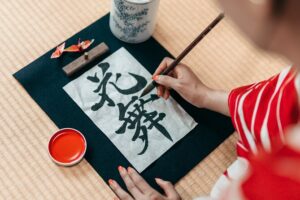
👉 See our pick of the 25 Best Workshops And Classes In Kyoto
- At a glance
- The train ride is part of the Kyoto day
- Build the day around what you care about
- A local host can make culture easier to read
- Eight hours requires choices, not a sightseeing sprint
- What the price covers, and what it does not
- Who should book this Kobe-to-Kyoto excursion?
- FAQ
- How long is the tour?
- Where does the tour start?
- How do we travel from Kobe to Kyoto?
- Is a private vehicle included in Kyoto?
- What departure times can I choose?
- What return times are available?
- Which places can I visit?
- Are meals and attraction admission included?
- How many people can join?
- Is the tour suitable for wheelchair users or strollers?
- The Best Of Kyoto!
- More Boat Tours & Cruises in Kyoto
- More Tours in Kyoto
- More Tour Reviews in Kyoto
- Not for you? Here's more nearby things to do in Kyoto we have reviewed
The train ride is part of the Kyoto day
 1 / 5
 2 / 5
 3 / 5
 4 / 5
 5 / 5
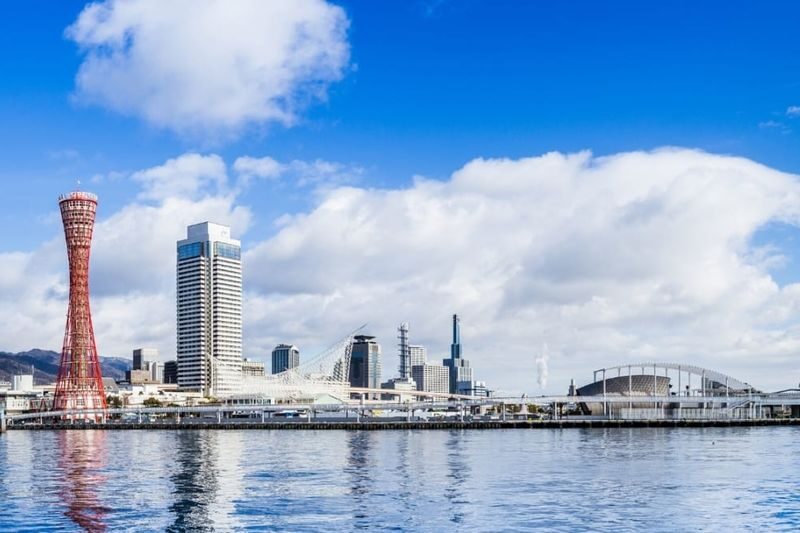
The tour starts in Kobe, not Kyoto. Your host meets you in the arrival lobby or at an agreed central Kobe location, and a taxi takes you to Sannomiya station. From there, you and the host travel to Kyoto by public train. At the end of the day, the return journey reverses the route, including a taxi back to Kobe Port Terminal.
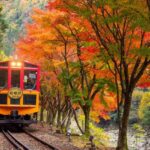
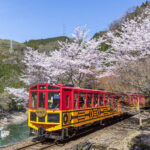
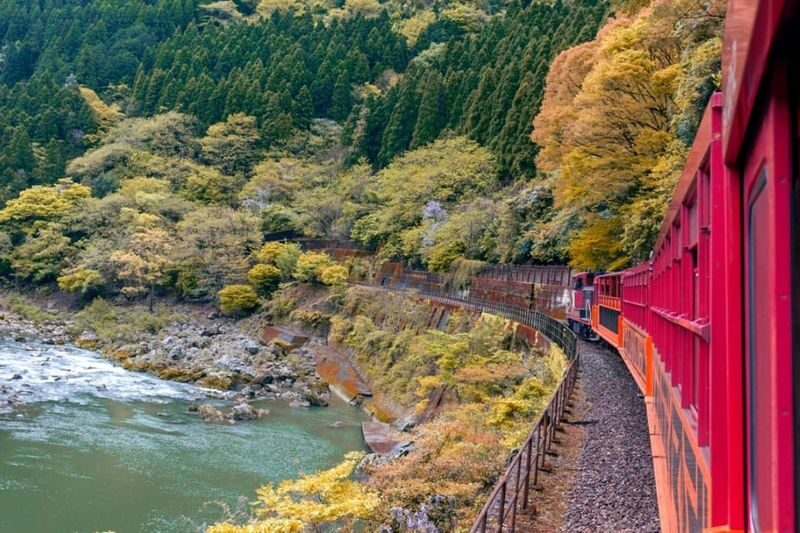
That arrangement is useful on a cruise stop, when every transfer needs to fit within a firm window. You do not need to work out the rail route alone, and your host can help you navigate the stations. But this is not a private-car tour. In Kyoto, you will walk between places, with public transport or local taxis potentially used for longer transfers.
The train choice deserves a quick conversation before departure. The included transport is regular train travel. One family chose to pay extra for bullet train tickets, and later found that the first-class seats were available for only one direction. That may not be the arrangement you want, so ask what the upgrade includes, how much it costs and whether tickets cover the full round trip before agreeing.
There is also a useful detail to settle in advance: one person was surprised to pay for the guide’s subway tickets. The stated package includes return rail transport between Kobe and Kyoto, as well as return taxi transport between Kobe Port and Sannomiya, but local transport arrangements can vary. Ask whether you will cover the host’s local fares and any extra transfers, and bring a payment method for incidental costs.
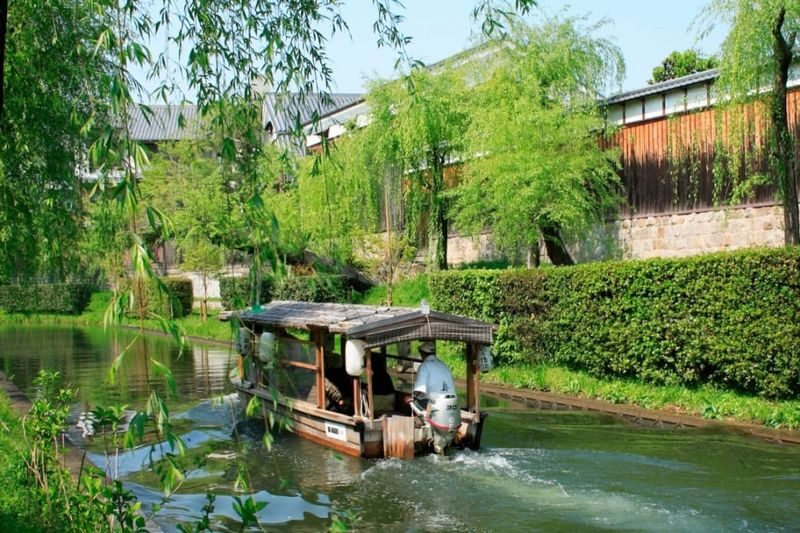
You can also read our reviews of more boat tours in Kyoto
Build the day around what you care about
After booking, you receive a short questionnaire about your interests, preferences and must-sees. The host then contacts you to discuss a personal route. That matters in a city with more famous sights than one eight-hour visit can comfortably fit. A useful plan is not a checklist of every landmark; it is a few places that match your interests, with room to enjoy them.
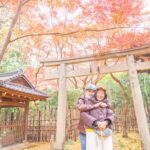
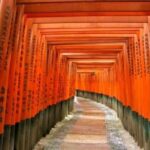
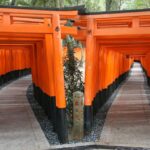
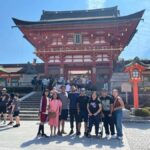
If you are drawn to Kyoto’s religious sites, you could make Fushimi Inari Taisha a priority. Its well-known passage of red-orange torii gates is the visual centerpiece, but the shrine is also a place to notice how visitors move through a sacred site. There are stairs, and a longer walk can make this stop tiring. Be clear with your host about how far you want to go and how much time you want to spend there.
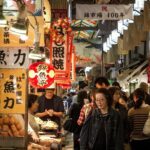
For a taste of everyday Kyoto, Nishiki Market is an option. You might try wagashi, traditional Japanese sweets, while looking around at food stalls. It can be tempting to race through the market to fit in more sights, but that defeats the point. If tasting and browsing matter to you, say so when planning the day and ask your host to leave time for it.
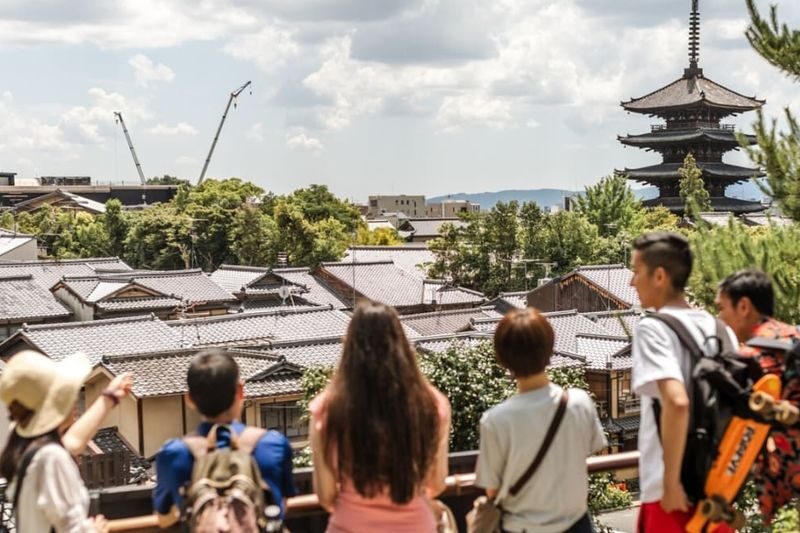
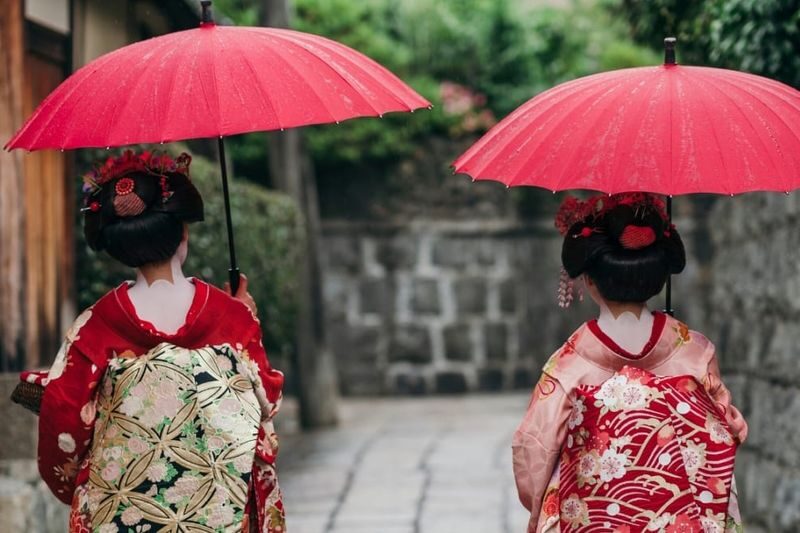
Gion offers a different kind of visit, with cobbled streets and traditional buildings. You might catch sight of a geisha, but that is not something a guide can promise. Treat the district as a place to appreciate the streets and architecture, rather than as a guaranteed encounter. Kyoto Imperial Palace is another possible stop, especially if you are interested in historic architecture.
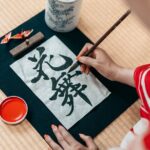
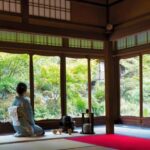
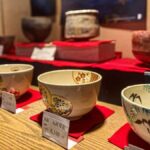
You can also choose the Fushimi sake-brewing district. A historic brewery may offer a chance to sample sake, though tasting is not included in the tour price. A traditional tea ceremony is another possible cultural experience. These stops are alternatives to fit into your custom day, not a promise that you can cover every listed location. Ask which choices work together within your available hours.
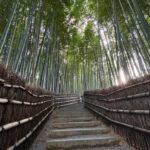
Arashiyama Bamboo Grove is an option if you want a change of setting from central Kyoto. The tour description also suggests exploring central Kyoto and its geisha district, so decide early whether you would rather spend the day on a wider journey or keep your stops closer together. Getting between districts takes time, and the host may suggest public transport or local taxis. The best route depends on your priorities, pace and conditions on the day.
A local host can make culture easier to read
This tour is most valuable when the host does more than guide you from station to shrine. A strong guide can explain customs and give a place meaning without turning the day into a lecture. Taiga, for example, took a family of eight through the trains, explained Japanese culture in clear English and used a shrine visit to talk with the children about Zen and flexibility. The family also stopped at a revolving sushi bar, a practical reminder that a custom route can include food as well as formal sights.
That kind of personal exchange is a good fit for families or anyone who wants to ask questions as they go. You can tell the host whether you care most about history, food, cultural experiences or quieter places, then use the day to explore those interests. The private format also means the group can focus on its own needs, rather than waiting for a larger tour to move on.
Still, guide quality is not guaranteed. One visitor found their host friendly and helpful with photos, but difficult to understand in English, unfamiliar with some questions and too quick in pace. The host also had to stop for directions and did not provide much historical context. Another person praised a guide who explained things brilliantly and followed the group’s requested itinerary. These contrasting experiences make it sensible to be clear about expectations.
Before the tour, tell your host how much explanation you want, how quickly you walk and which stops you would rather not miss. If you are traveling with children or anyone who needs frequent breaks, say so directly. A private guide is most useful when the route and pace suit your group, and a short planning conversation can help establish that from the start.
Eight hours requires choices, not a sightseeing sprint
The tour lasts eight hours, including the Kobe to Kyoto rail journey and return. That leaves a limited amount of time for sightseeing, meals and transfers in Kyoto. A day that tries to include Fushimi Inari, Arashiyama, Nishiki Market, Gion, a tea ceremony and a sake tasting is likely to feel rushed. Pick a few priorities and give them enough time.
You can choose from departure times of 08:00, 09:00, 10:00, 11:00 or 12:00. The return options are 16:00, 17:00, 18:00, 19:00 or 20:00, with availability depending on the departure time and itinerary. The exact times are confirmed after booking, and the schedule may change with traffic or weather. For a cruise excursion, pay close attention to the confirmed return time and leave a sensible margin for the journey back to the port.
The walking is a serious part of the day. The tour involves a considerable amount of walking and stairs, even though public transport or taxis may be used between sites. Wear shoes you can walk in for hours and let your host know if you need a gentler pace. The activity is described as wheelchair- and stroller-accessible, but that does not erase the warning about steps and distance. If you have specific access needs, confirm that your chosen route will work before you book.
What the price covers, and what it does not
The eight-hour package starts at US$215.05. It includes an English-speaking host, return taxi transport from Kobe Port to Sannomiya station and return regular train transport between Sannomiya and Kyoto. For a private group of one to eight people, the value depends partly on how many people share the cost and how much help you want with planning, transit and interpretation.
The price does not include admission to attractions, meals, drinks or personal expenses. Local transport in Kyoto may also mean additional costs, and you should clarify whether you will pay the host’s fares. Optional sake tasting, tea experiences or upgraded rail tickets can add to the day’s expense. Ask what each extra costs before you commit, rather than assuming it is bundled into the tour.
For a solo traveler or a small group that values a flexible route, the host’s time and help with the cross-city rail journey may justify the price. A group of eight can spread the starting price across more people, though you will still need to budget for food, entry fees and any local transport. If you are comfortable planning train travel and choosing sights on your own, a private guide may be more than you need.
You can also read our reviews of more private tours in Kyoto


Who should book this Kobe-to-Kyoto excursion?
I would consider this tour if you have one day in port, want to see Kyoto and prefer a local host to handle the main rail route. It is especially appealing if you want to combine a major shrine with a food stop or traditional neighborhood, and you are willing to plan the route together rather than expect a fixed list of stops.
Families may benefit from the private format and the chance to ask a guide to make cultural details understandable for children. Food-minded visitors can ask about Nishiki Market, sake or a revolving sushi stop. Anyone who wants an unhurried visit to every major Kyoto sight should look elsewhere: eight hours, including the journey from Kobe, is not enough for everything.
Book only after you have confirmed the likely route, walking pace, local transport costs and any rail upgrades. If the host communicates well and the plan fits your interests, this can turn a complicated day trip into a personal introduction to Kyoto. If you need a guaranteed expert lecture, a vehicle between every stop or a packed sightseeing schedule, the tour may not be the right match.
Private Shore Excursion to Kyoto from Kobe Cruise Port
“Taiga was our tour guide. He took all 8 of us through the trains and recommended the bullet train from Kobe port to Kyoto. He was wonderful, knowle…”
FAQ
How long is the tour?
The tour lasts eight hours, including travel between Kobe and Kyoto.
Where does the tour start?
The host meets you in the arrival lobby, or at a flexible central location in Kobe if arranged. Hotel pick-up is also available.
How do we travel from Kobe to Kyoto?
A taxi takes you between Kobe Port and Sannomiya station. You then travel to Kyoto and back by regular train with your host.
Is a private vehicle included in Kyoto?
No. This is a walking tour, not a private-car tour. Public transport or local taxis may be used between sites.
What departure times can I choose?
The available departure choices are 08:00, 09:00, 10:00, 11:00 and 12:00. Your confirmed time is provided after booking.
What return times are available?
Return choices are 16:00, 17:00, 18:00, 19:00 and 20:00. Options depend on your departure time and itinerary.
Which places can I visit?
Possible stops include Fushimi Inari Taisha, Nishiki Market, Gion, Kyoto Imperial Palace, the Fushimi sake district and Arashiyama Bamboo Grove. Your route is planned with the host.
Are meals and attraction admission included?
No. Meals, beverages, attraction admission and personal expenses are not included.
How many people can join?
The private group can include one to eight participants. The activity has no age limit.
Is the tour suitable for wheelchair users or strollers?
The activity is listed as wheelchair- and stroller-accessible, but it also involves considerable walking and stairs. Confirm that your planned route suits your needs before booking.