Tokyo’s best meal may be the one you make yourself: this 12-day route takes you from the seafood stalls of Tsukiji to a sushi class, then on to a Hakone hot spring, a thatched-roof mountain village and Kyoto’s temple grounds. It’s a quick, varied introduction to Japan, with trains doing much of the distance and a local leader keeping the details in hand.
I like the small group of 6 to 12 and the mix of well-known sights with experiences that are harder to arrange alone, especially the private Zen temple visit, tea ceremony and sake brewery tour. The Hakone ryokan stay, with a private onsen in each room, is another thoughtful touch.
The main trade-off is pace. You cover a lot of ground, walk most days and handle your own luggage through stations; a past guest felt there was too little free time. If you want long, unstructured afternoons, this may feel more like a brisk sampler than a slow stay.
- What makes this Japan route worth considering
- Tokyo serves up temples, food and fast-changing neighborhoods
- Hakone’s volcanic slopes bring a slower evening
- Takayama and Shirakawa-go show a quieter side of Honshu
- Hiroshima’s memorials and Miyajima’s shrine make a powerful pair
- Himeji and Kyoto balance samurai history with quiet ritual
- The pace, price and practical details
- Should you book this Tokyo-to-Kyoto tour?
- FAQ
- How long is the tour, and where does it start and end?
- What is the group size?
- How much walking should I expect?
- Are meals included?
- Is the Hakone onsen private?
- Can I have my own room?
- Are flights and airport transfers included?
- The Best Of Tokyo!
- More Tours in Tokyo
- More Tour Reviews in Tokyo
- Not for you? Here's more nearby things to do in Tokyo we have reviewed
What makes this Japan route worth considering
 1 / 8
 2 / 8
 3 / 8
 4 / 8
 5 / 8
 6 / 8
 7 / 8
 8 / 8
- Sushi made at Tsukiji: Learn to prepare nigiri, hand-rolled or temari sushi, then eat your work for lunch.
- A private onsen in Hakone: The ryokan stay pairs a traditional inn atmosphere with a personal hot spring bath in your room.
- Shirakawa-go by public bus: See the gassho-zukuri houses against the Japanese Alps, then return to Takayama for a free afternoon.
- Hiroshima and Miyajima in one day: Visit the Peace Memorial sites, then cross by ferry to Itsukushima Shrine and its orange torii gate.
- A rare Kyoto temple experience: Daitokuji’s private visit includes meditation with a senior monk, a tea ceremony, a prayer and a personal wish-writing ritual.
- Rail travel with a leader: Bullet trains, local trains, metro, bus and ferry link the route, while the leader handles much of the planning.

👉 See our pick of the 25 Best Guided Tours In Tokyo
Tokyo serves up temples, food and fast-changing neighborhoods
The trip begins with a 6 pm welcome meeting at your Tokyo hotel. Arrive earlier if you can: the city is too large to see in a quick walk, but you can use a few spare hours to explore nearby streets, shop or visit a museum before meeting the group. Dinner introduces Japanese comfort food, with handmade soba, tempura and yakitori.
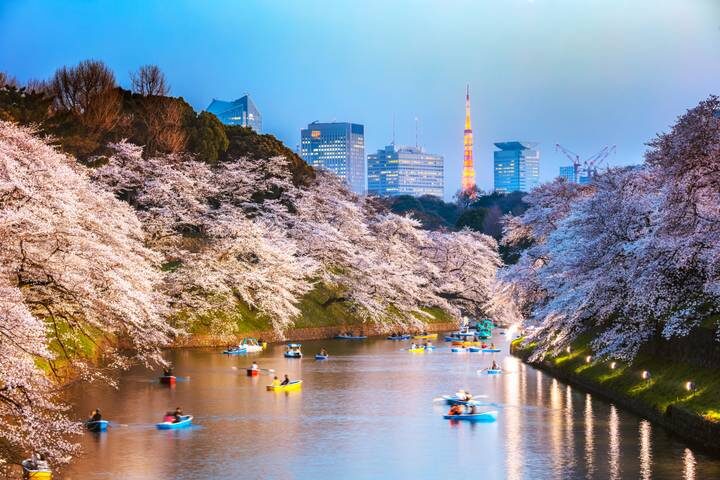
On day two, your leader takes you through Asakusa, one of the city’s older districts. Senso-ji, founded nearly 1,400 years ago, gives you a glimpse of Tokyo before the towers and rail lines. Nakamise Dori, the shopping street leading to the temple, is a good place to browse snacks, crafts and souvenirs. It can be crowded, so expect a lively walk rather than a quiet temple visit.
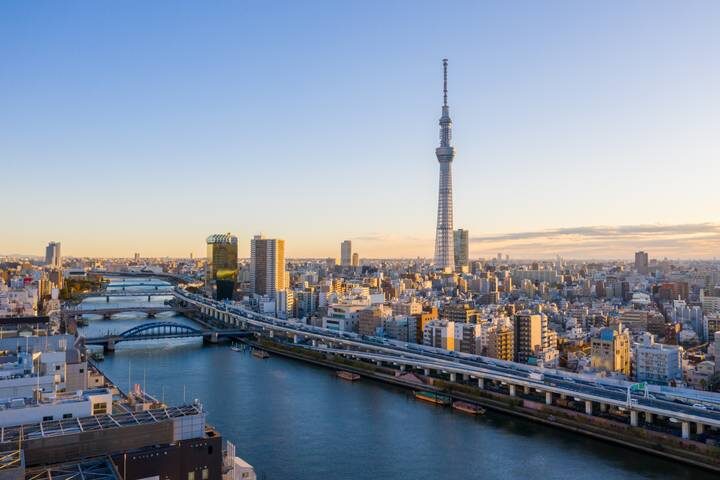
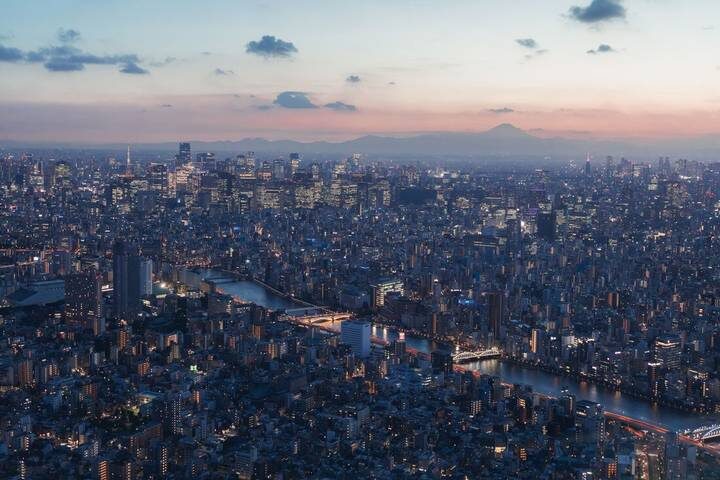
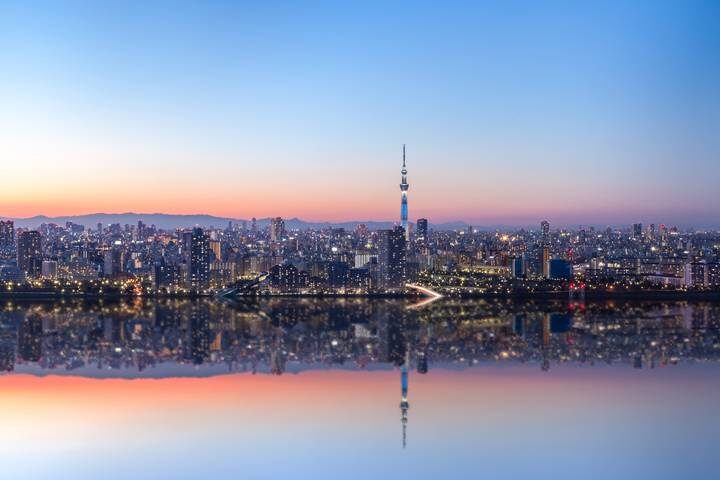
The route then shifts gears. You take the metro to Shibuya, see its famous intersection and stop at a depachika, an underground food hall where beautifully arranged treats make even a quick browse feel like an event. Harajuku brings a different side of Tokyo, with its youth culture and street life. The day ends at Tokyo Skytree, 634 metres high, with a broad view over the city. On a clear day, the scale is striking; on a hazy one, the towers still seem to go on forever.
Day three brings you to Tsukiji Outer Market. The large wholesale fish market has moved to Toyosu, but Tsukiji remains a place to explore food stalls and learn about seafood used in Japanese cooking. Your sushi class turns that introduction into a hands-on lunch. It’s a useful activity for first-timers, and a good way to understand the care behind a familiar dish.
After a short walk in Ginza, the afternoon is free. You could shop, see kabuki or try karaoke. The Yayoi Kusama Museum is another possibility, but advance reservations are required. This is one of the tour’s better chances to choose your own pace, so decide in advance if there’s something you especially want to do.
You can also read our reviews of more tours and experiences in Tokyo.
Hakone’s volcanic slopes bring a slower evening
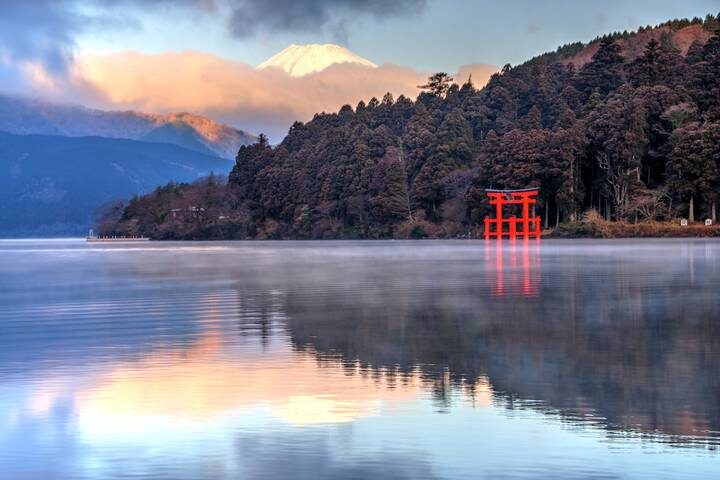
On day four, you leave Tokyo by train for Hakone, a mountain area known for its hot springs. A cable car takes you toward Owakudani, where sulphur vents and steaming ground make the volcanic setting clear. You can walk through the area and try the famous black eggs, said locally to add seven years to your life. Mt Fuji may appear in the distance if the weather is clear, but don’t plan your day around a guaranteed view.
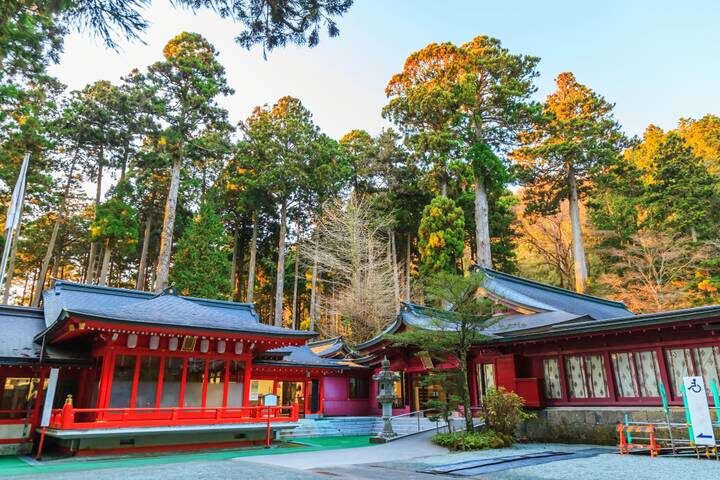
The night is a highlight for anyone curious about ryokan culture. Susukinohara Ichinoyu is the trip’s Feature Stay, with modern comforts and a private onsen in each room. Larger public indoor and outdoor baths are also available, along with a Japanese dinner at the inn. A private bath makes the onsen experience easier to try at your own pace. For public onsens, expect to bathe naked with others of the same gender; your leader can explain the etiquette. Tattoos may prevent entry to public baths, so ask about private options if that affects you.
Takayama and Shirakawa-go show a quieter side of Honshu
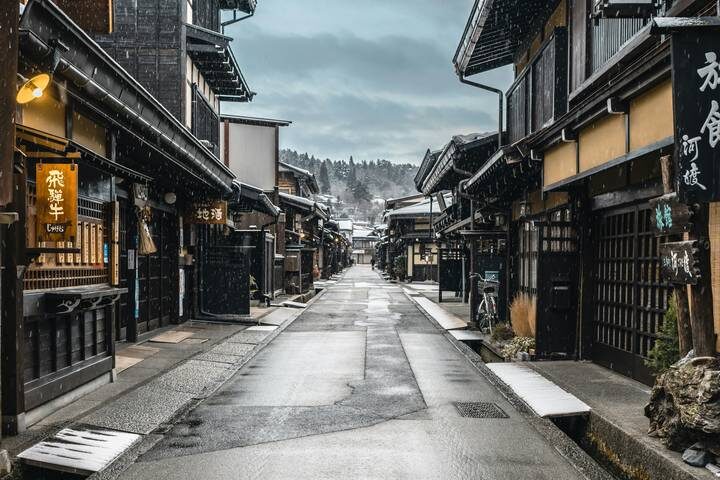
Day five is a long travel day from Hakone to Takayama, with several train changes, including a shinkansen. Once there, you walk the old town with your leader. Takayama’s Edo-period streets and traditional buildings make a welcome contrast to Tokyo’s scale. You’ll taste Hida beef, served as sushi or skewers, and visit Takayama Jinya, a historic government building with a rice granary, garden and former governors’ quarters.
The next morning starts at Takayama’s market. Local stalls sell pickles, miso, preserved fish and sweets, giving you an easy way to sample regional food. Then a public bus takes you to Shirakawa-go, where steep thatched roofs rise above the village. The gassho-zukuri houses were built in a distinctive style suited to heavy snow, and the setting against the Japanese Alps is a big part of their appeal.
You return to Takayama in the afternoon, with time to visit the Festival Floats Exhibition Hall or simply rest. That free stretch matters: the previous day involved a long rail journey, and the tour’s steady pace can catch up with you. Pack light, and wear shoes you can manage for hours.
Hiroshima’s memorials and Miyajima’s shrine make a powerful pair
Day seven takes you by train to Hiroshima. After an orientation walk, dinner features local dishes such as okonomiyaki, a savory pancake layered with cabbage, egg, noodles and meat or seafood. Oysters are another local specialty. The meal offers an approachable first evening in a city whose modern identity is closely tied to peace and remembrance.
The next morning is devoted to the Genbaku Dome, Peace Memorial Park and Peace Museum. The Dome was close to the point where the atomic bomb detonated in August 1945, yet part of the structure remained standing. The park and museum preserve the memory of those killed and explain the events surrounding the bombing. This visit is sobering, and the guided context can help you approach the sites with care.
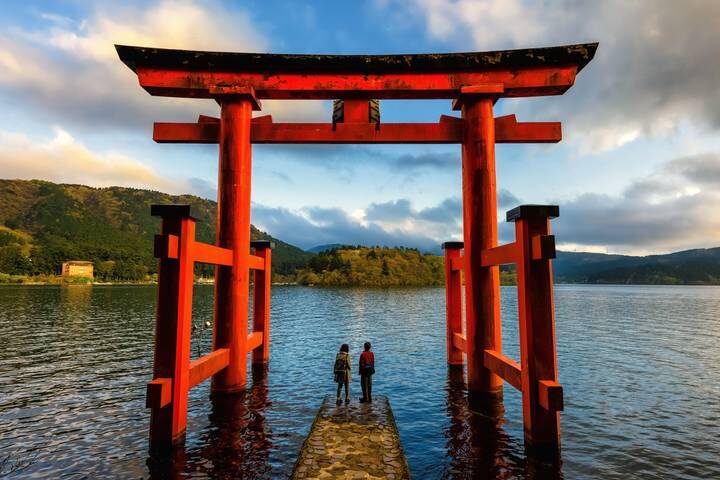
Later, a short ferry ride brings you to Miyajima Island and Itsukushima Shrine. Its large orange torii gate appears to rise from the sea, with the view changing according to the tide. Free-roaming deer wander the island. If you have the energy and time, a cable car from Momiji Park goes toward the summit of Mt Misen. It’s optional, so you can choose a gentler island walk instead.
Himeji and Kyoto balance samurai history with quiet ritual
On day nine, you travel by shinkansen from Hiroshima toward Kyoto, stopping at Himeji Castle. The mid-16th-century castle has survived war and earthquakes, and its white exterior and layered defenses make it a striking example of samurai-era architecture. You explore the grounds and learn about the families who lived there before continuing to Kyoto.
After arriving, the group walks through Gion, known for its wooden teahouses and geiko culture. The guided introduction helps explain the district’s traditions. You can return in the evening if you want to see the streets after dark, but please be respectful if you encounter geiko or maiko on their way to appointments. They are working, not part of a staged photo stop.
Day ten brings a guided visit to Kinkakuji, the Golden Pavilion. Gold leaf covers the upper levels, reflected in the pond beside it. The setting is beautiful, though popular, so the visit is more about seeing the famous temple than finding solitude. The day’s more personal experience comes at Daitokuji, where a private tour introduces Zen Buddhist principles. A senior monk leads a meditation session, followed by a tea ceremony and prayer. You receive an omamori talisman and a calligraphy pen to write a wish for it. These small details make the ritual feel participatory rather than a quick stop for photographs.
On day eleven, Fushimi Inari Shrine’s thousands of orange torii gates lead up Mt Inari. You have time to walk to the halfway point for city views or pause at quieter corners along the route. It’s a worthwhile morning walk, but the climb and steps add to the trip’s total footwork. Later, a sake brewery tour covers the drink’s production and history, with tastings at the end. A farewell dinner closes the trip in Kyoto.
Day twelve has no planned activities. The tour ends in Kyoto, and you can arrange luggage storage at the hotel if your departure is later. It’s worth considering an extra night or two: the schedule gives you a useful overview, but little time for independent Kyoto exploring.





The pace, price and practical details
At from $7,515, this is a premium-priced group tour, and the value depends on how much you want handled for you. The price includes 11 hotel nights, one Feature Stay night in Hakone, an English-speaking leader, many major site visits, rail and other group transport, and 11 breakfasts, two lunches and four dinners. The sushi class includes lunch, and the itinerary also includes the ryokan dinner, Hiroshima okonomiyaki dinner, welcome dinner and farewell dinner.
You’re paying for a tightly linked route, local leadership and experiences such as the Daitokuji visit that can take more arranging on your own. If you’re comfortable planning train trips and booking activities independently, you may prefer to build your own route. If you want to see several regions in 12 days without managing every connection, the package has a clear advantage.
The group is small, with 6 to 12 people, and the trip is rated low intensity. That rating should not be mistaken for little walking. You’ll spend much of each day on your feet, change trains and carry your own bags through busy stations. One past guest found the walking heavy and wanted more free time, while another felt the schedule was full and sometimes rushed. Comfortable shoes and a light bag are practical necessities, not optional extras.
Japanese hotel rooms can be compact, around 20 square metres in some cases, and storage may be limited. Double rooms are requested where possible, but a twin room may be provided during busy periods. Accommodation can also change if the preferred hotels are unavailable. If you want your own room, a single supplement is offered, but the published amounts differ by currency and should be confirmed for your departure.
The leader can shape the feel of the trip. Past groups have praised leaders including Ken and Shingo for their care, organization, meal suggestions and help with onward travel, though the leader varies by departure. One past account noted that a leader’s English was not perfect, while his attention to the group was excellent. The group itself can be part of the pleasure: with a maximum of 12, shared meals and train days give you time to get to know the people alongside you.
Should you book this Tokyo-to-Kyoto tour?
Book it if you want a broad first look at Japan, value a small group and like having transport and major visits organized. The route combines big-city Tokyo, mountain towns, Hiroshima, Miyajima and Kyoto, with food and cultural experiences woven into the sightseeing.
Think twice if you want lots of downtime, dislike carrying luggage through stations or need spacious hotel rooms. For active visitors who are happy with full days and frequent moves, this is a well-rounded way to cover a lot in less than two weeks. If you book, arrive in Tokyo with comfortable shoes, pack light and leave extra time in Kyoto after the final morning.
Premium Japan by Intrepid – 12-Day Tokyo to Kyoto Tour
“An excellent guide, very good logistics overall for accommodation and transfers. However there was too much walking and insufficient free time at t…”
FAQ
How long is the tour, and where does it start and end?
It lasts 12 days, starting in Tokyo and ending in Kyoto.
What is the group size?
The group size is 6 to 12 people. The tour is guided in English and is open to ages 15 and up.
How much walking should I expect?
You should be fit enough to spend most of each day on your feet. You’ll also navigate busy train stations and handle your own luggage, so comfortable shoes and light packing are recommended.
Are meals included?
The tour includes 11 breakfasts, two lunches and four dinners. Included meals feature a welcome dinner, sushi-making lunch, Hakone ryokan dinner, Hiroshima okonomiyaki dinner and Kyoto farewell dinner.
Is the Hakone onsen private?
The Hakone ryokan room includes a private onsen. Larger public indoor and outdoor onsens are also available. Public baths require bathing naked with others of the same gender, and tattoos may prevent entry.
Can I have my own room?
A single supplement is available for all nights, subject to availability. The listed amounts vary by currency, so confirm the cost for your chosen departure before booking.
Are flights and airport transfers included?
Flights and insurance are not included, and the tour does not currently offer airport transfers in Japan. Public transport is available between Kyoto and Kansai or Itami airports.