
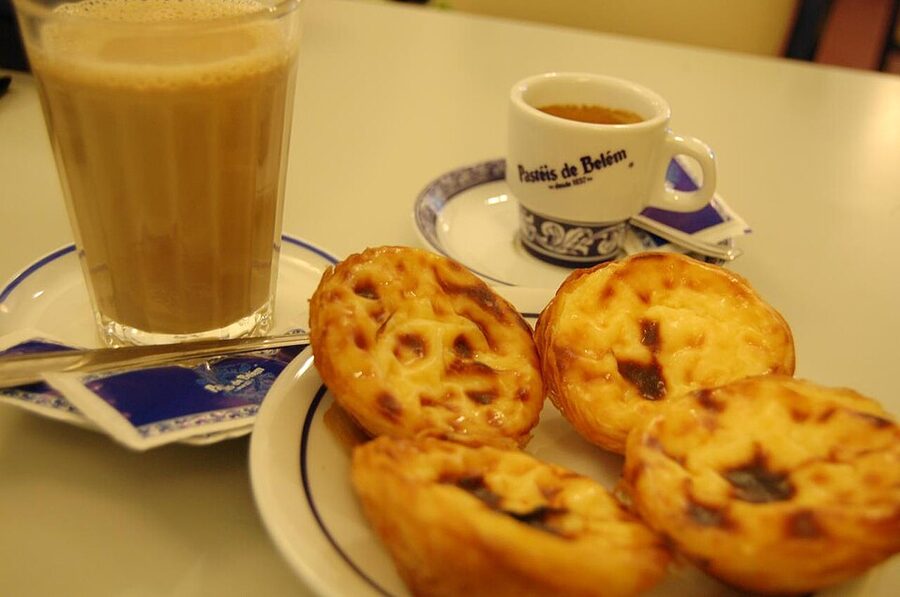
You bite into a pastel de nata at Pastéis de Belém and the lacquered top crackles like burnt sugar on a crème brûlée. The custard inside is still warm, the egg-yolk yellow tilts toward orange, and the cinnamon shaker is on every counter for a reason. Two hours later you are standing on Largo de São Domingos, a paper cup of ginjinha in your hand, and the cherry liqueur hits like grandma’s medicine cabinet, sweet and a little dangerous.
This is your guide to booking a Lisbon food walking tour. Not a generic European city food tour, but the specific Lisbon thing: pastel de nata at the source, ginjinha in a paper cup, bifana with mustard, bacalhau à brás, and a stop in either Mouraria or Bairro Alto where the food and the neighbourhood are inseparable. I’ll tell you what to book, where the famous spots actually live up to the hype, and where to skip.
In a hurry? My three picks:
- Lisbon Gourmet Food and Wine Walking Tour, around $72. The flagship pick. Three hours, six tastings, manageable walking distances, the one I send first-timers on.
- Lisbon Baixa Food Tour with Dinner and Drinks, around $93. The dinner-tour hybrid. Heavier, longer, one full sit-down meal baked in.
- Lisbon Roots Small-Group Mouraria Food and Culture Tour, around $168. The deeper-cut one. Mouraria neighbourhood, fado context, smaller groups, locally led.
- What a Lisbon food tour actually is
- The Pastéis de Belém vs Manteigaria question
- Bairro Alto vs Mouraria vs Baixa, where the tour goes matters
- The three tours I’d actually book
- 1. Lisbon: Gourmet Food and Wine Walking Tour,
- 2. Lisbon Baixa District Food Tour with Dinner and Drinks,
- 3. Lisbon Roots: Small-Group Mouraria Food and Culture Tour, 8
- The food canon, what you’ll actually taste
- Time Out Market, included or skipped?
- Sardines, conservas, and the summer street stall thing
- Booking timing, dinners vs lunches, and the Sunday problem
- What you eat at home that doesn’t translate
- Dietary issues, what works and what doesn’t
- What to do before and after
- Honest cons
- Other Lisbon angles worth a look
What a Lisbon food tour actually is
The standard format is a three-hour walk, six to eight tasting stops, group of eight to fifteen, finishing somewhere you wouldn’t have wandered into yourself. Most start in central Baixa or Chiado. Some end at a fado bar in Alfama or a wine cellar in Bairro Alto. The dinner-version tours go longer (about three and a half hours) and trade some of the small-bite stops for one full plated dinner.
What you actually taste varies a little, but the Lisbon canon stays roughly the same. Pastel de nata, bifana, bacalhau in some form, a petisco platter (cheese, chouriço, olives), ginjinha, a Portuguese wine flight, and either grilled sardines in summer or caldo verde in cooler months. If a tour skips three or more of those, look at a different one. You’re paying for the canon.
Group size matters more in Lisbon than in most cities. The streets are narrow, the bakeries are cramped, and the petisco bars are tiny. Eight people fit at the counter at A Ginjinha. Fifteen don’t. The smaller the group, the better the actual eating experience. The cheaper big-group tours are still fun. They are just noisier and slower at each stop.
The Pastéis de Belém vs Manteigaria question
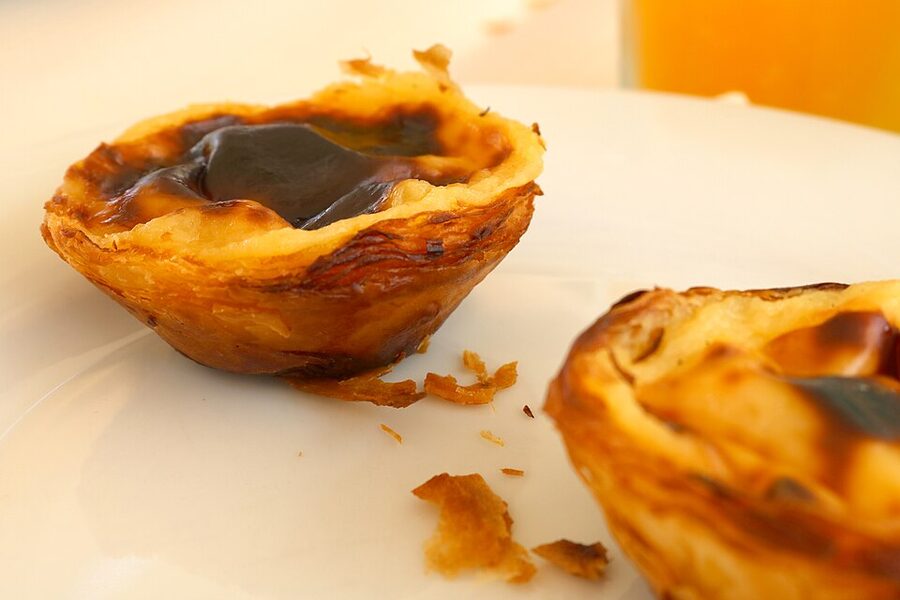
You will hear this debate every time someone mentions a Lisbon food tour. Pastéis de Belém is the original. They have made the tart since 1837 from a recipe that came out of the Jerónimos Monastery next door, and only three or four bakers in the back room ever know the full formula. Manteigaria is the upstart from 2014 with branches in Time Out Market, Chiado, and Bairro Alto. Both are excellent. They taste different.
Pastéis de Belém is creamier, less burnt on top, slightly cooler at the centre. The pastry shatters more cleanly. Manteigaria pushes the caramelisation harder so the top is darker and the custard is hotter, often almost too hot to bite into. Belém is a destination (a 5km tram ride from Baixa). Manteigaria is at every food-tour starting point. Most tours include one or the other, never both, so check before booking.
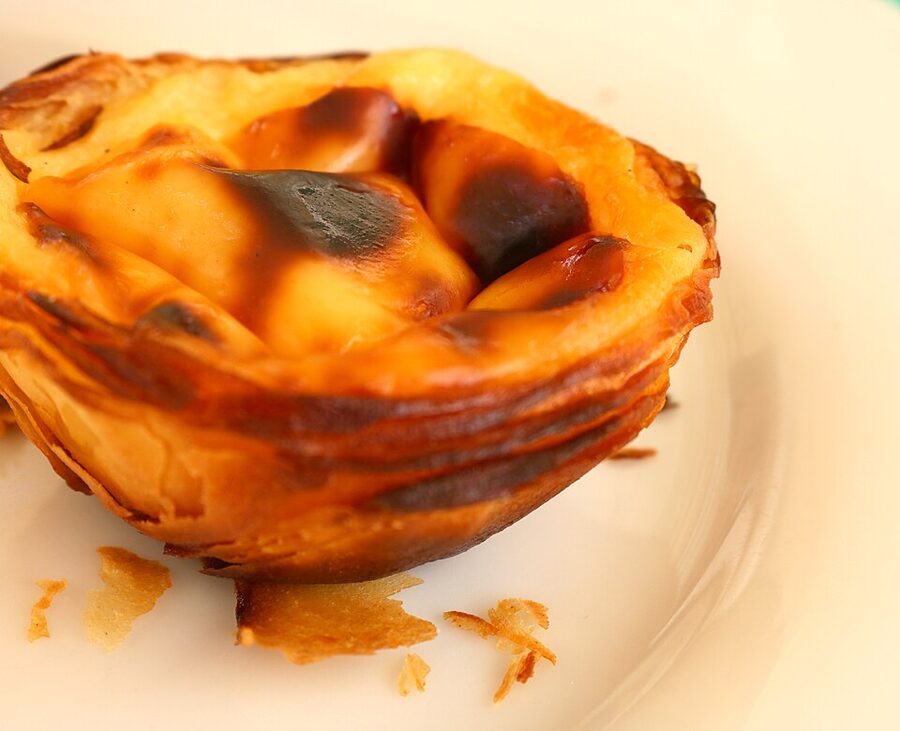
If you are doing the gourmet flagship walk and you want to compare both, do the tour for Manteigaria and then take Tram 15 out to Belém on a separate morning. The walk to the river is short and there’s the Jerónimos Monastery to visit right opposite, which closes the loop on the recipe’s origin story.
Bairro Alto vs Mouraria vs Baixa, where the tour goes matters
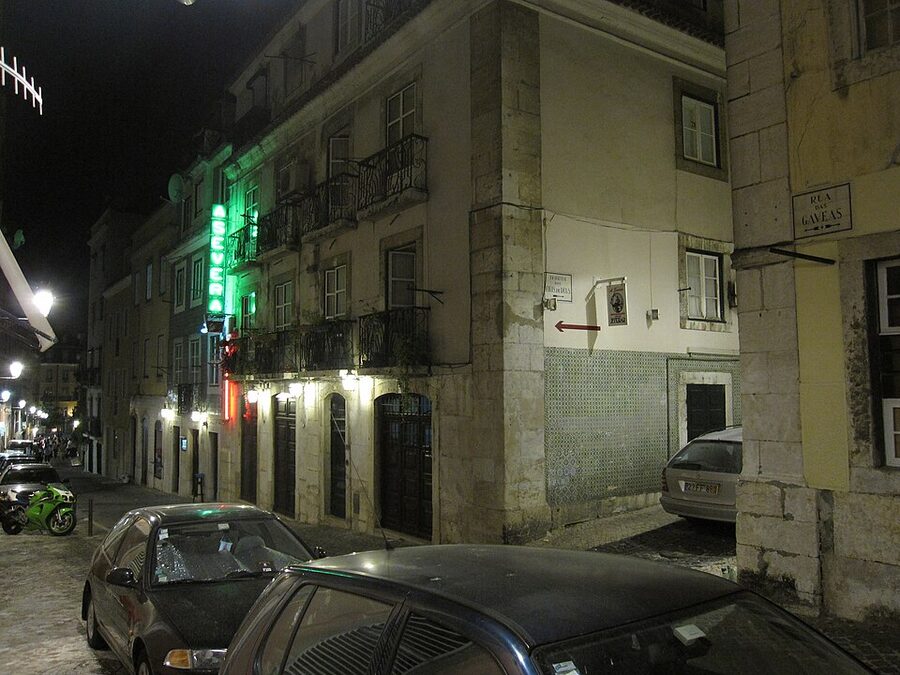
Pick a tour by the neighbourhood you want to see, not the price. They taste similar. They feel completely different.
Baixa is the flat grid south of Rossio that the Marquês de Pombal rebuilt after the 1755 earthquake. Most central walking tours spend their time here too. The food tours that stay in Baixa lean toward classic ground-floor restaurants with white tablecloths and waiters in aprons. Bacalhau à brás territory. The Baixa dinner tour is the obvious pick if this is the vibe you want.
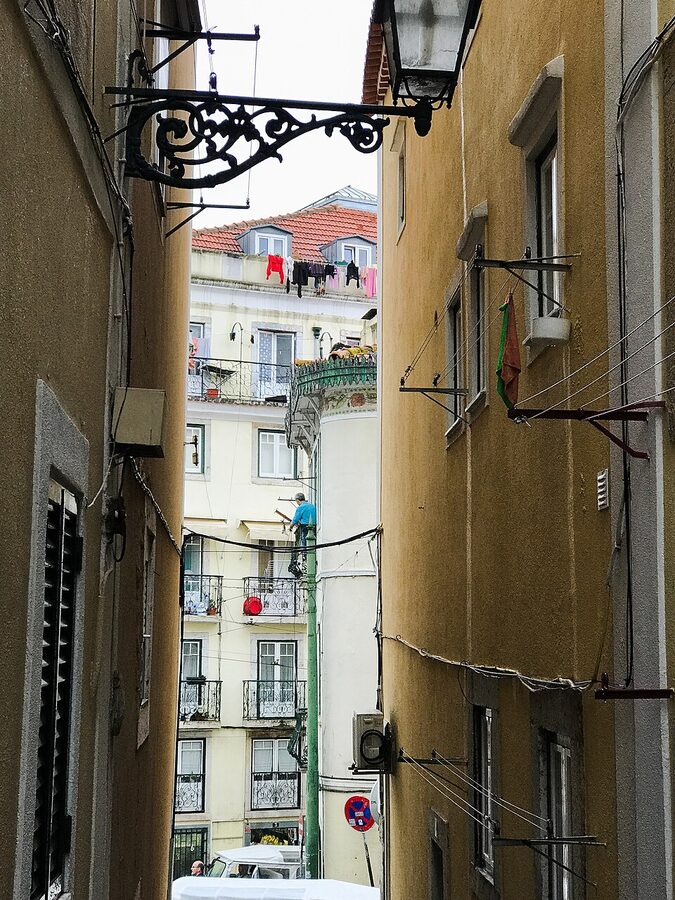
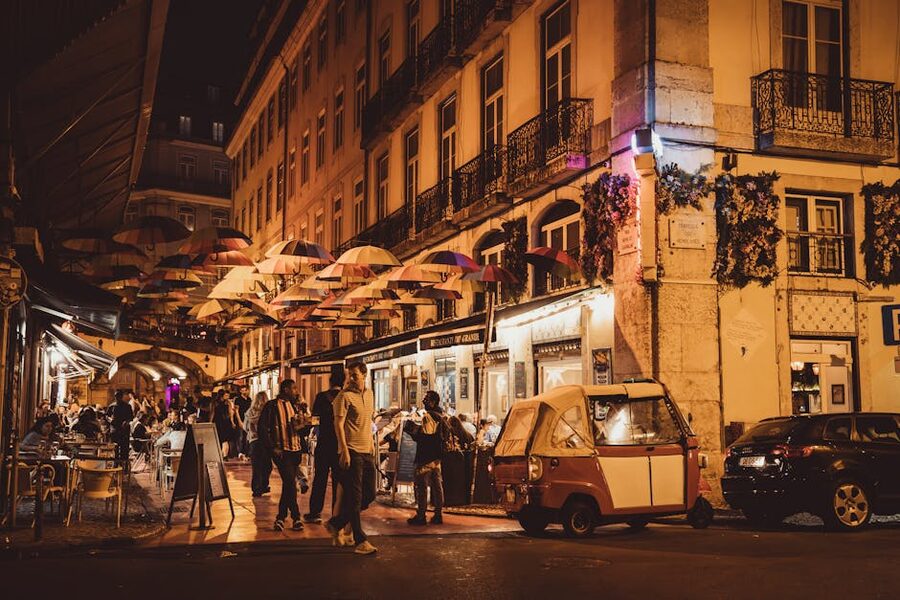
Bairro Alto sits on the hill above Chiado. Steep, narrow, mostly closed during the day, alive after 7pm. The food tours that go here usually pivot to wine and petisco bars. Smaller portions, more bottles, late-afternoon timing. Good if you want a drink-leaning tour.
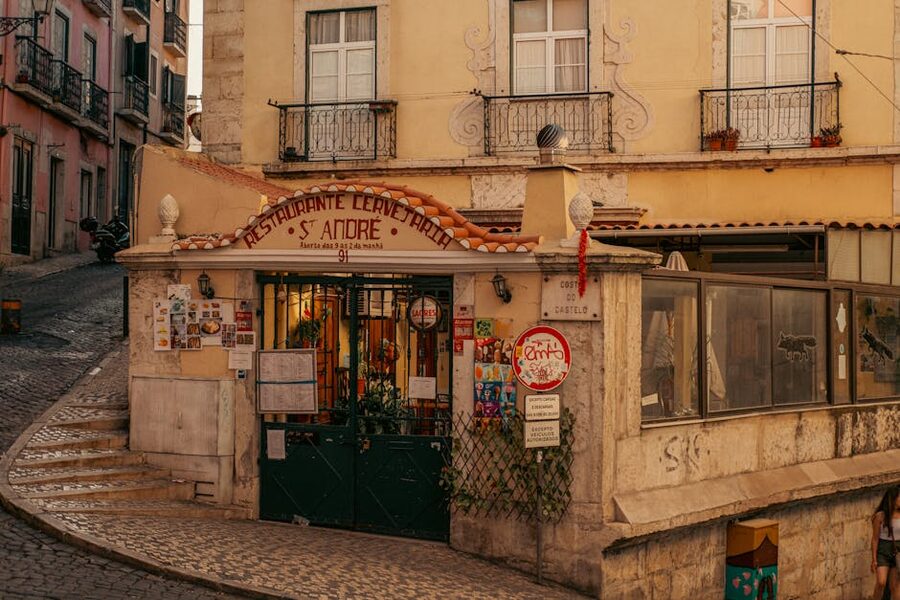
Mouraria is the old Moorish quarter on the other side of the hill from Alfama. This is where fado was born (Maria Severa, 1820s). It’s also where Lisbon’s African and Bangladeshi communities are now most visible. The food on a Mouraria tour pulls in things you do not get in Baixa: prego sandwiches at lunch counters, codfish cakes from the corner café, tascas where the menu is whatever the cook felt like making. The Lisbon Roots small-group tour is the one that does Mouraria properly.
The three tours I’d actually book
I went through the most-booked Lisbon food tours, looked at what each one actually includes, and these are the three to consider. They cover three different moods. Read the descriptions, decide what you want, then book.
1. Lisbon: Gourmet Food and Wine Walking Tour, $72

This is the Lisbon food tour I send first-timers on. Three hours, six stops, the canonical run: pastel de nata, bifana, cheese and chouriço board, ginjinha, a Portuguese wine flight, finish with a tasting that changes seasonally. The pace is right, the venues are close together, and the guides know the food history (where the recipes came from, why the Pombaline rebuild changed how Lisbon eats). Our full review of this tour has the route map and the guide notes. Pick this one if it’s your first food tour in Portugal.
2. Lisbon Baixa District Food Tour with Dinner and Drinks, $93
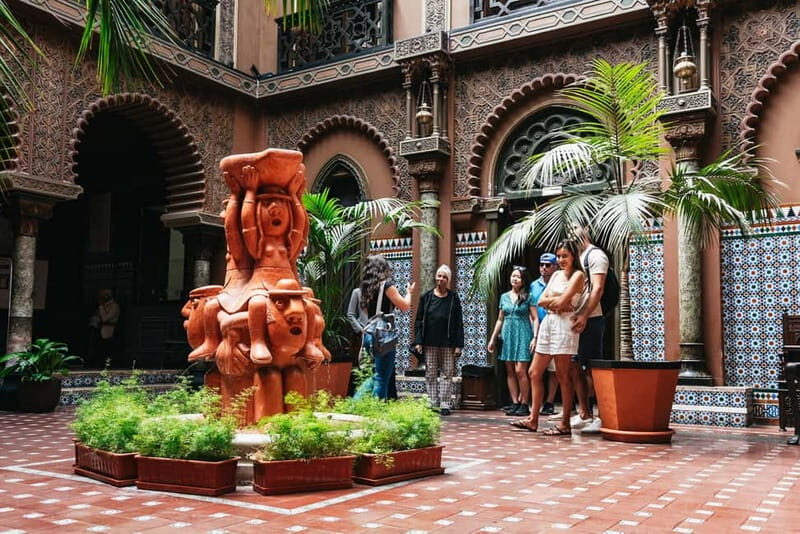
This is the food tour that doubles as your dinner. It runs in the late afternoon, hits four or five tasting spots in Baixa, and parks at one full sit-down restaurant for a plated dinner with paired wines. Our review of the Baixa dinner tour covers the menu rotation and the drinks pairing in detail. Book this one if you want food, drinks, and dinner sorted in a single three-and-a-half hour block.
3. Lisbon Roots: Small-Group Mouraria Food and Culture Tour, $168

This is the deeper-cut Lisbon food tour. Smaller groups (capped at about ten), Mouraria-focused, run by Taste of Lisboa Food Tours, more cultural context than the flagship. You eat at family-run tascas instead of headline-name spots, you stop at Manteigaria Silva for the cheese flight and the port (which is a moment), and the guide threads in fado history because Mouraria is where fado started. Our review walks through the route and explains why the price is what it is. Pick this one if you’ve already done a generic food tour somewhere else and you want depth.
The food canon, what you’ll actually taste
It helps to know what you’re eating before you sit down. Tour guides will explain everything, but pre-loading saves you from nodding along to a description that doesn’t stick. Here’s the canon, in roughly the order most tours serve it.
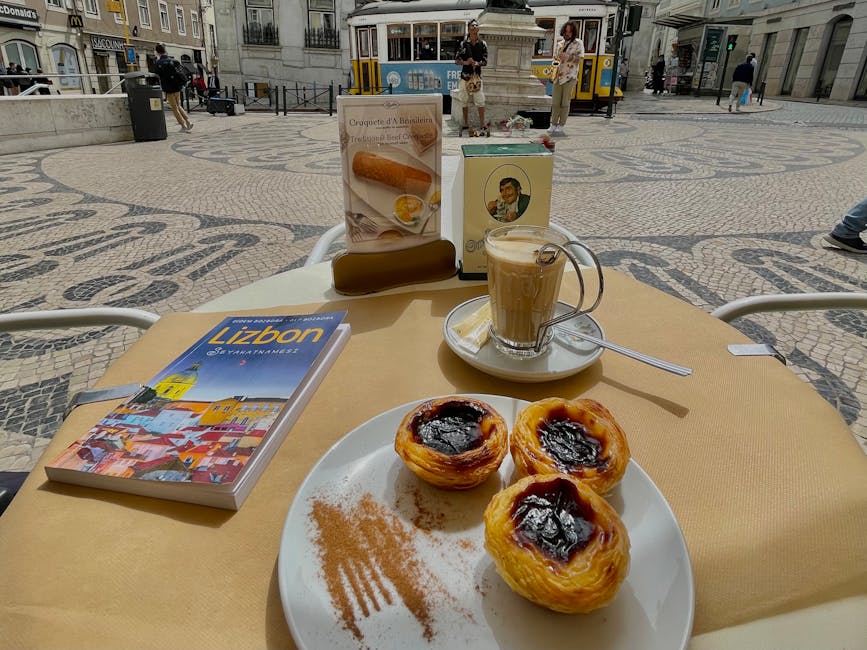
Pastel de nata. The egg-custard tart. Lacquered top, soft inside, served warm with cinnamon and powdered sugar shakers on the side. The shakers are not optional. Locals dust them.
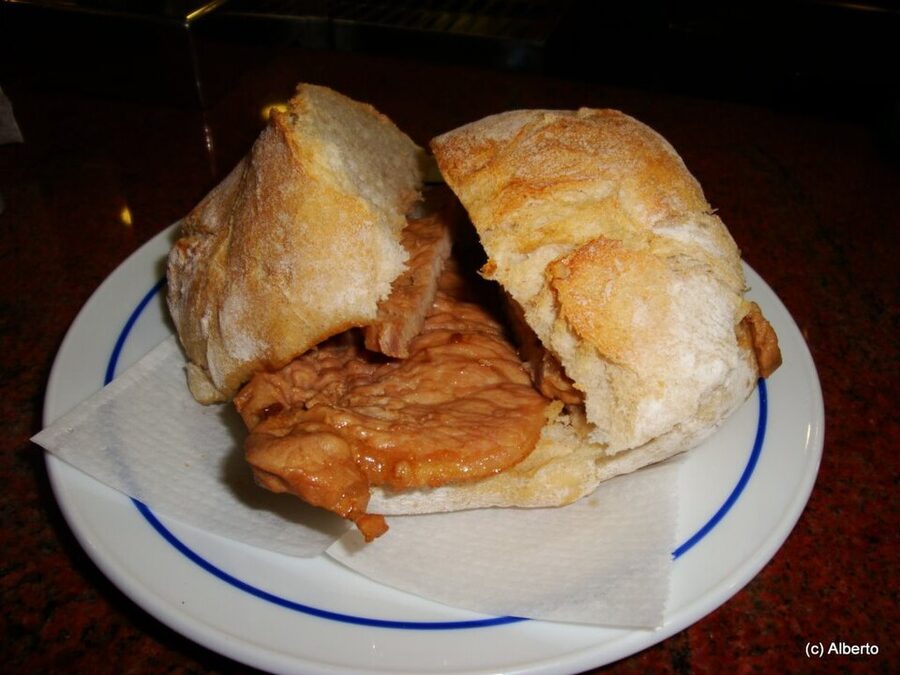
Bifana. A pork sandwich. Thin pork steaks (literally bifa) marinated in white wine, garlic, and bay, then cooked fast on a flat top and stuffed into a Portuguese papo seco roll. Mustard goes on top, piri-piri sauce on the side. This is what Lisboetas actually eat for lunch. About three euros at a counter, five at a sit-down place.
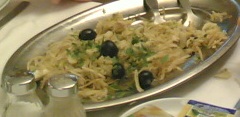
Bacalhau à brás. Salt cod (the cured kind, soaked overnight first to draw out the salt), pulled into shreds, scrambled with onions, shoestring potatoes, and eggs. Black olives on top, parsley scattered through. Portugal claims 365 cod recipes, one for every day of the year. À brás is the most popular and the easiest to like for non-fish people.
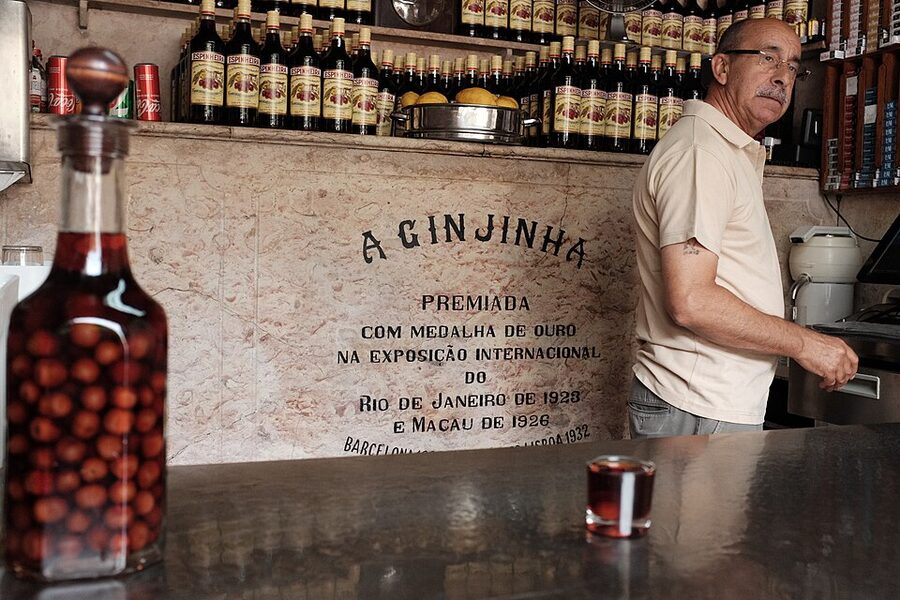
Ginjinha. A sour-cherry liqueur, traditionally served in a tiny paper or shot cup at A Ginjinha on Largo de São Domingos (since 1840) or at Ginjinha Sem Rival across the square. Ask for it com elas if you want a couple of the boozy cherries at the bottom. It’s medicine-cabinet sweet. One shot is plenty.
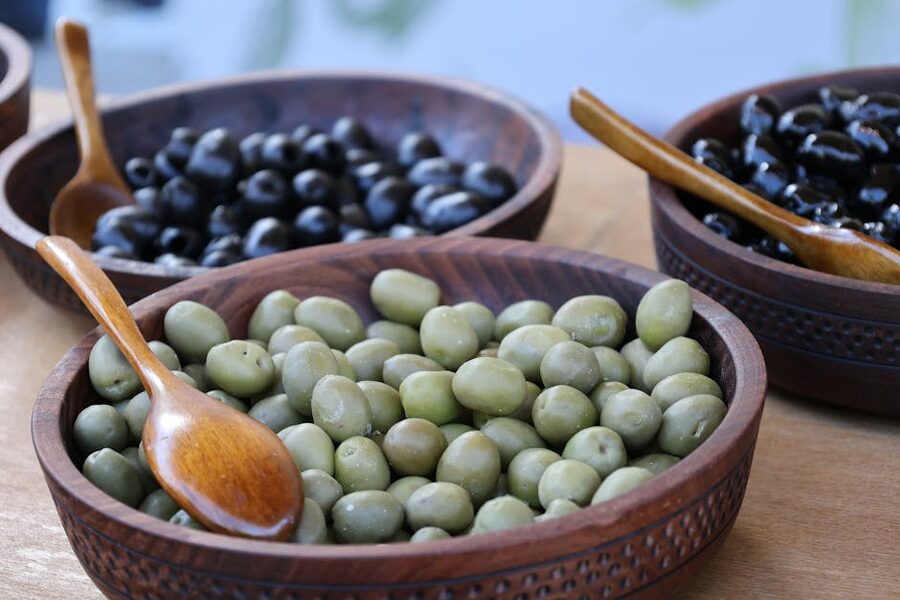
Petisco platter. The Portuguese version of tapas. A small plate of cheese (queijo da Serra is the famous one, sheep’s milk, runny in the centre), chouriço or alheira sausage, olives, presunto ham, and bread. Some tours add tinned sardines. Yes, tinned. Portugal takes its conservas seriously, and the good ones (Comur, Pinhais) are not what you fish out of the back of an English cupboard.
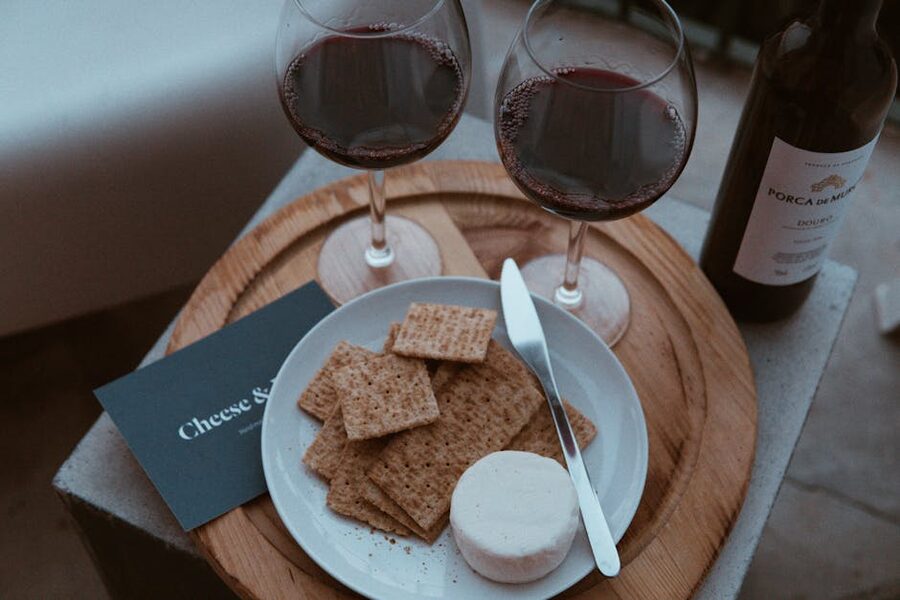
Wine flight. Almost always vinho verde (the slightly fizzy young white from the north) plus an Alentejo red plus, if you’re lucky, a Setúbal moscatel at the end. Sometimes a Madeira if the guide is feeling generous.
Grilled sardines (summer only). Sardinha assada is street food from June through September. Charcoal grills appear outside Alfama tascas, the smell follows you for blocks, and they’re served whole on a slab of bread that catches the dripping oil. Eat the bread. The bread is the best part.
Caldo verde (cooler months). A thin green soup made with shredded couve (Portuguese kale), potato, onion, and a slice of chouriço floating on top. Tour guides serve this November through February in espresso-cup portions.
Time Out Market, included or skipped?
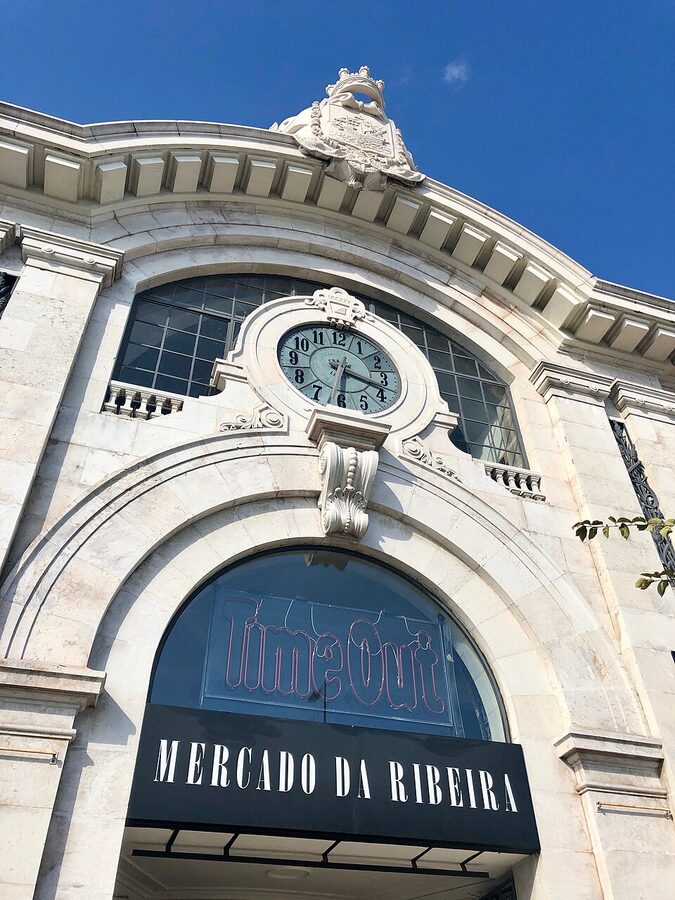
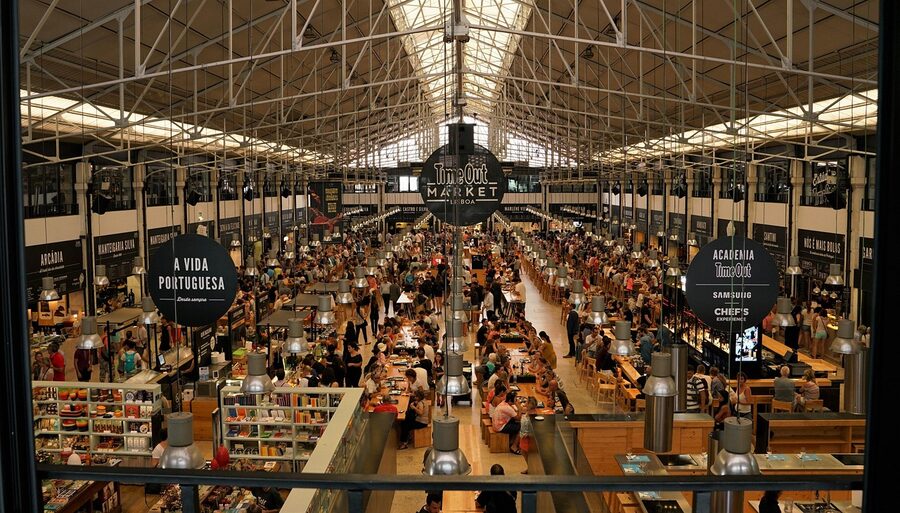
Time Out Market is the food hall inside the southern half of Mercado da Ribeira at Cais do Sodré. Time Out Lisbon magazine took over the empty half in 2014 and picked about thirty-five stalls (chefs, bakeries, restaurants) around a shared seating area. It works. It’s also packed every lunch and dinner from May to October.
The food tours that include Time Out usually do it as one stop among several, often the lunch break. The tours that skip it do so because the queues, the noise, and the speed make it a bad fit for a leisurely tasting walk. Honest take: if you have only one Lisbon food experience, do a proper food tour and skip Time Out. If you have two, hit Time Out independently for a Manteigaria pastel de nata and a Sea Me oyster on the half shell, then book a proper tour for the rest. Don’t rely on Time Out alone.
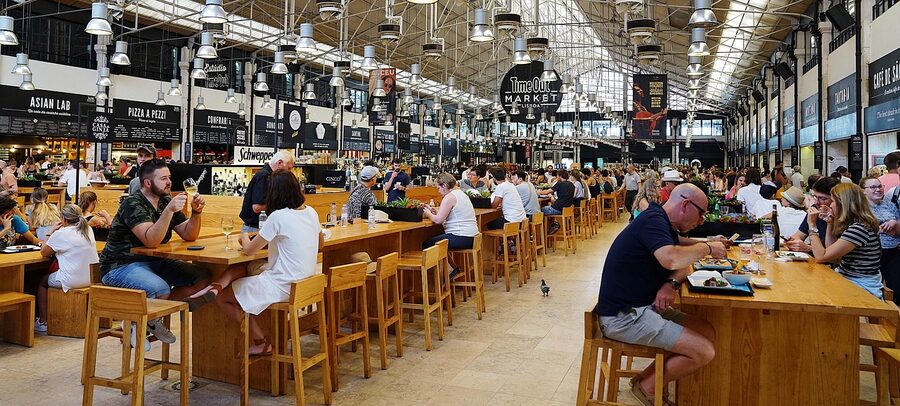
If you want to do Time Out as a sit-down market visit, the working fruit-and-veg side is open early (6am to 2pm most days), the Time Out food hall side runs 10am to midnight Sunday through Wednesday and to 2am Thursday through Saturday. Two beers and a Manteigaria tart will set you back about ten euros if you stay strict.
Sardines, conservas, and the summer street stall thing
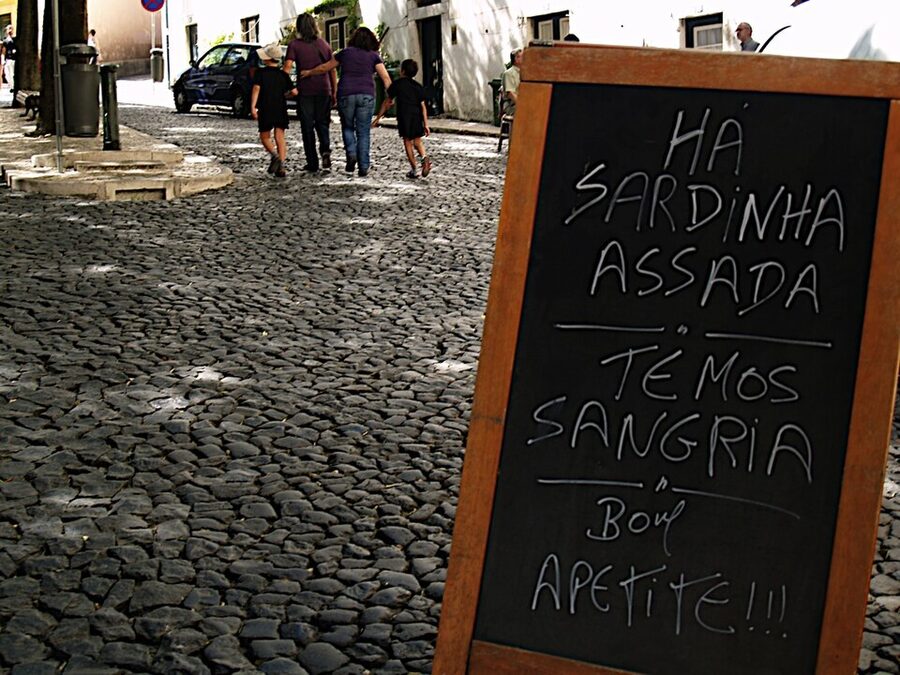
If you’re in Lisbon in June, you cannot miss the sardine festivals. The Festas de Lisboa run all month, peak around the Santo António feast on June 13, and every Alfama doorway sets up a charcoal grill. The smell is everywhere. The fish are whole, salty, briny, eaten with the fingers off a slice of pão. The good food tours that run in summer build a sardine stop into the route. Outside June, you’ll get sardines but mostly tinned ones.
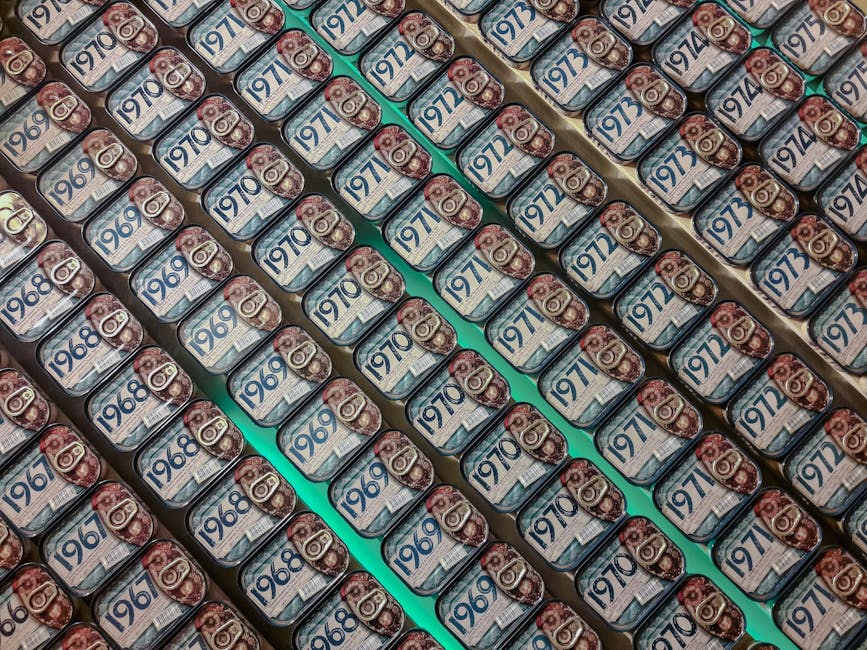
Conservas are the other Lisbon thing. Portuguese tinned fish (sardines, mackerel, octopus, anchovies, tuna) is taken so seriously that whole shops do nothing else. Conserveira de Lisboa on Rua dos Bacalhoeiros has been packing tins since 1930. Comur and Loja das Conservas do souvenir-grade boxes printed with the year you were born. The food tours don’t always stop at a conserva shop because it’s a souvenir more than a tasting, but the better ones build in five minutes for you to buy a tin or two.
Booking timing, dinners vs lunches, and the Sunday problem
Book at least 48 hours ahead for the popular tours. The flagship gourmet walk and the small-group Mouraria one both fill in summer (June, July, September). Spring and autumn you can usually walk in the day before. Winter (January, February) you can sometimes book same-day.
Lunch tours start between 10:30 and 11am. Dinner tours start between 4 and 6pm. There’s no morning food tour worth booking (Lisbon doesn’t really do breakfast, the bakeries are not at full pace until 10).
Sundays are tricky. Many of the best tascas, petisco bars, and ginjinha spots close on Sunday. The flagship gourmet tour runs daily but swaps stops on Sundays. The Baixa dinner tour skips Sunday entirely. The Mouraria small-group tour runs Wednesday to Saturday only. If you have one day in Lisbon and that day is Sunday, your options narrow. Book ahead.
Cancellation policies are usually 24 hours full refund on the GetYourGuide tours. Viator small-group ones are stricter (sometimes 48 or 72 hours). Read the fine print before booking, especially on the higher-priced cultural tours.
What you eat at home that doesn’t translate
A few things tour guides will mention that you should be ready for. Couvert is the bread, butter, olives, sometimes cheese that the waiter puts on the table the moment you sit down. It is not free. It costs two to four euros. If you don’t want it, push it back when it arrives. Nobody will be offended. Tour groups always have couvert built into the price, so you don’t need to worry about it on the walk itself, only in the restaurants you go to on your own.
Espresso is a bica. Latte is a galão. Plain coffee with a little milk is a café com leite. Iced coffee is not a Lisbon thing. The cafe will look at you funny if you ask for it before May.
Tipping is light. Five percent is enough at a sit-down restaurant. The food tour guides expect ten percent at the end if the tour was good. The cash they get from twelve people times two euros each is most of what they actually take home, so be ready with a few euros at the end of the walk.
Dietary issues, what works and what doesn’t
Lisbon food tours have gotten better at vegetarian and gluten-free swaps. Not all of them. Pescatarian is easy (cod, sardines, octopus, conservas, the petisco fish options). Vegetarian is medium (cheese, olives, bread, ginjinha, wine, but no bifana or bacalhau, so you lose two of the canon). Vegan is hard. Most tours can swap the cheese for an avocado or extra olives and you’ll be fine, but the tasting count drops.
Gluten-free is also harder than it looks because the pastel de nata and the bifana both depend on wheat. Tours can usually swap in fruit, queijo da Serra without the bread, and rice-based desserts (arroz doce). Tell the operator at booking time, not on the morning of. The Mouraria small-group tour handles dietary swaps best because it has fewer fixed stops.
Allergies (shellfish, nuts) are easier. The kitchens are small, the chefs cook to order, and the tour operators have run thousands of these. Mention it at booking and confirm again at the meeting point.
What to do before and after
Most food tours run three to three and a half hours and leave you full but not blown-out. There’s room for one more thing on the same day. If you do a lunch tour, you have the afternoon. If you do a dinner tour, you have the morning before.
The pairings I’d recommend depending on which Lisbon experience you want:
For history-and-walk: pair a morning food tour with a central city walking tour in the late afternoon, then a fado show after dinner.
For sweep-the-city: book a 24 or 48-hour hop-on hop-off bus pass, do the food tour at lunchtime, ride out to Belém after for the monastery and the original Pastéis de Belém. The bus + tour combination is what most cruise-ship visitors do because they only have one day.
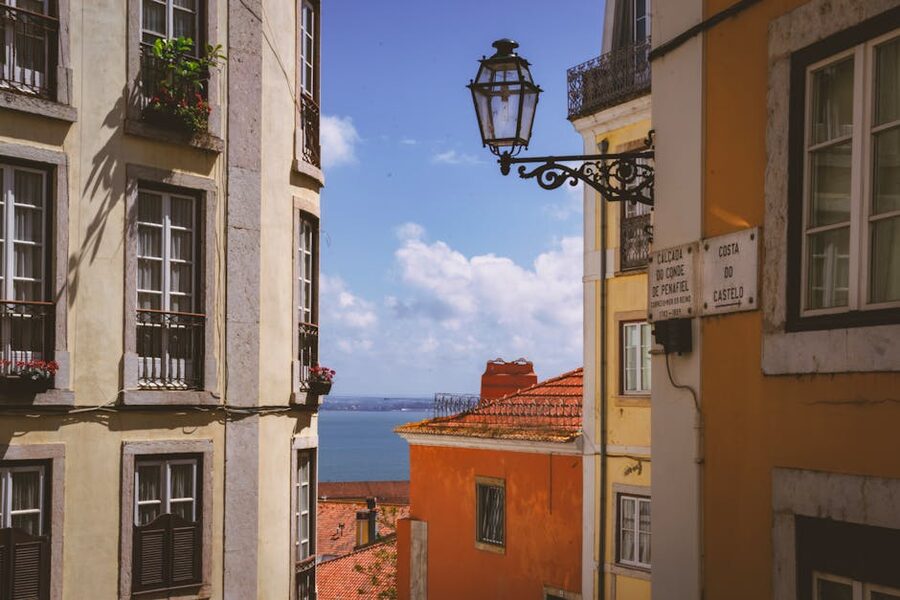
For laid-back: do a food tour, then either a tuk-tuk loop through Alfama for the views or pick up a Lisbon Card for free transport and museum entries the next day.
For day-trip extension: a Lisbon food tour on day one, the Sintra and Cabo da Roca day trip on day two, or the small-group Sintra and Cascais run if you want a tighter group, and Pena Palace tickets booked in advance for the must-see castle. Sintra is rich and weird and worth a full day.
Honest cons
A few things food tours don’t always tell you up front.
The walking adds up. Three hours sounds gentle until you remember Lisbon has hills. The tours that include Bairro Alto involve climbing maybe seventy metres of elevation, the ones that go to Mouraria climb less but cobblestones are uneven. Wear shoes you’ve broken in. Sandals are a bad idea.
The tasting volume is bigger than it sounds. Six tastings means you eat the equivalent of two meals across three hours. Don’t have a heavy breakfast on a lunch tour, don’t have an afternoon snack on a dinner tour. People underestimate this and end up not finishing.
Drinking pace. Three glasses of wine plus a ginjinha across three hours hits some people harder than they expect, especially in summer heat. Pace it. The tours don’t pause for water, you have to ask.
And one operator quirk: the bigger group tours sometimes split into subgroups when a venue is too small to seat everyone. You may end up in a different room from the guide for ten minutes. The smaller-group tours don’t have this problem, which is part of what you’re paying extra for.
Other Lisbon angles worth a look
If the food side has you sold and you’re working out the rest of the trip, pick the next thing you’re curious about. The food walks pair well with a fado evening if music is your thing, with the Jerónimos Monastery visit in Belém since the pastel de nata recipe came out of those very kitchens, or with a Sunday Sintra day trip when most of the city’s food spots are shut anyway. The Lisbon food walks sit closest in format to the Barcelona tapas walks if you’re cross-shopping European food tours.