Osaka’s signature pancake is less a fixed recipe than a delicious answer to the question, what do you like grilled? This private, three-hour food walk takes you to three eateries for different versions, with stops that may include Shinsekai and Omoni in Umeda. You get local context along with the meal, so the tour can help you understand what you are eating, not just where to find it.
I like two things in particular: the chance to compare three styles in one outing, and the flexible format, which lets you tell your host what interests you before the route is set. At Omoni, you may also get to cook your own pancake, or let the cooks handle the hotplate. A recent group of five to eight singled out guide Shingo for attentive, informative hosting, though you should not assume he will lead your tour.
The main consideration is the cost and the walking. The starting price is $114.15, but the details do not clearly spell out which food costs are covered, and local transport is not included. Ask what is included in the price before you book, and wear shoes you can walk in.
- At a glance
- Why Osaka puts okonomiyaki on the menu
- From Shinsekai to Omoni in Umeda
- What three tastings really add
- The guide makes the difference
- Three hours on foot, with transit costs to plan
- What the price gets you, and what to check
- Who should book this food walk
- Should you book it?
- FAQ
- How long is the tour?
- How many okonomiyaki stops are included?
- Is the tour private, and is it led in English?
- Can I make my own okonomiyaki?
- Is transport between stops included?
- What time can I start?
- The Best Of Osaka!
- More Food & Drink Experiences in Osaka
- More Tours in Osaka
- More Tour Reviews in Osaka
- Not for you? Here's more nearby things to do in Osaka we have reviewed
At a glance
 1 / 4
 2 / 4
 3 / 4
 4 / 4
- Three eateries, three styles: The core idea is tasting okonomiyaki in different settings rather than settling for one restaurant.
- A postwar comfort food: Okonomiyaki grew as a cheap, quick meal after World War II. Its name means what you like, grilled.
- Shinsekai and Umeda: The route may link the old working-class district of Shinsekai with Omoni, a Umeda restaurant where you can make your own.
- A private, customizable walk: An English-speaking host contacts you after booking to ask about your interests and preferences.
- Three hours on foot: A private vehicle is not provided. Public transit or taxis may be used between places, with transport costs discussed with your host.
- Confirm the bill details: The tour includes a three-hour dining experience and drinks or alcohol at selected bars, but the exact food inclusions are not specified.
👉 See our pick of the 24 Best Workshops And Classes In Osaka
Why Osaka puts okonomiyaki on the menu
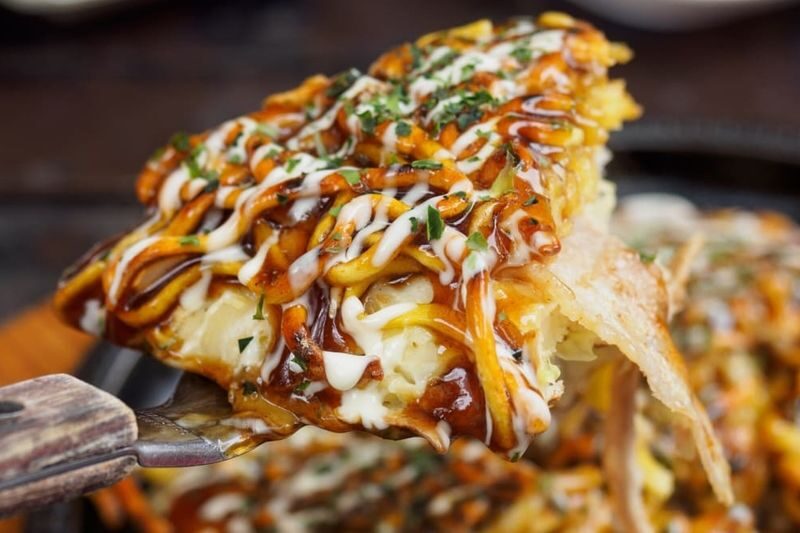
Okonomiyaki is often described as a savory pancake, but that label only gets you partway there. The basic mix uses shredded cabbage and batter, then cooks on a hot surface. The name translates roughly as what you like, grilled, a useful clue to how much the dish can vary from one cook or restaurant to another.
Its place in Osaka’s food culture is tied to practical needs. After World War II, people needed meals that were quick and inexpensive. A filling cabbage-and-batter dish suited the moment, and it became a lasting favorite. That history gives the tour a useful thread: you are not just sampling a fashionable snack, but a meal shaped by everyday life.
The three-stop format lets you see how a shared idea changes in different hands. You may visit a large, busy restaurant, then a small family-run stall, with a third eatery adding another take. The exact stops can be customized, so the route is not a fixed promise of the same venues for every departure.
For you, that variety matters more than a long lecture about ingredients. Seeing different cooks work and tasting several versions makes the dish easier to understand. You can ask your host how each place approaches it, and which local spots are worth returning to after the tour.
You can also read our reviews of more food & drink experiences in Osaka


From Shinsekai to Omoni in Umeda
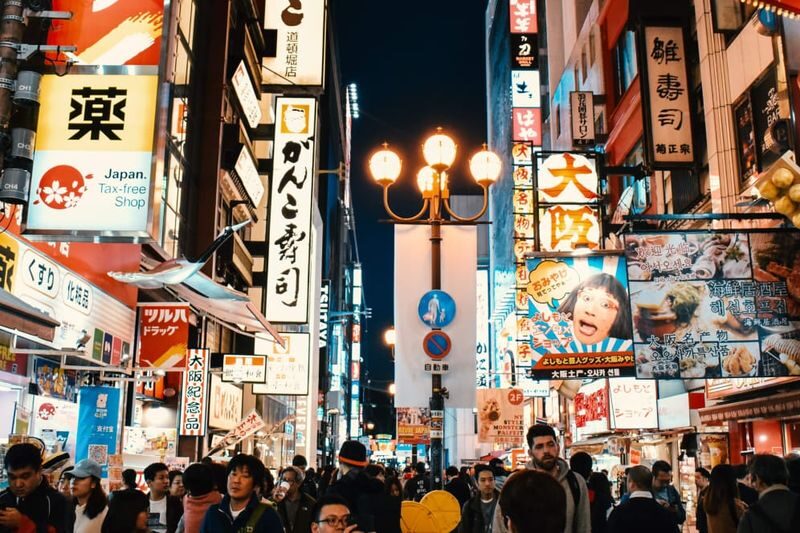
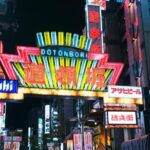
Shinsekai is one of the areas named as a possible stop. The tour describes it as a former slum where straightforward, local-style cooking is part of the appeal. It is a useful setting for seeing how a popular everyday dish fits into a neighborhood rather than treating it as a restaurant trend.
Expect a walking visit, not a vehicle-based tour. Your host may take you to a lively restaurant or a tiny family-owned stall, depending on the planned route and what suits your interests. The experience information does not promise a specific stall or a particular order of stops, so think of the neighborhood as a possible part of the outing, not a guaranteed itinerary.
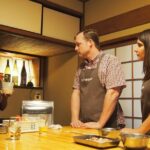
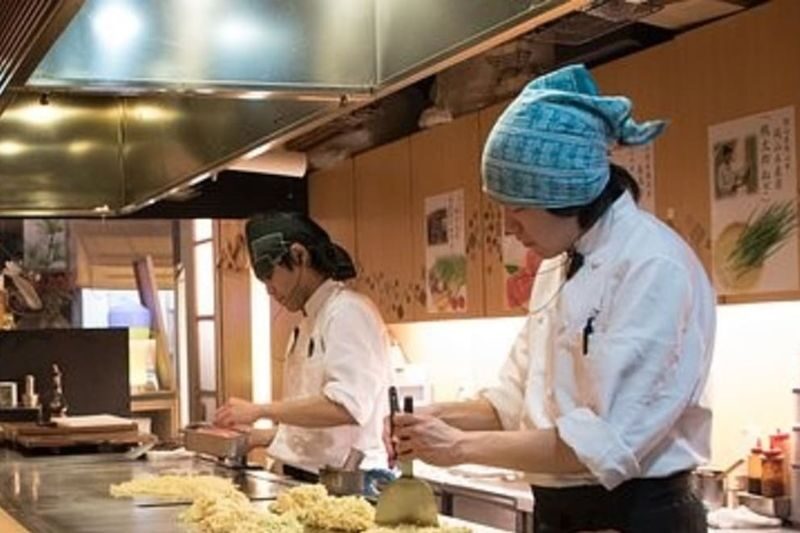
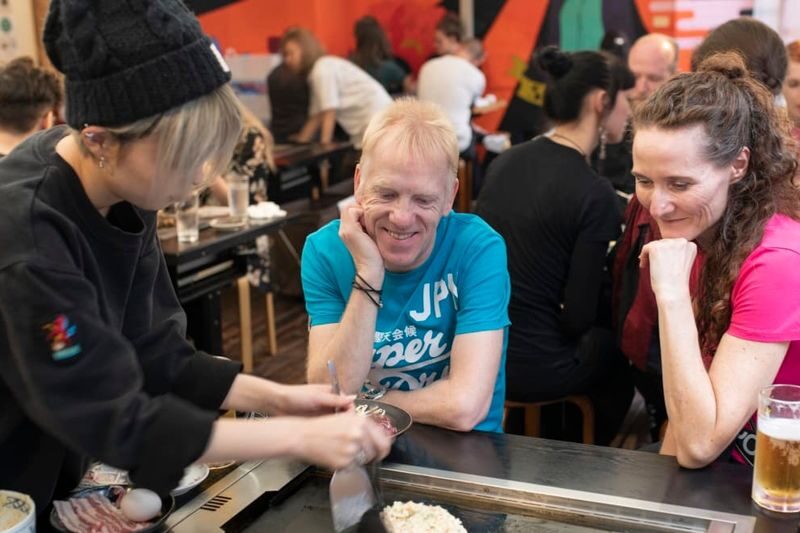
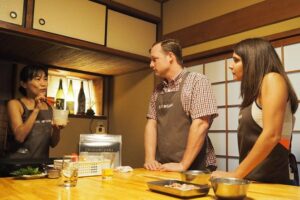
Omoni in Umeda offers a different kind of stop. It is described as a place where you can make your own okonomiyaki. If you like getting involved, that hands-on option can make the meal more memorable; if you would rather concentrate on eating, master chefs can take over the cooking.
The third eatery is not named in advance. That leaves room for the host to build a route around your preferences, but it also means you should not book expecting a specific trio of restaurants. After booking, you receive a short questionnaire about interests, preferences, and must-sees. Use it to say if you are most interested in local food, neighborhood character, or trying your hand at cooking.
What three tastings really add
One plate can tell you whether you like okonomiyaki. Three versions can show you why the dish has so many loyal fans. The tour promises three different ways of enjoying it at three different eateries, giving you a comparison that is hard to get from a single restaurant meal.
The stops range from larger restaurants to small, locally favored places. That contrast is valuable: one meal may feel polished and organized, while another may be more informal. The tour does not specify exact recipes or toppings, so go in ready to ask questions rather than expecting a fixed tasting menu.
Keep your appetite in mind. Three tastings in three hours sound generous, and the exact portion sizes are not stated. If you have dietary restrictions or preferences, share them through the pre-tour questionnaire and confirm with your host that the route and food can work for you.
This is also a practical way to build a short list for the rest of your stay. Your host can recommend other street-food stalls and eateries, so you leave with more than a full stomach. Ask for names, locations, and what to order while you are still together. Those details are more useful than a vague recommendation to eat your way around Osaka.
The guide makes the difference
The tour is private and led by an English-speaking host, so you can ask questions as you walk and shape the conversation around your interests. The host contacts you after booking to discuss what you want from the outing. If food is your priority, say so; if you also want history or neighborhood context, mention that too.
Shingo is a named guide associated with this experience. A recent group booking of five to eight praised his attentive manner and clear, informative explanations. That is a good sign for anyone who wants more than a guide who simply points out the next restaurant, but guide assignments can vary, so treat Shingo as a possibility rather than a guarantee.
The private format is particularly useful for a food walk because appetites, pace, and comfort with unfamiliar dishes differ. You can ask your host to explain the food, slow the pace, or focus on the kinds of places you enjoy. The tour is not a formal cooking class, though Omoni may let you try making your own pancake.
Three hours on foot, with transit costs to plan
The tour lasts three hours and is a walking experience. There is no private vehicle. Your host may use public transportation or local taxis to move between sites, and the transport cost can be discussed after the reservation is finalized. Bring cash, as advised, and ask how the route is likely to work before you set your budget.
Departure choices are listed at 11:00, 12:00, 13:00, 17:00, 18:00, and 19:00. The return options vary with your chosen departure and the route length. A midday start suits a lunch-focused outing; an evening start may work better if you want to make dinner the main event. The schedule can change with traffic and weather.
Meeting information needs a little extra attention. The host is listed as waiting in front of Starbucks Coffee, with the return point at Starbucks Coffee in Tsutaya Ebisubashi, 1 Chome-8-19 Dotonbori. The details also mention a flexible meeting point, such as your hotel or apartment, and include directions connected with Osaka Castle. Because these references do not all point to the same place, confirm your exact meeting location and schedule with the operator before tour day.
Arrive ten minutes early and watch for a photo of your host, which you will receive before the experience. Late arrivals and no-shows are not refundable, so do not leave the meeting point to chance. The listed meeting location is in Osaka, but your host can reconfirm a preferred central location in advance.
You can also read our reviews of more city tours in Osaka


What the price gets you, and what to check
The tour starts at $114.15 for a three-hour walking experience. For a private outing, the value lies in having a host tailor the route, take you to three eateries, explain the dish, and share recommendations you can use for the rest of your visit. That can be worthwhile if you want local direction and a guided introduction rather than choosing restaurants by trial and error.
Still, check the food-cost details before paying. The included items list a three-hour dining experience and drinks or alcohol at selected bars, while transport, attraction admission, and other personal expenses are excluded. It does not clearly state how much food is covered by the tour price or whether extra orders cost more. Ask the operator what you should expect to pay at the eateries.
Alcohol is only available to those aged 20 or older under Japan’s legal drinking age, and you should bring valid ID if you plan to drink. You do not need to drink to enjoy the food tour. The listed inclusions refer to drinks or alcohol at selected bars, not a promise of alcohol at every stop.
The operator has a 93 percent good review rate across 445 reviews, while this particular experience has a five-star rating from one review. That is encouraging, but the small number of ratings for this specific outing gives you limited evidence about how every route or host performs. The strongest concrete signal is the positive feedback about Shingo’s attention and explanations, balanced by the fact that he may not be your guide.
Who should book this food walk
I would consider this tour if you are new to Osaka, curious about local food, and would rather have someone help you choose places than spend your first evening searching on your own. Three takes on okonomiyaki give you a useful introduction, and a host’s recommendations can make the experience pay off beyond the three-hour outing.
It also suits repeat visitors who already know the main sights and want a more food-focused afternoon or evening. The route can be shaped around your interests, and the possible mix of Shinsekai and Umeda offers more neighborhood variety than a single restaurant reservation.
It is a weaker fit if you want a set itinerary with named restaurants, private transport, or a fully specified tasting menu. You may also prefer to book independently if you are comfortable finding eateries yourself and want complete control over what you order and spend. The tour’s biggest practical uncertainty is the exact food and transport cost, so settle that before confirming.
The activity is listed as stroller- and wheelchair-accessible, though the walking route and any transit used are worth discussing with the host in advance. Bring walking shoes, weather-appropriate clothing, sun protection, any personal medication, cash, and a camera. The voucher is valid only on the booked date and time, and changes are allowed until 24 hours before the activity, subject to the stated booking restrictions.
Should you book it?
Book if you want a guided introduction to Osaka’s best-known savory pancake, enjoy comparing food from several places, and value a host who can point you toward more local eating after the tour. Before paying, confirm the food costs, transport plan, exact meeting point, and whether cooking at Omoni fits your route. With those details settled, this is a practical way to turn one meal into a wider introduction to Osaka’s food culture.
Osaka City, Okonomiyaki Tasting Private Half Day Tour
“SHINGO is The Man ! we had a fantastic time, or guide was very informative, attentive and knowledgeable. would highly recommend this tour for first…”
FAQ
How long is the tour?
The walking tour lasts three hours.
How many okonomiyaki stops are included?
The experience includes visits to three eateries, with three different ways of enjoying okonomiyaki.
Is the tour private, and is it led in English?
Yes. It is described as a private walking tour with an English-speaking guide.
Can I make my own okonomiyaki?
At Omoni in Umeda, you may make your own pancake or let the chefs cook it for you. The route can vary, so confirm this option with your host.
Is transport between stops included?
No private vehicle is included. Public transport or local taxis may be used, and the transport cost can be discussed with your host after booking.
What time can I start?
Available departure times are 11:00, 12:00, 13:00, 17:00, 18:00, and 19:00. Return options vary according to the departure time and itinerary.