In Naples, a cooking class can turn familiar Italian dishes into something you understand with your hands. Here, you start with tiramisu, then work on pasta or pizza dough with an instructor before sitting down to eat the meal you helped make. It’s a useful change of pace from restaurant-hopping, and a good way to spend an evening around food.
I like two things in particular: you get practical instruction rather than just watching a chef, and the meal at the end makes the class feel like a proper dinner, not a demonstration. A welcome glass of Prosecco adds a festive note, too. One consideration: the class follows traditional recipes with gluten, dairy and eggs, and substitutions may not suit everyone.
At a glance
- Three hours at a neighbourhood restaurant: A manageable activity that leaves time for other plans that day.
- Tiramisu comes first: You make the dessert before moving on to pasta or pizza.
- Your dough is hands-on: Expect to roll, cut and shape pasta, or work on pizza, depending on the option booked.
- You eat what you make: The class ends with a shared meal of the prepared dishes.
- Prosecco and wine are included: Expect a welcome glass of Prosecco and wine with the meal; extra wine is not guaranteed.
- Best for curious eaters: It suits adults and older children who enjoy cooking, but not vegans or people with gluten or lactose intolerance.
👉 See our pick of the 18 Best Shopping Tours In Naples
- At a glance
- Tiramisu first, then the main event
- A restaurant setting, not a cooking studio
- The meal makes the three hours count
- What the price buys you
- Who should book, and who should skip it
- The verdict: book it for the cooking, not the wine
- FAQ
- How long does the cooking class last?
- What will I make?
- Is food included?
- Are drinks included?
- Is the class taught in English?
- Can the class accommodate allergies or food preferences?
- Can I cancel if my plans change?
- The Best Of Naples!
- More Food & Drink Experiences in Naples
- More Tours in Naples
- More Tour Reviews in Naples
- Not for you? Here's more nearby things to do in Naples we have reviewed
Tiramisu first, then the main event
 1 / 6
 2 / 6
 3 / 6
 4 / 6
 5 / 6
 6 / 6
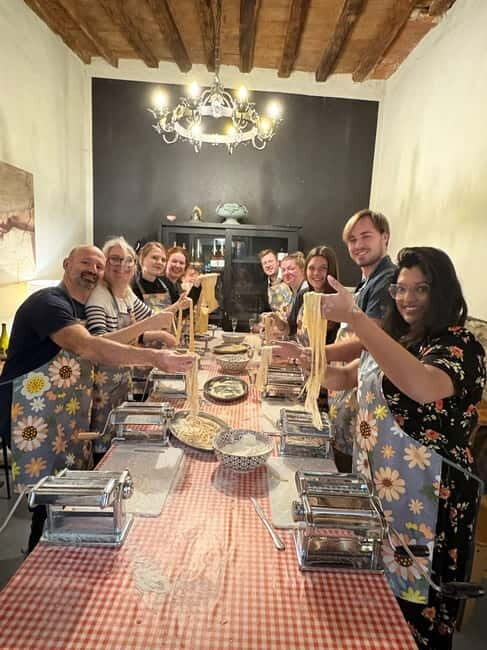
The class begins with a welcome glass of Prosecco and an introduction to the restaurant. Then it’s time to wash your hands, put on an apron and get started. The first dish is tiramisu, which gives you a gentle entry into the work before the dough-making begins.
Making tiramisu is more than assembling a dessert. Your instructor explains the traditional recipe and the techniques involved, along with some background on the dish. That context is useful: you leave knowing not just what goes into it, but why the method matters. The class is designed for different skill levels, so you don’t need experience to take part.
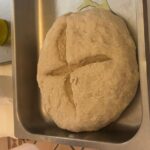
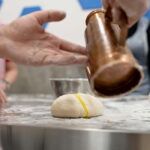
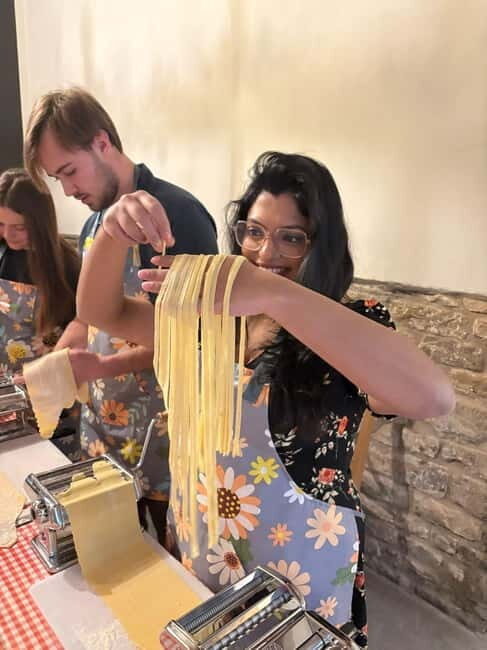
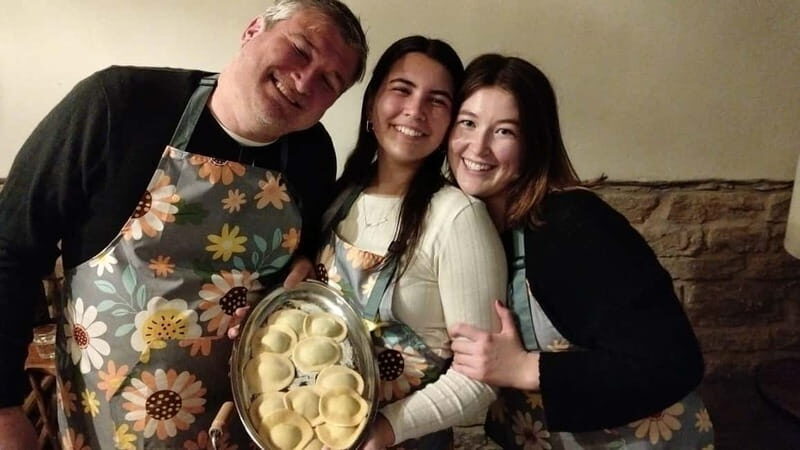
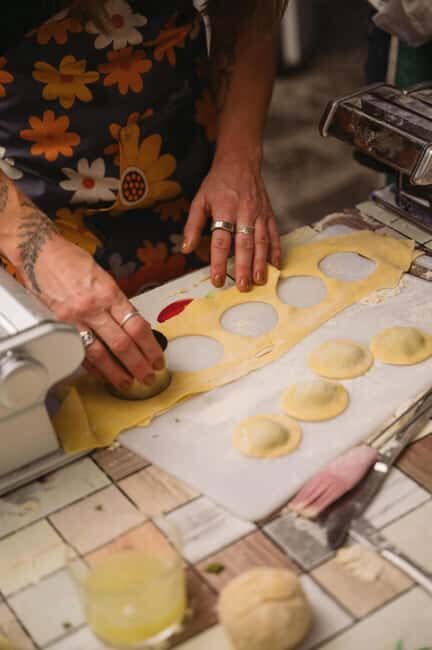
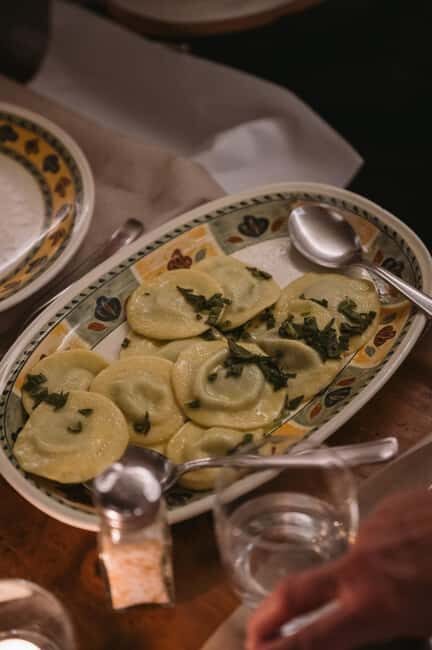
Next comes the dough. You’ll learn about different types of flour and practise rolling, cutting and shaping pasta or pizza. The exact main dish depends on the option booked. Some classes focus on pasta, and individual sessions have included ravioli, fettuccine and ricotta ravioli with tomatoes. Pizza is another possible focus, but don’t assume you’ll make both pasta and pizza in one session.
This is where the class offers more than a tasting menu. You get to feel how dough changes as you work it, and an instructor can help when your first attempt looks less than textbook-perfect. Instructors named for past sessions include Tina, Gian Marco, Fiammetta, Vincenzo, Olga, Francesco and Eddy. The instructor on your date may be someone else, but teaching and patience are recurring strengths of the experience.
You can also read our reviews of more food & drink experiences in Naples



A restaurant setting, not a cooking studio
The class takes place in an authentic restaurant in Naples, rather than a purpose-built classroom. That matters because you’re working in a place where food is part of the daily routine, with a host who can bring local cooking traditions into the lesson. It also makes the final meal feel natural: you’re already at the table, ready to eat.
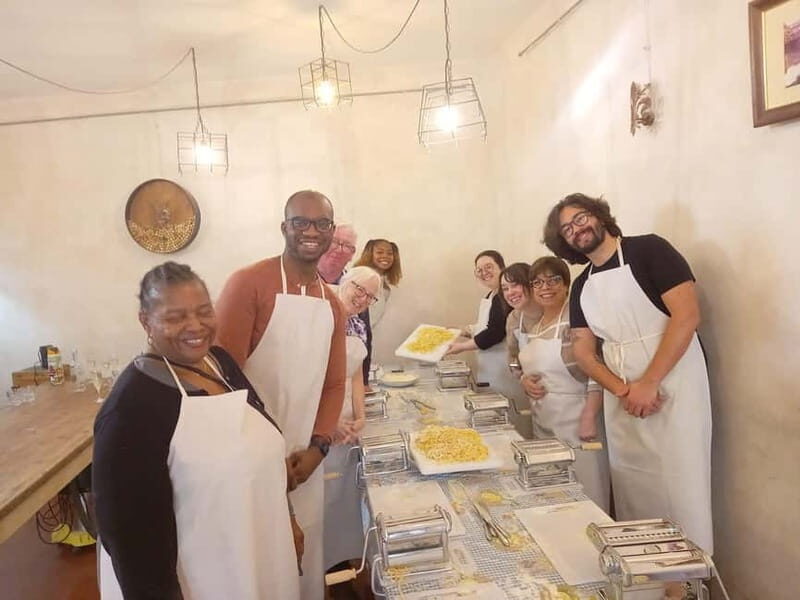
The atmosphere is intended to be welcoming and social. You cook alongside other participants and gather together for the meal, so this works well as a shared activity for couples, friends or families with older children. The group size can vary. Some sessions have been small, and in one case only a pair took part. Don’t count on a private class, though. Group numbers depend on the session.
There’s a practical benefit to this format. You can ask questions as you work, see how other people approach the same steps and learn from small corrections. Instructors have been praised for being patient and encouraging, which helps if you’re new to cooking or worried about getting the technique right. The class is meant to be enjoyable at different skill levels, not a test of your pasta credentials.
The setting also means you should arrive ready to participate. This isn’t a sit-back-and-watch food show. You’ll be handling ingredients and making the dishes, and you’ll get more from the experience if you’re happy to try, make a few imperfect shapes and keep going.
The meal makes the three hours count
At the end, you sit down with the other participants and eat the food you’ve prepared. This is the best part for anyone who likes a clear payoff: the lesson ends with dinner, not with a recipe card and a search for a nearby restaurant. The finished dishes have included pasta and tiramisu, with some classes also making pizza.
The meal gives you a chance to taste the results while they’re fresh and ask any final questions. It also makes the class a useful evening plan if you want one activity to cover both entertainment and a meal. At $57 per person for three hours, the price is reasonable when you consider the instruction, ingredients, cooking activity, food and drinks included.
The advertised drinks are a welcome glass of Prosecco and a glass of wine with the meal. Treat that as the baseline. Some participants have had more wine, while others found it was not free-flowing, so don’t book on the assumption of unlimited pours. The food and hands-on instruction are the stronger reasons to choose the class.
What the price buys you
At $57, this is not simply a dinner reservation. You get a guided lesson, ingredients, the chance to make traditional dishes yourself and a meal at the end. If you enjoy food experiences, that mix can be better value than paying separately for a restaurant dinner and a short cooking demonstration.
The value is strongest if you want to learn a technique you can repeat at home. Making pasta from dough, shaping it and seeing how flour affects the result gives you a more lasting souvenir than a meal alone. Tiramisu is a good addition because it rounds out the menu and lets you practise a second dish without needing a full afternoon.
The class is less compelling if you’re mainly after a large meal or a wine tasting. The wine is part of the experience, but the class is built around cooking. And while all is included is stated for the activity, the specific dishes depend on the option booked, so check which one you’re selecting rather than expecting every possible pasta and pizza variation.
More Great Tours NearbyWho should book, and who should skip it
I’d choose this class if you want a social, practical activity that connects food with the place you’re visiting. It’s a good fit for first-time pasta makers, home cooks who want a few new techniques, and anyone who enjoys a meal more when they’ve had a hand in preparing it. The three-hour length gives you enough time to cook and eat without taking up the whole day.
It can also work for a group with teenagers. The class is hands-on, the instructors aim to make it approachable and the shared meal gives everyone a chance to enjoy the result. Children under three are listed as unsuitable, and babies under one and children under two are also named among those for whom the activity is not suitable. The age wording is repetitive, so check directly if you’re planning to bring a young child.
Diet is the bigger limitation. The traditional recipes contain gluten, dairy and eggs. Substitutions are offered for allergies or food preferences, but instruction still follows the traditional recipes, and the activity is listed as unsuitable for vegans, people with gluten intolerance and people with lactose intolerance. If those ingredients are a serious health concern, don’t assume a substitution will make the class safe or comfortable.
The tour is in English, and the meeting point can vary by option. Check the details for the session you choose before setting off. You can cancel up to 24 hours ahead for a full refund, and the reserve-now, pay-later option lets you hold a spot without paying at booking.
You can also read our reviews of more tours and experiences in Naples



The verdict: book it for the cooking, not the wine
This is a strong pick if you want to make something, learn a few useful methods and sit down to eat with the group. The best parts are the patient, hands-on instruction, the combination of tiramisu with pasta or pizza, and the meal at the end. The main caveats are dietary restrictions and the fact that wine servings may not be generous or unlimited.
Book it if the idea of working dough sounds more appealing than spending another evening just ordering dinner. If you have strict dietary needs, want guaranteed private instruction or are counting on a particular dish, confirm the details before reserving. Otherwise, at $57 for three hours with food and drinks included, it’s a practical way to add a little kitchen time to your Naples stay.
Naples: Traditional Italian Food Cooking Class at Restaurant
FAQ
How long does the cooking class last?
The class lasts three hours. Check the available starting times when choosing a session.
What will I make?
You’ll make tiramisu, then work on pasta or pizza, depending on the option booked. Pasta sessions have included dishes such as ravioli and fettuccine.
Is food included?
Yes. The class ends with a meal featuring the dishes you prepared.
Are drinks included?
A welcome glass of Prosecco and a glass of wine with the meal are included. Additional wine is not guaranteed.
Is the class taught in English?
Yes. English is the listed language for the live guide.
Can the class accommodate allergies or food preferences?
Substitutions are offered, but the instruction follows traditional recipes containing gluten, dairy and eggs. The activity is listed as unsuitable for vegans, people with gluten intolerance and people with lactose intolerance.
Can I cancel if my plans change?
Yes. You can cancel up to 24 hours in advance for a full refund. Reserve now and pay later is also available.
You can check availability for your dates here: