Below Naples’ streets, Greek cisterns and Roman water channels tell a story of a city built in layers. This roughly one-hour tour takes you into the Spanish Quarter’s underground spaces, including passageways used as bomb shelters during World War II. It is a compact way to connect ancient engineering with everyday survival.
I like two things about this visit: the changing purpose of the tunnels, from water supply to wartime refuge, and the chance to see history in a place that is usually out of sight. The short duration also makes it easier to fit into a day of exploring Naples.
The main drawback is physical comfort. The air can be very humid, the route includes stairs, and some passages are narrow, though an alternate route is available for those who prefer to avoid the tightest sections. This is not a wheelchair-accessible activity.
- What to know before you book
- From Greek water cisterns to Roman aqueducts
- Into the passageways beneath the Spanish Quarter
- How the tunnels became wartime shelters
- The one-hour route and what it offers
- Is the ticket good value?
- Who should choose this underground tour
- Should you book it?
- FAQ
- How long is the Spanish Quarter Underground Tour?
- Where does the tour meet?
- What time should I arrive?
- Is an English-speaking guide included?
- How humid is it underground?
- Are there narrow passages and stairs?
- Can children join the tour?
- Is the tour wheelchair-accessible?
- The Best Of Naples!
- More Tours in Naples
- More Tour Reviews in Naples
- Not for you? Here's more nearby things to do in Naples we have reviewed
What to know before you book
 1 / 6
 2 / 6
 3 / 6
 4 / 6
 5 / 6
 6 / 6
- Greek cisterns date to around 470 BC: The underground network began as a way to collect and store rainwater.
- Roman builders expanded it: Their aqueduct system served Naples for centuries.
- The tunnels became wartime shelters: People used the underground spaces during the bombing of the 1940s.
- Expect high humidity: The air can reach about 90 percent humidity in the reservoir ruins.
- Allow about an hour: The visit is a short, focused stop rather than a half-day excursion.
- The route has physical limits: Participants must be at least six, and the activity is not wheelchair-accessible.

👉 See our pick of the 18 Best Shopping Tours In Naples
From Greek water cisterns to Roman aqueducts
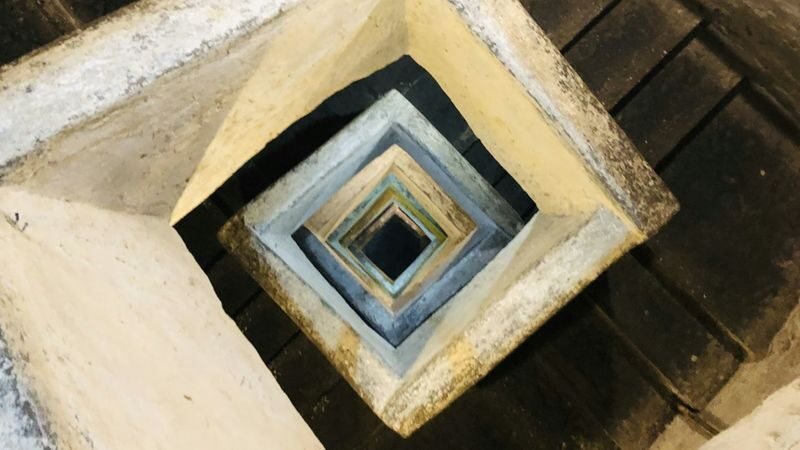
The story begins long before the Spanish Quarter took shape. Around 470 BC, Greek builders created underground cisterns to collect rainwater. The Romans later enlarged and adapted the network into an aqueduct that supplied the city for centuries.
That history gives the tour a useful point of focus: this is not simply a walk through old stone corridors. You are seeing infrastructure that helped Naples function, then kept serving the city as its needs changed. The underground works are a reminder that a city’s past is not always displayed in a museum case. Sometimes it lies beneath the route you walk every day.
The tour is described as Napoli Sotterranea, or Naples Underground, and takes place beneath the historic Spanish Quarter. Its setting brings together different chapters of the city’s past. The route is also presented as a way to learn about Spanish influence and the quarter’s cultural heritage, though the supplied details do not specify which objects or features illustrate that influence. If that subject matters most to you, ask your guide what parts of the visit speak directly to it.
The key value here is the sense of sequence. Greek cisterns came first, Roman engineering expanded the system, and later generations found new uses for the underground spaces. You get a physical glimpse of how Naples developed over time, rather than only hearing dates in a gallery.
You can also read our reviews of more tours and experiences in Naples.

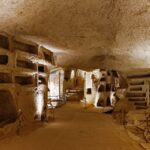
Into the passageways beneath the Spanish Quarter
The meeting point is at Vico S. Anna di Palazzo, 52, where you present your mobile voucher at the entrance ticket office. Staff then direct you to your guide. The listed English-language departure is at 10:00, with the return scheduled for about 11:00. Arrive 15 minutes early, since late arrivals and no-shows are not eligible for a refund.
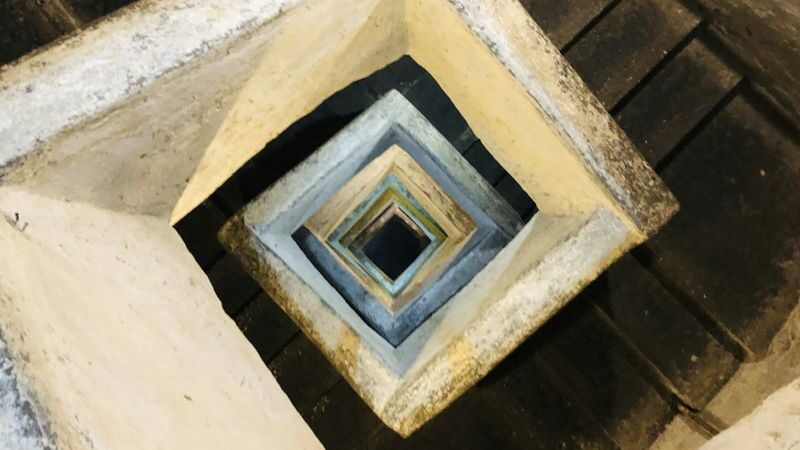
Once inside, expect the conditions to change quickly. The humidity rises sharply, reaching around 90 percent in the reservoir ruins. That matters more than it might sound on a warm day above ground: the underground air can feel close and damp, so anyone sensitive to humidity should take that into account before booking.
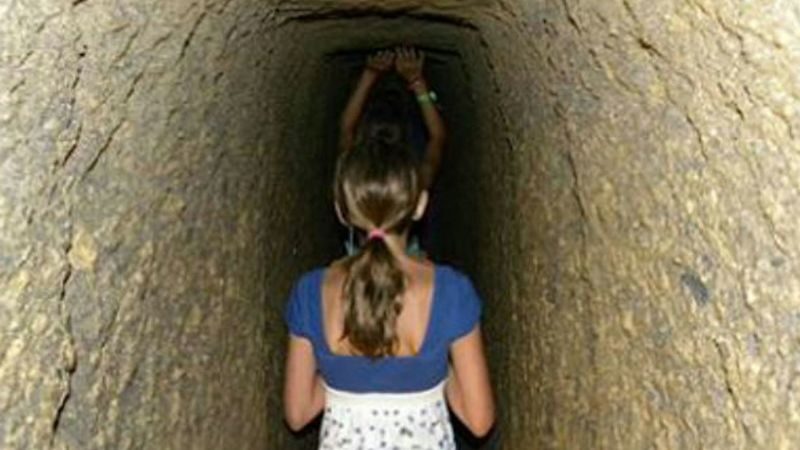
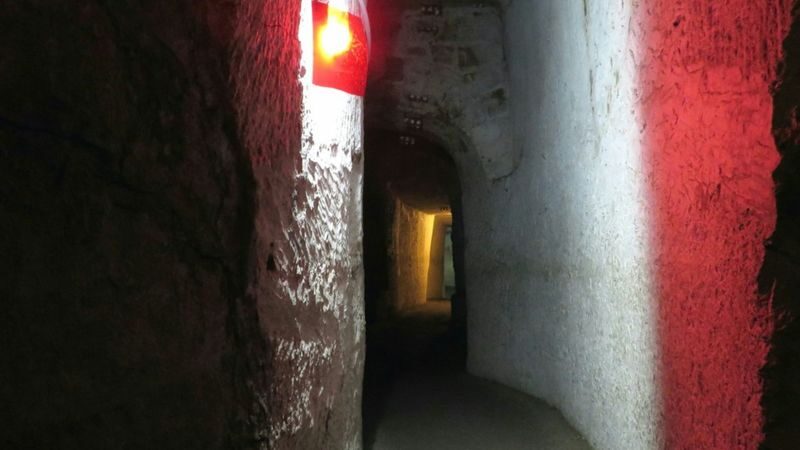
Some passages are narrow. An alternate route is available for people who do not want to pass through the tightest sections, which makes the tour more manageable for visitors who are uneasy in confined spaces. Still, the activity involves stairs and is not wheelchair-accessible. If stairs, back problems, or enclosed spaces are a concern, weigh that carefully rather than assuming the alternate route removes every physical challenge.
The route’s physical character is part of what makes the visit distinct, but it is also the main reason this tour will not suit everyone. A recent participant described the stairs as manageable for people with ordinary stamina and noted that both children and adults could enjoy the hour-long visit. Treat that as a helpful impression, not a guarantee: comfort depends on your own mobility and tolerance for humid, enclosed spaces.
How the tunnels became wartime shelters
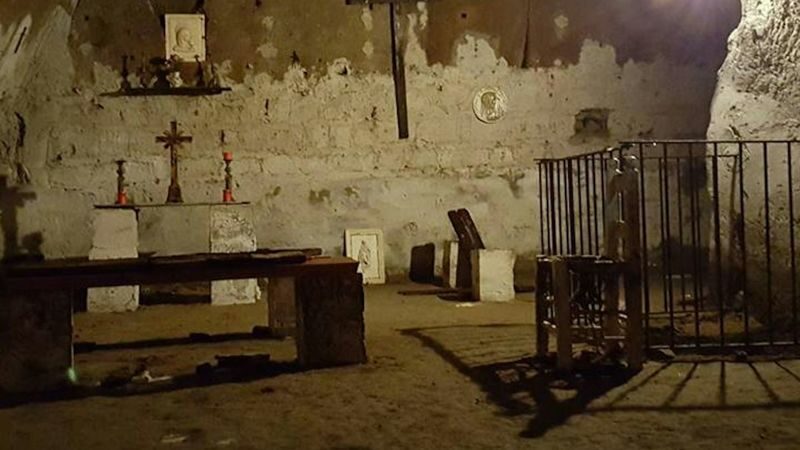
The underground network’s most immediate human story comes from the 1940s. During the bombings, people sheltered in passageways that had originally been built for water storage and distribution. The change in purpose is striking: a system created to help a city manage water became a place where residents sought protection.
That connection gives the visit more emotional weight than an engineering tour alone. You are not just tracing how Greek and Roman builders shaped the ground beneath Naples. You are also considering how later residents used those same spaces in a crisis. The tunnels link long stretches of history through practical needs: water, shelter, and survival.
The tour highlights the bomb shelters as a central part of the experience, but the available details do not promise a specific reconstruction, display, or personal account. Go expecting to see underground spaces and hear their history from an English-speaking guide, not a staged wartime scene. That distinction helps set realistic expectations.
The one-hour route and what it offers
The schedule is straightforward: meet at Vico S. Anna di Palazzo, take the guided underground visit, then return to the same address. The stated timing is about 10:00 to 11:00. It is a useful choice if you want a focused activity without giving up most of your day, though the schedule may change depending on traffic and weather conditions.
The visit’s brevity is a strength if you are planning a busy Naples itinerary. You can add an underground history stop without committing to a long excursion. On the other hand, an hour leaves limited room for a leisurely exploration. If you want extensive archaeological interpretation or a long visit to multiple underground sites, this single tour may feel like an introduction rather than a full survey.
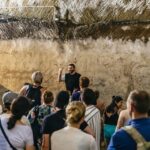
An English-speaking guide is included, as is admission to the Spanish Quarter Underground. The guide’s name is not provided, so you cannot choose a particular guide in advance based on the information available. The group joins other participants, rather than being described as a private tour.
Is the ticket good value?
The listed starting prices are not consistent: the experience summary gives a starting price of $23.19, while the package information lists English and Italian join-in tours from $20.19. Prices can vary, so check the amount shown for your selected date and language before paying.
For the price, the main value is the combination of entry and guided context. You are not just buying access to an underground space; the guide helps connect the cisterns, Roman aqueduct, Spanish Quarter, and wartime shelters into a story. If you are already interested in Naples’ layered past, that interpretation is likely to be more useful than wandering underground without context.
The tour is less compelling if you are mainly seeking a long activity or a spacious, easy walk. At roughly an hour, its value depends on how much you care about seeing the city’s buried infrastructure and wartime spaces. It works best as one piece of a broader Naples visit, not as the day’s main event.
English and Italian join-in options are listed at the same starting price. The voucher is valid only on the date and time selected, and cancellation at least 24 hours before the activity date qualifies for a full refund. Those details are worth checking while you compare dates and make plans.





Who should choose this underground tour
I would put this tour high on the list for anyone curious about how Naples grew above and below ground. It is especially suited to visitors who like practical history: water systems, old construction, and the way a city repurposes its spaces. The wartime shelter story adds a human dimension that makes the engineering easier to place in the life of the city.
Families can consider it for children aged six and older. Children aged 13 and up pay the adult rate. The short duration may suit families better than a long walking tour, but the humidity, stairs, and narrow passages still matter. If a child is uncomfortable in enclosed spaces, the alternative route may help, but check with the operator about what that route involves.
This is a poor fit for anyone who needs step-free access, has significant back issues, or strongly dislikes enclosed spaces. Service animals are allowed, but the site is not wheelchair-accessible. It is better to make that call before booking than to arrive and find the route does not work for you.
Should you book it?
Book the Spanish Quarter Underground Tour if you want a concise look at Naples’ Greek and Roman infrastructure, with the added perspective of its use as a wartime shelter. The English-speaking guide, included admission, and roughly one-hour schedule make it a practical addition to a city visit.
Skip it if stairs, high humidity, or narrow passages would make the hour uncomfortable. For everyone else, it offers a memorable change of level: a chance to see how much of Naples’ story lies below street height, without needing to set aside half a day.
Spanish Quarter Underground Tour
“It was a very enjoyable tour. Since it is quite deep underground at the reservoir ruins, the humidity inside is high. There are some pretty narrow…”
FAQ
How long is the Spanish Quarter Underground Tour?
The visit is about one hour. The listed schedule runs from 10:00 to 11:00, though timing may change depending on traffic and weather conditions.
Where does the tour meet?
The meeting point is Spanish Quarter Underground at Vico S. Anna di Palazzo, 52, in Naples. Present your mobile voucher at the entrance ticket office, then follow directions to your guide.
What time should I arrive?
Arrive 15 minutes before the departure time you selected. Latecomers and no-shows cannot receive a refund.
Is an English-speaking guide included?
Yes. Admission and an English-speaking guide are included in the English join-in package. An Italian join-in option is also listed.
How humid is it underground?
Humidity in the reservoir ruins can reach about 90 percent. The air may feel very damp, so consider your comfort with humid conditions before booking.
Are there narrow passages and stairs?
Yes. Some passages are narrow, and the route involves stairs. An alternate route is available for people who prefer to avoid the tightest passages.
Can children join the tour?
Children must be at least six years old to participate. Children aged 13 and older are charged the same rate as adults.
Is the tour wheelchair-accessible?
No. The activity is not wheelchair-accessible and is not recommended for people with back issues. Service animals are allowed.