Addis Ababa’s story stretches from a 3.5-million-year-old fossil to a cup of coffee served at Tomoca. This guided city tour connects those landmarks with a church, a traditional-clothing market and a mountain viewpoint, making a useful first introduction to Ethiopia’s capital.
I like the mix of major historical stops and everyday culture, especially the chance to pair Lucy at the National Museum with a market visit. I also like the practical setup: transport, entry fees, water and coffee are included, and guides such as Oli and Amanuel can help make a short visit count.
The main consideration is that this is a highlights tour, not a slow, in-depth visit to every stop. Museum access can also depend on the day and current opening arrangements, so confirm the National Museum is open when you book.
- The tour’s highlights at a glance
- Lucy gives the National Museum a strong start
- St George’s Cathedral and the Battle of Adwa
- Market stops: Shiromeda, and sometimes Merkato
- Entoto Mountain opens up the city
- Tomoca coffee is a fitting final stop
- What the price includes
- Who will get the most from this city tour
- Is it worth booking?
- FAQ
- How much does the Addis Ababa highlight city tour cost?
- Is pickup from the airport available?
- Does the tour visit the National Museum and Lucy?
- Which market does the tour visit?
- Is coffee included?
- Is the tour suitable for wheelchair users?
- The Best Of Addis Ababa!
- More City Tours in Addis Ababa
- More Tours in Addis Ababa
- More Tour Reviews in Addis Ababa
- Not for you? Here's more nearby things to do in Addis Ababa we have reviewed
The tour’s highlights at a glance
 1 / 7
 2 / 7
 3 / 7
 4 / 7
 5 / 7
 6 / 7
 7 / 7
- Lucy at the National Museum: See the famous Australopithecus afarensis fossil alongside archaeological objects from earlier Ethiopian civilizations.
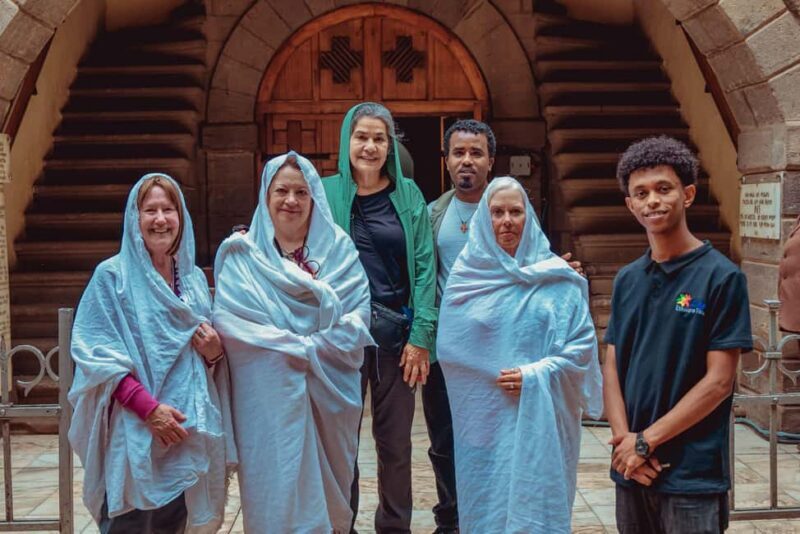
- St George’s Cathedral: Visit an octagonal church built in 1896 to mark Ethiopia’s victory at the Battle of Adwa.
- A traditional-clothing market: Shiromeda is known for Ethiopian garments; some tour routes also include a look around Merkato.
- Entoto Mountain views: Take in a broad panorama of Addis Ababa from above the city.
- Tomoca coffee to finish: Coffee is part of the experience, not just a caffeine stop.
- A practical city introduction: English-speaking guiding, transport and entrance fees are included in the $50 price.
👉 See our pick of the 6 Best Shopping Tours In Addis Ababa
Lucy gives the National Museum a strong start
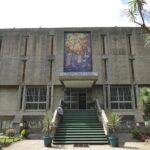
The tour begins at the National Museum of Ethiopia, a compelling place to meet the country’s long human story. Its best-known exhibit is Lucy, also called Dinkinesh, a roughly 3.5-million-year-old Australopithecus afarensis fossil discovered in 1974. The discovery changed scientific thinking about early human ancestors and walking upright.
That headline exhibit gives the museum a clear focus, but it is not the only reason to go. The collection also includes archaeological objects associated with pre-Axumite civilization, so you can begin to connect Ethiopia’s ancient past with the country you are seeing outside the museum.
Allow yourself time to look closely rather than treating the stop as a quick photo opportunity. The museum is described as strong in both quality and variety, but the tour covers several sites, so your guide will help you make the most of the time available. If the museum is a priority, check its opening status before setting out. The tour information says it has reopened, while past visits have been affected by renovation and Monday closures.
This first stop is especially useful if you have only a day or a layover. Lucy gives you a memorable point of reference, and the museum offers context that makes later visits to the church and city easier to place.
You can also read our reviews of more city tours in Addis Ababa
St George’s Cathedral and the Battle of Adwa
Next comes St George’s Cathedral, also known as Giorgis Cathedral, at the north end of Churchill Road. Built in 1896 in an octagonal form, it commemorates Ethiopia’s victory over Italian forces at the Battle of Adwa. That history gives the building significance beyond its role as a place of worship.
The cathedral also has a connection to Ethiopian artist Afewerk Tekle, who created the stained-glass windows at Africa Hall. For a visitor interested in art and architecture, that link adds another reason to pay attention to the building and its decoration.
A church visit is not necessarily the strongest stop for everyone. The site may feel less maintained than you expect, and the amount there is to see can be limited. Treat it as a short, meaningful introduction to Ethiopian Orthodox Christianity and national history, rather than expecting a long museum-style visit.
The tour’s broader point is valuable here. Ethiopia has one of the world’s oldest Christian traditions, and a guide can explain how religion fits into the country’s cultural life. Guides including Oli, Amanuel and Yhun have been praised for clear explanations and for welcoming questions, a useful quality when you want more than a quick walk through a landmark.
Market stops: Shiromeda, and sometimes Merkato
The drive toward Entoto includes a stop at Shiromeda, one of the city’s main markets for traditional Ethiopian clothing. This is a good place to see garments and textiles in a daily commercial setting, rather than only encountering them in a museum or at a cultural display.
The tour highlights a walk through Africa’s biggest open market, while the described route specifically names Shiromeda. Some tours have also included a circuit around Merkato, Addis Ababa’s large central market. Since those names refer to different market experiences, ask which market is planned for your date if that stop is central to your decision.
At either stop, the value is partly in seeing how people shop and trade, not simply in finding souvenirs. If you want time to browse or buy something, say so to your guide. Guides have been flexible about adding souvenir time when schedules allow, but the tour still has several destinations to cover.
A market can be noisy and crowded, and the pace may feel brisk if you want to inspect every stall. Keep your expectations practical: this is a city overview, not a dedicated shopping excursion. The guide’s presence can help you understand what you are looking at and keep the stop manageable.
Entoto Mountain opens up the city
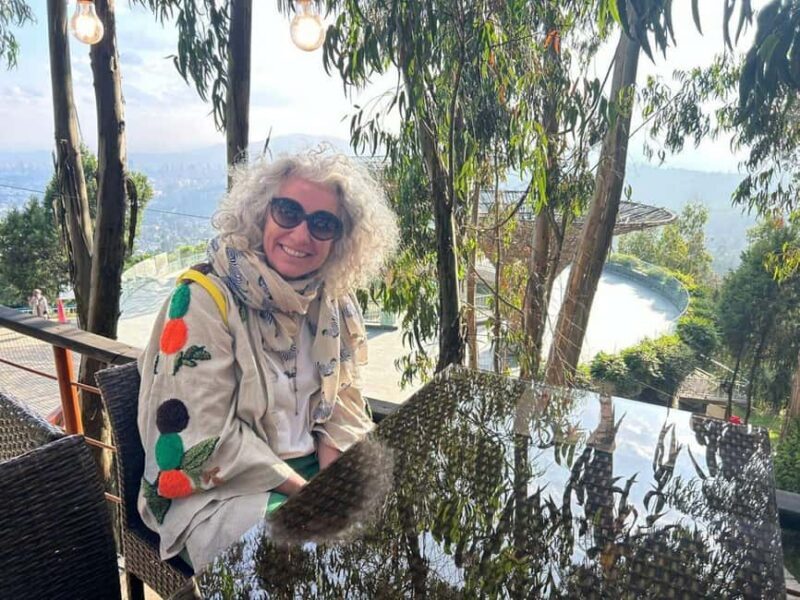
After the market, the tour drives up Entoto Mountain for a panoramic view of Addis Ababa. The change in elevation gives you a different way to read the capital: its scale, its setting and the spread of urban development become clearer from above.
This is one of the tour’s strongest contrasts. The museum and cathedral focus on specific pieces of history; Entoto gives you a broad view of the city as a whole. If you have spent most of your visit in traffic or among busy streets, the viewpoint can be a welcome pause.
The route may include Entoto Park, and one guide added a visit to a palace behind the church in Entoto. Treat those as possible extras, not guaranteed stops, unless the operator confirms them. If you are especially interested in the palace or park, ask before departure so you know what your version of the tour includes.
Because the tour involves driving between stops, comfortable shoes matter more than dress shoes. High heels are not allowed, and the experience is not suitable for wheelchair users or people with pre-existing medical conditions. The mountain visit is a highlight, but it is still part of a day that requires getting in and out of a vehicle and moving around sites.
More Great Tours NearbyTomoca coffee is a fitting final stop
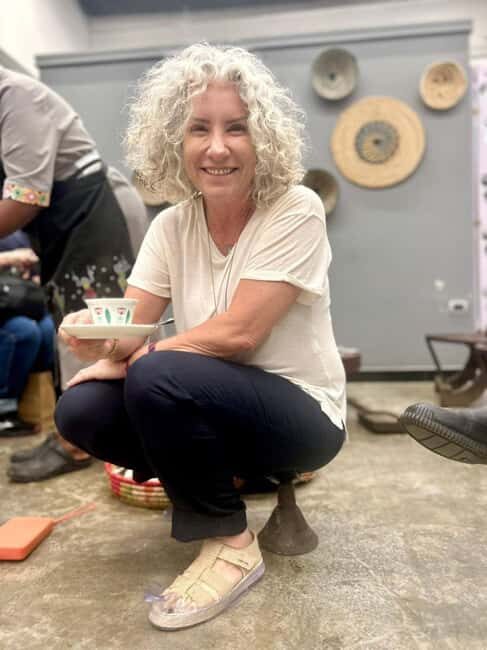
The tour ends at Tomoca, one of Addis Ababa’s best-known coffee shops. Ethiopian coffee is central to the country’s food culture, so a cup here makes a fitting close to a city introduction. Coffee is included in the tour price.
This stop also gives the day a more relaxed finish. After a museum, a church, a market and a mountain drive, you can sit down and take stock of what you have seen. Some itineraries have also included an authentic Ethiopian meal, but lunch is not listed among the standard inclusions, so check before counting on it.
If coffee is one of your main reasons for booking, this is a good detail to note: the tour does not merely point out cafés, it includes a coffee stop. Still, treat it as a tasting and pause, not a full coffee-focused workshop. The experience is designed to introduce the city’s highlights in a limited time.
What the $50 price includes
At $50 per person, the tour bundles several costs that can be awkward to organize independently: an English-speaking guide, transport, entrance fees, bottled water, coffee, tax, and hotel pickup and drop-off. Airport pickup and drop-off are also included, which can make the tour particularly useful if you are in Addis Ababa for a layover.
Value depends on how you plan to spend your time. If you are comfortable arranging transport and researching each site yourself, you may prefer to visit fewer places at your own pace. But if you have a short stay, the organized route helps you cover several different sides of the city without having to coordinate each transfer.
The guides are a major part of that value. Names that come up across different tours include Oli, Amanuel, Yhun, Wondiye and Seya. The practical benefit is not just historical explanation: guides have adapted schedules around flight times and personal interests, helped with photos, and made space for questions. One solo visitor also appreciated having a guide who made her feel safe throughout the tour.
Transport matters, too. The trip is conducted by vehicle, with a driver handling Addis Ababa traffic between stops. The experience can run smoothly even when road or weather conditions are challenging, but traffic is part of the city and can affect timing. Share any airport departure time or tight schedule with the operator when arranging pickup.
Who will get the most from this city tour
I would consider this tour if you have a day in Addis Ababa, want an initial orientation or need a structured way to use a layover. It brings together archaeology, religion, markets, city views and coffee, so you leave with a broader sense of the capital than a museum visit alone can offer.
It also suits people who value conversation. The guides are regularly praised for explaining Ethiopian history and culture in clear English, and several visitors appreciated being able to ask questions and adjust the day. If you prefer a guide who can respond to your interests rather than recite a fixed script, that flexibility is worth asking about when you book.
If your main goal is a long, quiet museum visit, detailed shopping, or an extended exploration of one neighborhood, this route may feel too compressed. Its strength is range. You see several kinds of place in one outing, but each stop has limits on how long you can linger.
The tour is not suitable for wheelchair users or people with pre-existing medical conditions. Wear comfortable walking shoes, avoid high heels, and do not bring alcohol or drugs. Alcoholic drinks are not allowed in the vehicle.
Is it worth booking?
For $50, this is a sensible way to get a first look at Addis Ababa, particularly if you have limited time or want help understanding what you see. The strongest combination is Lucy at the National Museum, the view from Entoto and a final cup of Tomoca coffee, with the market and cathedral adding cultural context along the way.
I would book it if you want a guided overview and appreciate having transport, entries and airport transfers handled together. Before confirming, ask which market is on your route, whether the National Museum is open on your chosen day, and whether any extra stop such as Entoto Park or the palace is planned. You can reserve now and pay later, and cancellation is available up to 24 hours in advance for a full refund.
Addis Ababa highlight city tour
FAQ
How much does the Addis Ababa highlight city tour cost?
The listed price is $50 per person. Entrance fees, an English-speaking guide, transport, bottled water, coffee and tax are included.
Is pickup from the airport available?
Yes. Airport pickup and drop-off are included, as are hotel pickup and drop-off.
Does the tour visit the National Museum and Lucy?
Yes. The tour includes the National Museum of Ethiopia, home to the fossil known as Lucy. Check that the museum is open on your chosen day, since opening arrangements can affect the visit.
Which market does the tour visit?
Shiromeda, known for traditional Ethiopian clothing, is named on the route. Some visits have also included a circuit around Merkato, so ask which market is planned for your tour.
Is coffee included?
Yes. The tour includes a coffee stop at Tomoca, and coffee is listed among the inclusions.
Is the tour suitable for wheelchair users?
No. The tour is listed as not suitable for wheelchair users or people with pre-existing medical conditions.
You can check availability for your dates here: