Kyoto pottery here begins with a step many workshops skip: preparing the clay yourself. In a small class led by a nationally certified Kiyomizu pottery artisan, you can try tsuchikoroshi, then get close guidance at the wheel. It is a hands-on way to meet a working craft, not just decorate a souvenir.
I like the maximum of five participants, which gives the instructor room to adjust help to your pace, and I like that pottery students take part in clay preparation rather than simply receiving clay ready to use. If you book the combined option, you can also make one piece on the wheel and paint a separate ceramic piece.
One thing to weigh: the least expensive option, from $82.05, is the one-hour painting class, not the wheel-pottery session. The pottery and painting combination costs more, and shipping is not included if you need your work sent to you.
At a glance
- Try tsuchikoroshi: The pottery session includes a traditional clay-preparation step normally handled by professionals.
- Keep the group small: No more than five participants share a session, making individualized instruction more feasible.
- Pick the format that fits: Options include one-hour wheel pottery, one-hour ceramic painting, or a combined pottery-and-painting session.
- Make different kinds of work: In the combined class, you create a wheel-thrown piece and paint a separate ceramic piece.
- Meet at Hotel Emion Kyoto: The class takes place at 20-4 Sujakudonokuchicho in Shimogyo Ward.
- Plan for shipping: The price does not include shipping, so ask about delivery arrangements if you cannot take your work with you.

👉 See our pick of the 25 Best Workshops And Classes In Kyoto
- At a glance
- Why the clay preparation matters
- What the three package choices involve
- Wheel throwing with room to learn
- A quiet studio setting at Hotel Emion Kyoto
- What you take away, and what you may need to arrange
- Is the price good value?
- Who will enjoy this Kyoto craft class
- Should you book this pottery experience?
- FAQ
- Where does the class meet?
- How many people can join a session?
- What packages are available?
- What is the starting price for each option?
- Is the instructor certified?
- What is tsuchikoroshi?
- Is shipping included?
- Can children under five take part?
- What happens if I need to cancel?
- The Best Of Kyoto!
- More Tours in Kyoto
- More Tour Reviews in Kyoto
- Not for you? Here's more nearby things to do in Kyoto we have reviewed
Why the clay preparation matters
 1 / 4
 2 / 4
 3 / 4
 4 / 4
A pottery class can be fun even if you spend the whole hour shaping a lump of clay. But this one offers a more revealing start for the wheel-pottery option: you work through tsuchikoroshi, the traditional preparation of clay before throwing. It is a useful reminder that good pottery begins well before the wheel starts spinning.
The process asks for attention to pressure and balance, two things that matter throughout pottery making. You are not only following a set of instructions; you are getting a feel for how clay responds. That is a more meaningful introduction than simply sitting down at a wheel with a prepared ball of clay.
This detail is especially appealing if you are curious about craft, not just looking for a quick activity between sightseeing stops. The class does not promise that a beginner will make a flawless vessel, and it should not. The point is to learn under an artisan’s eye and make something of your own, with enough guidance to keep the experience approachable.
If you book painting instead, do not assume the clay-preparation step is part of that package. The advertised options distinguish the one-hour painting class from wheel pottery, and the preparation description relates to the pottery experience.
You can also read our reviews of more tours and experiences in Kyoto.

What the three package choices involve
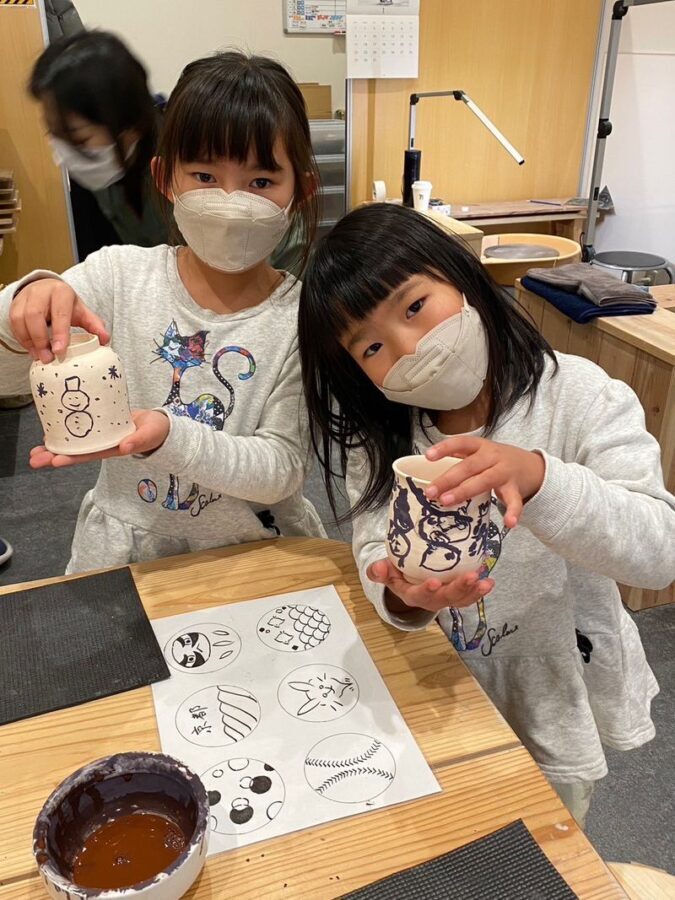
The one-hour Etsuke painting experience starts at $82.05. Etsuke means painting a ceramic piece, and it is the lowest-cost way to take part. It suits you if you would rather focus on decoration than learn the mechanics of throwing clay. The available details do not specify the design choices, paint methods, or whether the piece is made during the session, so check those points before booking if they matter to you.
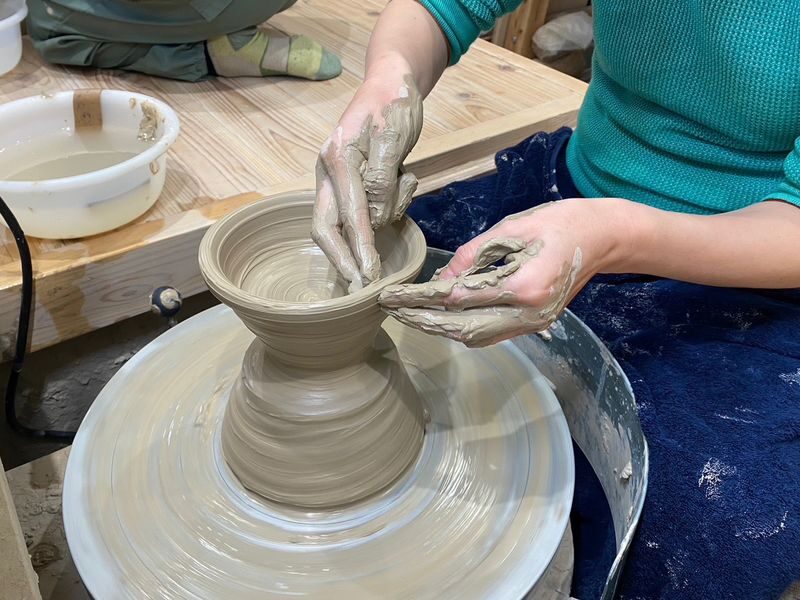
The one-hour pottery experience starts at $100.95. This is the option to choose if the wheel and hands-on clay work are your priority. The session is described as including tsuchikoroshi and guided wheel throwing, with the artisan adapting help to each participant’s pace and skill level.
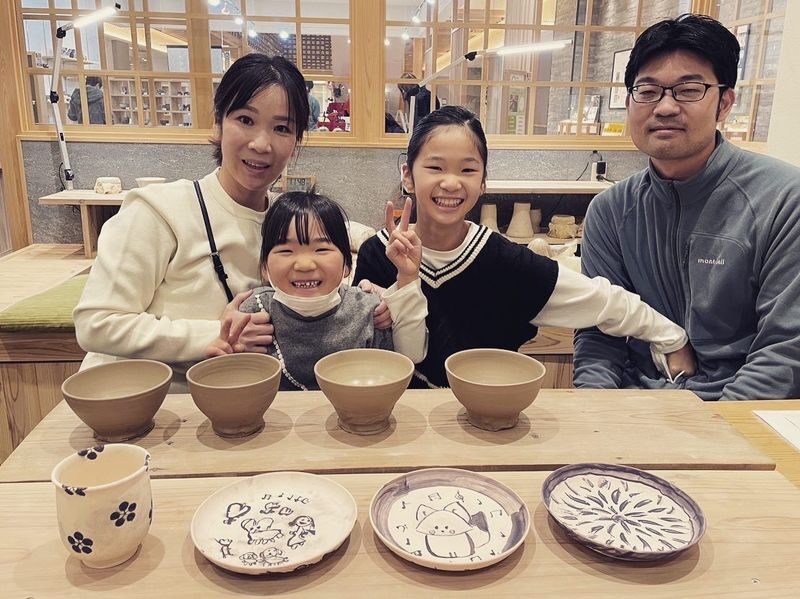
The pottery and painting experience starts at $182.95. It combines wheel pottery with painting a separate ceramic piece, so you get two different kinds of making in one booking. One couple celebrating an anniversary found the combination a particularly memorable way to spend time together. They had two instructors, who were patient and encouraging, and appreciated that the teachers helped when needed without taking over the creative work. That balance is worth looking for in any beginner class: enough support to get going, enough freedom for the finished pieces to feel personal.
The combined session’s total duration is not specified in the available details. Do not assume it lasts exactly two hours just because its two individual options are each listed as one hour. Confirm the schedule before you book if you are fitting it between other plans.
Wheel throwing with room to learn
At the wheel, you can expect the artisan to guide you through the process while leaving space for you to try things yourself. That distinction matters. If an instructor does every difficult part for you, the finished object may look polished but feel less like your work. Here, the stated approach is to step in carefully and let you take ownership of the piece.
A small group helps make that teaching style possible. With a maximum of five participants, the instructor has a better chance of noticing when you need a hand, rather than giving the same directions to a crowded room. It does not mean you will receive uninterrupted one-to-one attention, but it is a stronger setup for personal guidance than a large, fast-moving class.
Beginners should arrive ready to learn by doing. Pottery asks for pressure, timing, and concentration, and your first attempt may not turn out as planned. That is part of the appeal, not a flaw in the class. The artisan’s role is to help you work with the material, not to guarantee a perfect pot.
A couple who took the combined class described the instructors as patient and funny, and said the session felt welcoming even for beginners. Their account suggests the class can be a cheerful shared activity as well as an introduction to a traditional craft. If you are booking with a partner or friend, the combined package gives you more variety than wheel throwing alone.
A quiet studio setting at Hotel Emion Kyoto
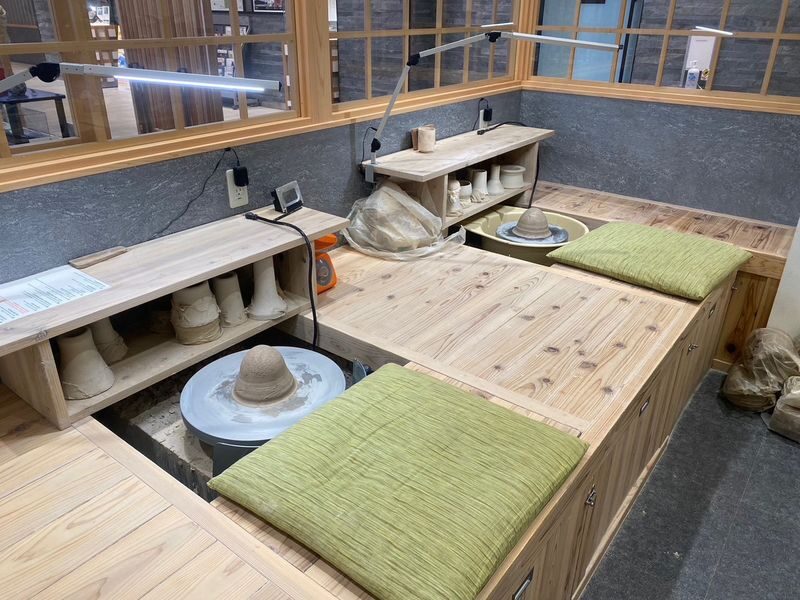
The class meets at Hotel Emion Kyoto, at 20-4 Sujakudonokuchicho, Shimogyo Ward. The setting is described as quiet, with a professionally equipped pottery-wheel space. That offers a useful change of pace if your Kyoto days are full of temples, shops, and busy streets. Here, the focus is on clay and careful handwork.
The workshop is presented as non-touristy, which is a practical plus if you prefer a focused class over a large group activity built around quick photo moments. The small cap and the artisan’s direct guidance support that quieter feel. Still, the location is a hotel, not a historic pottery district or a museum visit, so book for the instruction and making rather than expecting a tour of Kyoto’s ceramic heritage.
The address is specific, but no additional directions or transport details are provided. Check the map and allow time to reach the meeting point. Children under five may attend only as observers and must stay with a parent or guardian throughout.
What you take away, and what you may need to arrange
The main keepsake is the ceramic work you make. The experience is designed to let you create your own piece under expert guidance, which gives it more personal value than a ready-made souvenir. A handmade object can bring back the memory of the work itself, including the concentration, small corrections, and happy accidents.
There is an important practical caveat: shipping is not included. The details do not say whether pieces are fired before collection, how long completion takes, whether you can carry them away on the day, or what delivery costs. Ask the provider before booking, especially if your trip ends soon after the class or you are traveling with limited luggage.
The class includes an apron, so you have basic protection for your clothing. It also includes a certified professional instructor and admission to attractions, though no specific attraction is identified. Do not read that last item as a promise of a separate sightseeing stop; confirm what it means for the package you choose.




Is the price good value?
At $82.05, the painting option is the cheapest route into the class. Its value depends on whether you want a focused hour of ceramic decoration or specifically want to learn wheel throwing. If the wheel is the reason you are considering this activity, the $100.95 pottery option is the relevant price. Paying less for painting would not be a like-for-like substitute.
The combined session, from $182.95, costs more but includes two different activities and two finished pieces in the reported format. It may be worth the extra cost if you want a fuller craft session, are marking a special occasion, or enjoy trying more than one technique. If you only want a first taste of pottery, the single pottery package is the simpler choice.
The small class size and nationally certified artisan are central to the value. You are paying for instruction and a chance to understand a traditional process, not just access to a wheel. Still, the price does not cover shipping, and the available information does not spell out firing or delivery arrangements. Factor those unknowns into your decision rather than assuming the work will be ready to pack immediately.
Who will enjoy this Kyoto craft class
I would put this high on the list for you if you want a hands-on break from sightseeing, like learning how things are made, or want a shared activity with someone close to you. The combined option makes a thoughtful anniversary or couple’s outing, while painting offers a lower-priced way to try ceramic art without committing to wheel work.
It also suits beginners. The class is explicitly designed for personalized guidance at different skill levels, and the reported instructors were encouraging without crowding out creativity. You do not need to arrive with pottery experience, though you should be willing to accept that a first piece may be imperfect.
It is less suitable if you need a guaranteed finished piece in hand immediately, cannot accommodate possible shipping costs, or want a long, detailed tour of Kyoto pottery history. The activity is centered on making, and some practical details about finishing and delivery need confirmation.
Should you book this pottery experience?
Book the one-hour pottery session if trying the wheel and clay preparation is your main goal. Choose painting if you want a shorter, less expensive ceramic activity, and choose the combined package if you want both making and decorating in one visit. The strongest reasons to go are the five-person limit, the chance to take part in tsuchikoroshi, and the artisan’s personal instruction.
Before paying, confirm which package you are booking, the combined session’s duration, and how your work will be finished and delivered. If those details fit your plans, this is a good choice for a quiet, hands-on Kyoto memory that is about learning as much as taking home an object.
Kyoto | Small-Group Pottery Experience by a Master Artisan
“This pottery and painting class was one of the highlights of our trip to Japan and such a special way to celebrate our anniversary. From the moment…”
FAQ
Where does the class meet?
It meets at Hotel Emion Kyoto, 20-4 Sujakudonokuchicho, Shimogyo Ward, Kyoto, 600-8842.
How many people can join a session?
Each session has a maximum of five participants.
What packages are available?
You can choose a one-hour pottery experience, a one-hour Etsuke painting experience, or a pottery-and-painting combination.
What is the starting price for each option?
The one-hour painting class starts at $82.05, the one-hour pottery class at $100.95, and the combined experience at $182.95.
Is the instructor certified?
The experience is led by a nationally certified traditional Kiyomizu pottery artisan, and a certified professional instructor is included.
What is tsuchikoroshi?
It is a traditional clay-preparation step. The pottery experience lets you try it yourself rather than receiving clay prepared in advance.
Is shipping included?
No. Shipping costs are not included.
Can children under five take part?
Children under five may attend only as observers. They must stay with a parent or guardian at all times.
What happens if I need to cancel?
A full refund is available if you cancel at least 24 hours before the activity date, using destination local time. Late arrivals and no-shows are not eligible for refunds or changes.