Takoyaki cooked in a home kitchen, a rolled omelette made by your own hand, and a meal at the table with local hosts: this class offers a personal look at Japanese food beyond restaurant menus. In Fukushima, near the Umeda area, Naoko and Hisako lead you through a two-hour lesson in a typical Osaka home.
I like two things in particular: the recipes use ingredients you can find at Japanese supermarkets, so the lesson can travel home with you, and the hosts make room for conversation as well as cooking. One consideration: two hours goes quickly, and the menu may change with the season or ingredient supply, so check which dishes are available when you book.
- The essentials at a glance
- A home kitchen, not a cooking studio
- Picking the menu that suits your appetite
- What happens between 10 a.m. and noon
- Why the recipes are worth taking home
- Is .85 good value for two hours?
- Who will enjoy this class most
- Getting there and planning your morning
- Should you book it?
- FAQ
- How long is the Japanese home cooking class?
- Where does the class take place?
- What dishes can I choose to cook?
- Is lunch included?
- What is the minimum age for participants?
- Can I cancel and receive a refund?
- The Best Of Osaka!
- More Cooking Classes in Osaka
- More Tours in Osaka
- More Tour Reviews in Osaka
- Not for you? Here's more nearby things to do in Osaka we have reviewed
The essentials at a glance
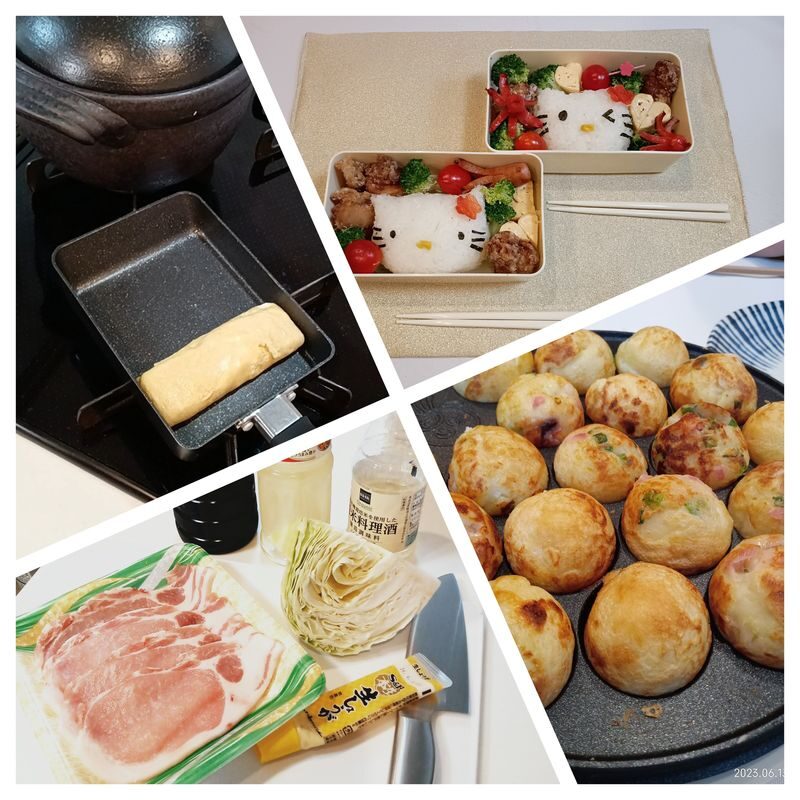 1 / 4
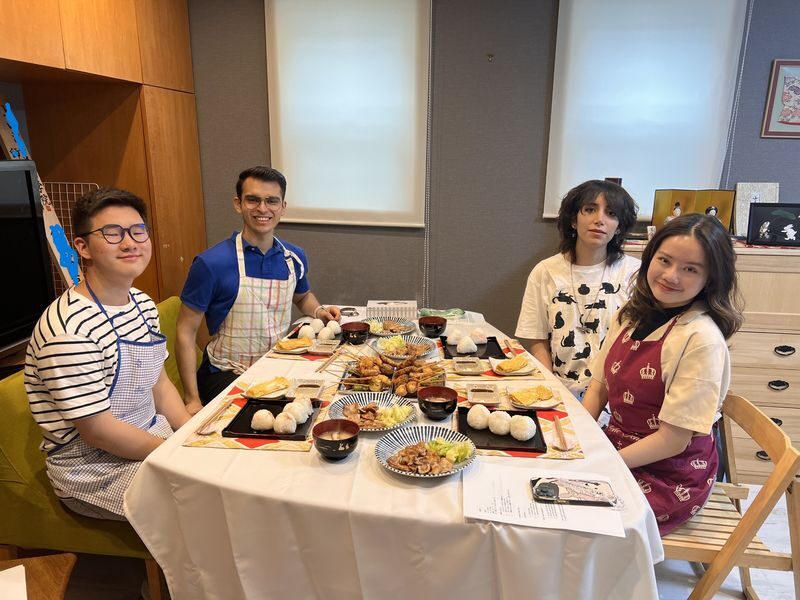 2 / 4
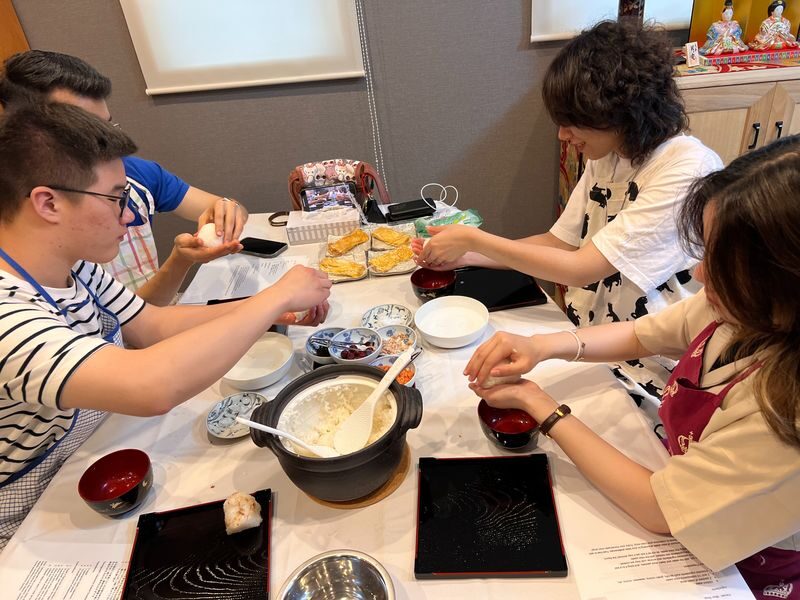 3 / 4
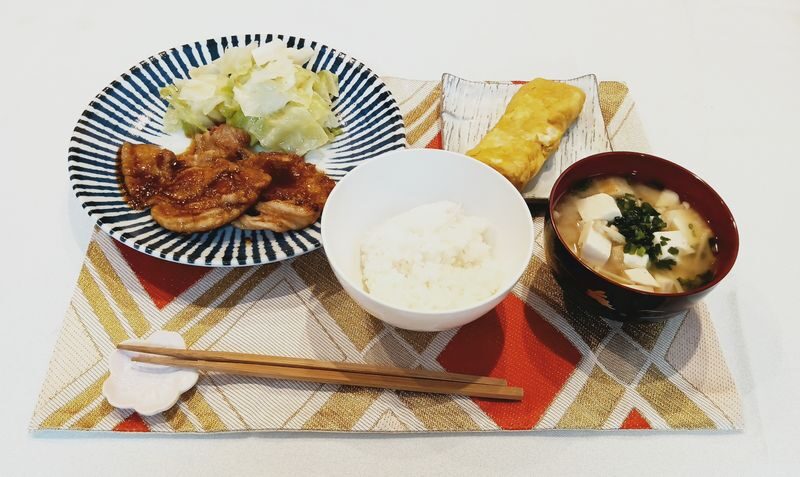 4 / 4
- A real home kitchen: Cook in a typical detached house in Fukushima Ward, rather than a restaurant teaching space.
- Two experienced hosts: Naoko and Hisako teach practical techniques drawn from home cooking, with more than 30 years of homemaking experience behind the class.
- Choose a menu: Options include ginger-grilled pork, stewed beef and potato, takoyaki with a Japanese dessert, and a bento meal. The available selection can vary.
- You eat what you make: Lunch is included, along with water and Japanese tea.
- Useful beyond Osaka: Recipes use straightforward ingredients, and you can take the instructions home to try again.
- A short morning activity: The class runs from 10 a.m. to noon at 1-4-1 Tamagawa, Fukushima Ward.
👉 See our pick of the 24 Best Workshops And Classes In Osaka
A home kitchen, not a cooking studio
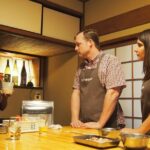
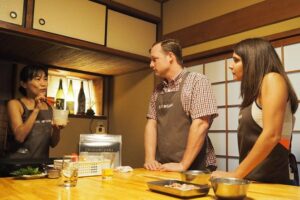
This class takes place in the kitchen and dining area of a typical Japanese detached house. That setting changes the feel of the lesson. You are not just watching a chef demonstrate restaurant plating; you are learning how everyday dishes are prepared and eaten at home.
Naoko and Hisako guide the cooking together. The class is designed for beginners, and the instructions are broken into manageable steps. You can expect to handle the ingredients and try the techniques yourself, with help when a task feels unfamiliar. Making a rolled omelette, for example, gives you a chance to practice a skill that looks simple until you try to shape it neatly.
The hosts also explain ingredients and cooking steps, and the conversation can touch on Japanese food customs and daily life. Several participants have found that chatting with the hosts is as much a part of the visit as the cooking. That personal exchange is a good reason to choose this over a more formal demonstration.
The atmosphere is intended to feel relaxed, like visiting a friend’s home. It is a particularly appealing format if you want a local experience but do not speak Japanese fluently. English instruction is reported as available, and Korean is also offered, though it is sensible to confirm language arrangements before booking if they are important to you.
You can also read our reviews of more cooking classes in Osaka


Picking the menu that suits your appetite
The listed menus cover familiar Japanese home dishes and a well-known Osaka specialty. The advertised choices include ginger-grilled pork with rice balls, rolled omelette and miso soup; stewed beef and potato with the same sides; takoyaki with a Japanese dessert; and a bento with miso soup.
The menu information also describes five possible types of classic home cooking, while the main selection lists four. Menus can change with the season and ingredient availability, and past classes have included dishes such as Japanese hamburger and other bento combinations. If you have a particular dish in mind, ask what is currently offered before you reserve.
Ginger pork is a strong choice if you want a satisfying meal built around a familiar main dish. Rice balls, miso soup and tamagoyaki, the rolled omelette, round out the set and introduce you to several staples in one sitting. You will practice more than one technique, yet the meal stays grounded in everyday cooking.
The bento option is a good pick if you are interested in how a Japanese lunch box comes together. A bento can bring several small dishes into one meal, so you may work on different components before arranging them together. The exact items can vary, but past classes have included omelette, rice, miso soup and other elements. Ask whether the bento box or chopsticks are included on your date, since some classes have offered take-home items but that is not guaranteed.
Takoyaki is the most distinctly Osaka choice. These savory, round snacks are closely associated with the city, and learning to prepare them gives you a hands-on introduction to a local favorite. This menu comes with a Japanese dessert. Some past sessions have also featured mochi or dango, but those extras should not be assumed unless confirmed for your booking.
The remaining advertised option, stewed beef and potato, offers a different kind of home-style meal. It is a useful choice if you want to learn a comforting dish rather than focus on a regional snack. Each menu includes water and Japanese tea, and lunch is part of the activity.
What happens between 10 a.m. and noon
The class begins at 10 a.m. at the home address in Tamagawa, Fukushima Ward. This is a meet-up activity, so you make your own way to the house. The area is described as convenient for reaching from Umeda and Namba, but allow enough time to find the exact address. Late arrival or a missed class is not refundable.
Once inside, expect to get started with the chosen recipes and ingredients. Naoko and Hisako explain what you are using and demonstrate the steps, then help you as you cook. The format is hands-on rather than a long lecture, which makes the short session useful even if you have little experience in the kitchen.
You may be surprised by how many small skills fit into a two-hour lesson. Rice preparation, shaping rice balls, seasoning a main dish, and rolling an omelette all involve details you might not notice when simply ordering the finished meal. With takoyaki, the cooking itself is part of the fun. The hosts’ help keeps the process approachable, but you should expect to take part rather than sit back and watch.
The session ends with the meal you have prepared. This is more than a quick tasting: lunch is included, and you have time to sit down with your hosts and enjoy the food. The tea and water are included too. Some classes may run a little beyond the stated two hours, but plan your day around the official 10 a.m. to noon schedule rather than counting on extra time.
Why the recipes are worth taking home
A cooking class earns its keep when you can use what you learn after the holiday. Here, the recipes are designed around ingredients commonly found in Japanese supermarkets, and participants have found that many are easy to locate at home as well. That makes the class more practical than a one-off cooking spectacle built around rare equipment or hard-to-source products.
The experience also gives you a better sense of how the dishes fit together. Miso soup, rice, omelette and a main dish are not just separate items on a menu; they form a recognizable home-style meal. A bento lesson adds another angle, showing how several foods can be brought together in a compact lunch.
Written recipes have been provided in some sessions, so you can ask whether they will be available for your class. The hosts may also explain ingredients and answer questions as you go. If you want to recreate a dish, use the lesson to ask about substitutions and cooking steps while you are standing beside the people who know the recipe.
The class is also a useful pause between sightseeing and shopping. A morning spent cooking gives you an activity with a different pace from visiting attractions, and you leave having eaten lunch. It is not a market tour, and there is no listed supermarket visit, but the focus on familiar ingredients can help you recognize products later when browsing a Japanese grocery store.
Is $56.85 good value for two hours?
The starting price is $56.85 per person. That is more than you might spend on a casual lunch, but the comparison is not quite fair: the fee covers a guided, hands-on lesson, the ingredients, the meal you prepare, and refreshments. You are paying for practical instruction and time in a local home, not just a plate of food.
The value is strongest if you are curious about Japanese home cooking and want recipes you can make again. It is less compelling if your only goal is to eat takoyaki or a bento as cheaply as possible. Osaka has plenty of places to buy prepared food; the point here is to learn how it comes together and to share a table with the people teaching you.
For a two-hour activity, the combination of cooking and lunch makes good use of your morning. The menu choice adds flexibility, though you should check what is available rather than assume every dish can be booked on every date. Personal expenses beyond the included meal and refreshments are not covered.
You can also read our reviews of more tours and experiences in Osaka




Who will enjoy this class most
This is a good fit for curious cooks at any skill level, including beginners. The lesson is built around simple recipes, and the hosts are known for patient, clear instruction. You do not need to arrive with special cooking skills, although an interest in trying each step will make the class more rewarding.
Families may also find it a pleasant shared activity. The stated eligibility information says participants must be aged six or older, while also giving a rule of one child per adult for children aged zero to nine. Because those details overlap, confirm the age rules directly before booking for a child under six. Older children who enjoy hands-on activities may especially like making bento or learning to roll an omelette.
This is also a strong choice for anyone who wants a friendly cultural exchange without committing half a day. The hosts’ hospitality is central to the format, and the lesson leaves time for questions and conversation. If you are hoping for an advanced chef’s course or a highly technical culinary workshop, this is not that. It is home cooking, taught at a welcoming pace.
Getting there and planning your morning
The address is 1-4-1 Tamagawa, Fukushima Ward, Osaka, 553-0004. The class is in the Fukushima area, described as accessible from Umeda and Namba. Since the activity meets at a home rather than a major attraction, check your route carefully and leave a little margin before the 10 a.m. start.
The class lasts about two hours and is valid only for the selected date and time. Free cancellation is available if you cancel at least 24 hours before the activity, using the destination’s local time. Late arrivals and no-shows are not refundable, so punctuality matters.
The menu may change with the season or ingredient availability. It is worth confirming your preferred dish and any dietary or language needs before you go, as the provided details do not specify dietary substitutions. The class includes lunch and refreshments, but other personal expenses are your responsibility.
Should you book it?
Book this class if you want more than another restaurant meal: you get hands-on practice, a home-style lunch, recipes to try again, and time with Naoko and Hisako in a local home. The ginger pork and bento menus are good all-round choices, while takoyaki is the pick if you want a distinctly Osaka dish.
Skip it if you need a set menu guaranteed in advance, want an advanced culinary course, or have only a narrow window in the morning. For most visitors with two free hours and an appetite for learning, this is a thoughtful, good-value way to bring a piece of Osaka’s everyday food culture home.
Japanese Home Cooking Class (Osaka/Umeda)
“Both of them were super nice, explained everything well, and provided great support. The food was delicious, and we'll definitely be cooking it at…”
FAQ
How long is the Japanese home cooking class?
The class lasts approximately two hours, from 10 a.m. to noon.
Where does the class take place?
It meets at 1-4-1 Tamagawa, Fukushima Ward, Osaka, 553-0004, in a typical detached house.
What dishes can I choose to cook?
Listed menu choices include ginger-grilled pork, stewed beef and potato, takoyaki with a Japanese dessert, and a bento with miso soup. The menu may change with the season and ingredient availability.
Is lunch included?
Yes. You eat the dishes you prepare, and water and Japanese tea are included.
What is the minimum age for participants?
The information says participants must be aged six or older. It also states that children aged zero to nine may participate at a ratio of one child per adult, so confirm the rule directly if you are booking for a child under six.
Can I cancel and receive a refund?
A full refund is available if you cancel at least 24 hours before the activity date, using destination local time. Late arrivals and no-shows are not refundable.