Nagoya’s story comes into focus when you see its grand castle palace, then follow the city’s rise from samurai stronghold to industrial powerhouse. This full-day tour pairs Nagoya Castle and Honmaru Palace with old family homes and a restful garden visit, giving you a broader picture than a castle stop alone.
I like two things especially: you get inside the richly decorated Honmaru Palace, and you visit historic estates tied to Nagoya’s industrial families, including the Toyodas. The included tea and sweets at Tokugawa-en add a welcome pause after a day on foot.
The main consideration is the walking. The Culture Path portion lasts two and a half hours, and one participant specifically advised preparing for quite a bit of walking. At $132.45, this is a full-day outing, not a quick castle visit.
- Key points before you book
- A castle city, not just a castle stop
- Nagoya Castle and the gilded rooms of Honmaru Palace
- Lunch break at Kinsachi Yokocho
- The Culture Path and Nagoya’s industrial families
- Tea and a garden walk at Tokugawa-en
- What the day costs, and what the price covers
- Timing, meeting point, and practical details
- Who should choose this Nagoya day tour?
- FAQ
- Where does the tour start?
- When does the tour return?
- Is transport included?
- Is lunch included?
- What is included in the price?
- Do you go inside Nagoya Castle’s keep?
- How much walking should I expect?
- Can young children join?
- Can I cancel for a refund?
- The Best Of Nagoya!
- More Walking Tours in Nagoya
- More Tours in Nagoya
- More Tour Reviews in Nagoya
- Not for you? Here's more nearby things to do in Nagoya we have reviewed
Key points before you book
 1 / 9
 2 / 9
 3 / 9
 4 / 9
 5 / 9
 6 / 9
 7 / 9
 8 / 9
 9 / 9
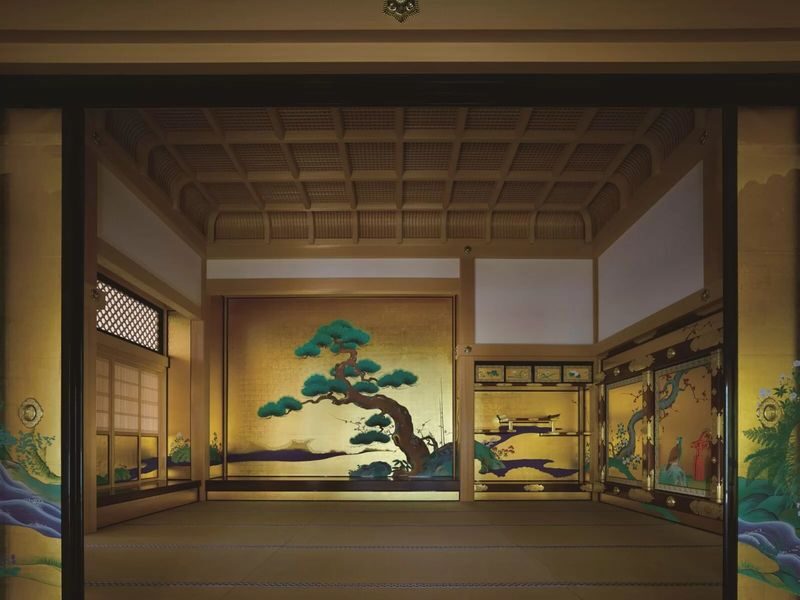
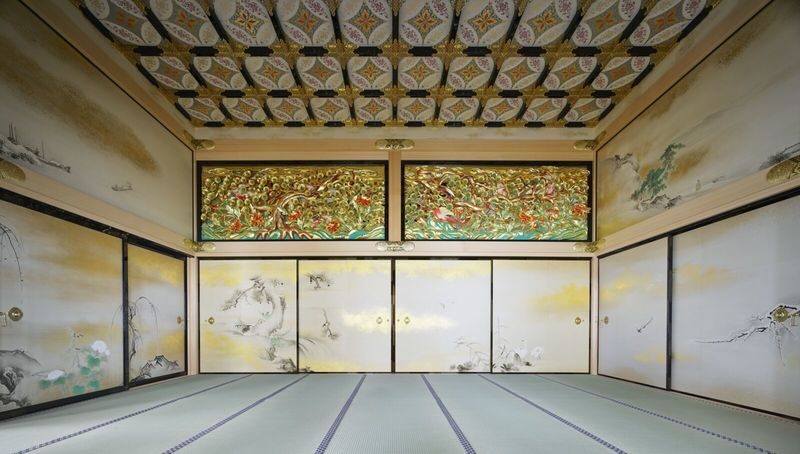
- Honmaru Palace is the castle visit’s interior highlight. You tour the palace’s gilded artwork and golden screens, while the keep is viewed from outside.
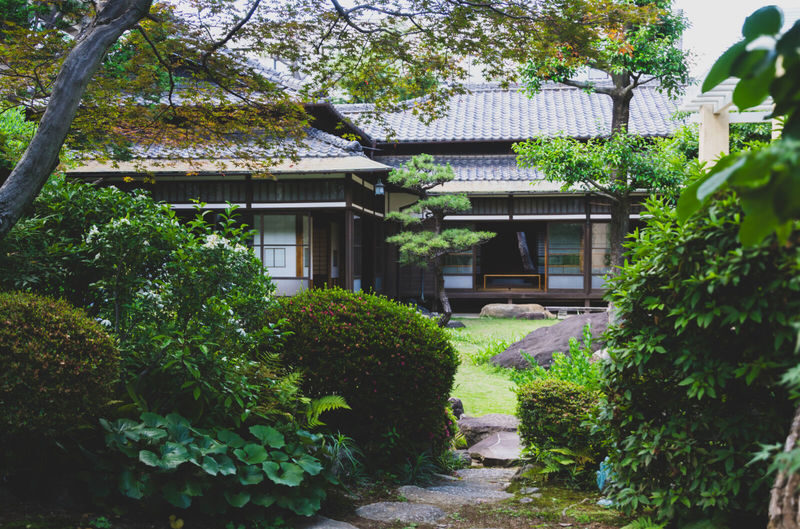
- The Culture Path links Nagoya’s past with its industrial present. Its historic villas include Sasuke Toyoda’s Taisho-era home and other estates once owned by wealthy local families.
- Tokugawa-en makes room for a slower finish. Sencha tea and traditional sweets are served in a historic teahouse before you walk through the garden.
- The schedule runs from 9 a.m. to about 5 p.m. Transport between the main areas is included, but lunch and travel to and from Nagoya Station are not.
- Walking is part of the deal. Bring comfortable shoes and be ready to spend much of the day moving between sites.

👉 See our pick of the 8 Best Workshops And Classes In Nagoya
A castle city, not just a castle stop
Nagoya sits near the center of Japan, amid plains, mountains, rivers, and the sea. That position helped the city grow as a castle town, drawing samurai and craftsmen, then wealthy merchants and industrial leaders. Today, it is known as a major center of manufacturing, with companies such as Toyota, Brother, Noritake, Ibanez, Buffalo, and Mitsubishi Heavy Industries associated with the city.
That broad sweep is what makes this tour worthwhile. The castle tells you about political power and samurai-era life; the private homes show how wealth and influence changed hands in later centuries. You see Nagoya not as a single monument, but as a city shaped by successive generations.
The tour is operated by Snow Monkey Resorts and includes an English-speaking guide, transport during the day, attraction admission, and the sencha experience. Guides Kim and Rebecca have led this route, though you should not assume a particular guide will be assigned to your date.
You can also read our reviews of more walking tours in Nagoya


Nagoya Castle and the gilded rooms of Honmaru Palace
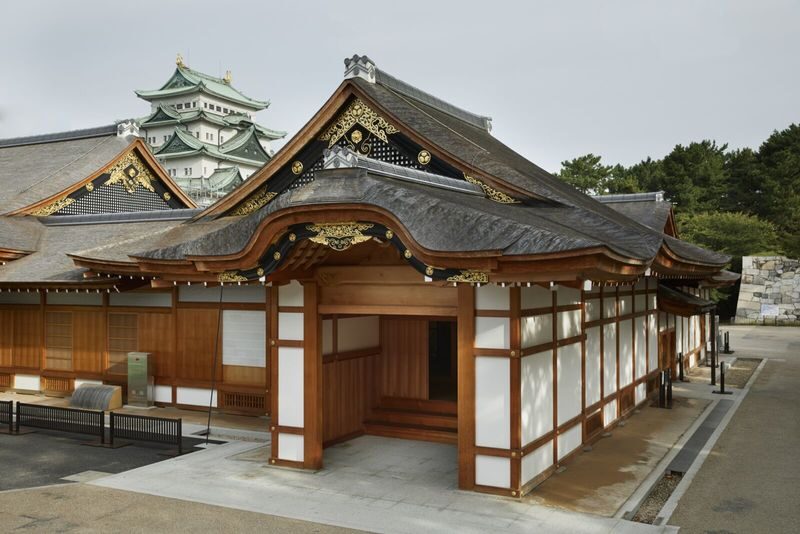
The morning starts at Nagoya Station, followed by a bus ride of about 45 minutes to the castle. You have roughly an hour and a half at the grounds, including a guided look at the castle exterior and a visit inside Honmaru Palace.
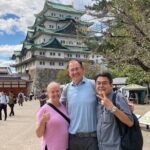
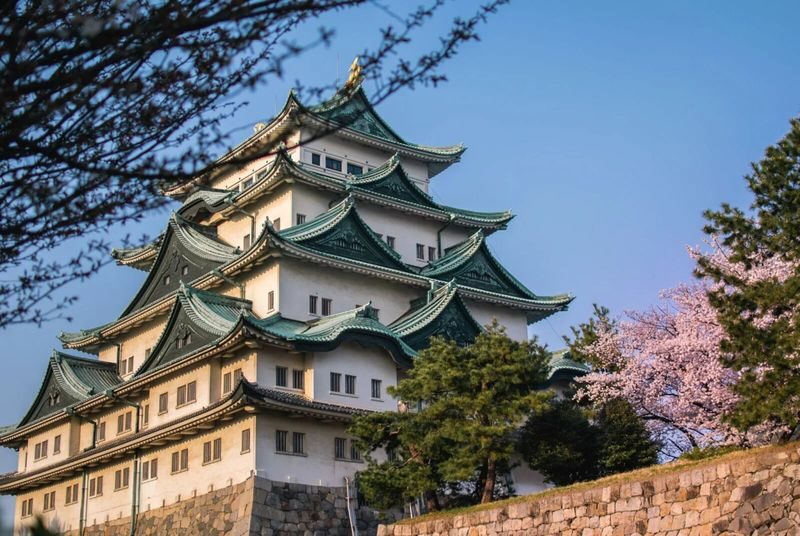
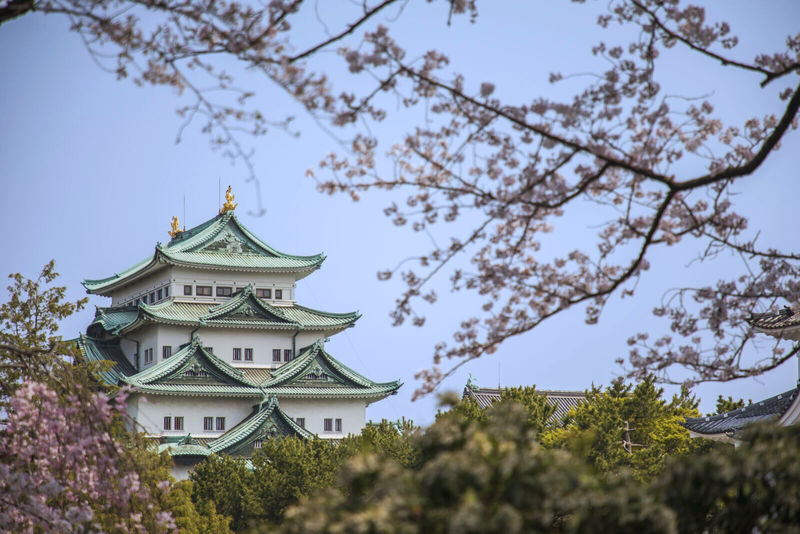
Nagoya Castle is known for having Japan’s largest castle keep. The tour views the keep from outside, so set expectations accordingly: the detailed indoor visit is to the palace, not the keep. The distinction matters if you are hoping to walk through the castle tower itself.
Honmaru Palace is the visual centerpiece. Its gilded artwork and golden screens give you a sense of the formal display expected in a lord’s residence. The palace was the first castle in Japan to be designated a National Treasure, a useful reminder that the site is valued for more than its imposing silhouette.
A guide adds context that can be hard to get from rooms and signs alone. One participant singled out Kim’s stories about the historic sites and the care taken along the route. That kind of explanation is especially helpful in a palace, where the workmanship is easy to admire but the lives and power structures behind it are less obvious.
Lunch break at Kinsachi Yokocho
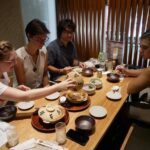
After the castle, the group has about 45 minutes for lunch and souvenir browsing at Kinsachi Yokocho. Lunch is not included, so budget separately and keep an eye on the clock. The stop is short by design: enough time for a quick meal or snack, but not a long sit-down break.
You can ask your guide for suggestions or choose by smell as you walk past the food options. I would treat this as a practical pause rather than a major food excursion. If you have particular dietary needs, the tour details do not specify meal arrangements, so plan to make your own choices here.
The Culture Path and Nagoya’s industrial families
From the lunch area, the tour continues on foot to Nagoya’s Culture Path, with about two and a half hours for guided visits to historical villas and gardens. This is the section that shifts the story away from feudal rule and toward the wealthy families who helped shape modern Nagoya.
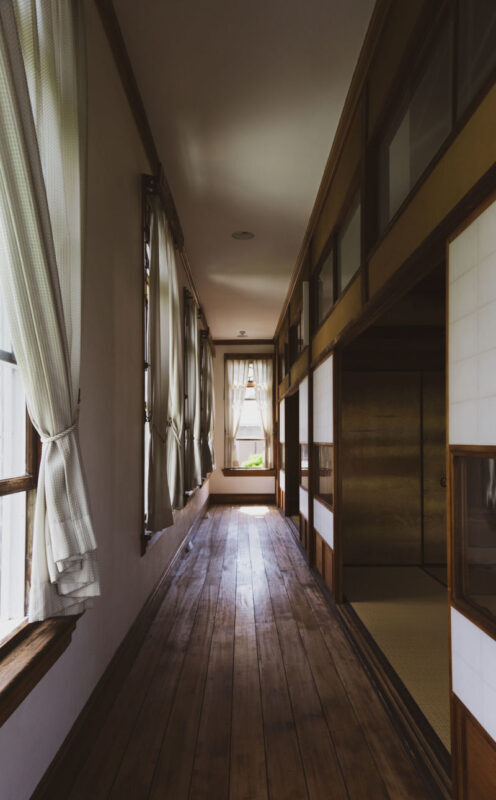
Among the homes is the Taisho-era residence of Sasuke Toyoda. The tour offers a glimpse into the life of the Toyoda family and other prosperous local households, whose houses and gardens provide a more personal counterpoint to the castle’s public grandeur. Rather than seeing industry only through factories and company names, you get a look at the domestic world of people connected to the city’s commercial rise.
The Culture Path is also where the walking adds up. You move between historic properties on foot, and the full-day schedule has no long break in this stretch. Wear shoes you can walk in for hours, and avoid packing the day with other strenuous plans.
The guide’s stories are a real asset here. One account of the tour praised the explanations of the Toyoda family’s Taisho-era legacy, as well as the storytelling along the way. For a visitor new to Nagoya, that context helps connect the houses to a larger chapter in Japan’s modernization.
Tea and a garden walk at Tokugawa-en
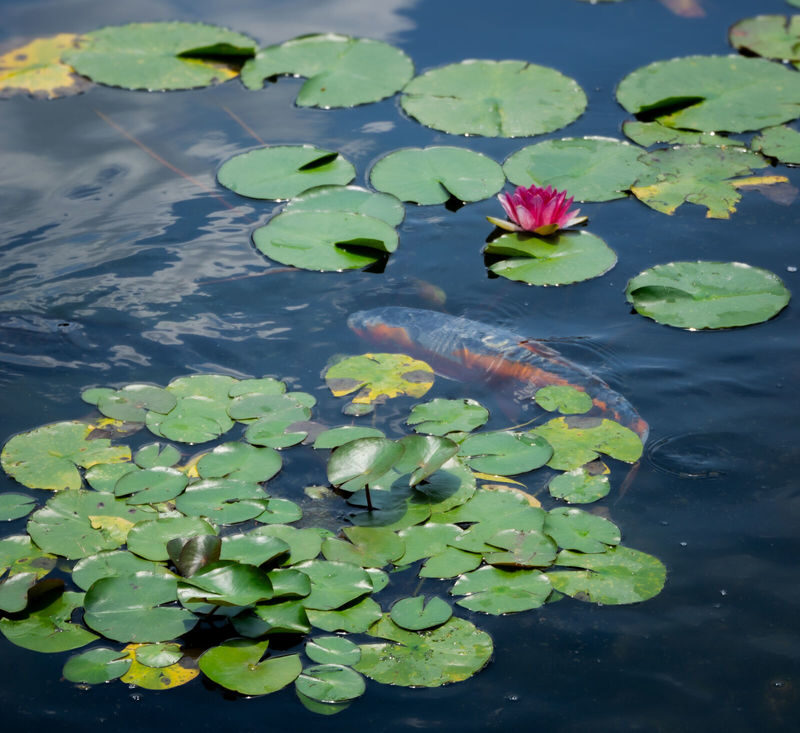
The final major stop is Tokugawa-en, reached on foot after the Culture Path. You spend nearly two hours here, including a rest in a historic teahouse with sencha and traditional Japanese sweets, followed by a walk through the garden.
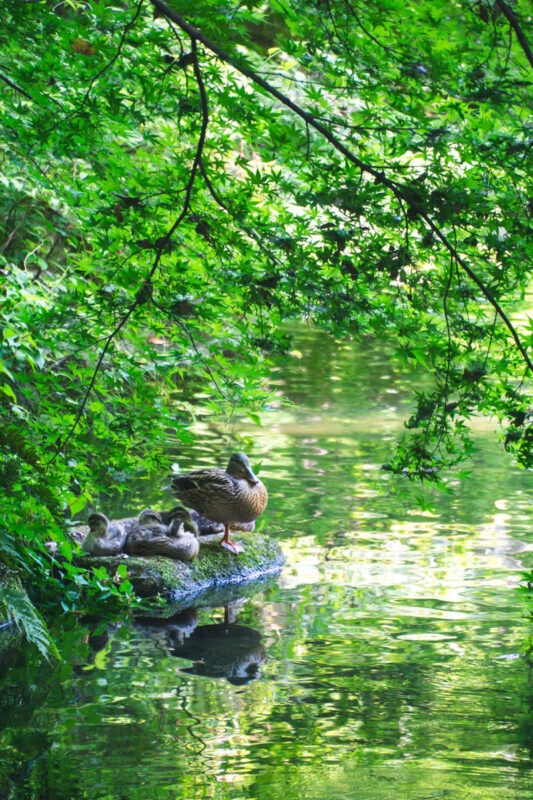
This slower pace is well judged. After the castle rooms and estate visits, sitting down with tea gives your feet a break and your attention a chance to settle. The garden is designed for a daimyo, and its seasonal flowers and foliage make the visit especially dependent on the time of year.
One person who visited in late November described seeing autumn leaves in full color on a sunny day. That is a good reminder that garden views change with the season and weather, so there is no single guaranteed version of Tokugawa-en. The guided walk still gives you a calm finish, even if the foliage is not at its peak.
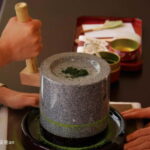
The included drink is sencha, a Japanese green tea, accompanied by traditional sweets. A participant also encouraged trying matcha, but the experience details specify sencha, so do not count on matcha being part of the included service.
You can also read our reviews of more guided tours in Nagoya


What the day costs, and what the price covers
The tour starts at $132.45 per person. For that price, you get a full day with an English-speaking guide, transport during the tour, admission to attractions, and the sencha experience. Those inclusions make the price easier to weigh against arranging the separate stops and local transport yourself.
You still need to pay for lunch and for getting to and from Nagoya Station. The tour begins at the station, so it does not include travel from your hotel or another city. If you are already based in Nagoya and want a guided day that combines the castle, historic homes, and gardens, the package covers several different kinds of sightseeing in one outing.
Value depends on your interests. If your priority is only seeing Nagoya Castle, this is likely more tour than you need. If you want the castle’s story plus the city’s industrial-era homes and a garden visit, the combination gives the day more range than a castle ticket alone.
Timing, meeting point, and practical details
Meet at 9 a.m. at the base of the silver clock tower outside the Shinkansen gates at Nagoya Station. The tour returns to Nagoya Station around 5 p.m., with the stated return window extending to 5:30 p.m. Traffic and weather can change the schedule, so avoid booking a tight onward connection.
The tour includes bus transport between some locations and walking between others. The morning transfer to the castle takes about 45 minutes, and the ride back from Tokugawa-en is listed at about 35 minutes. The Culture Path and garden portions involve walking, so plan for a physically active day rather than a bus-only excursion.
Children aged five and under can join free if they do not need a separate seat. Children aged 13 and older pay the adult rate. The tour details do not state a group size or make specific accessibility claims, so contact the operator before booking if you need those details confirmed.
A mobile voucher is accepted, and confirmation is expected within minutes. The voucher is valid only for the date and time booked. Cancellations made at least 24 hours before the activity date, using destination local time, qualify for a full refund; late arrivals and no-shows are not refundable.
Who should choose this Nagoya day tour?
I would choose this tour if you want a guided introduction to more than one side of Nagoya. It suits visitors who enjoy Japanese castles, traditional gardens, and the stories behind historic homes, and who would rather have transport and admission handled as part of one day.
It is also a good fit if you value explanation over simply collecting photo stops. Kim’s and Rebecca’s guiding has been praised for attentive care and clear stories, particularly around the castle and the Toyoda family. Your actual guide may differ, but English-language guiding is included.
Skip it if you have limited time and only want the castle, or if a long walking day sounds unappealing. At nearly eight hours, with a substantial walking section and only a quick lunch break, this tour asks for energy as well as curiosity.
For the right pace and interests, the combination is strong: castle splendor in the morning, a look at the homes of industrial Nagoya after lunch, and tea in a garden to close the day. If you want to understand why Nagoya is more than a stop between bigger-name Japanese cities, this is a thoughtful way to spend a day.
Guided Walk through Nagoya’s Castle, Gardens, and Historic Estates
“Happy to join the trip with Kim and Rebecca; trip is fantastic and informational, as explained and leaded by them. There are quite a little of walk…”
FAQ
Where does the tour start?
Meet at 9 a.m. at the base of the silver clock tower outside the Shinkansen gates at Nagoya Station.
When does the tour return?
It is scheduled to return to Nagoya Station at about 5 p.m. The stated return window is 5 to 5:30 p.m., and traffic or weather may affect timing.
Is transport included?
Yes. Transport during the tour is included. Travel to and from Nagoya Station is not included.
Is lunch included?
No. There is a 45-minute lunch stop at Kinsachi Yokocho, where you can buy lunch and souvenirs.
What is included in the price?
The price includes admission to attractions, an English-speaking guide, transport during the tour, and the sencha experience.
Do you go inside Nagoya Castle’s keep?
No. The tour covers the castle grounds and the exterior of the keep, then enters Honmaru Palace.
How much walking should I expect?
The Culture Path visit lasts about two and a half hours and involves walking between historic properties. The garden visit also includes a walk, so comfortable walking shoes are a sensible choice.
Can young children join?
Children aged five and under can join free if they do not occupy a separate seat. Children aged 13 and older are charged the adult rate.
Can I cancel for a refund?
A full refund is available if you cancel at least 24 hours before the activity date, using destination local time. Latecomers and no-shows cannot receive a refund.