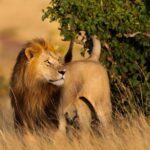
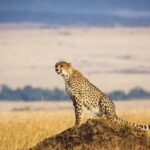
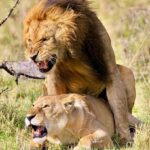
In three days, you get two very different views of the Maasai Mara: the first glimpse from an evening game drive, then a full day to search the plains for elephants, lions, giraffes, and more. The Mara River adds a chance to see hippos and crocodiles, while wildebeest migration is a seasonal possibility, not a year-round promise.
I like the pop-up-roof 4WD for open views and game viewing, and the private tent with its own bathroom gives you a welcome bit of privacy after a long day outside. Full-board meals, hotel pickup in central Nairobi or Westlands, and a guide are included in the $225 starting price.
The main catch is the extra park fee, which can add $200 or $400 per person, depending on the stated date range. The drives are also long and bumpy, and the camp is budget-level: hot water and meal choice may vary.
- The first game drive starts on arrival day: You get an evening outing from about 4pm to 6:30pm, rather than waiting until the next morning to see the reserve.
- The full-day safari includes the Mara River: Plan for a long day of wildlife searching, with a short guided walk at the river.
- Your tent is private: It has a bathroom, shower, and wall sockets, though hot water can be inconsistent.
- The group vehicle carries up to eight people: Ask about seat rotation, since some positions can be more comfortable and offer better views than others.
- Park fees are extra: Add the applicable fee to the advertised $225, and check the fee dates carefully before paying.
- A Maasai village visit is optional: It costs $20 per person and is planned for the Nairobi-bound day.
- From Nairobi to the Mara by road
- Day one: lunch, camp, and an evening drive
- Day two: a full day among the wildlife
- Day three: a village visit or a direct return
- What the 5 price really covers
- Camp comforts and the honest trade-offs
- How to prepare for a better safari
- Who will get the most from this trip
- Should you book this Maasai Mara safari?
- FAQ
- Is the 5 price the full cost of the safari?
- What accommodation is included?
- How many game drives are included?
- Is the wildebeest migration guaranteed?
- Does the tour visit the Mara River?
- Is a Maasai village visit included?
- Where can I be picked up in Nairobi?
- Are meals and special diets included?
- The Best Of Nairobi!
- More Safari Adventures in Nairobi
- More Tours in Nairobi
- More Tour Reviews in Nairobi
- Not for you? Here's more nearby things to do in Nairobi we have reviewed
From Nairobi to the Mara by road
 1 / 9
 2 / 9
 3 / 9
 4 / 9
 5 / 9
 6 / 9
 7 / 9
 8 / 9
 9 / 9
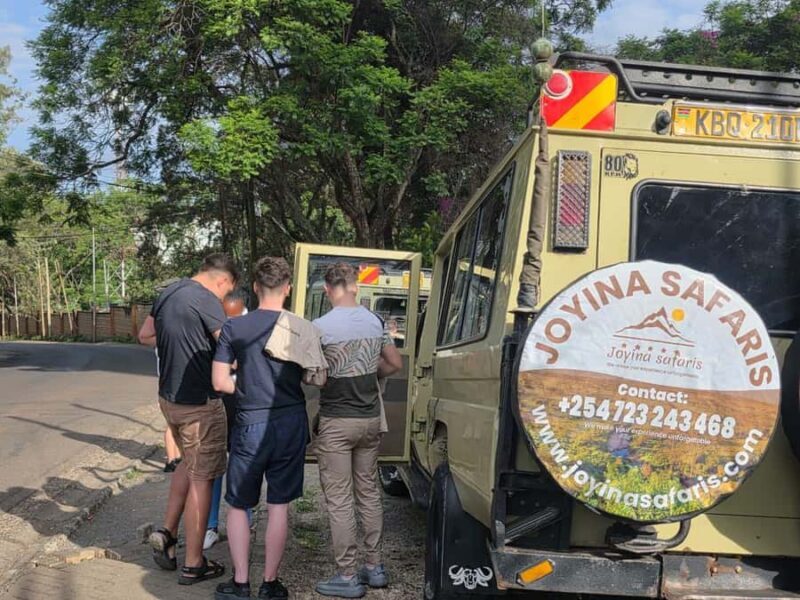
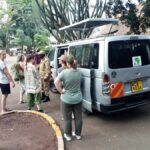
The safari begins with pickup from a hotel in Nairobi’s city center or Westlands, close to the highway. If you are staying elsewhere, the stated meeting point is outside City Market on Muindi Mbingu Street, so check your accommodation against the pickup area before setting off.
The drive heads west toward the Maasai Mara, with a stop at the Great Rift Valley for views across the valley. It is a worthwhile pause on a long road journey, but it is still a transfer day: keep expectations realistic about how much time you will have in the reserve before the first game drive.
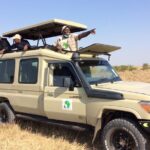
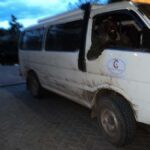
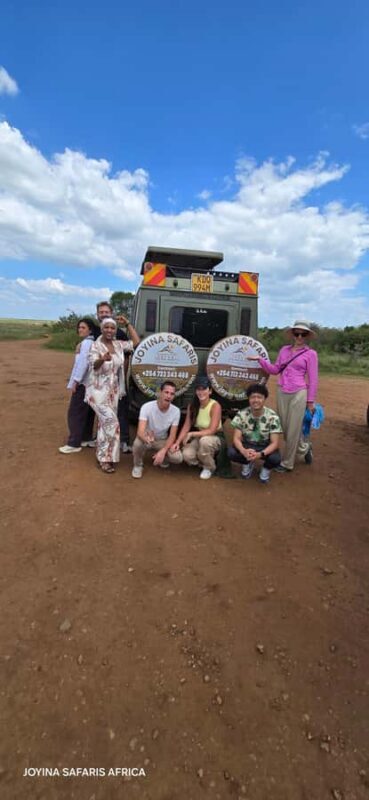
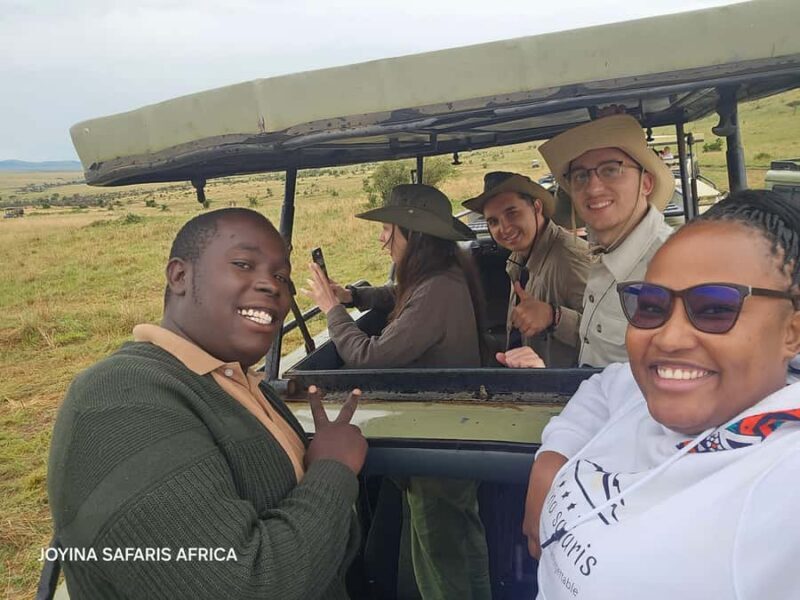
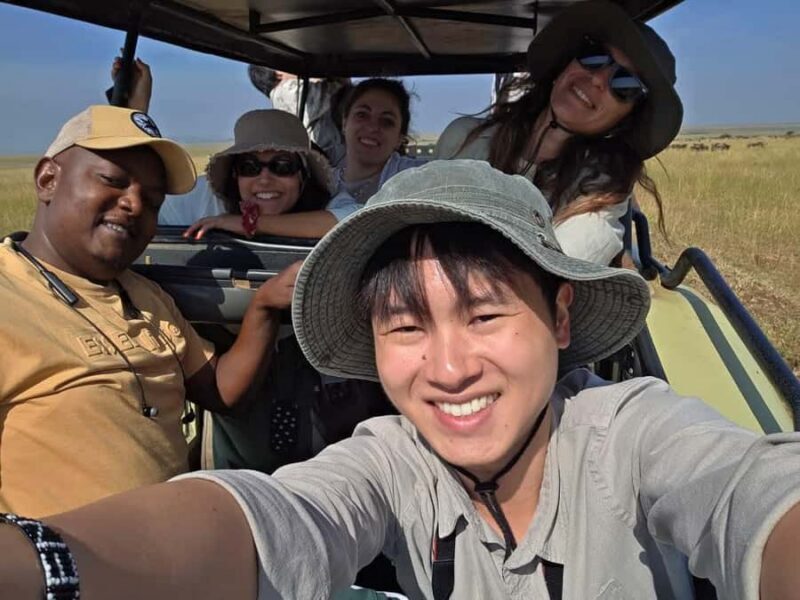
The group vehicle is a 4WD with a pop-up roof, designed to give you an open view when looking for animals and taking photographs. Group safaris carry up to eight people. Some past outings used a Land Cruiser, which is well suited to rough terrain, but the specific vehicle model is not guaranteed in the information provided.

👉 See our pick of the 7 Best Workshops And Classes In Nairobi
Day one: lunch, camp, and an evening drive
You reach the camp or lodge around lunchtime, check in, and have lunch before heading out again. The first drive is scheduled for roughly 4pm to 6:30pm, a useful introduction to the reserve and a chance to see wildlife becoming active later in the day.
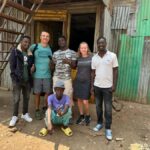
That first outing is shorter than the next day’s safari, but it matters. You have a chance to get comfortable in the vehicle, meet your guide, and start scanning the grass and scrub for movement. Guides on past trips have included Cephas, Jeff, James, Peter, Kimata, and Denis. Your guide will depend on the departure, so treat those names as examples, not a promise.
Dinner and the first overnight stay are at camp. The accommodation is described as private tents with a bathroom, hot shower, and wall sockets. That is a helpful level of comfort for a budget safari, but reports of uneven hot water and tent facilities are a reminder to expect simple camping rather than a polished hotel stay.
You can also read our reviews of more tours and experiences in Nairobi
Day two: a full day among the wildlife
The main event is the full-day game drive, scheduled from about 7am to 4pm. You’ll cover more ground than on arrival day and search for the Big Five, as well as the many other animals that make the Mara rewarding even when a particular headline sighting does not appear.
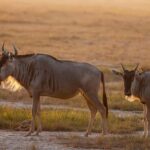
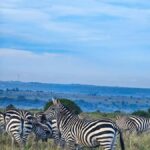
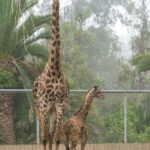
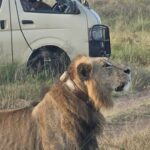
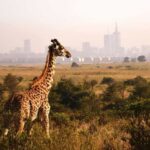
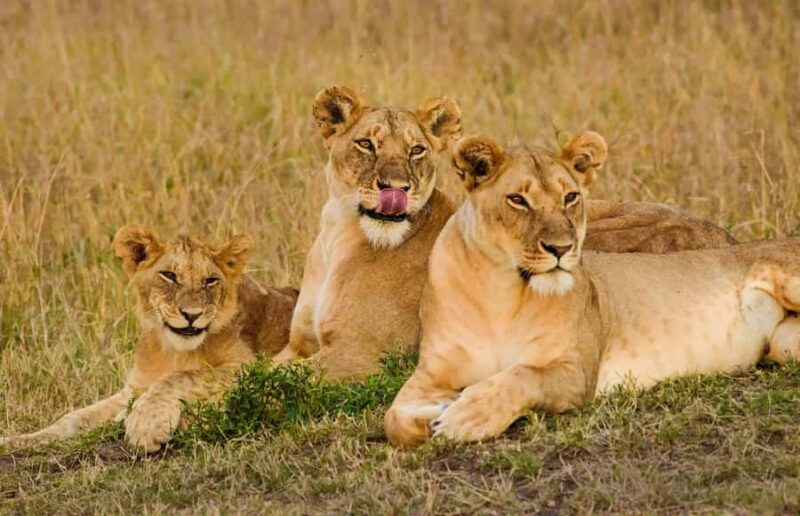
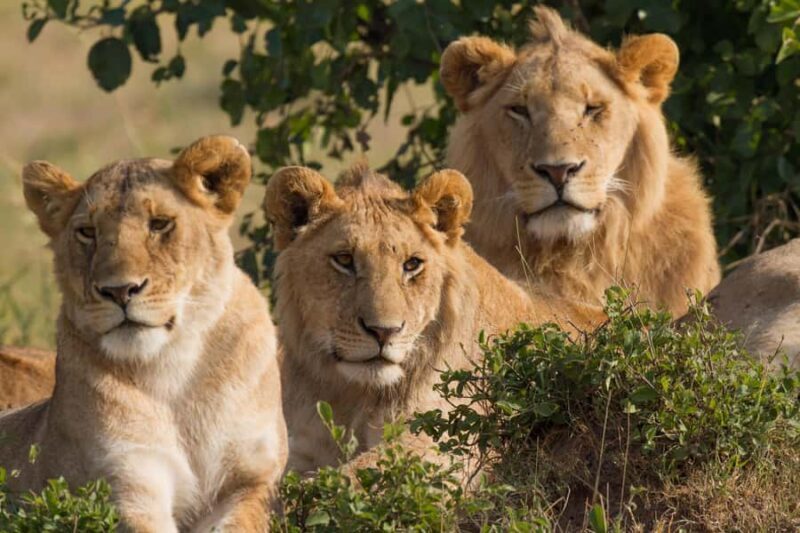
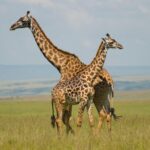
The reserve is known for its large numbers of wildebeest, zebras, elephants, buffalo, giraffes, hippos, and antelope. Lions are often seen resting or watching the plains; cheetahs and leopards can be harder to find. A skilled guide can help you spot animals and choose where to look, but wildlife is wild, and no guide can guarantee every sighting.
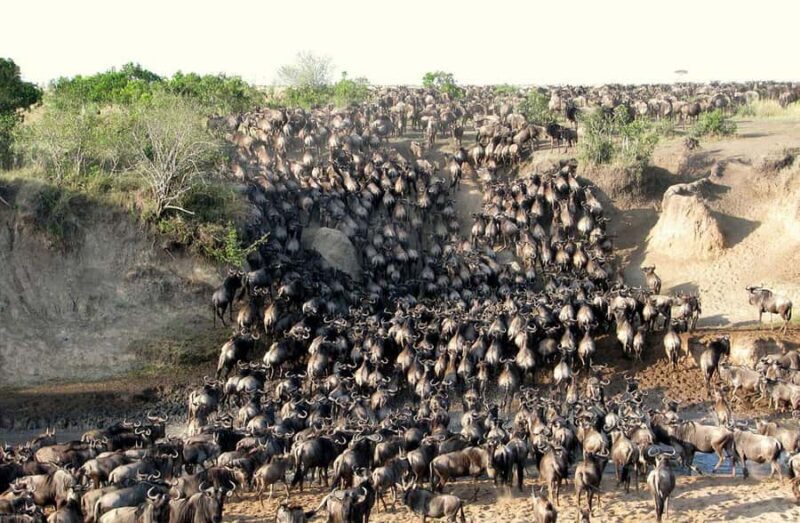
The Great Migration is the safari’s biggest seasonal draw. Millions of wildebeest move north from the Serengeti in search of grass, generally in July and August, then turn south again around October. The timing and location can vary, so book those months for a better chance of seeing migration activity, not a certainty that a river crossing will happen during your visit.
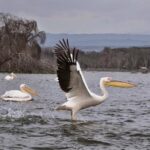
You’ll also visit the Mara River, where hippos and crocodiles can be seen. The itinerary allows a guided walk of about 20 minutes there. It’s a chance to stretch your legs and look along the river, but don’t confuse a river visit with a guaranteed migration crossing. The spectacle depends on the herds’ movements.
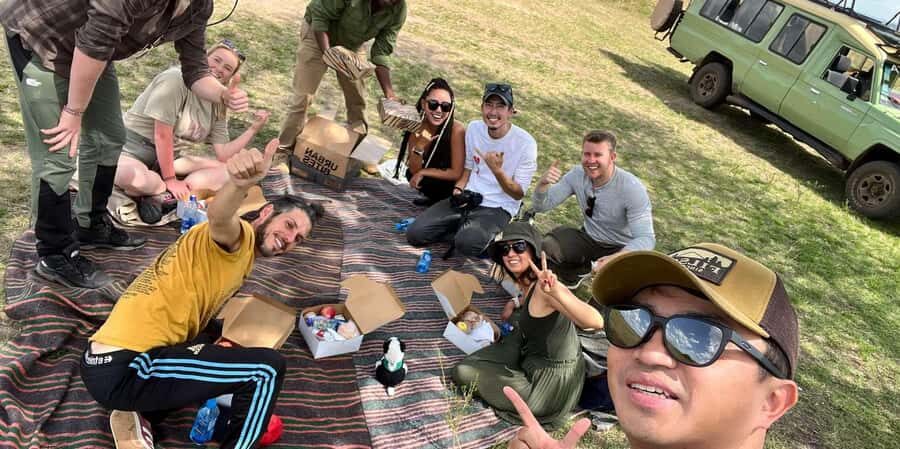
Lunch is a picnic during the day’s drive, followed by dinner back at camp. The long hours outside are part of the appeal, but they can be tiring. Bring comfortable clothes, biodegradable sunscreen, and extra snacks such as protein bars if you know you’ll want more than a basic packed lunch.
Day three: a village visit or a direct return
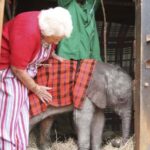
The last morning starts with breakfast, a view from camp, and checkout. You can add a Maasai village visit for $20 per person before setting off for Nairobi. The visit is optional, so ask what is included and decide if you want to spend the extra time and money on a cultural introduction.
The tour is scheduled to reach Nairobi around 3:30pm, with drop-off at central city or Westlands locations. That arrival time is a plan, not a safe bet for a tight onward connection: the return is by road, and delays can happen. I would avoid booking a flight or another fixed activity immediately afterward.
Breakfast and lunch are included on this final day. As with the other meals, think practical safari food rather than restaurant dining. Vegetarian and halal meals are available, but it is sensible to make dietary needs clear when arranging the trip.
What the $225 price really covers
The advertised price is $225 per person, but it does not include the Maasai Mara park fees. The stated fee is $200 per person for January 1 to June 31 and $400 per person from July 1 to December 31. Since June 31 is not a calendar date, confirm the applicable fee and current schedule with the operator before booking.
Using those stated amounts, the trip comes to at least $425 or $625 per person before optional extras, depending on the applicable fee. A village visit adds $20, and a balloon safari is listed at $450. Beer, soda, and water ordered at the camp restaurant are also extra, though drinking water is provided in the vehicle.
That changes the way to judge the price. The initial figure looks very low, but the full cost includes a substantial mandatory park fee. Once you add it, you’re paying for transport, two nights in a private tent, meals, a guide, and two game-drive periods, including one full day. For someone who wants a short, organized safari without arranging each piece separately, that can still be strong value.
More Great Tours NearbyCamp comforts and the honest trade-offs
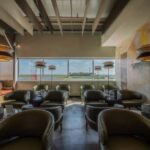
The tent is private and has a bathroom, shower, and wall sockets, which makes it more comfortable than a basic shared campsite. Expect practical rather than fancy: facilities can differ from tent to tent, and hot water has not been consistent for everyone. The camp’s food is generally simple, with limited choices, though vegetarian and halal meals are available.
Bring a power bank if you rely on a phone or camera throughout the day, even though wall sockets are provided in the tent. Internet may not work well at camp, and you are spending most of the trip outdoors anyway. A little advance planning will help you enjoy the quiet rather than fret about a weak signal.
The vehicle is another trade-off worth weighing. The open roof is excellent for viewing, but the ride can be bumpy, and some seats may be more comfortable than others. If you have back or spine problems, consider that carefully; if you are in a group, ask the guide to rotate seats fairly so everyone gets a good position.
Rain can also affect the ride. One past trip had some water enter the vehicle, though it was not described as a major problem. Pack a light waterproof layer and protect your camera and phone in a dry bag or other waterproof cover.
How to prepare for a better safari
Wear comfortable clothes and bring biodegradable sunscreen, as advised for the trip. A hat, sunglasses, and a light layer for early or late drives are sensible additions, though the exact weather will depend on your travel dates. Keep snacks handy for the long game-drive day, especially if a basic picnic lunch may not be enough for you.
Take a camera or phone you can use quickly. Wildlife sightings can be brief, and the open roof gives you a clear view, but the vehicle is moving across rough ground. Keep your gear secure and easy to reach rather than buried in luggage.
Confirm the park fee, pickup point, dietary requirements, and any optional activities before travel. Daily departures are guaranteed, and 24-hour assistance is stated as available while you are on safari. Free cancellation is available up to 24 hours in advance, and you can reserve without paying immediately, but those flexible terms do not remove the need to check your final trip cost.
Who will get the most from this trip
This safari suits you if you have three days, want the Mara’s wildlife without paying for a luxury camp, and are comfortable sharing a vehicle with a small group. It is especially appealing if you value time in the reserve more than elaborate meals or hotel-style service. The private tent and full-board setup keep the basics covered while leaving the focus on game viewing.
It is less suited to you if you need a smooth ride, expect a high-end lodge, or want every extra cost included in the first price you see. The drive from Nairobi is substantial, the full day can be tiring, and the camp is not the place to expect a wide menu or reliable internet.
The strongest part of the experience is the combination of a full day in the Mara, an open-roof 4WD, and guides who work hard to locate wildlife. Past guides including Jeff and Cephas have been praised for spotting animals and positioning the vehicle well, but the guide assigned to your departure may differ. Wildlife sightings vary, too, so go for the chance to spend time in a remarkable reserve, not a checklist guarantee.
Should you book this Maasai Mara safari?
I’d book it if you want an affordable, short safari with a private tent, meals, and two game-drive sessions, and you are willing to pay the park fee on top. Before you commit, get the full per-person total in writing, clarify the odd June 31 fee boundary, and ask what vehicle is planned. If you can accept basic camp comforts and a rough road, this is a practical way to spend three days in the Maasai Mara.
From Nairobi:3-Days 2-Nights Maasai Mara Budget Group Safari
FAQ
Is the $225 price the full cost of the safari?
No. Park fees for two nights are not included. The stated fee is $200 per person for January 1 to June 31 and $400 per person from July 1 to December 31, so confirm the correct fee and total with the operator.
What accommodation is included?
You stay two nights in a private tent with a bathroom, hot shower, and wall sockets. Hot water and tent facilities may vary.
How many game drives are included?
The trip includes an evening game drive on day one, scheduled from about 4pm to 6:30pm, and a full-day game drive on day two, scheduled from about 7am to 4pm.
Is the wildebeest migration guaranteed?
No. The migration is seasonal. Wildebeest generally move north in July and August and return south around October, but the timing and location can vary.
Does the tour visit the Mara River?
Yes. The itinerary includes a visit to the Mara River and a guided walk of about 20 minutes, where you may see hippos and crocodiles.
Is a Maasai village visit included?
No. It is optional and costs $20 per person. It is planned for the third day before the return to Nairobi.
Where can I be picked up in Nairobi?
Pickup is available from hotels in the city center or Westlands area near the highway. If you are outside those areas, go to the meeting point outside City Market on Muindi Mbingu Street.
Are meals and special diets included?
Full-board meals are included, and vegetarian and halal food are available. Beer, soda, and water ordered at the camp restaurant are not included; drinking water is provided in the vehicle.
You can check availability for your dates here: