Kibera is best understood on foot, with someone who knows its narrow lanes and can explain the community beyond the first impressions. This private walk takes you through Toi Market, a school and a local home, with guides such as Elijah, Peter and Effie sharing personal knowledge of the area.
I like two things in particular: you get a close look at everyday life rather than a distant view, and the visit includes community projects, including a school that guides say receives support from tour proceeds. The main consideration is that this is a three-hour walk through unmarked alleys, so it may not suit you if you have back or heart problems.
- At a glance
- Start at Greenhouse Mall, then follow your guide
- Walk Kibera with a guide who knows it firsthand
- Toi Market and the lanes between stops
- Hope and Shine Kibera Centre and the school visit
- Step inside a local home
- What the walk asks of you
- Is good value?
- Who should book this Kibera walk?
- Should you book?
- FAQ
- Where does the tour meet?
- How long is the tour?
- What language is the live tour in?
- Is this a private tour?
- What places are included?
- Is the walk suitable for everyone?
- The Best Of Nairobi!
- More Tours in Nairobi
- More Tour Reviews in Nairobi
- Not for you? Here's more nearby things to do in Nairobi we have reviewed
At a glance
 1 / 10
 2 / 10
 3 / 10
 4 / 10
 5 / 10
 6 / 10
 7 / 10
 8 / 10
 9 / 10
 10 / 10
- Local guides lead the way: Guides including Elijah, Peter and Effie have grown up in Kibera and share experiences from their own lives.
- Toi Market is part of the route: You’ll walk through Kibera’s largest market, with time to see local activity and shop.
- The school visit gives context: The tour includes a Kibera school and community center, with some proceeds reported to support local education.
- A home visit makes daily life more tangible: You may be invited inside a local home to see how people live.
- Plan for a real walk: Expect narrow, unmarked lanes, uneven conditions and roughly three hours on foot.
- It’s a private experience: Only your group takes part, though the listed $20 price is for a group of up to one, so check the rate if you’re booking for others.

👉 See our pick of the 7 Best Workshops And Classes In Nairobi
Start at Greenhouse Mall, then follow your guide
The meeting point is at the entrance to Greenhouse Mall in Kilimani. If you arrive early, there’s a bench near the fountain on the ground floor where you can wait. From here, you head to Kibera with your guide.
The transfer details are not specified, so check how you’ll get between the mall and the start of the walk when you arrange your visit. The tour itself is on foot. That matters: Kibera’s maze of narrow, unmarked streets is not a place to expect to navigate by map alone. A local guide helps you move through the area and understand what you’re seeing.
The tour is private, which gives you room to ask questions and set the pace with your guide. It also means you won’t be sharing the walk with an unrelated group. English is the live tour language. Audio guides are listed in French, Spanish, German and Chinese.
You can also read our reviews of more tours and experiences in Nairobi.



Walk Kibera with a guide who knows it firsthand
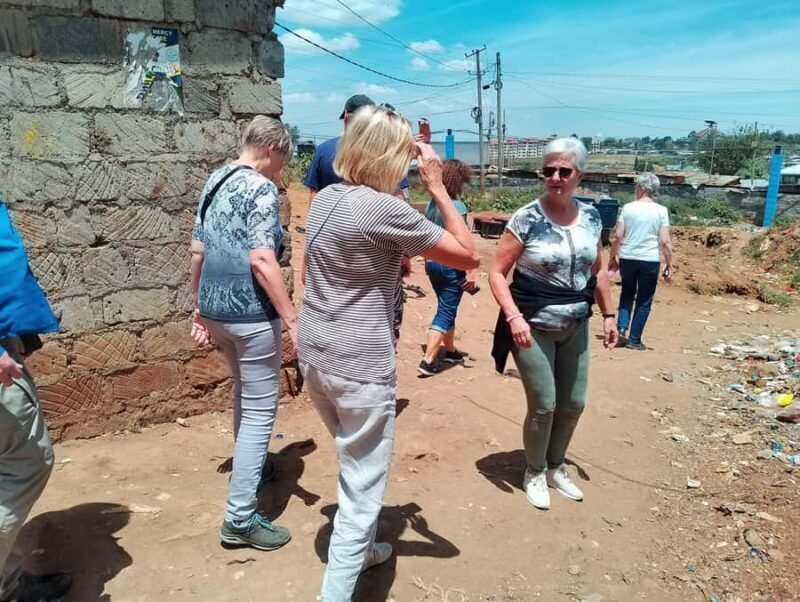
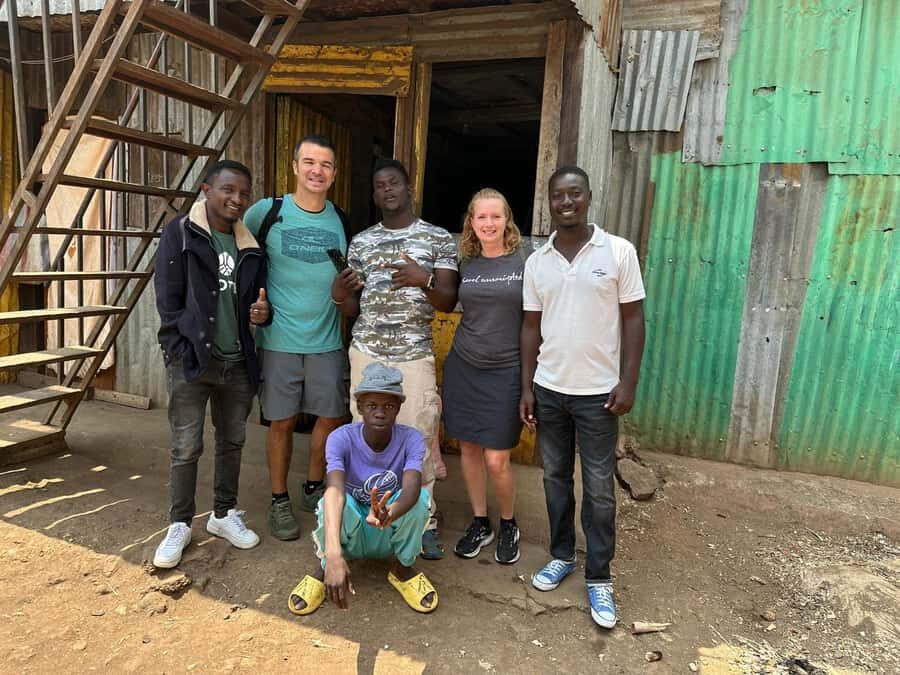
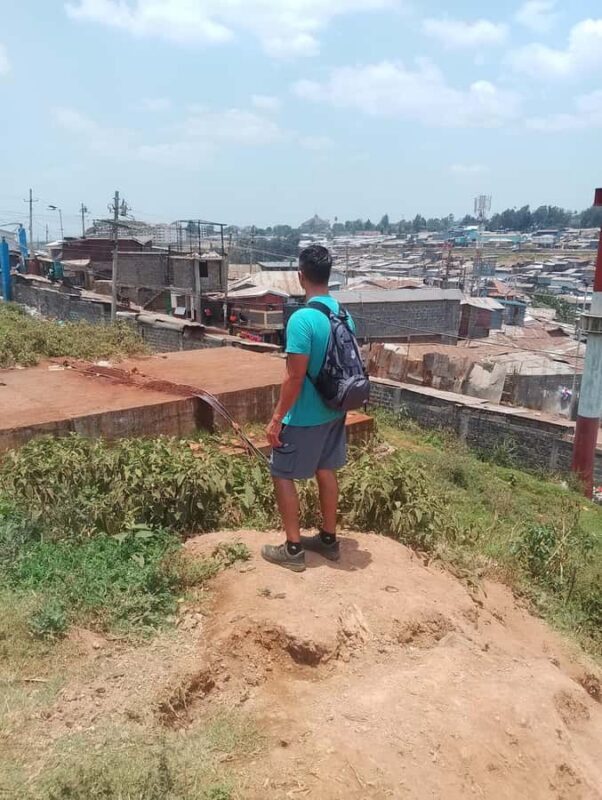
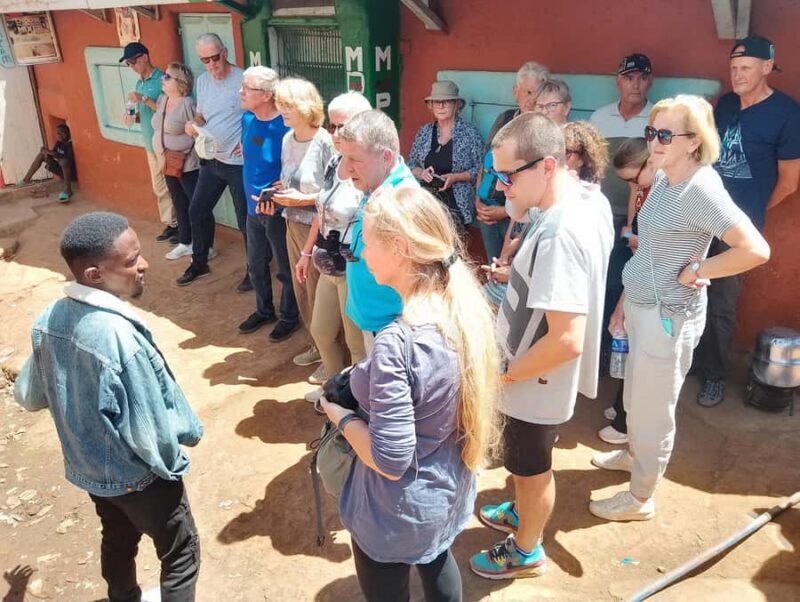
Kibera is described as East Africa’s largest informal settlement, and the walk offers a personal view of a community that can be hard to understand from outside. Guides such as Elijah, Peter and Effie speak about local life and the history and culture of the area. Some have shown visitors places where they grew up or welcomed them into their homes.
That personal connection is the tour’s strongest feature. You’re not simply passing through a network of alleys: you can ask questions of someone who knows the place from daily life. Guides have also shared examples of local initiatives, from education projects to women’s groups and local crafts. The exact stops may vary, but the aim is to show both the challenges residents face and the ways people organize to support one another.
The nickname City of Hope points to this balance. The tour does not hide the difficulty of living in Kibera, but it also resists reducing the community to hardship. Expect to see a place where people work, shop, study and build local projects. Go with an open mind, and be ready to listen as well as look.
Toi Market and the lanes between stops
Toi Market is the largest market in Kibera and one of the main stops. A market can tell you a lot about the rhythm of an area: what people buy, sell and make part of daily life. Here, you have a chance to see local commerce up close and, if something catches your eye, shop.
Some visitors have found locally made jewelry and other crafts along the way, including work made from recycled materials. The tour also visits local initiatives and workshops, though the exact mix can vary. Bring cash if you may want to buy something. A purchase can be a direct way to support a maker or community group, but there’s no need to treat shopping as the point of the visit.
The walk between stops is part of the experience. Kibera’s lanes are narrow and unmarked, so keep close to your guide and expect to walk through a dense network of streets and alleys. This is not a polished sightseeing route with broad paths and signs. Wear clothes and shoes you don’t mind getting dusty or dirty, and don’t bring anything you would worry about in a crowded market.
Hope and Shine Kibera Centre and the school visit
The route includes Hope and Shine Kibera Centre, a community center that provides education and support to residents. You’ll also visit a school. The school is especially meaningful because the guides have described tour proceeds as helping fund its work, including teacher salaries and education for local children.
One visitor reported that 20 percent of ticket proceeds went to a local school. Treat that as a figure shared by a guide, rather than a guaranteed amount for every booking. If the contribution matters to your decision, ask the organizer how proceeds are currently allocated.
A school visit can be moving, but remember that it is a place where children are learning, not a stage for visitors. Follow your guide’s lead, be respectful and ask before taking photos of people. The tour includes photography of the local area, but that does not mean every person or child has agreed to be photographed.
The school and center also help make the tour more than a walk through living conditions. They show local responses to community needs. You’ll come away with a better sense of how education and support projects fit into daily life, without being asked to mistake one visit for a complete picture of Kibera.
More Great Tours NearbyStep inside a local home
A visit to a local home offers a closer look at domestic life. It can make the day’s conversations more concrete, but it is also an invitation into someone’s private space. Be considerate, take cues from your guide and the host, and ask before taking photographs.
This stop may be one of the most personal parts of the walk. Some guides have shared their own homes or introduced visitors to family members. That kind of welcome can make the visit feel less like looking at a place and more like meeting people who live there. Still, it is not something to expect as an entitlement. Approach it with gratitude and respect.
The broader lesson is simple: a home visit is not a chance to inspect someone’s poverty. It is a chance to listen and understand how a family lives, within the limits of what the host chooses to share. Your guide helps set the tone.



What the walk asks of you
Three hours is long enough to cover several parts of the community, but it is also a real physical outing. You’ll be walking on foot through narrow alleys and unmarked streets. The experience is not suitable for people with back or heart problems, according to the tour information.
Wear practical clothes and shoes rather than your best outfit. The route can be busy, and some visitors have finished after dark on afternoon tours. The guides have helped people feel safe during these walks, but good judgment still matters: stay with your guide, keep your belongings secure and follow instructions.
The tour requires good weather. If poor weather leads to cancellation, you can be offered another date or a full refund. Smoking is not allowed during the activity.
The end point needs a little clarification before you go. The route information gives both Equity Bank Kibera and Greenhouse Mall as the return point. Confirm where your walk will finish so you can plan your onward transport.
Is $20 good value?
The stated price is $20 per group, up to one person. That is a low entry price for a private, three-hour guided walk, especially when the guide’s local knowledge is central to making the route understandable and comfortable. But the group limit matters: if more than one person is joining, check the price rather than assuming the same rate applies.
Value here is not about ticking off landmarks. You’re paying for a guide who can explain the area, help you navigate its lanes and introduce you to community projects. The school visit and other local initiatives add a direct connection to the people who live here. Guides have said that part of the proceeds supports the school, but ask for current details if you want to understand exactly how your fee is used.
There may also be opportunities to buy local crafts or jewelry. Bring cash if you want that option, and budget for purchases separately. The tour itself includes all fees and taxes, along with safety support, but the supplied details do not specify transport to and from Greenhouse Mall.
Who should book this Kibera walk?
This tour suits you if you want to understand Nairobi through conversation and local perspectives, rather than sticking only to familiar sightseeing stops. It’s a good fit for curious visitors who are comfortable walking, asking questions and seeing a community in a direct, respectful way.
It may not be right for you if you have back or heart problems, dislike walking in narrow, crowded spaces, or expect a highly controlled sightseeing route. The visit can be emotionally affecting. You’ll see hardship, but you’ll also meet people and learn about local efforts to address community needs. Give yourself time afterwards to think about what you’ve seen.
For a better visit, arrive at the Greenhouse Mall entrance on time, wear practical shoes, bring cash if you may shop, and follow your guide’s advice about photographs and interactions. Don’t bring sweets for children unless your guide advises it. Some visitors have taken treats, but giving things out can create expectations, so it’s better to ask first.
Should you book?
I’d book this if you want a personal, guided introduction to Kibera and are ready to listen as much as you look. The combination of a local guide, Toi Market, the school and a possible home visit gives the walk substance, while the private format leaves room for questions.
Before paying, confirm the price for your group size, transport arrangements and exact finishing point. If those details work for you, this is a thoughtful way to learn about Nairobi beyond its better-known visitor stops, while supporting a local tour team and, as guides describe it, community education.
Nairobi: Kibera Slum storytelling tour with a Local
FAQ
Where does the tour meet?
Meet your guide at the entrance to Greenhouse Mall in Kilimani. If you arrive early, you can wait on the bench near the fountain on the ground floor.
How long is the tour?
The walk lasts about three hours.
What language is the live tour in?
The live guide speaks English. Audio guides are listed in French, Spanish, German and Chinese.
Is this a private tour?
Yes. Only your group takes part.
What places are included?
The tour includes Kibera, Toi Market, Hope and Shine Kibera Centre, a school and a visit to a local home.
Is the walk suitable for everyone?
No. It is not suitable for people with back problems or heart problems, and it involves walking through narrow, unmarked streets and alleys.
You can check availability for your dates here: