Across from Yasaka Pagoda, you can sit at a pottery wheel and shape clay in one of Kyoto’s most photographed neighborhoods. Zuiko Kiln gives you a hands-on break from temple visits and shopping, with an instructor close by to guide your hands and help form a cup, bowl, or sake cup.
I like two things in particular: the striking setting, which puts a traditional craft right in the middle of historic Higashiyama, and the chance to take home a useful object rather than a souvenir made for a shelf. Instructors are often described as patient and encouraging, and they can take photos while you work.
The main consideration is time and cost. The shortest session moves quickly, and the instructor may do some of the shaping for you. Your finished piece takes about 7 to 10 weeks to arrive, and shipping is an extra charge paid in cash at the studio.
- What to know before you book
- Pottery beside Kyoto’s famous pagoda
- What happens at the wheel
- Choosing between 20, 25, and 55 minutes
- A friendly lesson, with some limits
- What your pottery costs after the session
- Fitting the workshop into your Kyoto day
- Who will enjoy Zuiko Kiln most
- Should you book this pottery experience?
- FAQ
- How long does the pottery experience take?
- What can I make?
- Are firing and glazing included?
- When will my finished pottery arrive?
- Is shipping included in the experience price?
- How do I get to Zuiko Kiln Kyoto Kiyomizu Store?
- Can children take part?
- What do I need to show when I arrive?
- The Best Of Kyoto!
- More Tours in Kyoto
- More Tour Reviews in Kyoto
- Not for you? Here's more nearby things to do in Kyoto we have reviewed
What to know before you book
 1 / 5
 2 / 5
 3 / 5
 4 / 5
 5 / 5
- The studio faces Yasaka Pagoda: A memorable location in the Higashiyama area, within walking distance of major sights.
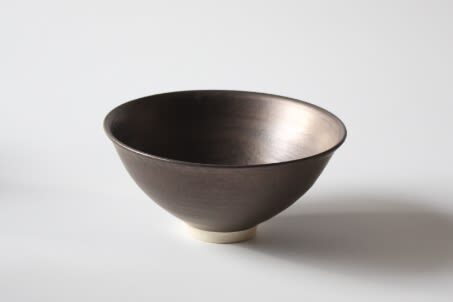
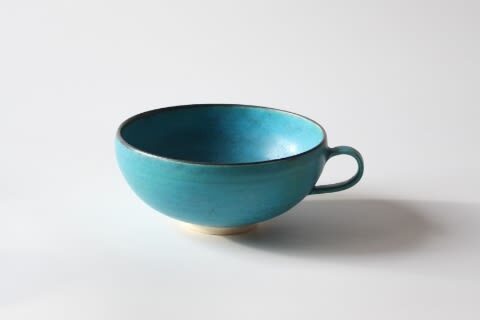
- You shape one piece in the 20-minute option: The fee includes a teacup, mug, or sake cup, plus clay, equipment, instruction, glazing, and firing.
- Three session lengths are offered: Choose 20, 25, or 55 minutes. Check the selected package for exactly what it includes.
- Instructors guide you closely: Expect demonstrations and hands-on help, especially if this is your first time at a wheel.
- Shipping is not included: The finished piece is sent after firing and glazing, usually in 7 to 10 weeks. Shipping costs are separate and cash only at the studio.
- Arrive on time and bring your voucher: You must show it on an internet-connected device. Children aged 6 to under 13 need a parent or guardian.

👉 See our pick of the 25 Best Workshops And Classes In Kyoto
Pottery beside Kyoto’s famous pagoda
Zuiko Kiln’s Kiyomizu store sits at 385-5 Yasakaue-machi in Higashiyama, directly opposite Yasaka Pagoda. The setting is a large part of the appeal. You can spend the morning walking through Kyoto’s old streets and temples, then trade sightseeing for a short, tactile activity without leaving the neighborhood.
The studio is also about a 15-minute walk from either Kiyomizu-Gojo Station or Gion-Shijo Station on the Keihan Main Line. That walk is worth building into your schedule, especially if you are coming from the station during a busy period. You will be in a popular sightseeing district, so allow enough time to reach the meeting point rather than cutting it close.
This is not a full-day pottery course or a quiet retreat outside the city. It is a compact introduction to wheel work in a very scenic spot. That makes it easy to add between visits, but the location also means you should expect an activity geared toward short sessions and first-timers, not extended technical training.
You can also read our reviews of more tours and experiences in Kyoto.



What happens at the wheel
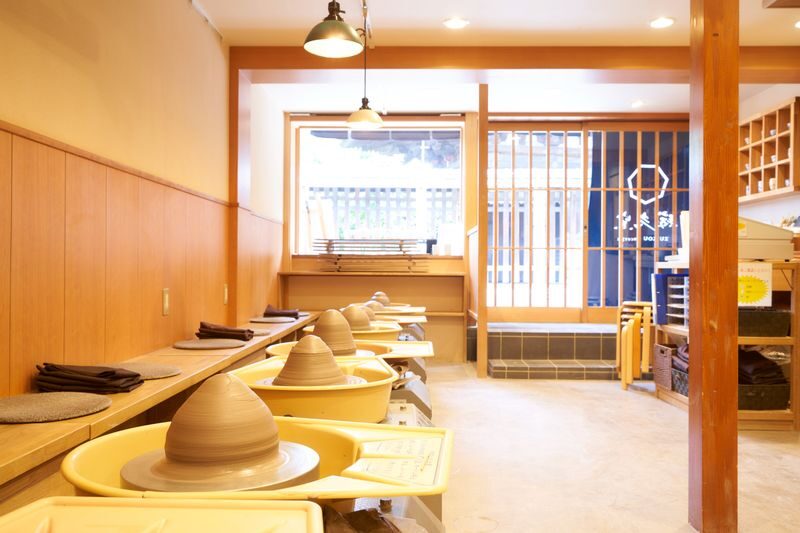
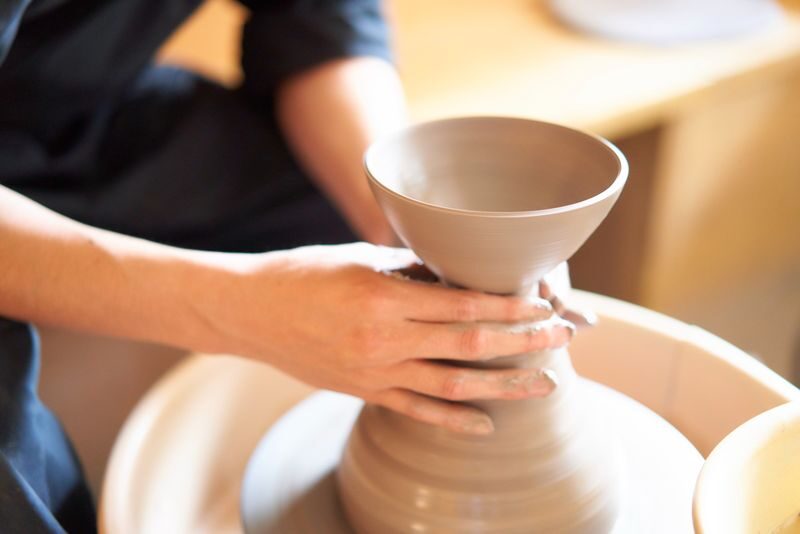
The 20-minute package includes about 15 minutes of pottery work, followed by roughly five minutes to choose a color and write your address. The fee covers the experience, equipment rental, materials, facility use, instruction, clothing rental, glaze, and firing for one item. You can choose a form such as a teacup, mug, or sake cup.
You will be given traditional samue work clothes to wear while you use the wheel. That practical touch adds to the sense of doing an activity rather than simply watching a demonstration, and it makes for good photos. The staff welcomes pictures, and instructors may offer to take them so you can keep both hands on the clay.
The session is guided. Your instructor demonstrates how to work the clay and helps you shape it as the wheel turns. This makes the activity accessible even if you have never touched pottery, but it also means you should not expect to complete every technical step alone in the shortest package. One participant described being guided through shaping while the instructor handled much of the preparation. If your priority is learning each stage from scratch, ask what you will personally do before the session begins.
A 25-minute option and a 55-minute option are also available. The longer session gives you more time at the wheel, and some participants have made several pieces during it. The number included can vary by package, so check the exact booking details before paying. Extra pieces or additions may cost more.
Choosing between 20, 25, and 55 minutes
The 20-minute option suits a tight itinerary or a first try at pottery. It is a short, fun introduction and includes one finished item. You get to feel the wheel, shape the clay with guidance, and leave the rest of the process to the kiln. The trade-off is limited independent practice.
The 25-minute option offers a little more time, but it remains a brief workshop. It can work well if you mainly want a Kyoto memory and are happy for an instructor to keep the process moving. If you hope to learn the basics in detail, do not assume the extra five minutes turns it into a full lesson.
The 55-minute option is the best fit if you want time to try more than one shape or work at a less hurried pace. Some participants have made multiple pieces during this session, sometimes selecting which ones to fire and ship. Since package inclusions and charges can differ, confirm the number of pieces included and the price for any extras before you start.
Across all three choices, the experience is best understood as guided pottery-making, not a test of skill. The instructor helps you get a pleasing shape, but the short format does not promise that you will master centering or other wheel techniques. If you want a structured pottery course, look for a longer class; if you want a first try with a keepsake at the end, this is a more fitting choice.
A friendly lesson, with some limits
Many instructors are praised for being kind, patient, and clear. Names mentioned include Tammy, Emily, and Teacher Cheng, though you should not expect a particular instructor unless the studio confirms one. One-on-one attention is a recurring feature, and instructors have offered small adjustments for practical issues such as long fingernails.
There is some variation in communication. Several instructors explain the process clearly, but some participants have found English instructions difficult to follow. If you are unsure what you are being asked to do, stop and ask for a demonstration or a slower explanation. The key steps are physical, so watching the instructor’s hands can help when words are not enough.
The teaching style can also vary in how much work you do yourself. For some people, close guidance is reassuring; others want more independent control and a fuller explanation of the technique. If that distinction matters to you, tell the instructor at the start that you would like to try each step yourself where possible.
What your pottery costs after the session
The starting price is from $18.35, but do not treat that figure as the full cost of taking a finished piece home. Shipping is not included in the experience price, and the fee is paid separately in cash on the day. The package includes firing and glaze, but the finished work is shipped only after the kiln process is complete.
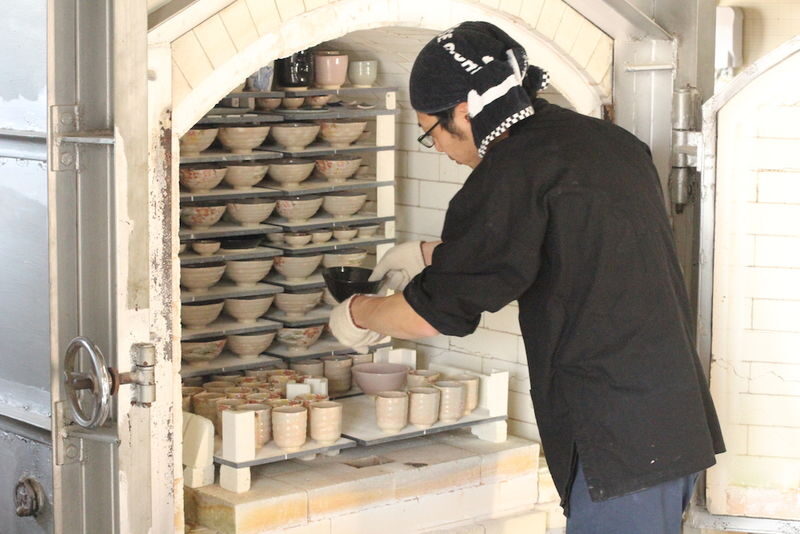
Allow about 7 to 10 weeks for completion and dispatch. Domestic shipping fees depend on the number of pieces and the applicable rate schedule. International fees vary by destination and quantity. For example, the listed charge for one piece is ¥3,900 to Asia or Europe, and ¥4,900 to North America. Fees are higher for some destinations, and customs duties may also apply.
There are restrictions: the studio cannot ship to Brazil, Israel, Russia, or Belarus. The information gives different domestic price schedules for different dates, so confirm the current charge at the studio rather than relying on an older figure. Bring cash for shipping and ask about any extras before you choose them.
Optional additions may also raise the bill. One participant reported a ¥700 charge for a cup handle; another noted that a handle and a black rim required extra payment. These are not included in the base package, so ask for the price before adding details. The staff has been described as explaining costs before checkout, but it is sensible to confirm each extra yourself.
The value depends on what you want. At the base price, you are paying for a short, guided activity in a memorable location, with firing and glazing included. Once international shipping and optional finishes are added, the keepsake can cost considerably more. If the finished piece matters to you, include shipping in your budget from the start.





Fitting the workshop into your Kyoto day
The studio’s location makes this an easy activity to pair with a day in Higashiyama. You can visit nearby sights, walk the old streets, and stop in for pottery without making a separate trip across town. The pagoda directly opposite gives you a clear landmark, although the surrounding area can be busy.
Plan to arrive on time. Late arrival can mean losing the session, and the stated refund terms do not cover late arrivals or no-shows. Your voucher is valid only for the date and time you booked. You must be able to display it on a smartphone or another internet-connected device, so open it before you set out if you may be without Wi-Fi.
Children aged 6 to under 13 must attend with a parent or guardian. The activity can suit families: a seven-year-old has taken part with patient instruction, and families have made matcha bowls and cups together. Still, the shortest session may feel quick for children who need extra time to settle into a new activity.
Who will enjoy Zuiko Kiln most
I would choose this workshop if I wanted a Kyoto activity that is hands-on, short, and tied to the neighborhood I was already exploring. It suits first-time potters, couples, families with children old enough to take part, and anyone who likes the idea of using a handmade cup at home. The instructor’s support makes it approachable, while the pagoda-side setting gives the hour a strong sense of place.
It is less suited to someone seeking a long, independent lesson or a guaranteed chance to make several pieces without extra charges. The shorter packages are brief, and instruction can be quite hands-on. Shipping costs and the wait for delivery also matter if you are trying to keep your spending low or need a souvenir before leaving Japan.
Should you book this pottery experience?
Book Zuiko Kiln if you are already visiting Higashiyama and want a memorable break from sightseeing. I would lean toward the 55-minute option if you care about having more time to shape clay; choose the 20-minute session if your main goal is a quick introduction and one keepsake.
Before booking, check the exact number of included pieces, ask about extra finishes, and budget for cash-only shipping. If you are comfortable with guided shaping and a wait of several weeks, this is a pleasing way to turn a Kyoto afternoon into something you can use at home.
Electric Pottery Wheel Experience (Kyoto)
“This was a quick and fun project! I accidentally reserved for the wrong day, but the staff politely allowed us to change our time and do a day-of e…”
FAQ
How long does the pottery experience take?
The available packages are 20, 25, and 55 minutes. In the 20-minute package, about 15 minutes are for pottery and five minutes are for color selection and address writing.
What can I make?
The included 20-minute package allows you to create one item, such as a teacup, mug, or sake cup. The studio’s other packages may include different amounts of time or work, so check your selected package for its exact inclusions.
Are firing and glazing included?
Yes. The listed experience fee includes firing and glaze for the included piece.
When will my finished pottery arrive?
Completion takes approximately 7 to 10 weeks. The studio ships the piece once it is finished.
Is shipping included in the experience price?
No. Shipping is charged separately and must be paid in cash at the studio. The amount depends on destination and the number of pieces.
How do I get to Zuiko Kiln Kyoto Kiyomizu Store?
The address is 385-5 Yasakaue-machi, Higashiyama-ku, Kyoto. It is about a 15-minute walk from Kiyomizu-Gojo Station or Gion-Shijo Station on the Keihan Main Line.
Can children take part?
Children aged 6 to under 13 must be accompanied by a parent or guardian.
What do I need to show when I arrive?
You must show your confirmed voucher on a smartphone or another device with internet access. The voucher is valid only for the date and time specified in your booking.