The DMZ is more than a line on a map: at Imjingak, the Third Infiltration Tunnel and Dora Observatory, Korea’s division comes into view in places that are hard to grasp from Seoul alone. I like this tour’s pairing of border history with the 220-meter Gamaksan Suspension Bridge, and the private hotel pickup gives your group a simpler start than arranging the journey on your own. Guide names mentioned by people who took the trip include Ricky, Philip and Peter, though you cannot choose a particular guide.
I also like the chance to ask questions at your own pace and have a guide help manage the day. The main trade-off is a long outing with uphill walking, a tunnel passage and possible traffic delays. DMZ access can also depend on ticket availability and operating schedules, so don’t treat entry as guaranteed without checking the details before you set out.
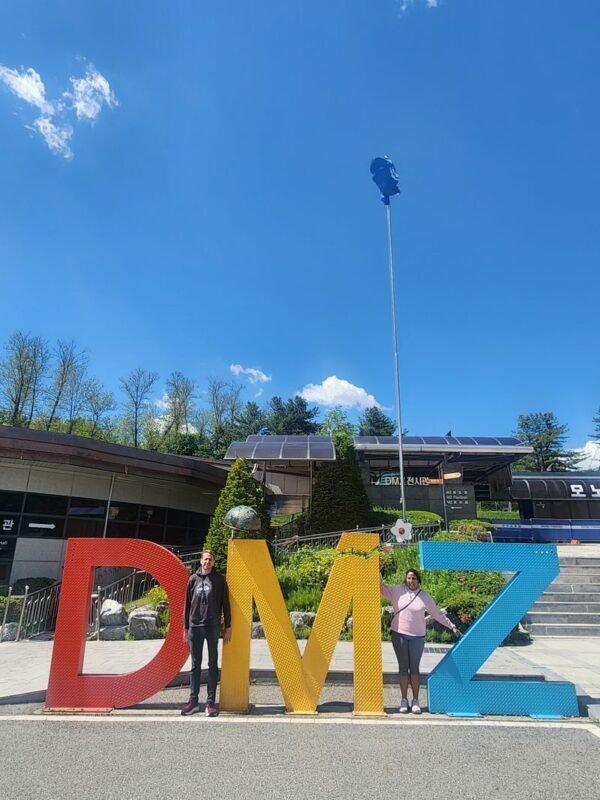
- Imjingak’s war memorials and Bridge of Freedom give the day a human, reflective opening.
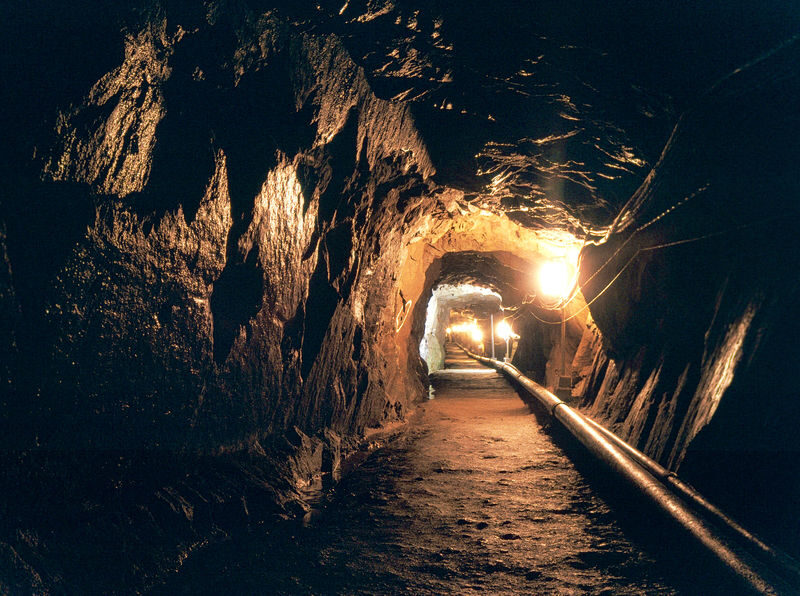
- The Third Infiltration Tunnel takes you underground through a passage built by North Korea.
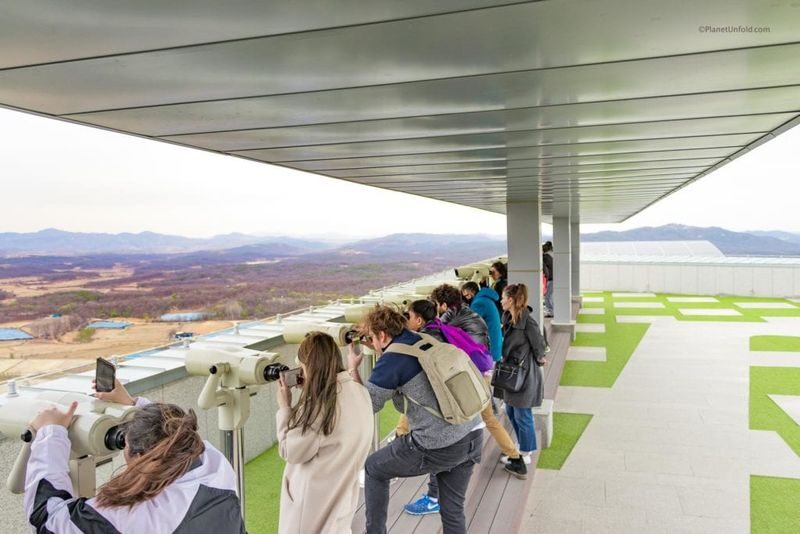
- Dora Observatory offers a rare view toward North Korea, though weather can limit visibility.
- A private vehicle and hotel transfers make the day easier to manage from Seoul.
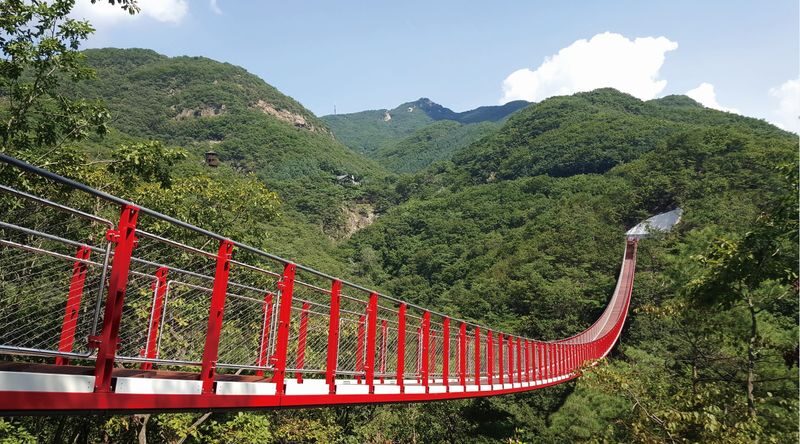
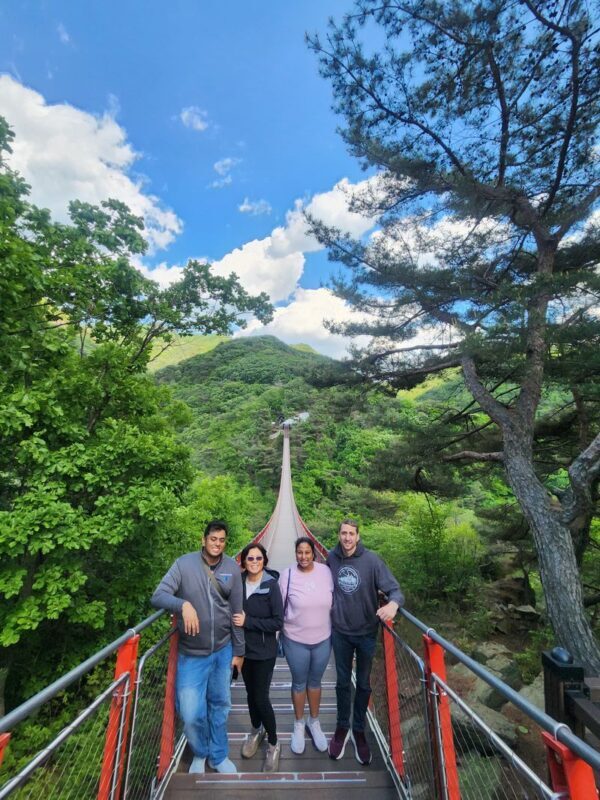
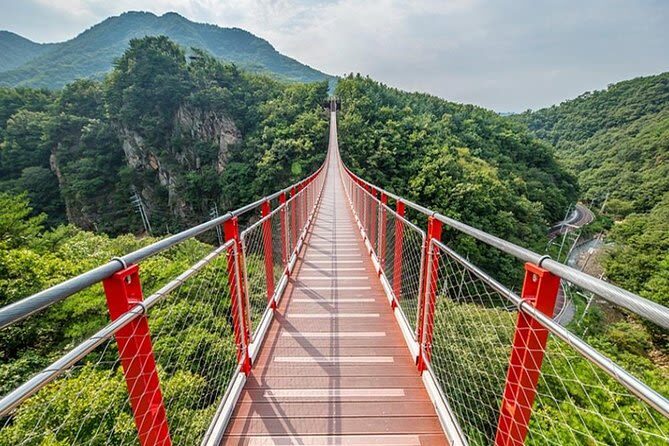
- Gamaksan’s 220-meter bridge adds mountain views and a more active finish.
- Bring your passport and plan for hills: the DMZ requires identification, and several stops involve walking.
- Why pair the DMZ with Gamaksan
- Imjingak Park and the Bridge of Freedom
- Inside the DMZ Exhibition Hall and Theater
- The Third Infiltration Tunnel: a physical, sobering stop
- Dora Observatory and the view north
- Gamaksan’s 220-meter suspension bridge
- Private transport, guide and pace
- Price and value for a small group
- Practical details to sort out before you go
- Should you book this DMZ and Gamaksan tour?
- FAQ
- Where does the tour depart from?
- What time does the tour start and return?
- Which stops are included?
- Do I need to bring my passport?
- When is the DMZ closed?
- What languages are available for the guide?
- Are meals included?
- Is the tour wheelchair-accessible?
- What happens if the tour runs longer than nine hours?
- The Best Of Gangwon!
- More Private Tours in Gangwon
- More Tours in Gangwon
- More Tour Reviews in Gangwon
- Not for you? Here's more nearby things to do in Gangwon we have reviewed
Why pair the DMZ with Gamaksan
 1 / 10
 2 / 10
 3 / 10
 4 / 10
 5 / 10
 6 / 10
 7 / 10
 8 / 10
 9 / 10
 10 / 10
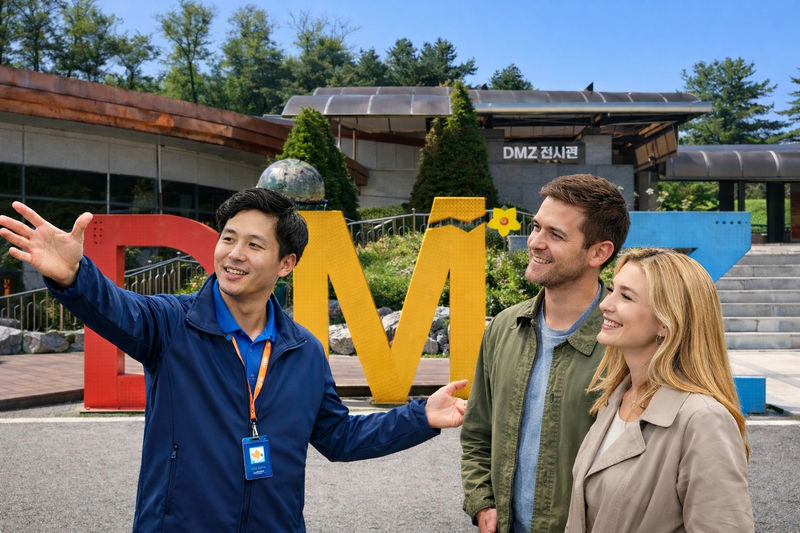
This is a full day with two very different moods. The DMZ stops focus on war, division and the possibility of reunification; Gamaksan shifts the pace toward mountain scenery and a walk across a long suspension bridge. That contrast makes the tour more varied than a border visit alone, but it also means you should be comfortable spending much of the day on the move.
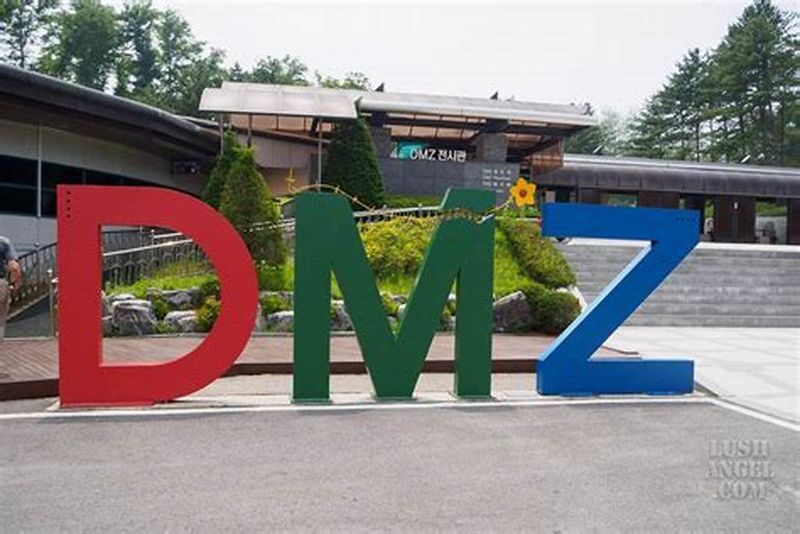
The DMZ is a closely controlled border area, not a regular sightseeing district. At Imjingak and the observatory, you encounter places shaped by Korea’s division, while the tunnel brings the subject down to human scale. The bridge then gives you a chance to stretch your legs and look out over the valley.
The tour departs from Seoul around 7:00 am and is described as a nine-hour private day trip, with a return around 3:00 pm. Actual timing can change with traffic and weather. A private booking covers a group of one to ten people, so it can work for a couple, a family or a small party that wants its own vehicle and guide.

👉 See our pick of the 3 Best Tours In Gangwon
Imjingak Park and the Bridge of Freedom
Imjingak is the day’s starting point and one of its most meaningful stops. The park sits near the DMZ and brings together war memorials and symbols of hope for reunification. The Bridge of Freedom is a reminder that the division is not merely a historical chapter: it still shapes families and daily life on the peninsula.
Allow yourself a moment here before moving on. This is a place where the subject can feel weightier than the tidy timelines in a museum. Your guide can help explain the site and put the monuments in context, while the park gives you space to look around.
The itinerary includes a guided visit, but it does not specify how long you will spend at each stop. The schedule may be adjusted, so it is sensible to focus on the experience rather than expecting a fixed number of minutes for each memorial.
You can also read our reviews of more private tours in Gangwon

Inside the DMZ Exhibition Hall and Theater
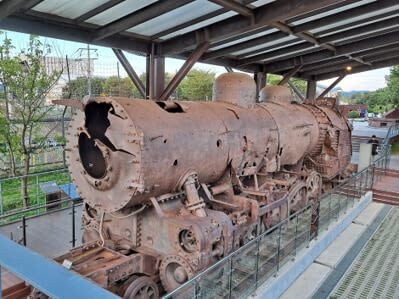
The exhibition hall and theater provide background before you visit the tunnel and observatory. Exhibits cover the Korean War and the DMZ, and a short documentary gives you another way into the subject. This context matters: without it, a border viewpoint can be visually striking but difficult to understand.
A guide adds value here by helping connect the displays to the places you see later. People who have taken this tour often praise guides for clear explanations, patience with questions and a lively style. Ricky, Philip and Peter are names that come up, along with Daniel and other guides, but assignments vary and no particular guide is promised.
The trade-off is that this stop is part of a packed day. If a particular exhibit or historical question matters to you, ask about it while you have the guide’s attention rather than hoping to return to it later.
The Third Infiltration Tunnel: a physical, sobering stop
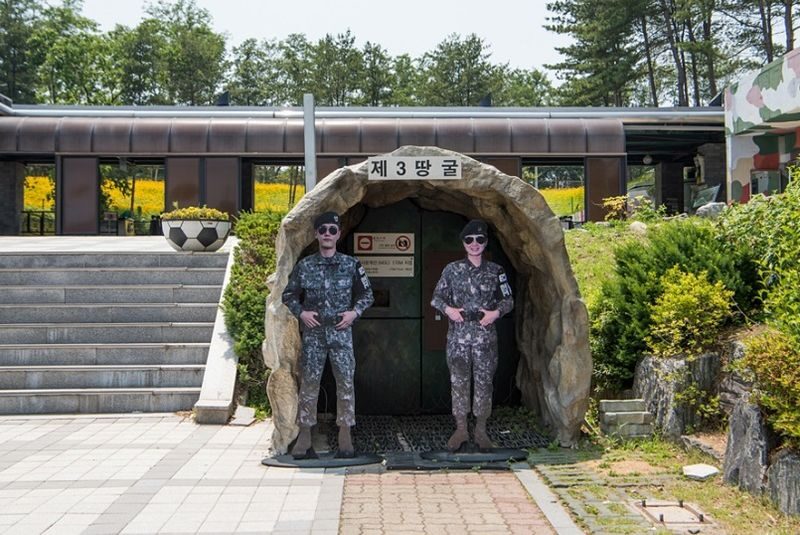
The Third Infiltration Tunnel is the most tangible part of the DMZ visit. It was built by North Korea as a covert route into the South, and the tour describes it as about 52 kilometers from Seoul. Going through it gives you a physical sense of the effort and tension behind the border’s security.
Expect more than a brief look from a doorway. The tunnel visit involves walking, including an uphill return that can be strenuous. One person who was especially tall noted that the tunnel felt challenging at two meters, while another found the climb manageable but still tiring. If you have mobility concerns or find steep inclines difficult, take that seriously when deciding whether this combined tour is right for you.
The tunnel is a memorable stop, but it is not an easy stroll. Wear shoes suited to walking and keep your energy in reserve for Gamaksan. The overall tour is not wheelchair-accessible.
Dora Observatory and the view north
At Dora Observatory, you look across the border toward North Korea. It is a rare opportunity to see the divided peninsula from close range, and for many people it is the moment when the day’s history becomes most immediate. The view is not a guarantee of clear detail: rain and poor visibility can obscure what lies beyond the border.
That uncertainty is part of the practical calculation. The observatory remains worth visiting for its setting and meaning, but it is better to approach it as a chance to look across the divide than as a promise of a crisp panorama. Your guide can explain what you are seeing and answer questions about the border.
The DMZ portion may involve a group bus once you reach the zone, even though your transport from Seoul is private. The exact arrangement can vary, so confirm how the DMZ segment will work when you book. Entry and ticket availability also deserve attention: one person had a stressful wait after being told tickets were not secured in advance, though the group eventually got in. Ask the operator to confirm ticket arrangements before departure.
Gamaksan’s 220-meter suspension bridge
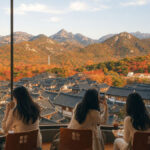
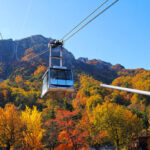
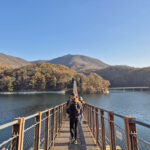
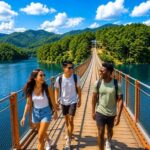
After the DMZ, the tour heads to Gamaksan for the suspension bridge. At 220 meters, it is a substantial span, with views over the surrounding valley and mountains. This changes the tone of the day: after the focused, often emotional border stops, you get an outdoor walk and a different view of Korea.
Do not mistake the bridge stop for a quick photo pull-off. Some people describe the approach as a hike, with uphill walking and a waterfall in the area. The route can add a real fitness element, especially after the tunnel. If walking on inclines is difficult, consider whether you would rather book a DMZ-only outing instead of combining both sites.
The bridge is a good reason to choose this particular itinerary if you want scenery and activity as well as history. It is less compelling if your priority is to spend more time at the DMZ or avoid a physically demanding day.



Private transport, guide and pace
Hotel pickup and drop-off are included, along with round-trip transfers, tolls, parking and attraction admission. For a day that begins early and includes a drive from Seoul, a private vehicle removes the need to coordinate public transport and lets your group travel together. People who took the tour have praised punctual pickups, comfortable vehicles and guides who helped with photos, meal suggestions and timing.
Private does not mean every stop is completely flexible. The DMZ operates under its own access rules, and the day’s schedule can change with traffic, weather and ticket availability. Still, a guide who can answer questions and adjust the pace for your party can make a real difference, especially for families. Some families have found guides attentive to children’s needs and willing to fit in bathroom breaks and time to eat.
The service is listed with Chinese- or English-speaking guides. Meals and drinks are not included, so plan to pay for lunch and any snacks yourself. Some people have enjoyed a Korean meal during the bridge stop, but the meal is not part of the tour price.
Price and value for a small group
The supplied prices are not consistent: the summary says from US$516.39, while the private package is also shown from US$449.05. Treat those as different displayed starting figures, not a firm quote for your date or group. Check the final total at checkout and compare it with the number of people travelling.
A private tour costs more than a standard group outing, but the value is clearest when you are sharing the vehicle among several people or want hotel pickup, direct access to a guide and a day that includes both the DMZ and Gamaksan. For a couple, the per-person cost may feel steep. For a family or group of friends, the convenience and personal attention can make the difference worthwhile.
The listed tour lasts nine hours. Time beyond that carries an additional charge of KRW 25,000 per hour, so traffic or schedule changes are worth keeping in mind. Since the operator says the plan can change with traffic and weather, confirm how extra time is handled before departure.
Practical details to sort out before you go
You need to bring your passport, with six months of validity specified. The DMZ is closed on Mondays and public holidays, so choose your date with that restriction in mind. The operator is expected to contact you by WhatsApp the day before with pickup details; if you have not received a message by 8:00 pm, contact them.
Be ready in your hotel lobby five to ten minutes before pickup. The stated departure time is 7:00 am, with return around 3:00 pm, but traffic and weather can shift the schedule. Give the operator the exact number of passengers and bags when booking so the vehicle arrangements are clear.
Children aged zero to two are listed as free, and the group size is one to ten participants. This does not make the walk suitable for everyone: the tunnel and bridge area involve walking, including inclines, and the tour is not wheelchair-accessible.
Should you book this DMZ and Gamaksan tour?
Book it if you want a full, guided day that combines the DMZ’s history with an outdoor walk, and if private pickup is worth paying extra for your group. The guide is a major part of the experience: people taking the trip have repeatedly singled out the clear explanations, friendly manner, photo help and flexibility of guides such as Ricky, Philip and Peter. Names are not guaranteed, but the feedback points to strong personal guiding as a real strength.
Think twice if you want an easy day, need wheelchair access, or would rather spend more time at the DMZ than add a hike. Confirm ticket arrangements and final pricing before you commit. If the tunnel, observatory and bridge all appeal, this is a well-rounded way to take in both Korea’s divided border and the mountain scenery beyond it.
DMZ & Gamaksan Suspension Bridge Full-Day Private Tour
“Absolutely incredible experience! The tour was extremely educational, the tour guide was knowledgeable, funny, and kind! Would highly recommend!”
FAQ
Where does the tour depart from?
It departs from Seoul, with round-trip transfers to and from your hotel or personal address included. The pickup time is confirmed by the operator in advance.
What time does the tour start and return?
The listed departure is 7:00 am, and the expected return is around 3:00 pm. The schedule can change because of traffic or weather.
Which stops are included?
The stated itinerary includes Imjingak Park, the DMZ Exhibition Hall and Theater, the Third Infiltration Tunnel, Dora Observatory and Gamaksan Suspension Bridge.
Do I need to bring my passport?
Yes. A passport is required for the DMZ, and the tour information specifies a passport with six months of validity.
When is the DMZ closed?
The DMZ is closed every Monday and on public holidays.
What languages are available for the guide?
The tour lists Chinese- and English-speaking guides. A particular guide cannot be selected from the information provided.
Are meals included?
No. Meals, drinks and personal expenses are not included.
Is the tour wheelchair-accessible?
No. The tour is listed as not wheelchair-accessible, and the tunnel and Gamaksan stops involve walking on inclines.
What happens if the tour runs longer than nine hours?
The private tour is based on nine hours. An additional fee of KRW 25,000 applies for each hour beyond that duration.