At Baekusaeng Makgeolli, the familiar green bottle is only the starting point. You’ll compare fresh seasonal makgeolli with commercial rice wine, then test your palate against 10 traditional sojus in a blind tasting led by a certified Korean Alcohol Sommelier.
I like two things especially: the side-by-side look at how makgeolli styles differ, and the chance to taste soju beyond the standard convenience-store bottle. The relaxed, question-friendly approach is another plus, with hosts including Joe and Isaac praised for making the subject easy to follow.
One consideration: you’ll taste a wide range of alcohol, but the experience details do not specify the session length or pour sizes. Eat beforehand, and plan your evening with the tasting in mind.
What to know before you book
- Seasonal makgeolli is brewed at the brewery, giving you a chance to try rice wine that may differ from batch to batch.
- The soju portion includes a blind tasting of 10 premium traditional styles, not just the familiar green-bottle kind.
- You’ll compare traditional and commercial makgeolli, and hear about the ingredients, fermentation, and craftsmanship behind cheongju.
- A certified Korean Alcohol Sommelier leads the tasting, with hosts such as Joe and Isaac praised for clear, friendly explanations.
- Light snacks are included, but they are not a substitute for a meal before sampling so many drinks.
- The meeting point is Baekusaeng Makgeolli in Mapo-gu, and you must be at least 20 to take part.
👉 See our pick of the 25 Best Guided Tours In Seoul
- What to know before you book
- A Seoul tasting that looks beyond the green bottle
- Start with makgeolli, Korea’s milky rice wine
- Learn the craft behind the glass
- Put your palate to work with 10 traditional sojus
- Snacks help, but have a proper meal first
- What the price buys you
- A good fit for curious drinkers, not just spirits experts
- Practical details before you go
- Should you book the Baekusaeng tasting?
- FAQ
- Where does the tasting take place?
- What drinks are included?
- Are snacks provided?
- What is the minimum age?
- Can I bring outside food or drinks?
- What is the cancellation policy?
- The Best Of Seoul!
- More Wine Tours in Seoul
- More Tours in Seoul
- More Tour Reviews in Seoul
- Not for you? Here's more nearby things to do in Seoul we have reviewed
A Seoul tasting that looks beyond the green bottle
 1 / 8
 2 / 8
 3 / 8
 4 / 8
 5 / 8
 6 / 8
 7 / 8
 8 / 8
Soju is easy to find in Seoul. A quick stop at a convenience store will put a familiar green bottle in your hand, often at a low price. But that common style gives you only a narrow idea of what Korean alcohol can taste like.
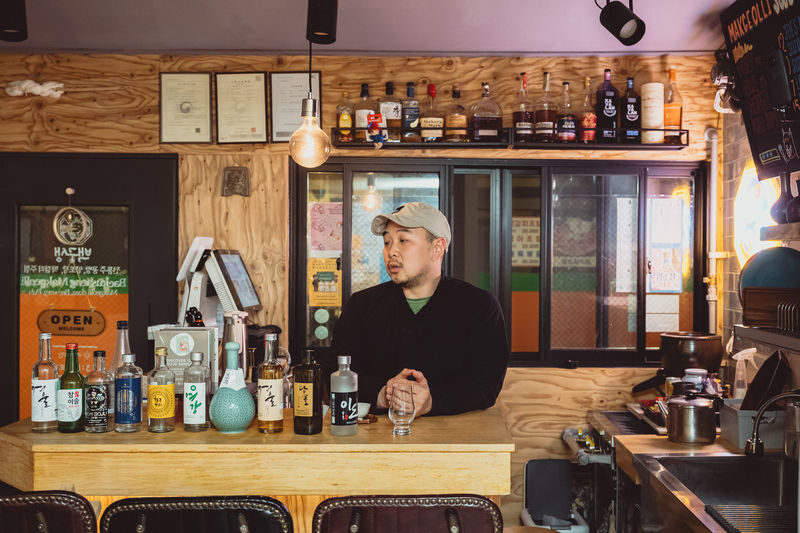
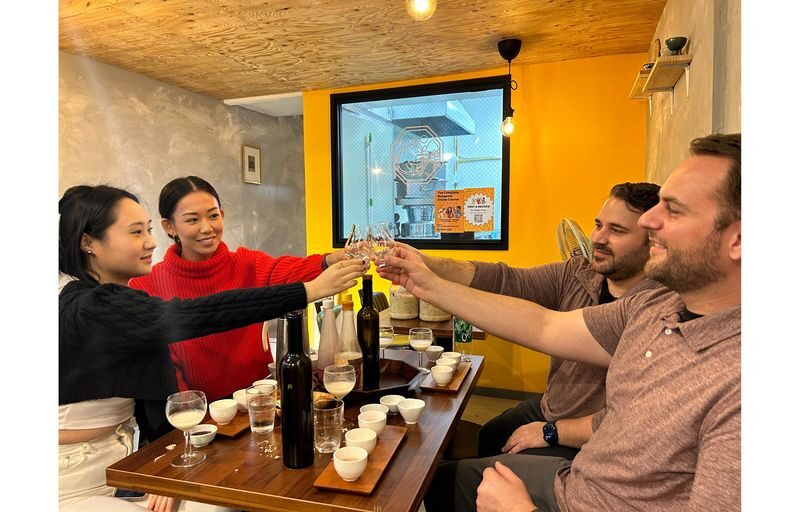
This tasting takes a more revealing route. At Baekusaeng Makgeolli, you’ll learn about rice wine and traditional soju from a certified Korean Alcohol Sommelier, with the drinks themselves doing much of the explaining. The point is not simply to try a lot of alcohol. It is to understand how ingredients, fermentation, and production choices shape what ends up in your glass.
That makes the session useful even if you have already tried soju with dinner. You’ll get a clearer sense of why the clear spirit in a green bottle differs from premium traditional soju, and why fresh, brewery-made makgeolli can be a different proposition from a mass-market version.
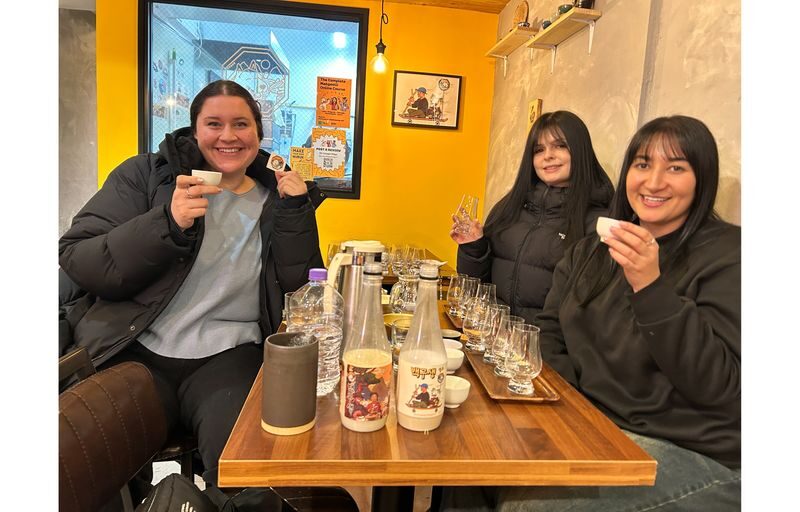
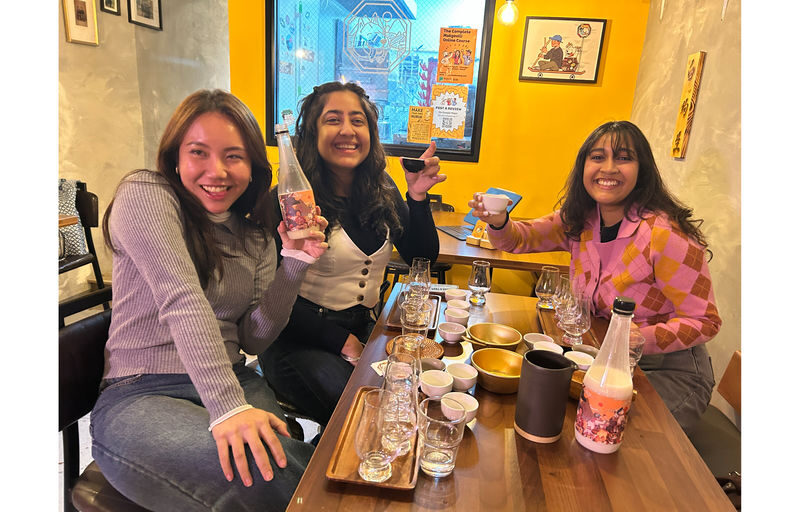
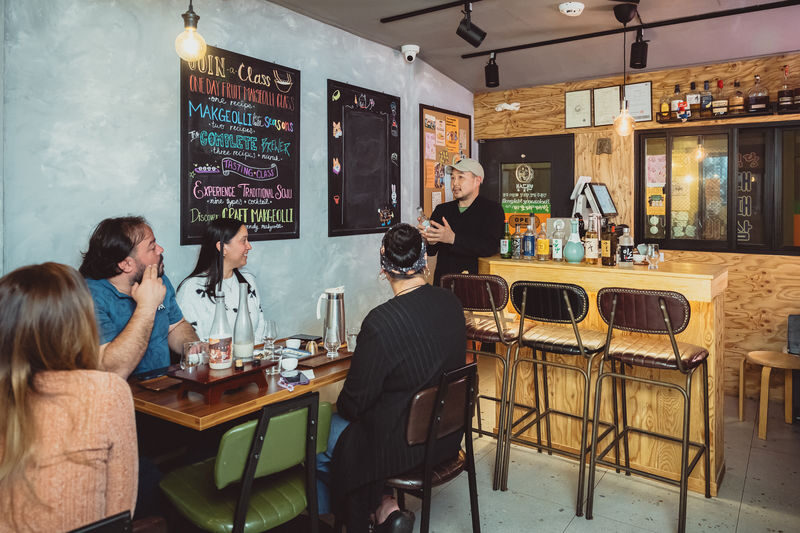
I also like that the experience combines explanation with tasting rather than making you sit through a long lecture before you get to the drinks. You can ask questions as you go, compare samples, and connect what you’re hearing to what you taste.
You can also read our reviews of more wine tours in Seoul

Start with makgeolli, Korea’s milky rice wine
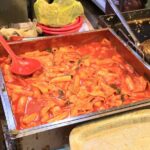
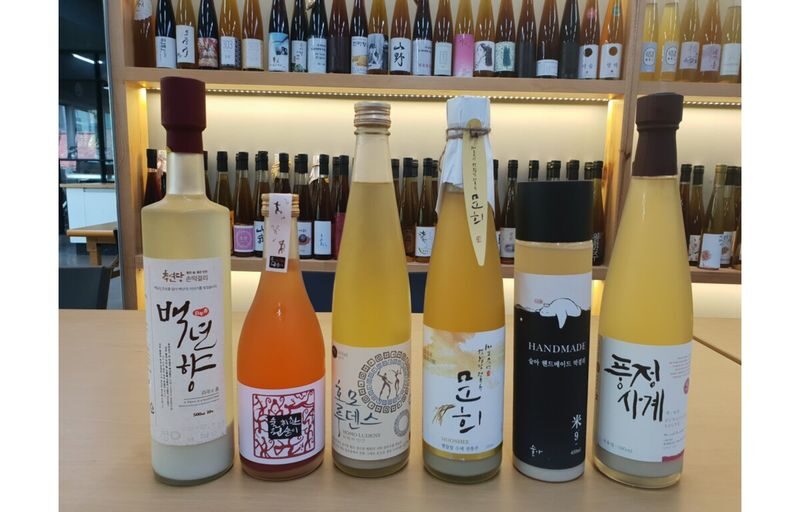
The first part focuses on makgeolli, the gently cloudy rice wine that many people first encounter in restaurants or at Korean meals. Here, the emphasis is on fresh seasonal makgeolli brewed at Baekusaeng, along with an explanation of the ingredients and fermentation behind it.
The seasonal detail matters. You are tasting a brewery-made product, not just a fixed set of familiar labels. That can help you notice how makgeolli’s flavor and character vary, and why one bottle may feel quite different from another.
You’ll also compare traditional and commercial makgeolli. That is one of the most useful parts for a first-time taster. Instead of leaving with a simple verdict that one drink is better, you can learn to spot differences in production and taste for yourself. Several tasters have found the house-made version far removed from the commercial styles they had tried before.
The session also introduces cheongju, a refined rice wine connected to the same broader brewing tradition. It adds another point of comparison: Korean rice-based drinks are not all cloudy, sweet, or similar in texture. The experience description does not give a detailed list of every sample, so expect an introduction rather than a promised bottle-by-bottle menu.
Learn the craft behind the glass
The explanations cover the history of Korean drinking culture as well as the practical details of how these drinks are made. You’ll hear about fermentation and ingredients, then see how traditional methods differ from commercial production.
That context is valuable because Korean alcohol can be easy to treat as background to a meal. A little knowledge changes how you approach it. Instead of ordering by habit, you can ask what style you’re drinking, how it was made, and what makes it different from the last glass.
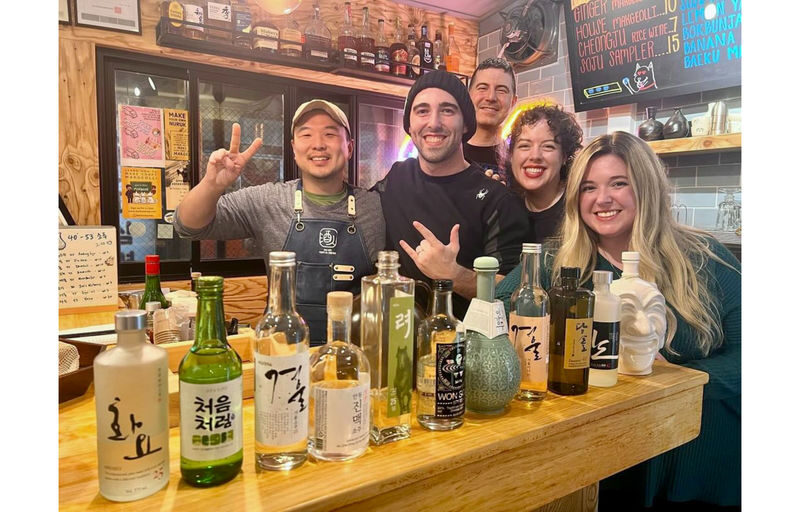
The guides’ manner is part of the appeal. Joe and Isaac are among the hosts named by people who have taken the tasting, and both are described as patient, welcoming, and ready to answer questions. The session has been praised for staying informative without turning formal or intimidating.
That balance should suit curious beginners as well as people who already enjoy spirits. You do not need to know the difference between fermentation and distillation before you arrive. You can follow the comparisons, ask what you like, and learn at your own pace.
Put your palate to work with 10 traditional sojus
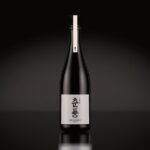
After the rice wine, the tasting moves to a blind comparison of 10 premium traditional sojus. The blind format gives you a chance to focus on the drink itself before you know what you are sampling. You can notice differences in aroma and flavor without being guided by a label or familiar name.
This is where the experience makes its strongest case for value. Traditional soju can have far more character than the inexpensive, mass-produced style many visitors know. Tasting several examples in one sitting gives you a frame of reference that is hard to build from a single bottle at dinner.
You are not expected to guess every sample correctly. The fun is in trying, comparing impressions, and learning what distinguishes one style from another. One participant particularly enjoyed guessing which drink was which, while others valued discovering flavors they would not have found on their own.
Ten samples also make this a substantial tasting. The listed details do not say how large each pour is, so do not assume that the number means ten full drinks. Still, it is a good reason to eat first, drink thoughtfully, and avoid planning the session as a quick pre-dinner stop if you are sensitive to alcohol.
Snacks help, but have a proper meal first
Light snacks are included and are intended to accompany the drinks. They make the tasting more comfortable and give you something to nibble as you compare samples, but the brewery specifically advises against arriving on an empty stomach.
Take that advice seriously. The session includes a variety of makgeolli and soju, so have a proper meal beforehand rather than relying on the snacks to carry you through. If you have questions about the tasting or your own preferences, the friendly, interactive format makes it reasonable to ask.
Outside food and drinks are not allowed. Pets are allowed, according to the activity details, though you may want to confirm any practical arrangements with the provider before setting out with one.






What the price buys you
The listed price appears in two forms: from US$77.65 in the activity summary and from US$70.59 for the package. Prices can vary, so check the final amount for your chosen date before booking.
For that price, you are paying for more than a row of samples. The value lies in tasting seasonal brewery-made makgeolli, comparing traditional and commercial styles, learning about cheongju, and sampling 10 premium traditional sojus with expert guidance. If you are interested in Korean food and drink, that combination gives you useful context you can carry into later meals and bottle shops.
The experience may be less worthwhile if you only want an inexpensive drink or a lively night out. It is a guided tasting with a clear educational focus, and the available details do not promise a full meal, a particular session length, or a set amount of alcohol. If those details matter to you, check them with the provider before paying.
A good fit for curious drinkers, not just spirits experts
You do not need to be a serious spirits fan to enjoy this. The strongest fit is someone who likes learning through food and drink, wants a better grasp of Korean drinking culture, or has tried standard soju and wants to understand what else is out there.
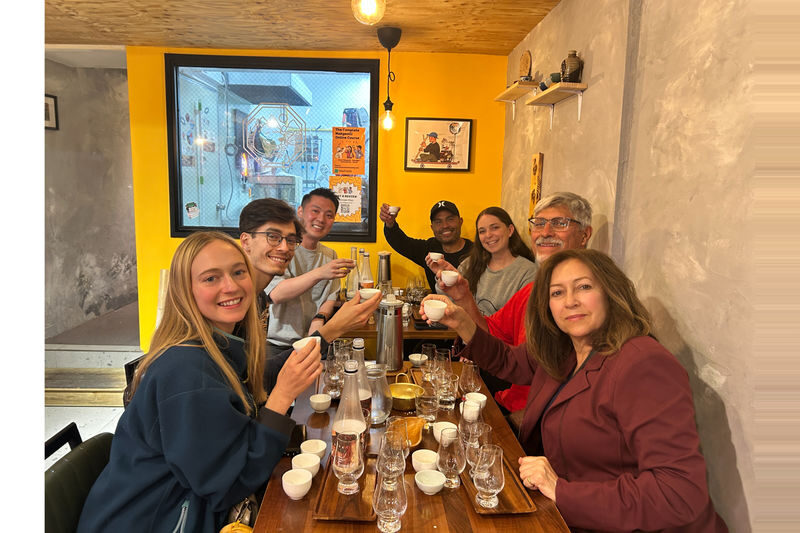
It also works well for visitors who prefer a small, conversational setting to a large group activity. One person described the session as personal and interactive, and the warm teaching style seems to be a consistent part of the appeal. You can go with friends, but a solo visit should also suit the format, since the tasting encourages questions and shared comparisons.
This could be a useful early-trip activity. Understanding the differences between makgeolli and soju, and between traditional and commercial styles, gives you context for choices later in Seoul. If you are keen to keep exploring after the session, bottles are available for purchase at the brewery, and international shipping has been offered. Confirm current availability and shipping options directly before making plans around them.
The tasting is not a substitute for visiting a larger production site or taking a hands-on brewing class. Its focus is guided tasting and explanation at Baekusaeng Makgeolli. If you want to make rice wine yourself, look for a separate brewing activity; if you want to taste and learn in one stop, this is the more direct choice.
Practical details before you go
The meeting point is Baekusaeng Makgeolli, at 60, Gullebang-ro 9-gil, Mapo-gu, Seoul. The Korean address provided is 서울특별시 마포구 아현동 346-35. Use the full address when arranging your route, especially if your map app handles Korean addresses more reliably than English ones.
Participants must be at least 20 years old. Confirmation is sent within 24 hours, and the voucher is valid only on the date and time specified for your booking. If you need to cancel, a full refund is available when you cancel at least 24 hours before the activity date, using destination local time.
Should you book the Baekusaeng tasting?
Book it if you want to understand Korean alcohol as more than a side order, and you are happy to spend part of your Seoul visit tasting and asking questions. The seasonal makgeolli, comparison with commercial styles, and blind tasting of 10 premium sojus make this a particularly useful introduction for curious drinkers.
Skip it if your priority is simply a cheap drink, a full meal, or a hands-on brewing lesson. For everyone else, this is a focused way to learn what lies beyond the standard green bottle. Arrive fed, bring your questions, and give yourself room to taste at a sensible pace.
Discover Traditional Soju & Makgeolli (Rice Wine)
“Great time learning about Mageolli and Soju.”
FAQ
Where does the tasting take place?
It takes place at Baekusaeng Makgeolli, 60, Gullebang-ro 9-gil, Mapo-gu, Seoul. The Korean address is 서울특별시 마포구 아현동 346-35.
What drinks are included?
The tasting features seasonal brewery-made makgeolli and a blind tasting of 10 premium traditional sojus. The session also covers the differences between traditional and commercial makgeolli and introduces refined cheongju.
Are snacks provided?
Yes. Light snacks are included, but you are advised not to arrive on an empty stomach.
What is the minimum age?
Participants must be at least 20 years old.
Can I bring outside food or drinks?
No. Outside food and drinks are not allowed. Pets are allowed.
What is the cancellation policy?
You can receive a full refund if you cancel at least 24 hours before the activity date, using destination local time.