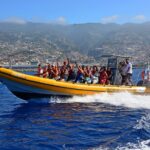
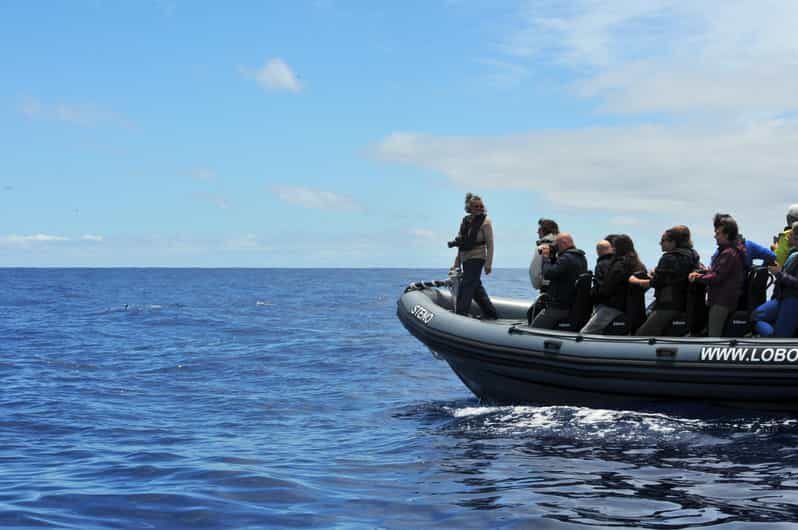
Off Madeira’s southwest coast, whales and dolphins are wild animals, not a scheduled show. This two-hour RIB trip puts you on the water with a captain and marine biologists who look for cetaceans while giving them space. The boat, Steno, has hydraulic suspension seats designed to soften wave impact.
Two things I especially like here are the conservation-first approach, recognized through the World Cetacean Alliance, and the combination of expert interpretation with a chance to listen through a hydrophone when conditions permit. The main trade-off is simple: you may see few animals, or none, and the open-water ride is not a good fit for people prone to motion sickness or with back problems.
At a glance
- Hydraulic suspension seating helps absorb wave impact on Steno, a RIB built for this tour.
- Small group, maximum 18 people, means less crowding around the wildlife and a more personal trip.
- Marine biologists on board explain the animals and their behavior as you search.
- Hydrophone listening may be possible when weather and sea conditions cooperate.
- Wildlife sightings are not guaranteed, and the crew’s priority is to respect the animals’ space.
- The advertised price is $75 per person, including safety equipment, fuel and operational costs.
👉 See our pick of the 6 Best Workshops And Classes In Madeira
- At a glance
- From Calheta, out toward Madeira’s wildlife
- The briefing, then two hours on the water
- Watching wildlife without crowding it
- Hydrophones, island views and the ride itself
- Is good value?
- Who should book this Calheta trip?
- Should you book?
- FAQ
- How long is the tour?
- Where does the tour start?
- What language is the tour in?
- How many people can join?
- Are whale or dolphin sightings guaranteed?
- What is special about the boat’s seats?
- Can I listen to marine life underwater?
- What should I bring?
- Who is the tour not suitable for?
- The Best Of Madeira!
- More Tours in Madeira
- More Tour Reviews in Madeira
- Not for you? Here's more nearby things to do in Madeira we have reviewed
From Calheta, out toward Madeira’s wildlife
 1 / 5
 2 / 5
 3 / 5
 4 / 5
 5 / 5
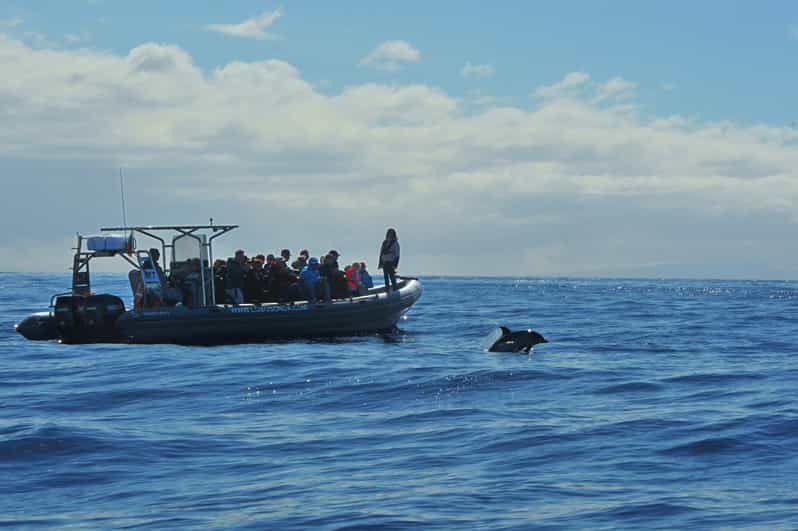
Lobosonda operates from Calheta on Madeira’s southwest coast. Your trip begins at the company’s whale-watching base, where you meet the crew and get a safety briefing before boarding. The boat is a rigid inflatable boat, or RIB, with a maximum capacity of 18 passengers.
The compact format suits this kind of outing. You are on the water to scan for animals, listen to the guide and take in the island from offshore, not to settle into a large sightseeing boat with a crowd between you and the view. A small group can also make it easier to hear explanations and ask questions.
Steno’s most distinctive feature is its Ullman hydraulic suspension seating. RIBs can feel lively when the sea is choppy, so seats designed to absorb wave impact matter more than a fancy extra. They do not make the boat motionless, but the cushioned, shock-absorbing seats are repeatedly praised by people who have taken the trip.
The crew’s names vary by departure. Marine biologists named by people who have joined include Juliette, Paula, Gemma and Claudia, alongside captains such as Daniel. The tour is listed with a live English guide, and some departures may include explanations in other languages, but you should not count on a particular guide or language beyond English.
You can also read our reviews of more tours and experiences in Madeira.

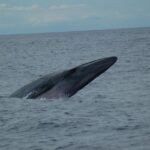
The briefing, then two hours on the water
The itinerary includes a 30-minute safety briefing in Calheta before the whale-watching portion. The activity is advertised as two hours, while its schedule separately lists a two-hour wildlife outing after that briefing. Since those details leave the total time on site unclear, confirm the expected end time with Lobosonda when planning the rest of your day.
In the briefing, the crew gives safety guidance and helps you understand what to expect aboard the RIB. Life jackets and other necessary safety equipment are provided. Wear comfortable clothes and bring water, sunscreen and a camera; conditions at sea can feel different from those on shore, so it is sensible to dress for the outing rather than assuming the boat will be sheltered.
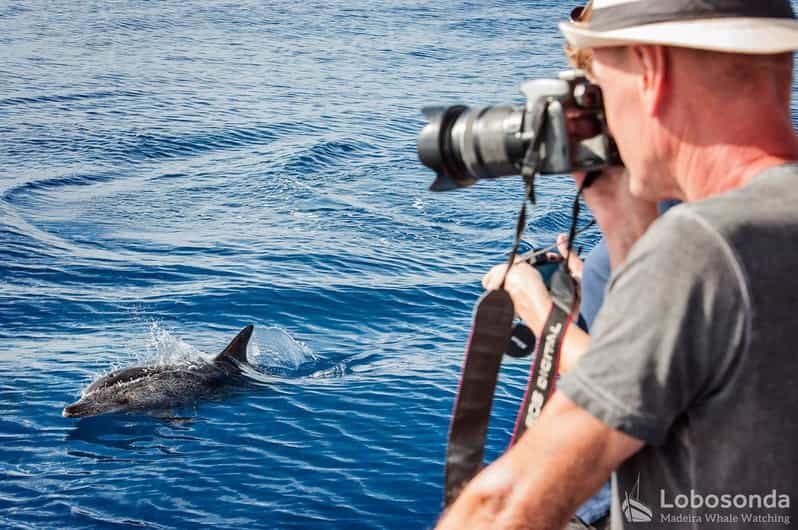
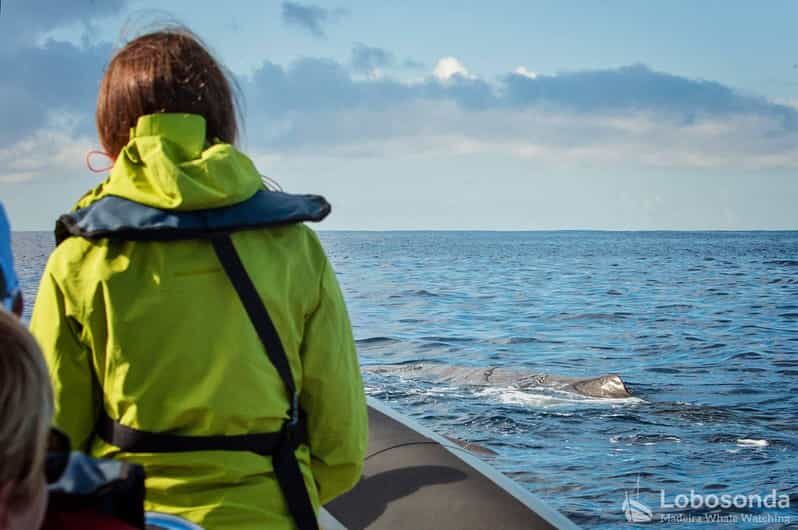
Once underway, the captain and guide search Madeira’s waters for cetaceans. This is not a set route with a guaranteed stop at a known animal. The crew is looking for wildlife in its natural environment, and sightings depend on where animals are and what sea conditions allow.
That uncertainty is part of the deal. You might see dolphins, whales, seabirds or flying fish, as people have reported on different trips, but none can be promised. A clear explanation of this before you book is a good sign: responsible wildlife watching means accepting that animals set the terms.
The marine biologist adds value even when a sighting is brief. Instead of simply pointing out a fin, the guide can share information about the marine life you encounter and answer questions. The explanations help you make sense of what you are seeing, rather than treating a distant animal as just a photo opportunity.
Watching wildlife without crowding it
Lobosonda was the first Madeira partner recognized by the World Cetacean Alliance as a Respectful whale watching company. The guiding idea is straightforward: you are visiting the animals’ home, so the crew should behave accordingly. That means putting animal welfare ahead of getting as close as possible or prolonging a sighting for its own sake.
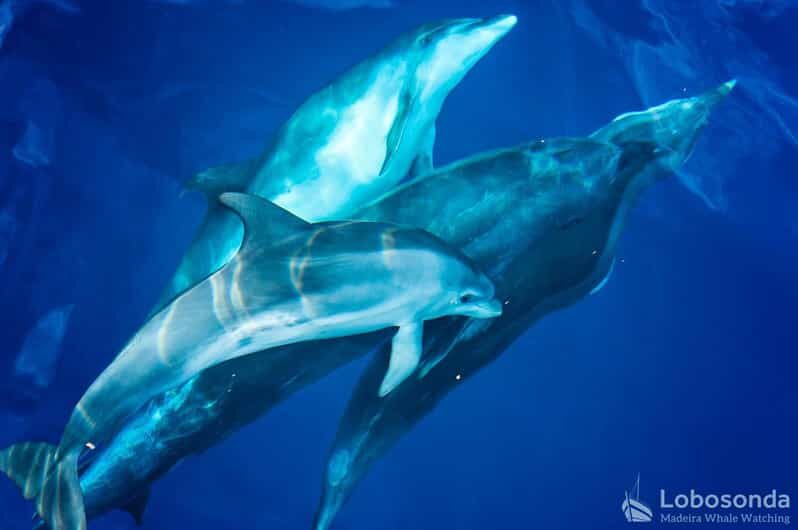
People on past trips have seen a range of species, including fin whales, pilot whales, sperm whales, beaked whales and several kinds of dolphins. Others have seen dolphins and flying fish but no whale. These examples show the variety that may be out there, not a forecast for your departure.
The respectful approach is especially important if you are hoping for a close encounter. The crew may approach animals calmly, but they should not chase or crowd them. If an animal shows signs of discomfort, the observation can be stopped. That may mean a shorter sighting than you hoped for, but it is the right trade-off for a tour that puts conservation into practice.
For me, this ethic is a core part of the value. You are not paying for a guaranteed animal encounter, because no operator can control wild animals. You are paying for time on the water with a trained crew, a chance to observe marine life, and an approach that treats the animals as more than a spectacle.
Hydrophones, island views and the ride itself
When weather and sea conditions allow, the crew may use an onboard hydrophone to listen to marine sounds. It is an optional part of the trip, not something to expect on every departure. Still, it offers a different way to connect with the environment: you are not only watching the surface, but may also hear sounds from below it.
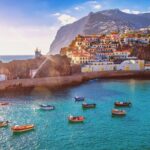
The boat ride is part of the outing, not just transport to a viewing point. The trip heads out from Madeira’s southwest coast, with views back toward the island. Some people enjoy the speed of the RIB, while others value the ride for its scenery and the chance to be out at sea. Hydraulic seats make the experience more comfortable, but they cannot remove all motion or make a rough sea feel smooth.
If you are choosing where to sit, one person who joined the tour specifically recommended the front seats. That position may suit you if you want the open view and do not mind a more exposed ride. If comfort is your priority, ask the crew for guidance when you board rather than assuming any one seat is best for everyone.
Is $75 good value?
At $75 per person, this is a mid-priced wildlife outing with several useful inclusions: a small-group format capped at 18, marine biologists and an experienced captain, a RIB with suspension seating, safety gear, fuel and operational costs. You do not need to pay extra for the basic boat operation or equipment.
The price makes the most sense if you value the quality of the outing as much as the number of animals seen. The small passenger limit, specialist seating and conservation-minded operation are meaningful advantages over a trip where the main aim is to get close to wildlife quickly. If your only measure of value is a guaranteed whale sighting, no wildlife tour can promise that.
Professional photographs are not included as a free extra. One person who joined the trip expected to download photos from the operator’s website and found they were for purchase. If taking home pictures matters to you, ask about the photo arrangement before departure and bring your own camera.
You can reserve now and pay later, and cancellation is free up to 24 hours in advance for a full refund. Those options are helpful if Madeira’s changeable conditions make you prefer flexible plans, but they do not change the basic uncertainty of wildlife sightings.
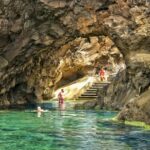
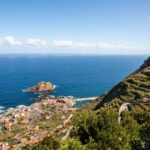
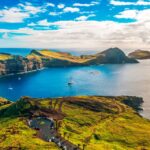
Who should book this Calheta trip?
This trip is a good match if you want a small-group outing, enjoy learning from marine biologists and care about seeing wildlife responsibly. It can also suit you if the boat ride and views are part of the appeal, rather than a consolation prize should the animals stay out of sight.
It is not suitable for children under five, pregnant women, people with back problems or anyone prone to seasickness or motion sickness. Take those restrictions seriously: a RIB ride is an open-water activity, and cushioned seats do not eliminate the movement of the sea.
Bring a camera, sunscreen, water and comfortable clothes. Pets, feeding animals and touching marine life are not allowed. Most importantly, arrive with realistic expectations. You could have a remarkable sighting, or a quieter trip with a few animals at a distance. The crew’s job is to search, explain and act responsibly, not to make nature perform.
Should you book?
Book this tour if you want a thoughtful wildlife outing with a small group, marine biologists and unusually comfortable seating for a RIB. The strongest reasons to choose it are the crew’s respectful approach and the chance to learn while you look, with hydrophone listening as a possible bonus.
Skip it if you need guaranteed sightings, dislike fast boat rides or are vulnerable to motion sickness. If you are comfortable with uncertainty and want to see Madeira’s marine life on its own terms, Lobosonda’s Calheta trip is a worthwhile choice.
Calheta: Respectful Ocean Wildlife Experience by RIB
FAQ
How long is the tour?
The activity is advertised as two hours. The schedule also lists a 30-minute safety briefing before a two-hour whale-watching outing, so check with Lobosonda about the total time from arrival to return.
Where does the tour start?
It starts at Lobosonda Madeira Whale Watching in Calheta, Madeira.
What language is the tour in?
The live tour guide is listed as speaking English. Crew members and explanations in other languages may vary by departure.
How many people can join?
The small-group RIB has a maximum capacity of 18 passengers.
Are whale or dolphin sightings guaranteed?
No. Whales and dolphins are wild animals, and sightings depend on their movements and sea conditions. There is no refund if no wildlife is seen.
What is special about the boat’s seats?
Steno has Ullman hydraulic suspension seating designed to absorb wave impact and improve comfort in lively sea conditions.
Can I listen to marine life underwater?
The crew may use a hydrophone when weather and sea conditions allow. It is not guaranteed on every trip.
What should I bring?
Bring a camera, sunscreen, water and comfortable clothes. Life jackets and necessary safety equipment are provided.
Who is the tour not suitable for?
It is not suitable for children under five, pregnant women, people with back problems, or people prone to seasickness or motion sickness.
You can check availability for your dates here: