Koyasan is the surprise at the heart of this six-day trip. After Osaka’s neon-lit Dotonbori and a morning among Nara’s deer, you sleep in a working mountain temple, eat a vegetarian Buddhist dinner and join the monks for morning prayers before heading to Hiroshima.
I like the mix of planned highlights and free time, which leaves room to choose your own Osaka stops, and the practical help of a group leader across several train and ferry journeys. The trade-off is pace: you change cities often, rise early for Nara and Koyasan, and have only a short time in each place.
- Five details to know before you book
- What this six-day route does well
- Day 1: Dotonbori, local dishes and karaoke
- Day 2: Free time, Osaka Castle and Shinsekai
- Day 3: Nara’s deer and a temple night in Koyasan
- Day 4: Morning prayers and Hiroshima’s Peace Park
- Day 5: Miyajima’s shrine, forests and torii gate
- Day 6: Return to Osaka
- Is id="section-0",395 good value?
- Who should choose this tour?
- FAQ
- Where does the tour start?
- Which airport should I use to reach Osaka?
- Are airport transfers included?
- What time should I arrive on Day 1?
- What time does the tour finish on Day 6?
- Is the accommodation private?
- How much spending money should I bring?
- Are meals included?
- What is the age range and group size?
- Should you book it?
- The Best Of Osaka!
- More 6-Day Experiences in Osaka
- More Tours in Osaka
- More Tour Reviews in Osaka
- Not for you? Here's more nearby things to do in Osaka we have reviewed
Five details to know before you book
 1 / 10
 2 / 10
 3 / 10
 4 / 10
 5 / 10
 6 / 10
 7 / 10
 8 / 10
 9 / 10
 10 / 10
- Koyasan means a temple stay, not just a temple visit. You sleep on twin tatami mats, share a locally sourced vegetarian dinner and join the morning service.
- Osaka gives you room to roam. Day 2 has free time for Shinsaibashi, AmericaTown, Spa World or Den-Den Town before the group meets for the castle and Shinsekai.
- Hiroshima’s memorial visit has time set aside for reflection. A local guide leads you through the Peace Memorial Park, followed by the museum.
- Miyajima takes more than a quick photo stop. The ferry, Itsukushima Shrine and Hall of 1,000 Mats are included, with an afternoon to explore at your own pace.
- You share rooms and travel with a small group. The group size is 3 to 20, the age range is 18 to 59, and the hotels and temple rooms are twin-share.
👉 See our pick of the 24 Best Workshops And Classes In Osaka
What this six-day route does well
This trip links very different sides of Japan without asking you to plan each transfer yourself. Osaka brings food, shopping and city energy; Koyasan offers a quieter overnight in a temple town; Hiroshima asks for a slower, more reflective visit; and Miyajima adds wooded trails, shrine buildings and the famous torii gate offshore.
That variety is the tour’s chief value. You get a structured introduction to several places that can be tricky to connect in a short visit, with trains, local transfers and the ferry included. A group leader helps keep the logistics moving, while local guides add context in key places, especially Hiroshima.
It is also a social trip. The group size is capped at 20, and the first evening’s food walk and karaoke are easy ways to meet people. Past guides named in trip feedback include Ashleigh, Jordan, Charlie, Georgi and Kassy. Your guide will depend on your departure, but guide support is a central part of the format.
The pace is the main compromise. In six days, you move from Osaka to Nara, Koyasan, Hiroshima and Miyajima, then return to Osaka. Some days combine sightseeing with several transport legs, and you will need to be ready for early starts. Think of this as a fast, well-supported sampler, not a slow stay in any one place.
You can also read our reviews of more tours and experiences in Osaka
Day 1: Dotonbori, local dishes and karaoke
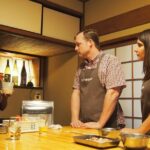
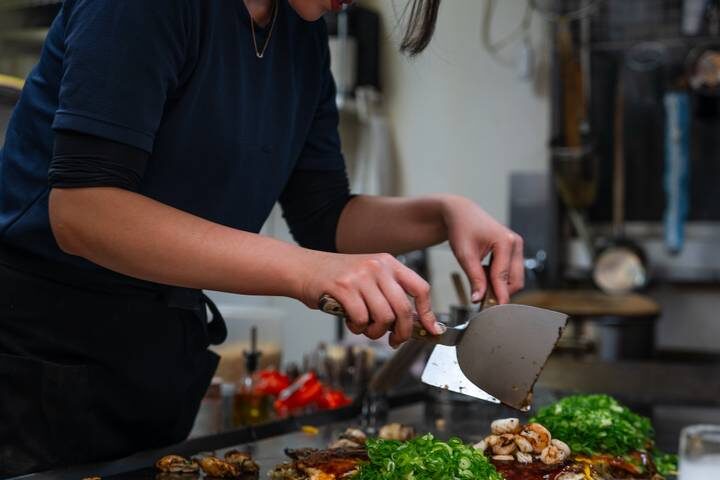
Arrive in Osaka and settle into the hotel at your own pace. Airport transfers are not included, so you will need to make your own way to the accommodation. The first group activity is an evening walk and food tour through Dotonbori, where neon signs, crowds and food stalls give you a lively first look at Osaka’s reputation as a food city.
The food tour is a good way to try local dishes without choosing every stop yourself, and it gives the group a natural first night together. One point to keep in mind: the tour is described as a short food walk, and one past participant felt the stops were less extensive than hoped. Treat it as a fun introduction, not a full culinary survey of Osaka.
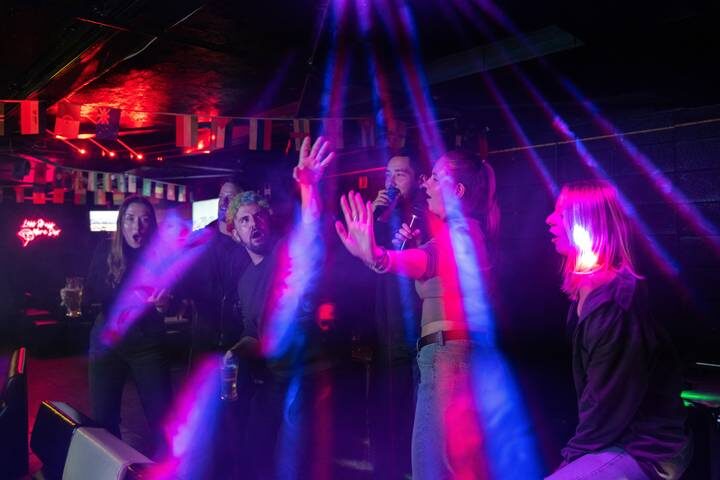
Drinks and karaoke round out the evening, with extended karaoke listed as optional. If you have an early start the next day, it may be wise to make the karaoke portion short. You’ll have two nights at a three-star hotel in Osaka, in a twin-share room.
Day 2: Free time, Osaka Castle and Shinsekai
The morning and much of the day are yours. That freedom is useful after the first night: choose a neighborhood or activity that fits your interests rather than following a packed sightseeing schedule.
Shinsaibashi is the main shopping district named in the itinerary. AmericaTown and Den-Den Town offer different reasons to wander, while Spa World is an option if you would rather spend time relaxing. These are suggestions, not included guided visits, so plan for your own spending and transport during free time.
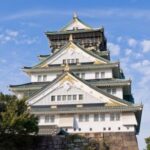
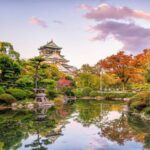
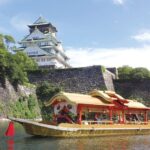
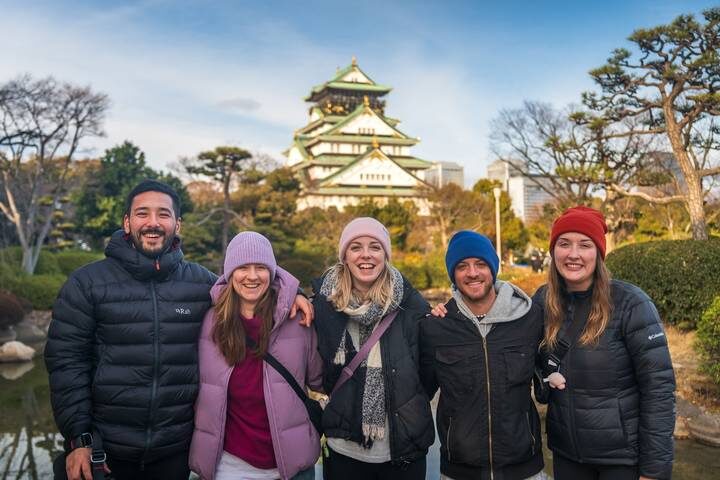
In the evening, meet the group for Osaka Castle and its gardens, then head to Shinsekai for dinner. The castle is a familiar landmark, but the gardens give you space to step back from the city streets. Shinsekai provides a contrasting setting for the evening, with a group walk that helps you get a feel for another part of Osaka. Dinner is not listed among the two included dinners, so budget for meals beyond the ones specifically provided.
Day 3: Nara’s deer and a temple night in Koyasan
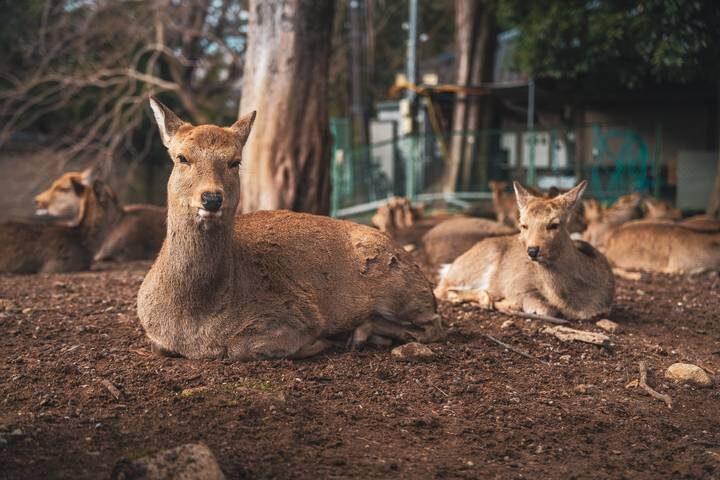
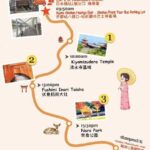
An early train takes you from Osaka to Nara, about 45 minutes away. Nara Park is best known for deer that roam freely around the grounds, alongside historic temples and broad paths. It is a memorable change of scene, though it can be busy, and the visit is just one part of a travel-heavy day.
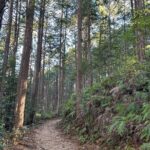
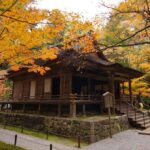
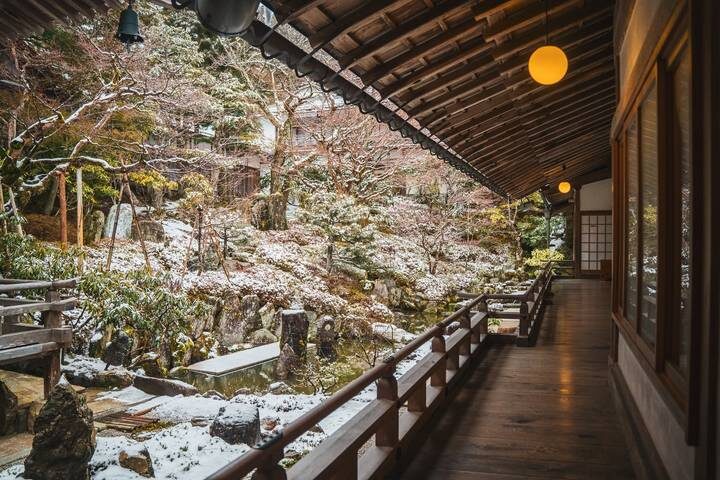
After Nara, return to Osaka to collect your bags, then continue to Koyasan by train, cable car and bus. The roughly 90-minute journey is part of the appeal: you leave the urban pace behind and reach a mountain temple town with a very different feel. You will stay at Hoon-In Temple or a similar property, on twin tatami mats.
The overnight is one of the most distinctive parts of the tour. You are staying in a temple, not simply stopping for a guided visit. Dinner is a vegetarian Buddhist meal prepared by the monks with local ingredients. If you have dietary needs, vegetarian, vegan and halal options are available on request, but contact the operator before departure to arrange them.
The trade-off is that temple lodging is simpler and less like a standard hotel stay. If a traditional setting appeals to you, that is a worthwhile change. If you need private rooms or hotel-style accommodation every night, the shared-room format and temple night may not suit you.
Day 4: Morning prayers and Hiroshima’s Peace Park
The day begins early with morning prayers and chanting, followed by a traditional temple-style breakfast. You’ll also have a little more time in Koyasan, including a visit to the Danjo Garan complex, before travelling back to Osaka and taking the bullet train to Hiroshima. The high-speed rail leg takes about 90 minutes, followed by a streetcar transfer to the city-centre hotel.
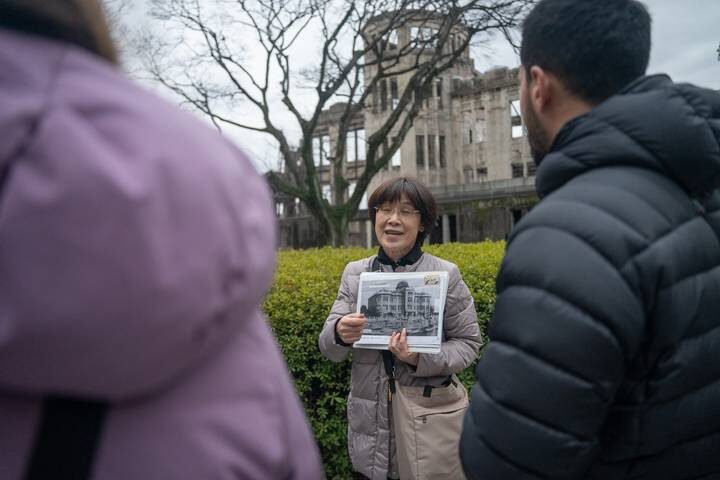
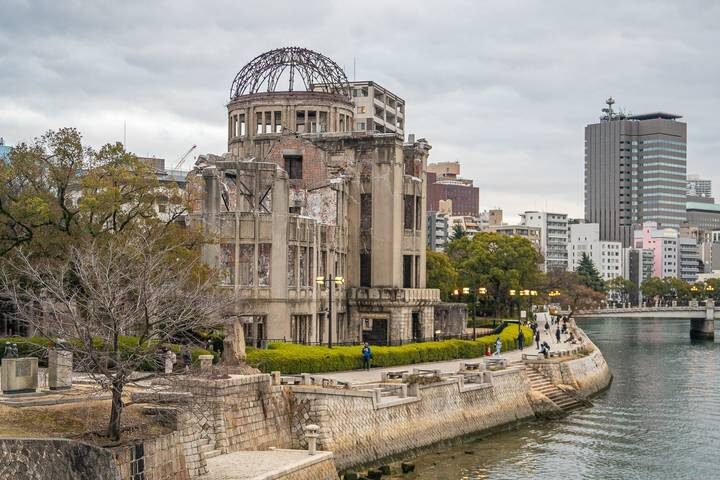
In Hiroshima, a local guide leads a visit to Peace Memorial Park. The Atomic Dome, peace bell and eternal flame are among the stops, with the Hiroshima museum included as well. This is not a light sightseeing afternoon. The site is powerful, and the museum gives you historical context for the destruction and its aftermath. Leave yourself room to take it in rather than treating the visit as a checklist.
The guided walk is especially useful here. The monuments and memorials carry meaning that can be easy to miss if you simply arrive, take photographs and move on. You stay two nights at Hotel Kuretakesou Otemachi or a similar three-star property, sharing a twin room.


Day 5: Miyajima’s shrine, forests and torii gate
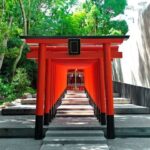
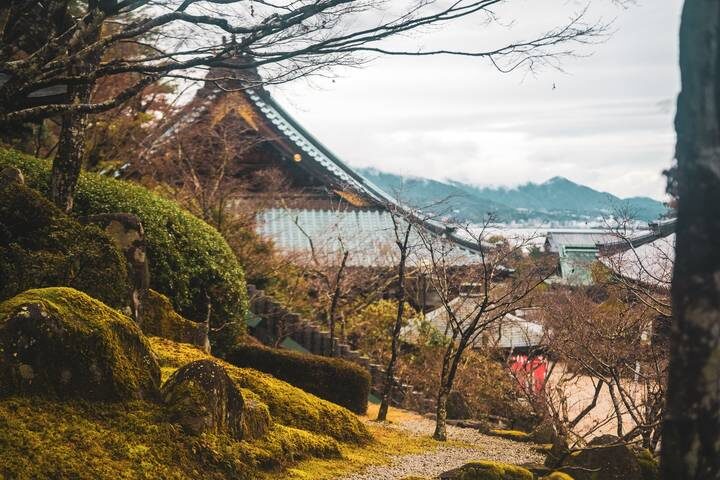
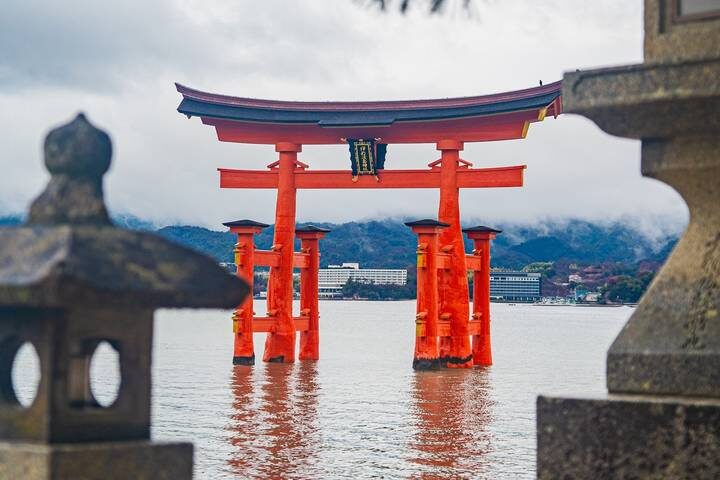
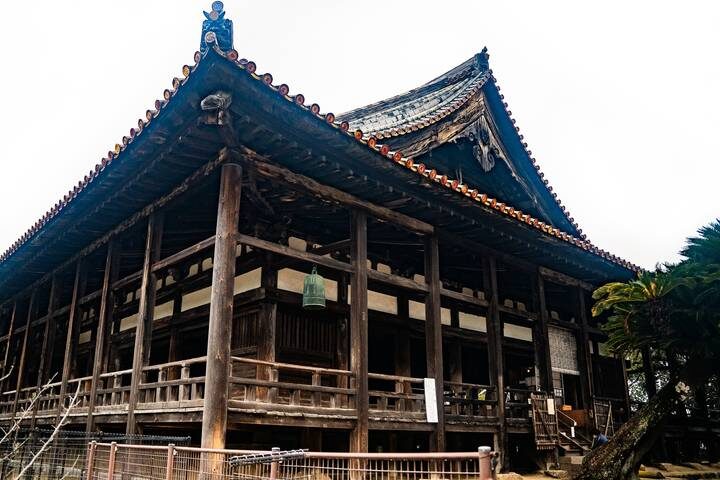
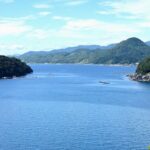
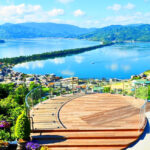
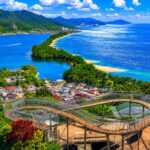
The journey to Miyajima combines local transport with a short ferry ride. Once on the island, you’ll visit Itsukushima Shrine and the Hall of 1,000 Mats, with time to see the Great Torii gate. At high tide, the gate appears to rise from the water, a view that has made it one of Japan’s most recognizable sights.
The afternoon is free for your own pace. You can spend more time around the shrine and island’s temples, or walk among the wooded surroundings. The tour does not specify a fixed set of afternoon activities, which is a plus if you like to wander without being hurried. It also means you should ask your guide about timing and meeting arrangements before setting off on your own.
In the evening, the group gathers for a final celebration dinner. This is one of the two dinners included in the trip. Miyajima is a fitting counterpoint to Hiroshima’s memorial sites: it offers a change of pace and scenery, while still keeping the day grounded in culture and place.
Day 6: Return to Osaka
The morning is free in Hiroshima. You might take a final walk through the Peace Memorial Park or go for an early run along the river, then board the train back to Osaka. The return train is included, and you can tell the guide what time you would like to travel so the ticket can be arranged.
The tour finishes in Osaka in the morning, but it is sensible to leave a buffer before an onward flight. A late evening flight from Kansai International Airport is considered workable; the operator advises against booking a flight earlier than mid-afternoon. Airport transfers are not included, so you’ll need to arrange your own trip to KIX.
Is $1,395 good value?
The tour starts at $1,395. For that price, you get five nights of accommodation, all listed intercity and local tour transport, a group leader and local guides, several major visits, five breakfasts and two dinners. Included transport covers the bullet train, cable car, bus and other planned travel, but not airport transfers, optional activities or transport during free time.
That package is useful if you value having the route and key logistics handled. A solo traveler, first-time visitor to Japan or anyone short on planning time may find the guide support and included transport especially worthwhile. It also gets you into Koyasan for the temple overnight, which takes more coordination than a simple city hotel stay.
Do not mistake the price for an all-inclusive holiday. You will still pay for flights, travel insurance, meals beyond the included ones, personal spending and optional activities. The operator suggests bringing about $400 AUD for the six days, with most spending money in cash, though you can withdraw more during the trip. The price is listed from $1,395, so check the currency and exact departure price before booking.
Who should choose this tour?
This works best for adults aged 18 to 59 who want a quick, social introduction to western Japan and are comfortable sharing a room. The low physical rating suggests light activity, but you should still expect walking, early starts, stairs and several changes of transport. The schedule moves quickly, so a little flexibility helps.
It is a strong option if you are new to group travel, travelling solo, or want the comfort of having a guide manage the transitions between cities. Past trip guides have been praised for keeping the group informed, helping with navigation and making sure people feel included. Names vary by departure, but the tour’s guided structure is designed to support the group throughout.
I would look elsewhere if you want a private room, are outside the stated age range, or prefer several unplanned days in each city. The operator says it cannot accommodate anyone over 59, and the listed accommodation is twin-share, including the temple stay. For a longer, less compressed visit to Japan, this six-day route may feel like an introduction rather than a complete trip.
Osaka Hiroshima Snapshot 6 Day – One Life Adventures
“I am a 58 year old woman who travelled with my adult daughters. We enjoyed the tour very much. Charlie was a competent guide who was very professio…”
FAQ
Where does the tour start?
The tour starts in Osaka. The listed meeting point coordinates are 34.693731, 135.502356.
Which airport should I use to reach Osaka?
Kansai International Airport, code KIX, is the recommended airport for Osaka. Airport transfers are not included, so you will need to arrange your own transport to the hotel.
Are airport transfers included?
No. Airport transfers are excluded from the tour price. The operator says travelers commonly use Osaka’s metro and that the guide can be contacted for help.
What time should I arrive on Day 1?
Plan to reach the hotel in time to settle in and join the early-evening Dotonbori food tour. The tour does not include an airport pickup.
What time does the tour finish on Day 6?
The group returns to Osaka in the morning. The operator advises against booking an onward flight earlier than mid-afternoon; a 23:00 flight from KIX is considered workable.
Is the accommodation private?
No. The listed rooms are twin-share, including the twin tatami room at the temple. The trip information does not list private rooms.
How much spending money should I bring?
The operator recommends about $400 AUD for the six-day tour. It advises carrying cash for most spending, with opportunities to withdraw more during the trip.
Are meals included?
Five breakfasts and two dinners are included. The Koyasan dinner is a vegetarian Buddhist meal, and vegetarian, vegan and halal food options can be requested.
What is the age range and group size?
The tour is for ages 18 to 59, with group sizes from 3 to 20. The operator says it cannot accept travelers over age 59.
Should you book it?
Book this tour if you want Osaka, Nara, Koyasan, Hiroshima and Miyajima in six days, and you’re happy to trade lingering for variety. The temple night, guided Peace Park visit and included train travel give the trip real substance, while free time keeps it from feeling like one long procession. Just go in ready for early starts, shared rooms and a brisk pace.