
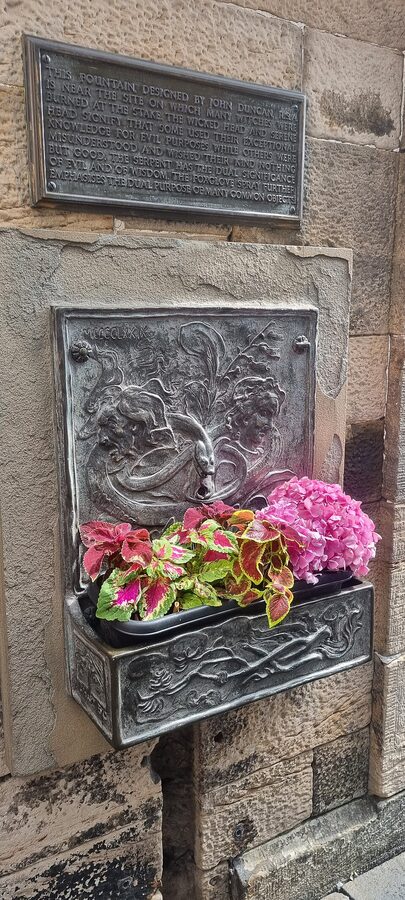
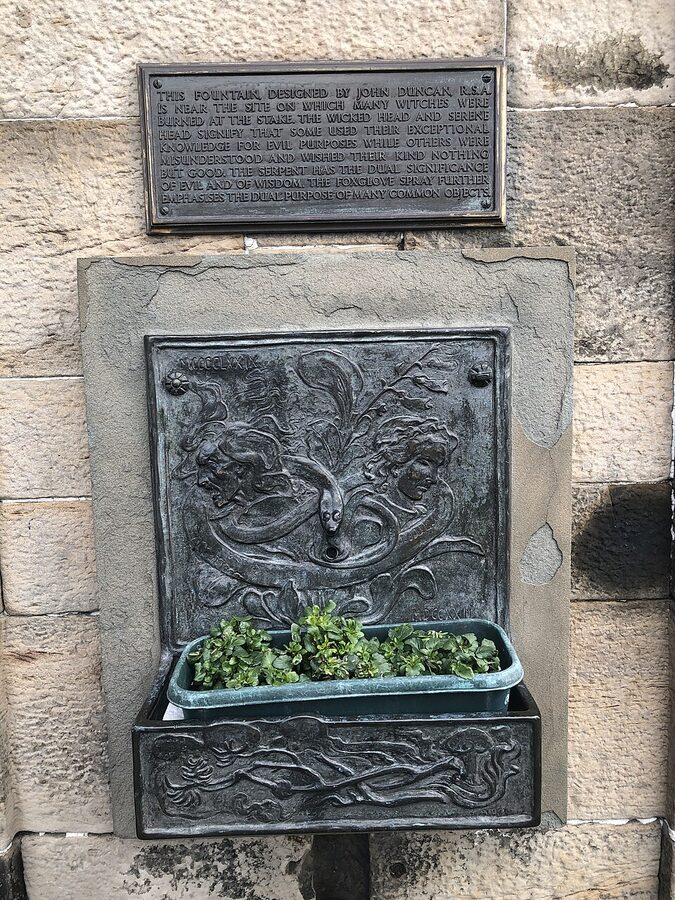
The guide stops at the Witches’ Well, on the wall of the Tartan Weaving Mill at the top of Castle Esplanade, and starts reading names. Lilias Adie. Janet Horne. Agnes Sampson. He has a list. He gets through about thirty before the light fully goes. The cast-iron drinking fountain behind him commemorates the roughly 300 women, and a handful of men, executed for witchcraft on this exact slope between 1479 and 1722. There is no theatre in the moment. Just the names, the wall, and the wind off the castle rock.
That is what an Edinburgh Dark Side walking tour does. It walks you across the Old Town at street level, on foot, and a guide stitches the worst of the city’s history onto the actual buildings and corners where it happened. It is not the Comedy Horror Ghost Bus. It is not the Underground Vaults. It does not go below ground or behind any door. You stay on the cobbles. The history does the work.
This guide tells you which version to book, what the route actually covers, and where the Dark Side fits next to Edinburgh’s other dark-history options. There are several variants and they are not interchangeable.
- In a Hurry? Three Picks
- What the Dark Side tour actually covers
- The stops that do the work
- Burke and Hare: the part everyone wants
- The three Dark Side variants worth booking
- 1. Edinburgh Darkside Walking Tour: Mysteries, Murder and Legends:
- 2. Edinburgh Old Town History and Tales Walking Tour:
- 3. Witches Old Town Walking Tour and Underground Vault:
- The witches material, properly
- Day vs evening: which to pick
- The graveyards: which the tour stops at, which it doesn’t
- What’s actually in the script and what isn’t
- Where to meet, what to bring, who not to bring
- Combining with the rest of Edinburgh
- Dark Side vs Vaults vs Ghost Bus: a decision tree
- Booking practicalities
- If you’re staying further out
- More Edinburgh History and Old Town Picks
In a Hurry? Three Picks
Best for most visitors: Edinburgh Darkside Walking Tour: Mysteries, Murder and Legends from $29. Two hours, Sandemans guide, the canonical Old Town route. The default everyone should book first.
Best daytime alternative: Edinburgh Old Town History and Tales Walking Tour from $24. Same streets in daylight, more royal-history weight, less ghost. Good if you’ve got kids or you don’t want full dark.
Best combo with the vault below: Edinburgh: Witches Old Town Walking Tour and Underground Vault from $24. 75 minutes, includes a stop in a real Niddry Street vault. Pick this if you want the witches material plus a brief underground.
What the Dark Side tour actually covers
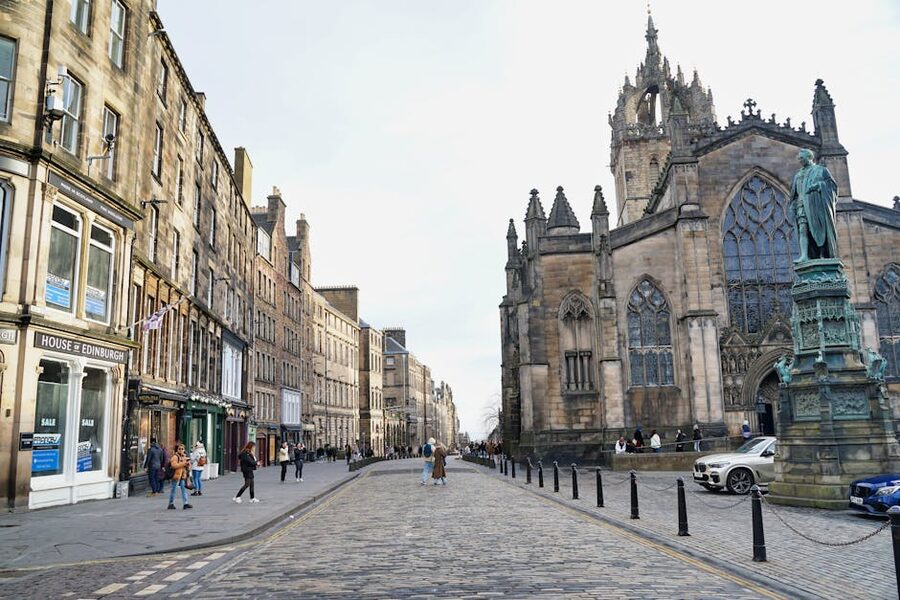
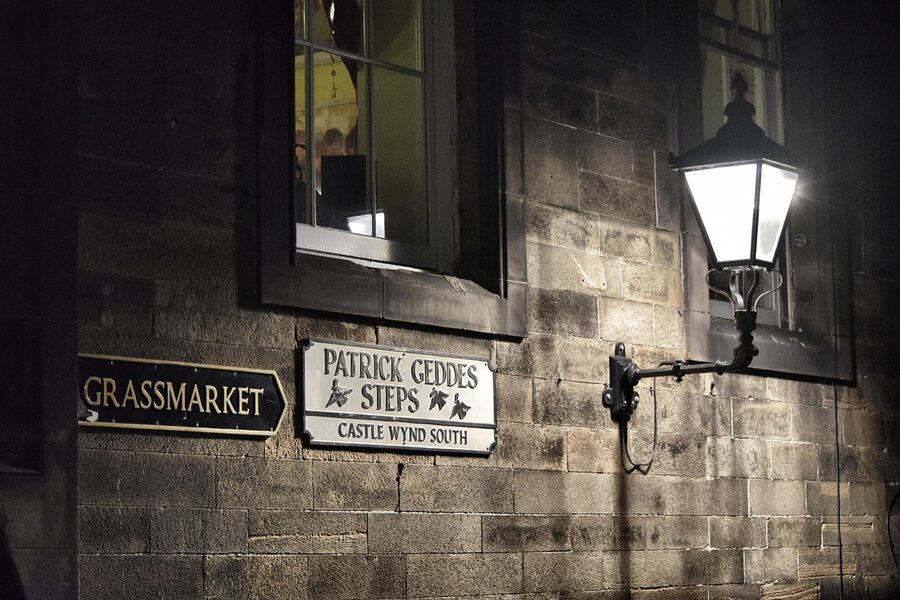
The Dark Side tour is roughly two hours, walks about a kilometre of pavement and cobbles, and stays in the Old Town the whole way. The standard route is a loop. You start near Castle Esplanade, drop down to the Grassmarket, climb West Bow, cross to the Royal Mile, work along to Canongate, and end somewhere near a working pub.
You stop a lot. Each stop is a building, a corner, or a feature with a specific bad story attached. The guide tells you who, when, what happened, and what part of it is myth. Good guides are explicit about which parts of the story are documented and which got pasted on later by Victorian writers. Bad guides pretend it’s all true. The Sandemans flagship version is the one most people end up on, and our full review of the Darkside Walking Tour has the long take on guide quality.
What you will not get on a Dark Side tour: actors in costume, jump scares, animatronics, or anyone in a cape. The good operators run this as social history with bite, not as a haunted attraction. If you want full theatre, book the Comedy Horror Ghost Bus instead. Different product, different vibe, also good. Don’t pick one expecting the other.
The stops that do the work
If you only remember three stops afterwards, they will probably be these.
The Witches’ Well, Castle Esplanade. The hook for the whole tour. About 300 women and a handful of men were strangled at a stake and then burned in the slope between the Castle and the start of the Royal Mile, mostly between the Witchcraft Act of 1563 and the last execution in 1722. Most were poor. Most never saw a fair trial. The well is the only public memorial. Most guides give this stop ten minutes. The Sandemans guides usually give it more. It is the moment that sets the tone for everything else.
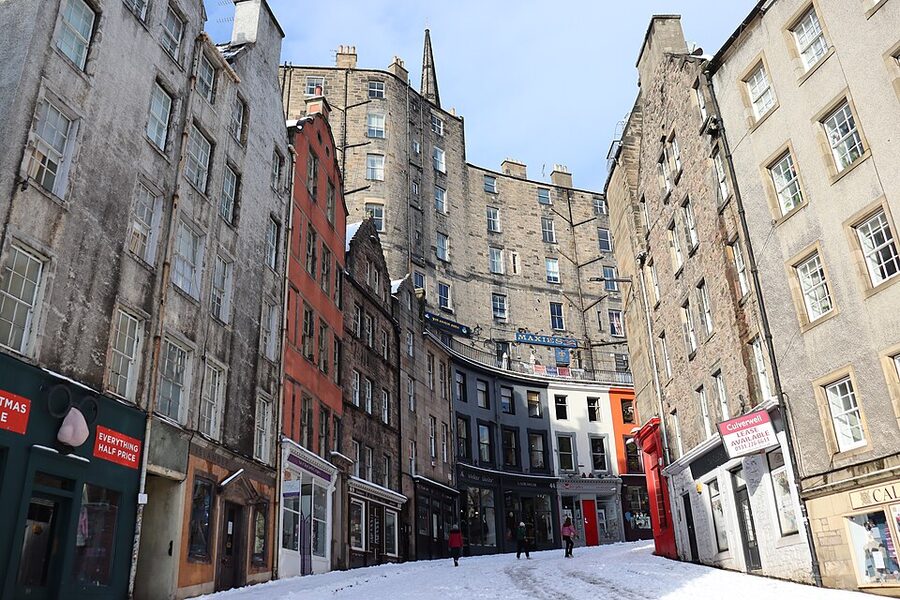
Major Weir’s house, West Bow. Major Thomas Weir was a respected Covenanter army officer and lay preacher. In 1670 he confessed, unprompted, to a long catalogue of crimes including incest with his sister Jean and a pact with the devil. Both were executed. He was strangled and burned at Greenside, with his walking stick burned alongside him because he was said to walk it as a familiar. His house on the West Bow stood empty for over a century afterwards because nobody would rent it. The site is gone, the corner is not. Your guide will stop you in the road and read the original confession out loud. It is not subtle.
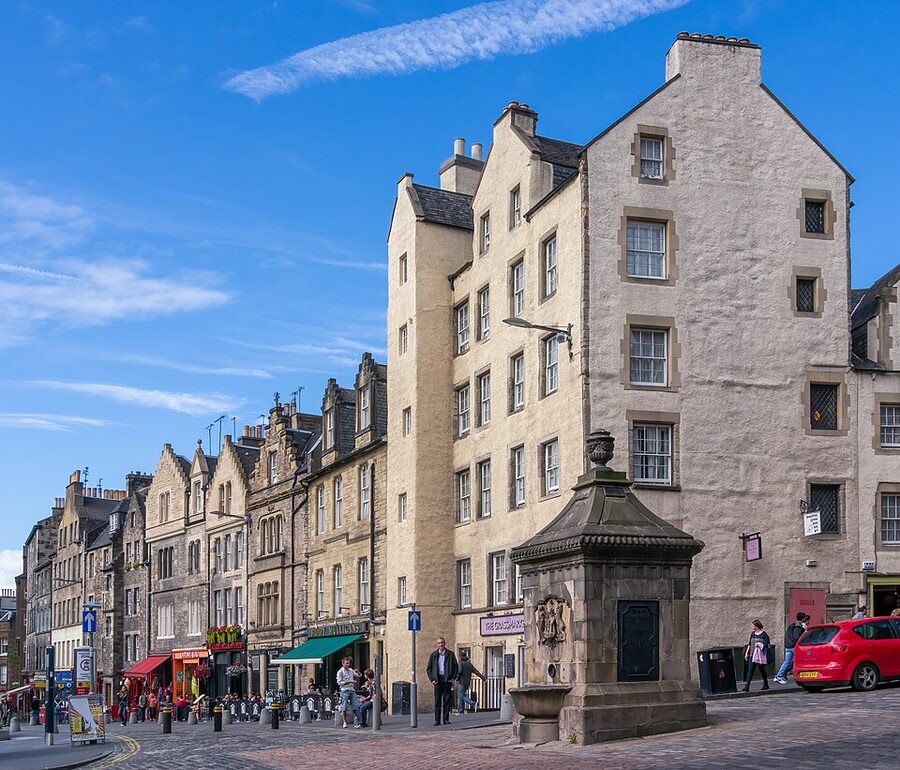
The Hangman’s Tree, Grassmarket. Set into the cobbles outside The Last Drop pub there’s a small memorial cross marking the position of the public gallows. Hundreds of people were executed here between roughly 1660 and 1784. Most were Covenanters, thieves, or both. The Last Drop’s name is the joke nobody finds funny by the second pint. Your guide will probably tell you about Maggie Dickson, the half-hanged fishwife who survived the drop in 1724 and walked back into Edinburgh under the legal principle that you couldn’t be hanged twice for the same crime. That story is true. The pub a few doors down trades on her name and is fine.
Burke and Hare: the part everyone wants
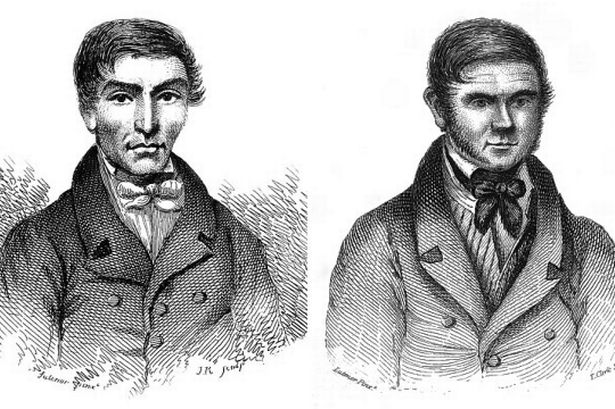
The Burke and Hare segment is the bit most visitors come for and it is well covered. Between November 1827 and October 1828 William Burke and William Hare killed 16 people in Edinburgh and sold the bodies to Dr Robert Knox at the medical school for dissection. They started by selling the body of an old lodger who died of natural causes in Hare’s lodging house in Tanner’s Close, off the West Port. Knox paid them seven pounds ten shillings. After that they stopped waiting for natural deaths.
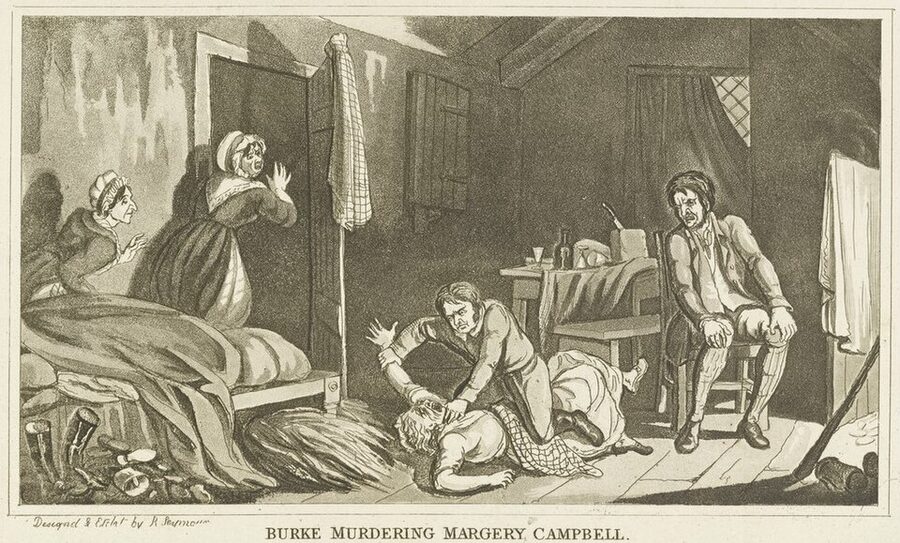
The tour walks you to the West Port and points to where Tanner’s Close was. The close itself is gone, demolished in slum clearances. The frontage is now a modern building. Your guide stops you on the pavement and reads the names of all 16 victims, who were almost all destitute and almost all women. Mary Paterson, an 18-year-old prostitute. Effie, an old woman who slept rough in the Cowgate. James Wilson, known as Daft Jamie, a well-known mentally disabled boy who half the city recognised. The fact Knox dissected Daft Jamie in front of his students, who immediately recognised the body, is what eventually broke the case open.
Knox was not prosecuted. Hare turned king’s evidence and disappeared. Burke was hanged on 28 January 1829, dissected by Knox’s rival Alexander Monro at the same medical school, and his skin was tanned and used to bind a small notebook that you can still see at the Surgeons’ Hall museum on Nicolson Street, a ten-minute walk south. If you want more on the body-snatching trade, our Edinburgh Vaults guide has more on the underground side of 1820s Edinburgh, since the resurrectionists used some of those passages to move bodies.
The three Dark Side variants worth booking
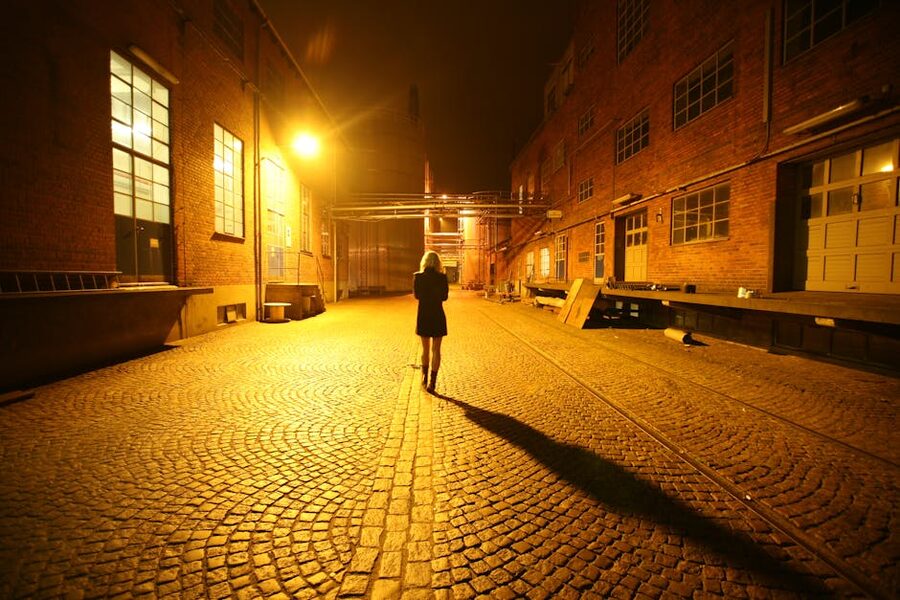
There are about five operators running serious Dark Side variants and another fifteen running half-decent ones. The pool below is the three I’d actually book on a first visit, in order. Each links to our full review for the long-form take, with affiliate links to the booking pages.
1. Edinburgh Darkside Walking Tour: Mysteries, Murder and Legends: $29
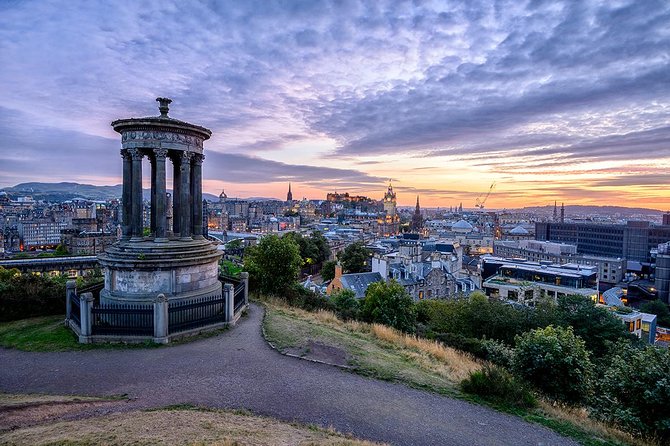
This is the default Edinburgh Dark Side tour everyone should book first. Our full review of the Sandemans Darkside tour covers guide quality, pacing, and the Burke and Hare section in detail. The guides genuinely know the city. Free cancellation 24 hours out and the route is wheelchair-tolerable down to the Grassmarket if you skip the West Bow climb.
2. Edinburgh Old Town History and Tales Walking Tour: $24
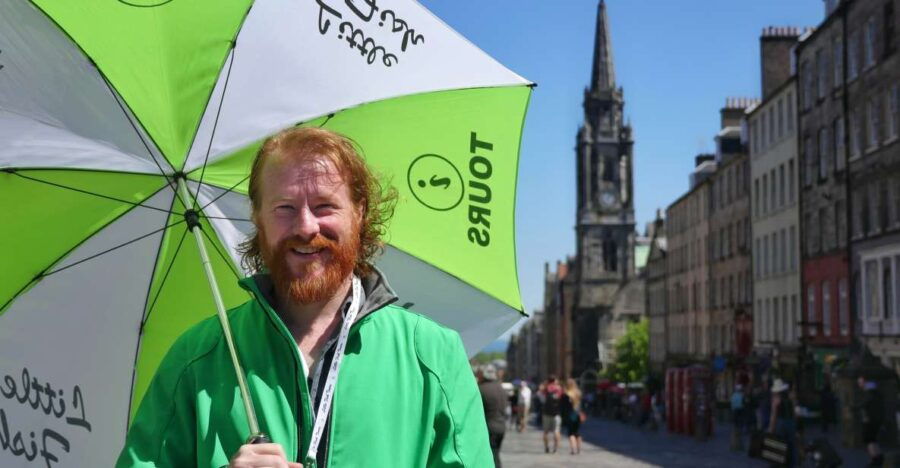
The afternoon version is for travellers who want the streets in daylight and the dark material softened. Our Old Town History and Tales review walks through the route and the kid-friendliness factor. It still covers Burke and Hare and the witches but with less night-tour drama and more Mary Queen of Scots.
3. Witches Old Town Walking Tour and Underground Vault: $24
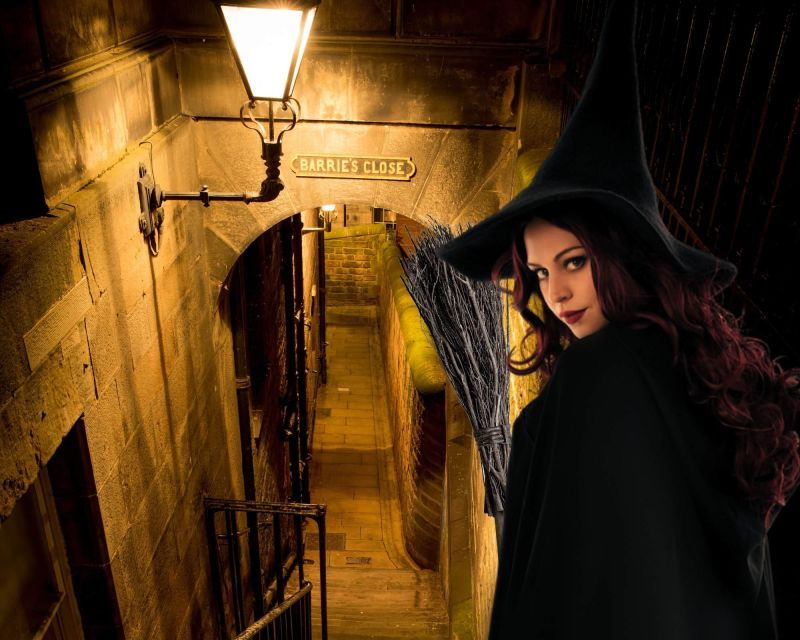
This one threads the needle between the Dark Side and our underground vaults guide. Our Witches and Vault tour review explains why the in-character guiding works for the witches material specifically. Pick this if you want both halves and you’re short on time.
The witches material, properly
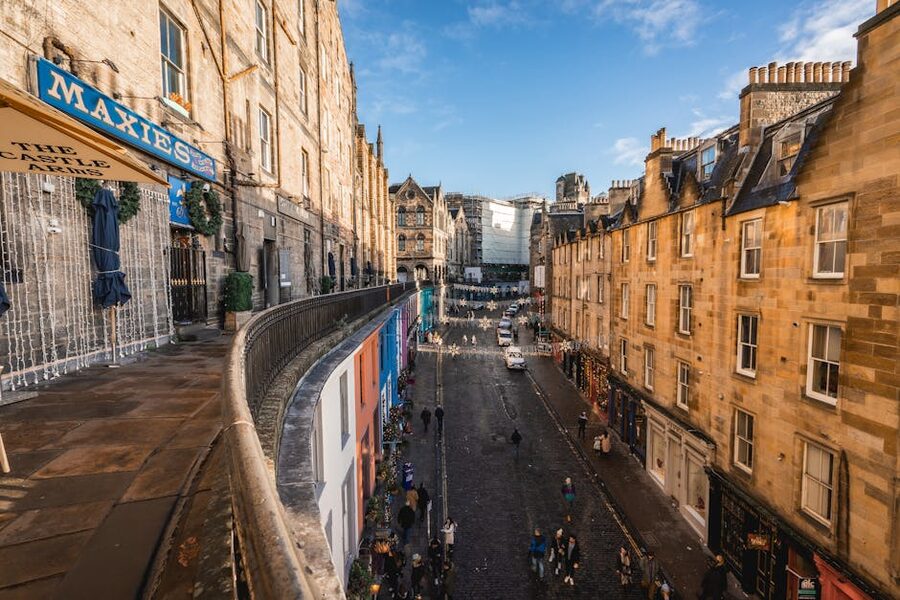
The witches section is the part that earns the tour its weight. Between 1563 and 1736 Scotland prosecuted around 4,000 people for witchcraft. About two-thirds were convicted. About 2,500 were executed. The rate per head of population was five times England’s, and ten times most of Europe’s. Edinburgh was not the worst per capita, but it was the most public.
The good Dark Side guides spend ten minutes on this and you should let them. The reasons it happened are not “ignorant peasants got carried away.” James VI and I personally championed the early prosecutions, wrote a book called Daemonologie in 1597, and pushed the legal framework that made convictions easy. The Kirk used the trials as social control. Land disputes, neighbour grudges, female independence, midwifery, and herbal medicine all fed the accusation pipeline. Most of the women executed were poor widows, healers, or women who’d argued with the wrong neighbour.
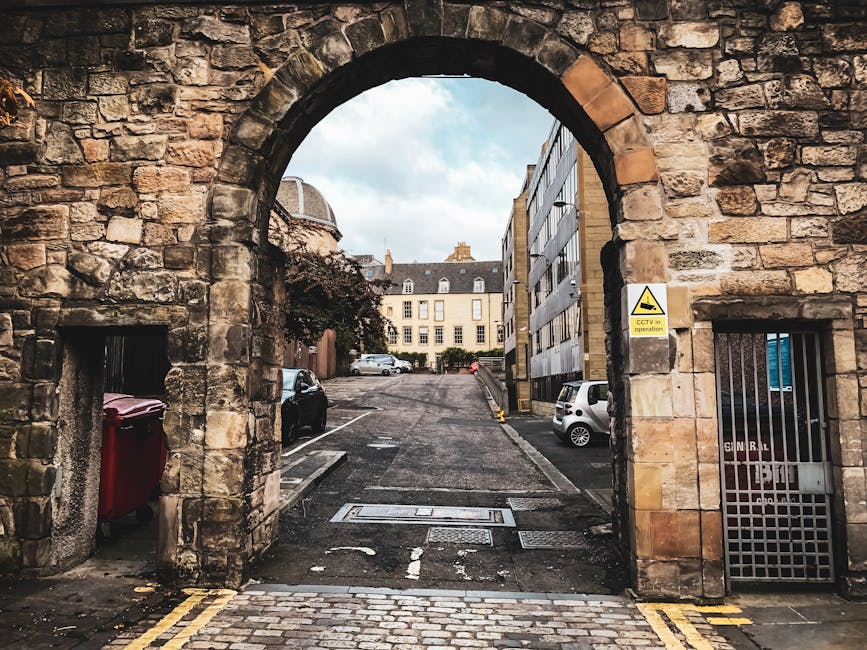
The tortures used in Scottish witchcraft trials are documented and the guides do not soften them. Sleep deprivation. The witch’s bridle, a metal cage round the head with spikes that pressed into the tongue. Pricking with needles to find the witch’s mark. Strangulation at the stake before burning, which was officially considered a mercy. Lilias Adie of Torryburn died in prison in 1704 before she could be executed. Her skull was sold to a museum and is now lost. The only documented Scottish witch buried by the sea, supposedly to prevent her returning, the only Scottish witch grave that survived. That’s the level of detail you get on the better tours.
If this section interests you, the closely-related Dark Secrets of the Old Town walking tour spends more time on it, and the flagship Dark Side route is the canonical version with the full Witches’ Well stop.
Day vs evening: which to pick
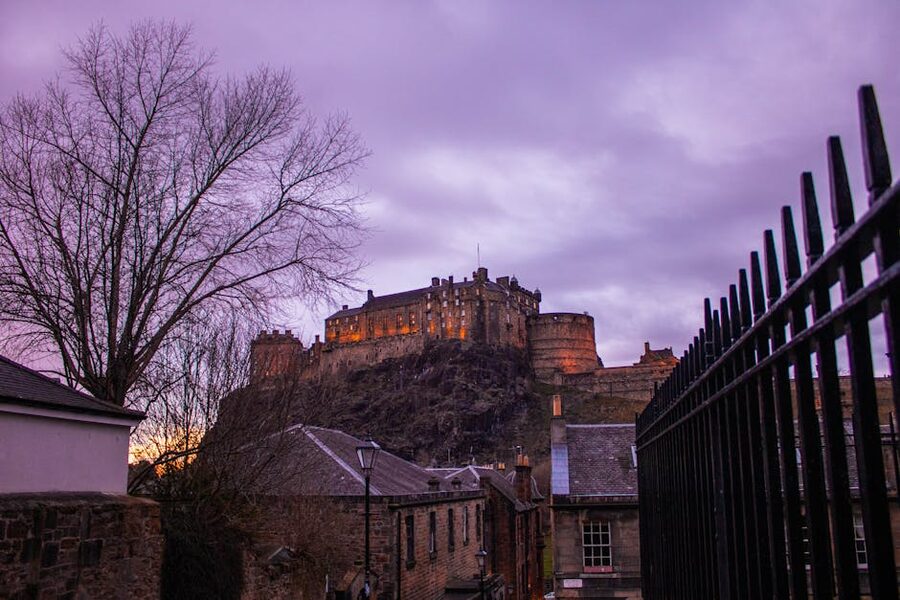
Both formats work. They are different products.
The afternoon tour is for people who want the history clean. You see the wynds and closes clearly, you can read the plaques, the guide can take questions for a long time without losing the group’s attention. Better for first-timers. Better if you’ve got kids old enough for the content. Better in winter when sunset is at 4pm and the “evening” tour is just regular night anyway.
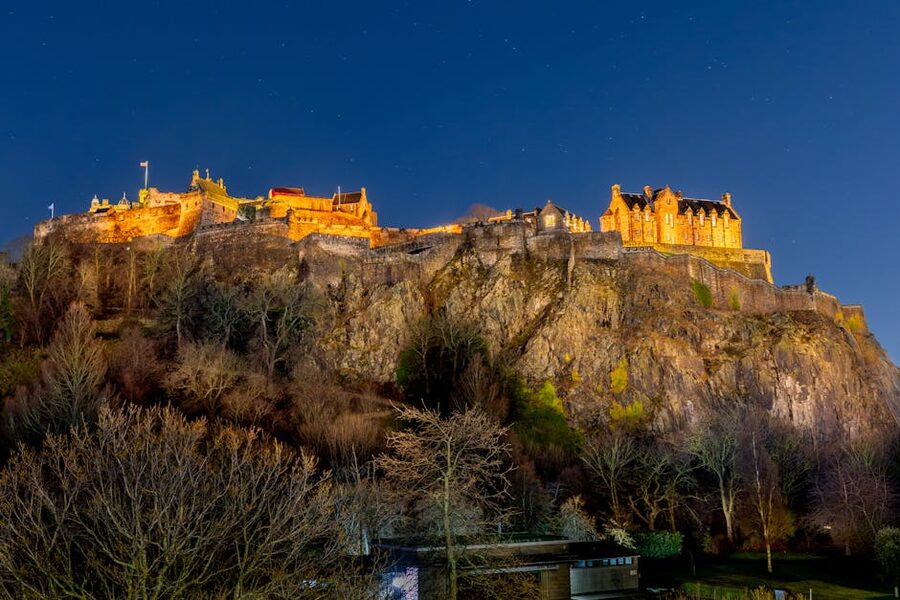
The evening tour is for people who want the city to do half the work. The Royal Mile after the day-trippers leave is genuinely a different street. Side closes you wouldn’t notice in daylight start to feel watched. Bagpipers go home around 8pm and the noise drops off. Your group will be smaller and the guide can talk longer at each stop without yelling. Pick the evening on a first visit if your group can handle the content. Pick the daytime if anyone is uncertain.
One quick warning. The tip-based “free” Dark Side tours that meet at St Giles’ or the Tron at 7pm are real but uneven. The good guides on those rotations also work the paid tours and use the free slots to fill quiet evenings. The bad ones learned the script off YouTube. The case material rewards expertise, not enthusiasm. I’d pay the $24 to $29 every time.
The graveyards: which the tour stops at, which it doesn’t
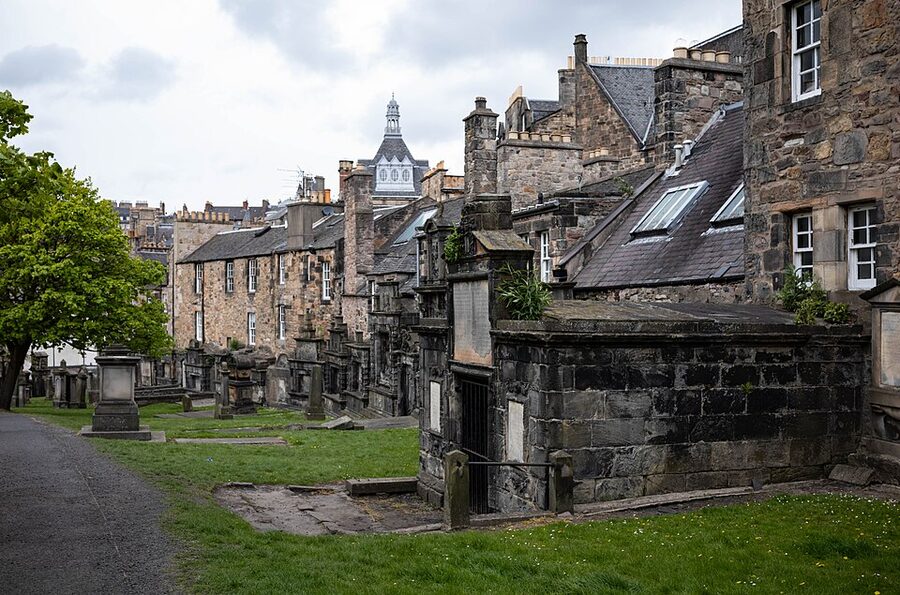
Edinburgh has at least four kirkyards on or near the Old Town tour routes. The Dark Side hits two of them, depending on the operator. Most stop briefly at Greyfriars Kirkyard’s gate, mention the Covenanters’ Prison and the Bobby story, then move on. The full Greyfriars walk is its own product, sold under names like City of the Dead, and it stays out of the standard Dark Side route.
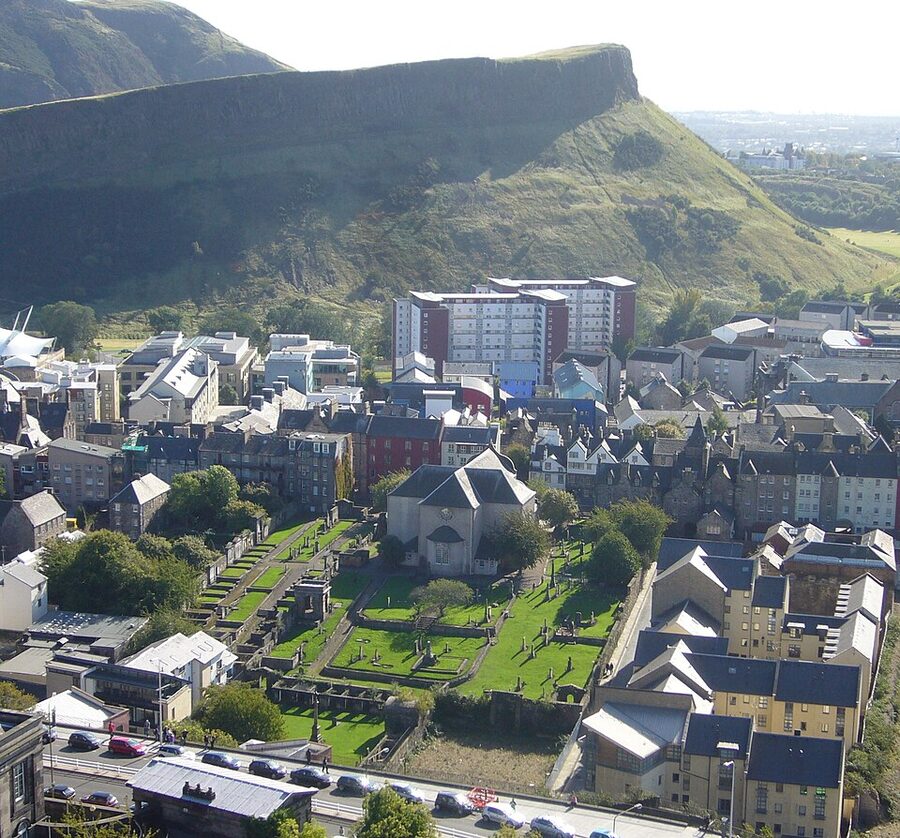
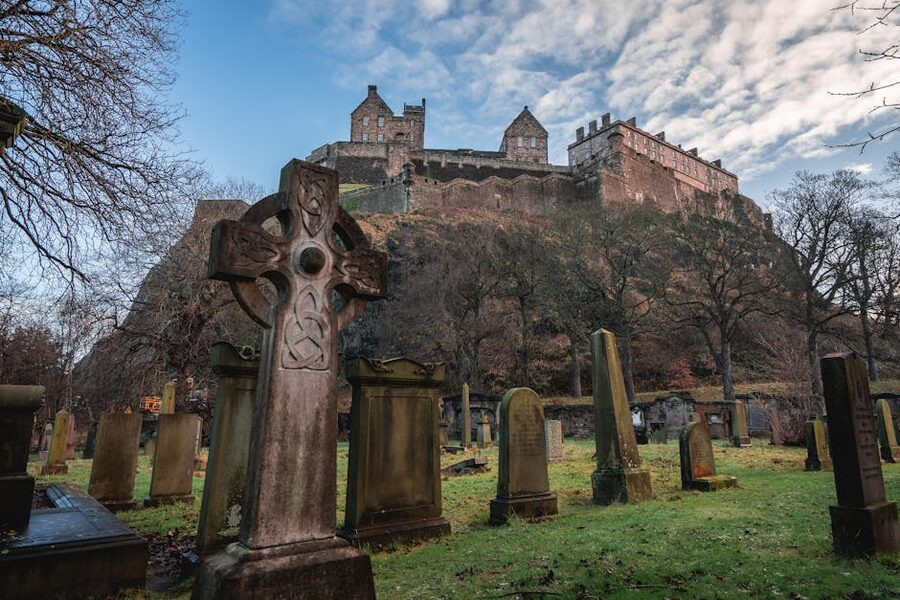
Canongate Kirkyard is the Royal Mile’s other big graveyard, near the bottom of the hill. The Dark Side route passes its gate near the end. Adam Smith is buried here. So is Robert Fergusson, the poet Robert Burns idolised. The headstones lean. The guide will probably mention the body-snatchers worked this yard too in the 1820s, since it sits halfway between the medical school and Holyrood and was lightly guarded.
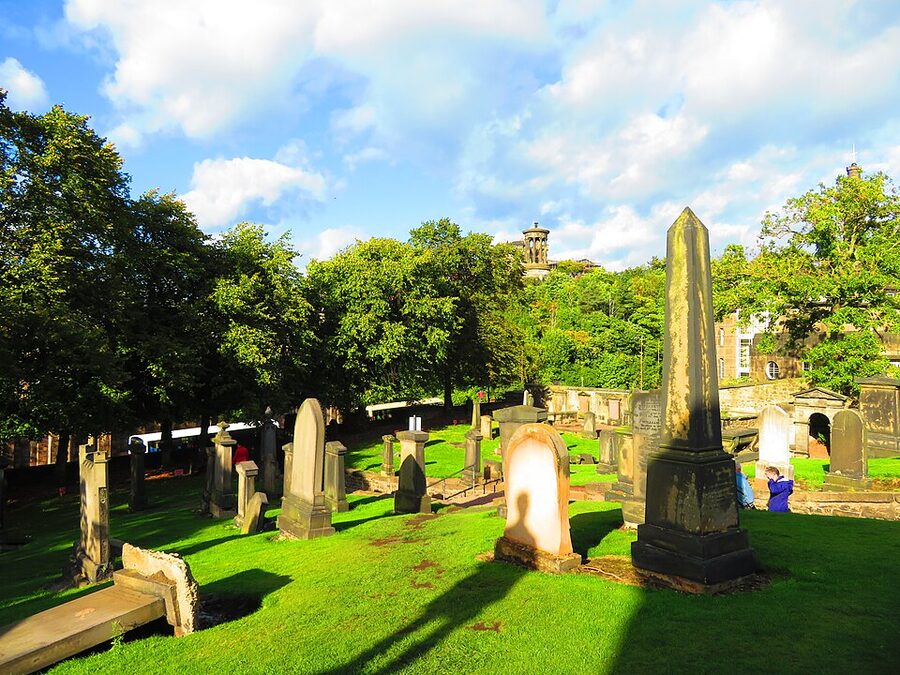
Old Calton, off the eastern end of Princes Street, is mostly off the Dark Side route. It’s a five-minute walk from Canongate and worth thirty minutes on a separate day if the kirkyard side of Edinburgh interests you. David Hume is buried here. The Robert Adam mausoleum is the obvious photo. The Martyrs’ Monument commemorates the political prisoners transported to Australia in the 1790s.
What’s actually in the script and what isn’t
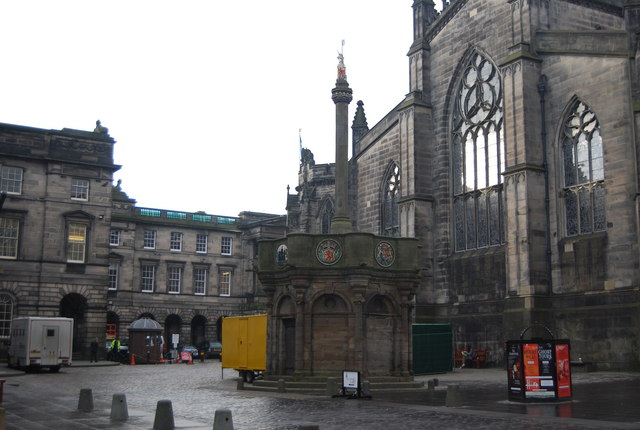
Standard Dark Side script, in roughly the order most guides cover it: the Witches’ Well, Major Weir’s house and confession, Maggie Dickson and the Hangman’s Tree, Burke and Hare, Daft Jamie’s case, Deacon Brodie (the respectable cabinetmaker who burgled the city by night and inspired Stevenson’s Dr Jekyll), the Mercat Cross executions, body-snatching, and the Covenanters’ Prison at Greyfriars.
What you will not get on the Dark Side: detailed haunted-house material, ghost-tour theatrics, a séance, or any below-ground walking. The vault tours and the Mary King’s Close tour own that space. The Dark Side stays on the surface. If you want the underground angle as well, do them on different evenings rather than back-to-back. Two hours on cobbles plus a vault descent the same night is more than most travellers want.
The London equivalent is the Jack the Ripper walking tour, which works the same way: street-level, history-led, no theatrics. If you’ve done the Ripper walk, you already know the format. Edinburgh’s case material is older and broader, but the rhythm is the same.
Where to meet, what to bring, who not to bring
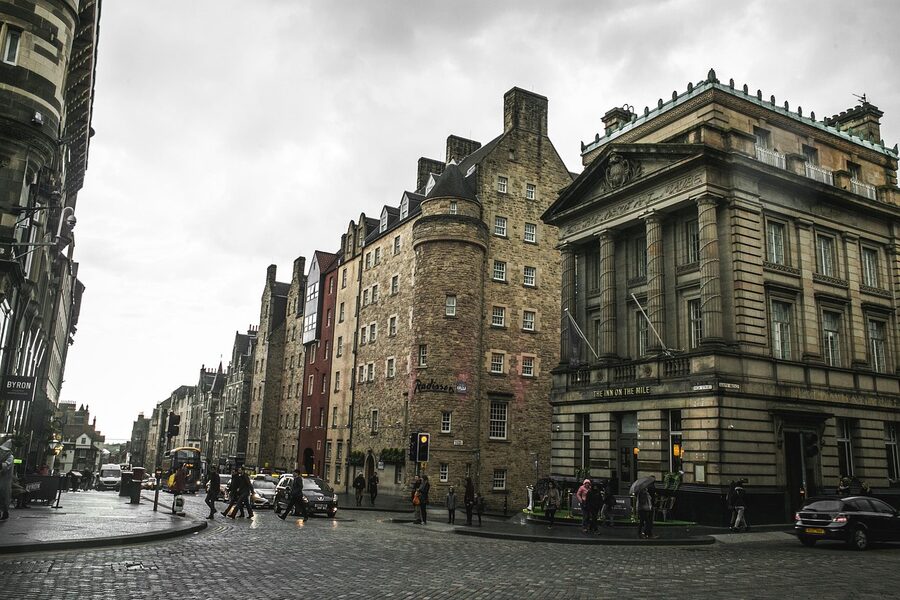
Meeting points cluster around three Old Town spots: Castle Esplanade, the Mercat Cross outside St Giles’, and the corner of George IV Bridge. The booking confirmation tells you exactly where. Arrive ten minutes early and look for the guide rather than expect the guide to find you.
Wear shoes you can walk a kilometre in slowly, mostly on cobbles. Bring a light jacket year-round. Edinburgh’s Old Town runs three or four degrees colder than central London on summer evenings. The wind off the castle rock is real. No need for a torch, the route is well-lit. No need for water unless you’d rather not duck into a Sainsbury’s halfway through.
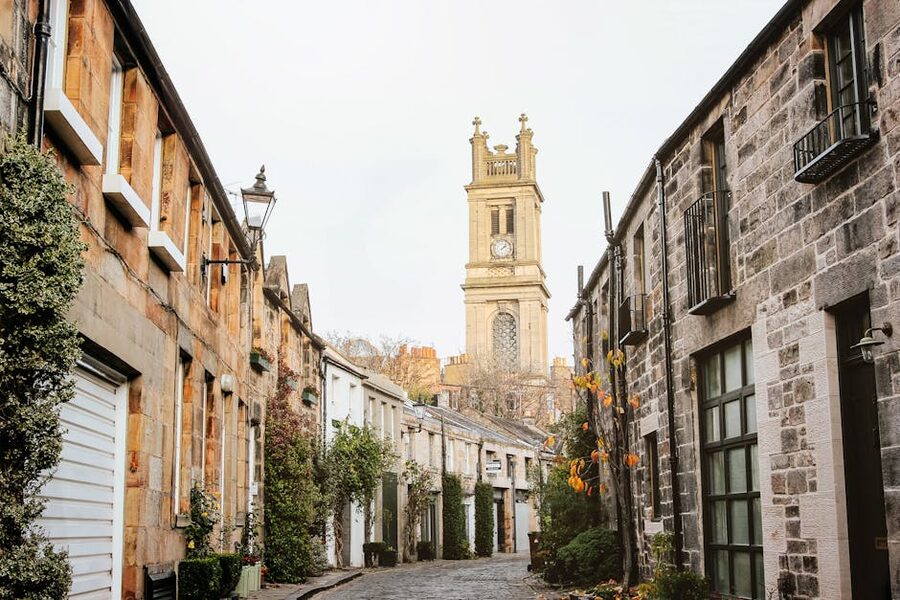
Age-wise: I’d put a soft floor at twelve. The witches material and the Burke and Hare detail are dark. Guides don’t show graphic photos but the descriptions don’t pull punches. A bookish thirteen-year-old will be fine. A sensitive ten-year-old will not. Use your judgement. If unsure, do the daytime Old Town History and Tales tour instead. Same streets, gentler script.
The route involves one short uphill on the West Bow and one short flight of steps near the end. Wheelchair users should ring the operator. Sandemans can route around the West Bow climb if you ask in advance.
Combining with the rest of Edinburgh
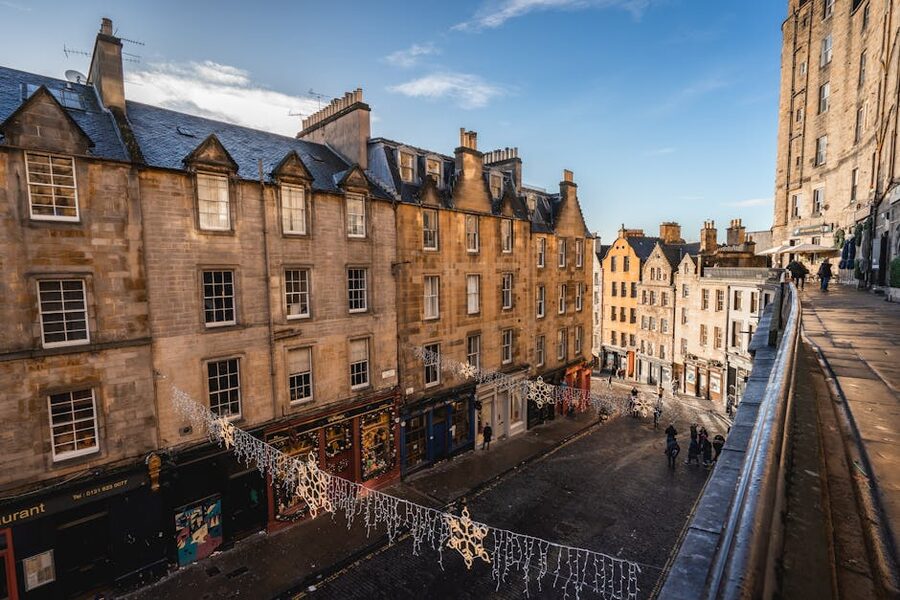
Most travellers pair the Dark Side tour with one other Edinburgh experience the same day. The cleanest pairing is Edinburgh Castle in the morning, lunch in the Grassmarket, and the Dark Side at 7pm. The castle gate is two minutes from the Witches’ Well, which is where most evening Dark Side tours start, so you can walk straight from one to the other.
If your group includes someone who really doesn’t want murder content, the Harry Potter walking tour uses the same Old Town streets for entirely cheerful reasons and runs in the afternoons. Holyrood Palace at the bottom of the Royal Mile makes a clean morning option, and the hop-on hop-off bus stops at George IV Bridge if you’d rather not walk the whole city.
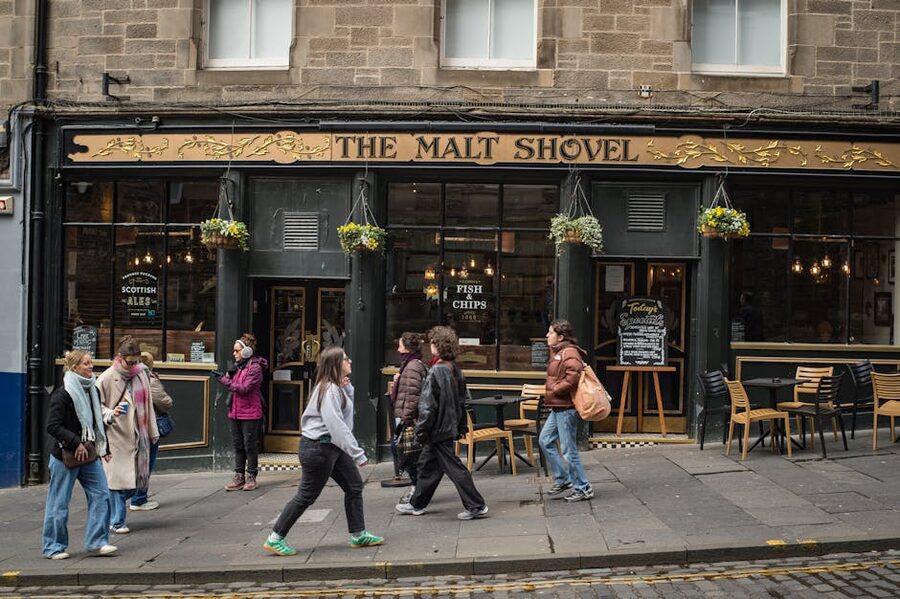
If you want to push deeper into Edinburgh’s drink and food side, the Edinburgh whisky tour works as a separate evening earlier in the week. Three whisky tastings and a tour of the Scotch Whisky Experience is the polar opposite of a Dark Side walk in tone, which is why it works as a pairing. Pick one for night one, the other for night two.
Dark Side vs Vaults vs Ghost Bus: a decision tree
This is the question I get asked most. Edinburgh has three big dark-experience products and they sound similar but aren’t.
The Dark Side walking tour is street-level, on foot, history-led, two hours, around $24 to $29. You stay above ground the whole time. The case material is documented history. The guide does not pretend you saw a ghost. Pick this if you want to learn the city’s actual dark history at the spots where it happened.
The Underground Vaults tour goes below ground into the South Bridge vaults, lasts about an hour, costs around $20 to $30, and leans into the haunted-vault material more than the Dark Side does. Some operators run it with a “ghost hunt” element, others run it as straight history. Pick this if you want the underground experience specifically. Our full vaults guide has the long take.
The Comedy Horror Ghost Bus is a 75-minute night bus tour with a costumed actor as host, full theatrics, and jump scares for kids. Pick this if you want full entertainment with the family rather than a serious history walk. Our ghost bus guide covers what it actually is and isn’t.
If you can only pick one and you want history, do the Dark Side. If you want underground specifically, do the vaults. If you’ve got kids who’d rather laugh than learn, do the ghost bus. They are not substitutes for each other.
Booking practicalities
Most operators sell through GetYourGuide or Viator and accept free cancellation up to 24 hours before the tour. Sandemans, the dominant Dark Side operator, sells direct and through Viator. Prices are stable in the $24 to $29 band for the standard versions. The “tip-based” free options collect at the end of the tour and a fair tip is around $10 to $15 per person.
Group sizes are typically capped at 25 to 30 on the standard tours and 12 to 15 on the small-group versions. The small-group Dark Side runs are about $5 to $10 more and worth it on busy summer Saturdays. Off-season midweek the standard groups are often only 10 to 12 people anyway, so the upgrade matters less.
Tours run year-round. November to February is genuinely cold but the streets are empty and the atmosphere is at its best. Avoid August Festival weeks if crowds are not your thing, since the Dark Side operators run extra evening slots and groups can hit full capacity.
If you’re staying further out
Edinburgh’s Old Town is well-served. Waverley Station is a five-minute walk from the Royal Mile meeting points. From the airport the tram drops you at York Place, ten minutes’ walk from the Mercat Cross. Last trams back run until midnight, so a 7pm tour finish gives you plenty of time. Cabs and Ubers are easy from any of the meeting points if you’d rather skip the walk back to your hotel after two hours on cobbles.
More Edinburgh History and Old Town Picks
If the way the Dark Side stitches stories onto real streets has worked on you, the city has more in the same register. The closely-paired Mary King’s Close tour takes you below ground into a 17th-century street preserved under the City Chambers, which lands as a daylight-friendly companion to the Dark Side’s evening loop. For the same dark-history rhythm in a different city, the London Jack the Ripper walking tour hits the same buttons in Whitechapel, and a much lighter Edinburgh follow-up the next morning sits well at the new Chocolatarium tour a few streets away from the Witches’ Well.