
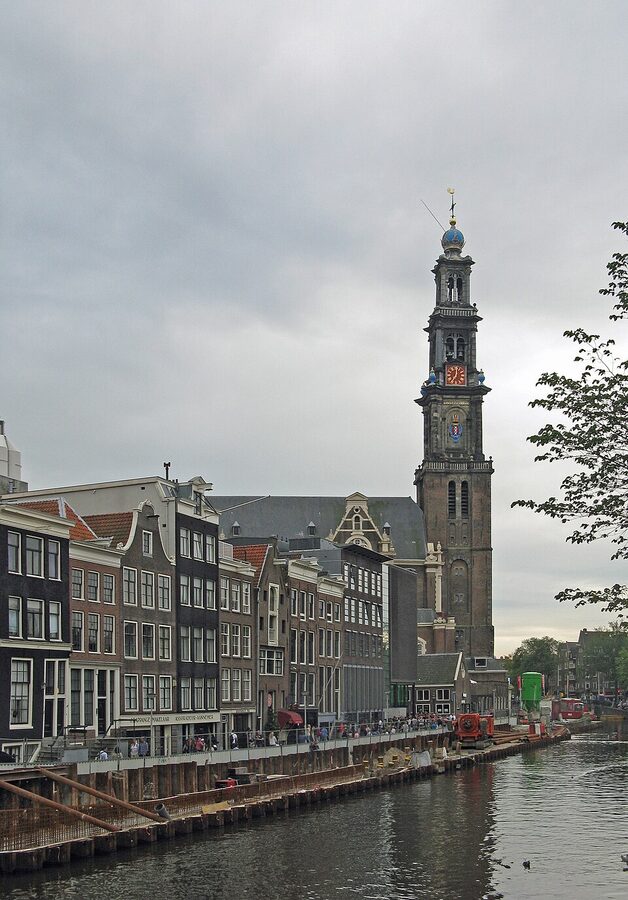
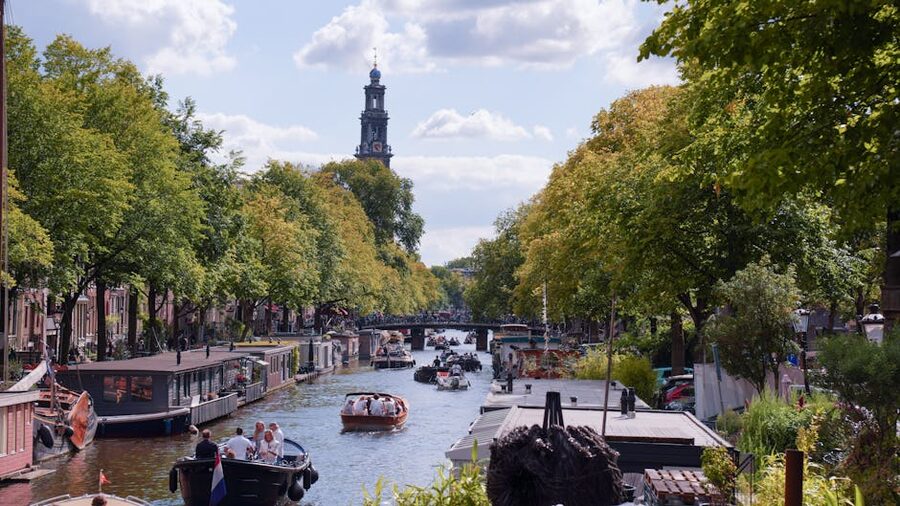
You stop in the middle of Westermarkt and the bells go off above you. Quarter past the hour. The Westerkerk carillon, 47 bronze bells, the same chime at the same pitch as the one Anne wrote about from inside the annex twenty metres away. She heard those bells from a sealed-off back room. The bells are still there. Most people on a walking tour don’t realise this until the guide stops talking and looks up.
This guide is about booking an Anne Frank walking tour, which is not the same as booking the Anne Frank House. People conflate the two and lose money on both. The tour walks the Jordaan, the Westerkerk neighbourhood, the Hollandsche Schouwburg, and the old Jewish Quarter. It does not enter the house. The house is a separate ticket and the booking process is brutal. I cover both below so you go home having actually seen what you came to see.
- In a Hurry? Three Picks
- The walking tour does not enter the house. Read this twice.
- How the Anne Frank House ticket actually works
- What you actually walk through
- The Hollandsche Schouwburg stop
- The three Anne Frank walking tours worth booking
- 1. Amsterdam: Anne Frank Walking Tour:
- 2. Life of Anne Frank and World War II Walking Tour:
- 3. Anne Frank Guided Small Group Walking Tour:
- Other variants you’ll see on booking pages
- What time to book and what to wear
- Cost breakdown and what’s included
- Where this fits in the Amsterdam museum-and-history day
- Comparable walking tours in other cities
- One last thing about the bells
In a Hurry? Three Picks
Best for most visitors: Amsterdam: Anne Frank Walking Tour from $27. Two hours, the canonical Jordaan + Jewish Quarter route, the most-booked version on the market.
Best for WWII context: Life of Anne Frank and World War II Walking Tour from $37. Wider WWII history through the Jewish Cultural Quarter, includes Portuguese Synagogue and the deportation theatre.
Best small-group option: Anne Frank Guided Small Group Walking Tour from $28. Capped at small numbers, two hours, more room for questions and quiet stops.
The walking tour does not enter the house. Read this twice.
The biggest mistake people make is buying a walking tour and assuming it includes the secret annex. It doesn’t. None of them do. The Anne Frank House sells its own tickets directly and only directly. No tour operator can bundle entry to the museum.
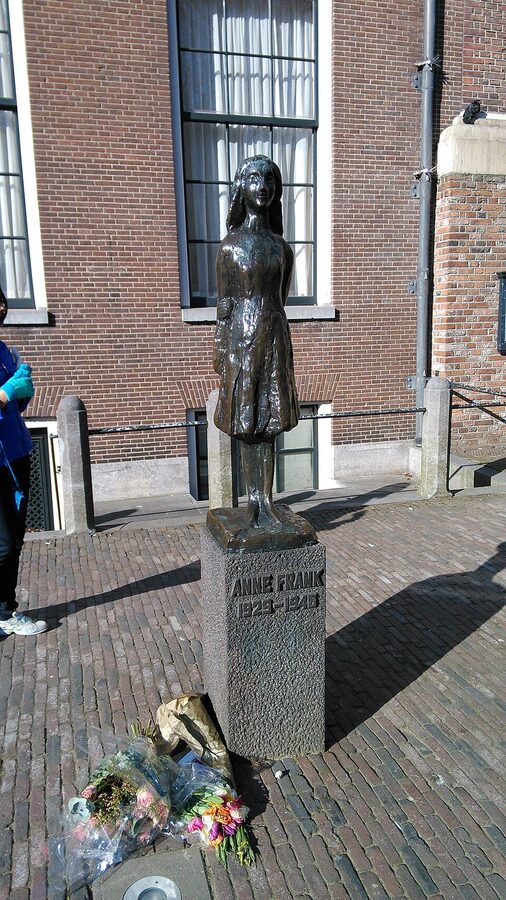
What the walking tour actually does is contextualise the story on the streets where it happened. The guide stops you at the Anne Frank statue on Westermarkt. They walk you along the canal that the family arrived on by tram in July 1942. They take you to the Jewish Quarter that the Franks were forced out of. They stand you under the Westerkerk bell tower and they wait for the bells. That is the experience. It is good. It is also not the museum.
If you want both, book them separately. Book the Anne Frank House first because that ticket is the bottleneck. Then build the walking tour around it. I’ll cover the house ticket process below because every reader deserves the warning.
How the Anne Frank House ticket actually works
Tickets to the Anne Frank House go on sale exclusively online, six weeks in advance, at 10am Amsterdam time on Tuesdays. Six weeks. Not “a few weeks”. Exactly six weeks before your visit date. The new release drops as a batch every Tuesday morning, and on most Tuesdays it sells out the same morning, sometimes within an hour.
So if you want to visit on a Saturday, you need to be ready at 10am Amsterdam time on the Tuesday six weeks before that Saturday. Set a phone alarm. Have the website loaded in advance. Use a desktop browser, not the mobile site, because the queue logic is more stable on desktop. Have your card details to hand. Book one of the timed slots, not flex tickets. There is no walk-up option and there is no day-of release.
If you miss the Tuesday window, you do not get into the house. There is no other way. Tour operators that claim to “guarantee” entry are reselling tickets they bought through the same Tuesday process, and reselling violates the museum’s terms. The house cancels resold tickets when it spots them.
Once you have your house ticket, book your walking tour around it. The walking tour does not need to be on the same day; it works as a complement, not an add-on. Book the walking tour for the morning and the house for the afternoon, or vice versa. Or do them on different days entirely.
What you actually walk through
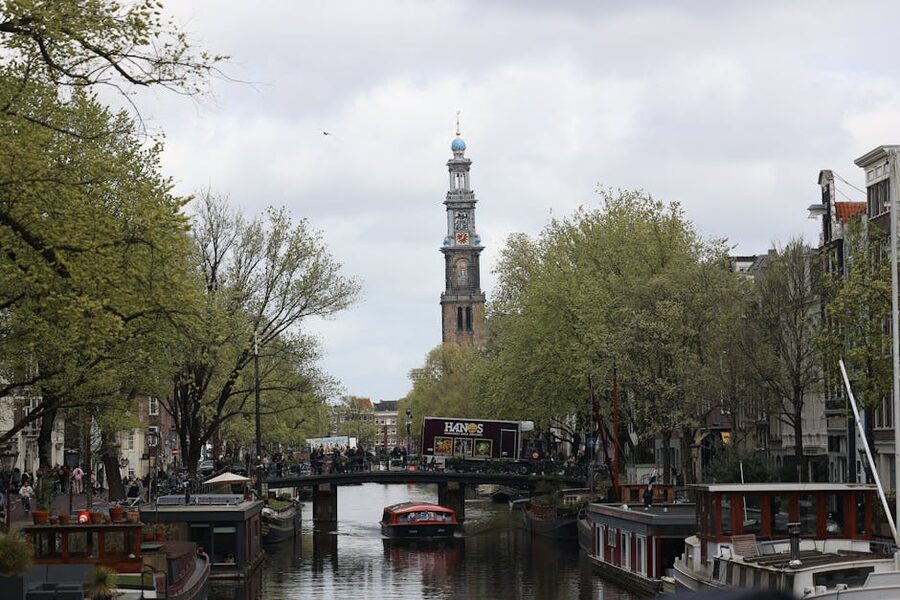
The standard Anne Frank walking tour runs about two hours, covers around two and a half kilometres, and stays in central Amsterdam the entire time. Most operators run a route that hits five or six anchor stops with stories at each.
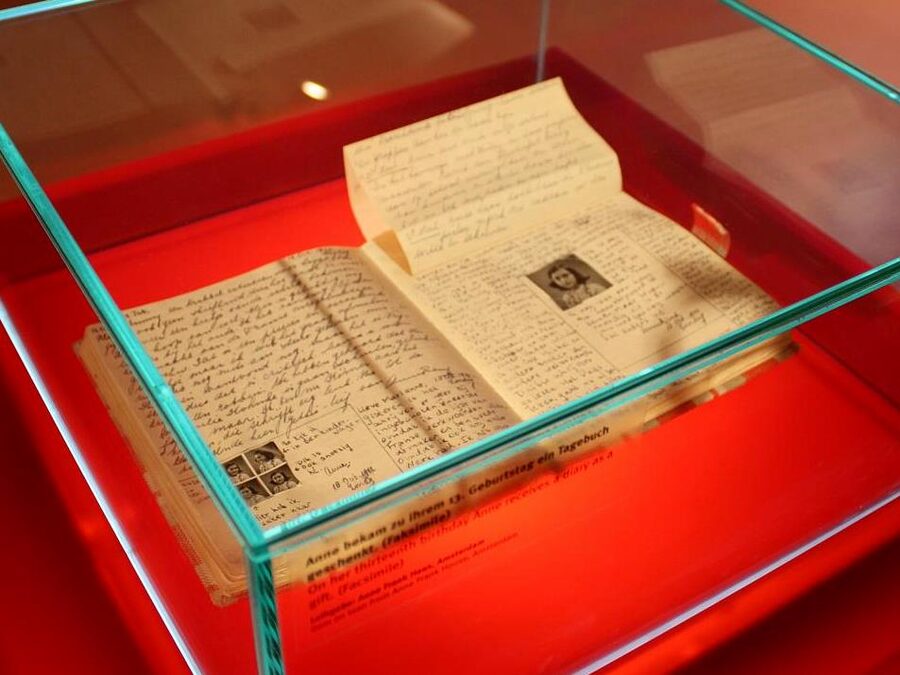
Westermarkt and the Anne Frank statue. Almost every tour starts here. The square sits at the foot of the Westerkerk, ten metres from the front of the house. Guides use this stop to set the timeline: the family arrived from Frankfurt in 1933, moved into the apartment on Merwedeplein, then went into hiding above Otto Frank’s spice business at Prinsengracht 263 in July 1942. They were betrayed in August 1944.
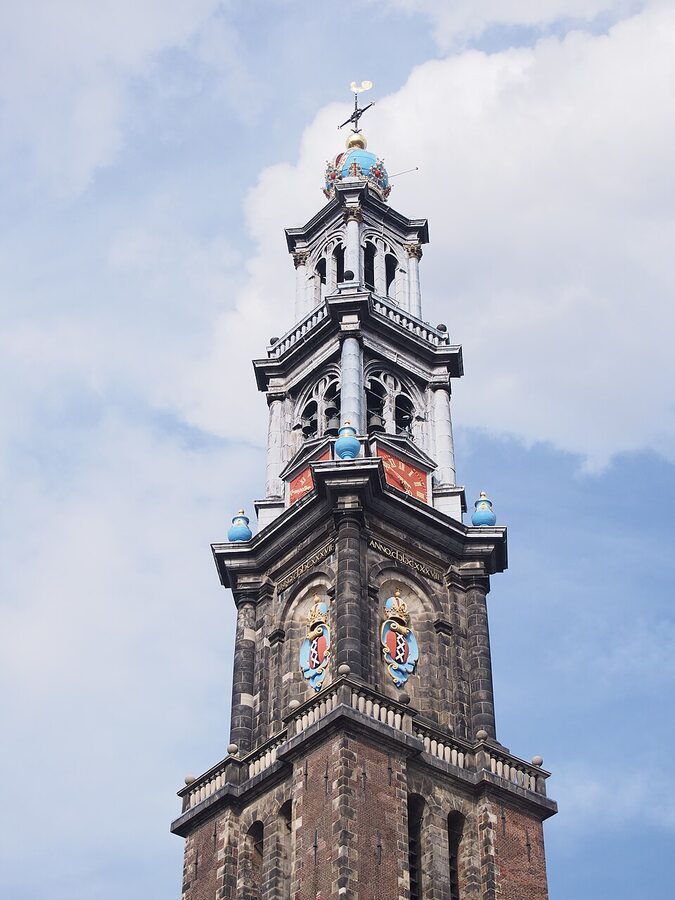
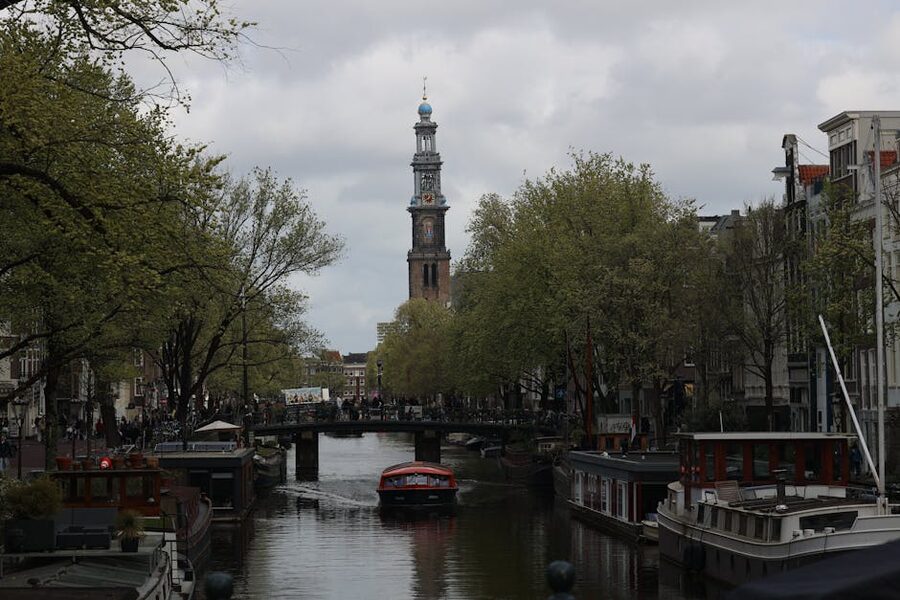
The Westerkerk bells. If your guide stops talking and waits, this is why. The carillon plays on the quarter-hour and the half-hour. Anne wrote that the bells comforted her in hiding. The same bronze bells, the same Hemony bell-founder casting from 1648, the same pitch. You stand below the tower, the bell strikes, and you understand the spatial reality of the diary in a way you cannot from reading it. This is the moment most people on the tour go quiet for the rest of the route.
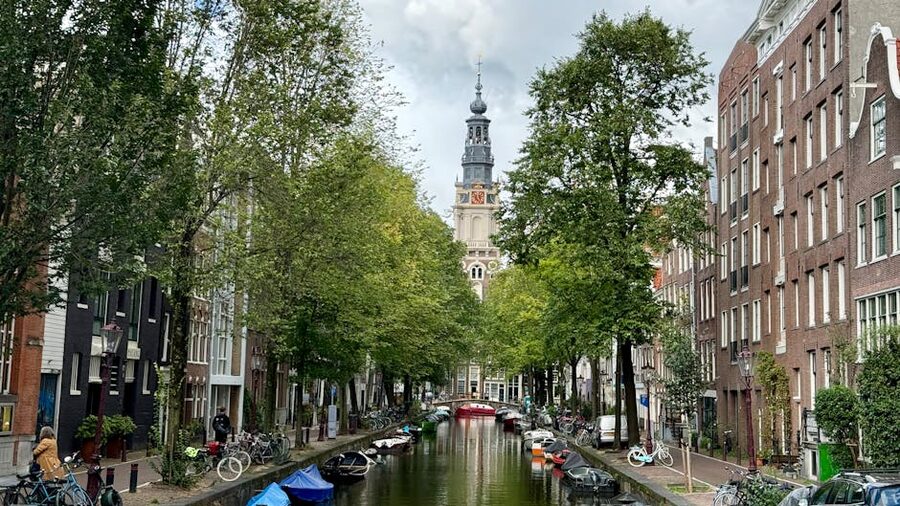
The chestnut tree replacement. Anne wrote about a horse chestnut tree visible from the small attic window. “As long as this exists, this sunshine and this cloudless sky, and as long as I can enjoy it, how can I be sad?” The original tree died in 2010 of fungal disease and was felled. Saplings grown from its conkers were distributed to schools and Anne Frank centres around the world, and one was planted on the same spot. Your guide will point to the replacement. It’s still small. It will take another forty years to look like the tree Anne knew.
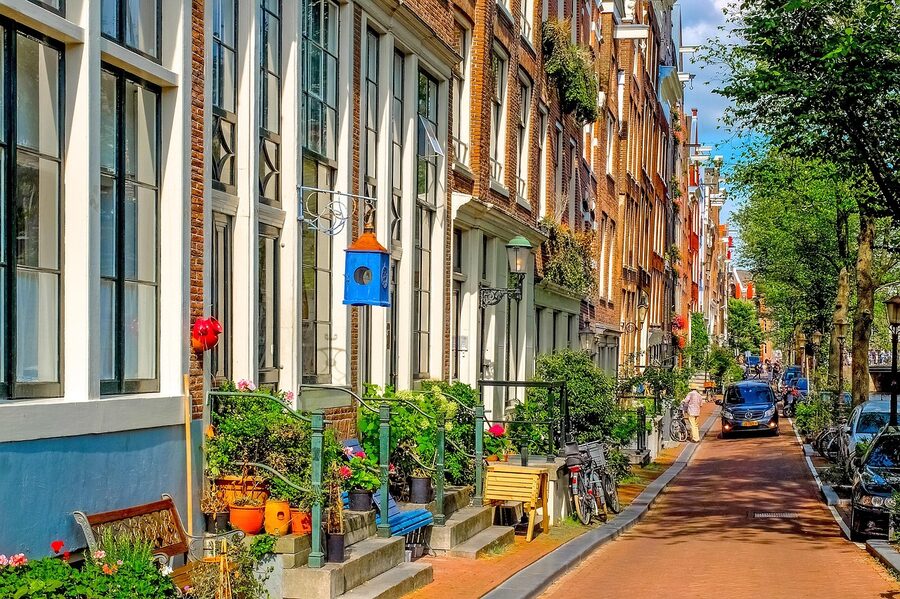
The Jordaan walk. Most tours then drop south through the Jordaan, the working-class neighbourhood just west of the canal ring. In Anne’s time it was poor and overcrowded; today it’s expensive and quiet. The brick facades, the narrow alleys, the courtyards, the absence of cars. This is where you walk for half an hour while the guide tells you what life was like under occupation: the rationing, the curfews, the gradual erosion of Jewish civil rights from 1940 onwards.
The tram across to the Jewish Quarter. Some tours walk the kilometre east to the old Jewish Quarter; others use a short tram leg. Either way you end up at the Hollandsche Schouwburg or the Portuguese Synagogue, depending on which operator and which route variant. The contrast matters. The Jordaan was where the Frank family hid. The Jewish Quarter was where most of Amsterdam’s Jewish population was rounded up.
The Hollandsche Schouwburg stop
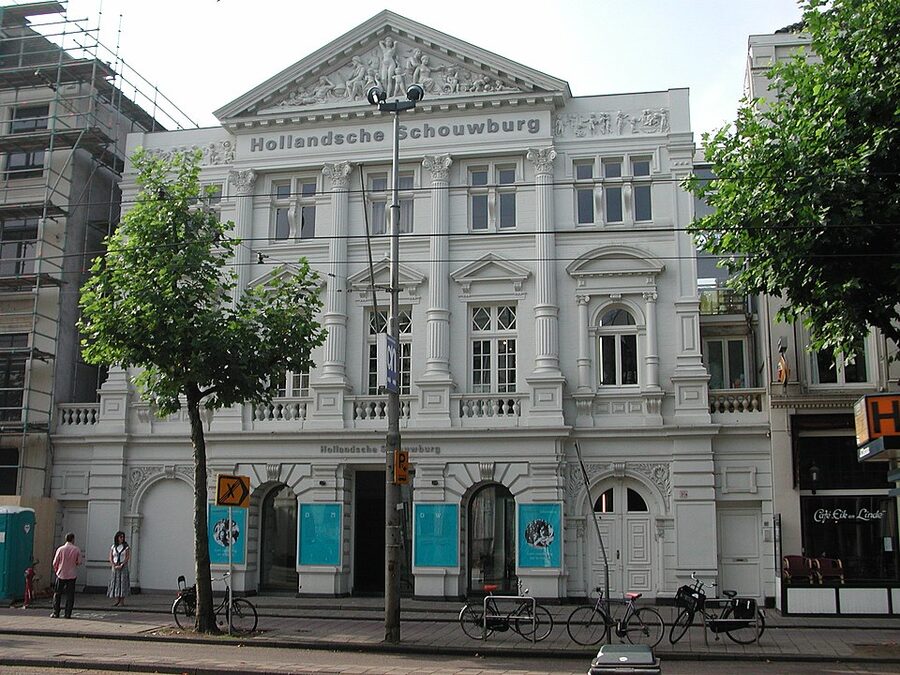
The Hollandsche Schouwburg was a Jewish-Dutch theatre in 1942 when the Nazi occupation seized it and converted it into the central registration and deportation point for Amsterdam’s Jewish population. People were held here, sometimes for days, before being sent to Westerbork transit camp and then on to Auschwitz, Sobibor and Bergen-Belsen.
The building still stands on Plantage Middenlaan. The interior has been deliberately stripped and turned into a quiet memorial: a wall of names, a courtyard, a small museum. Some operators include the Hollandsche Schouwburg as part of the route. Others end the tour outside it and let you go in afterwards on your own. Entry is free, donation suggested.
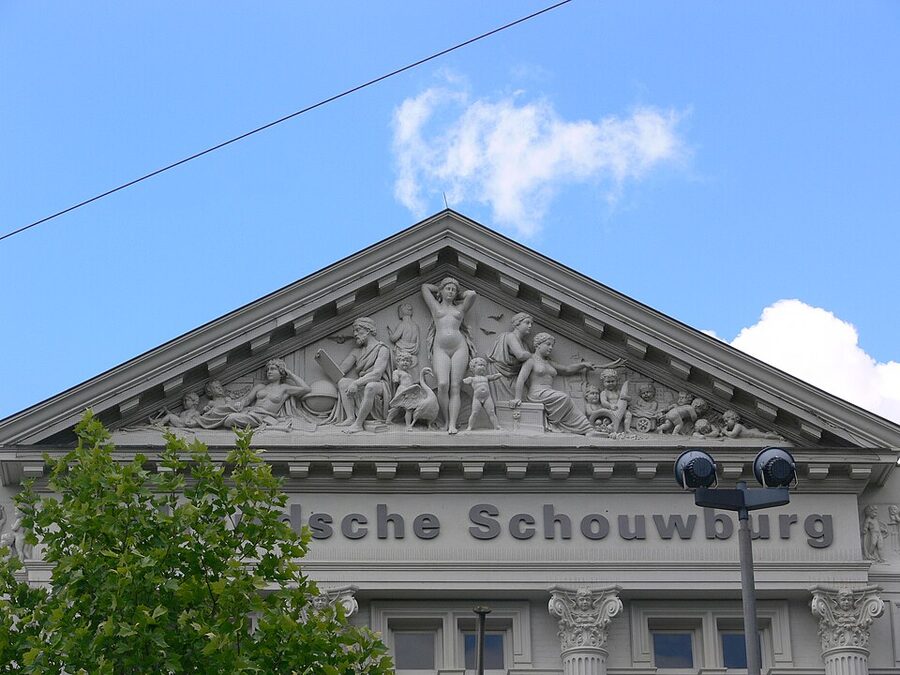
Anne’s family did not pass through the Schouwburg, which is worth knowing. Once the annex was raided in August 1944, they went straight from the SD headquarters on Euterpestraat to Westerbork. But around 46,000 of their neighbours did pass through this theatre. The walking tour exists to give you that wider picture, not just the Frank family’s specific arc.
The three Anne Frank walking tours worth booking
I narrowed the field to three. The first is the canonical two-hour Jordaan-and-statue route, the version most first-time visitors should book. The second is a wider WWII-context tour through the Jewish Cultural Quarter. The third is a small-group option for people who want fewer interruptions and more space to ask questions.
1. Amsterdam: Anne Frank Walking Tour: $27
This is the default and it earns the spot. Two hours, expert guide, canonical route through Jordaan and the Jewish Quarter approach. Our full review covers which guides handle the difficult material best and what time of day picks up the calmer rotations. Book this if you only do one Anne Frank tour.
2. Life of Anne Frank and World War II Walking Tour: $37
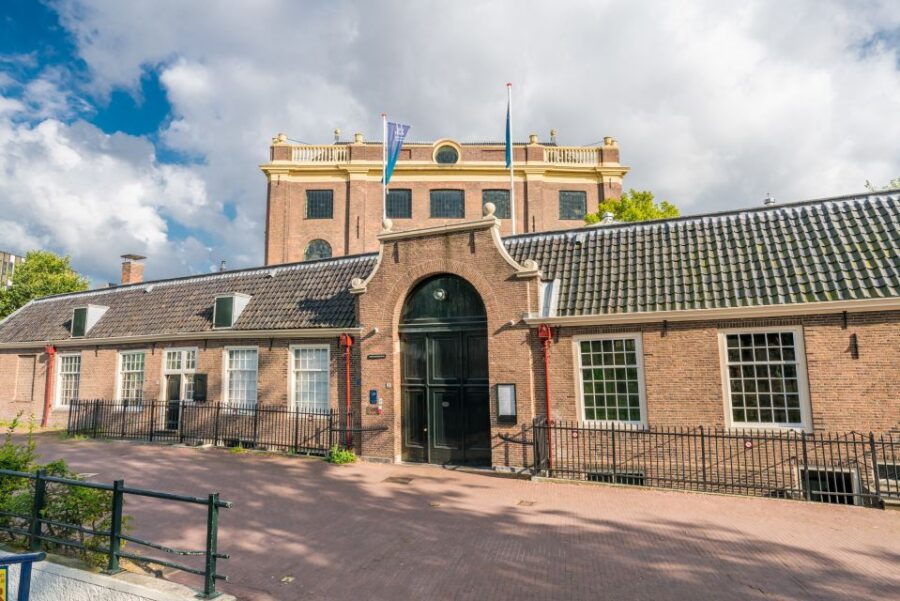
If you want WWII Amsterdam in context rather than just Anne’s specific story, this is the upgrade. The route goes deeper into the Jewish Cultural Quarter and pulls in synagogue history. The full review covers route variations and how the Schouwburg stop is handled. Worth the extra ten dollars for the Jewish Quarter depth.
3. Anne Frank Guided Small Group Walking Tour: $28

Same route as pick one but with a capped headcount. The tighter group makes the harder moments land properly. Our review calls out which guides this operator rotates and how the small-group dynamic compares with the bigger flagship tour. Book this if you’re a couple, a family, or anyone who hates being shouted at across a square.
Other variants you’ll see on booking pages
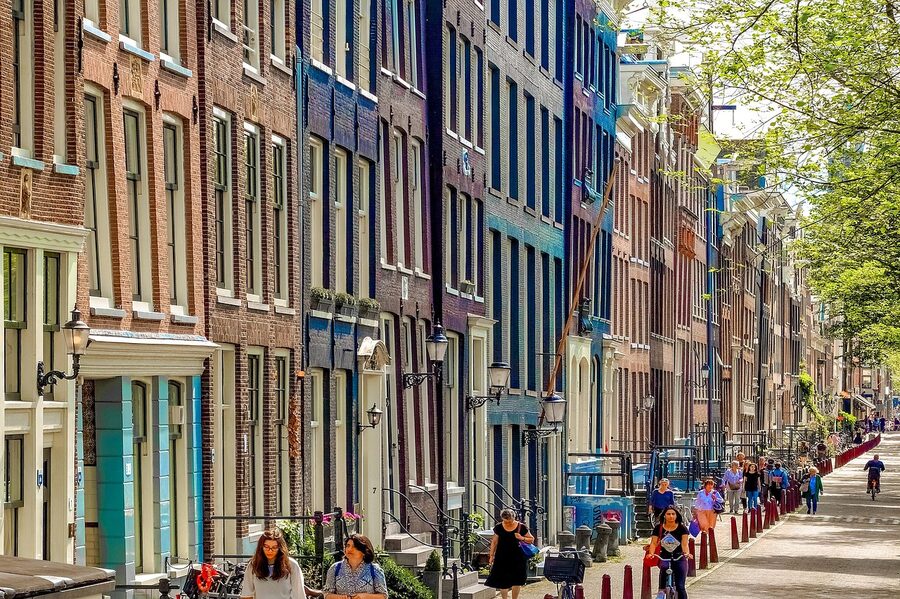
Beyond the three I’d actually recommend, you’ll see four other variants on Viator and GetYourGuide. Worth knowing what they are before you click anything.
Multi-language guided versions in English, German, Italian and Spanish are sold as separate listings on the same operator pages. Same route, same price band, different guide pool. Pick the language you understand best. The material is dense and the guide’s diction matters. Our take on the multi-language version covers which language slots get the most experienced guides.
The Anne Frank and Jewish Quarter private tour is a private-guide upgrade. About double the price per person at small group sizes, but you get a guide to yourself and you set the pace. Worth it if you have a multigenerational family with someone who needs to sit a lot. The private walking tour review goes into the customisation options.
Anne Frank’s Last Walk in Virtual Reality is the outlier on the listings page. It’s a VR-headset experience that traces the family’s deportation route from the annex to Westerbork. Different product, different building, not a substitute for either the walking tour or the house. The VR experience review explains who it suits and who should skip it.
Combo with canal cruise. A few operators bundle the walking tour with a one-hour canal cruise that passes the Anne Frank House from the water. The cruise itself is fine but the bundle isn’t a meaningful discount; book the elements separately if you want both. The canal-from-Anne-Frank-Museum review covers which pier to leave from. If you want the canal experience for its own sake, our full Amsterdam canal cruise guide sorts out the seven product types.
What time to book and what to wear
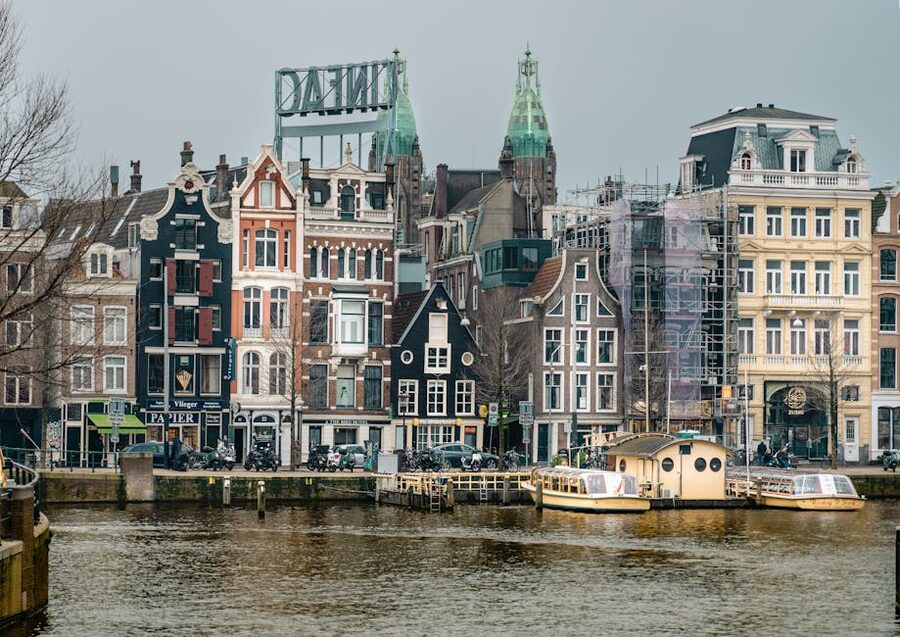
Most Anne Frank walking tours run multiple times daily, year-round. Common slots are 10am, 12pm, 2pm and 4pm. The earlier slots are quieter. You avoid the lunch-hour crowds in the Jordaan and you arrive at the Hollandsche Schouwburg before the school groups. The 10am Tuesday slot is unusual: it overlaps with the Anne Frank House ticket release, which is a small inconvenience if you’re trying to grab tickets while walking.
The route is flat and on cobbles. Wear shoes that can handle uneven ground for two hours. The tour goes ahead in light rain; in heavy rain, operators may reschedule, so book a slot with a flexible cancellation policy if the weather looks rough. Winter mornings are bracing. Amsterdam wind comes off the IJ and cuts through anything synthetic. Wool socks help.
The tour stops at memorials and contains material about the murder of children. Some sections are difficult. Most operators recommend it for ages 12 and up. Younger children won’t follow the geographical complexity and the heavy material isn’t appropriate for them. There are family-friendly Amsterdam tours that handle WWII content more gently; ask the operator before booking if your child is under twelve.
Cost breakdown and what’s included
The standard walking tour sits at $27 to $37 per person. That covers a two-hour expert guide and the route. It does not cover the Anne Frank House ticket ($16, booked separately, see above), the Jewish Historical Museum ($20), the Portuguese Synagogue ($17), or any food and drink along the way.
Tip the guide if the tour was good. Ten percent in cash is standard; fifteen for a guide who handled the difficult material with real care. Some Sandemans-style operators run “free” walking tours that work entirely on tips, but the Anne Frank tours are paid models. The guides are paid through the platform and tips on top are appreciated rather than expected.
Refunds are typically full up to 24 hours before the tour and zero after. Check the operator’s cancellation window on the booking confirmation. GetYourGuide and Viator both have stronger refund policies than direct-website bookings on smaller operator sites.
Where this fits in the Amsterdam museum-and-history day
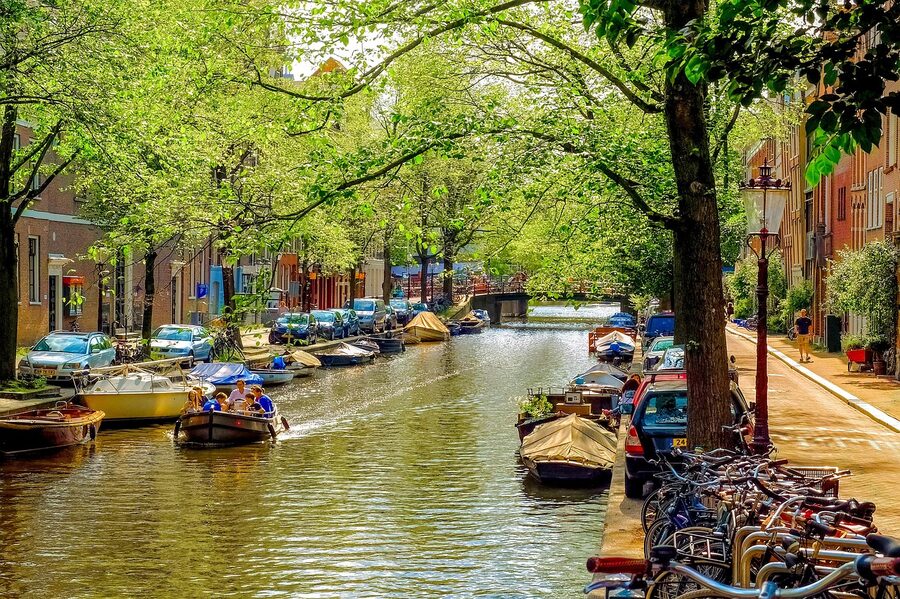
Most visitors with three days in Amsterdam try to combine the Anne Frank story with the city’s bigger museum offering. The pairing that works best is house in the morning, walking tour after lunch, and one of the Museumplein collections on a separate day. Trying to do all three in one day burns you out and dilutes each one.
For the Museumplein side, our Rijksmuseum guide and Van Gogh Museum guide cover the two anchor visits. They’re geographically together and a fifteen-minute tram from the Anne Frank House. Book the Rijks for the Golden Age context (the same century Westerkerk was built) and the Van Gogh for the colour-and-emotion contrast.
If you want a city-wide overview, an Amsterdam canal cruise handles the broader urban geography in 75 minutes. Some operators run cruise-and-walk combos; book separately if you can.
Comparable walking tours in other cities
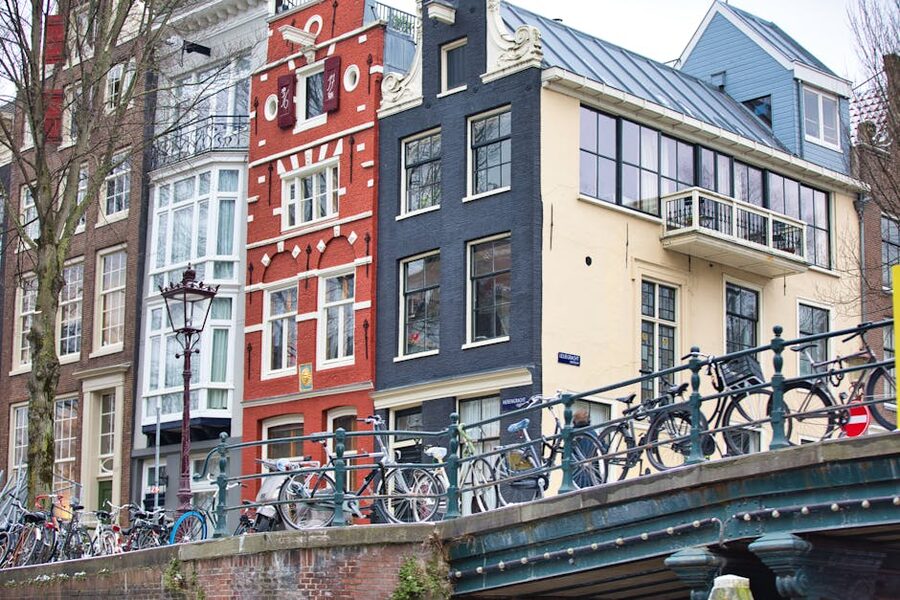
If the Anne Frank walking tour worked for you, three other European city tours operate in the same gritty-history register and use the same on-foot, names-and-buildings method. Worth knowing about for trip planning.
Edinburgh’s Mary King’s Close is the closest cousin in spirit. A 17th-century street sealed off and preserved underground, walked with a guide who reads names of plague victims off the actual walls. Edinburgh’s Dark Side walking tour works the same Old Town surface that Mary King’s Close runs under, covering the witch trials, Burke and Hare, and the public-execution sites. Both have the same approach as the Anne Frank tour: stand at the building, hear the names, walk on. London’s Jack the Ripper walking tour in Whitechapel is the third in this register, though the material is more Victorian-era crime than 20th-century atrocity.
One last thing about the bells
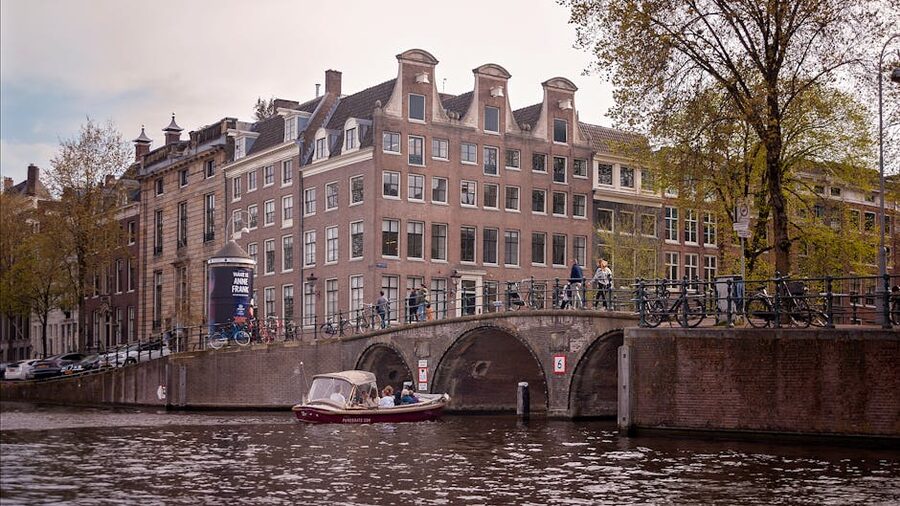
The Westerkerk carillon has played the same chime since 1648. It was silent during the German occupation between 1940 and 1945. It started ringing again in May 1945, three months after Anne died at Bergen-Belsen and two weeks after the country was liberated. Anne never heard it ring as a free citizen of an unoccupied Amsterdam. Most walking-tour guides will mention this once and let it sit. If you only remember one thing from the tour, that’s the thing.