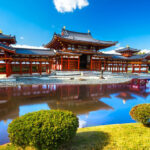
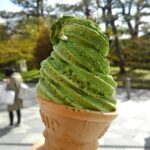
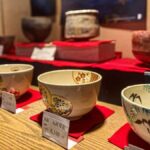
Uji’s matcha culture makes more sense when you meet it where the tea is grown, sold, prepared, and eaten. This three-hour walk links local tea shops with a tasting, a Japanese lunch set, and the outer grounds of Byodo-in, the World Heritage temple pictured on Japan’s 10-yen coin.
I like two things in particular: you get a guided introduction to Uji’s tea traditions, not just a shop crawl, and the food is part of the lesson, from wagashi sweets to matcha ice cream and a lunch set that may use matcha as an ingredient. Guides including Yume, Eri, Ako, and Sanae have earned warm praise for making the history easy to follow.
The trade-off is the short schedule. Three hours gives you a useful introduction, but not a slow, independent visit to every temple or tea shop in town. You also need to reach the correct station entrance on time: the meeting point is Keihan Uji Station, not JR Uji Station.
- Key points before you book
- Why Uji makes a good matcha day trip
- Start at Keihan Uji Station, not JR Uji
- Tea shops and the making of matcha
- Byodo-in and the town’s older story
- Lunch, wagashi, and matcha ice cream
- What three hours can, and cannot, do
- Is US9.95 good value?
- Who will get the most from this tour
- Practical details to check before you go
- Should you book the Uji matcha tour?
- FAQ
- How long is the Kyoto Uji matcha tour?
- Where does the tour meet?
- Where does the tour end?
- Is lunch included?
- Does the tour go inside Byodo-in Temple?
- Is transportation included in the price?
- Can a pescatarian meal be arranged?
- What is the cancellation policy?
- The Best Of Uji!
- More Tours in Uji
- More Tour Reviews in Uji
- Not for you? Here's more nearby things to do in Uji we have reviewed
Key points before you book
 1 / 10
 2 / 10
 3 / 10
 4 / 10
 5 / 10
 6 / 10
 7 / 10
 8 / 10
 9 / 10
 10 / 10
- Tea is the main event: Learn about Uji matcha and take part in a tasting and small tea-preparation experience.
- Byodo-in is viewed from the outer grounds: The temple is a major landmark, but the tour description does not include an interior visit.
- Food is included: Expect lunch, wagashi sweets, matcha tasting, and matcha ice cream. The menu can change with the season and ingredient availability.
- The guide shapes the day: Past guides have included Yume, Ronan, Eri, Ako, Sanae, and Jahmela. The specific guide for your date is not guaranteed.
- It is a compact walking visit: The tour runs from 11 a.m. to 2 p.m., starting at Keihan Uji Station and ending in Uji.
- Budget for transport separately: The listed price starts at US$169.95, but getting to and from Uji is not included.

👉 See our pick of the 3 Best Tours In Uji
Why Uji makes a good matcha day trip
Uji is often treated as a side trip from Kyoto, but it has its own identity as a historic tea town. This tour gives you a reason to look beyond the cup: tea shops, local sweets, the river setting, and the legacy of Byodo-in all help explain why Uji is closely associated with matcha.
The appeal is practical as well as cultural. Matcha can be easy to encounter in Kyoto as a flavor on a menu or a tin on a shelf. In Uji, a guide can connect what you taste with how tea is prepared and the town’s place in Japanese tea culture. That context is useful if you want to choose tea souvenirs with more understanding than simply picking the prettiest package.
The tour is also a change of pace from Kyoto’s busiest sights. It is not a remote countryside excursion, and the schedule is not long enough to make Uji feel like a full independent day. But a half-day visit gives you a focused look at the town without asking you to plan every stop yourself.
You can also read our reviews of more tours and experiences in Uji.



Start at Keihan Uji Station, not JR Uji
The meeting point is the entrance of Keihan Uji Station, at Otsukata, Uji. Uji has a JR station as well, so check the station name carefully before setting out. They are not interchangeable for this meeting.
The departure is at 11 a.m., and you are asked to arrive 15 minutes early. That is worth taking seriously: late arrivals and no-shows are not refundable. The tour ends at 2 p.m. at Masuda Chaho, in the Renge area of Uji. Transport to and from the meeting point is not included, so build that into your budget and day plan.
An English-speaking guide leads the walk. The names attached to past tours include Yume, Ronan, Eri, Ako, Sanae, and Jahmela. Several have been praised for explaining local culture clearly, answering questions, and keeping the group comfortable. That personal connection matters on a short tour: a good guide can make the tea process and temple references feel connected rather than like separate facts.
Tea shops and the making of matcha
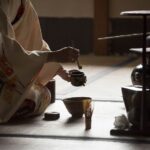
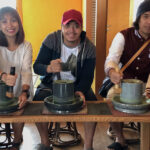
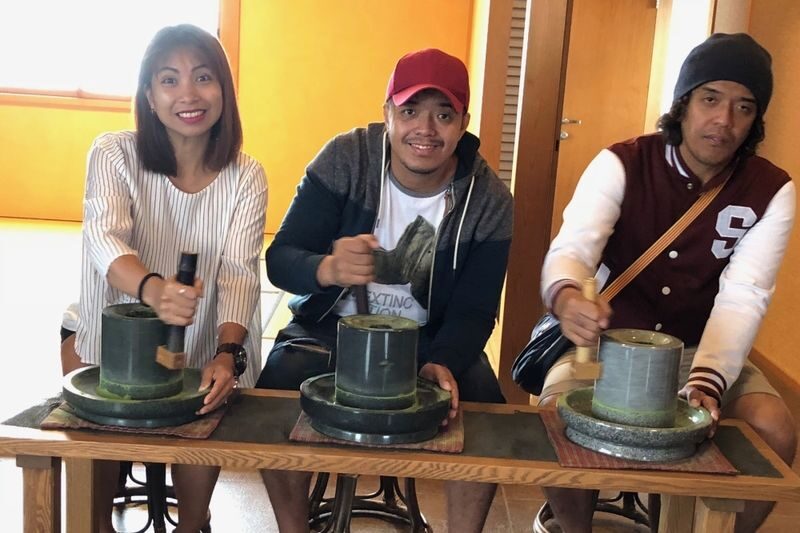
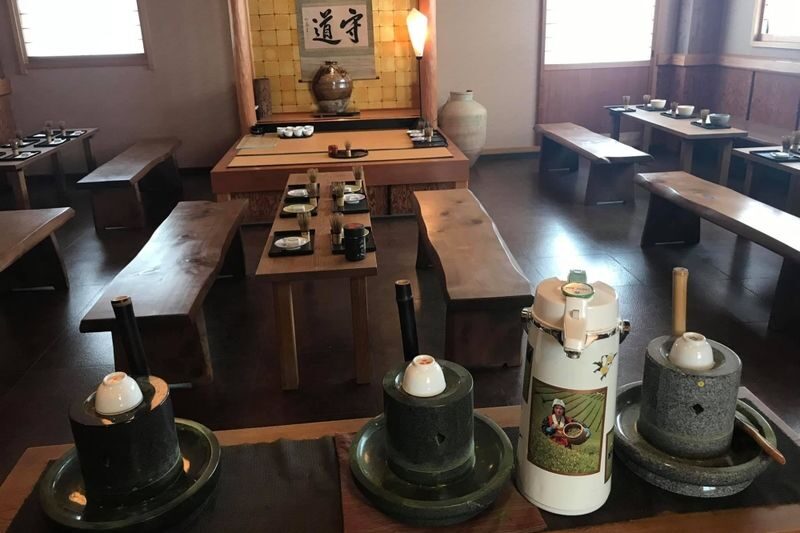
The heart of the tour is a look at Uji’s tea culture through local shops and a tea experience. You can expect to hear about how tea is prepared and what goes into matcha production, then taste matcha yourself. One account of the experience describes a small matcha-making and drinking session, and another mentions learning to do a tea ceremony.
The tour information does not spell out a precise sequence or promise a formal, lengthy ceremony. Think of this as an introduction rather than an advanced class. That is a sensible fit for a half-day outing: you get a hands-on element and a better sense of the drink, without giving up most of the visit to a single activity.
Tea shops also make the walk more useful for anyone considering a souvenir. Uji’s shops offer local tea and other items distinctive to the area. You have time to browse, though the exact stops and amount of shopping time may vary. If you are keen to buy tea, pay attention to what your guide says about preparation and taste before choosing a tin.
Byodo-in and the town’s older story
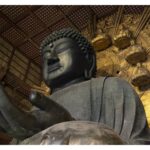
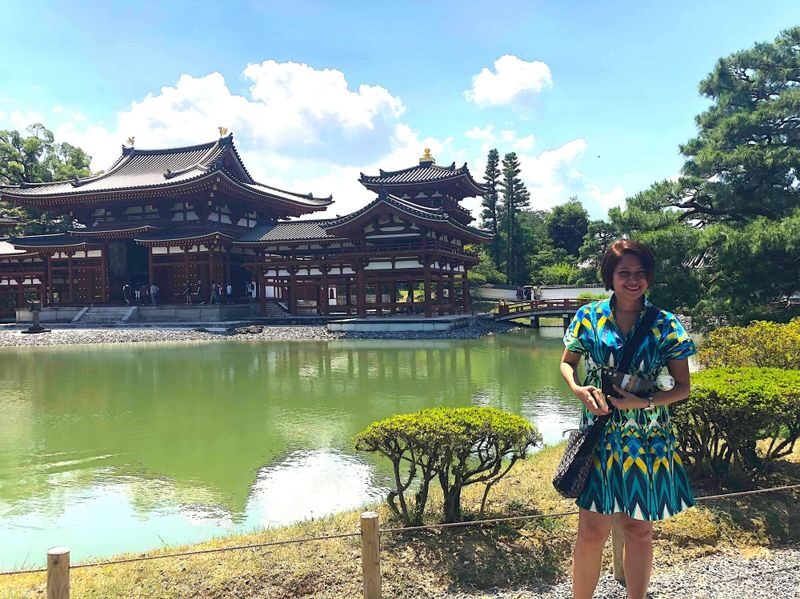
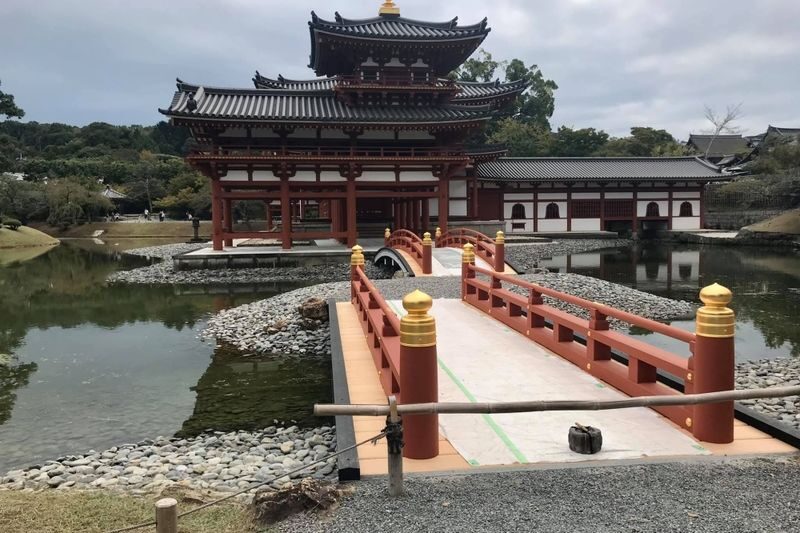
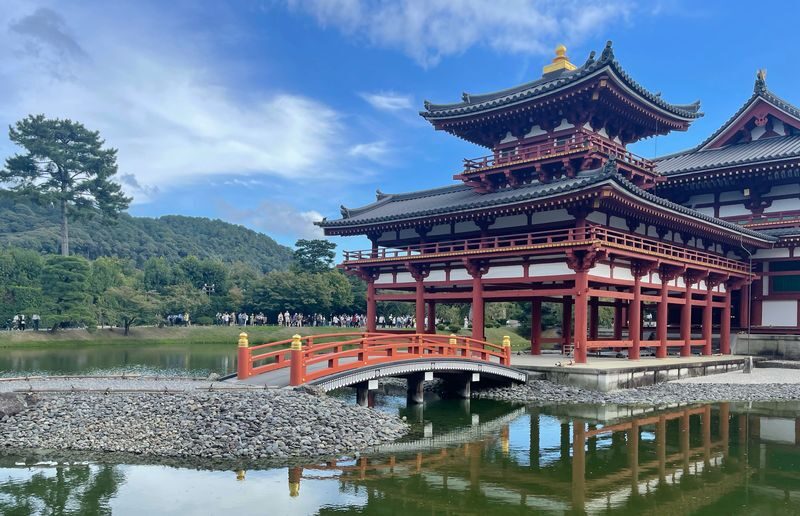
A visit to the outer grounds of Byodo-in adds an important historic counterpoint to the tea stops. The temple is a World Heritage site, and its image appears on Japan’s 10-yen coin. That makes it instantly recognizable to many people, but seeing the place in Uji gives the design a real setting and a story beyond its use on currency.
Keep the scope clear: the tour includes the outer grounds, not a stated visit inside the temple or its interior museum spaces. If going inside Byodo-in is a priority, you may need to arrange extra time separately. The advantage of the brief stop is that it adds a major landmark without turning this into a temple-only excursion.
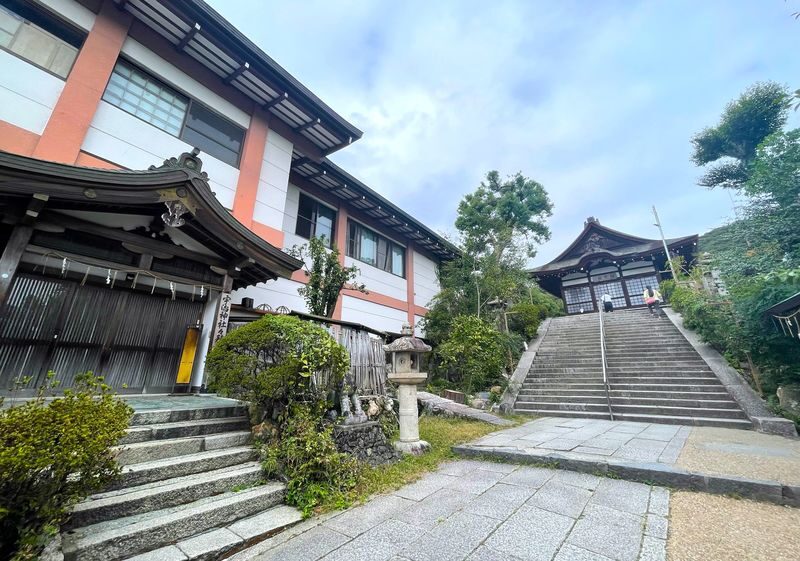
The guide also provides cultural and historical context along the way. Past guides have discussed shrines, temples, and Uji’s local story as well as matcha. That mix makes the tour a better choice for a curious first-time visitor than for someone who only wants to sample tea and leave.
Lunch, wagashi, and matcha ice cream
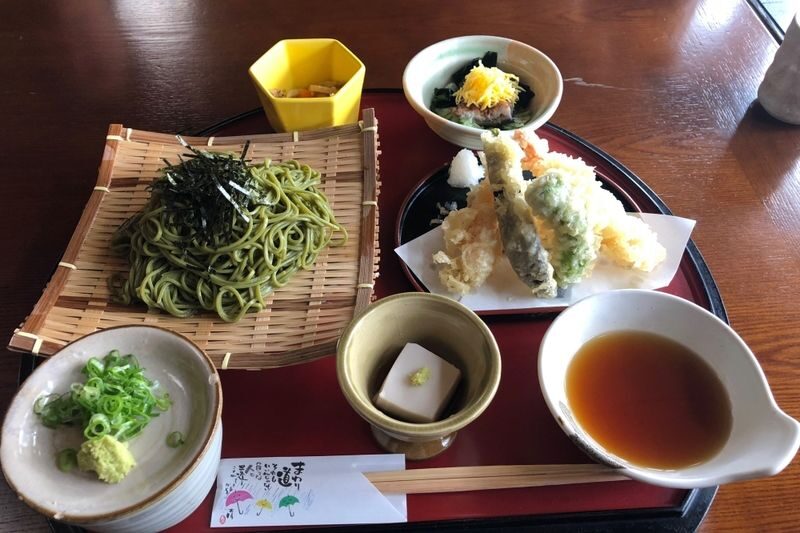
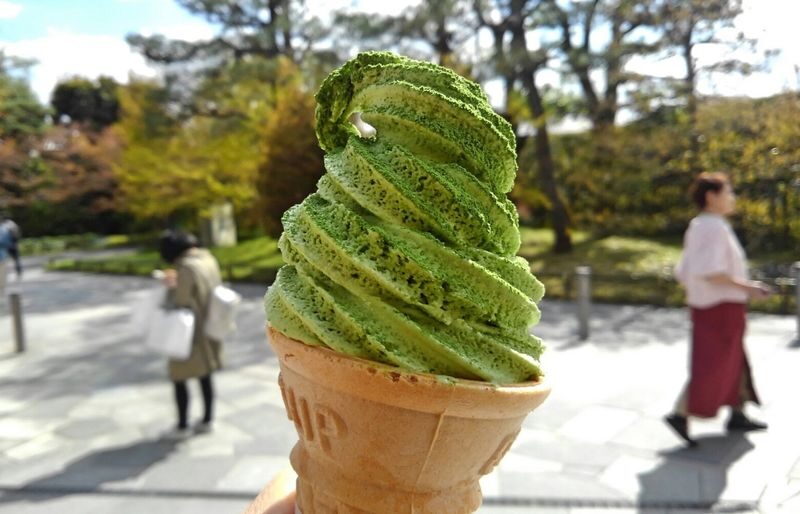
Food is a substantial part of the package, not an optional add-on. Lunch is included, and a past menu featured a meal using matcha as an ingredient. You also get wagashi, traditional Japanese sweets, and matcha ice cream. The exact menu can change with the season and available ingredients, so do not book expecting one fixed dish.
The range is one of the tour’s strengths. A cup of matcha can taste quite different from a sweet made with matcha or an ice cream, and trying more than one form gives you a broader feel for how the flavor is used locally. The tasting also turns the town’s tea reputation into something you can experience rather than just read about.
Pescatarian-friendly meals can be arranged. If that applies to you, make the request when booking or contact the provider in advance rather than assuming the standard lunch will suit your needs. Other dietary arrangements are not specified, so check before you commit if you have requirements beyond that.


What three hours can, and cannot, do
The schedule runs from 11 a.m. to 2 p.m. That is enough time for a guided walk, tea stops, food, and Byodo-in’s outer grounds, but it is still a compact visit. You will not have the freedom of an unstructured day, and the actual order of stops can change with weather and traffic.
That short format is valuable if your Kyoto itinerary is crowded. The guide takes care of the local context and route, while the included meal and tastings make the time feel like more than a quick walk. On the other hand, if you want to linger at temples, browse every shop, or explore at your own pace, plan extra time in Uji before or after the tour.
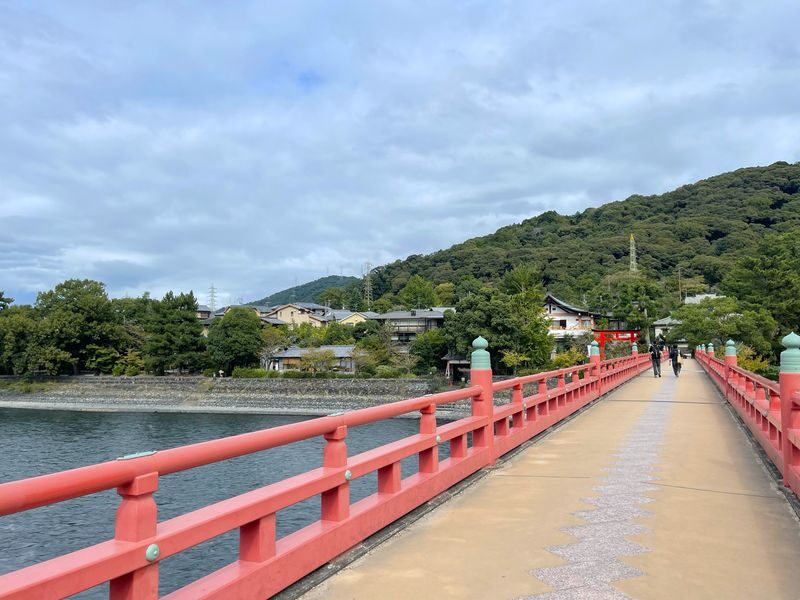
The town’s streets, tea shops, and river setting are part of the experience, but this is not described as a long countryside hike. The tour may include views and walks around Uji’s historic district, and the description evokes tea fields, though the specific route and field visit are not guaranteed. If you are booking mainly to walk through active tea fields, confirm the route with the operator first.
Is US$169.95 good value?
At a starting price of US$169.95 per person, this is not a low-cost way to see Uji. But the price includes a three-hour English-guided tour, lunch, matcha tasting, wagashi, and matcha ice cream. The value depends on whether you want all those pieces brought together, with a guide to explain the tea and local history.
If you would otherwise pay for a guided activity and a full meal, then buy several sweets and drinks, the package may make sense. It is especially appealing if you want the cultural explanation and do not want to research each tea stop yourself. The strong track record of positive comments about guides is also relevant: clear, friendly explanations can make a short visit much more worthwhile.
If you are comfortable exploring on your own and mainly want to visit Byodo-in or browse tea shops, the price may feel steep. You could instead make your own Uji day, but you would need to arrange the route and food yourself. Remember that transport is excluded from this tour’s price.
Who will get the most from this tour
This suits matcha fans who want more than a sweet drink, and first-time visitors who like a guided explanation of local customs. It also works well for people who want a manageable half-day outside central Kyoto, with food included and a clear start and finish.
Families may find the mix of walking, tasting, and sweets appealing. Children aged 0 to 2 are free, while those aged 13 and older pay the adult rate. No special activity details for children are provided, so consider whether your younger children will be comfortable with a three-hour guided outing.
You do not have to be a tea expert to enjoy it. The tour is also relevant if you care about Japanese history and local food, as the guides have discussed temples and cultural context as well as tea. It is less suitable if you dislike scheduled group activities, need a long temple visit, or prefer to choose every stop yourself.
Practical details to check before you go
The listed package is called Matcha Kyoto Green Tea Tour, and the activity provider is Arigato Travel. The schedule can change due to weather or traffic, and the lunch menu may vary with the season and ingredient supply. Pets are not allowed, and participants who appear intoxicated may be refused service without a refund.
Your voucher is valid only for the selected date and time. A full refund is available if you cancel at least 48 hours before the activity, using the destination’s local time. If severe weather or another unforeseen event leads the operator to cancel, you can reschedule or request a full refund. Late arrival and no-shows are not refundable.
Should you book the Uji matcha tour?
Book it if you want a guided, food-focused introduction to Uji, especially if matcha is a real interest and you value having a local guide connect tea, sweets, and temple history. The included lunch and tastings make the short outing feel complete, and guides such as Yume, Eri, Ako, and Sanae have been singled out for warm, clear explanations.
Skip it if your main goal is a long visit inside Byodo-in, an unhurried day of independent browsing, or a guaranteed walk through tea fields. For most people seeking an easy-to-follow half-day with tea, local food, and a landmark stop, it is a strong way to give Uji its own place in a Kyoto itinerary.
Kyoto Uji Half Day Matcha Green Tea Tour
“Ujii is a beautiful area and the tour included a meal using matcha as an ingredient, some education about the local cultural history, a small match…”
FAQ
How long is the Kyoto Uji matcha tour?
The tour lasts three hours, from 11 a.m. to 2 p.m. The schedule may change due to weather or traffic.
Where does the tour meet?
Meet at the entrance of Keihan Uji Station in Otsukata, Uji. Do not go to JR Uji Station.
Where does the tour end?
The scheduled return point is Masuda Chaho in Uji, at Renge-21-3.
Is lunch included?
Yes. Lunch is included, along with matcha tasting, wagashi sweets, and matcha ice cream. The menu may vary by season and ingredient availability.
Does the tour go inside Byodo-in Temple?
The tour includes a visit to Byodo-in’s outer grounds. An interior visit is not specified.
Is transportation included in the price?
No. Transport and personal expenses are not included.
Can a pescatarian meal be arranged?
Yes. Pescatarian-friendly meals can be arranged.
What is the cancellation policy?
You can receive a full refund if you cancel at least 48 hours before the activity date, using local destination time. Late arrivals and no-shows are not refundable.