Making chopsticks from a plain piece of wood is a satisfying change of pace from Kyoto’s temples and crowded streets. At HASHI LAB, you choose a wood, shape it with a hand plane, sand it smooth, and finish it with oil, all in a historic townhouse near Kyoto Station.
What I like most is the chance to make a useful souvenir rather than buy one, and the patient, step-by-step help that makes the work approachable for beginners and children. The scent of the wood adds a calm, tactile quality you will not get from a shop counter.
One thing to plan for: the $25 starting price covers only four of the available woods. Some choices cost extra, and personalized engraving is another ¥1,000, so decide what matters to you before adding upgrades.
- At a glance
- A Kyoto craft break near the station
- Choosing a wood that suits you
- From rough wood to a finished pair
- Guidance that keeps the work enjoyable
- The value of a souvenir you make yourself
- Engraving and finishing your personal keepsake
- Who will enjoy this workshop most
- Should you book HASHI LAB?
- FAQ
- How long does the chopstick workshop last?
- How much does the workshop cost?
- Is name engraving included?
- Which languages are used for instruction?
- Can children take part?
- How large are the groups, and is the workshop wheelchair accessible?
- The Best Of Kyoto!
- More Workshops & Classes in Kyoto
- More Tours in Kyoto
- More Tour Reviews in Kyoto
- Not for you? Here's more nearby things to do in Kyoto we have reviewed
At a glance
 1 / 8
 2 / 8
 3 / 8
 4 / 8
 5 / 8
 6 / 8
 7 / 8
 8 / 8
- A hands-on Kyoto keepsake: Shape and finish a pair of chopsticks you can take home and use.
- Four woods are included: There are 12 types to choose from in total, with upgrades available from ¥1,500.
- A short, focused session: The scheduled activity lasts 45 minutes, though more ambitious projects may take longer.
- Small groups, personal guidance: Sessions are limited to eight people, with instruction in English or Japanese.
- A handy location: The workshop is about five minutes from Kyoto Station, making it easy to fit into a sightseeing day.
- Optional personal touches: Add name engraving for ¥1,000, or choose a wood upgrade for an additional fee.
👉 See our pick of the 25 Best Workshops And Classes In Kyoto
A Kyoto craft break near the station
HASHI LAB offers a compact craft experience in a traditional Kyoto townhouse, close to the city’s main rail hub. That location makes it a practical stop between train travel and sightseeing, or a welcome change from a day spent looking at temples, gardens, and shops.
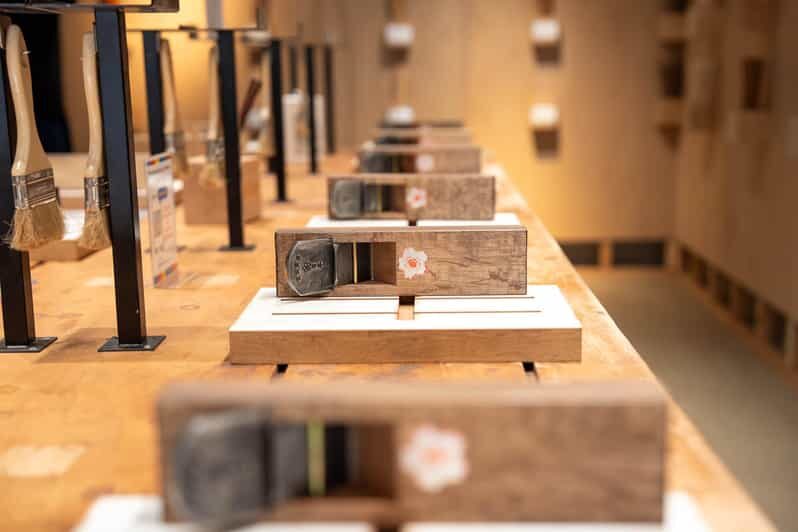
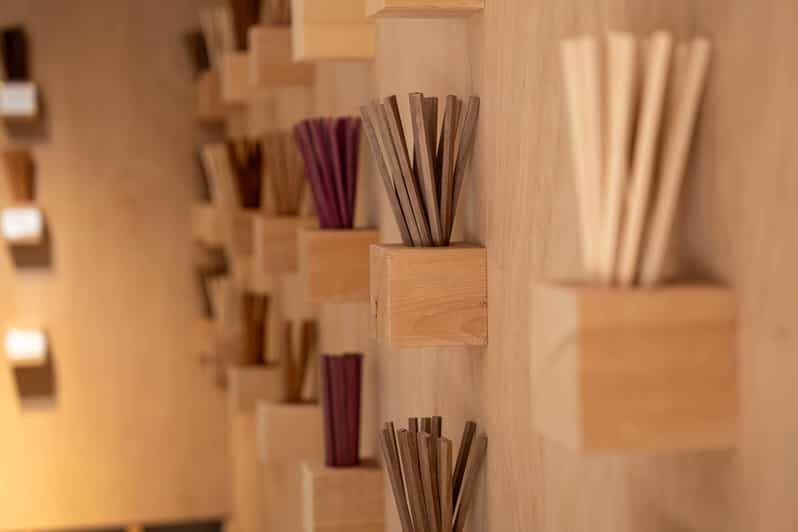
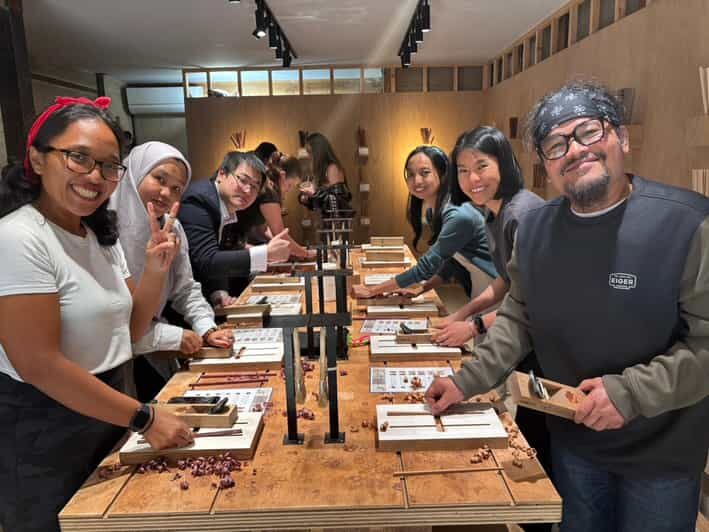
The setting matters here. Wood is central to the activity, and the workshop is surrounded by carefully selected timber. As you work, you notice the natural scent and feel of the different woods. It is a quiet, tactile kind of activity: less about watching a demonstration and more about making something with your own hands.
The experience is not a broad lesson in Japanese woodworking, and it does not need to be. In 45 minutes, you focus on one familiar object and learn how much care goes into making it. That small scale is part of the appeal. You leave with a better sense of how a simple pair of chopsticks takes shape, along with a souvenir that carries a personal connection to Kyoto.
You can also read our reviews of more tours and experiences in Kyoto
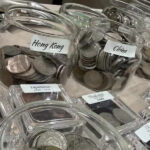
Choosing a wood that suits you
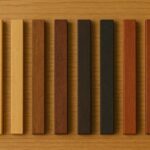
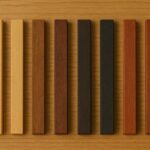
You begin by looking over the wood choices. The range includes familiar options such as cypress, cedar, and maple, with 12 types available overall. Four are included in the base price; choosing from the other woods costs extra, with upgrades listed from ¥1,500.
This choice is more than a color preference. The wood affects the look and feel of the finished chopsticks, and some types take more work to shape than others. If you want the easiest path through a short session, ask the staff to explain the differences before choosing. If you are happy to spend longer and want a particular quality or look, an upgraded piece may suit you better.
The extra cost is worth weighing against how you plan to use the chopsticks. For a simple memento, one of the included woods may be plenty. If you want a pair you will reach for often at home, you may prefer to pay more for a wood that appeals to you. There is no need to choose the most expensive option to make the activity meaningful.
Because the listed information refers to both around 10 and 12 varieties, it is safest to think of the selection as up to 12 woods, with availability and the included options worth confirming when you arrive.
From rough wood to a finished pair
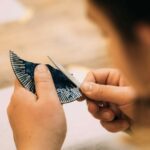
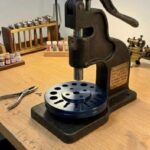
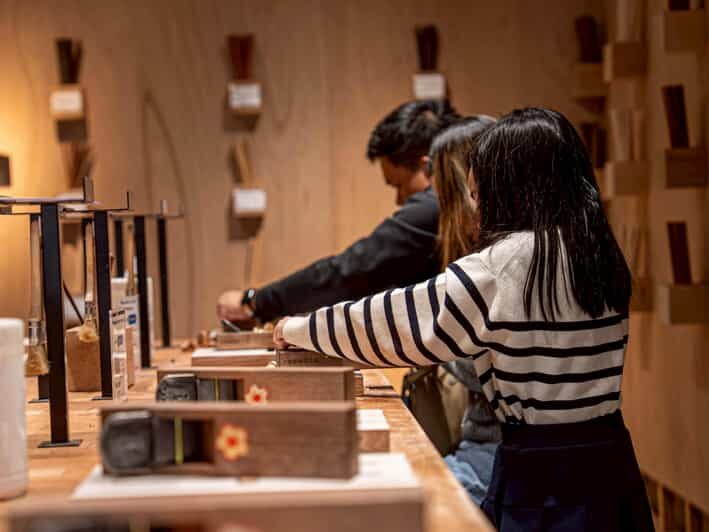
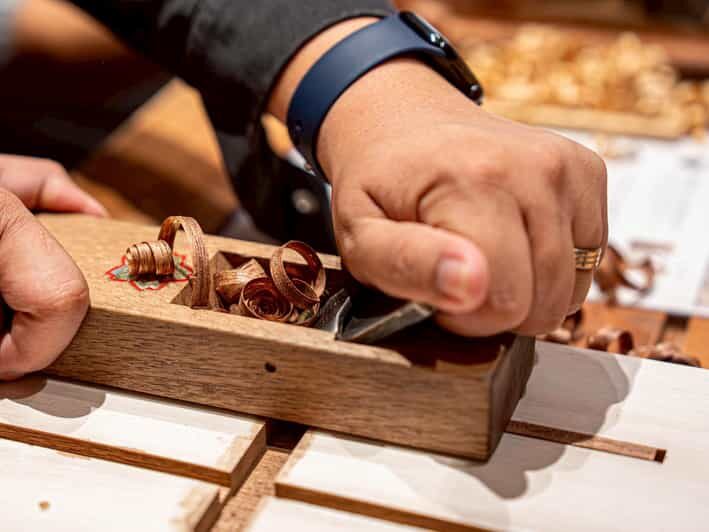
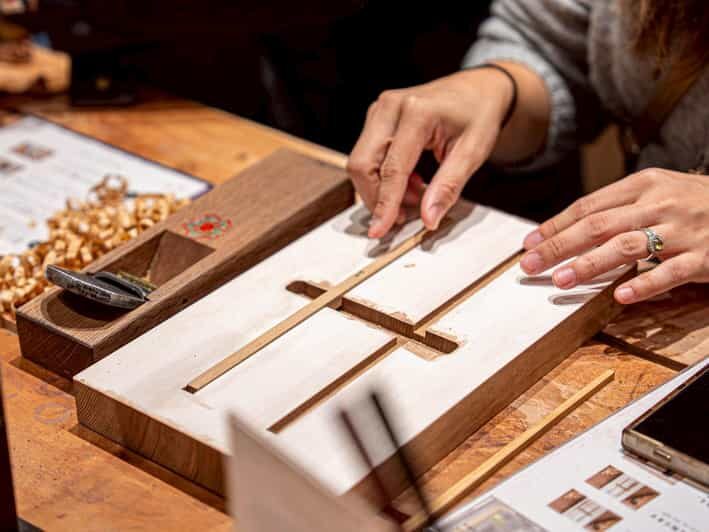
Once you have chosen your wood, the work begins. You shape the pieces with a plane, gradually removing material until the chopsticks take on their form. The process is hands-on, but it is not a test of woodworking skill. Staff explain each step and show you where to work, so first-timers can follow along without needing to know how to use the tools in advance.
The shaping stage is where you will notice the differences between woods most. A harder piece can take more effort, and a hurried hand can leave an uneven shape. You do not need to aim for factory-perfect symmetry. Take the guidance seriously, work steadily, and ask for help if one side begins to look different from the other. Staff are there to point out where the form needs attention and help you correct small mistakes.
Next, you smooth the chopsticks with sandpaper. This part is slower and more precise than the initial shaping. It gives you a chance to refine the feel in your hand and remove rough spots left by the plane. The care you put in here makes a difference to the finished object, especially if you intend to use the pair rather than display it.
The final step is an oil finish. It gives the wood a more complete appearance and adds a last personal touch to the piece you have shaped. The sequence is easy to follow: choose, shape, smooth, and finish. That clear progression is one reason the workshop works well for families and people with no craft experience.
Guidance that keeps the work enjoyable
The instruction is available in English and Japanese, and the group size is capped at eight. That small limit is useful in a workshop setting, where you may need a little attention at different stages rather than a long speech at the beginning.
The staff guide you through the process, help you understand the wood options, and offer corrections as you work. Kurachi and Kenta are among the instructors named by participants, and the guidance is described as patient and encouraging. If you are making chopsticks with a child, or if you fall behind while shaping, do not be shy about asking for help.
Children and teens can take part, and the activity has worked for families with children as young as six. The tools still require care and supervision, but the step-by-step format makes the task manageable for school-age children. It can also be a good activity for adults who want to try something creative without signing up for a long class.
One useful point to keep in mind: 45 minutes is the stated duration, but it is not a promise that every choice or project will fit neatly into that window. A participant who made two pairs from harder, upgraded wood spent about two hours shaping them. That is an unusual, more involved example, not the standard session, but it shows how the wood and your ambitions can affect the time needed.
The value of a souvenir you make yourself
At $25 per person, the experience costs more than buying an ordinary pair of chopsticks. The comparison is not quite like for like, though. You are paying for the material, the use of the tools, staff guidance, time in a small workshop, and the chance to make the object yourself.
That makes the price reasonable if you enjoy hands-on activities or want a keepsake with a story attached. You will remember the work involved when you use the chopsticks at home, and each pair will have its own small differences. For a family, it can turn a regular afternoon into an activity everyone takes part in, rather than a stop where adults browse and children wait.
The base price becomes less compelling if you mainly want a polished, ready-made souvenir and have no interest in making it. Upgraded wood adds ¥1,500 or more, and engraving costs ¥1,000. Those extras can be worthwhile if a particular wood or a name inscription matters to you, but they are not necessary to complete the craft.
If you want to keep costs predictable, choose from the four included woods and skip engraving. If you are treating the activity as a special keepsake, ask about the price of the wood you want before you commit. The listed starting price is attractive, but the final cost depends on your choices.




Engraving and finishing your personal keepsake
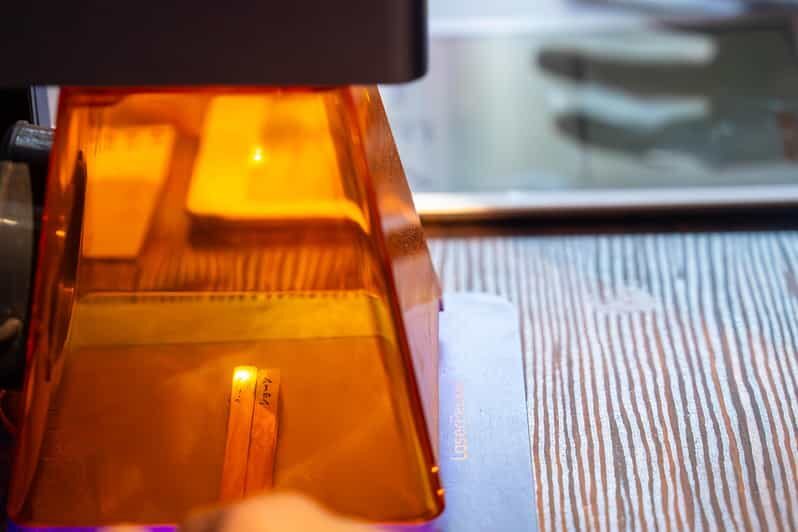
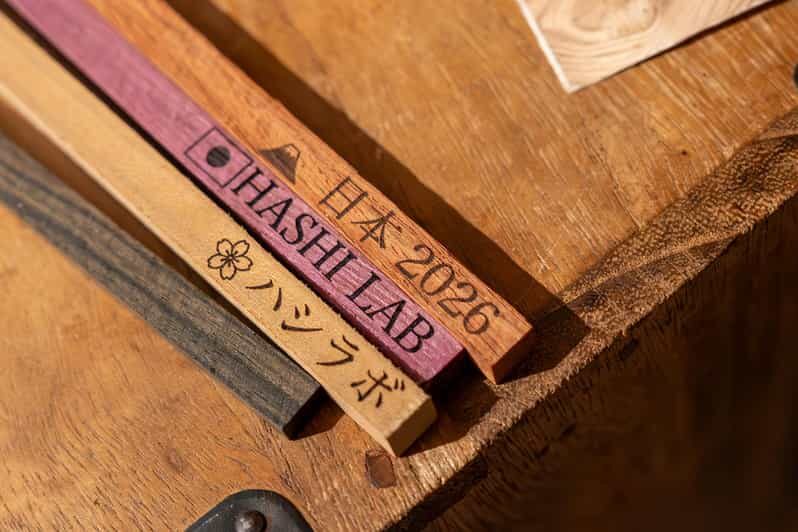
Personalized engraving is available for an additional ¥1,000. It is an optional add-on, not part of the $25 base experience. If you want your name engraved, include that in your budget and make sure the added personal touch is worth the extra cost to you.
That small detail can make the finished pair feel more distinctly yours, especially if you are making them as a gift or as a reminder of a first visit to Japan. It is not essential to the craft itself. The hand-shaped wood is already personal, and the finish comes from the choices you make at each stage.
A practical approach is to decide before the session whether engraving matters. That way, the base price and possible extras are clear from the outset, and you can focus on choosing the wood and shaping the pair.
Who will enjoy this workshop most
This is a good fit if you want a short activity that involves doing something, not just looking. Couples can make their own pairs side by side, friends can compare wood choices, and families can share a project that is simple enough for children while still holding an adult’s attention.
It is also a sensible choice for a rainy afternoon or a break in a sightseeing-heavy itinerary. The workshop is indoors, takes 45 minutes as scheduled, and sits close to Kyoto Station. That combination makes it easier to fit in than a long class across town.
You should be comfortable using your hands and taking a little time over the details. If you are in a rush, choose an included wood and keep the project simple. If you want a more challenging piece or several pairs, allow extra time rather than assuming the scheduled duration will cover everything.
The workshop is wheelchair accessible, and instruction is offered in English and Japanese. Groups are limited to eight, which helps keep the setting small. You can reserve now and pay later, and cancellation is free up to 24 hours in advance.
Should you book HASHI LAB?
Book it if you want a practical souvenir with a personal story, enjoy making things, or need a family-friendly activity near Kyoto Station. The strongest reason to go is the balance of clear instruction and real participation: you do the shaping and finishing yourself, with help close at hand.
Think twice if you are looking only for the cheapest chopsticks or have a tightly packed schedule. The base price does not include every wood choice or engraving, and some projects can take longer than 45 minutes. For most people who value the making as much as the finished pair, though, it is a rewarding way to spend part of an afternoon.
Kyoto: Chopstick Making Workshop at HASHI LAB
FAQ
How long does the chopstick workshop last?
The scheduled experience lasts 45 minutes. A more involved project, such as making two pairs with upgraded wood, may take longer.
How much does the workshop cost?
The price is $25 per person. Four wood types are included, while wood upgrades cost ¥1,500 or more.
Is name engraving included?
No. Personalized engraving is an optional extra costing ¥1,000.
Which languages are used for instruction?
Instruction is available in English and Japanese.
Can children take part?
Yes. The activity is suitable for first-timers and children, with staff giving step-by-step guidance.
How large are the groups, and is the workshop wheelchair accessible?
Groups are limited to eight participants, and the workshop is wheelchair accessible.
You can check availability for your dates here: