Bangkok’s Pink Chili class begins with a practical lesson in Thai food: a walk through a local market to see, smell, and learn about the ingredients that go into your cooking. Then you return to the school to make four dishes and one curry paste, with an English-speaking instructor guiding each step.
I like two things especially: the market visit makes unfamiliar herbs and produce easier to recognize, and individual cooking stations give you a chance to take part rather than just watch. Chef Pimmy is named by several participants as a patient, engaging teacher, though instructors may vary.
One consideration: this is a friendly introduction, not an advanced chef’s course. Some ingredients and seasonings may be measured or set out ahead of time, and the cooking area can feel warm.
- What makes Pink Chili worth considering
- Start with a market walk, not a lecture
- Four dishes, one curry paste, and a changing menu
- Individual stations make the lesson practical
- The final meal is part of the lesson
- How the timing and location affect your day
- What the price includes, and whether it feels fair
- Who should book Pink Chili
- FAQ
- How long does the Pink Chili cooking class last?
- What does the class include?
- Is the menu the same every day?
- Are morning and afternoon classes available?
- Where is the school?
- Can beginners join?
- Can the class accommodate dietary needs?
- What is the minimum age?
- The Best Of Bangkok!
- More Cooking Classes in Bangkok
- More Tours in Bangkok
- More Tour Reviews in Bangkok
- Not for you? Here's more nearby things to do in Bangkok we have reviewed
What makes Pink Chili worth considering
 1 / 8
 2 / 8
 3 / 8
 4 / 8
 5 / 8
 6 / 8
 7 / 8
 8 / 8
- A local market visit comes before the cooking. You get an introduction to the ingredients and a chance to see how they are sold locally.
- You cook four dishes and one curry paste. The daily menu changes, so check the menu for your date if you have a particular dish in mind.
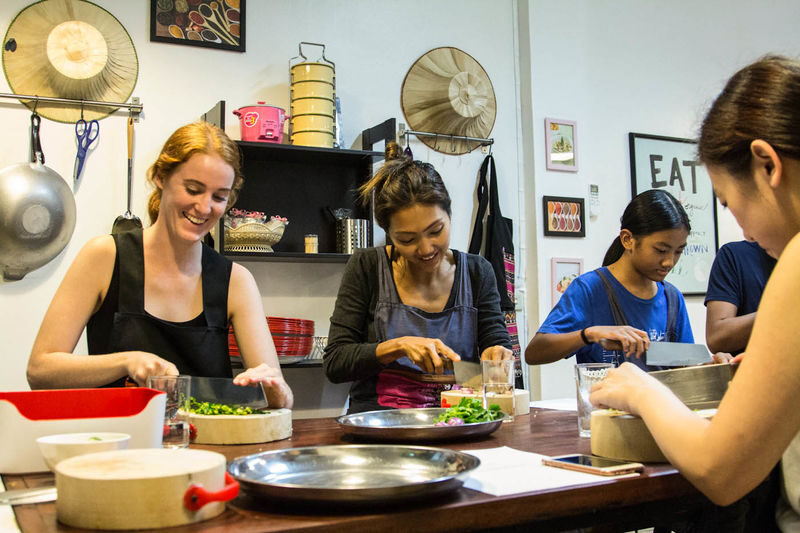
- You have your own cooking station. That can make it easier to follow along and get hands-on, even if you are new to cooking.
- English instruction welcomes beginners. The class is designed for people without cooking experience, and instructors are often praised for clear, patient guidance.
- On Nut BTS is nearby. The school is described as a 10-minute walk from the station, though some people allow closer to 15 minutes.
- The class is a meal as well as a lesson. You eat the food you prepare, with water, tea, coffee, ingredients, and equipment included.

👉 See our pick of the 25 Best Shopping Tours In Bangkok
Start with a market walk, not a lecture
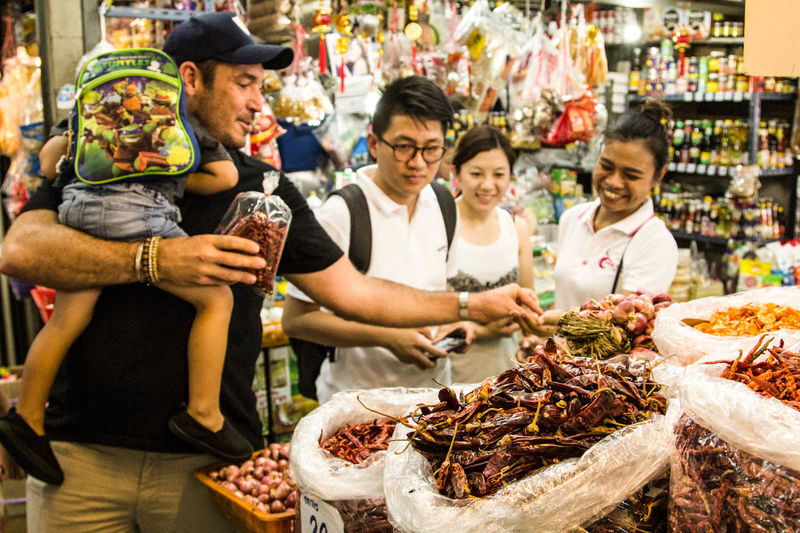
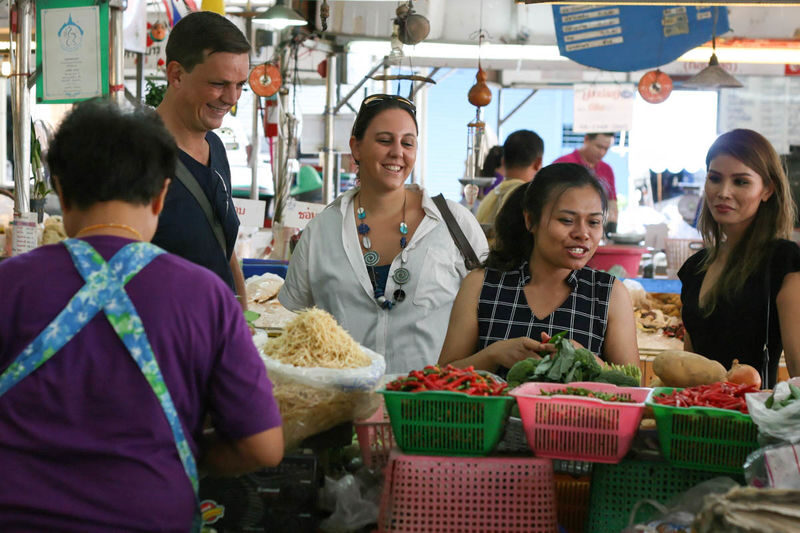
The class meets at Pink Chili Thai Cooking School, at 250/10 Sukhumvit Road, Soi On Nut 2/1 Alley, in Watthana. From there, the group walks to a nearby market to pick up fresh ingredients. The market is small, according to one description, but has the produce needed for the class.
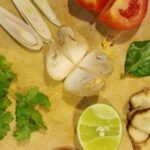
This first stop gives the cooking a useful local frame. Instead of meeting lemongrass, herbs, and vegetables only as chopped ingredients on a tray, you can see them in their market setting and hear how to choose them. Participants have also learned about substitutes they can use at home, a practical detail if you want to cook Thai food after returning from Bangkok.
The market visit is not a long shopping excursion. It is part of the lesson, with the instructor explaining ingredients that will appear in the recipes. You may have a chance to shop for yourself, but the main purpose is to understand what you will cook with.
A morning class starts at 08:45, and the schedule places the market visit near the beginning. Arrive 15 minutes early at the school, rather than trying to catch up with the group on the way. The school is close to On Nut BTS, but allow a little extra walking time if you are unfamiliar with the side streets.
You can also read our reviews of more cooking classes in Bangkok

Four dishes, one curry paste, and a changing menu
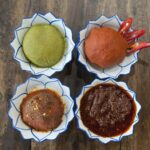
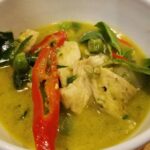
After the market, you return to the classroom for a briefing and ingredient preparation. The class covers four dishes and one curry paste, but the menu changes by day. Examples made in class have included Pad Thai, Tom Yum Goong, green curry chicken, and mango sticky rice. Treat those as possibilities, not a guaranteed set.
That changing menu is worth keeping in mind when you book. If you are keen to learn a particular dish, check the daily menu rather than assuming it will be served. The variety also means two visits might not follow exactly the same recipe list.
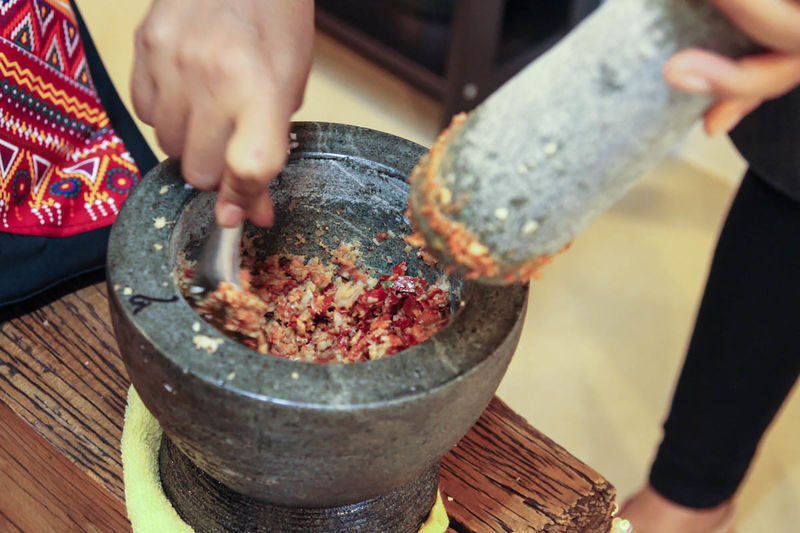
The curry paste can be one of the more memorable parts. One participant described making it from scratch and found the work tiring but informative. The class includes one curry paste, but the exact steps and level of hands-on work may depend on the day’s menu and teaching approach.
The recipes are presented as accessible, which suits beginners and anyone who wants a first look at Thai cooking. You may learn how herbs and seasonings are used, how ingredients are prepared, and how a dish comes together. Participants have praised the clarity of the instructions and the chance to ask questions about ingredients.
If you already cook often, set your expectations accordingly. Some people have found the recipes simple, and some preparation or seasoning portions may be ready in advance. That can help the class keep moving, but it may leave experienced cooks wanting more time to work from scratch or explore technique in depth.
Individual stations make the lesson practical
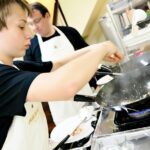
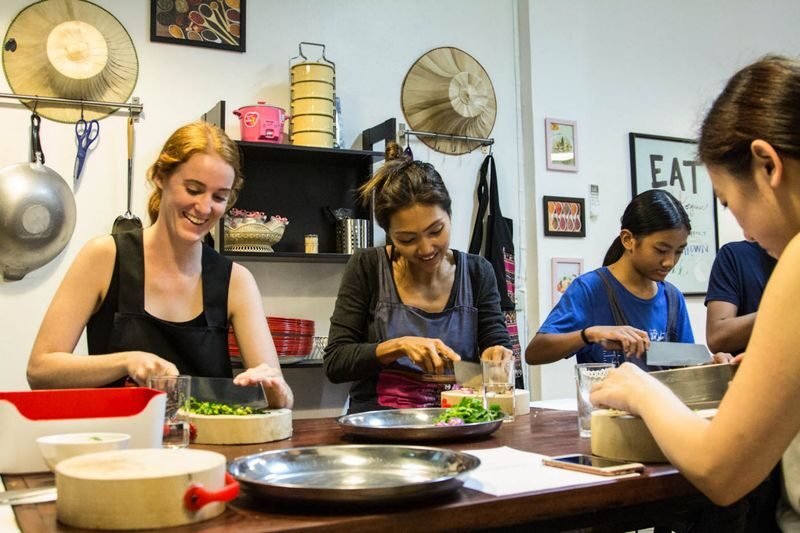
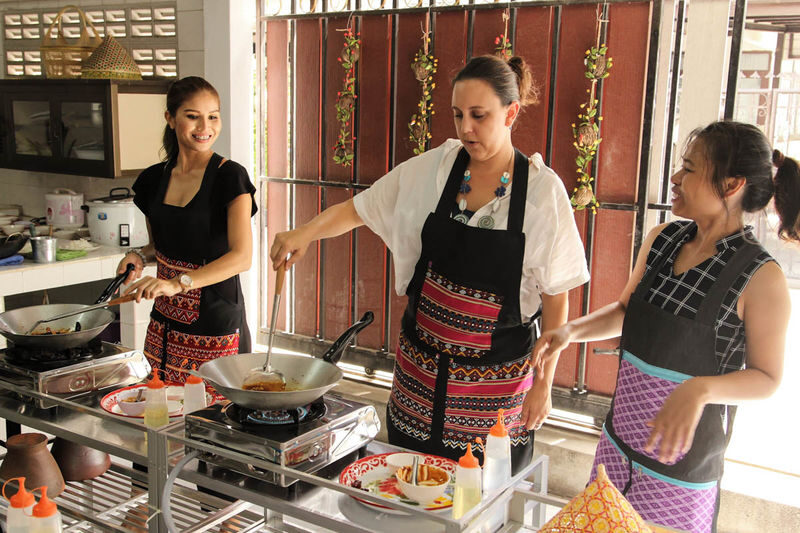
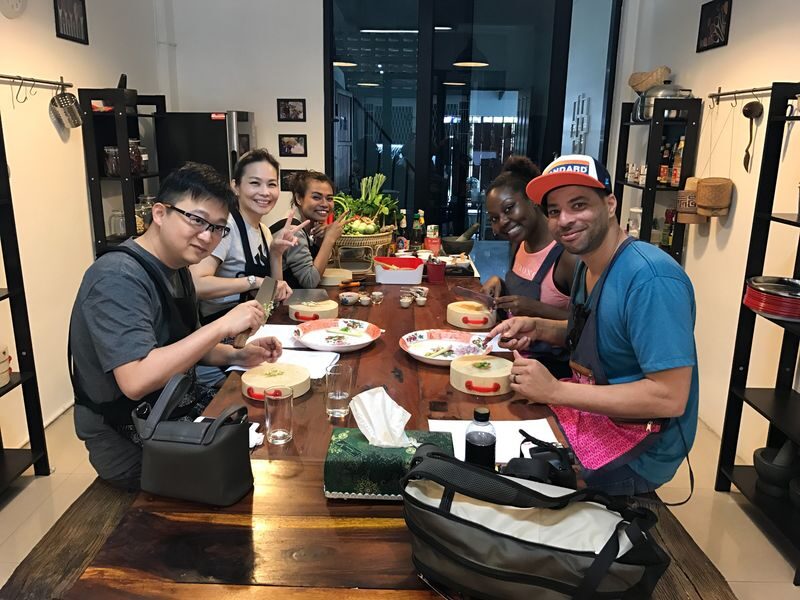
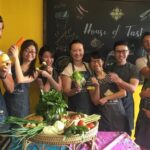
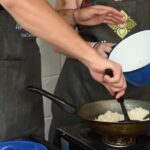
The school provides ingredients and equipment, and participants cook at individual stations. That arrangement matters: you are not simply watching a chef prepare lunch. You can take part in the cooking and then eat what you have made.
The class is intended for beginners, so you do not need to arrive with knife skills or a working knowledge of Thai ingredients. Instructions are in English, and people have described them as easy to follow. Chef Pimmy is one instructor name associated with the class; participants who took her lessons have described her as patient and willing to answer questions. The instructor on your date may differ.
The teaching style may not suit everyone equally. Many people appreciate careful explanations and a relaxed pace. A few have felt that staff stepped in too quickly or that too much of the preparation was already done. If your main goal is a technical cooking workshop, you may want to ask about the day’s format before booking.
For a first cooking class, though, the structure is sensible. You get the guidance needed to complete several dishes without spending the whole session trying to master one complicated recipe. You can also take notes and bring home recipe ideas, which makes the class useful beyond the meal itself.
The final meal is part of the lesson
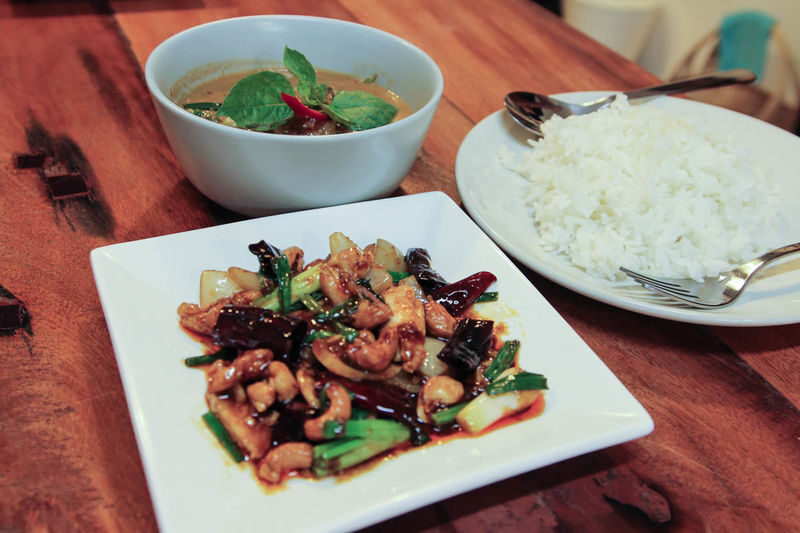
Once cooking is done, you sit down to enjoy your creations. That is the most satisfying payoff: the food is not a demonstration plate prepared by someone else, but the result of your own work. The class includes four dishes, so expect a proper tasting meal rather than a single sample.
You can also ask for adjustments to spice levels, according to participants who have cooked here. If you have an allergy, gluten intolerance, vegetarian diet, or another dietary need, the activity can accommodate special requirements. Share those needs when arranging the class so the school has a chance to prepare.
The meal gives you a chance to compare flavors and notice how ingredients behave together. Even if you forget some of the exact steps later, seeing and tasting the finished dishes can help you remember what you would like to recreate at home. The class provides recipe ideas, and one participant specifically noted leaving with a printed recipe.
How the timing and location affect your day
The experience is described as a four-hour class. The morning schedule runs from 08:45 to 13:00, including the market visit, briefing, preparation, cooking, and meal. That timetable makes the morning class a substantial half-day plan, so avoid scheduling a tight appointment immediately afterward.
Morning and afternoon sessions are offered, Monday through Saturday. There is no Sunday class. The exact afternoon time is not specified here, so check the selected session details before making plans around it.
Pink Chili is about a 10-minute walk from On Nut BTS Station, though some people describe the walk as closer to 15 minutes. That makes the location reachable by train, with no need to arrange a special transfer. The address is worth saving in your map before you set out: 250/10 Sukhumvit Road, Soi On Nut 2/1 Alley, Phra Khanong Nuea, Watthana, Bangkok.
The cooking school is described as having an air-conditioned room, while the cooking area itself may be warmer and has been described as having a fan. Bangkok heat can make that distinction noticeable, especially during active cooking. Wear comfortable clothes, and arrive on time: late arrivals and no-shows are not refundable.
You can also read our reviews of more tours and experiences in Bangkok


What the price includes, and whether it feels fair
The supplied starting prices differ slightly: the package information shows US$31.79, while the summary gives US$34.95. Think of that as an approximate starting range, and check the price for your chosen date and session before booking.
For that starting cost, the package includes the cooking class, local market visit, four dishes and one curry paste, ingredients, equipment, an English-speaking instructor, and water, coffee, or tea. The value is not just the meal. You are paying for a guided introduction to ingredients and for the chance to make several dishes in one sitting.
That is good value if you want a hands-on activity and a generous lunch, especially if you are curious about Thai food but unsure where to start. It is less compelling if you are an experienced cook seeking advanced technique or a highly customized lesson. The small-group format can vary: on some dates, only a few people have attended, and on others, a participant has had a one-on-one lesson. That can mean more direct attention, but the group size is not guaranteed.
Who should book Pink Chili
This class is a good fit for first-time cooks, food-minded visitors, and anyone who would like a low-pressure way to learn about Thai ingredients. You can arrive without cooking experience, ask questions in English, and leave with ideas to try at home. It can also suit friends or a small group looking for an activity that ends with lunch.
It is less ideal for children under 12, who are not allowed in the class and are not recommended to come onsite. Only paying participants may join. More experienced cooks should decide whether a beginner-friendly class and a daily rotating menu match what they want to learn.
The best reason to choose Pink Chili is the combination of market context and cooking. You get more than a recipe demonstration, but less than an intensive culinary course. If that balance sounds right, and you are happy to let the day’s menu guide the meal, it is a practical and appealing way to spend a half-day in Bangkok.
Pink Chili Thai Cooking Class
“An amazing Thai cooking experience! The classes at Pink Chili are very thoughtfully organized, and the instructor was enthusiastic, friendly, clear…”
FAQ
How long does the Pink Chili cooking class last?
The Thai cooking class is described as a four-hour activity. The morning schedule runs from 08:45 to 13:00.
What does the class include?
It includes a local market visit, four dishes and one curry paste to cook, ingredients, equipment, an English-speaking instructor, and water, coffee, or tea.
Is the menu the same every day?
No. The menu changes each day. Check the daily menu if you have a particular dish in mind.
Are morning and afternoon classes available?
Yes. Both morning and afternoon packages are offered Monday through Saturday. No Sunday class is available.
Where is the school?
Pink Chili Thai Cooking School is at 250/10 Sukhumvit Road, Soi On Nut 2/1 Alley, Phra Khanong Nuea, Watthana, Bangkok. It is described as about a 10-minute walk from On Nut BTS Station.
Can beginners join?
Yes. No cooking experience is required, and beginners are welcome.
Can the class accommodate dietary needs?
Yes. The activity can accommodate allergies, gluten intolerance, vegetarian diets, and other dietary requirements.
What is the minimum age?
Participants must be at least 12 years old. Children aged 0 to 11 are not allowed in the class and are not recommended to come onsite.