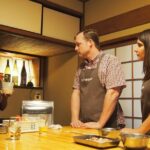
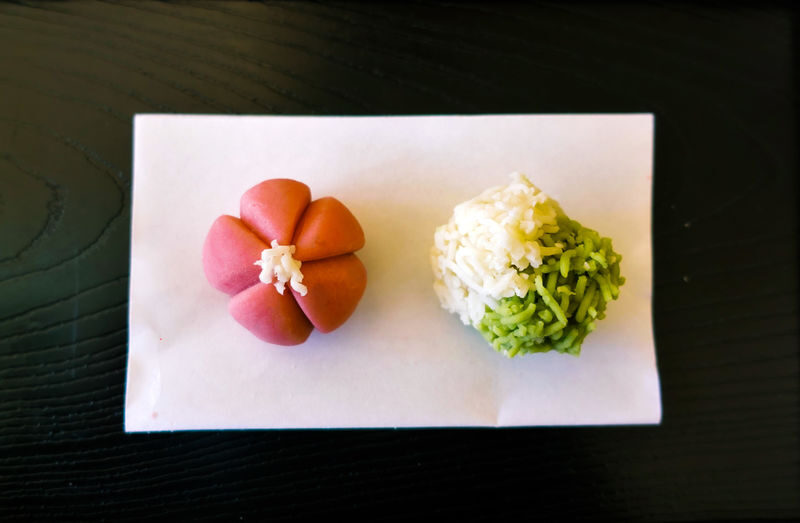
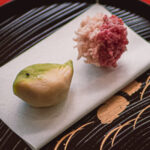
Nerikiri is Japanese confectionery you can admire before you taste it: delicate colors and careful shaping turn bean paste into small seasonal designs. At AN OSAKA Japanese Culture Experience in central Osaka, you make two sweets yourself, a flower-shaped nerikiri and a kinton style, with an instructor guiding each step.
I like two things in particular: you work with real bean paste from established Kyoto shops, and the class gives you a chance to try a traditional craft without needing Japanese-language skills. The instructors are often praised for clear, patient explanations, and the sweets you shape are yours to eat.
One point to keep in mind: this is mainly a shaping and presentation class, not a from-scratch cooking lesson. The published session is 55 minutes, but some people find the practical portion shorter or hurried, especially if the class starts late.
- At a glance
- Turning Kyoto bean paste into seasonal sweets
- A flower design, then kinton
- What happens during the visit
- The value of a short, hands-on class
- Who will enjoy shaping nerikiri
- Practical details before you book
- Should you book this Osaka sweets class?
- FAQ
- How many sweets will I make?
- Are the ingredients prepared in advance?
- How long is the workshop?
- Can children take part?
- Is the class taught in English?
- Do I get to eat the sweets I make?
- Is a tea ceremony included?
- Where is the workshop held?
- Are there stairs at the venue?
- What session times can I choose?
- The Best Of Osaka!
- More Dessert Tours in Osaka
- More Tours in Osaka
- More Tour Reviews in Osaka
- Not for you? Here's more nearby things to do in Osaka we have reviewed
At a glance
 1 / 4
 2 / 4
 3 / 4
 4 / 4
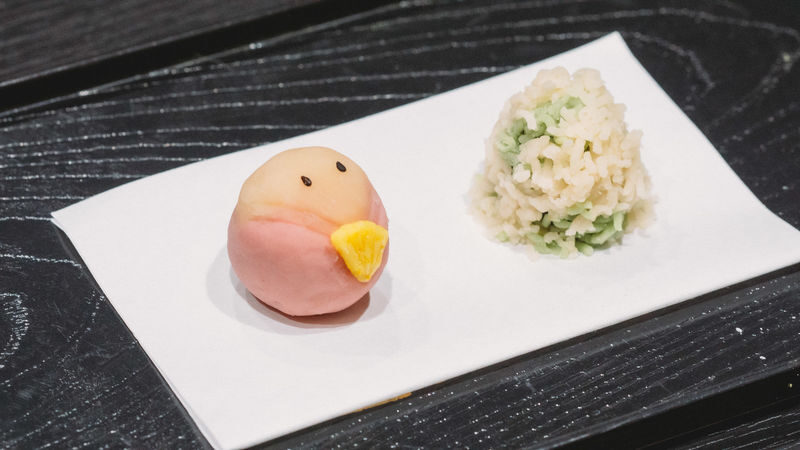
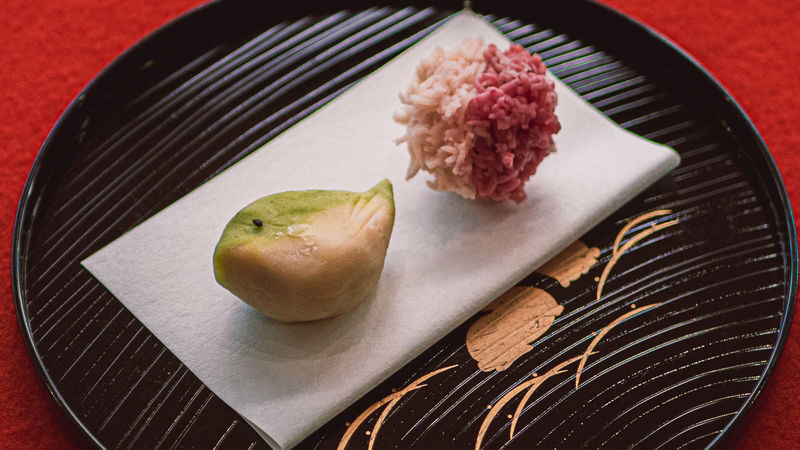
- You make two seasonal sweets: a flower-shaped nerikiri and a kinton nerikiri.
- The bean paste comes prepared: the white and red bean pastes are made by long-established Kyoto shops.
- English support is common: instructors often explain in both Japanese and English, though fluency can vary.
- It’s a short indoor activity: the main class is scheduled for 55 minutes, with a separate 10-minute break listed.
- The experience is hands-on, not a full cooking course: expect to shape and decorate, rather than prepare the ingredients from scratch.
- The room is on the third floor: the building has steep stairs, so check access needs before booking.
👉 See our pick of the 24 Best Workshops And Classes In Osaka
Turning Kyoto bean paste into seasonal sweets
Nerikiri is a type of wagashi, or Japanese confectionery, known for its sculpted appearance. Instead of simply cutting or baking a finished sweet, you shape colored bean paste by hand. The designs often take cues from flowers and the seasons, so the finished pieces can look more like small ornaments than everyday snacks.
In this class, the instructor introduces traditional sweets and demonstrates how to form two designs. The first is flower-shaped. The second is kinton, another style of nerikiri that gives you a different way to work with the paste and finish the sweet.
The key word is shape. The bean pastes are prepared before class, so this is not a recipe lesson in which you cook the filling from raw ingredients. You use white and red bean paste supplied by long-established Kyoto shops, then follow the instructor’s steps to mold and present your sweets. That makes the session approachable for beginners, but it also means you should not expect to leave with a recipe you can reproduce exactly at home.
I think that distinction matters when you compare this with a cooking class. The pleasure here is in handling the materials, learning how much care goes into the form, and seeing your own work take shape. It is a small craft lesson with a tasty finish, not a full confectionery apprenticeship.
You can also read our reviews of more tours and experiences in Osaka


A flower design, then kinton
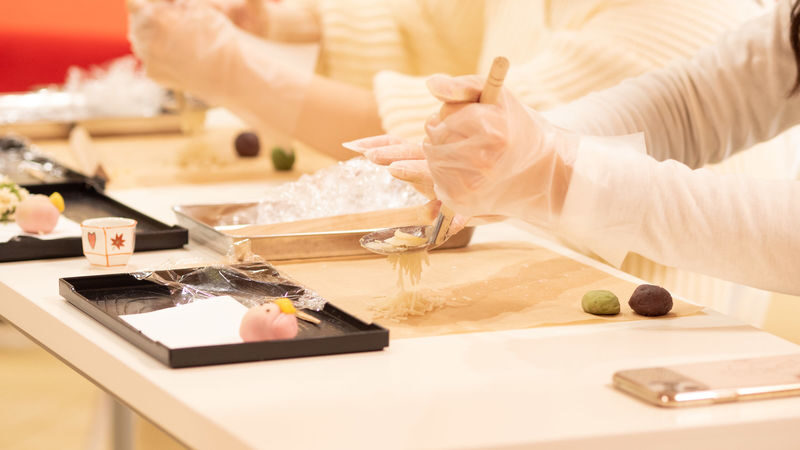
The class begins with an explanation of traditional Japanese sweets, followed by the instructor’s demonstration. You then make the flower-shaped nerikiri and move on to the kinton style. The teacher guides you through the process, and participants describe the steps as easy to follow even when they have little or no Japanese.
Do not assume that simple-looking sweets are simple to make. The shaping takes more care than it may appear to require, and your finished pieces may not look quite like the instructor’s example. That is part of the fun. The activity rewards patience more than artistic confidence, and the goal is to try the technique, not produce a perfect display piece.
The class is suitable for adults and children, with no age limit stated. It can also work for solo participants, couples, or families. The pace may depend on how quickly the group follows along, though, and the class has a set schedule. If you tend to need extra time with hands-on tasks, arrive promptly and settle in before the demonstration begins.
A few instructors are named in accounts of the class, including Daisuke, while other participants describe different teachers. The teaching style can vary, but instructors are often described as patient, humorous, and willing to demonstrate steps in person. English ability also varies. Many classes have clear English explanations, while some instructors rely more on gestures and individual help.
What happens during the visit
The advertised sweets-making portion lasts 55 minutes. It starts with an introduction to Japanese traditional sweets, then moves through the two designs and ends with the class. A 10-minute break at AN OSAKA Japanese Culture Experience is also included in the stated schedule.
Plan around the selected session time rather than assuming you can arrive late and catch up. The scheduled session options are 08:00, 10:30, 13:00, 15:30, and 18:00. The listed return times are 09:05, 11:35, 14:05, 16:35, and 19:05, matched to the departure time you choose. The practical lesson can feel shorter than the published 55 minutes, particularly if the group begins late or the ending is rushed.
At the end, you can taste the sweets you made. Some people find them delicious, while others may find the flavor subtle or unfamiliar. Nerikiri’s appeal is as much about texture, shape, and presentation as sweetness, so it may not match every dessert preference. If you enjoy trying regional foods and crafts, that balance is part of the experience.
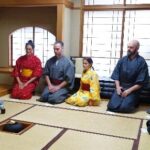
There is a useful detail to clear up before booking: the activity described here is the sweets workshop. Although tea ceremony is sometimes mentioned alongside the experience, the sweets session does not itself include a tea ceremony. A separate tea ceremony may be offered after it, but you should confirm that option if you want both.
The value of a short, hands-on class
Prices start at $11.80, which makes this a relatively low-cost way to add a cultural activity to an Osaka visit. The value depends on what you want from the hour. If you want a relaxed introduction to wagashi, personal guidance, and two sweets to try, the price is appealing. If you expect a full lesson in making bean paste or a long, detailed course, this will feel limited.
The modest duration is an advantage if you have a packed day or want an indoor break from walking. It can also suit a rainy afternoon, since the work happens inside. On the other hand, a short session leaves little spare time for taking photos, asking many questions, or lingering over your sweets. Some participants have found the ending rushed and taken their sweets to go.
The room can feel crowded and noisy when many people attend, and getting a seat near the front may make it easier to see the demonstration. If you have a choice of seat, take one where you can watch the instructor’s hands. The technique is visual, and a good view helps more than a long verbal explanation.
The building is at Suemasa Bldg 3F, 1-12-18 Edobori, Nishi-ku, Osaka. The room is on the third floor, and the stairs have been described as steep. The address is listed as 末政ビル, and the venue name is 庵an 大阪. Allow a little time to find the entrance, since the location has been confusing for some people.
Who will enjoy shaping nerikiri
This is a good fit if you like trying a local craft in a compact format. You do not need previous baking or art experience, and the instructor demonstrates each step. Families can make it a shared activity, while solo participants can take part without needing a group.
It is especially worthwhile if you are curious about Japanese sweets but would rather do something than simply buy a box at a shop. The class gives you a closer look at the care behind the shapes, and you get to handle the ingredients yourself. It is also a useful choice when you want a gentle activity between longer days of sightseeing.
I would look elsewhere if your main goal is to learn a complete recipe, prepare the bean paste from scratch, or spend a long time on a single craft. The workshop focuses on two finished designs within a limited period. It offers a taste of the process, not a deep technical course.
You can also read our reviews of more tours and experiences in Osaka





Practical details before you book
The activity has no age limit, but the stairs are worth considering for anyone with mobility needs. The session is offered at several set times, and the voucher is valid only for the date and time selected. Arrive on time: missing the beginning can leave you with less time to work through the steps.
Bookings can be changed up to 24 hours before the activity, with some exceptions for bookings made through particular passes, presales, or promotions. A full refund is available if you cancel at least 24 hours before the activity date, in local time. In extreme weather or other unforeseen events, the operator may cancel and offer a reschedule or refund.
Should you book this Osaka sweets class?
Book it if you want an affordable, beginner-friendly introduction to shaping wagashi, and you are happy to focus on presentation rather than cooking from scratch. The best parts are the hands-on work, the seasonal designs, and the chance to eat what you make. It is also a sensible pick for families and for a rainy-day pause.
Skip it if you want a long class, a complete recipe, or guaranteed time for photos and a leisurely tasting. Check the exact session time, allow time to find the third-floor venue, and confirm separately if you also want a tea ceremony. With those expectations set, this is a pleasant way to spend an hour making something distinctly Japanese.
Traditional Japanese Sweets Making Workshop in Osaka
“Fun, different activity to do on a rainy day in Osaka”
FAQ
How many sweets will I make?
You will make two seasonal nerikiri sweets: a flower-shaped design and a kinton style.
Are the ingredients prepared in advance?
Yes. The white and red bean pastes are prepared by long-established Kyoto shops. The class focuses on shaping and presenting the sweets.
How long is the workshop?
The sweets-making session is scheduled for 55 minutes. A separate 10-minute break is also listed in the schedule.
Can children take part?
Yes. The activity has no age limit, and families with children have taken part.
Is the class taught in English?
English instruction is commonly provided, often alongside Japanese, but the instructor’s English ability can vary.
Do I get to eat the sweets I make?
Yes. The sweets you make are intended to be eaten afterward.
Is a tea ceremony included?
The sweets-making activity does not itself include a tea ceremony. A separate tea ceremony may be available after the class.
Where is the workshop held?
It is at AN OSAKA Japanese Culture Experience, Suemasa Bldg 3F, 1-12-18 Edobori, Nishi-ku, Osaka.
Are there stairs at the venue?
Yes. The venue is on the third floor, and the stairs have been described as steep.
What session times can I choose?
The listed start times are 08:00, 10:30, 13:00, 15:30, and 18:00. Return times depend on the session selected.