Tokyo’s neon districts, Kyoto’s temples, macaques warming themselves in a mountain spring, and Fuji from beside a lake: this eight-day route packs Japan’s big contrasts into one trip. I like that you get both the bullet train and long coach journeys, plus a night in a traditional inn, without having to arrange each transfer yourself.
Two details make the route especially appealing: the Jigokudani snow-monkey visit gives you a rare wildlife stop amid temple sightseeing, and the Fuji-area day combines volcanic scenery, ponds and a lake cruise. One caution: the pace is brisk, and some English-speaking groups may share a bilingual guide, which can mean longer waits between explanations.
- What makes this route worth considering
- Tokyo in two days, from Jizo statues to Shinjuku lights
- Kyoto by bullet train, with a packed temple day
- Tsumago, Matsumoto and Nagano: a shift to mountain Japan
- Snow monkeys and hot springs, with a walk in the woods
- Nikko’s ornate shrine and a return to Tokyo
- Kamakura and Enoshima before the Fuji finale
- What the price covers, and what to check
- Group size, guiding and the pace on the ground
- Who should book this Japan circuit?
- FAQ
- Are flights included?
- Is there an airport transfer when I arrive in Tokyo?
- Which meals are included?
- Is the tour guided in English throughout?
- How large can the group be?
- Will I see snow monkeys and reach Mount Fuji’s Fifth Station?
- Does the tour include travel insurance?
- The Best Of Tokyo!
- More Tours in Tokyo
- More Tour Reviews in Tokyo
- Not for you? Here's more nearby things to do in Tokyo we have reviewed
What makes this route worth considering
 1 / 10
 2 / 10
 3 / 10
 4 / 10
 5 / 10
 6 / 10
 7 / 10
 8 / 10
 9 / 10
 10 / 10
- Tokyo’s headline sights in one day: Zojoji Temple, Shibuya Crossing, Meiji Shrine, Skytree and Asakusa, followed by an evening in Shinjuku with dinner.
- A fast ride to Kyoto: The bullet train covers nearly 500 kilometers in just over two hours.
- A change of pace in the Alps: Tsumago’s wooden houses, Matsumoto Castle and Nagano’s Zenko-ji Temple lead into mountain scenery and hot-spring towns.
- A genuine wildlife stop: Jigokudani’s forest paths bring you to the Japanese macaques’ hot-spring habitat, though the monkeys’ movements are not guaranteed.
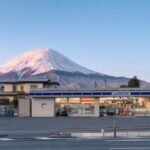
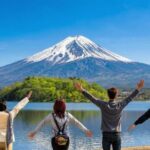
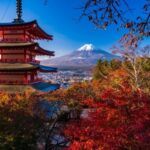
- Fuji views with several vantage points: Oshino Hakkai, a Kawaguchiko boat ride and the road to Mount Fuji’s Fifth Station round out the final day.
- A full-service plan with trade-offs: Hotels, breakfast, an arrival shuttle and listed sightseeing are included, but international flights, most meals and the departure airport transfer are not.

👉 See our pick of the 25 Best Guided Tours In Tokyo
Tokyo in two days, from Jizo statues to Shinjuku lights
Your first day is deliberately light. After customs, a shared shuttle takes you to your Tokyo hotel, then you have time to rest before receiving the tour details. That breathing room matters after a long flight, though your hotel is assigned from a selection rather than chosen by you.
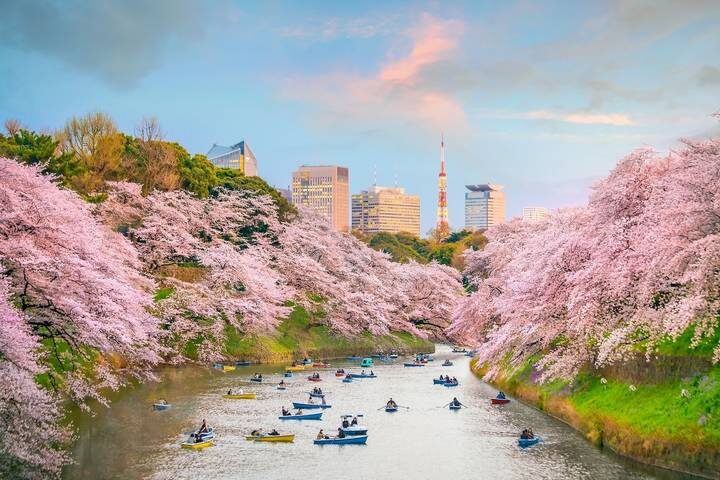
The next morning brings a roughly seven-hour city tour. At Zojoji Temple, the small Jizo figures wear knitted hats and bibs, a gentle contrast to the nearby Tokyo Tower. Shibuya Crossing is viewed from the bus, so expect a glimpse rather than time to stand at the crossing and watch the waves of pedestrians change with the lights.
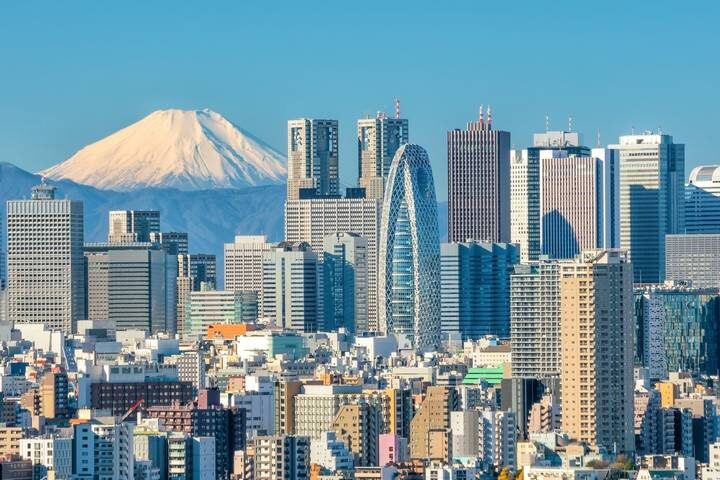
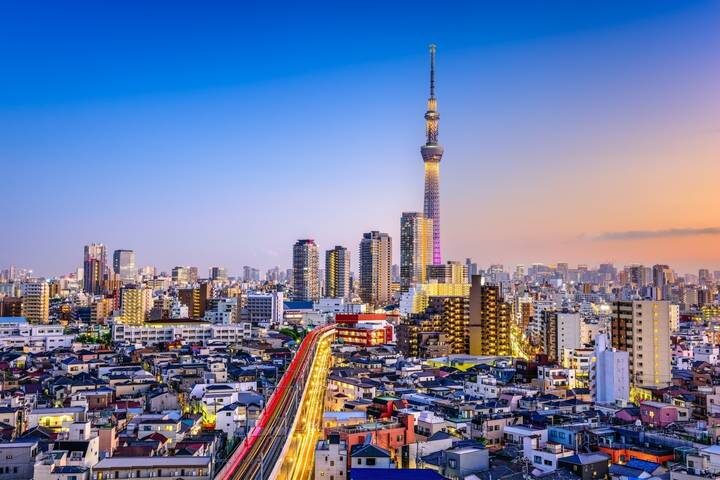
Meiji Shrine offers a quieter stretch among trees, followed by Tokyo Skytree, where admission to the Tembo Deck at 350 meters is included. The view gives you a useful sense of the city’s scale. If weather or other conditions limit access, an alternative city viewpoint is offered.
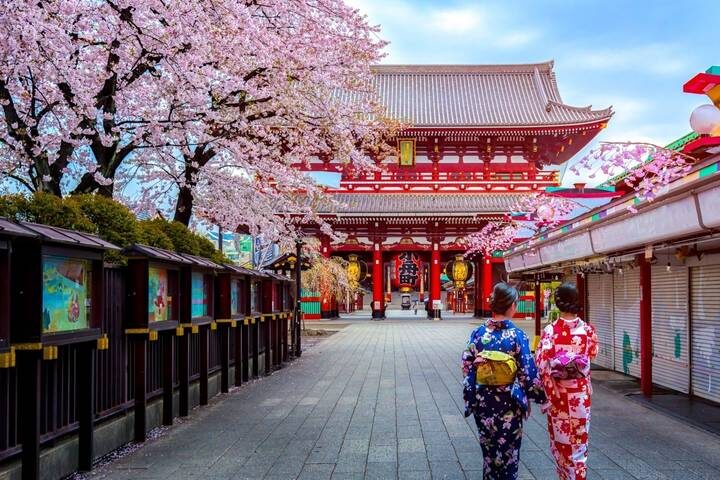
At Sensoji Temple in Asakusa, you can walk Nakamise Street, a lively shopping lane lined with snack and souvenir stalls. The return route passes Akihabara and Ginza, but those districts are not listed as extended visits. If anime shops or high-end shopping are priorities, plan to return on your own during free time.
In the evening, you take the subway with your guide to Shinjuku for a walk and an included dinner at a local restaurant. This is a practical introduction to Tokyo after dark, though it is not a full night out. Subway tickets for this outing are included, and the group returns to the hotel together.
You can also read our reviews of more tours and experiences in Tokyo.
Kyoto by bullet train, with a packed temple day
The train ride to Kyoto is a highlight in its own right. Covering nearly 500 kilometers in a little over two hours, it saves a long road transfer and gives you a taste of Japan’s famous high-speed rail.
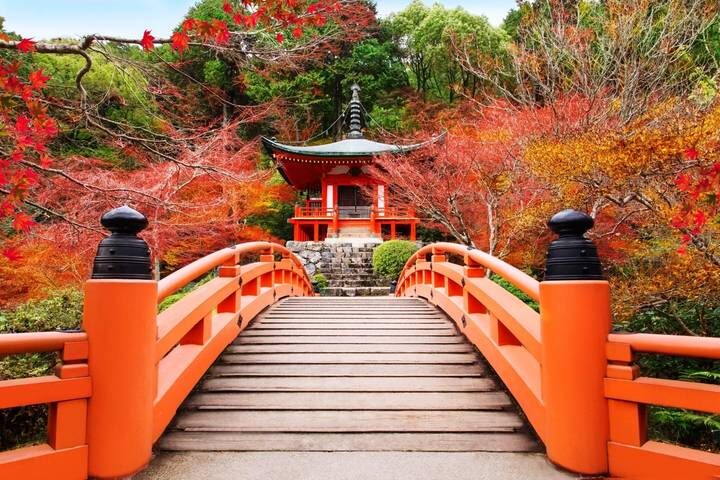
Once in Kyoto, the day moves quickly through Fushimi Inari Shrine, the Imperial Palace and Kinkakuji, the Golden Pavilion. These are major sights with very different settings: the shrine is known for its rows of gates, while Kinkakuji’s gold-covered exterior reflects in a garden pond. You get free time in Gion afterward, a chance to slow down and explore the traditional district at your own pace.
The trade-off is time. Kyoto has far more to see than one day can hold, and three major stops leave little room for lingering. If art, craft or music are high on your list, this route gives more time to temples and historic sites than to those cultural subjects.
Tsumago, Matsumoto and Nagano: a shift to mountain Japan
Day four leaves the city behind for Tsumago, a small village known for traditional wooden houses. You have time to walk around and an included lunch. The stop offers a welcome change from big-city streets, though the visit is short by design.
In Matsumoto, the group visits the 16th-century castle, often called the Crow for its dark exterior. You also have free time in town before continuing to Nagano. The coach links the stops without the need to sort out regional connections, but it also makes for a long day on the road.
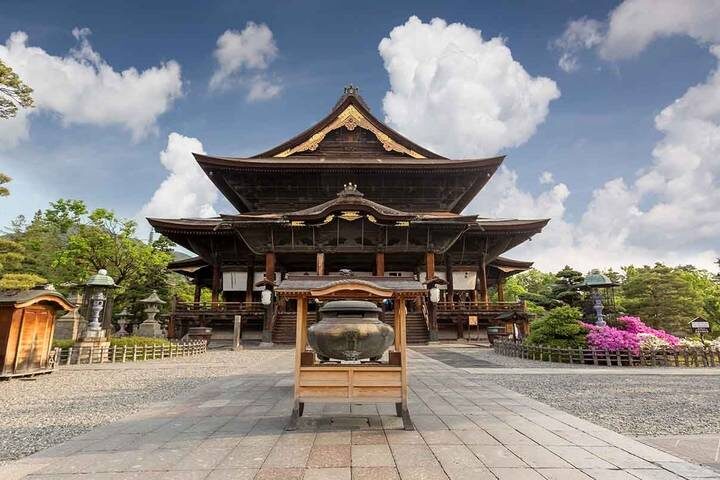
In Nagano, Zenko-ji Temple is the next morning’s first stop. It is an important pilgrimage site, and the tour includes the Gomakuyo ritual, a traditional ceremony associated with good fortune. This adds a hands-on element to the temple visit rather than making it a quick photo stop.
Snow monkeys and hot springs, with a walk in the woods
The journey to Jigokudani Monkey Park takes you through mountain scenery before you follow forested paths to the macaque habitat. The walk is part of the visit, so bring shoes you can comfortably use on uneven paths. The monkeys live freely here; their appearance at the springs depends on conditions and food availability, especially in autumn. If they do not come down, the park may close.
Afterward, the route continues through high mountain country, reaching about 2,172 meters, and past semi-active volcanoes toward Kusatsu. You’ll walk through the hot-spring town’s central area and park, where open-air onsen are part of the setting. There is free time for lunch, but that meal is not included.
The day ends in Ikaho, another hot-spring town known for its stone stairway-lined old center. You stay in a ryokan, a traditional Japanese inn, and a Japanese dinner is included. Bathing in the inn’s hot springs is recommended, but the bath itself is an optional activity. For many people, this night will be one of the tour’s most distinctive stops: a break from standard city hotels and a glimpse of a traditional lodging style.
A seasonal caveat matters here. Kusatsu visits may be canceled from November through April because of weather, and conditions can also affect the monkey park. The route has a plan, but mountain days are more exposed to changes than city sightseeing.
Nikko’s ornate shrine and a return to Tokyo
From Ikaho, you travel to Nikko for Toshogu Shrine, the elaborate shrine complex associated with the Tokugawa shoguns. The tour also visits Taiyuinbyo Mausoleum and the Kanmangafuchi Abyss, where rows of Jizo figures line the riverbank. These stops balance ornate architecture with a quieter riverside walk.
There is some free time in Nikko town before the coach returns to Tokyo, usually arriving around 6:30 p.m. It is a full day, and the journey back leaves limited time for an evening plan. Treat the arrival time as an estimate rather than a good moment to schedule something that cannot be moved.




Kamakura and Enoshima before the Fuji finale
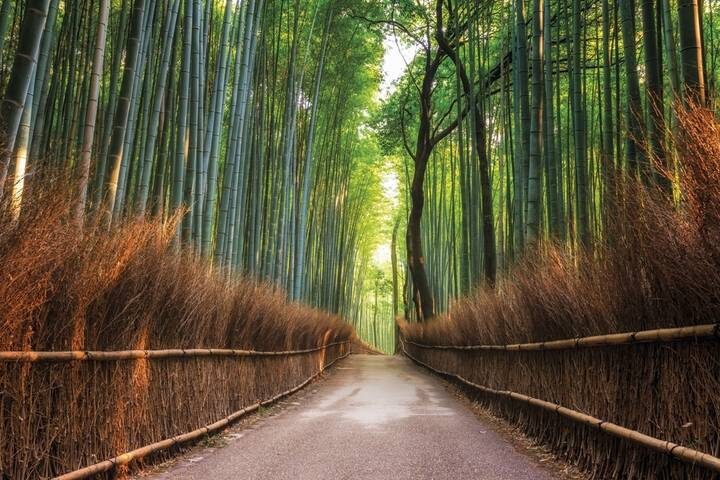
The next day takes you south from Tokyo to Kamakura. At Hokoku-ji Zen Temple, the included visit to the bamboo grove comes with green tea. You also stop at Sugimoto-dera, regarded as the city’s oldest temple, and see the Great Buddha. Together, these stops offer a quieter counterpoint to Tokyo and Kyoto’s larger landmarks.
A coastal drive leads to Enoshima, where you have free time to walk around and find lunch. Then it is on to Odawara Castle, a restored medieval fortress, before an overnight stay in the area. Lunch on Enoshima is at your own expense, so keep a little time and budget for it.
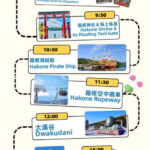
The final day brings several distinct Fuji-area stops. At Owakudani, the Valley of Hell, you may see steam vents and bubbling mud around a volcanic crater. Access can close because of volcanic activity or toxic gases; if so, the alternative is Kitaguchi Hongu Fuji Sengen Shrine.
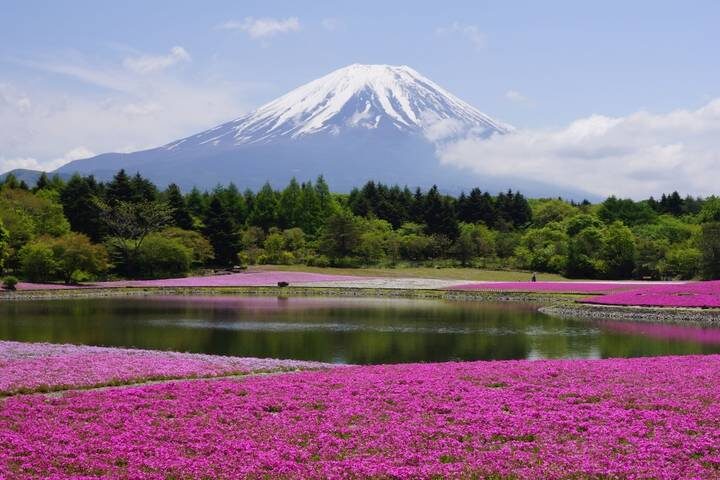
Oshino Hakkai’s eight ponds offer another setting for Fuji views. At Kawaguchiko, a boat ride on the lake adds a different perspective, weather permitting. The day then continues toward Mount Fuji’s Fifth Station at 2,305 meters. This is not a climb to the summit; it is a drive up the mountain road, and snow or weather can limit how far the coach goes.
The coach returns to Tokyo at the end of the day. There is no departure airport transfer, so check your flight time carefully and consider staying an extra night if you need a relaxed connection.
What the price covers, and what to check
The price starts at $2,820. Its value depends on how much you want handled for you: the package brings together hotels, breakfast, an airport arrival shuttle, guided sightseeing, local transport, the Tokyo-to-Kyoto bullet train and several included admissions and meals. You also avoid planning a route across cities, mountains and rural stops yourself.
Accommodation is described as three- and four-star hotels, plus a ryokan night. The operator says hotels are chosen for quality, price and location, generally with access to public transport, but not necessarily in city centers. Room sizes and standards vary, and the exact hotel can depend on availability. Think practical comfort, not luxury.
Do not assume every meal is covered. The tour includes dinner in Shinjuku, lunch in Tsumago and a traditional dinner at the ryokan; breakfast buffet is included as part of the general service. Lunch in Kusatsu and Enoshima is on your own, as are other meals not specified.
International flights and the departure transfer are not included. The general tour information also describes basic travel insurance, while the inclusions section says insurance is not included. That inconsistency is worth resolving with the seller before booking. Do not rely on the tour’s insurance wording as a substitute for confirming your own coverage and emergency contact details.
Group size, guiding and the pace on the ground
The group can range from two to 72 people. That upper limit is large, and group composition may change along the way as people join or leave different legs. If you value a stable group or easy conversation with everyone, this format may feel less personal than a small-group tour.
English is offered, but some departures may use bilingual English and Spanish explanations, with one or two tour leaders depending on group size. Splitting commentary between languages can add waiting time, and the balance of detail may not always feel even. Tour leaders may change during the trip; José, Paco and David have led groups on this route, but you cannot count on a particular guide.
The advertised physical rating is low intensity, but there is still regular walking at temples and historic sites, plus forest paths at the monkey park and stone steps in Ikaho. You should be comfortable getting on and off a coach and spending long stretches in transit. The route runs in January, February, March, October, November and December, so weather can affect mountain access and outdoor stops.
Who should book this Japan circuit?
I’d choose this tour if you want to see a broad sweep of Japan in eight days and prefer transport and logistics arranged for you. It suits first-time visitors, families and anyone who values seeing Tokyo, Kyoto, a traditional village, the Alps, hot-spring towns, Nikko, Kamakura and Fuji country in one trip.
I’d hesitate if you want long, unstructured time in Kyoto or Tokyo, specialist cultural visits, or a small group with one consistent guide. The schedule prioritizes range over depth. Book it for the mix of famous sights and mountain stops, but go in ready for early starts, long coach days and some weather-dependent changes.
Tokyo, Kyoto, Alps and Fuji (including Yamanouchi) 8-Day Tour by Europamundo
FAQ
Are flights included?
No. International flights are not included, and the airport transfer at the end of the tour is also not included.
Is there an airport transfer when I arrive in Tokyo?
Yes. A shared shuttle bus transfer from the Tokyo airport to the hotel is included.
Which meals are included?
Breakfast buffet is included as part of the general service. The stated included meals are dinner in Shinjuku, lunch in Tsumago and a traditional dinner at the ryokan. Other meals are not included.
Is the tour guided in English throughout?
English-speaking guides or tour leaders are provided, but the specific guide may change. Depending on group size, commentary may be bilingual, usually in English and Spanish.
How large can the group be?
The group size is listed as two to 72 people. Group composition may change during the route.
Will I see snow monkeys and reach Mount Fuji’s Fifth Station?
The itinerary includes Jigokudani Monkey Park and the road to the Fifth Station, but neither is guaranteed in all conditions. The monkeys may not come down to the park, and winter weather or snow can limit access to the mountain road.
Does the tour include travel insurance?
The general service description mentions basic travel insurance, but the inclusions information says insurance is not included. Confirm the coverage directly before booking and arrange your own policy if needed.