Japan’s most unusual night comes on Mount Koya, where you sleep in a Buddhist monastery, eat a vegetarian dinner, and may join monks for meditation. That spiritual pause is a striking change from Tokyo’s neon districts and the steady procession of castles, gardens, and ferries.
I like two things in particular: the wide geographic sweep, which takes you beyond the familiar Tokyo-Kyoto route, and the practical transport mix, from the bullet train to island ferries. The itinerary also pairs famous sights with places such as Kurashiki and Matsuyama, giving you more than a greatest-hits tour.
The trade-off is pace. You cover a lot in 11 days, with early starts, long drives, and limited time at some stops. The advertised low physical rating may understate the walking, and the monastery night is simple rather than hotel-comfortable.
- Tokyo to Kyoto by bullet train: Cover nearly 500 kilometers in just over two hours, then begin sightseeing in the old capital the same day.
- A broad route through western Japan: Visit Nara, Osaka, Himeji, Hiroshima, Shikoku, Kobe, and Mount Koya, with several ferry crossings.
- Big-name sights with useful context: See Fushimi Inari, Kinkakuji, Himeji Castle, Hiroshima Peace Memorial Park, and Itsukushima Shrine.
- A different kind of overnight: The Mount Koya monastery stay includes a vegetarian dinner and traditional breakfast. Rooms are simple, and bathrooms are shared.
- A guided trip with free-time gaps: You get help with transport and sightseeing, while some evenings and a full day in Kyoto are yours to shape.
- Good value for a packed route, with caveats: Hotels, transport, some meals, admissions, and basic insurance are included, but the cheapest price is based on the lowest room option.
- Tokyo’s temples, crossings, and city views
- Kyoto begins with shrines and a fast train
- Nara’s Great Buddha and Osaka after dark
- Himeji Castle and a garden in Okayama
- Hiroshima, Kurashiki, and the sacred island
- Shikoku by ferry, castle cable car, and hot spring bath
- Kobe and the monastery night on Mount Koya
- What the price includes, and what it asks of you
- Who should book this Japan tour?
- FAQ
- Where does the tour start and finish?
- How long is the tour?
- Is the tour conducted in English?
- How large can the group be?
- What transport is included?
- Are meals included?
- What is the Mount Koya accommodation like?
- Is meditation included at Mount Koya?
- How much walking should I expect?
- The Best Of Tokyo!
- More Tours in Tokyo
- More Tour Reviews in Tokyo
- Not for you? Here's more nearby things to do in Tokyo we have reviewed
Tokyo’s temples, crossings, and city views
 1 / 9
 2 / 9
 3 / 9
 4 / 9
 5 / 9
 6 / 9
 7 / 9
 8 / 9
 9 / 9
The tour starts with an airport shuttle to your hotel and a free first day. That is a sensible way to ease into a long-haul trip. An afternoon briefing gives you a chance to hear what comes next, so keep the day light and use it to rest or get familiar with the hotel area.
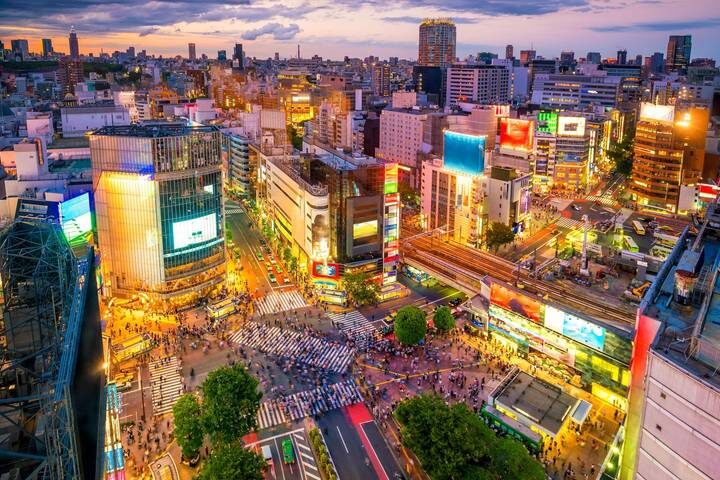
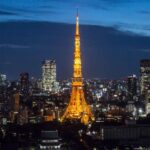
Day 2 is a full guided circuit of Tokyo, roughly seven hours before the evening outing. You visit Zojoji Temple, where rows of small Jizo statues sit beneath Tokyo Tower, then see Shibuya Crossing from the bus. That view gives you a quick look at the city’s famous human choreography, though it is not the same as crossing on foot.
Meiji Shrine offers a quieter contrast, set among trees and dedicated to Emperor Meiji and his wife. The day then shifts skyward at Tokyo Skytree, with admission to the Tembo Deck at 350 meters included. Weather can limit the view or access, in which case another city viewpoint may be substituted.
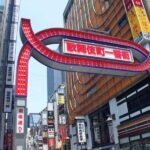
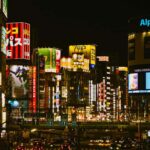
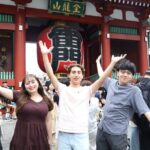
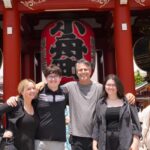
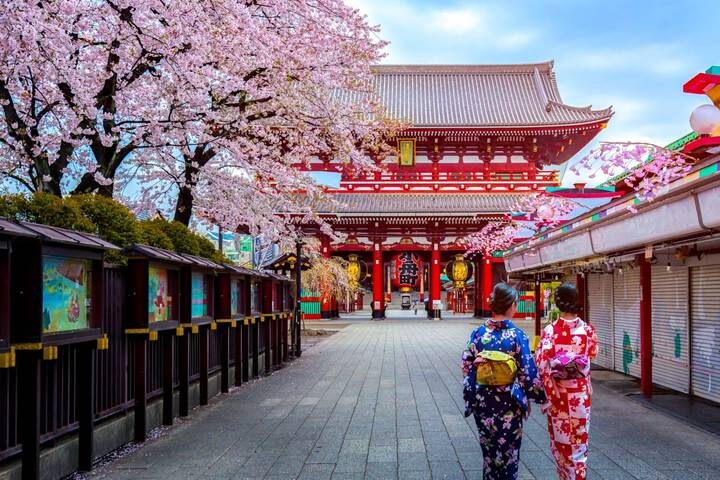
In Asakusa, you explore Sensoji Temple and Nakamise Street, a busy shopping lane leading toward the temple. The bus passes Akihabara and Ginza on the way back, but these are brief looks rather than proper visits. In the evening, you ride the subway with your guide to Shinjuku, walk through the district, and have dinner at a local restaurant. The included subway ride and dinner make this a useful first taste of Tokyo after a day of orientation.

👉 See our pick of the 25 Best Guided Tours In Tokyo
Kyoto begins with shrines and a fast train
On Day 3, the bullet train takes you from Tokyo to Kyoto in just over two hours. The speed is part of the pleasure, but it also makes for a full day: the arrival is followed by visits to Fushimi Inari Shrine, the Imperial Palace, and Kinkakuji, the Golden Pavilion.
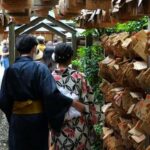
Fushimi Inari is best known for its long paths lined with red torii gates. The tour introduces the site, though a short group visit cannot cover every trail. Kinkakuji’s gold-covered pavilion and carefully arranged gardens are among Kyoto’s most recognizable sights. Expect crowds at these major landmarks, and make the most of the time you have rather than trying to linger everywhere.
The day ends around Gion, the traditional district associated with geisha. You have time to walk and then free time to explore. That flexibility matters: Kyoto rewards a slower evening, but the tour does not prescribe one particular plan. Your second Kyoto stay comes after Mount Koya, with a full free day for a museum, another temple, or simply a wander through the city.
You can also read our reviews of more tours and experiences in Tokyo.


Nara’s Great Buddha and Osaka after dark
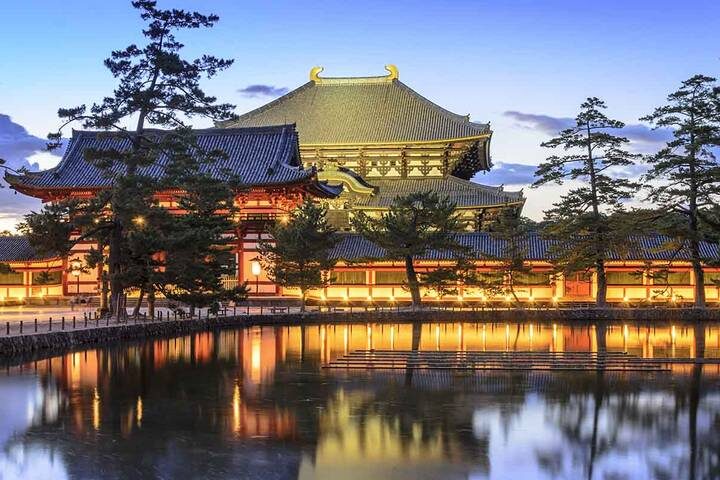
Day 4 takes you from Kyoto to Nara, where Todaiji Temple houses a giant Buddha statue. Deer roam the surrounding park and are accustomed to people, but remember they are animals, not theme-park props. A local lunch is included before the visit to Horyu-ji, a UNESCO-listed temple complex noted for one of the world’s oldest wooden buildings.
The stop at Horyu-ji is a worthwhile change of scale from the best-known sites. Its age and religious importance give the day more depth than a quick temple photo stop, although the schedule means you will not have unlimited time to explore the complex.
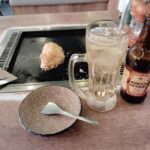
You continue to Osaka for the night and visit Dotonbori, a lively dining and shopping district. It is a good place to see a more modern side of Japan and find an evening snack, though dinner is not listed as included this night. You arrive after a full day, so keep your plans simple if you are running low on energy.
Himeji Castle and a garden in Okayama
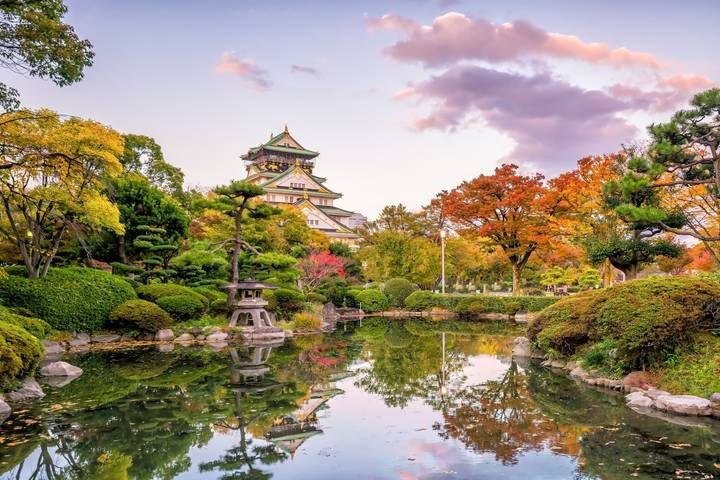
On Day 5, the coach takes you to Himeji Castle, where admission to the extensive castle complex is included. The white castle is a highlight for anyone interested in Japanese defensive architecture, and walking through its grounds helps explain why castles were more than handsome facades. A local lunch is included.
In Okayama, you visit Korakuen, a traditional garden with lakes, waterfalls, and teahouses. A pedestrian bridge links the garden area to Okayama Castle, which was rebuilt in 1966 after wartime bombing. The exterior visit is part of the program, but entry inside the castle is not included.
The day combines two very different sites, a fortified castle and a garden designed for a slower pace. You may stay in Okayama, or on some dates in Fukuyama or Kurashiki, and the timing of the Kurashiki visit can change. Check the hotel location once your departure details are confirmed, since the overnight city affects how much free time you have.
Hiroshima, Kurashiki, and the sacred island
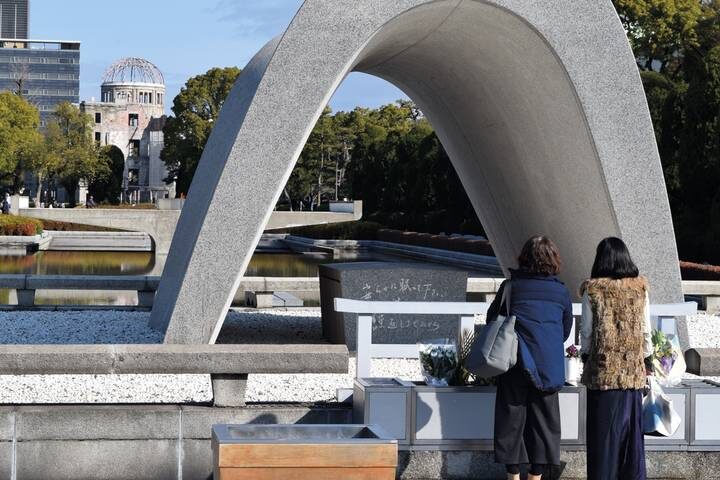
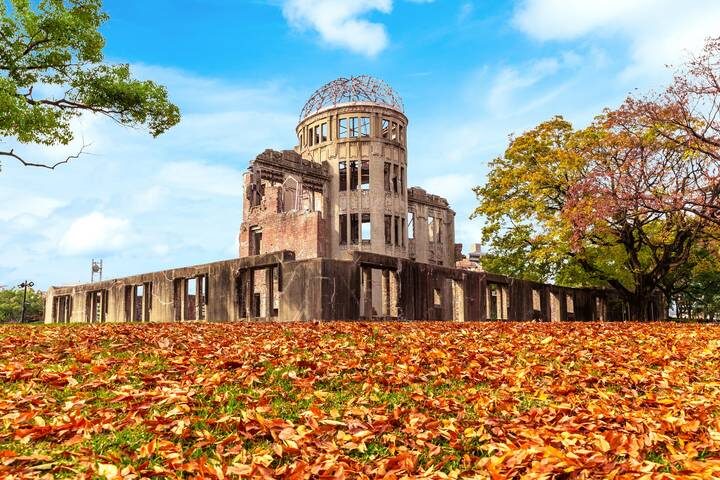
Kurashiki’s historic center offers a calmer morning, with preserved streets that make a pleasant contrast to the large cities. The group then continues to Hiroshima for Peace Memorial Park, the Atomic Bomb Dome, and the Peace Memorial Museum. Give the museum the attention it deserves. The displays address the human consequences of the atomic bombing, and the visit can feel heavy, but it is central to understanding the city.
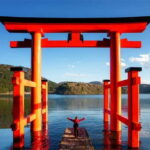
The tour then takes a ferry to Itsukushima Island, also known as Miyajima. Itsukushima Shrine is partly built over the water and dedicated to the guardian of the seas. You have time to visit the shrine, walk around the town, and eat lunch before returning to Hiroshima. Dinner at the hotel is included.
This is a full day with a sharp emotional shift, from the memorial sites to the island’s religious setting. The order of the Hiroshima visits may change, and the schedule does not promise a long stay at each place. If the Peace Memorial Museum is especially important to you, use your time there deliberately.
Shikoku by ferry, castle cable car, and hot spring bath
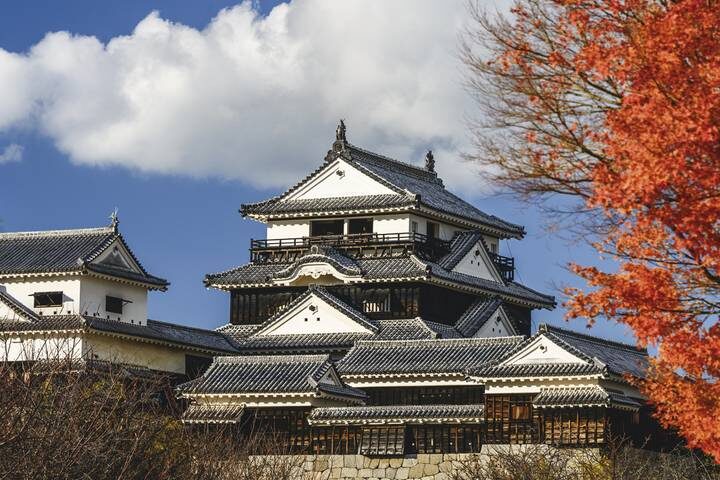
A ferry carries you from Hiroshima to Matsuyama on Shikoku, a trip of about two and a half hours. It is more than a transfer: you get a sense of how much Japan’s geography depends on water, bridges, and boats. In Matsuyama, a cable car takes you up to the castle, followed by Ishiteji, a Buddhist temple and pilgrimage stop.
Lunch at a local restaurant is included. Later, you visit Dogo Onsen, a traditional bathhouse dating to the 19th century. Admission is included, though the experience is shaped by the bathhouse itself, not by a private spa setup. If you are unfamiliar with Japanese bathing customs, follow posted instructions and ask the guide if you are unsure.
Day 8 is among the longest on the route. At Kotohira, reaching the Shinto shrine involves climbing 785 steps up Mount Zosu. You do not need to treat the climb as a race, but it is a real physical effort and a reason to wear comfortable shoes. In Takamatsu, you visit Ritsurin Garden and have lunch.
At Naruto, you walk over a glass floor 45 meters above the sea whirlpools. The coach then crosses bridges linking islands on the way to Kobe. The itinerary combines a pilgrimage site, a garden, and coastal engineering in one day, but the amount of time at each stop is necessarily limited.

Kobe and the monastery night on Mount Koya
In Kobe, the Earthquake Memorial Museum recalls the devastating 1995 earthquake and the city’s recovery. On some dates, the museum visit may be replaced by a Sake Museum visit or a trip up Kobe Tower, so check what applies to your departure.
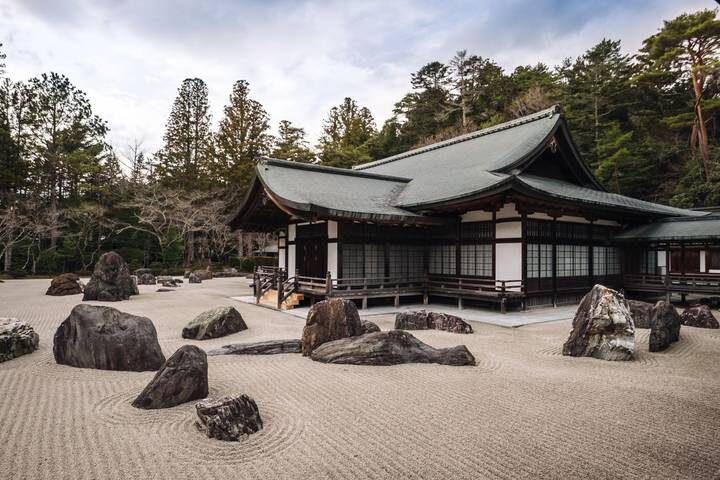
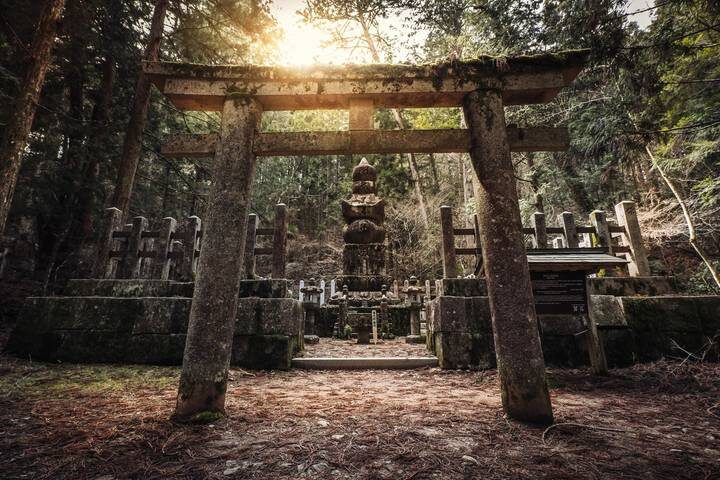
The route continues to Mount Koya, an important center of Shingon Buddhism with around 120 temples and monasteries. You visit Okuno Mausoleum, a large cemetery set among trees, and Kongobuji Temple, originally built in 1593. The quiet surroundings and scale of the cemetery make this a different sort of stop from the city temples earlier in the trip.
You spend the night in a Buddhist monastery, with a vegetarian dinner and traditional Japanese breakfast. The rooms are tatami-style and simple, with shared bathrooms rather than private facilities. A monk-led Ajikan meditation session is planned, but it may not be available on peak dates; a religious ceremony before breakfast may also be open to you.
This is the tour’s most distinctive overnight, but it is not for everyone. One guest found the room cold and the meal too small, while others found the stay impressive. Bring warm sleepwear and consider carrying a snack if you are concerned about going hungry. Shampoo may also be worth packing, since supplies can be limited. In some cases, accommodation may shift to a nearby hotel, with half board included.
What the price includes, and what it asks of you
The tour starts at $4,243 for the cheapest room option. That price covers 10 nights, hotel breakfasts, an English-speaking tour leader, basic travel insurance, the airport transfer, the bullet train, coach travel, ferry crossings, and many admissions. It also includes several lunches and three dinners, including the monastery meal. This is useful value if you want transport and the main sights organized across a complicated route.
Meal details deserve a close look. Four lunches are listed in the included summary, in Nara, Himeji, Matsuyama, and Takamatsu, while the daily plan also describes lunch on Itsukushima Island. Vegetarian meals can be arranged if requested, but choices may be narrower at some Tokyo meals. Confirm your dietary needs and exactly which meals apply to your departure before booking.
Hotel standards vary. The planned hotels are mostly three- or four-star properties, generally with private bathrooms and access to public transport, but room sizes and bed sizes differ. The Mount Koya monastery is the clear exception to ordinary hotel comfort. The exact hotel can also vary by date, so do not assume every departure uses the same property.
The group size ranges from 2 to 72. A large group can make transport and logistics easier, but it can also mean more waiting and less time at individual sites. The tour is advertised in English, and an English-speaking leader is provided. Some departures may have a mix of English- and Spanish-speaking participants, with explanations in both languages. A few English-speaking participants have felt overlooked at times, so speak up if you miss an explanation.
Guide quality can shape a trip like this. Guides named in past departures include Ken, Nadia, Kiku, Pablo, Xavier, and others, but staffing changes, so no particular guide is guaranteed. Feedback has especially praised clear explanations, organization, kindness, and help with practical details such as luggage on the Tokyo-Kyoto train.
The physical rating is low, but the days are not always easy. One person reported averaging about 15,500 steps a day, and the Kotohira shrine climb alone has 785 steps. Add station walks, temple grounds, and long sightseeing days, and you will want supportive shoes and a realistic attitude about pace.
Who should book this Japan tour?
I would consider this tour if you want to see several regions in one trip without arranging every train, hotel, and ferry yourself. It suits first-time visitors who value a guide, prefer a set plan, and are curious about both famous sights and less familiar stops in western Japan. The monastery stay is a strong reason to choose it, provided you are comfortable with simple rooms and shared facilities.
It is less suited to anyone who wants long, unhurried visits, a small group guaranteed, or a high level of hotel comfort every night. The route is ambitious, and the schedule can feel rushed. If the price fits your budget and you are prepared for early starts, substantial walking, and one rustic overnight, this is a practical way to see far more than Tokyo and Kyoto in 11 days.
Japan’s Landscapes end Kyoto GO by Europamundo – 11-Day Tour
“Guides ok, but gave an insight of Japan from a Spanish perspective rather than Japanese perspective and didn't use Japanese words at all. Mount Koy…”
FAQ
Where does the tour start and finish?
It starts in Tokyo and ends in Kyoto. An arrival transfer from the Tokyo airport to the hotel is included.
How long is the tour?
The tour lasts 11 days, with 10 nights of accommodation.
Is the tour conducted in English?
Yes. An English-speaking tour leader accompanies the group. Some departures may include bilingual English and Spanish explanations.
How large can the group be?
The group size is listed as 2 to 72 people.
What transport is included?
The tour uses a coach, a bullet train from Tokyo to Kyoto, subway travel in Tokyo, and ferries between Hiroshima, Miyajima, and Shikoku.
Are meals included?
Hotel breakfasts are included, along with several lunches and three dinners. The included meal list specifies lunches in Nara, Himeji, Matsuyama, and Takamatsu, and dinners in Tokyo, Hiroshima, and Mount Koya. Check the meal details for your departure.
What is the Mount Koya accommodation like?
You stay in a Buddhist monastery in a simple tatami-style room. Bathrooms are shared, and the stay includes a vegetarian dinner and traditional Japanese breakfast.
Is meditation included at Mount Koya?
A monk-led Ajikan meditation session is planned, but it cannot be guaranteed on peak dates. A religious ceremony before breakfast may also be available.
How much walking should I expect?
The tour is rated low intensity, but it includes extended sightseeing days and a climb of 785 steps at the Kotohira shrine. One participant reported averaging about 15,500 steps a day.