Tokyo’s giant crossing, Kyoto’s torii gates, Hiroshima’s memorials, and a night in a Buddhist monastery all fit into one 11-day trip. I like that this route reaches beyond Japan’s best-known cities, and that the Tokyo-to-Kyoto bullet train makes a long transfer part of the fun rather than a lost day.
I also like the mix of practical comforts and memorable local moments: breakfasts are included, several lunches and dinners are covered, and the itinerary uses ferries to reach islands and Shikoku. The Mount Koya temple stay is the most distinctive night, with vegetarian dinner and a meditation session.
The trade-off is pace. You change hotels often, some sightseeing days are long, and many stops are brief. A past participant estimated around 15,500 steps a day, while the 785 steps up to Kotohira Shrine are a more specific test of your legs. Mount Koya’s simple rooms and shared bathrooms also won’t suit everyone.
- The trip in a few key points
- A fast, varied introduction to Japan
- Tokyo: temples, towers, and a Shinjuku evening
- Kyoto by bullet train, then Nara and Osaka
- Himeji, Okayama, and Kurashiki’s old streets
- Hiroshima and Itsukushima: reflection, then island time
- Shikoku by ferry, castle, and bathhouse
- Mount Koya: a memorable night with practical compromises
- Hotels, meals, guides, and group size
- Should you book this Japan tour?
- FAQ
- Does the tour include flights?
- Where does the tour start and end?
- Is the tour guided in English?
- How large can the group be?
- Is Mount Fuji included?
- How much walking should I expect?
- What meals are included?
- What is the Mount Koya accommodation like?
- Are the hotels the same on every departure?
- When does the tour depart?
- The Best Of Tokyo!
- More Tours in Tokyo
- More Tour Reviews in Tokyo
- Not for you? Here's more nearby things to do in Tokyo we have reviewed
The trip in a few key points
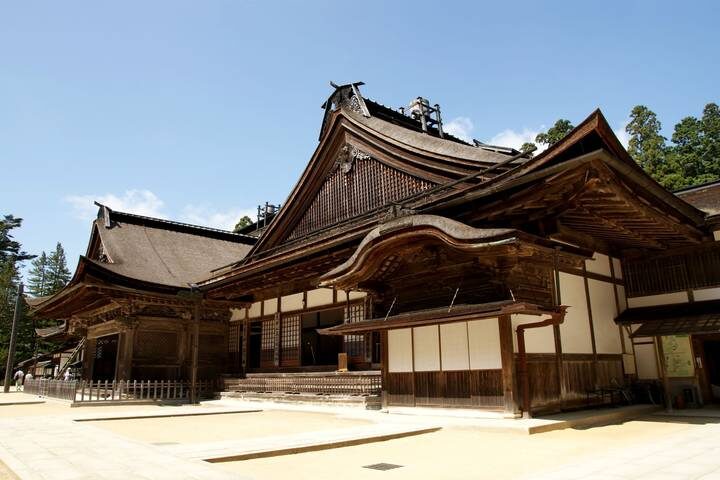
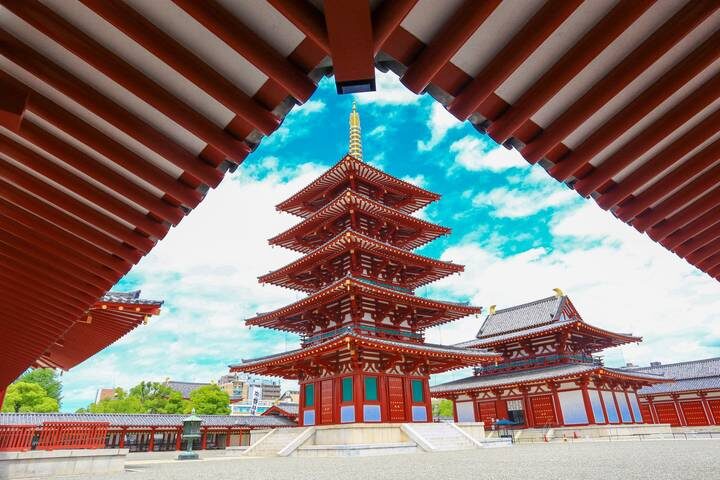
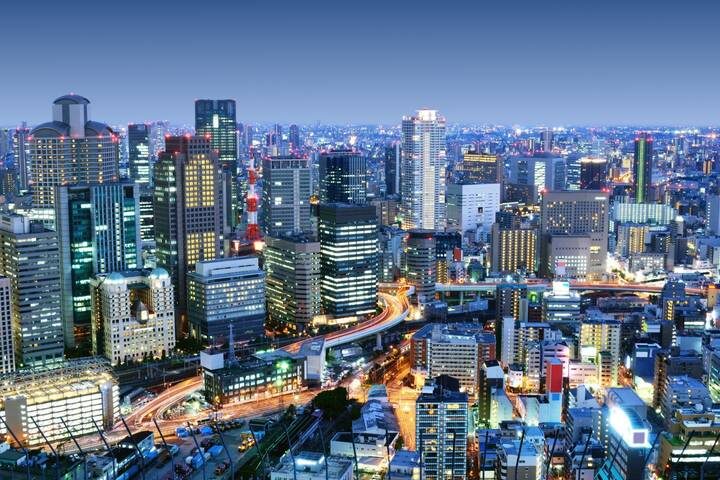
- A big sweep of Japan: Start in Tokyo, then travel through Kyoto, Nara, Osaka, Himeji, Okayama, Hiroshima, Matsuyama, Takamatsu, Kobe, and Mount Koya.
- Two kinds of transport: Ride the bullet train from Tokyo to Kyoto, then use a coach, local subway, and ferries for the rest of the route.
- Tokyo by day and night: See temples, city districts, and the Skytree, then explore Shinjuku with a guide and included dinner.
- A thoughtful Hiroshima visit: The Peace Memorial Park, Atomic Bomb Dome, and Peace Memorial Museum give the city’s wartime past proper attention.
- A distinctive overnight: Sleep at a Mount Koya monastery, eat a vegetarian dinner, and take part in Ajikan meditation if the session is available.
- Know the pace before you book: Sightseeing is active, the group may have up to 72 people, and English explanations may be shared with Spanish.

👉 See our pick of the 25 Best Guided Tours In Tokyo
A fast, varied introduction to Japan
This Europamundo tour suits you if you want a guided first trip with a lot of ground covered and don’t want to plan every train, transfer, and hotel yourself. It begins in Tokyo and ends in Kyoto, with hotel accommodation, buffet breakfast, an arrival transfer, basic travel insurance, and an English-speaking tour leader included.
At $3,697 per person at the starting price, the value comes from the breadth of the route and the logistics handled for you. The price includes a bullet train ride, sightseeing admissions, some meals, and several ferries, but not flights or other activities and services. Your actual hotel and room arrangement can vary, so check the departure details and room category before booking.
Think of this as a sampler, not a slow exploration. You’ll get short, guided introductions to major sights, then move on. That suits first-time visitors who value convenience and variety. If you want hours at each temple, independent wandering every day, or time for a side trip to Mount Fuji, this is not the right itinerary. Fuji is not included.
You can also read our reviews of more tours and experiences in Tokyo.


Tokyo: temples, towers, and a Shinjuku evening
After arriving, you’ll take a shared shuttle to the hotel and have the rest of the day at leisure. An arrival transfer is useful after a long flight, though it is shared rather than private. In the afternoon, you’ll receive information about the tour ahead.
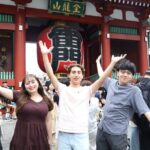
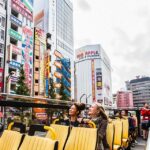
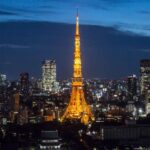
The next day is a full city outing of about seven hours. At Zojoji Temple, Jizo statues and the view toward Tokyo Tower offer a quiet start. You’ll pass Shibuya Crossing from the bus, visit Meiji Shrine, and go up Tokyo Skytree to the Tembo Deck at 350 meters. In Asakusa, you’ll walk around Sensoji Temple and Nakamise Street, then pass Akihabara and Ginza on the return to the hotel.
That itinerary gives you a useful contrast between religious sites, busy shopping districts, and a bird’s-eye view. The limitation is that some places are drive-bys: Shibuya, Akihabara, and Ginza are not full stops. Skytree access can also be limited by weather or exceptional circumstances, in which case an alternative city viewpoint is offered.
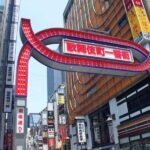
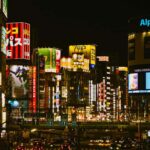
In the evening, you’ll take the subway with your guide to Shinjuku, walk through the district, and have dinner at a local restaurant. The subway tickets and dinner are included. It’s a practical way to get a first look at Tokyo after dark without navigating the station system alone.
Kyoto by bullet train, then Nara and Osaka
The early train from Tokyo to Kyoto covers nearly 500 kilometers in just over two hours. That’s a highlight in its own right, and a much easier way to cover the distance than spending most of a day on the road. Pack with care: a participant on a past departure praised the luggage organization on the train and advised against bringing too much.
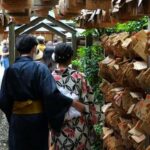
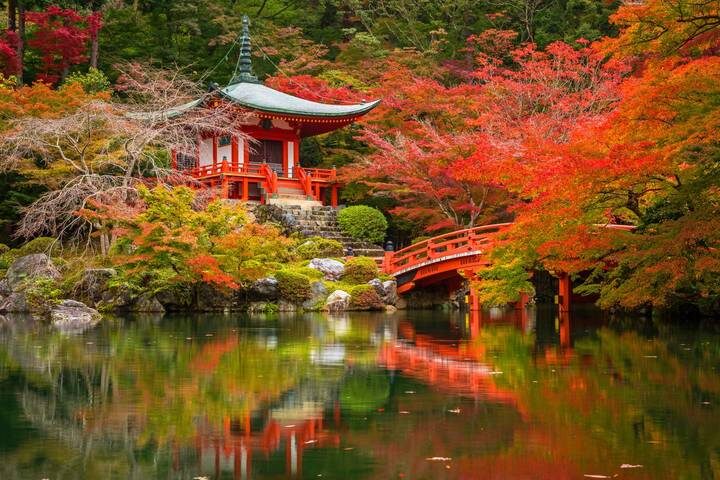
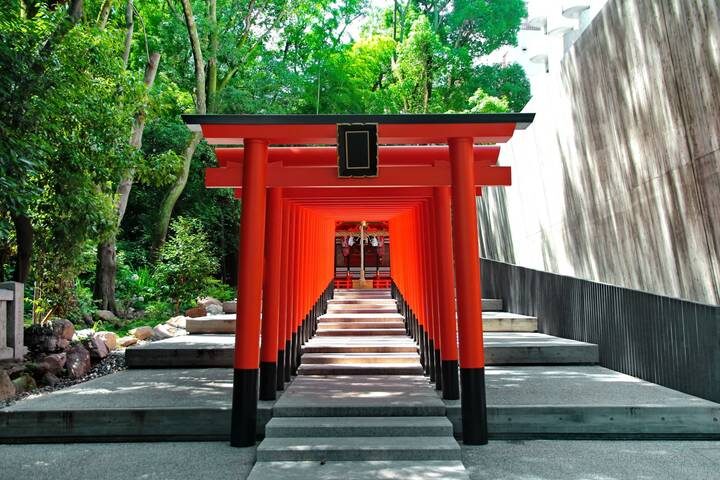
In Kyoto, the planned visits include Fushimi Inari Shrine, the Imperial Palace, and Kinkakuji, the Golden Pavilion. You’ll also walk through Gion, a traditional district associated with geisha culture, then have free time. These are important sights, but the schedule is ambitious. Treat the guided stops as an introduction, and use your unstructured time to follow your own interests.
The next day takes you to Nara’s Todaiji Temple, built in 752 and home to a giant Buddha. Deer roam in the surrounding park, where you’ll have time for photos and a look around. After lunch, you’ll visit Horyu-ji, a UNESCO World Heritage Site whose central pagoda is among the world’s oldest wooden structures.
You’ll reach Osaka in the evening and head to Dotonbori. This lively entertainment district is a fun change of scene after a day of temples. Keep in mind that you’ll have just one night in Osaka, so this is an evening visit rather than a full day to explore the city.
Himeji, Okayama, and Kurashiki’s old streets
At Himeji Castle, admission to the castle complex is included. The large grounds help explain how Japanese castles were designed and defended, and the scale makes this stop more than a quick photo break. You’ll have lunch at a local restaurant before continuing to Okayama.
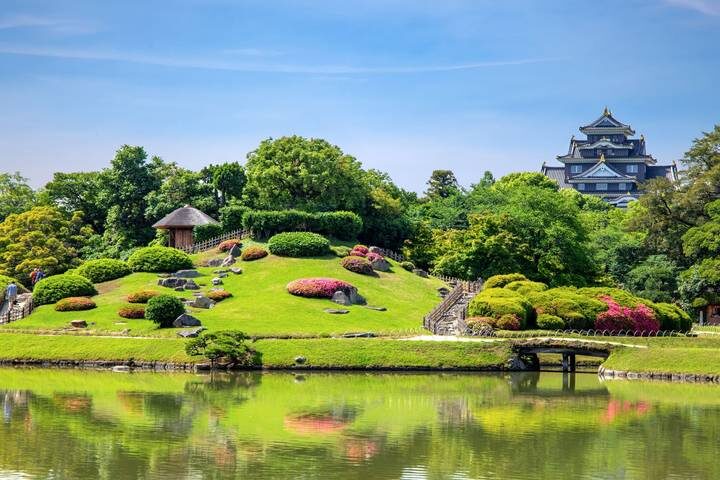
Korakuen Garden is the day’s gentler counterpoint: ponds, waterfalls, and traditional teahouses spread across a carefully planned garden. From there, a pedestrian bridge crosses the river toward Okayama Castle. The listed visit is to see the castle from outside; entry inside is not included. Depending on the departure date, you may stay in Fukuyama or Kurashiki instead of Okayama, and the Kurashiki visit may shift to this afternoon.
The following day, you’ll walk through Kurashiki’s preserved historic center before going to Hiroshima. The old streets are a welcome change from coach travel, though the visit is a stroll rather than a long stay. The schedule also covers several important Hiroshima sites the same day, so expect to keep moving.
Hiroshima and Itsukushima: reflection, then island time
Hiroshima’s Peace Memorial Park, Atomic Bomb Dome, and Peace Memorial Museum provide a serious, essential stop. The museum can be emotionally demanding, but it adds context that a glance at the Dome alone cannot provide. The order of the Hiroshima visits may change, while the planned sites remain part of the day.
Later, you’ll take a ferry to Itsukushima Island, also known as Miyajima. Itsukushima Shrine is built partly over the water and dedicated to the guardian of the seas. You’ll have time to see the shrine, walk through the town center, and eat lunch before returning by ferry to Hiroshima. Dinner at the hotel is included.
This is one of the itinerary’s strongest pairings: a moving city visit followed by a quieter island setting. It is also a packed day, so don’t expect an unhurried visit to every stop.


Shikoku by ferry, castle, and bathhouse
A roughly two-and-a-half-hour ferry ride takes you from Hiroshima to Shikoku, one of Japan’s main islands. The crossing breaks up the coach routine and makes the island geography of the trip tangible.
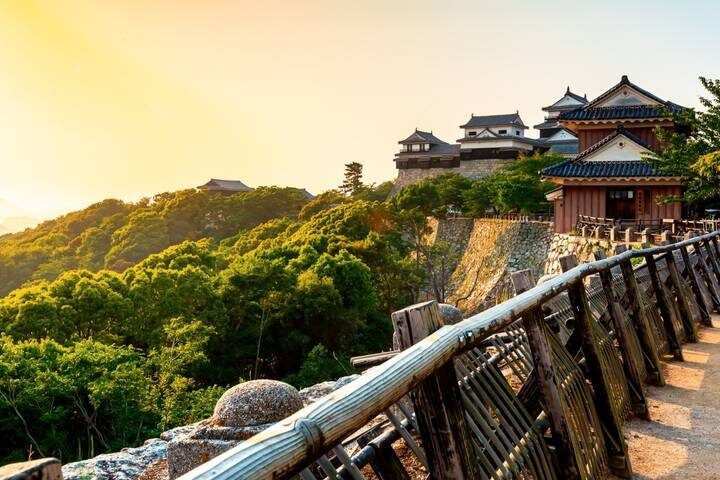
In Matsuyama, you’ll ride a cable car up to the castle, visit Ishiteji Temple, and have lunch at a local restaurant. Later, admission is included to Dogo Onsen, a 19th-century bathhouse. The bathhouse is a significant stop, but the tour information does not specify bathing arrangements or what facilities will be available, so check with your tour leader if you have questions about using it.
The next day is a long overland route with several worthwhile stops. At Kotohira, a shrine to the god of sailors sits on Mount Zosu. Reaching it means climbing 785 steps, so wear comfortable shoes and consider your energy before setting out. In Takamatsu, you’ll visit Ritsurin Garden and have lunch. Then comes Naruto, where you can walk across a glass floor on the bridge and look toward powerful sea whirlpools 45 meters below. You’ll cross bridges linking islands over the sea on the way to Kobe.
The variety is the reward here: a pilgrimage shrine, a celebrated garden, and a dramatic bridge all in one day. The cost is time. You’ll spend a good part of the day moving between stops, so this is not the day to plan extra activities.
Mount Koya: a memorable night with practical compromises
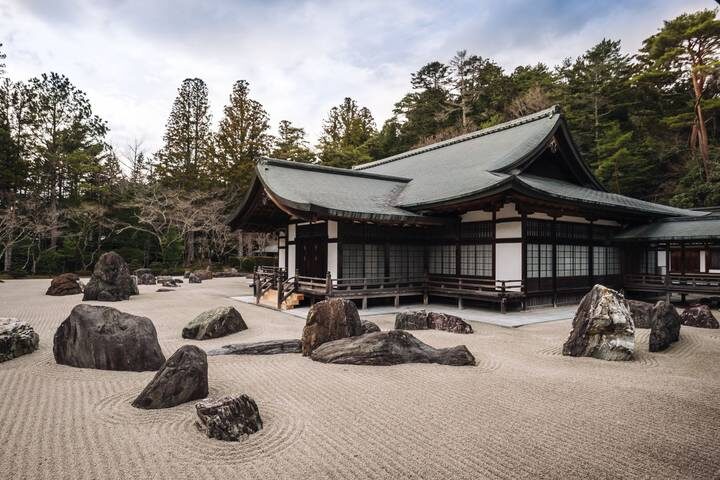
In Kobe, you’ll visit the Earthquake Memorial Museum, which recalls the 1995 earthquake and the city’s rebuilding. On some dates, the museum visit may be replaced by the Sake Museum or a trip up Kobe Tower. Then the coach heads via Osaka to Mount Koya, an important center of Shingon Buddhism with around 120 temples and monasteries.
You’ll visit the Okuno Mausoleum, a large cemetery set among trees, and Kongobuji Temple, founded in 1593. The overnight stay is in a Buddhist monastery, with vegetarian dinner and a guided Ajikan meditation session. You may also attend a religious ceremony before breakfast.
This is the trip’s most unusual night, but go in knowing what simple means. Rooms are traditional, with tatami mats, and bathrooms are shared. A past participant found the room cold and the meal too small; another suggested bringing your own shampoo. If you sleep best with modern hotel comforts, this night could be a letdown. Meditation may not be available on peak dates, and limited temple capacity can mean an overnight stay at a nearby hotel instead.
In the morning, you’ll have a traditional Japanese breakfast before an early coach ride to Kyoto. The rest of the day is free, with recommendations from your guide. That gives you a useful chance to revisit a favorite neighborhood or choose a sight that wasn’t part of the earlier group visit.
Hotels, meals, guides, and group size
The hotels are generally four-star properties, but the exact property varies by departure. They are in the cities visited, often outside the center but with public transport nearby. The tour does not promise luxury, and room size, bed size, and facilities can vary. The Mount Koya accommodation is a clear exception to the private-bathroom hotel pattern.
Buffet breakfast is included, along with five lunches and three dinners. The included meals cover Tokyo, Nara, Himeji, Itsukushima, Matsuyama, Takamatsu, Hiroshima, and Mount Koya, with some meal timing and location depending on the day. Vegetarian meals can be arranged, but tell the operator when booking. A past vegetarian participant found the choices more limited in Tokyo, so it’s sensible to ask exactly what can be accommodated.
Tour leaders may change during the trip. Past guides have included Ken, Nadia, Kiku, Pablo, Xavier, and others, but your team will depend on your departure. English is provided, though some departures combine English and Spanish, either with two leaders or one leader speaking both languages. If you want to socialize mainly in English, ask how language groups are organized for your date.
The group size can range from 2 to 72. A large group can make boarding and site visits feel less personal, though the coach and guide take care of the main logistics. Past participants have praised clear instructions, careful drivers, useful explanations, and guides who offered recommendations. Those strengths matter on a route with so many transfers.
Should you book this Japan tour?
Book it if you want a well-organized first visit that links major cities with less familiar stops in Shikoku and Mount Koya. You’ll see important temples, gardens, castles, memorials, and island sites without arranging the transport yourself, and the bullet train and ferries make the journey part of the experience.
Think twice if you prefer slow travel, private bathrooms every night, or extensive free time. The pace is brisk, and the monastery stay is basic by design. If those trade-offs sound fair, this trip offers a lot of Japan in 11 days. If not, a shorter route with fewer hotel changes will likely suit you better.
Japan’s Landscapes end Kyoto by Europamundo – 11-Day Tour (2026-27 Departures)
“Guides ok, but gave an insight of Japan from a Spanish perspective rather than Japanese perspective and didn't use Japanese words at all. Mount Koy…”
FAQ
Does the tour include flights?
No. Flights are not included.
Where does the tour start and end?
It starts in Tokyo and ends in Kyoto. An arrival transfer from Tokyo airport to the hotel is included.
Is the tour guided in English?
Yes. The tour is guided in English, but some departures may also operate in English and Spanish, with either one bilingual leader or separate leaders.
How large can the group be?
The stated group size ranges from 2 to 72 people.
Is Mount Fuji included?
No. The itinerary does not include Mount Fuji.
How much walking should I expect?
The tour is rated low intensity, but it includes daily sightseeing on foot and 785 steps to Kotohira Shrine. One past participant reported averaging about 15,500 steps a day.
What meals are included?
Buffet breakfasts are included, along with five lunches and three dinners. The Mount Koya dinner is vegetarian. Vegetarian meals can be arranged, but you should tell the operator in advance.
What is the Mount Koya accommodation like?
It is a traditional Buddhist monastery stay, with tatami rooms and shared bathrooms. Dinner is vegetarian, and a meditation session is planned, though it may not be available on peak dates.
Are the hotels the same on every departure?
No. Several hotel options are listed for each stop, and the assigned property can vary. Hotels are generally four-star properties with access to public transport nearby.
When does the tour depart?
The listed departure months are January, February, March, October, November, and December. Dates vary by year.