Tokyo’s Shibuya Crossing gives way to the quiet grounds of Meiji Shrine, then to a bullet-train ride toward Kyoto and a day above Hakone’s volcanic valley. This eight-day route links Japan’s big-city energy with temples, mountain scenery and a memorable sumo evening in Osaka.
I like two things in particular: the Shinkansen and centrally located hotels make a multi-city trip easier to manage, and the guided visits give first-time visitors useful help with transport and local customs. The main consideration is the pace: several days are packed, and this is a partially guided trip, not a traditional escorted tour with one guide and the same group beside you all week.
- What to know before you book
- What this Japan route gets right
- Tokyo: temples, crossings and a first look at Japan
- Hakone: mountains, hot springs country and a lake cruise
- Kyoto: river paths, Gion and temple visits
- Osaka: big views, street life and sumo
- Hiroshima and Miyajima: a worthwhile but long add-on
- Price, hotels and the practical trade-offs
- Who should book this trip?
- FAQ
- How long is the tour, and where does it start and end?
- What is the starting price?
- Which hotels are included?
- Are Shinkansen tickets included?
- Is the Hiroshima and Miyajima trip included?
- How many people are in the group?
- Are meals included?
- Are international flights included?
- How physically demanding is the tour?
- Is the tour guided in English?
- The Best Of Tokyo!
- More Tours in Tokyo
- More Tour Reviews in Tokyo
- Not for you? Here's more nearby things to do in Tokyo we have reviewed
What to know before you book
 1 / 7
 2 / 7
 3 / 7
 4 / 7
 5 / 7
 6 / 7
 7 / 7
- The route runs Tokyo to Osaka: You spend three nights in Tokyo, two in Kyoto and two in Osaka, with airport transfers at both ends.
- Hakone makes a full day out: Ride the mountain railway and ropeway, see Owakudani’s steaming vents, and cruise Lake Ashi. Mt. Fuji views depend on the weather.
- Kyoto gets two different kinds of touring: One day is a guided bike or walking tour, and another uses an air-conditioned vehicle to reach major sights.
- Osaka’s sumo night includes dinner: The experience includes a traditional bento box and one drink.
- Hiroshima and Miyajima are optional: The day trip costs US$329 per person and takes up most of your free day in Osaka.
- Small group does not always mean one fixed group: The stated size is 2 to 10, but guides and sightseeing arrangements may vary by day.

👉 See our pick of the 25 Best Guided Tours In Tokyo
What this Japan route gets right
Japan rewards a trip that combines movement with time to look around. Here, the Shinkansen links Tokyo and Kyoto, while guides help make sense of the places that can feel confusing at first: busy stations, shrine etiquette, and how the country’s old and new neighborhoods sit side by side.
The format is partly guided, partly independent. You get organized sightseeing and transfers, but your days are not all spent following the same leader. That can be a good fit if you want structure without the constant togetherness of a full coach tour. It also means you should not expect a single group to accompany you from arrival to departure.
The tour’s stated group size is two to ten people. In practice, that number does not guarantee a consistent group for every activity. One solo visitor found themself traveling alongside a family, while other arrangements included private local guides. If a stable group is important to you, ask the operator exactly how your departure is being organized before paying.
You can also read our reviews of more tours and experiences in Tokyo.

Tokyo: temples, crossings and a first look at Japan
Your first day is deliberately light. A representative meets you at Narita or Haneda and transfers you to your hotel. The rest is free, a sensible start after an international flight. You can rest or head out for food and a first look around without needing to keep pace with a planned group schedule.
The listed hotel is Monday Apart Premium Ueno or a similar four-star property. Ueno is a practical base, and all hotels are described as centrally located. The promise of convenience matters here: a good location can save time and energy when you are still learning your way around Tokyo.
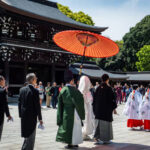
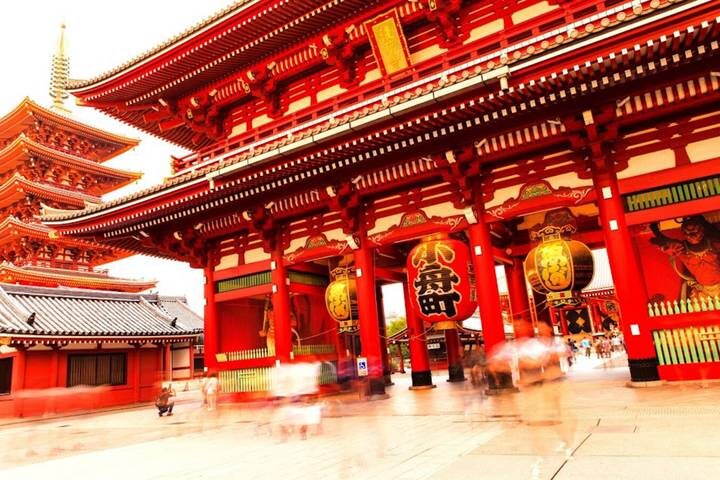
Day two pairs modern Tokyo with older landmarks. You begin around Shibuya Crossing, where several streams of people move through the intersection at once, then visit Meiji Shrine, set in wooded grounds that offer a striking pause from the city streets. In Asakusa, Senso-ji and Nakamise Shopping Street bring you into Tokyo’s traditional side, with temple grounds and shops selling snacks and souvenirs.
The route also passes through Shinjuku and Ginza. Depending on the day’s timing and your interests, Tsukiji Fish Market or the Imperial Palace Gardens may be added. Those are described as possible stops, so treat them as options rather than guaranteed visits. Guides Jane and Nomi have been praised for explaining practical details, including station lockers, train platforms and local etiquette. That kind of help pays off after the guided day is over.
Hakone: mountains, hot springs country and a lake cruise
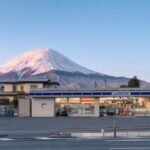
Day three is a full excursion from Tokyo, not an overnight stay in Hakone. You take the Hakone Tozan Railway up through mountain scenery, then ride the ropeway over Owakudani, a volcanic valley known for steam vents and sulfurous terrain. On clear days, Mt. Fuji may appear in the distance.
The route continues with a local lunch and a cruise on Lake Ashi, framed by surrounding mountains. The combination gives you several different ways to see the area, from rail and gondola to water. It is a welcome change of scale after Tokyo’s city streets.
Keep expectations flexible about Fuji. The itinerary promises the chance of a view, not a guaranteed sighting; cloud and weather can hide the mountain. You return to Tokyo for the night, so the day includes travel out and back. If you would rather sleep in an onsen inn, the operator has said a Hakone stay may be possible, with a possible adjustment to the price and arrangements for the next morning’s train. Confirm the details before booking, rather than assuming that change is part of the standard trip.
Kyoto: river paths, Gion and temple visits
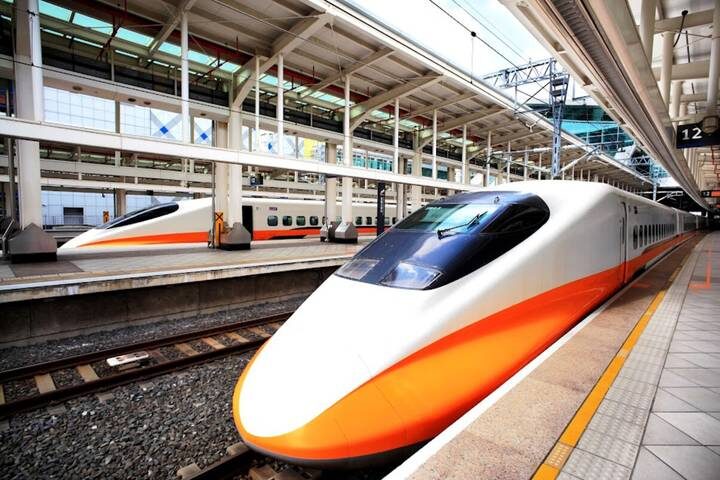
On day four, you travel by Shinkansen from Tokyo to Kyoto, then check into Hotel Vischio Kyoto by Granvia or a similar four-star hotel. The high-speed train is one of the practical strengths of the route: it cuts down the time spent moving between the two cities and makes the long-distance connection part of the trip rather than a logistical puzzle.
The afternoon includes a guided cycling or walking tour along the Kamo River and through Gion. At Kennin-ji, you get an introduction to Zen culture and geisha traditions, then continue to Kiyomizu-dera, a UNESCO World Heritage Site on a hillside above the city. Its broad wooden stage is a highlight, though the temple’s popularity means you should expect other people at the viewpoints.
A tea ceremony in a heritage house in Gion is also listed among the cultural experiences. It offers a more focused look at a tradition that can otherwise feel like a quick photo stop. Check the final schedule with the operator so you know how the ceremony fits into your day.
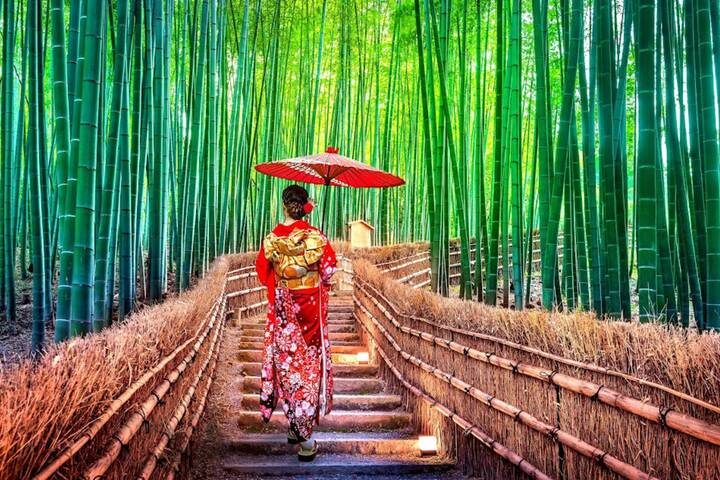
Day five covers Kyoto by air-conditioned vehicle with an English-speaking guide. The planned stops include Fushimi Inari’s rows of red torii gates, Arashiyama Bamboo Forest, Kinkaku-ji (the Golden Pavilion), Tenryu-ji, Togetsukyo Bridge and the Katsura River area. A vehicle helps connect sights spread across the city, but the number of stops makes this a full day. You will still do plenty of walking once you arrive.
A kimono and photo option is available in the Kimono Gardens. It is a pleasant extra if dressing up appeals to you, but it is optional, not a core part of the sightseeing. Kyoto is the trip’s densest stretch, so wear comfortable shoes and save some energy for evenings.
Osaka: big views, street life and sumo
On day six, you transfer from Kyoto to Osaka, with hotel-to-hotel transport listed for this leg. That arrangement can make a real difference after several days of carrying bags through stations. The Osaka base is Citadines Namba or a similar four-star hotel.
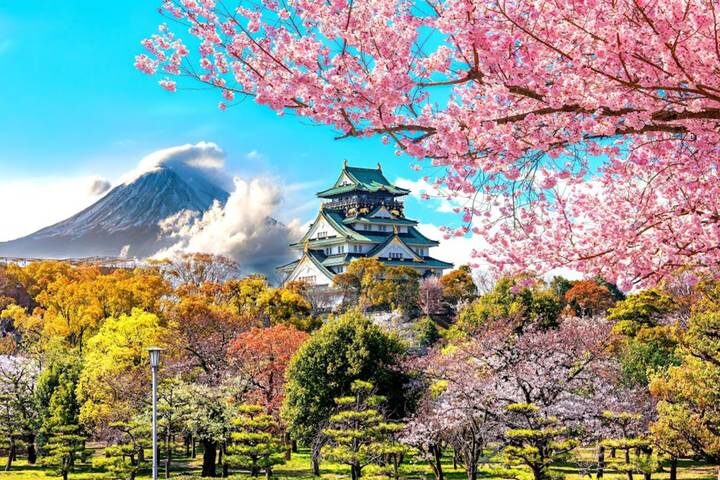
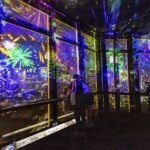
The guided city tour includes Osaka Castle and its gardens, Katsuo-ji Temple with its many daruma dolls, the Floating Garden Observatory at Umeda Sky Building, Tennoji Zoo and Dotonbori. These stops span several parts of the city, so the included transport is useful. The itinerary is ambitious; expect a succession of sights rather than long, unhurried visits everywhere.
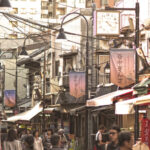
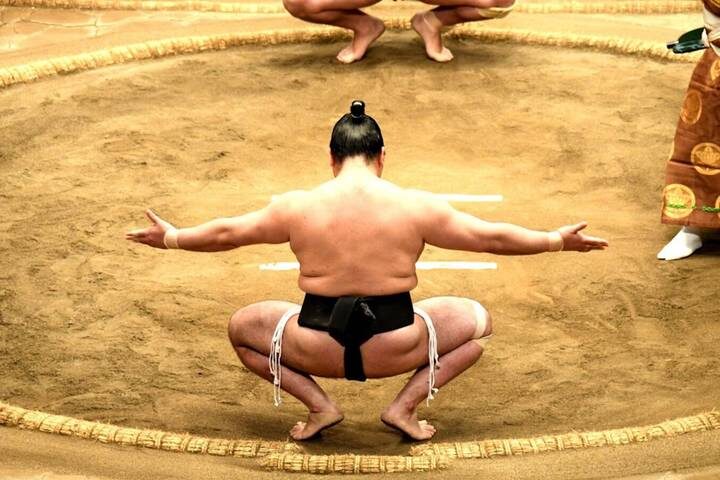
Dotonbori is the evening’s street-level contrast: bright signs, food stalls and a strong sense of Osaka’s popular side. The sumo experience follows, with a traditional bento box and one drink included. It gives you a close look at the sport and its rituals, but it is presented as a sumo experience, not a scheduled professional tournament. If you are expecting a championship match, clarify the exact format before booking.
The operator’s guides have received strong praise, with Jane, Nomi and Riku named by people on different departures. That is encouraging, but guide assignments can change. The more consistent strength described across the trip is behind-the-scenes coordination: checking transfer details, sharing next-day instructions and helping when a ticket or room issue comes up.



Hiroshima and Miyajima: a worthwhile but long add-on
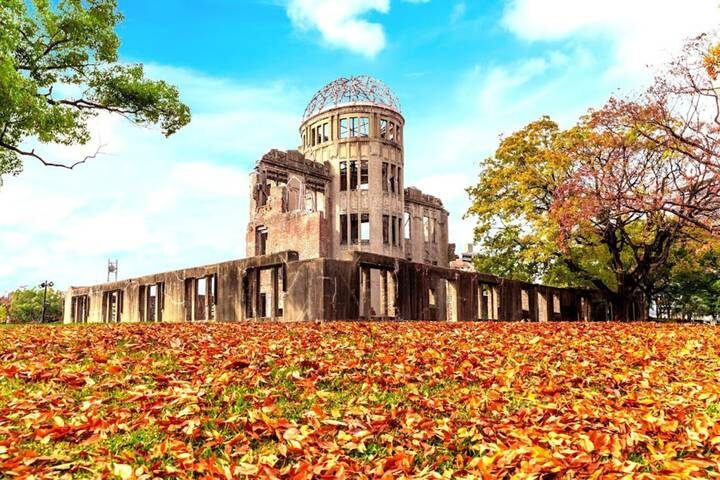
Day seven is free in Osaka unless you add the Hiroshima and Miyajima excursion for US$329 per person. The trip includes fast-train travel, a visit to Peace Memorial Park and the Atomic Bomb Dome, time at the Peace Memorial Museum, a ferry to Miyajima, and a return to Osaka by train.
Hiroshima’s memorial sites ask for quiet attention. The park and museum provide context for the bombing and the city’s recovery, while the preserved Atomic Bomb Dome gives the history a physical presence. Miyajima shifts the mood: Itsukushima Shrine and its famous torii gate sit beside the water, and the island’s shops and roaming deer make for a more relaxed walk. A ropeway or walk toward Mount Misen is optional, not a guaranteed part of the day.
This is a long excursion with several transport changes, but it adds a major historical site and a very different coastal setting. If Hiroshima matters to you, the price may be worthwhile. If you prefer a slower visit, spend the day in Osaka instead. Either way, confirm what time you will leave and return, and how much time is allocated at each stop.
Price, hotels and the practical trade-offs
The advertised starting price is from $3,255 per person for eight days. It includes seven breakfasts, one lunch, the sumo bento and drink, listed hotel stays, sightseeing and key transport, including the Tokyo-to-Kyoto Shinkansen and airport transfers. International flights and travel insurance are not included. The Hiroshima and Miyajima day trip is an extra US$329 per person.
That price buys more than hotel nights. You are paying for a connected route, guided sightseeing, ticket arrangements and support across several cities. For a first visit, the value is strongest if you want someone else to coordinate the major pieces while still leaving you some independent time. It is less compelling if you enjoy planning every train and excursion yourself, or want a fully escorted group experience.
The standard hotels are listed as four-star, with a paid five-star upgrade available for $499 per person. Rooms in Japan may be smaller than you expect, and that is worth taking seriously if you need extra space or are traveling with several bags. The hotels are praised for their convenient locations, but room size and bedding can vary. Check your room configuration and the exact property before departure.
The overall rating provided is 4.5 out of 5 from 23 ratings, with particularly strong marks for itinerary, transport, guides and accommodation. The less consistent parts are important: some departures have faced itinerary changes, unclear next-day instructions or pickup delays. Other experiences describe quick help with missed trains, room changes and transfer problems. I would treat the operator’s support as a useful safety net, not a reason to skip confirming the next day’s meeting time and tickets.
Who should book this trip?
I would shortlist this tour if you are visiting Japan for the first time, want Tokyo, Kyoto and Osaka in one week, and would value help with major transfers and sightseeing. It suits couples, families and small groups comfortable with a busy schedule, light physical activity and some independent time.
Think twice if your priority is a fixed group traveling together throughout, long unstructured stays in each city, or a quiet pace. The route is packed, and the exact touring arrangement can vary. Before booking, confirm whether your departure is a shared group or a mix of private guides and small activities, what is included on each sightseeing day, and whether the Hiroshima add-on fits your interests. If those details match your expectations, this is a practical way to cover Japan’s central highlights without arranging every connection yourself.
Japan Highlights by Bullet Train: Tokyo, Kyoto & Osaka with Wanderful Holidays
“Just returned from Japan and the experience was outstanding with much credit to the detailed itinerary and communications from the Wanderful Holida…”
FAQ
How long is the tour, and where does it start and end?
It lasts eight days. You start in Tokyo and finish in Osaka, with arrival and departure transfers available at Narita or Haneda and Kansai or Itami airports.
What is the starting price?
The stated starting price is $3,255 per person. International flights, insurance and the optional Hiroshima and Miyajima trip are not included.
Which hotels are included?
The listed hotels are Monday Apart Premium Ueno or similar in Tokyo, Hotel Vischio Kyoto by Granvia or similar in Kyoto, and Citadines Namba Osaka or similar in Osaka. A five-star upgrade is available for $499 per person.
Are Shinkansen tickets included?
The Tokyo-to-Kyoto Shinkansen is included. The optional Hiroshima and Miyajima trip also includes fast-train travel from Osaka and back.
Is the Hiroshima and Miyajima trip included?
No. It is an optional day trip priced at US$329 per person. It includes train travel, visits to Hiroshima’s Peace Memorial sites, a ferry to Miyajima and a return to Osaka.
How many people are in the group?
The stated group size is two to ten people. The touring format is partially guided, so the same group may not necessarily travel together for every activity.
Are meals included?
The package lists seven breakfasts, one local lunch, and a traditional bento box with one drink during the Osaka sumo experience.
Are international flights included?
No. International air tickets are not included in the quoted price.
How physically demanding is the tour?
It is rated low intensity, with light physical activity. Sightseeing includes walking at temples, shrines and city sites, and some days cover several stops.
Is the tour guided in English?
Yes. Sightseeing is listed with English-speaking guides. Specific guides may vary by departure; Jane, Nomi and Riku have been named on different trips.