Tokyo’s crowded crossings, Nagano’s mountain hot springs and a night in a Buddhist temple give this 17-day trip an unusually broad view of Japan. You move from city streets to quiet mountain towns, with the practical work of transport and daily planning handled by a group leader.
I like the mix of hands-on cultural activities, from sushi and soba classes to a samurai sword lesson, and the chance to see places beyond the usual Tokyo-Kyoto circuit. I also like that the schedule leaves some free time, so you can explore at your own pace or take a breather.
The main consideration is the pace: there are frequent moves, early starts and plenty of walking, even with a low-intensity rating. Shared rooms and a young age range make this a better fit for sociable travellers than for anyone seeking privacy or a slow, independent trip.
- The trip at a glance
- Tokyo: temples, crossing crowds and sushi skills
- Nagano: a ryokan, hot spring and mountain macaques
- Hakone: a lake cruise and Mount Fuji views
- Osaka: castle history, Dotonbori food and karaoke
- Koyasan: a temple night worth slowing down for
- Kyoto: bamboo, shrines and a samurai lesson
- Hiroshima and Miyajima: memory and island paths
- What the price covers, and what it doesn’t
- Who will get the most from this trip?
- Should you book the Japan Adventure 17 Day?
- FAQ
- How long is the tour, and where does it start?
- Where does the tour end?
- What is the starting price?
- Are international flights included?
- What accommodation is included?
- Can I book a single room?
- Which meals are included?
- How large is the group, and what is the age range?
- Is the tour physically demanding?
- The Best Of Tokyo!
- More Tours in Tokyo
- More Tour Reviews in Tokyo
- Not for you? Here's more nearby things to do in Tokyo we have reviewed
The trip at a glance
 1 / 10
 2 / 10
 3 / 10
 4 / 10
 5 / 10
 6 / 10
 7 / 10
 8 / 10
 9 / 10
 10 / 10
- Sleep in a Buddhist temple in Koyasan: Learn meditation, eat traditional temple cuisine, walk through a large cemetery at night and attend morning prayers.
- See snow monkeys near Nagano: Visit the mountain habitat where Japanese macaques may bathe in hot springs in winter.
- Ride Japan’s Shinkansen: Bullet train journeys link several major stops, with other public transport included during the tour.
- Try Japanese crafts and food: Make sushi, roll soba noodles, fold origami and take part in a tea ceremony.
- Travel with a small group: Groups are listed at 4 to 16 people, with an English-speaking leader and shared accommodation.

👉 See our pick of the 25 Best Guided Tours In Tokyo
Tokyo: temples, crossing crowds and sushi skills
The tour begins with a check-in at a Tokyo hostel and time to recover from your flight. There is no arrival transfer, so you’ll need to arrange your own way to the accommodation. Day one is deliberately light, which helps if you arrive tired or have crossed several time zones.
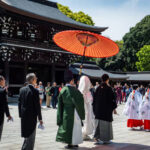
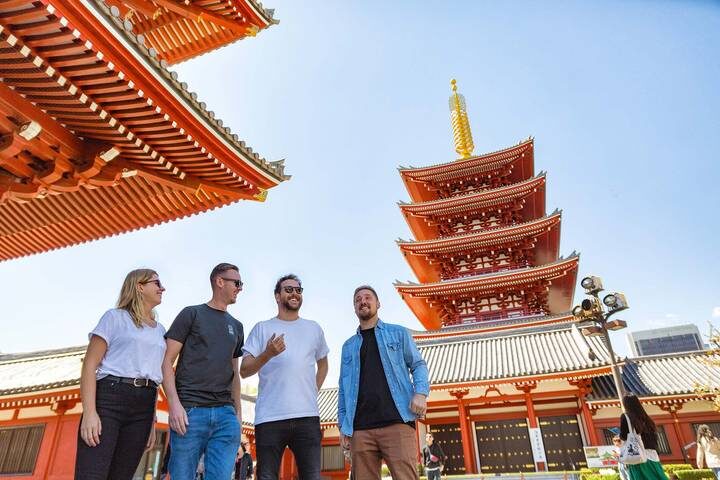
The next day brings a useful introduction to the city. At Senso-ji, Tokyo’s oldest Buddhist temple, you’ll get a guided look at one of its best-known spiritual sites, then visit Meiji Shrine, a major Shinto place of worship. Harajuku and Shibuya Crossing show a different side of the capital: youth culture, fashion and the famous flood of pedestrians moving through the intersection.
The evening heads to Shinjuku, where the plan is to sample its small bars and quirky restaurants. Nightlife is part of the tour’s social rhythm, though you can choose how late you stay out. If you prefer an early night, tell your group leader and make your own way back.
On day three, a sushi master teaches the group to roll sushi. You then have free time before exploring Akihabara, known for arcades, game centres, photo booths and maid cafés. That mix works well: the class gives you a structured activity, while the open afternoon lets you follow your own interests. If you want to try Tokyo go-karting, it is not included and the available information recommends booking ahead; you’ll also need to check the driving licence rules that apply to your nationality.
You can also read our reviews of more tours and experiences in Tokyo.

Nagano: a ryokan, hot spring and mountain macaques
The bullet train to Nagano is one of the first big changes of scene. The tour describes the journey at speeds of up to 200 mph. In Nagano, you’ll try origami, visit an onsen and spend the night in a traditional ryokan, sleeping on tatami mats with futon bedding. This is a good chance to experience a different style of accommodation, not just another hostel room.
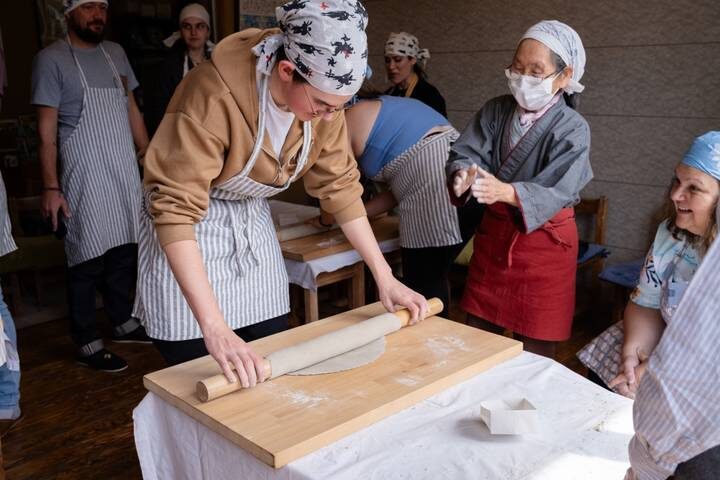
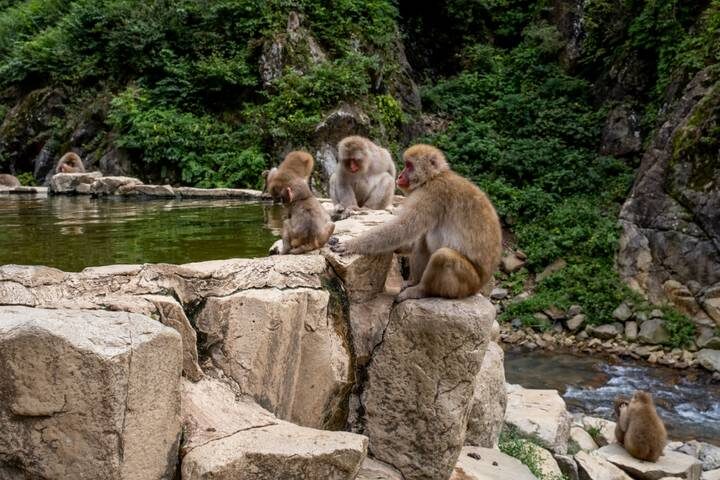
The following morning brings a soba-making class with local artisans. Then the group heads into the mountains to look for Japanese macaques, often called snow monkeys. In winter, they may be seen bathing in natural hot springs; in other seasons, they play among the trees. Sightings are not guaranteed, so treat the outing as a mountain walk with a chance of monkeys, rather than a wildlife show on cue.
The itinerary also includes Shiga Kogen National Park in summer, with lakes and forest to explore. That seasonal detail matters: the park visit is listed for summer only, so the exact experience depends on your departure date. Pack shoes that are comfortable for walking, as the tour combines city streets with mountain paths and temple grounds.
Hakone: a lake cruise and Mount Fuji views
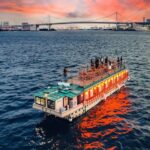
After another train journey, you reach Hakone, a region known for Mount Fuji views. The morning visit combines a Lake Ashi pirate ship cruise with a cable car ride. Both make the scenery part of the journey, rather than simply taking you from one stop to the next.
Fuji is weather dependent. On a clear day, the views can be a highlight; clouds can hide the mountain completely. It’s best to enjoy the lake and cable car as experiences in their own right, and consider a clear Fuji sighting a bonus.
That afternoon, you continue to Osaka by bullet train. The tour includes a barbecue dinner, followed by karaoke and nightlife. These shared evenings help a group of strangers find its footing, though they are not compulsory for anyone who would rather rest.
Osaka: castle history, Dotonbori food and karaoke
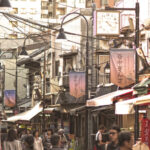
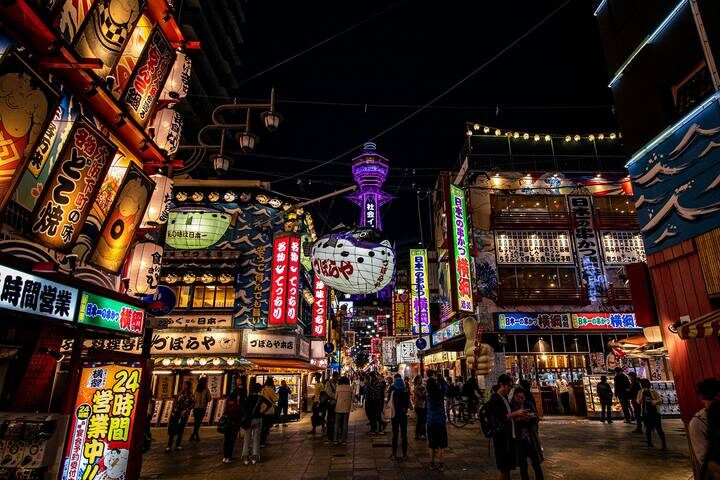
Osaka gives you a morning to relax or shop before visiting Osaka Castle. The castle is tied to Japan’s samurai history and offers a contrast to the temple and shrine visits elsewhere. Afterward, you’ll explore Dotonbori, a canal area known for food. Meals beyond those specifically included are your own choice and expense, so this is a good place to try local dishes with the group or set off on your own.
The first Osaka stay is followed by a trip to Koyasan, then later a return to the city for one final night. That return evening is spent in Shinsekai, an older district with izakayas and quirky restaurants. The itinerary’s last day is listed in Osaka, despite the tour being described as ending in Kyoto. Since the final night is also in Osaka and no return transfer to Tokyo is included, check the exact departure point before booking onward travel.
Koyasan: a temple night worth slowing down for
Koyasan is one of the trip’s most distinctive stops. You’ll stay overnight at a Buddhist temple, where monks teach meditation and serve traditional Buddhist cuisine. Later, there is a walk through Japan’s largest cemetery. At night, the setting is likely to feel very different from the bright streets of Tokyo and Osaka.
The next morning starts early with a Buddhist prayer service and fire ceremony, followed by a traditional breakfast. This is a more structured, contemplative experience than the tour’s city nights, and the shared temple stay is part of its appeal. The operator advises against choosing a private room for this stop, and the accommodation information lists a shared temple room.






Kyoto: bamboo, shrines and a samurai lesson
After Koyasan, the group travels to Kyoto, Japan’s former capital. The first evening includes a walking tour of Gion, where you’ll learn about the district’s geisha traditions. This is a good orientation before exploring Kyoto independently, but remember that a walking tour is an introduction, not a full account of the city’s many neighbourhoods.
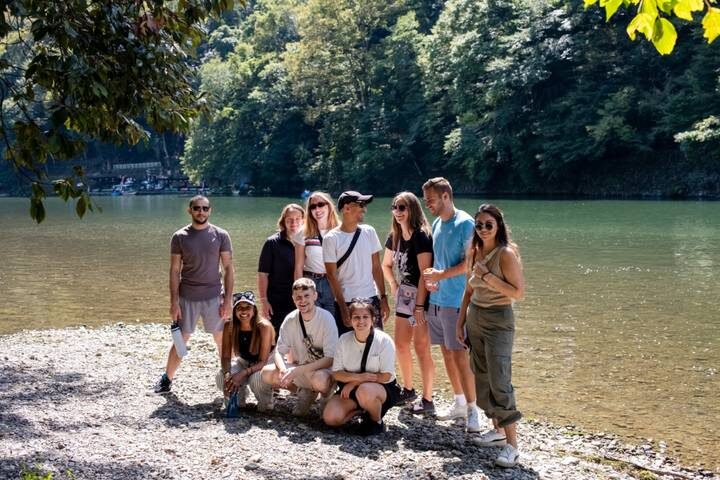
The next day pairs Arashiyama’s Bamboo Forest with Kinkakuji, the Golden Pavilion. The bamboo walk is a popular photo stop, and it can be busy. The Golden Pavilion offers a quieter change of pace, though visits here are also part of Kyoto’s well-known tourist circuit. You’ll have a free evening for food, bars or games.
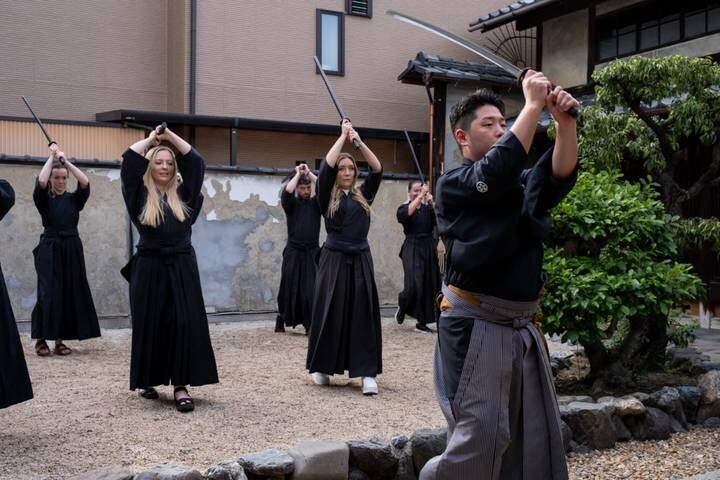
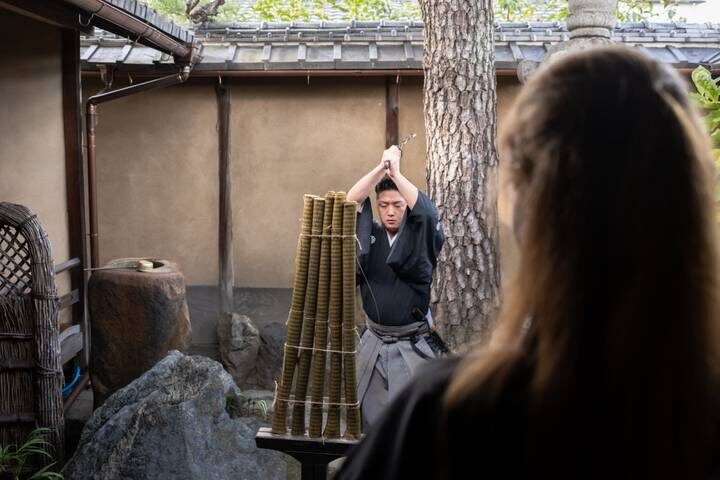
Day twelve takes you to Fushimi-Inari, where rows of torii gates climb along mountain trails. You can walk as far as you like, but allow for a fair amount of uphill walking if you want to get beyond the busiest entrance area. In the afternoon, a samurai master teaches the group how to handle a traditional sword. It is a practical cultural activity, not just a photo stop, and the operator invites participants to donate spare yen to a fund for maintaining the Samurai House building.
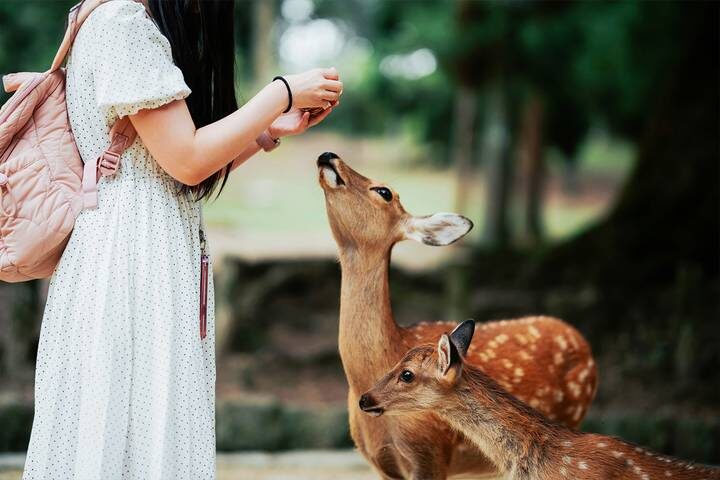
A day trip to Nara rounds out the Kyoto stay. A local train takes you to gardens and temples, including the area known for its large Buddha statue and bowing deer. The deer are a memorable part of the visit, but keep in mind that this is a popular stop and they are still animals, not props. You return to Kyoto in the evening.
Hiroshima and Miyajima: memory and island paths
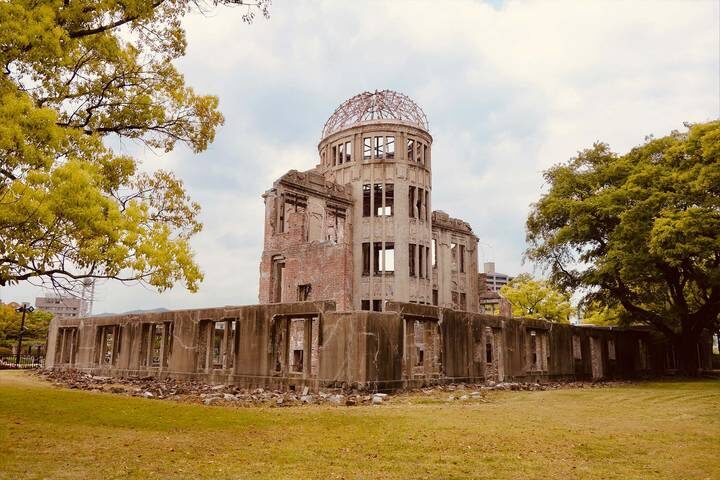
Before leaving Kyoto, you’ll take part in a traditional tea ceremony and try matcha. Then the group heads to Hiroshima by bullet train. At the Peace Memorial Park and Museum, the Atomic Bomb Dome and the memorials, the tone shifts. The history is difficult, but this visit gives essential context to modern Japan and deserves time and attention. The tour includes a museum visit, though the length of time available is not specified.
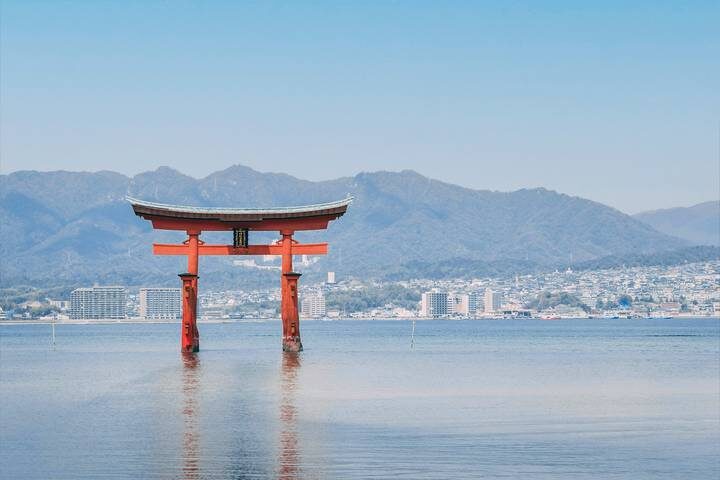
The following day, a ferry takes you to Miyajima, also known as Itsukushima. You’ll see the island’s well-known torii gate in the bay, visit Itsukushima Shrine and have time for temples or hiking trails. The island’s deer are another familiar sight. You can explore at your own pace, then join the group for local bars later.
The final leg returns to Osaka by bullet train. There is time for last-minute shopping or sightseeing before the Shinsekai evening. The schedule is full, but the final night gives the group a chance to gather before departure.
What the price covers, and what it doesn’t
The tour starts at $4,199, with the listed price based on the cheapest room option. It covers 16 nights of accommodation, transport during the trip, scheduled activities, 16 breakfasts, two lunches and two dinners. That is a substantial package for a route that involves several cities, mountain areas and multiple train journeys.
The value is strongest if you want the logistics handled and plan to take part in the included activities. You get a group leader, transport between stops, and experiences such as the temple stay, sushi class and samurai lesson. It is less all-inclusive at mealtimes than the headline price might suggest: most lunches and dinners, snacks and drinks are extra.
International flights, arrival and departure transfers, travel insurance and pre- or post-tour accommodation are not included. Insurance is required. Single rooms are not part of the standard package, and the accommodation is shared: hostel rooms, a ryokan, and a temple stay. Twin or double sharing is listed for Kyoto and Hiroshima; other stops use quad-share rooms. The accommodation may change until four to six weeks before departure.
There is a small inconsistency in the transport details worth checking. The general description says that buses and public trains are used, with Shinkansen journeys included, while some individual itinerary entries label domestic legs as flights. Confirm the actual transport plan in your final travel documents.
Who will get the most from this trip?
This tour suits adults aged 18 to 49 who want a social, guided introduction to Japan and are happy to share rooms. Groups are small, with 4 to 16 people, and many participants are solo travellers. For twin-share rooms, solo women are paired with another solo woman of a similar age; multi-share rooms are shared among four group members.
The schedule is rated low intensity, but that does not mean effortless. Expect city walking, public transport, early starts and time on your feet at shrines, temples and parks. One participant specifically noted that there was quite a bit of walking, so comfortable shoes are a sensible choice.
The leader is a key part of the experience: they handle transport, help with onward travel and can suggest ways to use free time. Leaders vary by departure. Becca, Adam, Dan, Tommy and Lachie are among the leaders named by people who have travelled on the tour, but you cannot assume any one of them will lead your date. The operator has a 4.8 out of 5 rating across 16,881 tours and the Japan trip is rated 5 out of 5 across 26 ratings, with particularly high marks for the itinerary, transport, guide and accommodation.
Should you book the Japan Adventure 17 Day?
Book it if you want to cover major sights and several less urban stops without planning every train, hostel and activity yourself. The combination of Nagano’s mountain setting, the Koyasan temple night, Kyoto’s cultural visits and Hiroshima’s memorials gives the route more range than a city-only tour.
Think twice if you want a private room, long unscheduled stretches or full control over where you eat and how you travel. Also check the exact ending city and transport modes before arranging flights, since the tour is described as Tokyo to Kyoto but its final overnight and departure day are in Osaka. If those details suit you, this is a strong choice for a first organised trip through Japan.
Japan Adventure 17 Day by INTRO Travel – Tokyo to Kyoto
“I had an incredible time on the Japan Adventure trip and got to have so many unbelievable experiences that I will never forget. The tour was ran so…”
FAQ
How long is the tour, and where does it start?
It lasts 17 days and starts in Tokyo. The first day is for arrival, check-in and meeting the group.
Where does the tour end?
The tour is described as ending in Kyoto, but the final overnight and day 17 are listed in Osaka. Confirm the departure point in your final travel documents before booking onward transport.
What is the starting price?
The listed price starts at $4,199 and is based on the cheapest room option. The provided information does not specify a currency.
Are international flights included?
No. You arrange and pay for flights to the start of the tour and from its end. Arrival and departure transfers are also not included.
What accommodation is included?
The tour includes 16 nights: hostels in Tokyo, Osaka, Kyoto and Hiroshima, a ryokan in Nagano, a hostel in Hakone and a Buddhist temple stay in Koyasan. Rooms are shared, with quad-share and twin or double-share arrangements depending on the stop.
Can I book a single room?
A single supplement is listed as unavailable. The operator says it may be possible to look into a private room, but a private room is not available in Hakone and is not recommended for the traditional shared stays in Nagano and Koyasan.
Which meals are included?
The tour includes 16 breakfasts, two lunches and two dinners. Other meals, snacks and drinks are not included. Vegetarian food is available on request.
How large is the group, and what is the age range?
The group size is listed as 4 to 16 people, and the stated age range is 18 to 49. Many participants are solo travellers.
Is the tour physically demanding?
It is rated low intensity, but includes walking in cities, at temples and shrines, and on some mountain trails. Expect early starts and frequent travel between destinations.