Japan’s contrasts come into focus on this two-week route: you move from Tokyo’s Imperial Palace and Ginza to mountain towns, a thatched-roof village, Kyoto shrines and Hiroshima’s Peace Memorial. I like that the cultural activities are hands-on, not just photo stops, and that the route includes both a gold-leaf workshop in Kanazawa and time with a monk in Kyoto.
The food is another strong reason to go: Hida beef with sake in Takayama, sushi-making in Kyoto, and regional dinners give the trip a local flavor. The main consideration is the pace. Expect long transfers and plenty of walking, with one past participant estimating about 13,000 steps most days. Hiroshima is also an emotionally demanding visit, and its museum can feel crowded.
- The details that matter most
- Tokyo opens with imperial grounds and a robot café
- Hakone’s volcano, ropeway and lake cruise
- Matsumoto Castle and a taste of Takayama
- Shirakawa-go and Kanazawa’s gold-leaf craft
- Kyoto’s shrine paths and home-style traditions
- Hiroshima and Miyajima make for a long, weighty day
- Pace, group size and what the price covers
- Who should choose this Japan route
- FAQ
- How long is the tour?
- Which places does the tour visit?
- Is the tour guided in English?
- How large can the group be?
- How physically demanding is the tour?
- Which meals are included?
- Does the tour include a bullet train ride?
- What hands-on activities are included?
- Where does the tour end?
- What is the starting price?
- The Best Of Tokyo!
- More Tours in Tokyo
- More Tour Reviews in Tokyo
- Not for you? Here's more nearby things to do in Tokyo we have reviewed
The details that matter most
 1 / 9
 2 / 9
 3 / 9
 4 / 9
 5 / 9
 6 / 9
 7 / 9
 8 / 9
 9 / 9
- Gold leaf becomes a souvenir: In Kanazawa, you decorate a lacquer box in a hands-on class and take it home.
- The route mixes cities and mountain towns: Tokyo, Hakone, Matsumoto, Takayama, Shirakawa-go, Kanazawa, Kyoto and Hiroshima are all on the plan.
- You ride the Shinkansen to Hiroshima: The fast train makes a long day trip possible from Kyoto.
- Several traditions are taught in person: Make sushi and origami, try a tea ceremony, and join chanting and meditation at a Kyoto temple.
- Meals are only partly included: The tour provides 12 breakfasts and 6 dinners, leaving many lunches and dinners open for your own choices.
- The group may be large: The stated group range is 2 to 44, so the feel can vary by departure.

👉 See our pick of the 25 Best Guided Tours In Tokyo
Tokyo opens with imperial grounds and a robot café
The trip begins with an overnight flight, followed by arrival in Tokyo on Day 2. There is no organized sightseeing that day, which is useful after a long journey. You can settle in, eat nearby and get your bearings without having to keep up with a group schedule.
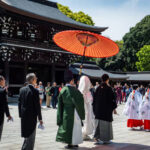
The first guided day takes in the outer grounds of the Imperial Palace and Niju Bridge, then the wooded approach to Meiji Shrine. Ginza brings a sharp change of mood: elegant shops and department stores sit in a district known for blending modern style with older traditions. A welcome dinner gives you a first chance to meet the group.
Day 4 adds one of the trip’s most unusual stops: the Avatar Robot Café. Remote operators who have difficulty leaving home or hospital rooms work through service robots, and you can speak with them while ordering a drink. It is a human story as much as a technology stop, and a thoughtful way to look at how people stay connected.
The Tokyo National Museum follows, with Japanese and regional art and antiques. Free time begins around 3:30 p.m. The hotel plan lists Grand Nikko Tokyo Daiba for the first three nights, then The Prince Hakone Lake Ashinoko for Day 4. Check the final hotel schedule when booking, since the detailed day-by-day accommodation notes and summary list are not perfectly aligned.
You can also read our reviews of more tours and experiences in Tokyo.

Hakone’s volcano, ropeway and lake cruise
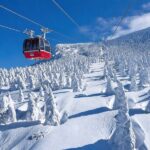
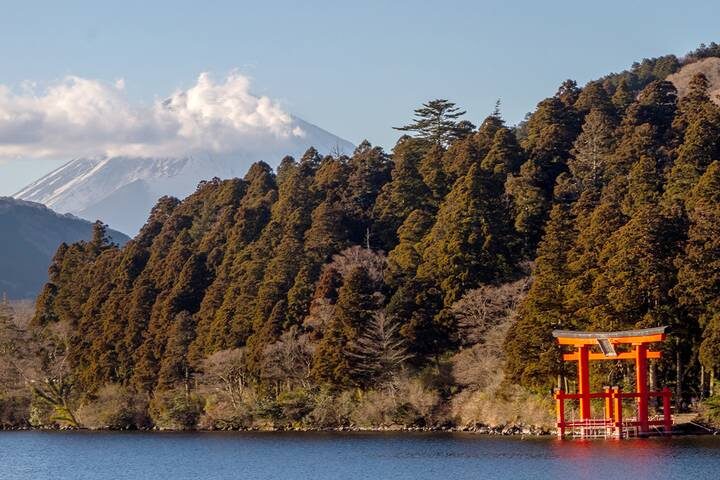
The journey to Hakone shifts the focus from city life to volcanic terrain and mountain views. At Owakudani, you visit an active volcanic zone formed by an eruption about 3,000 years ago. The Hakone Ropeway carries you above the area, with a chance of seeing Mt. Fuji when conditions allow. Views are never guaranteed, so treat the ride as a scenic outing first and a Fuji sighting as a bonus.
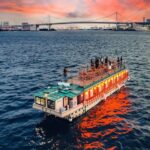
A cruise across Lake Ashi ends near Moto-Hakone. The boat ride and ropeway offer a welcome change from coach travel, though this is still a transfer day with several moving parts. The tour describes Hakone as a hot-spring resort, but the listed activities do not include a specific hot-spring visit.
Matsumoto Castle and a taste of Takayama
On Day 6, Matsumoto Castle gives you a look at a striking black structure known as Crow Castle. Then the route continues to Takayama, a town in the Japanese Alps with preserved Edo-period streets and a long association with sake production.
Dinner is a highlight here: Hida beef paired with traditional rice wine. It is one of the tour’s clearest regional food experiences, rather than a generic hotel meal. The day also involves substantial road time, so keep your expectations balanced: the castle and dinner are memorable, but you will spend a good part of the day in transit.
Takayama gets more time the next morning. A guided walk covers the historic district and the Miyagawa River morning market, described as a 600-year-old open-air market for local produce and crafts. You then choose between Takayama Jinya, a former government building, and Matsuri Yatai Kaikan, where festival floats are displayed. The afternoon is free, giving you room to revisit a street, browse shops or simply slow down.
The itinerary’s balance works well here: a guide helps explain the town’s layout, while the free hours let you explore at your own pace. If you enjoy traditional architecture and local food, Takayama may become one of your favorite stops.
Shirakawa-go and Kanazawa’s gold-leaf craft
The road to Kanazawa passes through Shirakawa-go, a UNESCO-listed mountain village known for gassho-zukuri houses. Their steep thatched roofs resemble hands pressed together in prayer, a form suited to the area’s heavy snowfall. The village visit is a chance to see how local building traditions respond to place, not just admire an unusual roofline.
In Kanazawa, the schedule includes Omicho fish market and Kenroku-En, a garden covering more than 25 acres. The market offers a lively look at regional seafood, while the garden rewards an unhurried walk through carefully arranged grounds. A regional dinner rounds out the day.
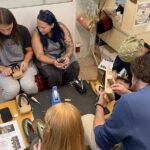
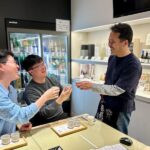
The next morning brings the trip’s most tangible craft activity. In a private lesson, you apply fragile gold leaf to a lacquer box using a stencil design, then keep your work as a souvenir. One past participant found the material delicate to handle and said the process gave her a better sense of the skill involved in gilding. That is the value of the class: you leave with more than a quick demonstration.
You also visit the Higashi Tea district, a historic geisha quarter, before free time. Kanazawa is a good place to use those open hours. The tour does not prescribe a long list of afternoon stops, so you can choose what interests you rather than rush through a packed schedule.
Kyoto’s shrine paths and home-style traditions
Kyoto is the longest base on the route, with four nights listed at Hotel Nikko Princess Kyoto. On arrival, you visit the Women’s Association of Kyoto in a traditional townhouse. A local hostess guides you through sushi-making and origami, giving you a chance to try the techniques yourself.
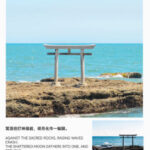
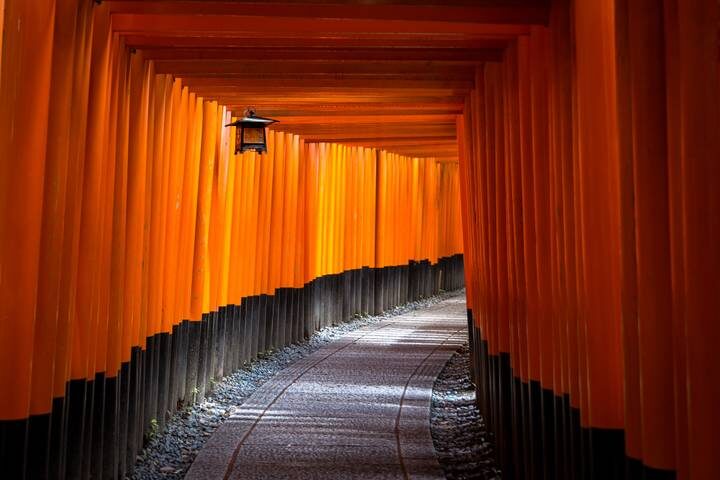
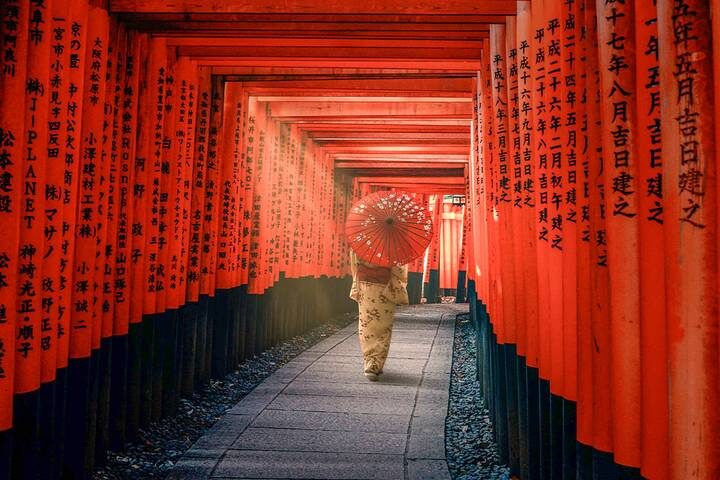
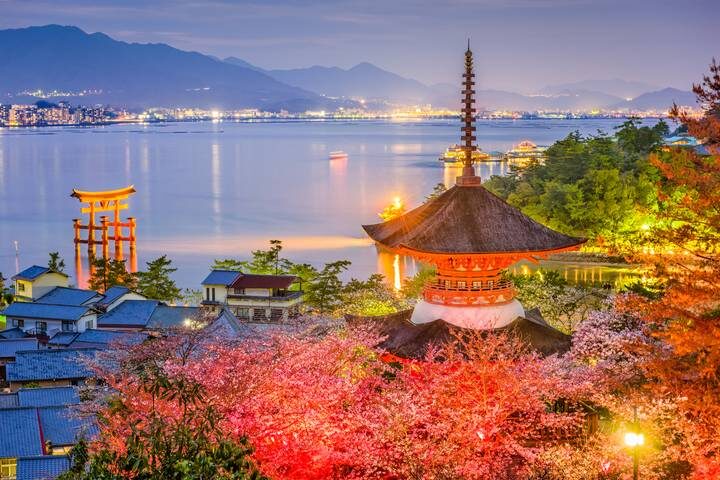
The next morning is for Fushimi Inari Taisha, the famous Shinto shrine whose thousands of orange torii gates climb into a wooded hillside. The path is more than a backdrop for photographs: worshippers stop at small altars and leave offerings along the way. You can walk beneath the gates and see how the light changes as the route rises. Free time begins around 2 p.m., which leaves part of the day open for your own Kyoto plans.
One schedule note: the tour advertises a tea ceremony with a Kyoto monk, but the daily plan places that activity on Day 13 at Koshoji Temple. That morning includes chanting and meditation, a tea ceremony, and time to speak with the monk about daily temple life. It is a rare chance to hear about practice from someone who lives it, rather than only seeing a temple from the visitor path.
The farewell dinner includes a private maiko performance. It is a carefully arranged cultural event, not an informal encounter, and gives the final evening a distinct sense of occasion. For some, this will be a trip highlight; if you prefer independent exploration to organized performances, keep in mind that this is a planned group dinner.






Hiroshima and Miyajima make for a long, weighty day
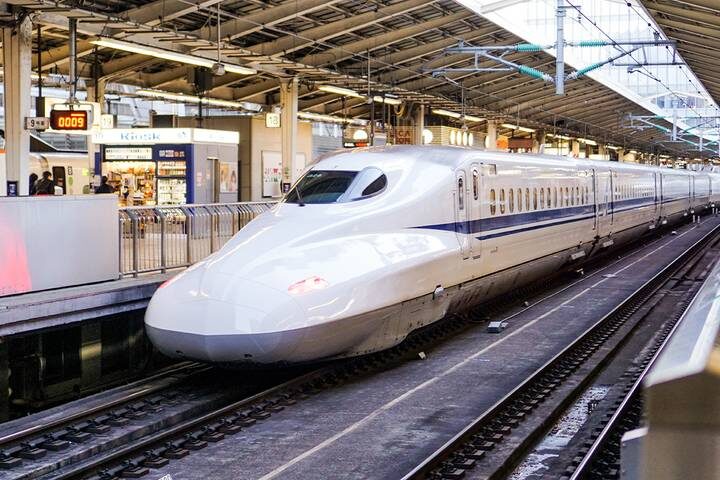
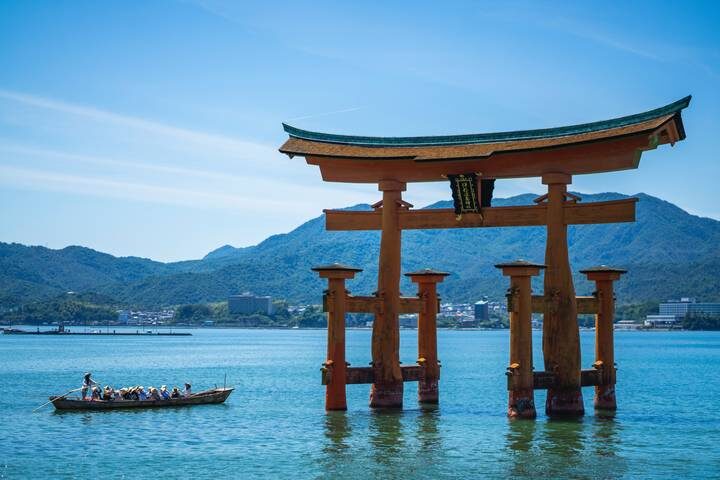
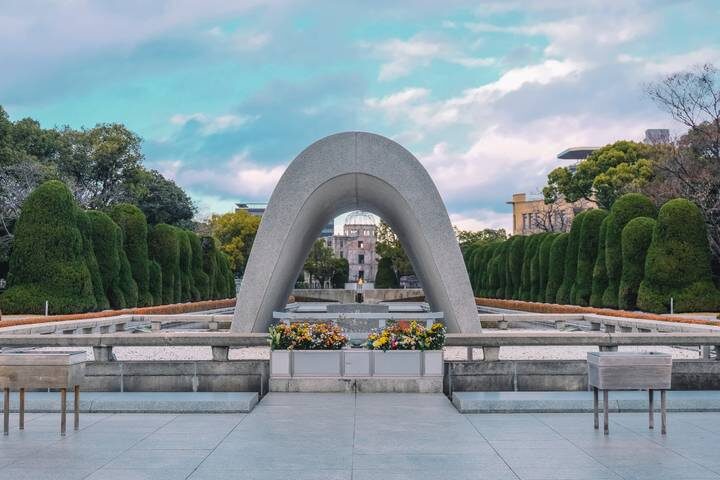
Day 12 starts with the Shinkansen from Kyoto to Hiroshima, then a ferry to Miyajima Island, also called Shrine Island. The itinerary identifies the island as a UNESCO site and pairs it with Hiroshima’s Peace Memorial Park, the Atomic Dome and the Peace Memorial Museum.
This is a demanding day in both distance and subject matter. You return to Kyoto by bullet train that evening, so expect a full schedule with little room to linger. The museum presents difficult history, and its interior may feel crowded. One participant who found the displays dark and the crowding uncomfortable chose to spend more time in the park instead. If you know confined, busy spaces can be difficult for you, plan a flexible approach to the museum and use the park as a place to pause.
The visit matters because it places Japan’s modern history beside the temples, crafts and older traditions seen elsewhere on the tour. It is not an easy stop, but it adds context that a trip focused only on scenic and cultural highlights would miss.
Pace, group size and what the price covers
The tour costs from $6,599 on the cheapest-room basis. That is a substantial outlay, but the value depends on how much help you want with transport and planning. You get an English-speaking guide throughout, hotel stays across the route, guided visits, a Shinkansen journey, several cultural activities and some meals. Organizing this many stops independently would take time, especially when connecting mountain towns and fitting Hiroshima into a day trip from Kyoto.
The price does not mean every meal is covered. The package lists 12 breakfasts and 6 dinners, including the welcome dinner, Hida beef dinner, regional meal in Kanazawa and farewell dinner with a maiko show. Many lunches and dinners remain your responsibility, which gives you choice but means you should budget beyond the tour price. Confirm what airfare and any optional expenses include before paying, as the supplied trip details do not specify airfare coverage.
A group can range from 2 to 44 people. A larger group may mean less flexibility at stops and a different feel from a small-group trip. On the positive side, a past participant described the tour manager Ana as good at creating a pleasant group atmosphere and communicating the day’s plans. Another named Steve and praised his local knowledge and help accommodating a vegan. Those names come from earlier departures, so do not assume either will lead your 2027 trip.
The physical rating is medium, but the day-to-day reality can feel more demanding than that label suggests. One participant estimated roughly 13,000 steps on many days, with walking in gardens and historic areas and a climb at a mountain attraction. A separate participant had back pain after lifting luggage and found the long bus days hardest. Pack light, be ready to carry your own belongings at times, and consider your comfort with repeated walking and transfers.
Who should choose this Japan route
I would consider this tour if you want a broad first visit without arranging every train, hotel and regional connection yourself. It suits people who value cultural context, enjoy group meals and are happy to trade some free time for a guided route. Solo travelers may also appreciate the built-in company; one past participant said she felt safe exploring independently and sometimes joined others for evening outings.
It is less suitable if you want a slow stay in one city, extensive free days or a small group guaranteed at every departure. You get a useful amount of independent time in Tokyo, Takayama, Kanazawa and Kyoto, but the overall rhythm is active. Families are welcome and all ages are accepted, yet age is less important than stamina and comfort with long days.
The strongest reasons to book are the mix of places and the participatory moments: gold-leaf decoration, sushi-making, the tea ceremony and the monk’s session. The most praised elements also include the gardens, bullet train, food and maiko performance. If those appeal more than a leisurely pace, this route offers a well-rounded introduction to Japan. If you want to linger, build your own trip around fewer bases instead.
Cultural Treasures of Japan (Tokyo to Kyoto, 2027) by Collette – 14-Day Tour
“The tour manager Ana ensured a pleasant atmosphere during the tour and connected with everyone. Scheduled activity was clearly communicated and the…”
FAQ
How long is the tour?
It lasts 14 days, beginning in Tokyo and ending in Kyoto.
Which places does the tour visit?
The route includes Tokyo, Hakone, Matsumoto, Takayama, Shirakawa-go, Kanazawa, Kyoto, Hiroshima and Miyajima Island.
Is the tour guided in English?
Yes. The tour is fully guided in English.
How large can the group be?
The stated group size ranges from 2 to 44 people.
How physically demanding is the tour?
It is rated medium intensity. Expect substantial walking and long transfer days. A past participant estimated about 13,000 steps on many days.
Which meals are included?
The tour includes 12 breakfasts and 6 dinners. Other meals are not listed as included.
Does the tour include a bullet train ride?
Yes. You take the Shinkansen between Kyoto and Hiroshima, then return to Kyoto by train the same day.
What hands-on activities are included?
You decorate a lacquer box with gold leaf in Kanazawa and take part in sushi-making and origami in Kyoto. The Kyoto program also includes a tea ceremony.
Where does the tour end?
The tour ends in Kyoto on Day 14.
What is the starting price?
The listed starting price is $6,599, based on the cheapest room.