Tokyo’s neon shopping streets and quiet forest shrine begin a two-week route that reaches mountain villages, Kyoto temples, and Hiroshima’s Peace Memorial. The contrast is the point: Japan changes character from stop to stop, and this tour gives you a guided introduction without asking you to plan every transfer yourself.
I like the hands-on moments, especially decorating a lacquer box with gold leaf and learning about tea ceremony etiquette. I also like that the route includes both famous sights and places such as Takayama and Shirakawa-go, where older streets and traditional houses give the trip a slower pace.
The trade-off is a full schedule with long road transfers and a lot of walking. One person on a previous April departure estimated about 13,000 steps on many days, so this is better for you if you are comfortable being on your feet and keeping up with a group.
- A Tokyo start with a useful mix: See Meiji Shrine, the Imperial Palace grounds, Ginza, Asakusa, and the Tokyo National Museum.
- A mountain route with variety: Visit Matsumoto Castle, Takayama, and Shirakawa-go before continuing to Kanazawa.
- Hands-on cultural activities: Make a gold-leaf lacquer box and sushi, fold origami, and take part in a tea ceremony.
- A standout food evening: Enjoy Hida beef with sake at a local brewery in Takayama.
- A moving Hiroshima day: Ride the Shinkansen, take a ferry to Miyajima, and visit the Peace Memorial Park and museum.
- A group tour with a wide size range: The English-language group may have 2 to 44 people, so the feel can vary by departure.
- Tokyo’s shrines, old streets, and shopping districts
- Hakone’s volcanic terrain and the Lake Ashi cruise
- Matsumoto Castle and Takayama’s sake country
- Shirakawa-go and Kanazawa’s gold-leaf craft
- Kyoto’s townhouse class, torii gates, and Nijo Castle
- Hiroshima by Shinkansen and ferry
- What the ,199 starting price covers
- Who should book this Japan route?
- FAQ
- Where does the tour start and end?
- Are international flights included?
- What is the starting price?
- What meals are included?
- Is the tour guided in English?
- How large is the group?
- What activities are included in Kyoto?
- Does the tour visit Hiroshima?
- How physically demanding is the tour?
- The Best Of Tokyo!
- More Tours in Tokyo
- More Tour Reviews in Tokyo
- Not for you? Here's more nearby things to do in Tokyo we have reviewed
Tokyo’s shrines, old streets, and shopping districts
 1 / 8
 2 / 8
 3 / 8
 4 / 8
 5 / 8
 6 / 8
 7 / 8
 8 / 8
The tour begins with an overnight flight, then gives you an unscheduled arrival day in Tokyo. That breathing room is welcome after a long journey: you can rest, take a short walk, or start learning the city’s layout at your own pace. Since arrival times vary, don’t plan a must-do activity for that first day.
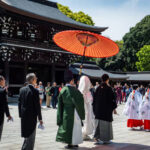
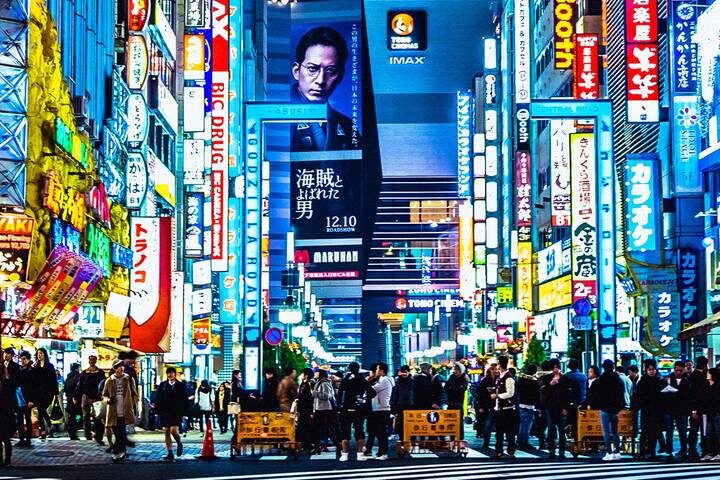
On the first guided sightseeing day, you visit Meiji Shrine, a peaceful wooded site dedicated to Emperor Meiji and Empress Shoken. It’s a sharp change from the city’s busy streets, and a good early introduction to how traditional spaces sit alongside modern Tokyo. You also pass the Imperial Palace grounds and Niju Bridge before walking through Ginza, where department stores and polished storefronts show a more contemporary side of the capital.
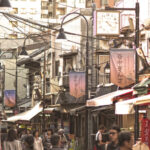
Asakusa brings a different mood. Senso-ji, with its large red entrance lantern, is one of Tokyo’s best-known temples, while Nakamise Shopping Arcade adds a lively stretch of shops on the approach. The tour also visits the Tokyo National Museum, which gives context to the objects and art you’ll encounter elsewhere in Japan.
The schedule includes a welcome dinner, but most other meals are not included. That leaves room to choose what you eat, though it also means budgeting for lunches and many dinners. One past solo traveler appreciated feeling comfortable exploring independently and found the group welcoming, a reassuring point if you’re considering going alone.

👉 See our pick of the 25 Best Guided Tours In Tokyo
Hakone’s volcanic terrain and the Lake Ashi cruise
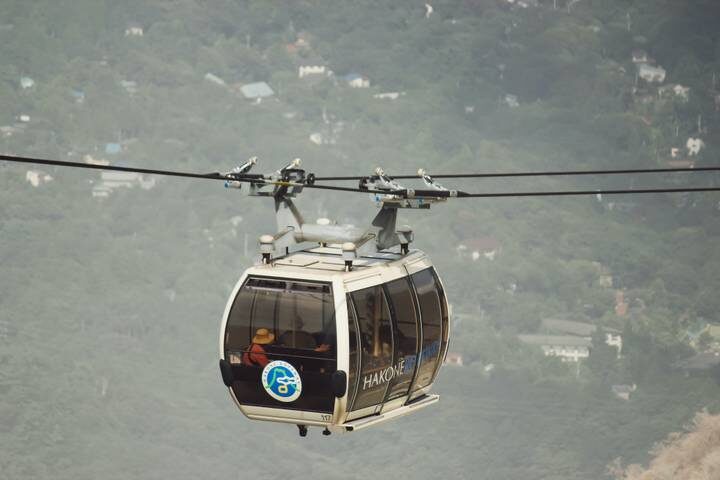
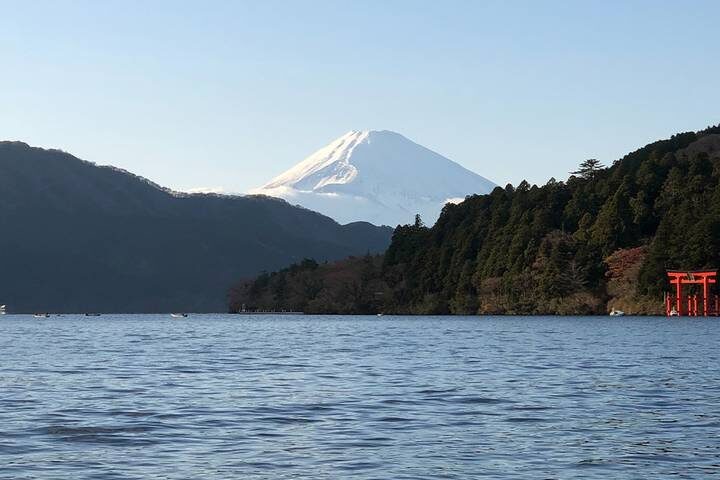
The route heads west to Hakone, a resort area known for hot springs and views toward Mount Fuji. At Owakudani, you’ll see an active volcanic zone formed by an eruption around 3,000 years ago. The Hakone Ropeway carries you down from the area, and the itinerary includes a chance to look toward Mount Fuji. Views are never guaranteed, so treat a clear sighting as a bonus rather than the whole reason for the stop.
A cruise across Lake Ashi provides a calmer counterpoint to Owakudani’s volcanic ground. You’ll also stop in Moto-Hakone, a small lakeside town. Taken together, these activities make a useful change of pace after Tokyo, with natural scenery folded into a trip otherwise centered on cities and cultural sites.
You can also read our reviews of more tours and experiences in Tokyo.

Matsumoto Castle and Takayama’s sake country
Matsumoto Castle is known as the Crow Castle for its dark exterior. It offers a strong visual change from the shrines and gardens, and the stop breaks up the drive toward Takayama in the Japanese Alps. The transfer day is one of the longer stretches of the tour, so expect time on the road as well as sightseeing.
Takayama rewards that travel with an old district of traditional houses and inns. A guided walk introduces the area, followed by a visit to a sake brewery with a history of about 200 years. The evening meal pairs sake with Hida beef, a regional specialty and one of the clearest food highlights on the route.
The next morning includes the Miyagawa River market, described as a long-running open-air market for local produce and goods. You can choose between Takayama Jinya, a former government building, and Matsuri Yatai Kaikan, which displays carved festival floats. The choice is helpful because it lets you focus on the kind of history that interests you, whether civic life or festival craft.
You then have free time in Takayama. I’d use it for an unhurried walk through the old district or a meal at your own pace. Keep in mind that the tour moves on the following day, so this is a chance to explore rather than settle in.
Shirakawa-go and Kanazawa’s gold-leaf craft
Shirakawa-go is a UNESCO-listed mountain village known for gassho-zukuri houses, whose steep thatched roofs are shaped like joined hands in prayer. The architecture is the main reason to visit, and the setting gives you a glimpse of a rural building tradition distinct from the city temples and castle towns. The stop is part of a transfer day to Kanazawa, so your time there is limited rather than a full village stay.
In Kanazawa, the tour visits Omicho fish market and Kenroku-en, a celebrated garden covering more than 25 acres. The garden is best taken at a strolling pace, but the schedule also includes a regional dinner, so you’ll need to balance looking around with the group’s timing.
The next day’s gold-leaf activity is one of the tour’s most personal souvenirs. You decorate a lacquer box using gold leaf, a delicate material that requires a careful hand. A previous participant found the work surprisingly fragile, which is part of the lesson: the craft looks simple from a distance, but applying the leaf takes patience.
You’ll also visit Higashi Tea District, one of Kanazawa’s historic geisha quarters, then have free time. Kanazawa was a favorite stop for one past participant, especially for the gold-leaf workshop. If you enjoy craft, gardens, and traditional districts, this is a day worth protecting some energy for.
Kyoto’s townhouse class, torii gates, and Nijo Castle
In Kyoto, a visit to a traditional townhouse run by the Women’s Association of Kyoto introduces practical cultural activities. You’ll make sushi and learn origami with an instructor. These sessions are more than a quick photo opportunity: they give you time to try the techniques and ask questions, while making a welcome change from sightseeing on foot.
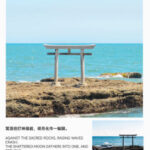
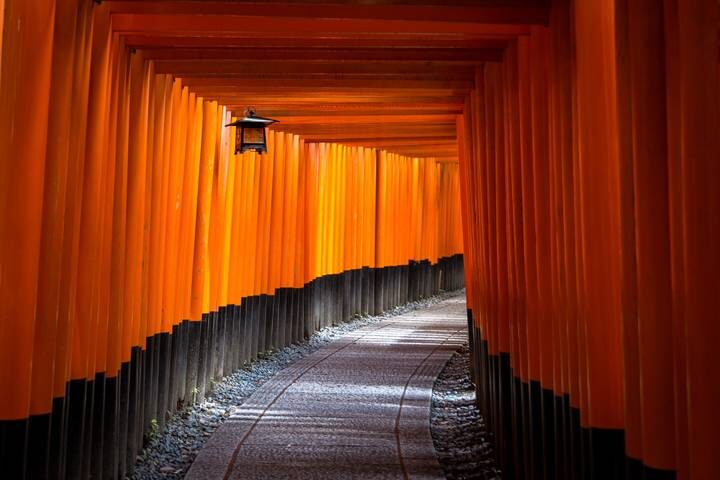
Fushimi Inari Taisha is one of Japan’s most recognizable shrines, known for its long rows of orange torii gates winding through a forest. The guided visit begins early, which can help you experience the site before the day’s other plans. The full route is extensive, so follow the group’s instructions about how far you’ll walk and how much time is available.
Nijo Castle, a UNESCO site and former home of the first shogun, brings another layer of Kyoto’s political past. Look for the detailed woodcarvings, wall paintings, and Ninomaru Garden. The rest of the day is free, giving you room to choose another temple, explore a neighborhood, or simply take a break from the planned pace.
On the final full day in Kyoto, the program includes a visit to Koshoji Temple, where you chant and meditate with a monk and hear about daily life. A tea ceremony follows, with an explanation of its cultural meaning. The farewell dinner includes a maiko performance, a memorable way to close a trip built around both major landmarks and living traditions.
Hiroshima by Shinkansen and ferry
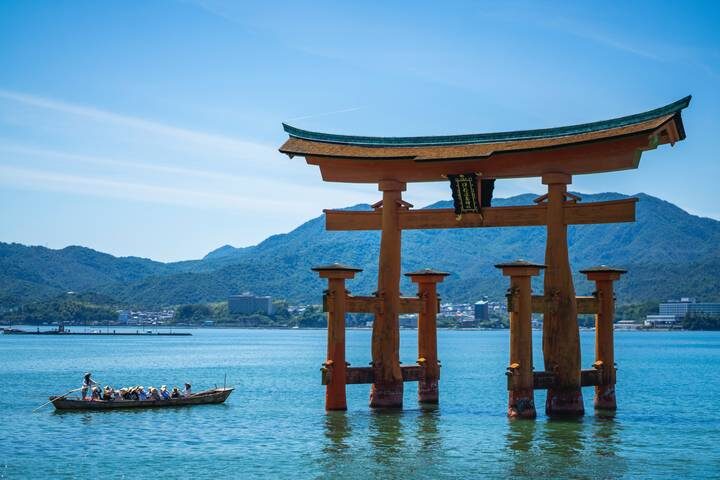
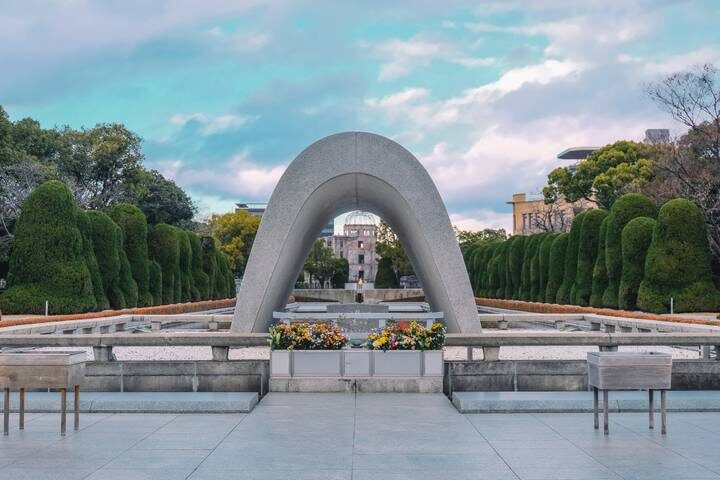
The day trip to Hiroshima is one of the longest and most emotionally demanding parts of the tour. You travel by Shinkansen from Kyoto, then take a ferry to Miyajima Island, also called Shrine Island. The route includes Itsukushima Shinto Shrine among the UNESCO sites noted for the tour, as well as Hiroshima’s Peace Memorial Park, the Atomic Dome, and the Peace Memorial Museum.
The museum is a serious visit, not a light stop between attractions. One person on a past departure found it crowded and dim inside and chose to spend more time in the park instead. Give yourself permission to move at your own pace; the park and memorial sites offer room for reflection beyond the museum displays.
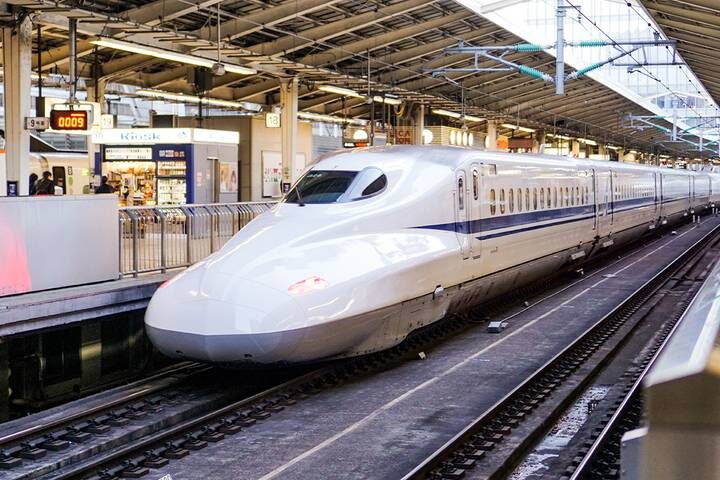
The bullet train makes this long day possible without changing hotels, but it remains a packed schedule with a return trip to Kyoto. You’ll want comfortable shoes and enough energy for several visits. The journey also gives you a firsthand look at Japan’s rail system, one of the tour’s memorable practical pleasures.





What the $7,199 starting price covers
The listed starting price is $7,199 for the cheapest room. International flights and travel insurance are not included, and you should budget separately for meals beyond the 12 breakfasts and 6 dinners, plus personal spending and any optional activities. The tour does include hotels, an English-speaking guide, transport, and a substantial set of cultural visits and activities.
Value depends on how much help you want with the logistics. This route crosses several regions, includes road transfers, a ferry, and Shinkansen travel, and links sites that would take planning to combine independently. You pay for that structure and for guided access to activities such as the tea ceremony, gold-leaf craft, and sushi lesson, not just for a list of hotel nights.
The group size can range from 2 to 44. That is a broad range, so you should be prepared for a larger coach-style group on some departures. Past tour managers have included Ana and Steve, with one praised for keeping the group connected and clearly communicating the daily plan, and another for helping accommodate a traveler in pain and travelers with vegan diets. These are individual examples, not a promise of who will lead your departure or what dietary arrangements will be possible.
Collette has operated since 1918 and lists an operator rating of 4.5 out of 5. The tour itself is rated 4.8 out of 5 from five reviews, a small sample. The strongest recurring themes are the food, craft sessions, gardens, bullet train, and maiko show. The main practical caution is physical effort: one person described walking about 13,000 steps on many days, while another found long bus days difficult after hurting their back.
Who should book this Japan route?
This tour suits you if you want a guided first visit that combines major landmarks with regional stops and hands-on activities. It is especially appealing if you value having transport and hotel changes arranged, enjoy group company, and are curious about food, craft, and local customs as well as temples and museums.
Think carefully if you need a slow pace, prefer independent travel, or have trouble with long days on your feet or in a vehicle. The tour is rated medium intensity, and the itinerary covers a lot of ground in 14 days. If that pace sounds manageable, the mix of Tokyo, mountain towns, Kanazawa, Kyoto, and Hiroshima makes this a strong way to see several sides of Japan in one trip.
Cultural Treasures of Japan (Tokyo to Kyoto, 2026) 14-Day Tour by Collette
“The tour manager Ana ensured a pleasant atmosphere during the tour and connected with everyone. Scheduled activity was clearly communicated and the…”
FAQ
Where does the tour start and end?
The tour starts in Tokyo and ends in Kyoto. It lasts 14 days, including the overnight flight at the beginning.
Are international flights included?
No. International flights are not included in the tour price.
What is the starting price?
The listed price starts at $7,199, based on the cheapest room. Prices can vary by departure and room choice.
What meals are included?
The tour includes 12 breakfasts and 6 dinners. Other meals are not included.
Is the tour guided in English?
Yes. The tour is fully guided, and the stated language is English.
How large is the group?
The listed group size ranges from 2 to 44 people. The size of your departure may vary.
What activities are included in Kyoto?
The Kyoto program includes a sushi-making and origami session, visits to Fushimi Inari Taisha and Nijo Castle, a temple visit with chanting and meditation with a monk, a tea ceremony, and a farewell dinner with a maiko performance.
Does the tour visit Hiroshima?
Yes. The tour travels by Shinkansen from Kyoto to Hiroshima, takes a ferry to Miyajima Island, and visits Peace Memorial Park, the Atomic Dome, and the Peace Memorial Museum before returning to Kyoto.
How physically demanding is the tour?
The tour is rated medium intensity. Expect walking at many stops, and a past participant estimated around 13,000 steps on many days.