Osaka’s neon-lit Dotonbori, Hiroshima’s Peace Memorial Park and the thatched houses of Shirakawago all fit into one 15-day trip. This route crosses Japan from Osaka to Tokyo, linking famous sights with smaller historic towns and a stop near Mount Fuji.
I like two things in particular: you get a broad sweep of Japan’s history and regions without arranging a string of trains and hotels yourself, and the schedule leaves free days in Kyoto and Tokyo for your own interests. Past departures have included guides named Calvin, Osman, Yumi, Keiko and Aki, though your guide will depend on the date.
The trade-off is pace. You change hotels often, and some journeys take several hours by coach. Accommodation is standard 3-star, not luxury, and room sizes can be compact. If you want slow mornings and long stays, this route may feel like a lot of Japan in a short time.
- At a glance: what this Japan tour offers
- Osaka starts with food, lights and a castle
- Hiroshima brings the trip’s most serious history
- Himeji and Nara deliver castles, Buddha and deer
- Kyoto offers one free day, then its famous sights
- Kanazawa pairs samurai homes with a celebrated garden
- Shirakawago and Takayama show a quieter Japan
- Matsumoto Castle and Mount Fuji close the scenic stretch
- Tokyo gives you landmarks and a day to roam
- What the price covers, and what it does not
- The pace, group size and guide matter
- Who should book this tour?
- FAQ
- Where does the tour start and end?
- How long is the tour?
- What is the starting price?
- What accommodation is included?
- Are flights and airport transfers included?
- What meals are included?
- What is the group size and tour language?
- Is the tour physically demanding?
- Does the tour include the bullet train to Tokyo?
- The Best Of Osaka!
- More Tours in Osaka
- More Tour Reviews in Osaka
- Not for you? Here's more nearby things to do in Osaka we have reviewed
At a glance: what this Japan tour offers
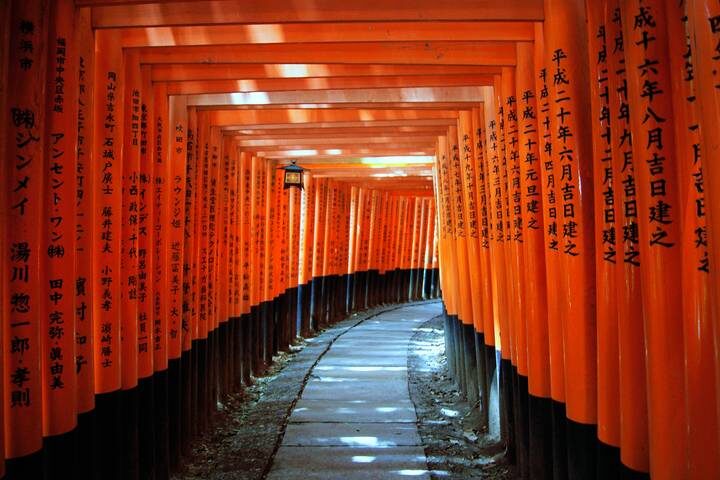
- Osaka to Tokyo in 15 days: The route includes Hiroshima, Kyoto, Kanazawa, Takayama and the Mount Fuji area.
- History with varied settings: Visit Hiroshima’s Peace Memorial Park, Himeji Castle, Nara’s Todaiji Temple and Matsumoto Castle.
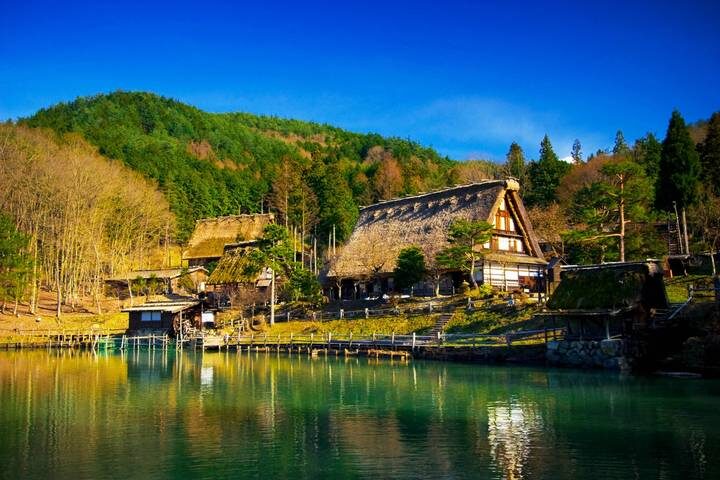
- Rural Japan in the mix: Shirakawago’s gassho-style houses and Takayama’s preserved old town break up the big-city visits.
- A guided framework, with room to wander: Sightseeing and transport are arranged, but Kyoto and Tokyo each have a free day.
- Straightforward inclusions: Fourteen hotel nights, daily breakfast, two group dinners, listed entrance fees and dedicated air-conditioned coach transport are included.
- A full schedule, not a leisurely one: Expect frequent hotel changes, substantial coach time and plenty of walking at historic sites.
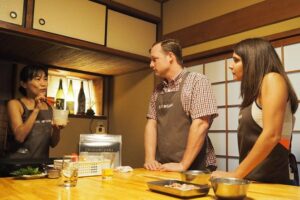
👉 See our pick of the 24 Best Workshops And Classes In Osaka
Osaka starts with food, lights and a castle
Day one is deliberately simple: arrive in Osaka and make your own way to the hotel. The listed first-night hotel is near Kansai International Airport, so check your arrival airport and allow time for the transfer. You will not have an included arrival transfer for departures from 2025 onward.
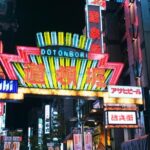
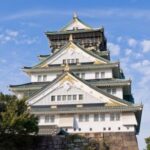
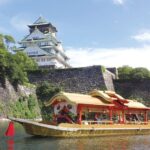
The next morning, the group visits Osaka Castle, then heads to Dotonbori, the city’s famous food and entertainment district. Dotonbori is a good place to try local dishes and get a first taste of Osaka’s lively street scene. The tour mentions the Glico sign, a popular photo stop, but any food or shopping beyond the planned visit is at your own expense.
In the afternoon, the coach takes you to Kobe for the Earthquake Memorial Museum, devoted to the 1995 Great Hanshin Earthquake. That contrast, from Osaka’s high-energy streets to a place of remembrance, gives the opening days more depth than a parade of photo stops. A welcome dinner is included, a useful chance to meet the group before the itinerary gathers speed.
You can also read our reviews of more tours and experiences in Osaka.



Hiroshima brings the trip’s most serious history
On day three, travel toward Hiroshima with a stop in Kurashiki. Its Edo-period merchant district has canals, white-walled warehouses and cobbled streets. It is a smaller-scale pause between cities, and a chance to see how trade towns were built before the modern era.
The following day begins on Miyajima Island at Itsukushima Shrine. Its torii gate appears to float at high tide, though the view depends on the water level and weather. The tour then visits Hiroshima Peace Memorial Park and the Atomic Bomb Museum before continuing to Okayama for the night.
Give the museum and memorial park the time and attention they deserve. This is not simply another historic stop: the sites commemorate the victims of the 1945 atomic bombing and make the human consequences of war immediate. The schedule moves on to Okayama afterward, so you will want to stay focused during the visit rather than expect a long, unhurried afternoon.
Himeji and Nara deliver castles, Buddha and deer
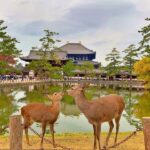
Day five is a long sequence of major sights. First comes Himeji Castle, a UNESCO World Heritage Site known for its white exterior and samurai-era architecture. Then you continue to Nara for Todaiji Temple and its Great Hall, home to a huge bronze Buddha, followed by a walk through Nara Deer Park.
Nara’s deer are considered sacred in Shinto tradition and have become a symbol of the city. The park walk is a memorable change of pace after the castle and temple, though remember that the day includes a fair amount of walking. The group then continues to Kyoto for the night.
The route gives you a taste of Himeji and Nara rather than a deep visit to either. That is the price of covering so much ground. For many first-time visitors, seeing both in one day is a worthwhile introduction; if either is a particular passion, you may wish you had more time.
Kyoto offers one free day, then its famous sights
Day six is yours to shape. Kyoto has enough temples, gardens and cultural sites to fill far more than a day, so decide in advance what matters most to you. The tour does not specify a set program for this free day, and you should be ready to navigate local transport on your own.
On day seven, the group visits Kinkakuji, the Golden Pavilion, then heads to Arashiyama for Togetsu Bridge and the Bamboo Grove. Kinkakuji’s gold-covered upper floors make it one of Kyoto’s best-known sights. Arashiyama adds a different mood, with a historic bridge and a bamboo path that feels worlds away from central-city streets.
These are popular stops, so expect other people to be there, especially in busy seasons. The day ends with a coach journey to Kanazawa. You get the essentials of Kyoto’s western side, but not the freedom to linger long at every site.
Kanazawa pairs samurai homes with a celebrated garden
Kanazawa gets a full day, a welcome change after the quick succession of stops. The program visits Buke Yashiki, a samurai residence, then Higashi Chaya, a district of old buildings once used as teahouses. Kenrokuen Garden, counted among Japan’s three great landscape gardens, is the main draw for many visitors.
Omicho Market rounds out the day with local foods and crafts. This is a good place to sample regional specialties, though meals beyond the included breakfasts and two group dinners are not part of the package. Kanazawa’s combination of domestic architecture, garden design and market life gives you a more rounded sense of the city than a single landmark would.

Shirakawago and Takayama show a quieter Japan
Day nine takes you to Shirakawago for a half-day guided visit. Its gassho-style houses have steep thatched roofs, designed to cope with heavy snowfall. An English-speaking guide explains the village’s history, and the group stops at an observation point for a view over the settlement.
The village visit is a highlight for anyone interested in rural architecture, but it is brief. You continue to Takayama that day, so there is limited time to explore Shirakawago independently.
Takayama gets more attention the next day. You visit the preserved Old Town, Takayama Jinya, a former local government office, and Matsuri no Mori museum, which focuses on festival floats and mechanisms. One past visitor found the museum visit longer than its subject warranted; if you are not keen on festival displays, treat it as a scheduled stop rather than the day’s main event. Later, the coach takes you to Matsumoto.
Matsumoto Castle and Mount Fuji close the scenic stretch
Day eleven begins at Matsumoto Castle, one of Japan’s few surviving original castles. Its dark exterior gives it a different look from Himeji’s white fortress, and the visit adds a valuable counterpoint to the many temples and shrines on the route.
Next comes Oshino Hakkai, a group of eight clear spring ponds fed by snowmelt filtering through volcanic rock from Mount Fuji. The tour then goes to Fuji’s 5th Station, weather permitting. Clouds can hide the summit, so treat the view as a bonus rather than a guarantee. A farewell dinner is included that evening.
The following day includes Gotemba Peace Park, another Fuji viewpoint, and a Lake Ashi cruise before the journey to Tokyo. The transport details need checking: the inclusions list says you ride the bullet train from the Mount Fuji area to Tokyo, while the day-by-day plan lists a coach. Ask Tomato Travel which arrangement applies to your departure before booking.
Tokyo gives you landmarks and a day to roam
The guided Tokyo day strings together several well-known sights: Tokyo Tower, Shibuya Crossing, Tsukiji Fish Market, Sensoji Temple, Nakamise-dori and the Imperial Palace. It is a broad introduction rather than a slow exploration. The mention of a quick lunch at Tsukiji suggests you should not count on a long market meal or extended browsing.
Day fourteen is free, giving you time to return to a favorite area or choose something the group tour does not cover. As in Kyoto, you will need to manage your own local transport and plans. On the final morning, make your own way to Narita or Haneda Airport.
What the price covers, and what it does not
The tour starts from $3,107 for the cheapest room option. The price includes 14 nights in standard 3-star twin-share hotels, an English-speaking professional guide, daily breakfast, a welcome dinner, a farewell dinner, listed sightseeing and monument entrance fees, plus dedicated air-conditioned coach transport.
That is useful value if you want the main logistics handled and would otherwise pay separately for many hotel nights, transfers between regions and admissions. The route also covers a lot of ground: Osaka, Kobe, Kurashiki, Hiroshima, Okayama, Himeji, Nara, Kyoto, Kanazawa, Shirakawago, Takayama, Matsumoto, the Fuji area and Tokyo.
International and domestic flights, travel insurance, personal spending and optional activities are excluded. Airport transfers are not included for departures from 2025 onward. The advertised starting price can vary by date and room choice, and seasonal surcharges may apply, especially around cherry blossom season. Confirm the currency, exact departure price and any surcharge before you commit.
The hotels are standard 3-star properties, with twin or double rooms available. The operator notes that standard rooms in Japan are often around 20 square metres. That is generally enough for a comfortable night, but not much space to spread out luggage. Triple rooms are limited, may incur an extra charge and are also small; for three adults, two rooms may be more comfortable.
The pace, group size and guide matter
Groups can range from 10 to 40 people, though groups of around 20 are common. That difference matters: a smaller group can make stops feel more personal, while a larger one means more time gathering and keeping track of everyone. The tour is listed as low intensity, but low intensity does not mean no effort. Expect walking at temples, castles and gardens, and some sites may involve stairs or steep approaches.
The guide can make a real difference on a route this busy. Guides named on past departures include Calvin, Osman, Yumi, Keiko and Aki. The tour is guided in English, but the quality and style of delivery can vary by person and group. Some past experiences were praised for clear explanations, humor and practical help; others found English or historical commentary less consistent. If you have trouble hearing in a group, consider asking whether listening devices are available, as one participant suggested.
Coach journeys are another practical consideration. The route includes several long transfers, with some past journeys taking two to four hours. The coach saves you from arranging multiple connections and handling luggage at every station, but it also means days are shaped by road time. Summer heat can make walking more tiring, while weather can affect Fuji views and even transport plans.
Who should book this tour?
This is a strong fit if you are visiting Japan for the first time and want a guided overview of major cultural and historical sites without planning every transfer yourself. It suits people who enjoy variety, can handle frequent hotel changes, and are comfortable with a group schedule. Families are welcome, but room arrangements for children should be discussed ahead of time.
Choose another style of trip if you want long stays in each city, luxury hotels, extensive free time or a small group guaranteed on every departure. The best reason to book is the route itself: it combines big-city Japan, historic towns, a deeply important Hiroshima visit and mountain scenery in a single trip. The best reason to pause is the pace. If you are happy trading lingering for range, this is a practical way to see a lot of Japan.
15 Days Discover Japan with Hiroshima by Tomato Travel
“Well paced itinerary and plenty of entertainment provided by our lovely guide Calvin!”
FAQ
Where does the tour start and end?
It starts in Osaka and ends in Tokyo. You make your own way to the first hotel and to the airport on the final day.
How long is the tour?
The tour lasts 15 days and includes 14 hotel nights.
What is the starting price?
The advertised price starts from $3,107 for the cheapest room option. The price can vary by departure date and room choice, and seasonal surcharges may apply.
What accommodation is included?
The package includes standard 3-star twin-share hotel accommodation. Twin or double rooms can be arranged, subject to availability.
Are flights and airport transfers included?
No flights are included. Airport transfers are listed as excluded for departures from 2025 onward. Travel insurance is also not included.
What meals are included?
Daily breakfast is included, along with a welcome dinner and a farewell dinner. Other meals are at your own expense.
What is the group size and tour language?
The group size is 10 to 40 people, and the tour is guided in English.
Is the tour physically demanding?
It is rated low intensity, but the itinerary includes walking at temples, castles, gardens and other sights. Some sites may include stairs or steep sections.
Does the tour include the bullet train to Tokyo?
The inclusions state that a bullet train ride from the Mount Fuji area to Tokyo is included, while the day-by-day transport plan lists a coach. Confirm the transport for your departure with Tomato Travel before booking.