The orca is the headline act at Port of Nagoya Public Aquarium, but the best visit is more than a hunt for one enormous whale. You can move between marine mammal exhibits in the North Building and the more traditional aquarium displays in the South Building, then time your route around shows and feeding sessions.
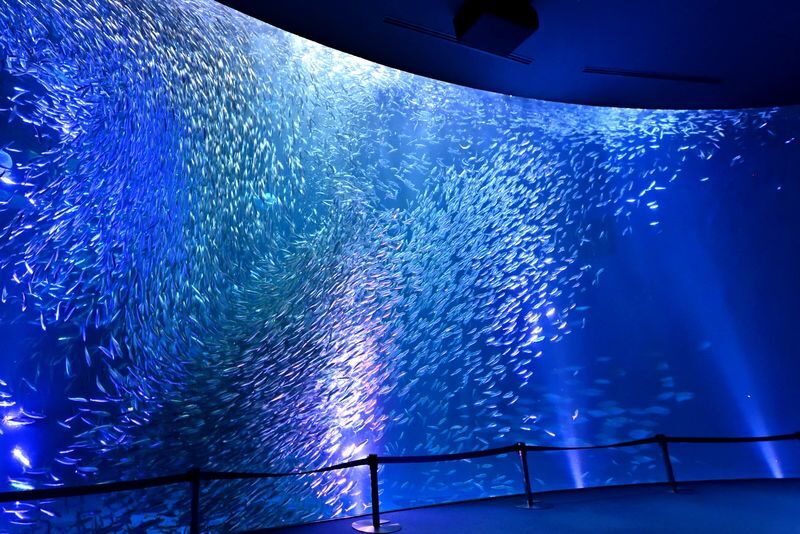
I like two things in particular: the chance to see orcas and belugas in one visit, and the lively sardine display, where a school of fish moves together in a swirling mass. Buying a ticket ahead can also spare you a wait at the ticket counter, especially on a busy day.
One consideration: the performance setup and viewing experience may not match everyone’s expectations. The orca show may not be a live arena performance, and the stadium can be crowded, so check the day’s program and arrive early for a seat.
Key points
- Orcas and belugas are the signature residents: You can see both alongside dolphins, penguins, sea turtles, and many other marine animals.
- The sardine display is worth planning around: Its swirling movement is a memorable change of pace from the larger mammals.
- Allow 3 to 4 hours: There are two main buildings, animal exhibits, feeding sessions, and scheduled programs to fit in.
- A mobile ticket can save time: Have the voucher ready on your phone, with internet access, and follow the staff’s instructions at the entrance.
- Check the schedule when you arrive: Show and feeding times can change, and the program may affect how you plan your route.
- Your ticket covers the aquarium only: The observation lounge, maritime museum, and Antarctic research ship require separate admission.
- Start with the North Building’s marine mammals
- Watch the dolphin program, but choose your seat early
- Make time for the sardine display and feeding sessions
- Explore the South Building at a slower pace
- Set aside 3 to 4 hours, and keep your plan flexible
- What the ticket costs, and what it does not cover
- Getting there from central Nagoya
- Practical details for a smoother visit
- Should you book the Port of Nagoya Aquarium ticket?
- FAQ
- How long should I plan for the aquarium?
- What animals can I see?
- Is the ticket valid for other port attractions?
- Can I use my ticket on a different date?
- Do children under four need a ticket?
- Can I leave and return to the aquarium on the same day?
- Do I need to print my voucher?
- Can I cancel my reservation?
- The Best Of Nagoya!
- More Tickets in Nagoya
- More Tours in Nagoya
- More Tour Reviews in Nagoya
- Not for you? Here's more nearby things to do in Nagoya we have reviewed
Start with the North Building’s marine mammals
 1 / 9
 2 / 9
 3 / 9
 4 / 9
 5 / 9
 6 / 9
 7 / 9
 8 / 9
 9 / 9
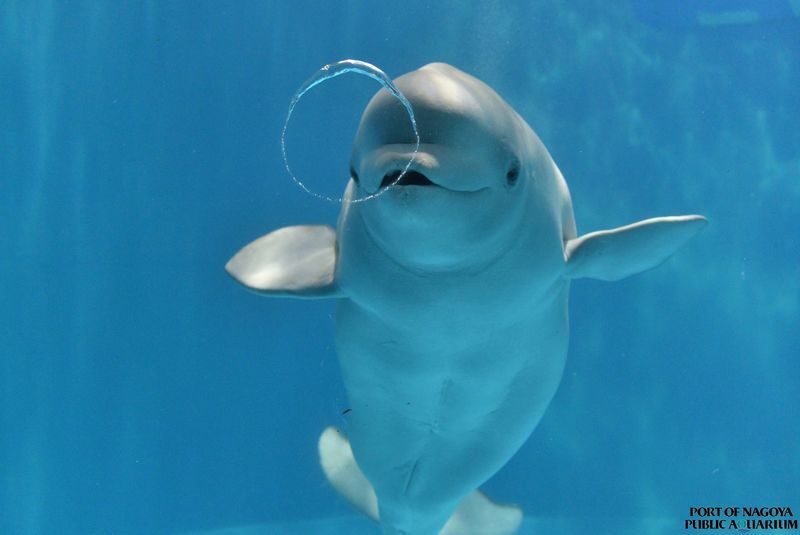
The aquarium is divided into North and South Buildings, and the North Building is where many visitors first encounter the large marine mammals. Orcas, belugas, and dolphins are among the animals that make this stop different from a standard aquarium visit. You can see them in the water before you settle in for a show or continue on to the other exhibits.
Give yourself time to watch the animals between scheduled programs. A show may be the main event, but seeing an orca move through the water or a beluga swim close to its viewing area can be rewarding on its own. The layout makes it easy to keep the larger animals in mind while planning the rest of your visit.
There is a catch: the orca performance may not be what you picture when you hear the word show. The format can vary, and visitors have sometimes found that the action is shown on a large screen rather than being easy to see from the stadium seats. I would not build your whole visit around one performance. Check the current program at the aquarium and treat the exhibit itself as part of the experience.

👉 See our pick of the 8 Best Workshops And Classes In Nagoya
Watch the dolphin program, but choose your seat early
Dolphins are another major draw, and their program is a family-friendly reason to check the schedule as soon as you arrive. The performance area can get busy, so if you want a clear view, arrive with time to find a place before it begins. The aquarium also has food available near the performance area, though eating and drinking while walking through the aquarium is not allowed.
The seating experience is not guaranteed to feel intimate. Crowds can make some spots less useful, and the view of the animals may vary depending on where you sit. If you have your heart set on a particular show, plan for a wait and be prepared to adjust your expectations rather than assuming every seat offers the same view.
Keep an eye out for changes in the day’s schedule, too. Show times are subject to change, so confirm them with staff on arrival. The same goes for feeding sessions: they take place at different tanks, but exact timings may shift.
You can also read our reviews of more tours and experiences in Nagoya



Make time for the sardine display and feeding sessions
The sardine display offers a striking contrast to the big-animal shows. A school moving in a tight, coordinated swirl can hold your attention in a way that feels very different from watching a single large animal. If its timing works for your visit, make a point of seeing it rather than rushing from one headline attraction to the next.
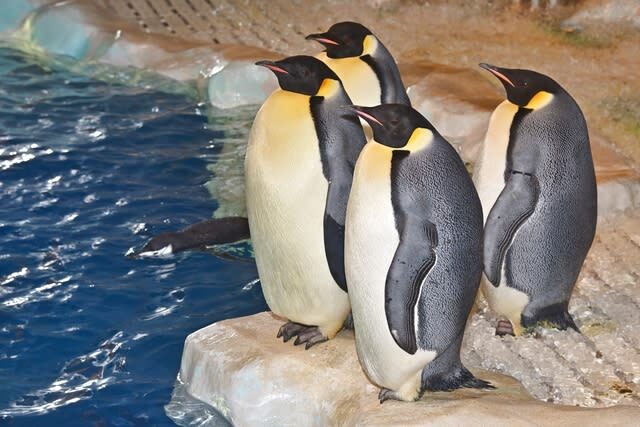
Feeding sessions add another useful layer. They give you a reason to pause at different tanks and watch how animals behave around food. Penguins, in particular, are a favorite for many families, and seeing them at feeding time can make the visit feel more active than simply walking past the exhibits.
Because schedules can change, ask staff for the current times rather than relying on a plan made in advance. The aquarium’s signs and explanations are mainly in Japanese, so you may want to use a translation app. An audio guide is available to rent if you would like explanations in another language.
Explore the South Building at a slower pace
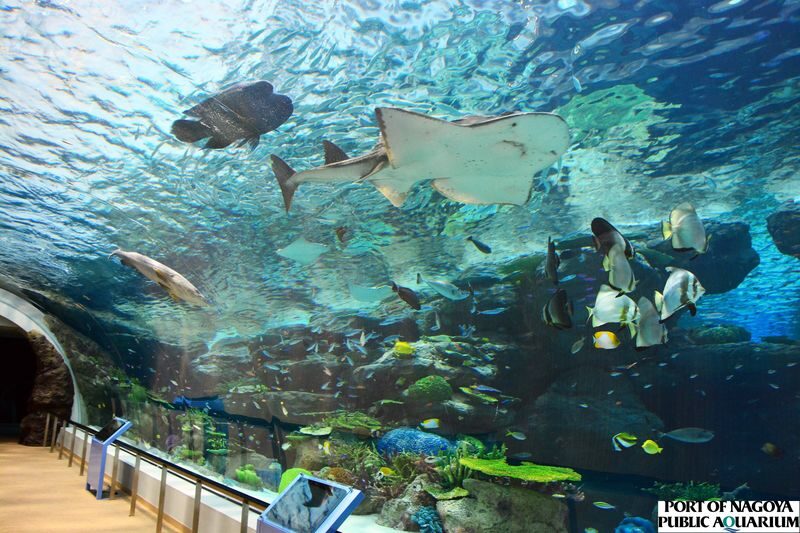
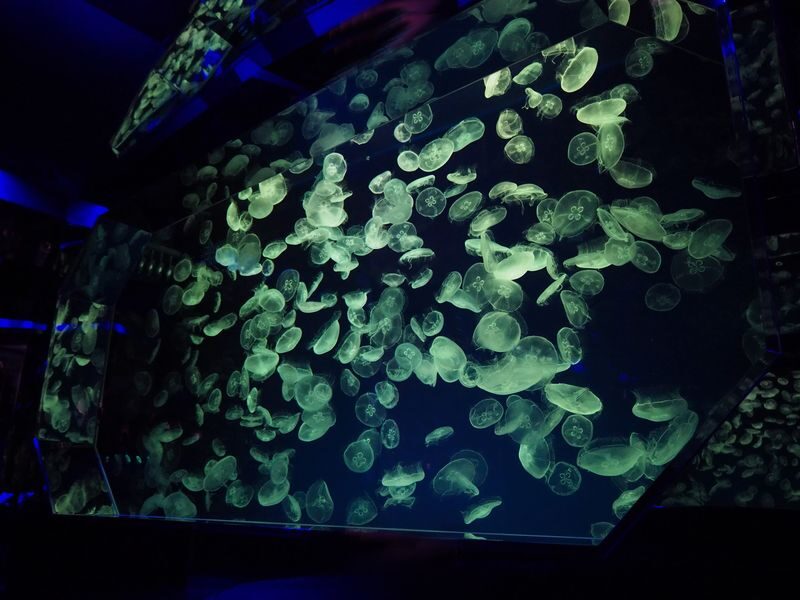
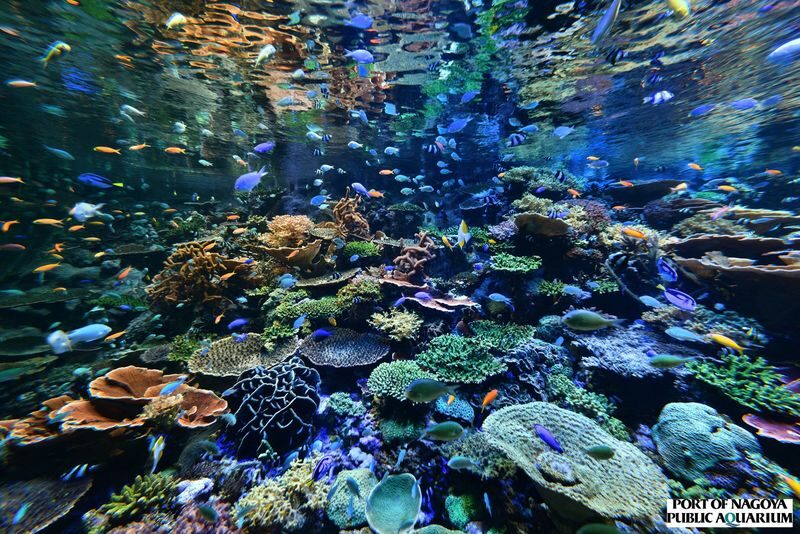
The South Building has a more traditional aquarium feel, with a broader range of marine life beyond the large mammals. Think of it as the place to slow down and look through the tanks, rather than moving straight from one performance to another. The variety helps balance the visit: there is more to see here than the headline animals.
If you are visiting with children, this change of pace can be useful. One person may be eager to catch the next show, while another wants to spend a few extra minutes at a tank. Allow a little flexibility instead of treating the aquarium as a fixed route. A half-day visit gives you room to see the main exhibits without turning the day into a race.
The aquarium’s programs are intended to explain the ecology and evolution of sea creatures, not just provide entertainment. That educational side is worth keeping in mind, especially if you are visiting with children. Still, the depth of what you learn may depend on how comfortable you are reading Japanese or using an audio guide or translation tool.
Set aside 3 to 4 hours, and keep your plan flexible
Three to four hours is a sensible visit length if you want to see both buildings, catch some programs, and take breaks. You can spend less time if you focus on the main animals, but a rushed visit makes it easier to miss feeding sessions or the sardine display. On the other hand, you do not need to attend every show to make the ticket worthwhile.
Start by checking the day’s program, then plan around the events that matter most to you. Leave room to wander between them. Since you can re-enter the aquarium as many times as you wish on the same day, you can also step out and return, but remember to get a re-entry stamp on the back of your hand before leaving.
Food and drink are allowed only in designated areas. These include the third-floor stadium and Shiokaze Plaza in the North Building, plus the vending machine corner on the second floor of the South Building for drinks only. If you need a break, factor those locations into your route rather than expecting to snack while walking through the exhibits.
What the ticket costs, and what it does not cover
Tickets start at $12.85, though the actual price can vary. For that starting price, the value depends on how much of the aquarium you plan to see. If you are interested in the orcas, belugas, dolphins, penguins, and the range of other marine life, 3 to 4 hours gives the admission fee room to pay off. If you only want to catch one show, the value is less certain.
Buying in advance can be worthwhile even if the price difference is modest. The main advantage is time: on crowded days, the ticket counter can have a long line, while a pre-purchased ticket may let you go directly to the entrance. Have the voucher open on your phone and make sure it has internet access. The venue requires staff to handle the ticket, so do not try to operate it yourself.
The aquarium ticket does not include admission to the Nagoya Port Building Observation Lounge, Nagoya Maritime Museum, or the Antarctic research ship Fuji. These are separate attractions in the port area. A combo ticket covering four facilities is described as a different product, so check exactly what your chosen ticket includes before you buy.





Getting there from central Nagoya
The aquarium is at 1-3 Minato-Machi, Minato-ku, Nagoya. From Nagoya Station, take the Higashiyama subway line to Sakae, transfer to the Meijo line heading toward Kanayama and Nagoyako, and get off at the last stop. Another route is to take a JR or Meitetsu train to Kanayama, then transfer to the Meiko subway line for Nagoyako, also the last stop.
The subway route makes the aquarium a straightforward half-day outing from the city center. Leave enough time for the transfer and the walk between the station and the aquarium, especially if you have a show you want to catch. Check current opening hours before setting out because they can vary by season. Last admission is one hour before closing.
Practical details for a smoother visit
Children aged 0 to 3 enter free. If you bring a bag, note that the aquarium does not check baggage. Coin lockers are available to the left of the entrance, at 300 yen for a large locker and 200 yen for a small one.
Flash photography is prohibited in some areas to protect the animals, and lights should not be used while filming. Balloons are not allowed. Smoking is restricted to designated areas, and staff can assist visitors who need disability support.
The aquarium staff speak Japanese, so an audio guide is a useful option if you want explanations in another language. You can also use a translation app for written information. These small preparations make a difference if you want the visit to be about the animals rather than trying to decode signs or find a show at the last minute.
Should you book the Port of Nagoya Aquarium ticket?
I would book this if you are in Nagoya with children, have a strong interest in marine life, or want an indoor outing that can fill much of a half-day. The mix of orcas, belugas, dolphins, penguins, feeding sessions, and the sardine display gives you plenty to plan around. Advance purchase is especially useful when avoiding the ticket counter line matters.
I would pause if you expect a guaranteed live orca arena show or prefer animal attractions with no captive-animal exhibits. The performance format can vary, and the aquarium setting may raise questions for some visitors. If you are comfortable with that trade-off and interested in seeing the animals and displays, it is a practical, engaging stop. Check the schedule, arrive with your voucher ready, and keep your plan flexible.
Port of Nagoya Public Aquarium Ticket
“Fantastic, with complete facilities and clear navigation.”
FAQ
How long should I plan for the aquarium?
Allow about 3 to 4 hours to explore both buildings and fit in some shows or feeding sessions. You can spend less time if you focus on a few exhibits.
What animals can I see?
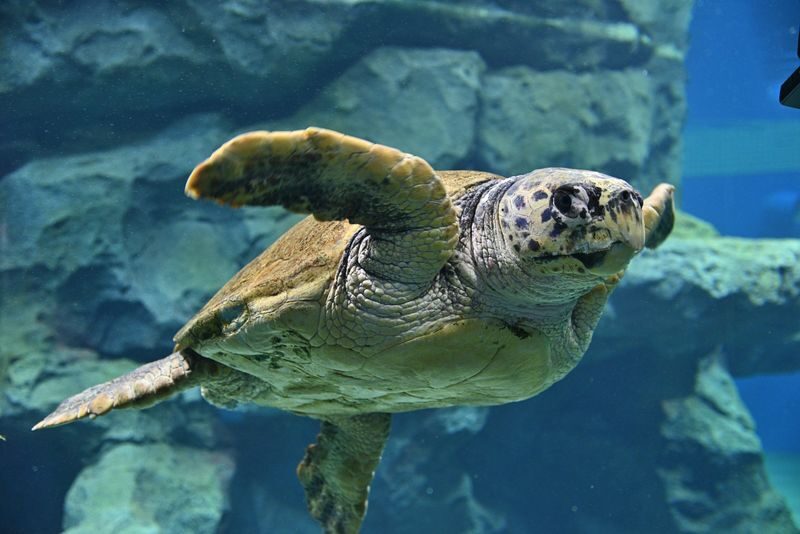
The aquarium features orcas, beluga whales, dolphins, penguins, sea turtles, and many other marine animals.
Is the ticket valid for other port attractions?
No. This ticket includes admission to the Port of Nagoya Public Aquarium only. The observation lounge, maritime museum, and Antarctic research ship Fuji are not included.
Can I use my ticket on a different date?
No. The voucher is valid only on the date selected when you book, and at the specified time if a time applies.
Do children under four need a ticket?
Children aged 0 to 3 enter free.
Can I leave and return to the aquarium on the same day?
Yes. You may re-enter as many times as you wish on the same day. Get a re-entry stamp on the back of your hand before you leave and show it when you return.
Do I need to print my voucher?
The ticket instructions allow you to present a printed voucher or a mobile voucher. If you use your phone, open the voucher before arrival and make sure you have internet access.
Can I cancel my reservation?
The booking information says you can receive a full refund if you cancel before redeeming your voucher. Check the cancellation terms for your specific booking before you buy.