The appeal of this day trip is its mix of Ise Grand Shrine’s two main areas, Geku and Naiku, with Meoto Iwa and Edo-style streets in one outing from Nagoya. If you want to connect shrine visits with a look at Japanese religious customs, the route brings several related sights together.
I like that guide Xiao Yu is named for her detailed explanations and attentive care, and that the tour includes time for an old-street stroll rather than focusing only on shrine grounds. One consideration: the schedule, transport details and time at each stop are not specified, and the Meoto Iwa rope-changing ceremony happens only three times a year.
- What to know before you go
- Ise in a day from Nagoya
- Geku and Naiku: two shrine stops, one bigger picture
- Meoto Iwa and the chance of a rare ceremony
- Edo-style streets for a slower interlude
- What the guide adds
- Is .90 good value?
- Practical details to check before booking
- Who this Ise day trip suits
- Should you book it?
- FAQ
- Where does the tour depart from?
- Which Ise Grand Shrine areas are included?
- Does the tour visit Meoto Iwa?
- Is there an old-street walk?
- What is the starting price?
- Is the Meoto Iwa rope-changing ceremony guaranteed?
- Is a guide named for the tour?
- Can I cancel for a refund?
- Are lost or damaged tickets refundable?
- The Best Of Nagoya!
- More Tours in Nagoya
- More Tour Reviews in Nagoya
- Not for you? Here's more nearby things to do in Nagoya we have reviewed
What to know before you go
 1 / 10
 2 / 10
 3 / 10
 4 / 10
 5 / 10
 6 / 10
 7 / 10
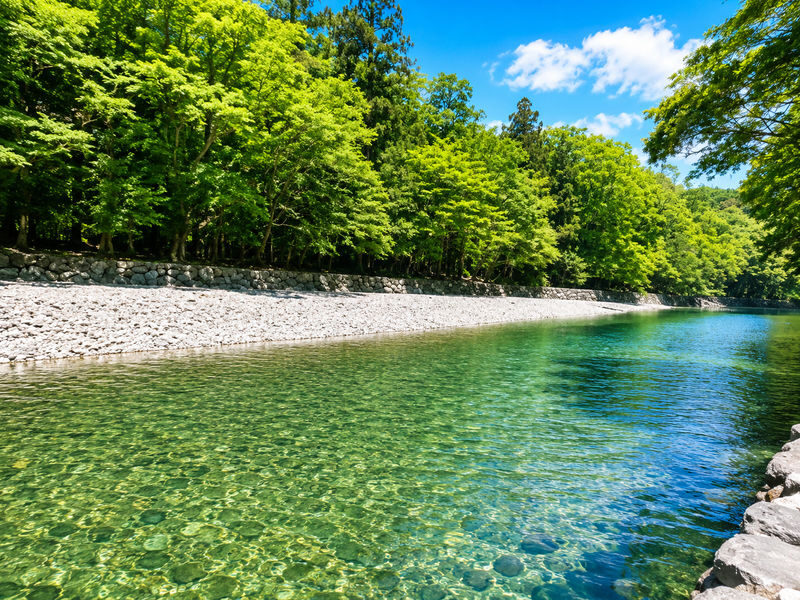 8 / 10
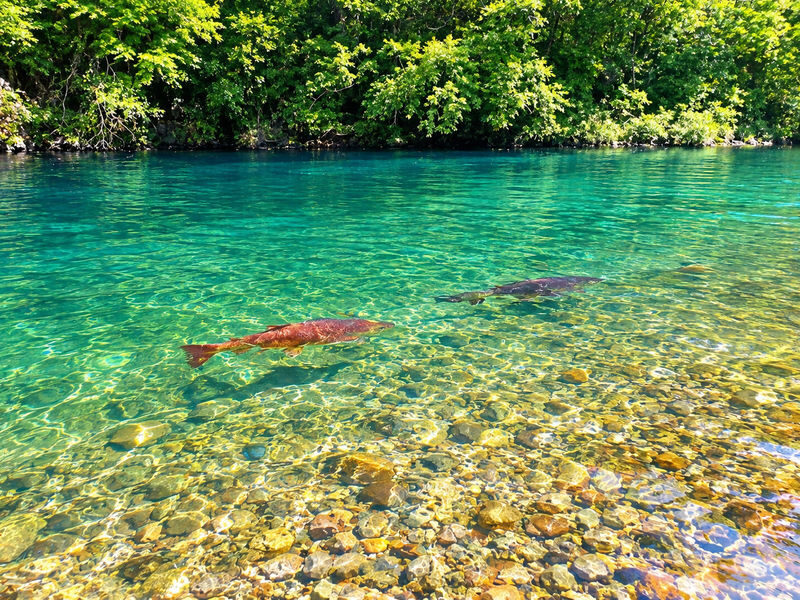 9 / 10
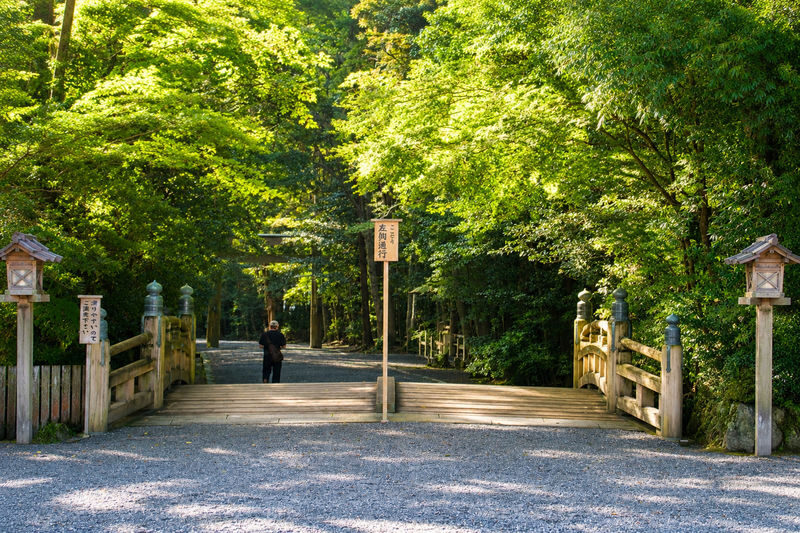 10 / 10
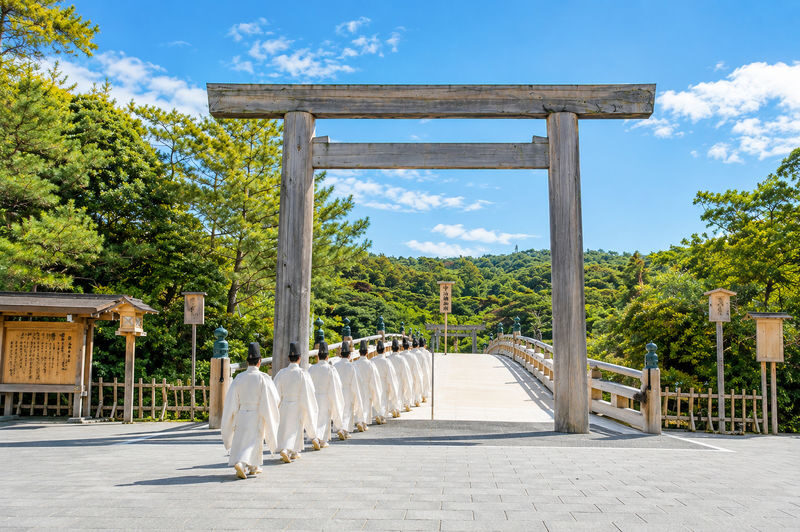
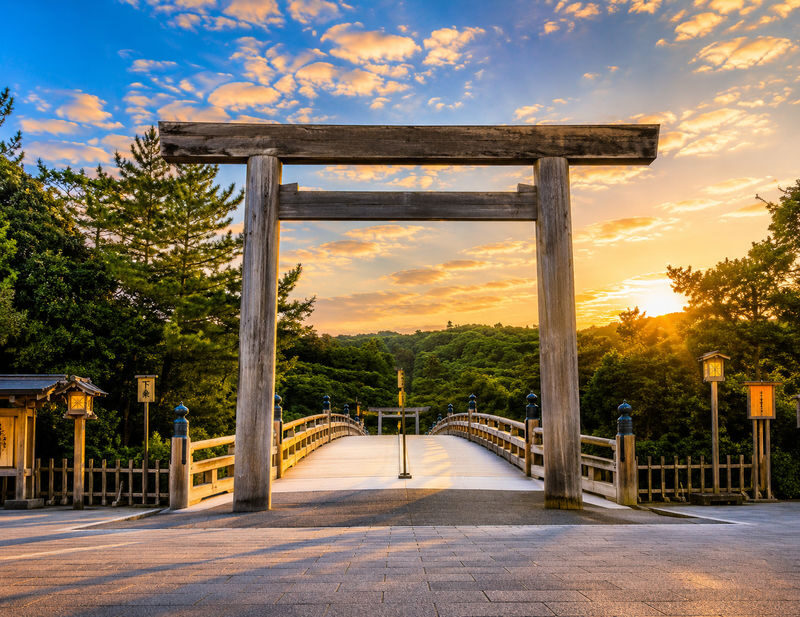
- Two parts of Ise Grand Shrine: The itinerary includes both Geku and Naiku, giving you more than a brief stop at a single shrine area.
- A guide who explains the customs: Xiao Yu is noted for careful, detailed explanations, a useful feature if you want more than a quick look around.
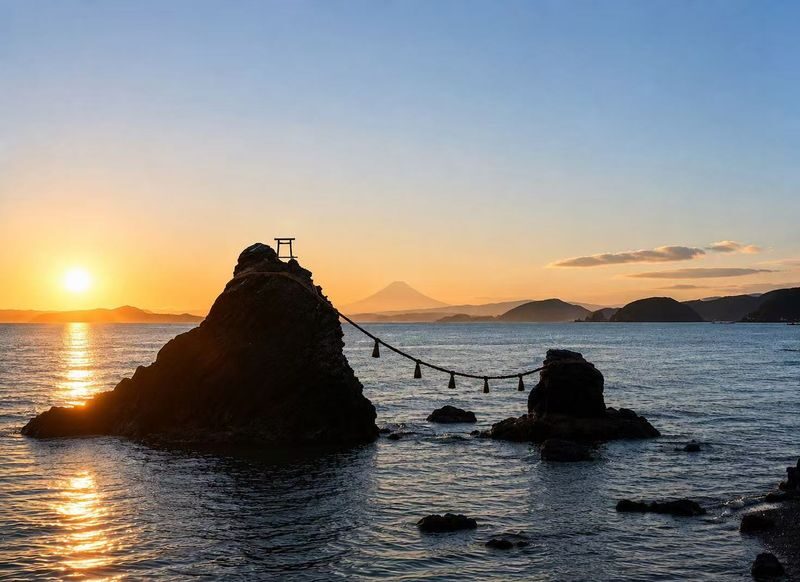
- Meoto Iwa is on the route: The tour pairs shrine visits with the well-known shore-side landmark, though the exact time spent there is not stated.
- A rare ceremony may coincide with your date: The rope-changing ceremony at Meoto Iwa takes place three times a year. Seeing it is a matter of timing, not a standard part of every tour.
- Edo-style streets add a different pace: The walk offers a change of scene from the religious sites and gives you time to explore an old-street setting.
- The starting price is $59.90: That can be attractive for a full-day outing, but confirm what is included before you book.

👉 See our pick of the 8 Best Workshops And Classes In Nagoya
Ise in a day from Nagoya
Ise is a strong choice if you want to see important Japanese shrine sites without arranging each leg of the day yourself. This trip sets out from Nagoya and combines Geku, Naiku, Meoto Iwa and Edo-style old streets in one package.
That combination matters. A visit limited to the shrine grounds would offer one kind of day; adding Meoto Iwa and an old-street walk gives you a broader look at the area. You can move between places with different moods, while a guide can help make the shrine visits more meaningful.
The trade-off is that a day trip has a fixed shape. You may have less freedom to linger at one stop or make an unscheduled detour than you would on an independent visit. The available details do not give the departure time, tour length, group size or precise stop durations, so I would check those before booking if you need a particular pace.
You can also read our reviews of more tours and experiences in Nagoya.



Geku and Naiku: two shrine stops, one bigger picture
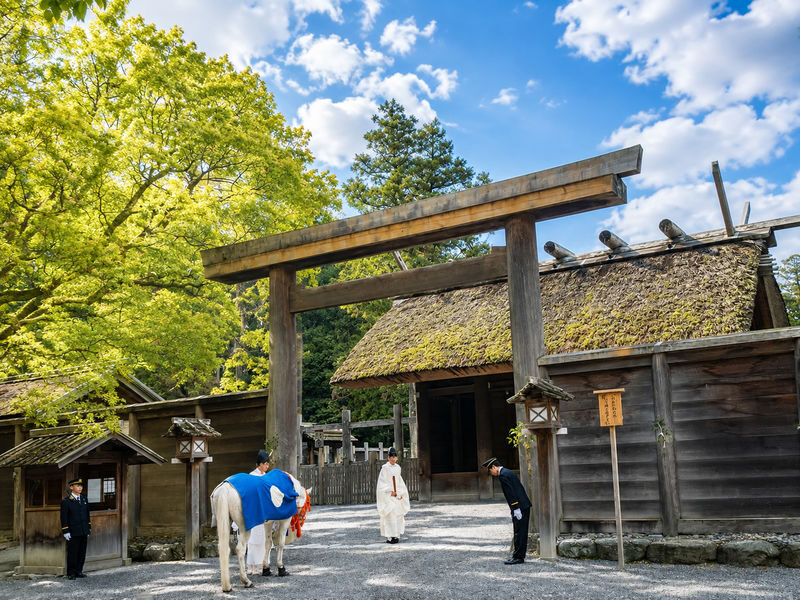
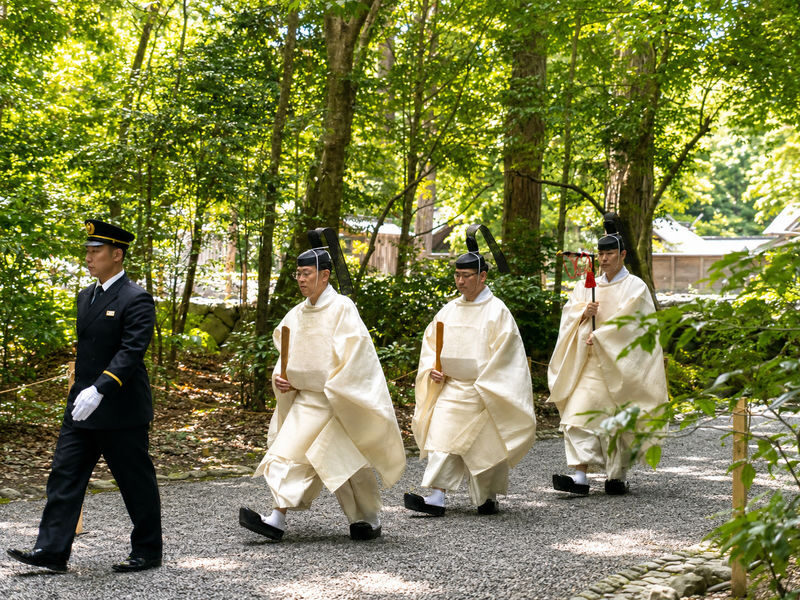
The tour includes both Geku and Naiku, the two named parts of Ise Grand Shrine. For someone interested in Japanese shrines and religious customs, visiting both can help you treat Ise as more than a photo stop. The guide’s explanations are a central part of that experience.
Xiao Yu is one named guide associated with this tour. Her detailed explanations and care for the group are particularly useful if you are new to shrine customs or want context as you walk. A shrine visit can be quiet and visually simple, and the reasoning behind what you see may not be obvious at first. Clear explanations can give each stop more meaning without asking you to arrive with specialist knowledge.
The tour details do not describe the specific rituals, buildings or route through either shrine area. I would not assume you will receive a particular ceremony or spend a set amount of time at either site. If you have a strong interest in one shrine in particular, ask how much time the schedule allows.
Even with those unknowns, including both areas is a practical advantage. You do not have to choose between Geku and Naiku when planning your day, and the guided format gives you a chance to ask questions as you go.
Meoto Iwa and the chance of a rare ceremony
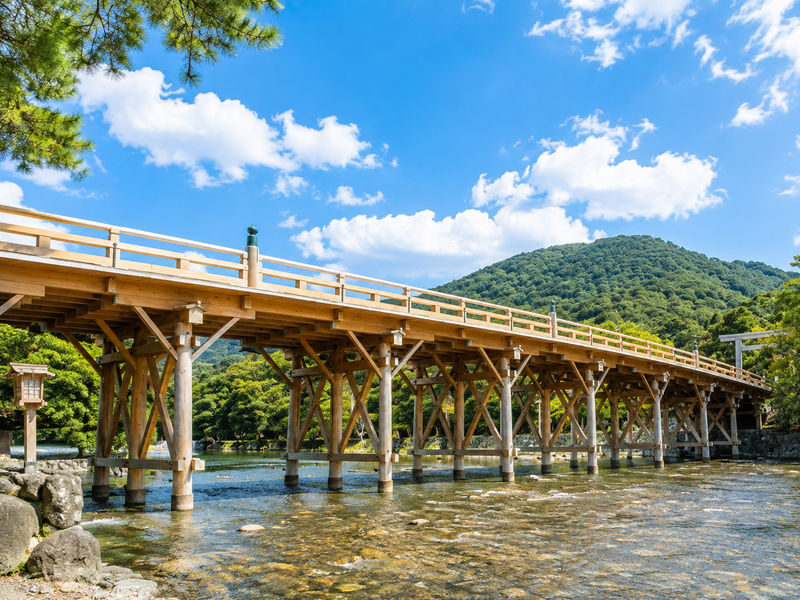
Meoto Iwa is another major stop on the day. Its rope-changing ceremony is especially distinctive: it takes place only three times a year. If your dates happen to line up, you may witness a ritual that is not part of an ordinary visit.
That possibility should be treated as a bonus, not a promise. The tour runs on the date you book, while the ceremony follows its own limited schedule. If seeing it is your main reason for going, check whether your date coincides before paying. If not, Meoto Iwa remains part of the itinerary, but the ceremony should not be built into your expectations.
The details do not say how long the tour spends at the site, or whether the ceremony is planned around. That matters if you are hoping to take your time or photograph a particular moment. The safe assumption is simply that the stop is included and the ceremony is occasional.
I like the way this stop broadens the day. After the shrine visits, it offers a different setting and a clear example of how religious customs and places of worship can extend beyond shrine grounds. It also gives the itinerary a memorable point of contrast.
Edo-style streets for a slower interlude
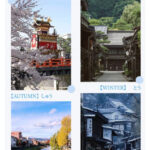
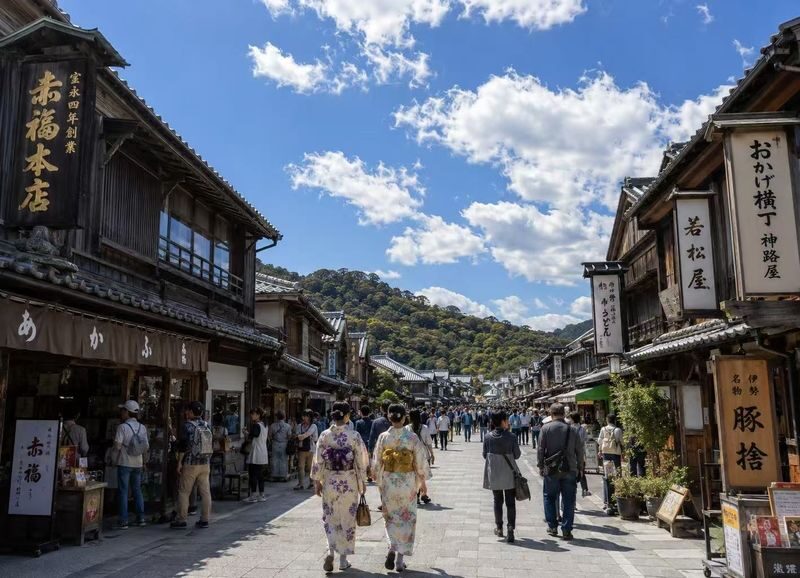
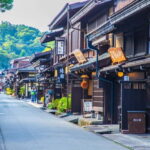
The tour includes a stroll through Edo-style old streets, a welcome shift after visiting the shrines and Meoto Iwa. The description does not name the street area or specify how long you have there, so I would avoid planning around particular shops, meals or sights. What is clear is that the day includes time on foot in an old-street setting.
This stop may be the easiest part of the itinerary to enjoy at your own pace, though the actual freedom you get will depend on the schedule. If you like looking around rather than moving from landmark to landmark, the stroll adds useful variety. If your priority is shrine architecture and customs, it is still a change of scene, but you may prefer more time at the shrine stops.
The combination is sensible: the day is not only a sequence of religious sites, and it does not rely solely on shopping or street browsing. You get both, with Meoto Iwa between them as another distinct point of interest.
What the guide adds
The strongest practical reason to choose a guided outing is the explanation. Xiao Yu is specifically associated with detailed information and careful attention to the group. That can make a real difference at a shrine, where you may otherwise notice the setting but miss the customs that give it meaning.
The praise for her approach is consistent across two named accounts, including one from someone who had joined her on another day. That is encouraging, but it does not guarantee that Xiao Yu will lead every departure. If her presence matters to you, confirm the assigned guide when booking.
Even if another guide leads your date, the tour’s value depends partly on how well the visits are explained. If you prefer to explore silently and independently, you may not need a guide. If you are curious about Japanese religious customs, having someone offer context can make a full day of shrine visits easier to follow and remember.


Is $59.90 good value?
The starting price is $59.90. For a day that combines Nagoya departure, Geku, Naiku, Meoto Iwa and Edo-style streets, that is a promising price point. The value comes from fitting several stops into one outing and having a guide available to explain the shrine visits.
Still, the starting price is not enough to judge the full cost. The available information does not specify inclusions such as meals, admission costs or other expenses, nor does it state whether the listed price applies to every date or option. Check the final booking details so you can compare the full cost with arranging the trip independently.
I would think of the price as most worthwhile if you want all four parts of the itinerary and value guided explanations. If you mainly want to see one place, or would rather set your own pace, the tour’s bundled format may be less useful. And if you are hoping to attend the rope-changing ceremony, make sure your date matches its schedule rather than paying on the assumption that it will happen.
Practical details to check before booking
Free cancellation is available with at least 48 hours’ notice, measured in local time at the destination. Tickets that are lost, stolen or damaged are not refundable, so take care of any ticket you receive.
The tour name makes clear that the trip departs from Nagoya, but the meeting point, departure time, return time, transport type, group size and total duration are not provided here. Those details affect how comfortable the day will feel, especially if you are travelling with children, have a tight schedule or need to plan onward transport.
I would also check how much time is allocated to each stop and whether you will have free time on the old streets. Those are the details that help you decide whether this will feel like a relaxed day or a quick circuit. They are not stated in the information available, so do not assume a particular pace.
Who this Ise day trip suits
I would put this tour high on the list if you are staying in Nagoya and want a guided introduction to Ise’s shrine culture. It is particularly well suited to someone who wants both Geku and Naiku included, appreciates explanations, and likes mixing religious sites with a scenic landmark and an old-street walk.
It is also a good fit if you would rather have a plan for the day than organize several stops yourself. The route brings the sights together, while the guide can help you understand customs that might otherwise be easy to pass over.
I would pause before booking if you need a precise schedule, want a long unstructured visit at one site, or are relying on the rope-changing ceremony. The ceremony happens only three times a year, and the tour details do not promise that it will line up with your date. Confirm the schedule and inclusions first, then judge the price against what you will actually use.
Should you book it?
Book this tour if you want a guided day from Nagoya that combines both Ise Grand Shrine areas with Meoto Iwa and Edo-style streets. The best reason to go is not just the number of stops, but the chance to hear clear explanations of Japanese shrine customs from a guide such as Xiao Yu.
Skip it, or compare it with a more flexible option, if your plans depend on a specific ceremony date, a detailed timetable or extended time at one location. At $59.90 to start, it looks like a useful way to cover several Ise sights in one outing, provided the final schedule and inclusions suit your needs.
Departing from Nagoya – Ise Grand Shrine (Geku & Naiku) & Meoto Iwa One-Day Tour – Stroll through Edo-style old streets
“Tour guide Xiao Yu gave very detailed explanations and provided comprehensive information. It was a wonderful tour.”
FAQ
Where does the tour depart from?
The tour departs from Nagoya.
Which Ise Grand Shrine areas are included?
The itinerary includes Geku and Naiku.
Does the tour visit Meoto Iwa?
Yes, Meoto Iwa is included.
Is there an old-street walk?
Yes. The tour includes a stroll through Edo-style old streets.
What is the starting price?
The stated price is from $59.90. The final price may depend on the booking details.
Is the Meoto Iwa rope-changing ceremony guaranteed?
No. It takes place only three times a year, so whether you see it depends on your tour date.
Is a guide named for the tour?
Xiao Yu is a named guide associated with the experience, but the details do not confirm who will lead every departure.
Can I cancel for a refund?
You can receive a full refund if you cancel at least 48 hours before the activity date, using the destination’s local time.
Are lost or damaged tickets refundable?
No. Lost, stolen or damaged tickets cannot be refunded.