Nagoya’s best introduction may be a walk that doesn’t try to force the whole city into one checklist. This private tour gives you four hours with a local host and room to shape the route, from castle history to Osu’s cosplay shops and food stops.
I like two things in particular: you can steer the day toward your interests, and a host can help you make sense of Nagoya’s less obvious appeal, including its local dishes and pop culture. There’s also practical value in getting recommendations for the rest of your stay.
The trade-off is that the experience depends heavily on your guide and the plan you agree on. It’s a walking tour, not a private car tour, and admission, transit, meals and drinks are extra.
- The short version: make the four hours your own
- Key points to know
- Osu Kannon and the city’s pop culture side
- Nagoya Castle, Atsuta Shrine and the history question
- Noritake Garden, museums and the modern city
- Four hours on foot, with transit as needed
- What the price buys, and what it doesn’t
- Make your request specific before you arrive
- Should you book the Nagoya half-day private tour?
- FAQ
- How long is the tour?
- How many people can join?
- Is the itinerary fixed?
- Where does the tour start?
- Is transportation included?
- Are attraction tickets and meals included?
- Can I cancel for a refund?
- The Best Of Nagoya!
- More City Tours in Nagoya
- More Tours in Nagoya
- More Tour Reviews in Nagoya
- Not for you? Here's more nearby things to do in Nagoya we have reviewed
The short version: make the four hours your own
 1 / 5
 2 / 5
 3 / 5
 4 / 5
 5 / 5
This is a private, English-language tour for one to eight people, with a host matched to your interests. After booking, you answer a short questionnaire about what you like, what you hope to see and any must-sees. Your host then contacts you to shape a route. You can also change destinations once you’re together, which is useful if the weather shifts or a site is closed.
It is not a fixed circuit. Nagoya Castle, Noritake Garden and the Nagoya TV Tower are possible stops, not guaranteed inclusions. Past routes have also taken in Atsuta Shrine, Shirotori Garden, the Toyota Commemorative Museum, Sakae and Osu. Tell your host what matters most before the tour, then keep the plan realistic for four hours.
That flexibility is the tour’s main asset, but it also puts some responsibility on you. If you want a strong history focus, say so. If you prefer food, shops or contemporary culture, say that instead. The host can offer suggestions, but your priorities help determine whether the time feels purposeful or scattered.

👉 See our pick of the 8 Best Workshops And Classes In Nagoya
Key points to know
- Osu brings together pop culture and old-town wandering: It’s associated with otaku culture and hosts the annual World Cosplay Summit.
- Routes can include major sights or quieter stops: Nagoya Castle, Atsuta Shrine, Noritake Garden and the TV Tower are among the possibilities.
- A local host can help you plan beyond the tour: Ask for food ideas and practical tips for the rest of your visit.
- Food is a topic, not an included tasting: Nagoya cochin and Kuheiji sake are local specialties to ask about, but meals and drinks cost extra.
- The tour is private but transport is not included: You walk, and may use public transit or a local taxi at your own expense.
- Guide style matters: Some hosts offer detailed historical explanations; others may work better as a local companion and route planner.
You can also read our reviews of more city tours in Nagoya

Osu Kannon and the city’s pop culture side
Osu Kannon is the stated location for the experience, and the nearby Osu shopping district is a natural choice if you want a first look at Nagoya’s street-level life. Osu has an unusual mix of shopping and pop culture, and it is known as one of the birthplaces of otaku culture. It is also home to the annual World Cosplay Summit.
For you, that means Osu can offer more than a quick temple photo. It gives a host room to point out the district’s character and help you connect its shops and public spaces with Nagoya’s contemporary culture. The large Maneki-neko statue is a handy meeting point in the area, but don’t expect the location to explain itself. If the district’s history, local customs or cosplay scene interests you, ask your guide to put those details into the walk.
Osu also works well for a food-minded route. Nagoya is known for dishes such as Nagoya cochin, and the tour information also points to Kuheiji sake as a local specialty. Those are good prompts for your host, not promises of a tasting or meal. Food and drinks are not included, so ask what can fit into your four hours and budget separately for anything you decide to try.
The area may not suit every plan. If you’re less interested in shopping and pop culture, be clear about that before the tour. A past route that included Osu, Sakae and Oasis 21 worked for a guest who wanted to see familiar city sights, but another visitor specifically wished they had asked to visit Atsuta Shrine instead. Your questionnaire is the moment to prevent that kind of mismatch.
Nagoya Castle, Atsuta Shrine and the history question
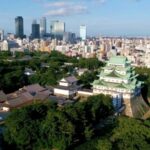
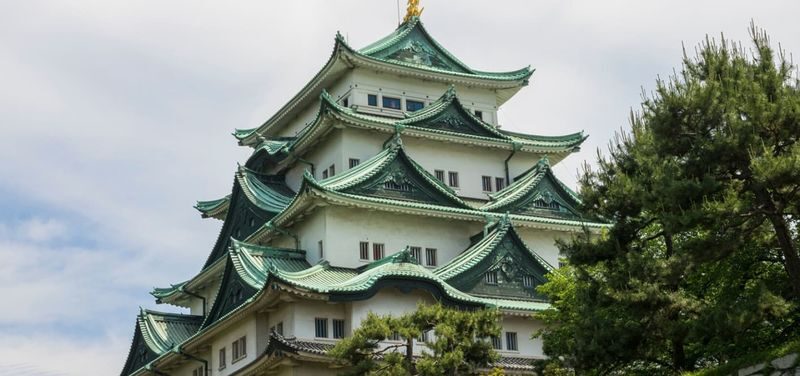
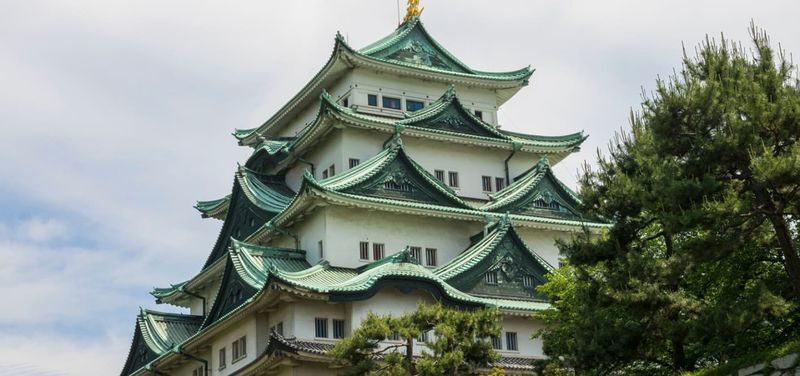
Nagoya Castle is a strong candidate if you want a landmark and a historical frame for the city. It has appeared on routes alongside shrines and Osu, and the private format lets you ask questions at your own pace instead of keeping up with a large group. If the castle is a must-see, say so early and check its current opening status before choosing your date.
Atsuta Shrine is another worthwhile request for a culture-focused route. One guide combined it with Nagoya Castle and Shirotori Garden, while other outings paired the castle with Osu. That variety shows why the pre-tour conversation matters: four hours can hold several places, but each additional stop reduces the time available to linger and hear context.
Be precise about what kind of guiding you want. The strongest experiences described by customers included detailed explanations of the city, its culture and the stories behind the sights. One particularly enthusiastic account praised guide George for sharing substantial Japanese history, while Toshi was noted for explaining the castle and shrine in detail. Other hosts, including Anna, Shochan and Takako, were described as warm, accommodating and helpful. These names are examples of past guides, not a promise of who will lead your tour.
There has also been a disappointing experience in which the guide offered little explanation at the castle and Osu, and the guest felt more like they had an expensive chaperone than a cultural guide. That points to a practical safeguard: ask in advance for a host who enjoys giving historical context, and confirm what level of explanation you can expect. Also settle any questions about a guide’s admission fees before entering attractions. Your own entry tickets are not included, and it is sensible to clarify any extra costs rather than discover them at the gate.
Noritake Garden, museums and the modern city
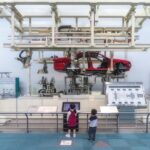
Noritake Garden offers a different pace from the castle and shopping streets. It has featured on a route with the Toyota Commemorative Museum, giving you a chance to focus on Nagoya’s industrial and design heritage. The gardens and museum stops may suit you if you want an outing that is less centered on temples and shopping.
The Toyota Commemorative Museum of Industry and Technology has also been included in past tours. One caution: a guide accompanying you inside does not automatically mean you’ll receive a detailed museum tour. If you want expert explanation rather than help getting around, make that expectation clear when you discuss your itinerary.
The Nagoya TV Tower and Sakae are options for a more contemporary city view. The tower is noted for panoramic views, while Sakae and nearby Oasis 21 can add a modern urban stop. These sights may fit well if you want to see how the city feels today, but they compete for time with places such as Atsuta Shrine or Nagoya Castle. Choose two or three priorities rather than trying to squeeze in every famous name.
The route can change in response to practical conditions. A family whose planned castle and Toyota museum visits were unavailable was offered alternative sights and finished with a recommended lunch. Another tour shifted to nearby places when rain, cold weather and closing times limited the options. That flexibility is a real benefit, but it cannot guarantee that a particular attraction will be open or that every substitute will suit your taste.
Four hours on foot, with transit as needed
The tour lasts four hours and is described as a walking experience. That does not mean every stop is necessarily close enough to reach on foot. Your host may suggest public transportation or a local taxi between sites, but fares are not included. Discuss the route and likely transport costs with your host once the plan is taking shape.
The small private group is a plus. You can book for one to eight people, and your host can adjust the pace and conversation around your party. The same price applies to all ages, so compare the total package price with the number of people going. For a group sharing the cost, a private guide can make sense; for one person, the price is a much larger outlay than joining a group walk.
The tour can meet at the Nagoya Station Tourist Information Center, with departure times offered from 8:00 a.m. through 4:00 p.m. The return point is also listed as the Nagoya Station Tourist Information Center. A central hotel or other central location may be arranged on request, and the operator reconfirms pickup details. If your schedule is tight, choose your start time carefully: a late departure may limit which attractions are practical, especially if they close earlier.
The activity is described as stroller- and wheelchair-accessible. Since it is still a walking tour and may involve public transport or taxis, it’s worth telling the host about your needs when planning the route. That gives you a chance to agree on suitable stops and transfers rather than relying on a generic route.
You can also read our reviews of more private tours in Nagoya



What the price buys, and what it doesn’t
The displayed starting price is $164.85, while the specified four-hour private walking package is shown from $191.85 for one to eight participants. Prices can vary by package or booking details, so check the total shown for your chosen date and group before you pay.
You’re paying for a private English-speaking host and a personalized four-hour experience. You are not paying for attraction entry, transport, meals, drinks or personal purchases. The tour’s value depends on how well the route fits you and how much useful local insight your host adds. A guide who connects the sights, explains the city and helps you plan the rest of your stay can make the private format worthwhile. A host who mainly walks beside you may not justify the same cost.
The overall score is 4.4 out of 5 from 14 ratings, a positive signal but a small sample. The most consistent strengths are warm, adaptable hosts and routes shaped around personal interests. The main caution is uneven depth: some experiences sound like an engaging cultural walk, while one account describes very thin explanations and an unexpected concern about the guide’s entrance fee. Ask clear questions before the day, and treat the guide match as part of the purchase, not a minor detail.
Make your request specific before you arrive
A useful questionnaire answer names your top two or three priorities and what you want from the guide. For example, you might ask for Nagoya Castle and Atsuta Shrine, with historical explanations, or request Osu and a food-focused stop with advice on local specialties. If you have already seen the main sights, ask for a route that leans toward a neighborhood, garden or museum.
Also state what you do not want. If shopping is not your thing, say so and ask about Atsuta Shrine or another cultural option. If you prefer an easy pace, or need a route that works with a stroller or wheelchair, mention that early. And if a particular museum or castle is central to your plan, verify that it is open on your chosen date.
I’d use the tour as an orientation, not as a way to tick off every Nagoya attraction. The best return comes from selecting a coherent theme, letting the host handle local navigation and using the conversation to gather ideas for the rest of your trip. Four hours is enough to get a useful feel for the city, but not enough to see it all.
Should you book the Nagoya half-day private tour?
Book it if you value a flexible route, want to talk directly with a local host and can name a few interests before you set out. It looks especially useful for first-time visitors who want a personal introduction to Nagoya, families or small groups who prefer their own pace, and anyone keen to combine major sights with a neighborhood such as Osu.
Think twice if you want guaranteed entry to specific attractions, a vehicle, meals or a formal historian-led tour. Those are not included or promised. For the best chance of a satisfying outing, agree on the must-sees, ask for the level of historical detail you want, and clarify transport and any guide admission costs in advance.
Nagoya Half-Day Private City Highlights Tour
“We had a wonderful day! The guide was so friendly and had clearly put a lot of thought into personalising the tour for us, catering to our specific…”
FAQ
How long is the tour?
The private walking tour lasts four hours.
How many people can join?
The group size is one to eight participants. The same price applies to all ages.
Is the itinerary fixed?
No. You share your interests and must-sees after booking, and the host contacts you to plan a route. You can also change destinations after the tour begins.
Where does the tour start?
The listed meeting point is in front of the tourist information center at Nagoya Station. A central hotel or other central location may be arranged on request.
Is transportation included?
No. The tour is a walking experience. Public transportation or local taxis may be used between sites, and those costs are extra.
Are attraction tickets and meals included?
No. Admission, meals, drinks and personal expenses are not included.
Can I cancel for a refund?
A full refund is available if you cancel at least 24 hours before the activity date, in destination local time. If extreme weather or an unforeseen event leads the operator to cancel, you can request a reschedule or full refund.