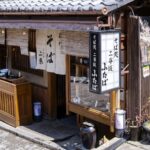
The lights go out for the heart of this tea ceremony. By candlelight, the water’s sound, the tea’s scent, and the feel of the bowl take the lead. You move through a century-old townhouse once kept by a textile merchant, then watch a trained host prepare Uji matcha in a small tearoom.
I like two things in particular: the quiet shift from bright rooms to candlelight makes the setting part of the ceremony, and the seasonal bowls, some more than 200 years old, give the host something tangible to explain. One point to weigh: this is chiefly a demonstration. The host prepares the tea, so book it to watch and learn, not to practice whisking matcha yourself.
- Key points
- From a merchant’s townhouse to a candlelit tearoom
- Three rooms, with a clear change of pace
- Watching the host prepare Uji matcha
- What 45 minutes gives you
- Is the .55 starting price fair?
- Getting there and deciding if it suits you
- FAQ
- How long is the tea ceremony?
- How many people can join?
- Do I get to prepare or whisk the matcha?
- Where does the ceremony take place?
- What is the minimum age to participate?
- Is the townhouse wheelchair-accessible?
- The Best Of Kyoto!
- More Tours in Kyoto
- More Tour Reviews in Kyoto
- Not for you? Here's more nearby things to do in Kyoto we have reviewed
Key points
 1 / 7
 2 / 7
 3 / 7
 4 / 7
 5 / 7
 6 / 7
 7 / 7
- Three rooms, one changing mood: The route leads from the brighter front of the townhouse into a tearoom lit only by candles.
- Seven people at most: A small group helps keep the session intimate, though your view may depend on where you sit.
- Uji matcha in a historic bowl: The tea comes from Uji, and bowls are chosen for the season. Some are more than 200 years old.
- A host-led ceremony: You watch the preparation, hear about the customs and utensils, then drink the tea with a sweet.
- About 45 minutes: It is a compact pause in a busy Kyoto day, not a long class or a hands-on workshop.
- A traditional setting with practical limits: You can sit on the floor or use a chair, but the townhouse is not wheelchair- or stroller-accessible.

👉 See our pick of the 25 Best Workshops And Classes In Kyoto
From a merchant’s townhouse to a candlelit tearoom
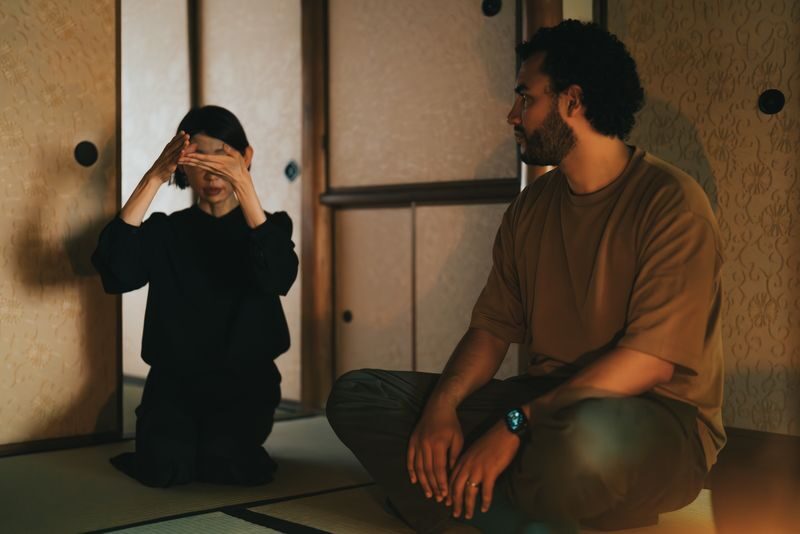
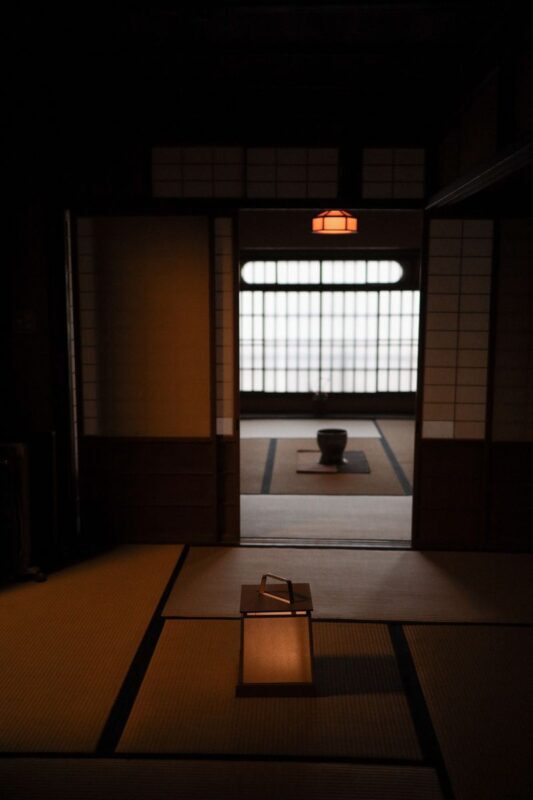
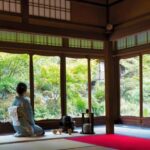
Oboro’s setting is not a purpose-built attraction. It is a roughly 100-year-old Kyoto townhouse, kept for much of its life by a textile merchant. The ceremony uses three rooms, taking you from the brighter front of the house toward the tearoom, where candles replace the usual lighting.
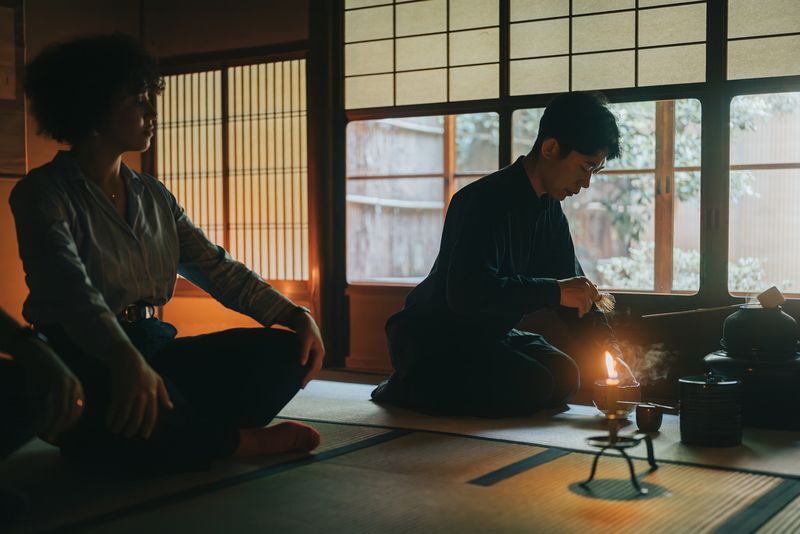
That change is central to the session. In a bright room, it is easy to focus on the host’s precise movements. In dim light, the experience asks you to notice other things: the sound of water, the aroma of tea, and the weight and warmth of a bowl. It is a simple idea, but a useful one. You are invited to slow down rather than collect a long list of sights.
The subdued light also has a trade-off. A few people have found it hard to see the host’s preparation clearly, especially if the host’s position leaves them facing away. If watching every detail is your main reason for booking, try to choose a seat with a clear view when you arrive. The group is capped at seven, but a small room can still have a less-than-perfect sightline.
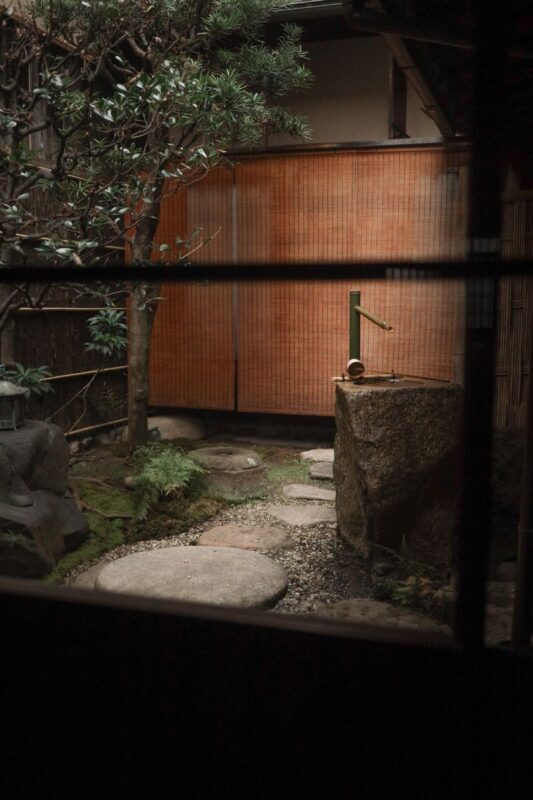
The townhouse itself is part of what you are paying for. You are not only hearing about tea customs; you are sitting in rooms with a history of ordinary Kyoto life. The setting gives the ceremony a more personal scale than a large performance space, though it is still a hosted cultural activity rather than a private visit to a family home.
You can also read our reviews of more tours and experiences in Kyoto.

Three rooms, with a clear change of pace
The session begins in the brighter front of the house. From there, you move through the townhouse into the candlelit tearoom. The route is short, but the transition gives the activity a beginning and a build-up: you leave the outside pace behind before the tea is prepared.
The three-room arrangement is one of the details that makes this format feel considered. Each space contributes to the shift in atmosphere, rather than asking you to sit down immediately and watch a demonstration. The movement between rooms is also a chance to see more of the old house, though the available details do not suggest a full architectural tour.
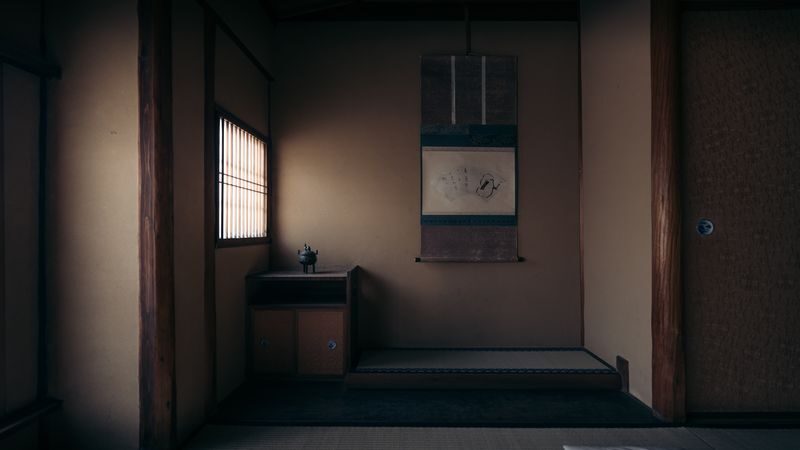
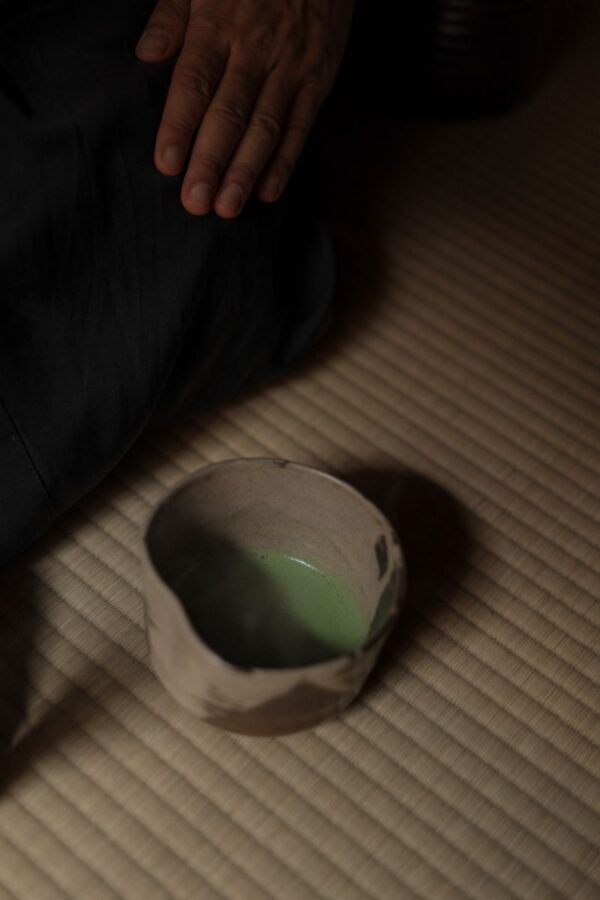
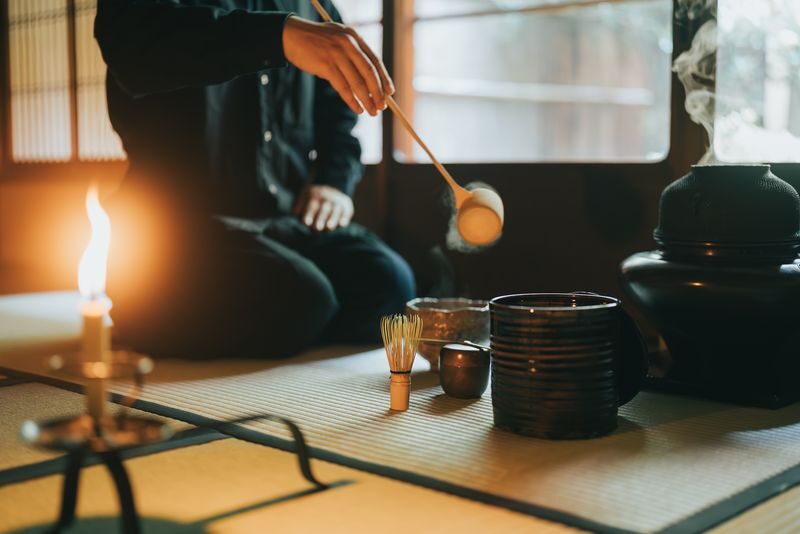
Once you reach the tearoom, the ceremony becomes quieter and more focused. The host explains what is happening and introduces the objects in use. The bowls are selected for the season, and some are more than two centuries old. That seasonal choice matters: tea ceremony is not just a fixed set of gestures, but a practice shaped by the time of year and the objects chosen to mark it.
The dimness can make this part feel meditative, but it is not the same as a guided meditation. If you expect a host to lead breathing exercises or direct your attention step by step, you may find the mindfulness element more subtle than expected. The focus comes mainly from the setting, the ceremony, and the chance to pay attention.
Watching the host prepare Uji matcha
The host prepares the tea while you watch. The matcha is grown in Uji and blended to suit the preference of a tea-school grand master. Your host has trained in a historic school of tea, and the preparation offers a close look at a practice where movements and objects have meaning beyond simply making a drink.
This is a good fit if you want context along with your cup. You can ask questions and learn about the ceremony, the tools, and the traditions behind them. Hosts named by people who have attended include Yoko-san, Ryoko-san, and Naoki, though you should not assume that a particular person will lead your session.
It is important to set expectations: you do not make your own matcha as part of the described activity. The host prepares it and hands you the bowl to drink. Some people are perfectly happy to watch a skilled practitioner; others expect a class where they learn to whisk the tea themselves. If you want hands-on instruction, check that the specific session offers it before booking. This one is best understood as a demonstration and tasting.
A sweet is served with the tea. The exact treat may vary, but the pairing is part of the traditional rhythm: a small sweet offers a contrast to matcha’s strong, sometimes bitter taste. The tea itself is the focus, not a substantial snack or meal, so arrive having eaten if you need more than a light bite.
What 45 minutes gives you
At around 45 minutes, this is a manageable way to make room for a quieter activity between Kyoto’s temples, shops, and sightseeing. The short duration is a strength if your schedule is tight. You get a focused introduction without giving up half a day.
It also limits how much you can cover. The session is not a full tea-school course, and there is little time for extended practice or a lengthy discussion of every tool and custom. You watch, listen, taste, and take in the setting. People who enjoy learning through observation tend to get more from the format than those who need an active role to stay engaged.
The group size helps the host keep the mood personal and answer questions. Still, the quality of the experience can depend on the group’s interest and the host’s explanations. English is provided, and the hosts are often praised for being warm and clear, but the depth and pace of explanations can vary. If you have questions, speak up during the session rather than waiting for a formal question period.
The atmosphere is a major reason to choose this activity. The old house, careful movements, and candlelight create a distinct pause from the usual sightseeing routine. But quiet is not the same as exciting. If you want constant activity, a performance, or a chance to make something, the ceremony may feel slow.
Is the $50.55 starting price fair?
The listed starting price is $50.55. For a session of about 45 minutes, that is not a bargain if you judge value only by the amount of tea or food served. You receive a bowl of matcha and a sweet, not a full tea tasting or a meal, and the host does the preparation.
The stronger case for the price is the combination: a small group, an old Kyoto townhouse, a candlelit setting, seasonal utensils, and an English-speaking host who explains the ceremony. Some bowls are more than 200 years old, and the matcha comes from Uji. You are paying for the setting, interpretation, and focused attention as much as for the drink.
For me, the value depends on what you want to take home. If you are curious about Japanese tea culture and appreciate a calm, carefully staged setting, the price can make sense. If your priority is tasting several teas, learning to prepare matcha with your own hands, or finding the cheapest ceremony, this may feel expensive for what you do.
The activity has earned strong marks overall, but the most useful way to judge it is to match your expectations to the format. The setting and hosts are frequent strengths. The main sources of disappointment are wanting more active participation, expecting a longer event, or finding the dark room hard to see in.




Getting there and deciding if it suits you
Oboro: Mindful Tea Ceremony is at 237 Nakaogawacho, Kamigyo Ward, Kyoto, postal code 602-0053. Imadegawa Station is an eight-minute walk away. Transport is not included, so plan your route and allow enough time to arrive. Late arrivals of more than 10 minutes are not admitted, which matters for a short session where there is little room to catch up.
You can sit on the floor or use a chair, but the activity is not wheelchair- or stroller-accessible. It is not suitable for pets, and infant seats are unavailable. Participants must be at least six years old; children aged 12 and older pay the adult rate. The activity is not recommended for people with back problems, pregnant participants, or people with heart conditions.
I would choose this ceremony for a calm, compact introduction to tea culture in a setting with genuine character. It works especially well if you enjoy watching a skilled host, asking questions, and noticing small details. I would skip it if you mainly want a hands-on class, a generous tasting, or clear views of every movement in a brightly lit room.
Kyoto: Candlelit Tea Ceremony in a 100-Year-Old Townhouse
“This was a very unique and enjoyable experience. Our group was only 4 people and the intimate setting was enlightening. The instructor was very inf…”
FAQ
How long is the tea ceremony?
The session lasts about 45 minutes.
How many people can join?
The group is limited to seven participants.
Do I get to prepare or whisk the matcha?
No. The host prepares the tea, and you watch before drinking it.
Where does the ceremony take place?
It takes place at Oboro: Mindful Tea Ceremony, at 237 Nakaogawacho in Kyoto’s Kamigyo Ward. Imadegawa Station is an eight-minute walk away.
What is the minimum age to participate?
Participants must be at least six years old. Children aged 12 and older are charged the adult rate.
Is the townhouse wheelchair-accessible?
No. The activity is not wheelchair- or stroller-accessible.