Meiji Mura makes the Meiji period tangible: instead of peering at old objects behind glass, you can walk among more than 60 preserved buildings and see how Japan’s architecture changed during a time of rapid modernization. It’s a sprawling, scenic visit that rewards a slower pace.
I love the contrast between the historic streets and seasonal scenery, and the chance to explore some buildings from the inside. I also like that you can add rides on the village bus, steam train or tram for a different view of the grounds.
The main drawback is scale. There’s a lot of walking, and the open-air setting can be tough in summer heat. Admission starts at $15.79, but transport, food and activities cost extra, so plan your day and budget accordingly.
- Meiji Mura at a glance
- Why Meiji Mura is more than a collection of old buildings
- Walking the village, one building at a time
- Getting around without wearing yourself out
- Choosing the right season and pace
- What the admission price covers
- Reaching Meiji Mura from Inuyama
- Using your mobile ticket at the gate
- Who will enjoy Meiji Mura most?
- Should you book Meiji Mura admission?
- FAQ
- What does Meiji Mura admission include?
- Where is Meiji Mura?
- How much walking should I expect?
- Does the ticket include the village bus or historic trains?
- Do I need internet access to use the voucher?
- Are young children admitted free?
- More Tours in Inuyama
- More Tour Reviews in Inuyama
- Not for you? Here's more nearby things to do in Inuyama we have reviewed
Meiji Mura at a glance
 1 / 7
 2 / 7
 3 / 7
 4 / 7
 5 / 7
 6 / 7
 7 / 7
- More than 60 historic properties are preserved and exhibited across this open-air museum.
- Buildings are the main event: explore architecture associated with the Meiji period and Japan’s modernization.
- Expect a large site and plenty of walking: some visitors spend several hours, while others recommend setting aside most of the day.
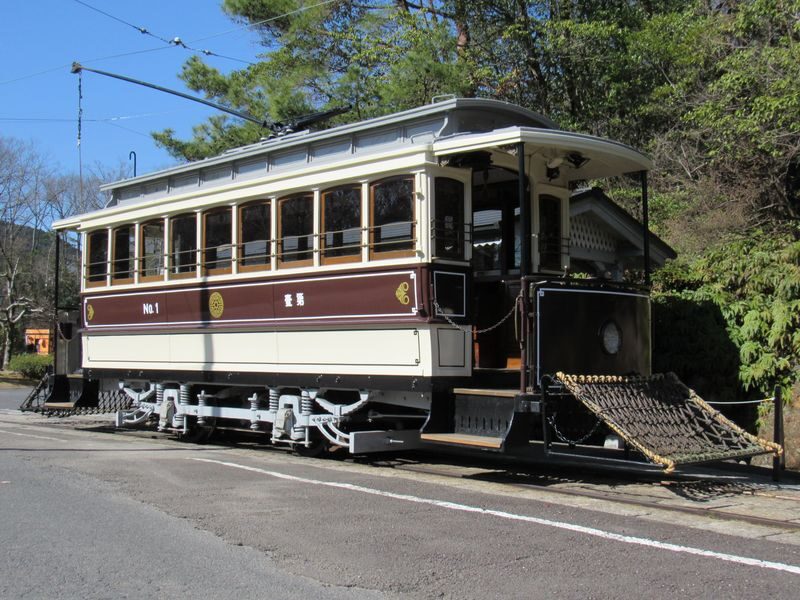
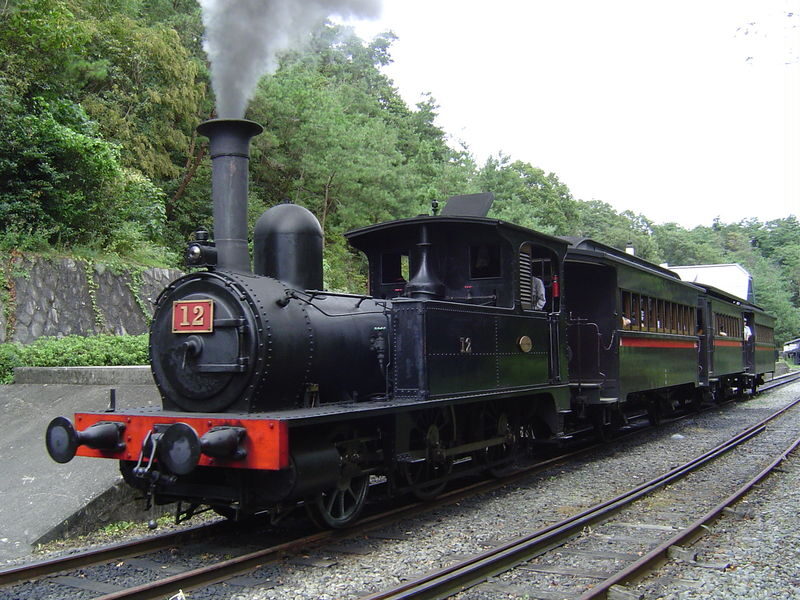
- Transport within the grounds costs extra: a village bus, steam train and tram are among the options mentioned.
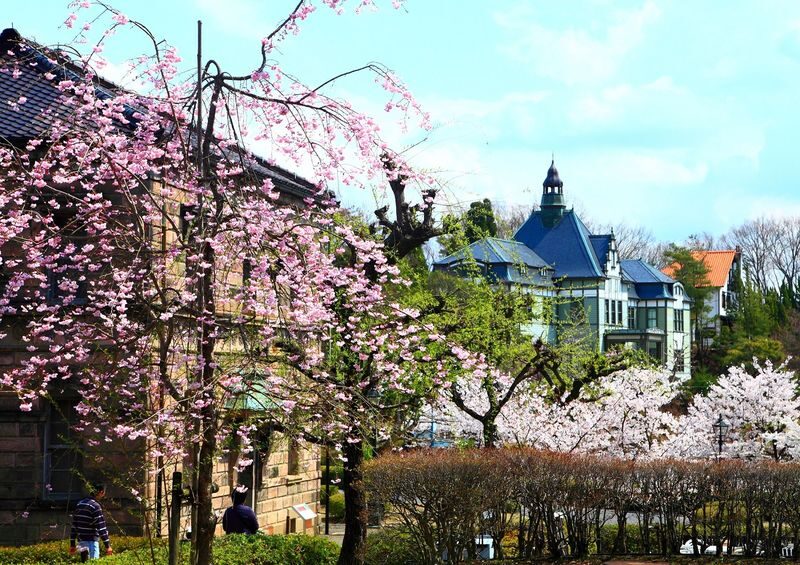
- The surroundings change with the seasons: autumn leaves, spring greenery and summer sunshine all shape the experience.
- Your Klook voucher is date-specific: open it on a phone with internet access and let staff operate it at the entrance.
Why Meiji Mura is more than a collection of old buildings
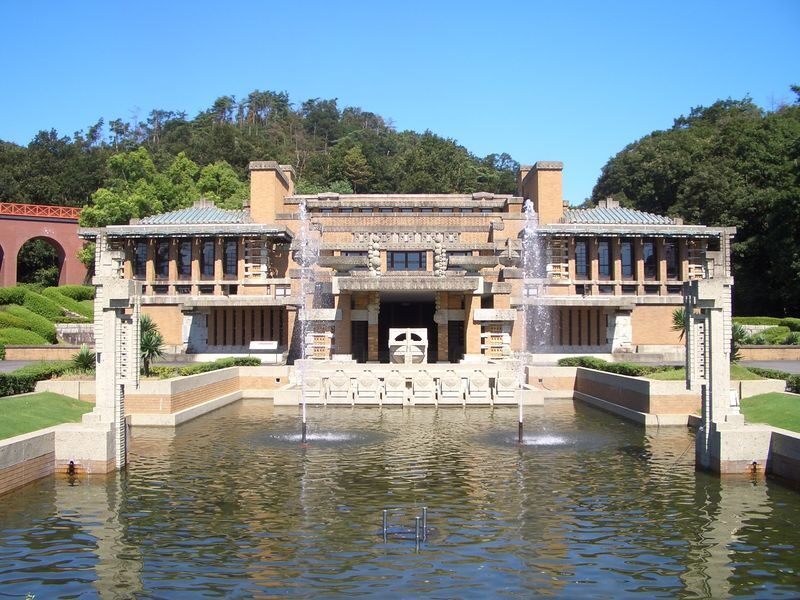
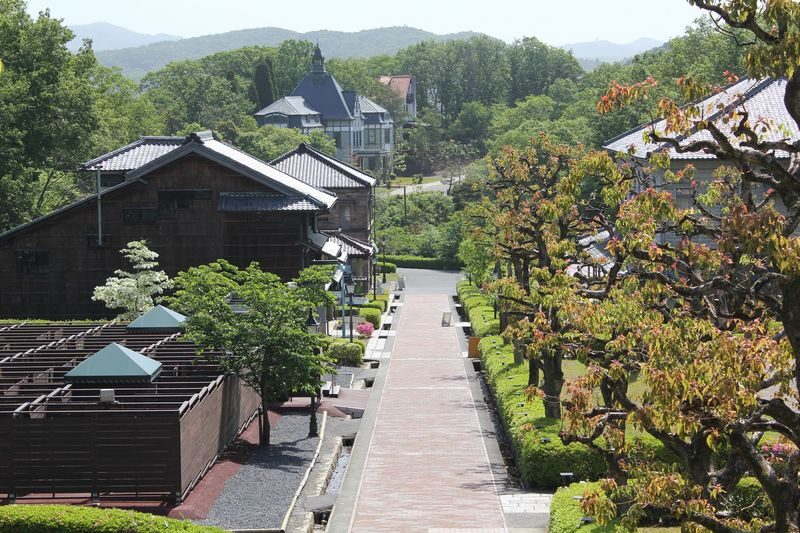
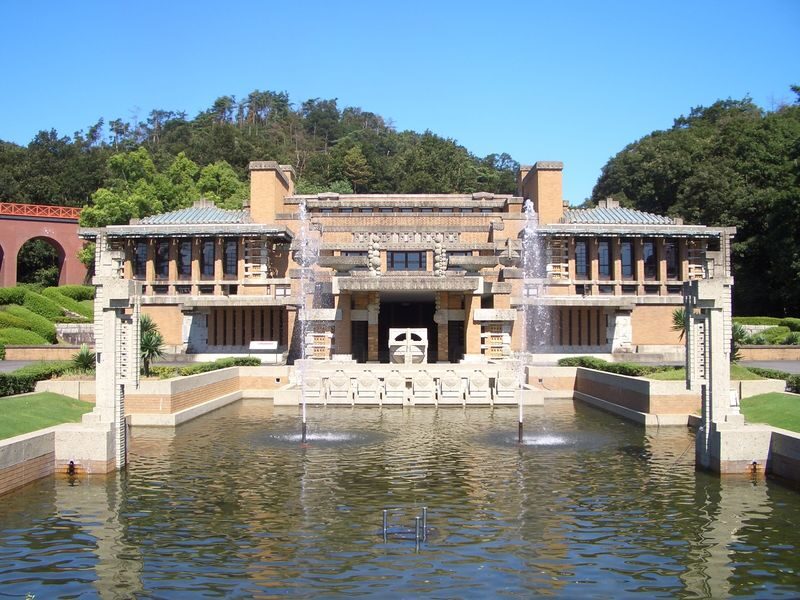
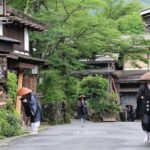
Meiji Mura is an open-air museum in Inuyama, Aichi, devoted mainly to cultural properties from the Meiji period. More than 60 historic buildings have been relocated, preserved and displayed here. That scale gives the visit a sense of moving through a town, not simply from one museum room to another.
The Meiji era is often described as a turning point in Japan’s modernization. At Meiji Mura, that story takes shape in architecture: buildings from the period sit among green grounds and broad paths, giving you a chance to compare styles and details at your own pace.
You don’t need to be an architecture specialist to enjoy the place. The buildings are striking in their own right, and the mix of historic structures and outdoor scenery makes this a pleasant change from crowded city sightseeing. But the more you care about Japanese history and design, the more rewarding a full day here is likely to be.
You can also read our reviews of more tours and experiences in Inuyama.


Walking the village, one building at a time
There isn’t a fixed tour route with a guide included in this admission. You choose what to see and how long to spend at each stop. That freedom is useful, but the sheer size of the grounds makes a little planning worthwhile.
Some buildings have exhibitions or interpretive material, and visitors have found docent explanations available at certain stops. You may also encounter interactive activities. These additions can make the visit more engaging, but they are not part of the basic admission guarantee, so treat them as possibilities rather than a scheduled program.
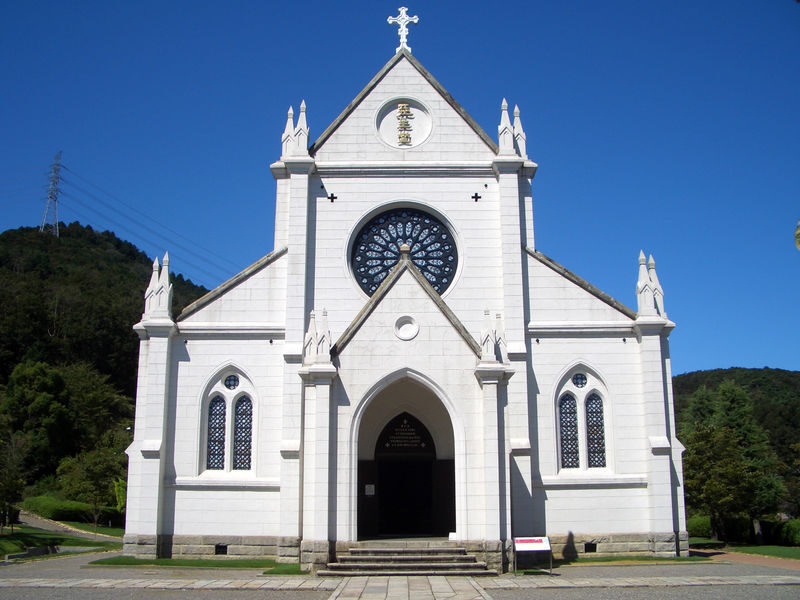
A church building has drawn particular interest from people visiting to take photographs. Other attractions mentioned within the village include a police-station photo opportunity, historic transport, and seasonal activities. The exact program can vary, so check what is operating on your date rather than building your whole plan around one activity.
If you try to see every building in detail, allow plenty of time. Some people cover a satisfying portion in about three hours, while others spend nearly the whole day and still leave with places unseen. I’d arrive with a shortlist of buildings or activities you care about most, then use any remaining time for relaxed wandering.
Getting around without wearing yourself out
Meiji Mura’s size is the practical issue to take seriously. The grounds have wide paths, but you still need to walk between buildings, and the weather can make that feel much harder. In warm months, the combination of open space, sunshine and long distances can cut a visit short, especially for children or anyone who struggles with extended walking.
Transport within the village is available for an additional fee. Options mentioned include a shuttle bus, steam train and tram. A one-day bus pass was priced at ¥500 in one account, while another visitor described a ¥1,300 unlimited ticket covering three types of transport. Those prices may change, and the available services can vary, so confirm current fares on arrival.
The bus can do more than save your legs. Drivers have been known to provide brief commentary, giving you a little context as you travel between stops. A ride on the steam train or tram can also turn transport into part of the visit, though services may be unavailable on some days, including during maintenance.
If you’re visiting with older relatives, young children, or anyone who tires easily, consider paying for transport rather than assuming you’ll walk the whole site. On a hot day, plan indoor breaks and bring sun protection. The grounds are beautiful, but they are not a shaded indoor museum.
Choosing the right season and pace
Meiji Mura’s outdoor setting makes the season part of the experience. Autumn is especially appealing for the red and gold leaves around the historic buildings. Spring and winter can also be comfortable times for walking, while summer brings a greater risk of heat tiring you out before you’ve seen much.
The scenery gives the architecture a changing backdrop, and the quiet paths can feel restful compared with busy urban attractions. Still, check the forecast before you go. On a hot, sunny day, sunscreen, water and a plan for using the village transport can make the difference between a satisfying visit and an early exit.
Opening hours change by season, and last admission is 30 minutes before closing. Check the official Meiji Mura website before setting out, especially if you’re planning a late arrival. A short visit may work if you choose a few highlights, but it’s a poor fit if your goal is to examine the whole collection.
What the admission price covers
The ticket is for admission to Meiji Mura. It does not include meals or drinks, rides, fees for the High-Color Costume Museum, or personal expenses. In other words, the entry ticket gets you through the gate, but transport and extras need their own budget.
At a starting price of $15.79, admission can be good value if you have time to explore. You’re paying for access to a large collection of historic properties in a landscaped outdoor setting, not for a short, guided attraction. The value rises if you’re interested in architecture or Japanese history and can spend several hours here.
If you mainly want a quick photo stop, the distance and scale may make the ticket feel less worthwhile. And if you plan to use the internal transport or try paid activities, include those costs before deciding what the day will cost in total. The admission ticket itself is only one part of the budget.

Reaching Meiji Mura from Inuyama
The address is 1, Yama, Inuyama, Aichi 484-0000, Japan. The nearest station listed is Inuyama Station on the Meitetsu line. Getting to the museum takes some advance planning, and the information provided does not specify a complete onward route from the station, so check current transport directions before you travel.
Although the location is outside the main city-center sightseeing flow, the trip can be worthwhile if you’re interested in the Meiji period or architecture. Plan the journey as part of the day rather than assuming you can fit the museum into a quick stop between other sights.
Using your mobile ticket at the gate
Your Klook ticket is an online voucher, valid only for the selected date and time if one is specified. Before you arrive, sign in to the Klook app or website, open My Bookings, and select See voucher. Your phone needs internet access because the voucher URL will not open offline.
At the entrance, show the voucher to staff and let them operate the ticket. Don’t try to activate it yourself. If it is marked as used, it will no longer be valid, and staff need to verify it for you to enter.
Children aged 0 to 5 can enter free, as can seniors born in the Meiji era. The ticket cannot be combined with other coupons or discounts. If you need to cancel, the booking is described as having conditional cancellation, so check the specific terms attached to your purchase.
Who will enjoy Meiji Mura most?
This is a strong choice for people who enjoy historic architecture, Japanese cultural history, photography or unhurried outdoor visits. Families can find interactive elements and space to walk, but the distances and summer heat may be challenging with young children. Plan to use paid transport if your group would benefit from shorter walks.
It also suits visitors looking for a quieter day away from crowded city attractions. The calm grounds, birdsong and seasonal trees are part of the appeal, not just decoration around the buildings. On the other hand, if you prefer compact museums or need a tightly scheduled, guided visit, Meiji Mura may feel too spread out.
Should you book Meiji Mura admission?
Book if you’re curious about Japan’s Meiji period and want to see historic buildings in an outdoor setting, with time to explore at your own pace. It’s especially appealing in comfortable walking weather, when you can enjoy both the architecture and the seasonal scenery.
Think twice if you dislike long walks, are visiting in extreme heat, or have only a short window in Inuyama. If you do go, check the weather and opening hours, choose a few priorities, and consider paying extra for transport within the grounds. That small bit of planning helps you see more without turning the visit into an endurance test.
Meiji Mura Admission in Aichi
“it's really nice to go through the Meiji history of Japan through a real size architecture existed back then. worth the walk and the visit”
FAQ
What does Meiji Mura admission include?
The ticket includes admission to Meiji Mura. Meals, drinks, rides, fees for the High-Color Costume Museum and personal expenses are not included.
Where is Meiji Mura?
It is at 1, Yama, Inuyama, Aichi 484-0000, Japan. The listed nearest station is Inuyama Station on the Meitetsu line.
How much walking should I expect?
Meiji Mura is a large open-air museum with more than 60 historic properties, so expect substantial walking if you explore on foot. Transport within the grounds is available for an additional fee.
Does the ticket include the village bus or historic trains?
No. Rides are not included in admission. The village bus, steam train and tram are mentioned as paid transport options within the grounds.
Do I need internet access to use the voucher?
Yes. Open the voucher on your phone with internet access and show it to staff at the entrance. Staff must operate the ticket.
Are young children admitted free?
Yes. Children aged 0 to 5 can enter free. Seniors born in the Meiji era are also listed as eligible for free admission.