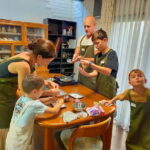
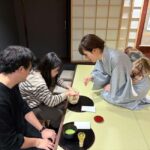
In Gion, this one-hour tea session turns a bowl of matcha into a practical introduction to Japanese hospitality and ceremony. You hear what the gestures mean, watch a demonstration, then whisk your own tea under the tea master’s guidance.
I like two things in particular: you get to make the matcha yourself, and the chair-style seating means you can focus on the ceremony without sitting on the floor. The sweets are traditional Kyoto wagashi, selected to go with the tea, and the session leaves time for questions.
One thing to plan around: the experience is held on the fifth floor of a building, not in a garden teahouse, and the start time is firm. Arrive five minutes early. If you miss the beginning, you cannot join once the session is underway.
At a glance
- Make your own matcha: Whisk premium powder sourced from a local family-run tea farm.
- Taste Kyoto wagashi: Traditional sweets are paired with the tea.
- Learn the ceremony’s meaning: A live demonstration introduces etiquette and omotenashi, the spirit of thoughtful hospitality.
- Stay comfortable: The session uses chair-style seating rather than requiring you to kneel.
- Choose from several start times: Sessions run from 9:30 AM through 6:30 PM, subject to availability.
- Leave with a recipe: A simple handout helps you recreate matcha at home.

👉 See our pick of the 25 Best Workshops And Classes In Kyoto
- At a glance
- A calm introduction to tea in Gion
- From first explanation to your own bowl
- What the chair-style setting changes
- The tea masters make the lesson personal
- Choosing a time and getting there on time
- What the price includes, and what it does not
- Who will get the most from this hour
- Should you book the Gion tea ceremony?
- FAQ
- How long does the tea ceremony last?
- Where does the activity meet?
- How early should I arrive?
- What start times can I choose?
- Is the activity suitable for beginners?
- What is included in the standard plan?
- Do I have to sit on the floor?
- What is the minimum age?
- Can I cancel for a refund?
- The Best Of Kyoto!
- More Dessert Tours in Kyoto
- More Tours in Kyoto
- More Tour Reviews in Kyoto
- Not for you? Here's more nearby things to do in Kyoto we have reviewed
A calm introduction to tea in Gion
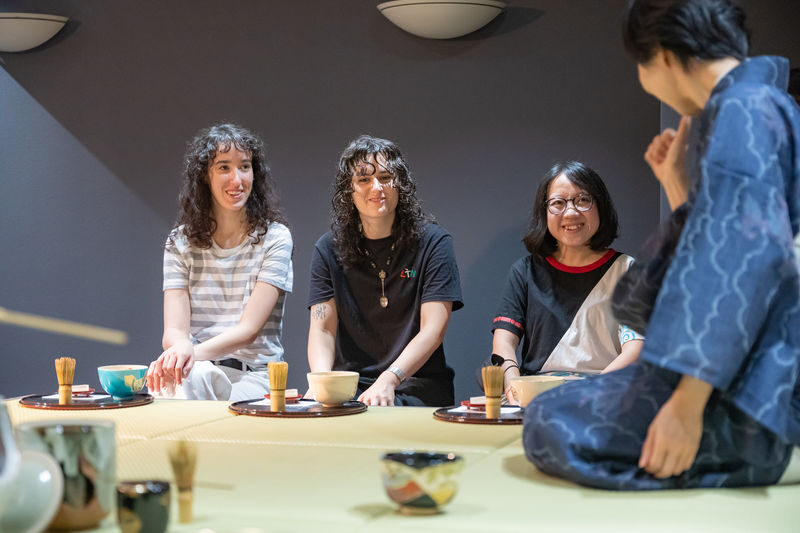
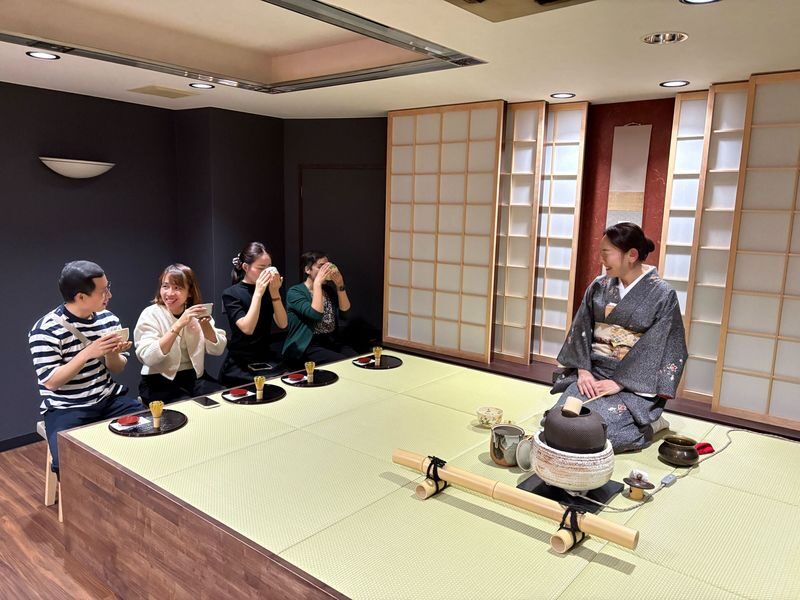
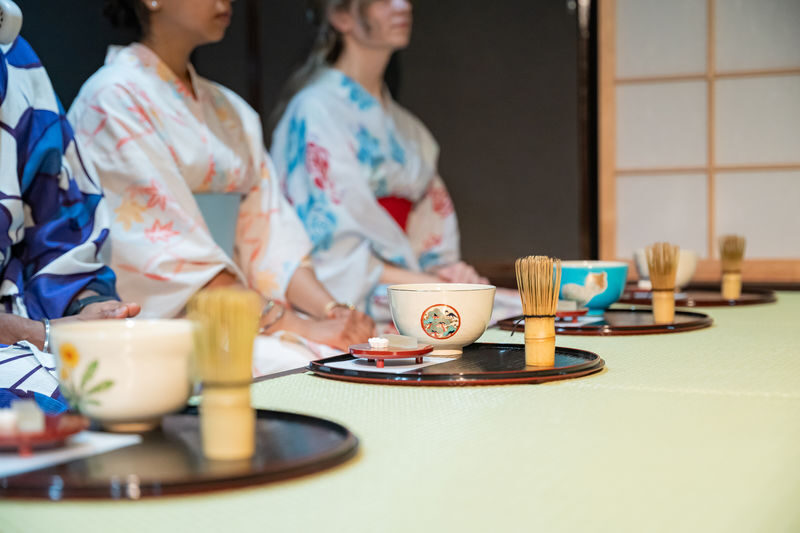
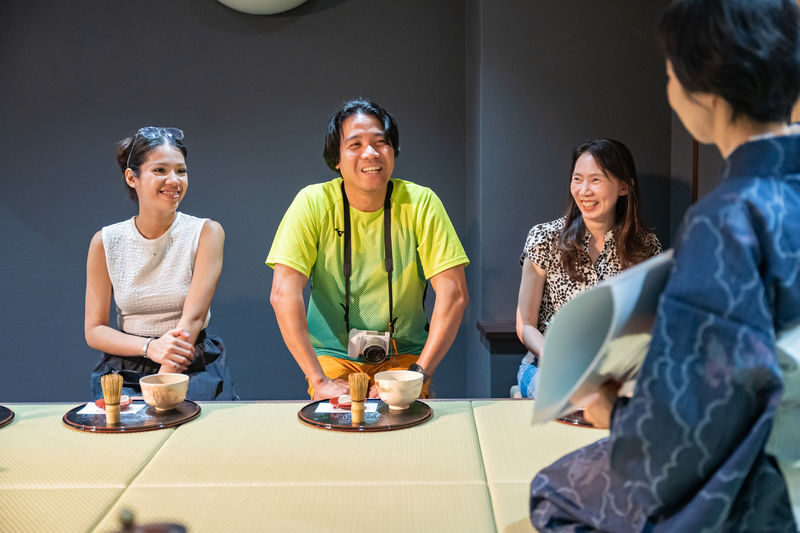
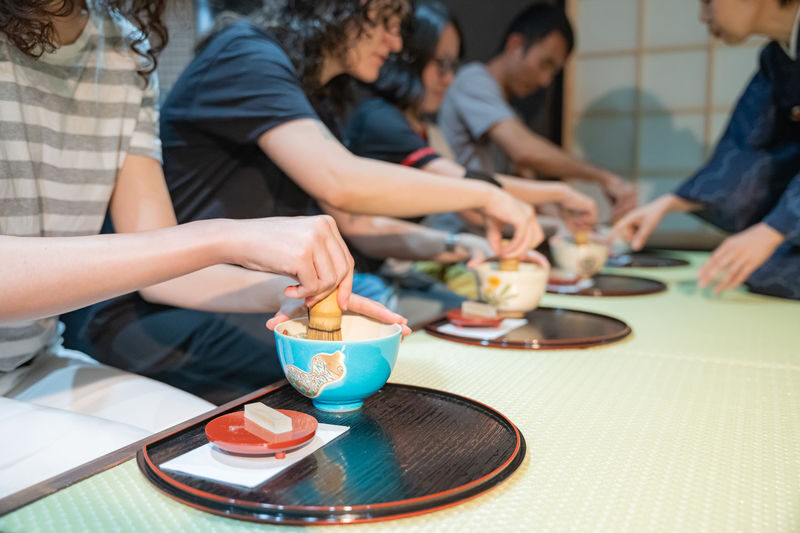
A tea ceremony can look intricate from the outside. Every movement seems to have a purpose, and it is easy to worry that you need to know the rules before you arrive. This session is built for beginners, so you can ask questions, watch closely, and try the process without being expected to perform a formal ceremony perfectly.
The emphasis is on understanding the tea and the welcome around it. Your tea master introduces omotenashi, then explains the ceremony’s history and etiquette in a casual, English-language setting. The tone is respectful but not stiff. That balance matters: you get cultural context without feeling you have walked into an exam.
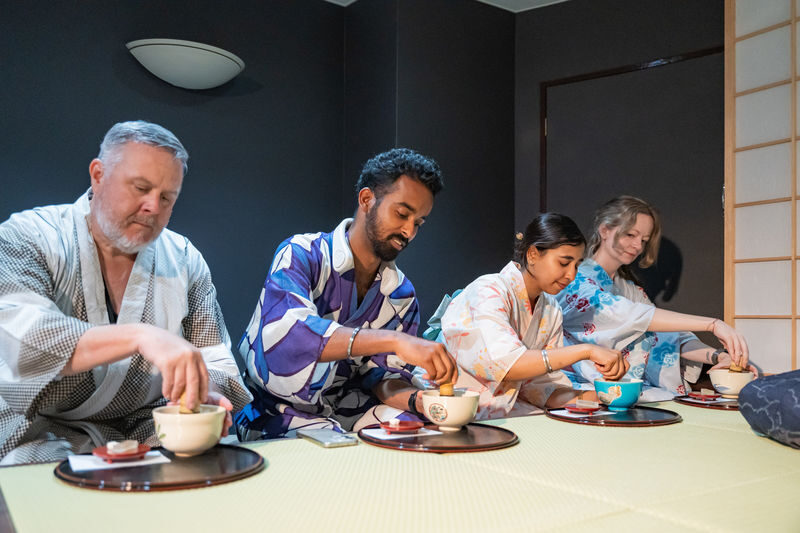
The experience is also hands-on. After the demonstration, you prepare a bowl of matcha yourself, following step-by-step instructions. If you have never used a bamboo whisk, this is a low-pressure chance to learn how the process works and what the gestures are meant to achieve.
The session is about an hour, though the actual activity may take around 50 to 60 minutes. It is a compact cultural stop, not an extended lesson in every school or form of tea practice. Think of it as a well-paced introduction that gives you enough background to notice more when you encounter tea elsewhere in Japan.
You can also read our reviews of more tours and experiences in Kyoto
From first explanation to your own bowl
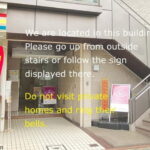
The meeting point is Tea Ceremony Kyoto Gion by Japan Wonder Travel, at Yamatocho 1 in Higashiyama Ward. The room is on the building’s fifth floor. Allow time to find the entrance, and look for the business name on the door once upstairs. The street address can be harder to identify at a glance, so searching the exact business name on your map may help.
Once the session begins, the tea master sets out the ideas behind the ceremony. You learn about the role of tea, the customs around serving and drinking it, and the spirit of omotenashi. Rather than memorizing a string of rules, you get a sense of why attention, care, and deliberate movement matter.
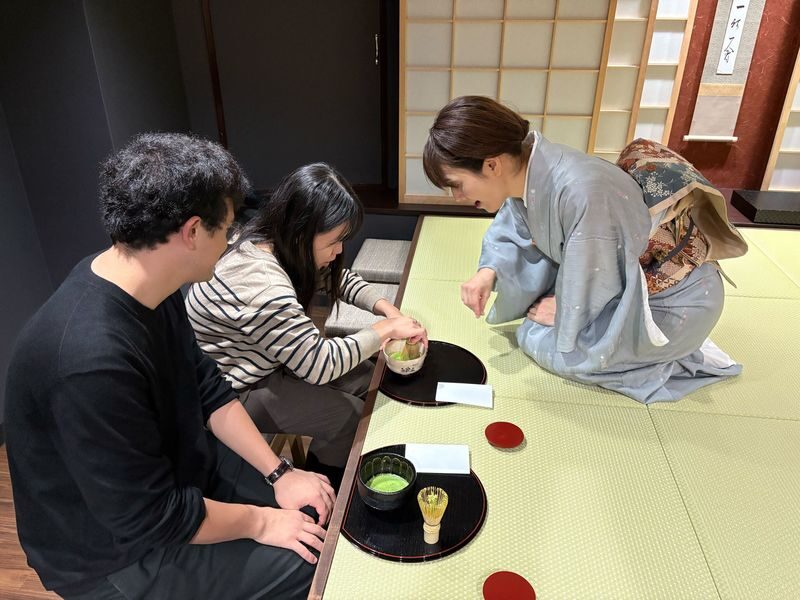
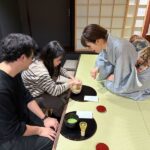
Next comes a live demonstration of chanoyu, the Japanese tea ceremony. Watch how the host prepares and presents the tea, then hear what the actions mean. That explanation is the heart of the experience. Without it, the measured movements might seem like choreography; with it, you can follow the intention behind them.
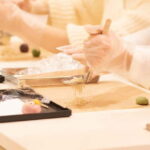
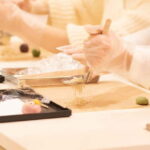
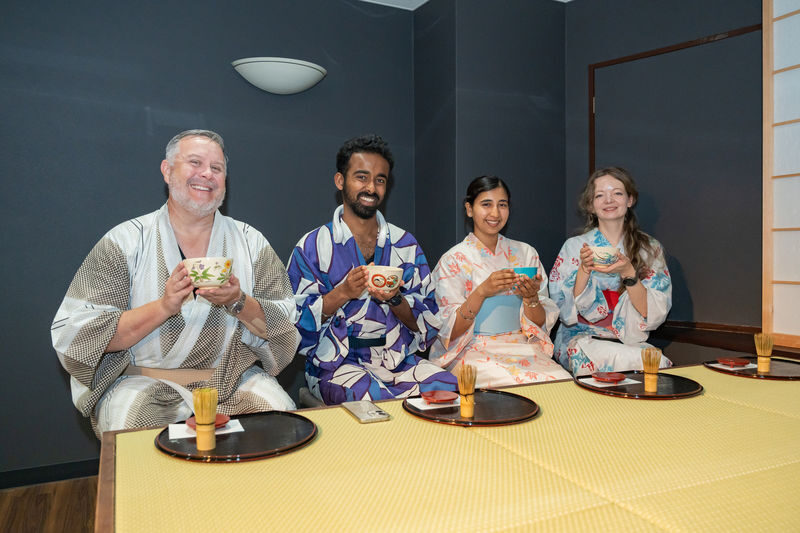
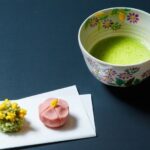
The sweets arrive as part of the tea experience, not as an afterthought. Wagashi, traditional Japanese confections, are selected by the tea master from long-established Kyoto confectioners and paired with matcha. Their sweetness offers a counterpoint to the tea’s strong, distinctive flavor. If you are new to matcha, tasting the two together gives you a better sense of why sweets are served alongside it.
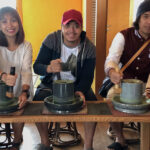
Then you take your turn. The tea master guides you through whisking your own bowl with premium matcha sourced from a local family-run tea farm. You do not need to arrive with any experience. The point is to try the method, get a feel for the whisk, and learn the basic etiquette for drinking the tea.
There is time for questions, too. The conversation can range from the practical details of preparing matcha to the ceremony’s history and customs. A take-home recipe gives you a straightforward way to try the drink again, though you will need your own matcha and equipment if you want to repeat the full preparation at home.
What the chair-style setting changes
The setting is designed for comfort, with chair-style seating arranged around the tea demonstration. Some seating is described as a backless wooden stool, so do not assume it is a cushioned dining chair. Still, you will not be asked to sit on the floor in a formal kneeling position, and the arrangement gives participants a clear view of the host.
That is a meaningful feature if floor sitting is uncomfortable for you, or if you would rather concentrate on the lesson than on keeping your legs folded. The activity is listed as wheelchair-accessible. If you need details about the precise room layout for your own needs, it is sensible to confirm them before booking.
The room is on the fifth floor of a building in central Gion. The setting offers a convenient, organized place to learn, but it is not presented as a garden ceremony or a visit to a historic tea house. If your priority is a hands-on cultural explanation in a comfortable indoor space, this format fits. If you are seeking a highly formal ceremony in a traditional architectural setting, this may not be the version you have in mind.
The tea masters make the lesson personal
The hosts vary by session. Names associated with the experience include Yuko, Akemi, Kenta, Kento, Ria, and Yukari, among others, but you should not book expecting a particular tea master unless that is confirmed for your date.
What matters more is the teaching style: the session is meant to be clear, warm, and informal. The tea master explains the steps in English, demonstrates the process, and gives you guidance while you make tea. The question-and-answer time helps make the hour feel like a lesson rather than a performance you simply watch.
I especially like that the instruction covers both what to do and why. You learn the etiquette of drinking the tea as well as how to whisk it. That context can make the rest of a Kyoto visit more rewarding: a matcha sweet or tea shop menu is no longer just another item to order, but part of a tradition you have begun to understand.
Choosing a time and getting there on time
You can choose from start times at 9:30 AM, 11:00 AM, 12:30 PM, 2:00 PM, 3:30 PM, 5:00 PM, or 6:30 PM. The earliest session offers a quiet way to begin a day in Gion. Later slots can fit around sightseeing, but remember to leave enough time to reach the building and find the fifth-floor room.
Arrive five minutes before your selected start. Latecomers cannot join after the session begins, and missed sessions are not refundable. This is a short, scheduled class rather than an activity where you can drift in when convenient.
The meeting point is at the venue, and you make your own way there. No transport is included. The return time depends on your selected start and the hour-long schedule; available return times range from 10:30 AM to 7:30 PM.




What the price includes, and what it does not
Prices start at $25.29 for the standard plan, though the amount can change with availability and booking details. For about an hour, the price includes the English-speaking guide, admission, matcha from a local family tea farm, Kyoto wagashi, a live demonstration, guided practice, and a take-home recipe.
That is solid value if you want more than a quick tasting. You are paying for explanation and participation as well as the tea and sweets. The lesson gives you a basic understanding of the ceremony and a chance to prepare matcha yourself, which makes it a more useful introduction than simply watching a host make a bowl.
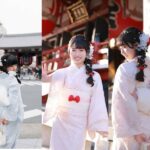
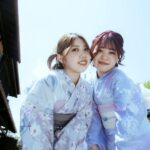
There is also a Kimono Rental + Tea Ceremony package. The standard plan does not include kimono rental, and the details of that package are not specified here, so check what is included before choosing it. Personal expenses beyond the listed inclusions are not covered.
Who will get the most from this hour
This is a good choice for first-time visitors who want a concise, guided introduction to Japanese tea culture. It works well for couples, families with older children, and anyone curious about matcha but unsure how to prepare it. Children must be at least six years old; because matcha contains caffeine, it is not recommended for children under five.
You do not need to like matcha already. The ceremony gives you a chance to taste it with wagashi and understand how it is prepared. If you are unsure about the flavor, the small, guided serving is a gentler way to try it than ordering a full drink without context.
The activity may be less suitable if you have a serious medical condition or heart disease, or if you are pregnant, as it is not recommended for those situations. Also consider the caffeine if you are sensitive to it. The session is short, but the tea is part of the experience rather than an optional extra.
Should you book the Gion tea ceremony?
Book it if you want to understand the gestures behind a tea ceremony, make matcha with guidance, and enjoy Kyoto sweets in a comfortable setting. The English explanations, chair-style seating, and relaxed question time make it especially approachable for beginners.
Choose another activity if you are mainly after a long, highly formal ceremony, a garden setting, or a full kimono experience included in the standard price. For a practical, one-hour introduction to matcha and hospitality in Gion, this is an easy experience to fit into a Kyoto day. Just choose your time carefully and arrive early.
Kyoto: Traditional Tea Ceremony with Matcha and Sweets in Gion
“very informative, very interesting. learned a lot”
FAQ
How long does the tea ceremony last?
The session lasts about one hour. The tea ceremony and instruction typically take around 50 to 60 minutes.
Where does the activity meet?
Meet at Tea Ceremony Kyoto Gion by Japan Wonder Travel, Yamatocho 1, Higashiyama Ward, Kyoto. The room is on the fifth floor.
How early should I arrive?
Arrive five minutes before your selected start time. You cannot join once the session has begun, and late arrivals or no-shows are not refunded.
What start times can I choose?
Available start times are 9:30 AM, 11:00 AM, 12:30 PM, 2:00 PM, 3:30 PM, 5:00 PM, and 6:30 PM. Availability can depend on the option you select.
Is the activity suitable for beginners?
Yes. The session is designed as a relaxed introduction, with a demonstration, explanations of etiquette, and step-by-step guidance as you whisk your own matcha.
What is included in the standard plan?
The standard plan includes admission, an English-speaking guide, premium local matcha, traditional wagashi, a tea ceremony demonstration and history session, guided matcha preparation, comfortable seating, and a take-home recipe.
Do I have to sit on the floor?
No. The activity uses chair-style seating. It is also listed as wheelchair-accessible.
What is the minimum age?
Participants must be at least six years old. Matcha contains caffeine and is not recommended for children under five.
Can I cancel for a refund?
You can receive a full refund if you cancel at least 24 hours before the activity date, using local destination time. If the operator cancels because of an unforeseen event or extreme weather, you can reschedule or request a full refund.