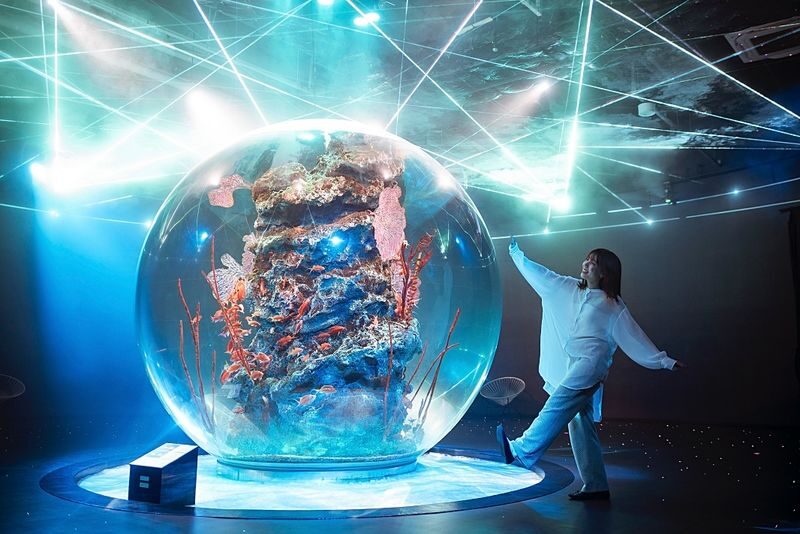
átoa turns an aquarium visit into a walk through staged worlds: fish, lighting, sound and digital art share the same rooms. The giant spherical tank in the PLANETS zone is the headline, with a laser show that gives the deep-sea theme a theatrical edge.
I like two things in particular: the art gives familiar sea life a fresh setting, and the rooftop adds animals such as penguins, capybaras and otters to the usual aquarium mix. One consideration: this is a compact, atmospheric attraction, not a sprawling marine park, and some visitors may find certain animal enclosures small.
- Key points before you go
- An aquarium staged like a series of small worlds
- PLANETS and the great spherical tank
- Rooftop animals and harbor air
- How long to allow, and how the visit flows
- Tickets, price and the real value
- Getting to átoa in Kobe
- Hours, crowds and small practical matters
- Who will enjoy átoa most?
- Should you book átoa?
- FAQ
- How long should I plan for átoa?
- What are átoa’s usual opening hours?
- How do I get to the aquarium by train?
- Do I need to exchange my voucher for a ticket?
- Are children allowed to visit without an adult?
- Can I bring food, drinks or a pet inside?
- The Best Of Kobe!
- More Tickets in Kobe
- More Tours in Kobe
- More Tour Reviews in Kobe
- Not for you? Here's more nearby things to do in Kobe we have reviewed
Key points before you go
 1 / 5
 2 / 5
 3 / 5
 4 / 5
 5 / 5
- Eight themed zones bring together about 3,000 creatures from around 100 species and roughly 50 works of art.
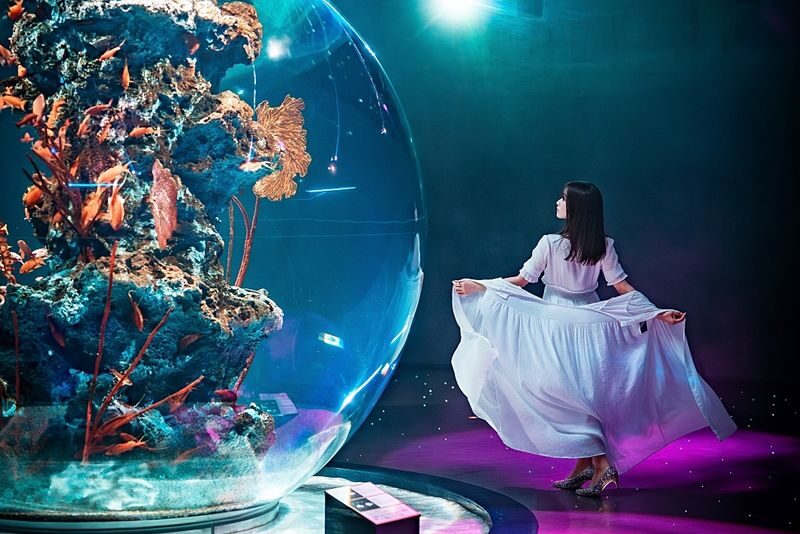
- PLANETS and its spherical tank combine a large aquarium display with laser effects inspired by space and the deep sea.
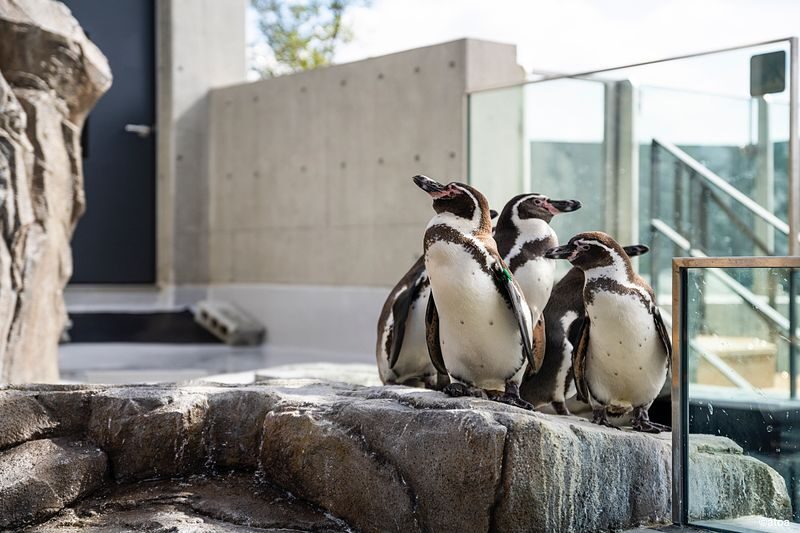
- The rooftop is easy to miss if you hurry through the building. Look for penguins, capybaras and otters, then pause for views over Kobe Port.
- Allow one to three hours. Many visitors spend about 90 minutes, but reading displays, taking photos and visiting the café can extend the visit.
- The ticket starts at $16.45. It can be good value for an indoor Kobe stop, especially if you take your time through the themed displays.
- Check entry instructions and hours. Depending on the package, you may need to exchange a voucher at the second-floor ticket window, while some tickets use a QR code for entry.

👉 See our pick of the Best Workshops And Classes In Kobe
An aquarium staged like a series of small worlds
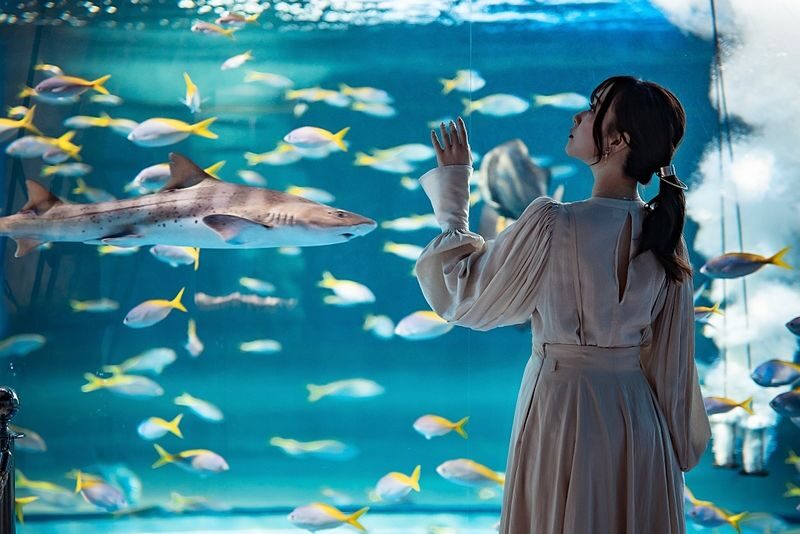
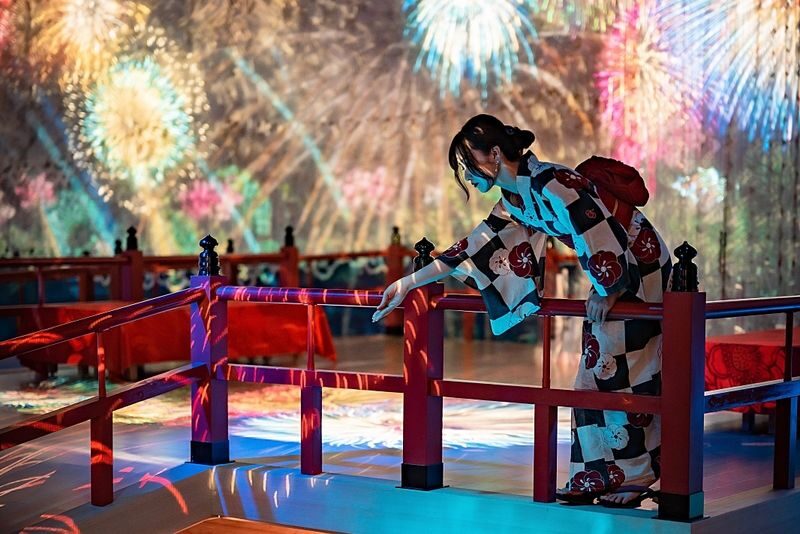
Kobe’s átoa is not built around the familiar idea of moving from one enormous tank to another. Instead, you pass through eight zones that pair aquatic life with carefully designed lighting, art and digital effects. The attraction describes its collection as about 3,000 creatures across around 100 species, alongside some 50 art pieces.
That approach changes the pace. You may stop to watch a jellyfish move through a softly lit tank, then find yourself in a room where color and projections shape the mood as much as the animals do. The result is visually striking, and it gives you plenty of photo opportunities. It is also a place where the presentation can compete with the creatures for your attention.
I would go with the right expectation: átoa is an urban aquarium with an art-led design, not a large, traditional aquarium devoted to long rows of expansive habitats. If you want a short indoor outing with a strong visual identity, that compact format works well. If your priority is extensive displays or a large-scale marine park, you may want a different attraction.
You can also read our reviews of more tours and experiences in Kobe


PLANETS and the great spherical tank
The PLANETS zone is the main event. Its large spherical aquarium, called AQUA TERRA, anchors a room themed around outer space and the deep sea. The scale and shape make it unlike a standard rectangular tank, while the laser performance adds another layer of spectacle.
This is the place to slow down rather than snap one photograph and move on. Watch how the fish move around the sphere, then take in the lighting and the room as a whole. The effects are designed to make the tank feel theatrical. That can be transporting, but visitors who prefer subdued, naturalistic displays may find the showy lighting less to their taste.
A second memorable feature is the transparent glass-bottomed stepping tank. It offers an unusual way to look at the water below your feet and can be a hit with children, though it may draw a crowd. Be patient if you want a clear view or a photo without other people in the frame.
Across the aquarium, the art does more than decorate the walls. Its lighting and room design help distinguish one zone from the next, which gives a relatively small attraction a sense of variety. You may see fish and other aquatic creatures in settings that feel more like an installation than a conventional exhibit. The trade-off is that the atmosphere can sometimes make it harder to focus on the animal information.
Rooftop animals and harbor air
Do not finish your visit without checking the rooftop area, called SKYSHORE. It includes penguins, capybaras and otters, and it gives the aquarium a welcome change of scene after the darker, more controlled indoor displays. The views over Kobe Port are another reason to linger, especially if you arrive later in the day and the light is changing.
Some of the strongest animal encounters here are close-up ones. You may see otters moving about, capybaras eating, or penguins at fairly close range. Turtles, including large ones described as moving freely through an exhibit area, are another unusual sight. The mix extends beyond sea life, with reptiles, tortoises, frogs and other small animals in the building.
The closeness has a downside worth considering. One visitor described some animal spaces as too small, and that concern may matter to you if animal welfare is a central part of how you choose attractions. I cannot resolve that question from a visit description alone, so I would encourage you to look carefully at the habitats and decide how comfortable you are with what you see. The visual design is appealing, but it should not be the only thing you consider.
The rooftop is also easy to overlook because the interior displays keep drawing your eye onward. Make a point of following the route through all the floors, including the upper levels. Visitors have nearly missed the rooftop animals by leaving before reaching them, and that would mean skipping some of átoa’s most distinctive residents.
How long to allow, and how the visit flows
The advertised visit duration is one to three hours. For a brisk walk through the exhibits, you might manage in about an hour. If you pause for the displays, take photographs, wait at popular viewing spots and visit the café, plan closer to 90 minutes or more.
The route takes you through several floors, from the lower exhibition areas up toward the fourth floor and rooftop. The themed rooms create a natural sequence, but the experience is not a guided tour with a named guide or a fixed timetable. You set your own pace and can spend longer in the displays that catch your interest.
A practical plan is to give yourself enough time to see every level, then decide on the spot whether the café fits your schedule. The building’s café offers animal-themed food and drinks, including photogenic items, but café purchases are not part of the admission ticket. Outside food and drinks are not allowed inside the venue.
For a rainy day, átoa is a useful indoor choice. It also works well as a shorter stop between other Kobe activities, rather than needing a full day of its own. Because re-entry is not allowed, take a break or eat before you enter if you expect to want a longer pause.
Tickets, price and the real value
Admission starts at $16.45, with package options that can pair átoa with Kobe Port Tower or a Kobe one-day loop bus ticket. Prices and inclusions depend on the option you select, so compare the exact package details rather than assuming every ticket includes the same extras.
For admission alone, I see the best value if you enjoy the art-and-aquarium concept and take time to explore the whole building. The displays are beautiful and varied, but the aquarium is relatively compact. If you expect hours of large tanks and broad marine collections, the ticket may feel less compelling. If you like visual design, photography and unusual animal encounters, the visit offers more than a quick look at fish.
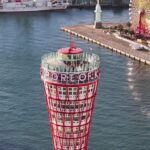
A combo with Kobe Port Tower can make practical sense if both attractions are already on your list. The tower’s observation floor is listed as open from 9:00 to 23:00, while átoa’s regular hours are 10:00 to 19:00. Check current operating details before planning the order, since private events, maintenance or other circumstances can affect hours. Some visitors also find direct purchase at the tower more economical if they qualify for a local or age-based discount, so check the tower’s official terms before choosing a bundle.
There is also a package with a Kobe one-day loop bus ticket. That may help if you plan to use the bus around the city, but the bus pass exchange point can be hard to locate. Check where to collect it before setting off, rather than assuming it is picked up at the aquarium entrance.


Getting to átoa in Kobe
The address is 7-2 Shinkocho, Chuo Ward, Kobe, Hyogo 650-0041, inside Kobe Port Museum. From Motomachi Station, the walk is about 15 minutes south. From Sannomiya Station, allow about 18 minutes on foot. Those are manageable city walks, though you can also take a Port Loop bus or a Port Island-bound bus from SHINKIBUS Sannomiya Ekimae and get off at Shinkocho.
The ticket instructions say to present your voucher and exchange it for a physical ticket at the átoa second-floor ticket window. Some package types, and some visitors’ booking experiences, use a QR code for direct entry. Do not assume the process is identical for every option: follow the instructions attached to the specific ticket you buy.
The voucher is valid for 30 days from booking confirmation and expires at 18:30 on its final day. The date selected during booking is described as an estimated redemption date, not necessarily a fixed visit appointment. Check the validity window carefully before purchase, and make sure you visit before it expires.
Hours, crowds and small practical matters
Regular hours are listed as 10:00 to 19:00, with last admission 30 minutes before closing. Hours can change because of maintenance, private events or other circumstances, and peak dates may bring queues or entry limits. The attraction has also listed special seasonal hours for particular dates, so check the official information close to your visit rather than relying on a saved schedule.
Weekdays, especially earlier in the day, may offer a calmer visit. Weekends and peak periods can be busier, which matters in rooms built around popular photo angles and close animal views. Photography is allowed, but do not use flash where prohibited, block a display with large equipment or live-stream inside. These rules protect the animals and make the rooms easier for everyone to enjoy.
Children aged zero to two enter free. Children aged 13 and older pay the adult rate, and children aged zero to 12 must be accompanied by a parent or guardian. The supplied terms also state that from March 1, 2025, each adult may bring one child aged three or older for free admission. Since child offers can have conditions, confirm the terms that apply to your chosen ticket.
Pets are not permitted, except service animals with valid identification. The venue does not allow outside food or drinks, and there is no re-entry once you leave. Those details are easy to plan around, but they matter if you are visiting with a family or want to combine the aquarium with a meal.
Who will enjoy átoa most?
I would put átoa high on the list for families looking for an indoor activity with varied sights and a manageable visit length. Children may enjoy the unusual tank shapes, glass-bottomed feature and rooftop animals, while adults can appreciate the lighting, art and harbor views. It can also suit couples or solo visitors who enjoy a photogenic, carefully designed space more than a long, fact-heavy aquarium.
It is a sensible choice on a rainy day, or as part of a Kobe port-area outing. You can pair it with the Port Tower if you want a second attraction, or use the loop bus package if it fits your wider plans. The café is a pleasant add-on, but it is not essential to the visit.
I would be more cautious if you are an aquarium purist or particularly concerned about animal enclosures. The art and staging are central to átoa’s appeal, and some visitors may judge the habitats differently. Go with an open mind, but pay attention to the animals as well as the lighting.
Should you book átoa?
Book átoa if you want an atmospheric, relatively short Kobe attraction with a giant spherical aquarium, striking lighting, unusual displays and rooftop animals. It offers a distinctive change from a standard aquarium visit, and the combination of art, sea life and harbor views makes it a useful stop in the city.
Skip it if you want a large marine park or know that close animal displays may leave you uneasy. Before buying, check the ticket’s entry method, validity dates, any combo inclusions and current opening hours. If those details suit your plans, allow around 90 minutes and make sure you reach the rooftop before calling it a day.
Kobe Urban Aquarium AQUARIUM ART atoa Admission Ticket
“very pleasant experience, my parents enjoyed it so much! Lot of interactive actvities!”
FAQ
How long should I plan for átoa?
The suggested visit duration is one to three hours. Many people can see the main displays in about 90 minutes, with extra time useful for photographs, reading exhibit information or stopping at the café.
What are átoa’s usual opening hours?
The aquarium is generally open daily from 10:00 to 19:00, with last admission 30 minutes before closing. Hours may change for maintenance, private events, peak periods or other circumstances, so check before you go.
How do I get to the aquarium by train?
It is about a 15-minute walk south from Motomachi Station, or about an 18-minute walk south from Sannomiya Station. You can also take a Port Loop bus or a bus bound for Port Island from SHINKIBUS Sannomiya Ekimae and get off at Shinkocho.
Do I need to exchange my voucher for a ticket?
The voucher instructions say to exchange it for a physical ticket at the átoa second-floor ticket window. Some package types may provide QR-code entry, so check the instructions for the exact ticket you booked.
Are children allowed to visit without an adult?
No. Children aged 12 and under must be accompanied by a parent or guardian. Children aged 13 and older are charged the adult rate, while children aged zero to two enter free.
Can I bring food, drinks or a pet inside?
Outside food and drinks are not allowed, and pets are not permitted. Service animals with valid identification are the exception.