Arashiyama’s bamboo path, Nara’s free-roaming deer and Fushimi Inari’s rows of red gates make a memorable trio, but fitting them into one day calls for steady pacing. This tour links the three by shared vehicle, saving you the job of navigating between cities and stations.
I like the 150 minutes in Arashiyama, which gives you a chance to choose between the bamboo grove, Togetsukyo Bridge and an optional kimono or rickshaw experience. I also like having 90 minutes at Fushimi Inari, enough to walk through the famous gates and explore beyond the first photo spot.
The trade-off is a tight schedule, especially in Nara, where 70 minutes is not much time for deer, lunch and a visit to Todai-ji. Also, the route details need checking: this schedule lists Arashiyama, Nara Park and Fushimi Inari, while some package names and promotional details refer to other Kyoto stops.
- The short version
- What this day trip actually covers
- Arashiyama: bamboo, bridge and choices
- Nara Park: deer first, temple or hill second
- Fushimi Inari: red gates and a tempting uphill trail
- What the price covers, and what it does not
- The pace, the vehicle and the points to check
- Who should book this tour?
- FAQ
- Where does the tour meet?
- Which places are included in the scheduled route?
- How much time is planned at each stop?
- Are kimono rental and rickshaw rides included?
- Are meals and deer crackers included?
- Is a tour guide guaranteed?
- The Best Of Kyoto!
- More Tours in Kyoto
- More Tour Reviews in Kyoto
- Not for you? Here's more nearby things to do in Kyoto we have reviewed
The short version
 1 / 8
 2 / 8
 3 / 8
 4 / 8
 5 / 8
 6 / 8
 7 / 8
 8 / 8
- Arashiyama gets the longest stop: Allow 150 minutes for the bamboo path, Togetsukyo Bridge and nearby sights. Kimono rental and rickshaw rides cost extra.
- Nara is a quick encounter: You have 70 minutes for the park, deer and any nearby sights you choose to prioritize.
- Fushimi Inari gets 90 minutes: Walk beneath the Senbon Torii gates, but don’t expect to reach every trail or viewpoint.
- Transport is the main value: The price starts at $44.85 and includes shared round-trip transfers, tolls, parking and fuel.
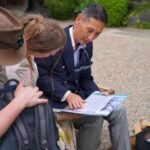
- Expect free time, not a guided walking tour: Depending on group size, a guide may accompany you, or the driver may handle the transfers and meeting times.
- Confirm your exact route and drop-off: The itinerary supplied for this tour does not include Kiyomizu-dera, Gion or Yasaka Shrine, despite references to those places elsewhere in the package details.
👉 See our pick of the 25 Best Workshops And Classes In Kyoto
What this day trip actually covers
The scheduled day begins at Kyoto Station’s Hachijo Exit, with an 8:30 meeting time and an 8:40 departure. You travel between three major sights, with planned free time at each, then return to Kyoto around 17:05. An Osaka drop-off at Dotonbori is listed for about 18:20.
That format suits you if you want transport arranged and prefer to explore independently. It is less suited to anyone hoping for a guide to lead a detailed tour at every stop. Some groups of fewer than 12 are assigned a vehicle with a driver but no tour guide; larger groups are scheduled with a driver and guide. English, Chinese, Japanese and Korean are listed as guide languages, but the actual arrangement can depend on group size and package.
There is an important route wrinkle. The detailed schedule names Arashiyama, Nara Park and Fushimi Inari. Other package wording refers to Kiyomizu-dera, Gion, Hanamikoji and Yasaka Shrine. Those places should not be treated as guaranteed stops on this particular route. Check the exact package and confirmation before you book, especially if one temple is the main reason for your day out.
You can also read our reviews of more tours and experiences in Kyoto.
Arashiyama: bamboo, bridge and choices
Arashiyama is the day’s first stop, scheduled for 150 minutes. That is a generous block compared with the later stops, but it is still a menu of choices rather than time to see everything at leisure.
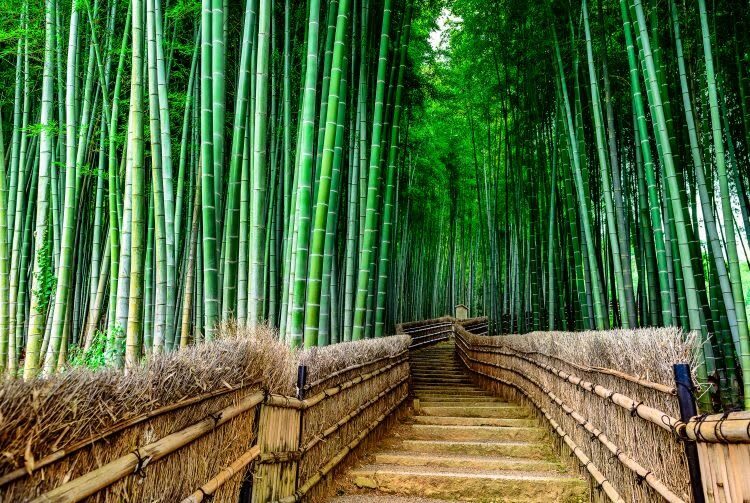
The Sagano Bamboo Forest Path is the signature walk. Tall bamboo forms a green corridor, and shifting light gives the route a quiet, almost enclosed feel. It is also popular, so don’t count on having the path to yourself. Go for the atmosphere and the view, not a private photo session.
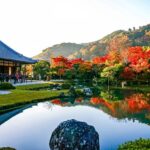
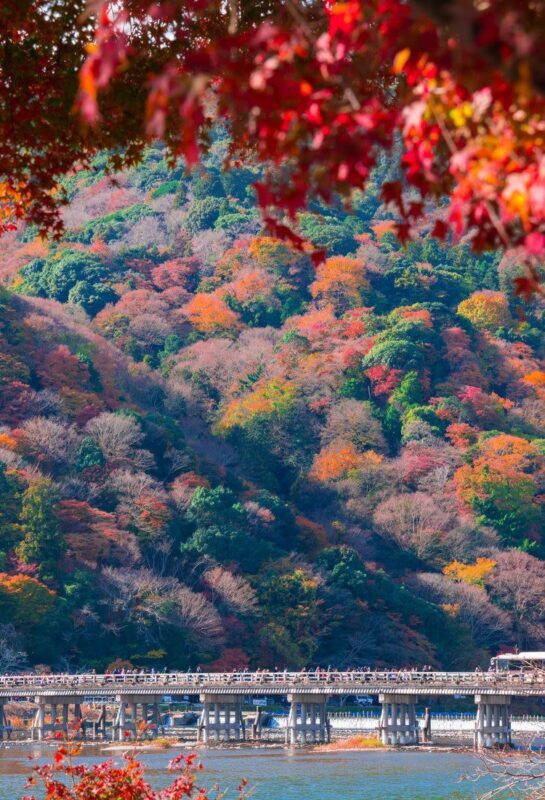
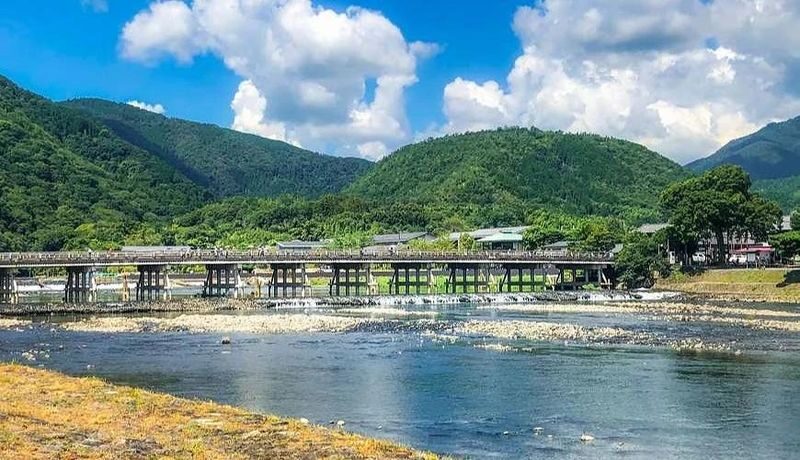
Togetsukyo Bridge offers a different side of Arashiyama: an open view across the river and surrounding hills. The area has long been associated with Kyoto’s seasonal scenery, and it is especially well known for spring blossoms and autumn color. The appearance changes with the season, so the best-looking photographs in promotional images may not match the day you visit.
Tenryu-ji is named among the tour’s activities, but the schedule describes free time and notes that some attractions may be skipped because of capacity or weather. Don’t assume a temple visit or admission is included unless your booking confirms it. With only 150 minutes, you may need to choose between the bamboo path, temple grounds, bridge, shopping streets, a meal or a paid experience.
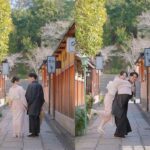
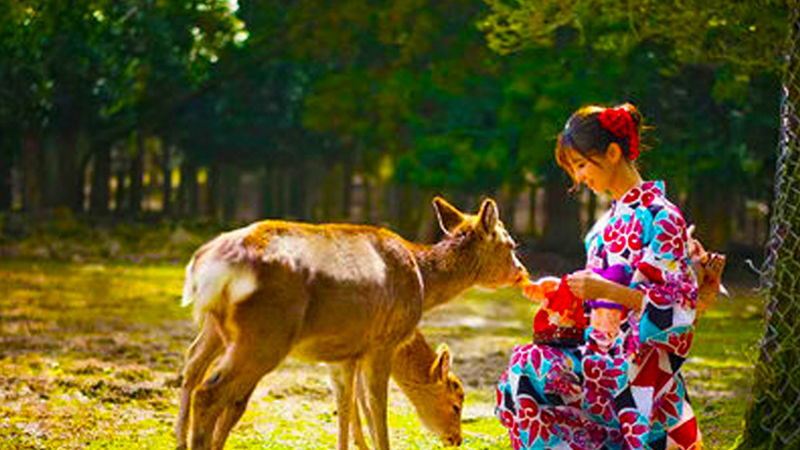
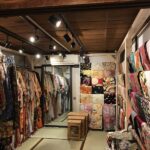
Kimono rental and rickshaw rides are optional and at your own expense. They can add a special touch to a stroll, but they also use time. If either matters to you, decide before arrival rather than spending your first half-hour comparing options. I’d start with the bamboo path and bridge, then add a paid activity only if the timing works.
Nara Park: deer first, temple or hill second
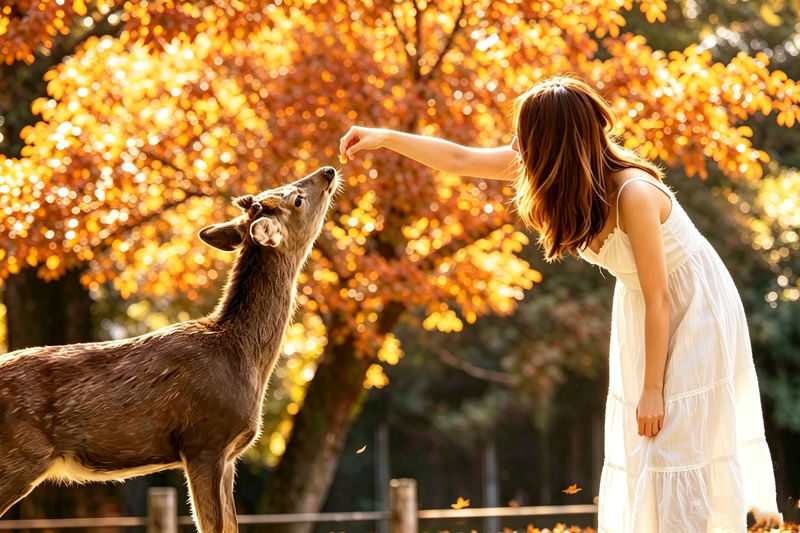
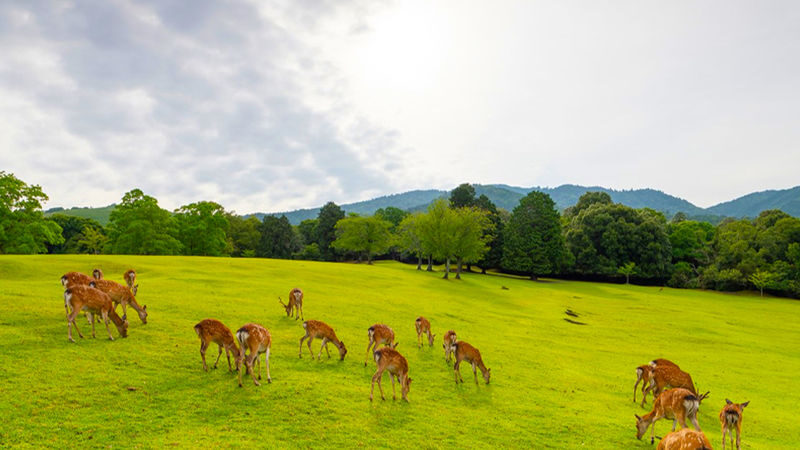
The Nara stop lasts 70 minutes. Nara Park is known for its free-roaming deer, which approach people carrying deer crackers. Buy crackers locally if you want to feed them; they are not included in the listed tour price. Keep your food put away until you are ready, and be alert once the deer notice it. The animals are accustomed to people, but a cluster of eager deer can make a snack feel like a popular public event.
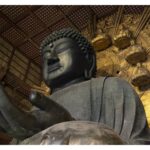
The park also gives you access to major sights such as Todai-ji and Kasuga Taisha. But a 70-minute stop is a short window for the deer, a temple visit and lunch. One useful way to plan is to pick your priority before the vehicle arrives. If you want to see Todai-ji’s Great Buddha Hall, head there first and leave time for the walk back to the meeting point. If the deer are your main goal, stay near the park paths and enjoy the encounter without trying to squeeze in a distant sight.
Mount Wakakusa is mentioned as a viewpoint over Nara, but a climb takes time. Treat it as a choice, not an extra you can casually tack onto deer feeding and a temple visit. The schedule may shift with traffic, so keep an eye on the meeting time and allow a few minutes to return to the vehicle.
Lunch is not included. The guide may recommend local food, but you should budget separately and keep the stop short enough to reach the agreed meeting point. This is not the best day to plan a long sit-down meal.
Fushimi Inari: red gates and a tempting uphill trail
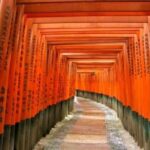
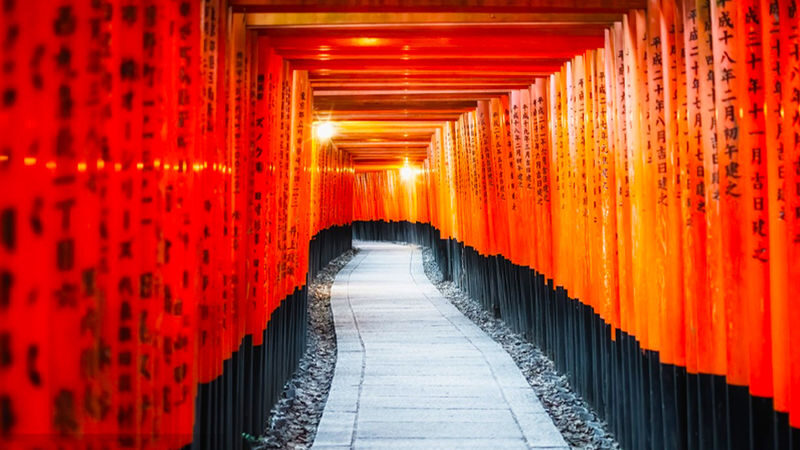
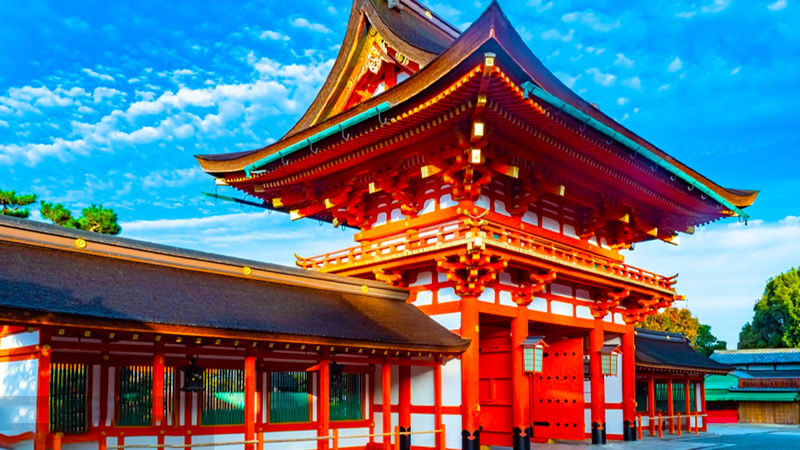
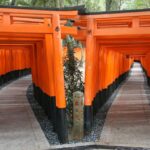
The final listed sightseeing stop is Fushimi Inari Taisha, scheduled for 90 minutes. The shrine is dedicated to Inari Okami, associated with harvests and business prosperity. Its most famous feature is the Senbon Torii, the rows of red gates that form tunnels along the hillside paths.
The first section is striking, and it is where many people stop for photographs. The trail continues uphill, so 90 minutes gives you time to walk beyond the entrance, but not necessarily to complete a long circuit and return without watching the clock. The farther you go, the quieter the path can feel, but your walk should be governed by the vehicle’s departure time.
The shrine is a working place of worship as well as a popular sight. Take photos with care, keep paths clear and remember that the gates are not just a backdrop. If you want to explore higher up the mountain, ask the guide where and when to meet, and set a firm turnaround time.
The schedule makes Fushimi Inari the last stop before the return journey. That can work well if you want one last walk, but do not assume you can stay indefinitely and catch a train later. Some people may choose to leave the group and continue independently, but the tour’s rules say there is no refund for leaving early. Arrange your own onward travel only if you are comfortable giving up the group return.
What the price covers, and what it does not
At a starting price of $44.85, the strongest value is practical: shared transport connects three places that would otherwise require separate planning and transfers. Toll fees, parking and fuel are included, and the tour lists round-trip transfers from its meeting point. If you are based in Osaka or Kyoto and want a busy sampler without driving, that can be a sensible deal.
The price does not cover meals, drinks, personal purchases, tips or insurance. Kimono rental and rickshaw rides are also optional extras. Deer crackers should be treated as an additional purchase, not a supplied item. Those costs can add up, so the advertised starting price is best understood as the transport-and-sightseeing framework, not the total cost of your day.
You are also paying for convenience rather than deep interpretation. The stops are self-guided free time, and the guide’s role may focus on coordination and travel information. Some recent guide names associated with different departures include Tina, Zoey, David, Rick and Hugo, but the person assigned to your trip is not guaranteed. A small-group vehicle may have no separate guide at all.

The pace, the vehicle and the points to check
The route is a shared ride, so you travel with other people and need to stick to the meeting times. The operator allows a short wait for late arrivals, then the group may move on. If you value flexibility above all, a private hire or separate train itinerary may suit you better.
Traffic and weather can alter the order of stops or reduce time at attractions. Weekends and Japanese holidays can bring heavy congestion, and evening arrival may be delayed. Keep your plans after the tour flexible rather than booking a timed dinner or performance that depends on a precise return.
The vehicle is assigned according to group size. For groups under 12, the arrangement may be a vehicle with fewer than 14 seats and a driver only; larger groups are scheduled with a driver and a guide. If you have large luggage, tell the operator when booking, as vehicle capacity is limited. Sealed snacks and unopened drinks may be carried, but eating is not allowed inside the vehicle.
Check your email the day before departure for the meeting details, vehicle information and contact instructions. The supplied information gives two different email windows, so keep your phone available and check your spam folder. Arrive at the Kyoto Station Hachijo Exit meeting point 10 minutes early. Late arrival and no-shows are not refundable.
The tour does not include travel insurance. The operator also lists health restrictions for people with certain medical conditions and says the activity is not recommended for people with impaired mobility or pregnant participants. Read the terms carefully and contact the operator if you are unsure whether the route suits you.
Who should book this tour?
I’d choose this day trip if you have limited time, want to see three famous places in one outing and are happy to explore each stop on your own. The transport is the draw. It takes the friction out of moving between Kyoto and Nara, while the free-time format lets you set your own pace within each stop.
It is a good fit for first-time visitors who want a broad introduction and for people who would rather not manage several train connections. It also works if you are content to choose one or two priorities at each stop instead of trying to cover every temple, trail and food stall.
I would skip it if you want a slow day, a long visit to Todai-ji, a full Mount Wakakusa climb, or an in-depth guided tour. Most of all, check the exact route before paying. If Kiyomizu-dera, Gion or Yasaka Shrine is essential, confirm that your chosen departure actually includes it. For the three-stop itinerary described here, book for Arashiyama, Nara Park and Fushimi Inari, and keep your plans nimble.
Nara Park & Arashiyama & Fushimi Inari-taisha Senbon Torii One-Day Tour (Departing from Osaka/Kyoto)
“We had a wonderful time exploring Nara and Kyoto with my fellow doctor friends! 🇯🇵❤️ The trip was smooth, enjoyable, and filled with beautiful memo…”
FAQ
Where does the tour meet?
The listed meeting point is the Kyoto Station Hachijo Exit sightseeing bus boarding area. Meet at 8:30 for the 8:40 departure and arrive 10 minutes early.
Which places are included in the scheduled route?
The detailed schedule lists Arashiyama, Nara Park and Fushimi Inari Taisha. Other package details mention places such as Kiyomizu-dera and Gion, so confirm your selected package if you expect those stops.
How much time is planned at each stop?
The schedule allows 150 minutes in Arashiyama, 70 minutes at Nara Park and 90 minutes at Fushimi Inari. Traffic, weather and crowd conditions can change the order or length of stops.
Are kimono rental and rickshaw rides included?
No. Both are optional Arashiyama activities at your own expense.
Are meals and deer crackers included?
Meals and beverages are not included. Deer crackers are not listed among the inclusions, so budget to buy them separately if you want to feed the deer.
Is a tour guide guaranteed?
The tour lists guides in English, Chinese, Japanese and Korean. However, groups with fewer than 12 people may travel in a vehicle with a driver only, without a separate tour guide.