Kyoto’s geisha districts make more sense when you know what you’re looking at. On this four-hour walk, an English-speaking guide takes you through Gion and neighboring neighborhoods, explaining the geisha profession, its training, and daily routines as you pass traditional entertainment houses and residences. You may even hear someone practicing or glimpse a geisha hurrying to an appointment, but sightings are not guaranteed.
I like two things in particular: the focus on cultural context, which helps correct common misunderstandings about geisha, and the chance to see several districts on foot, including Miyagawacho and Gion Kobu. The stop at Kennin-ji adds a quieter, temple-centered pause to a walk otherwise focused on historic streets and working neighborhoods.
The trade-off is that this is a walking tour, not a staged performance or a guaranteed geisha encounter. At $86.95 and up, the price makes most sense if you value a guide’s explanations and want help connecting the places you see to the lives lived there.
- Key points to know before you book
- A walk through districts with different purposes
- Starting at Gion-Shijo Station
- Izumo-no-Okuni and the story behind the districts
- Tatsumi-jinja and the quieter corners of Gion
- Gion Kobu Kaburenjo and the working geisha world
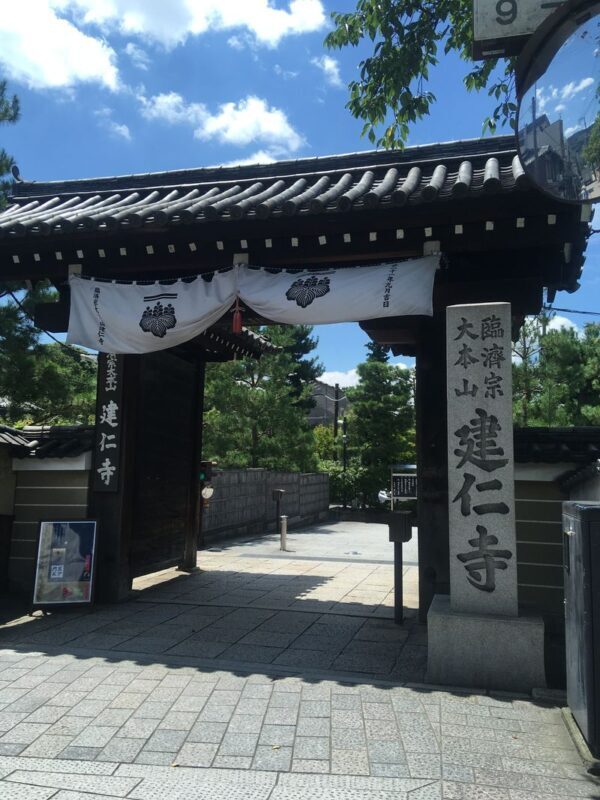
- Kennin-ji Temple brings a quieter turn
- Miyagawacho and the possibility of a sighting
- What the price includes, and what it leaves out
- Practical details for a smoother afternoon
- Who should book this Kyoto walk?
- FAQ
- How long is the Kyoto Geisha Districts tour?
- Where does the tour meet?
- Which neighborhoods does the tour visit?
- Does the tour guarantee a geisha sighting?
- Is the tour private?
- What is included in the price?
- Is the tour suitable for children?
- Is the tour wheelchair-accessible?
- What should I wear?
- What happens if bad weather cancels the tour?
- The Best Of Kyoto!
- More Private Tours in Kyoto
- More Tours in Kyoto
- More Tour Reviews in Kyoto
- Not for you? Here's more nearby things to do in Kyoto we have reviewed
Key points to know before you book
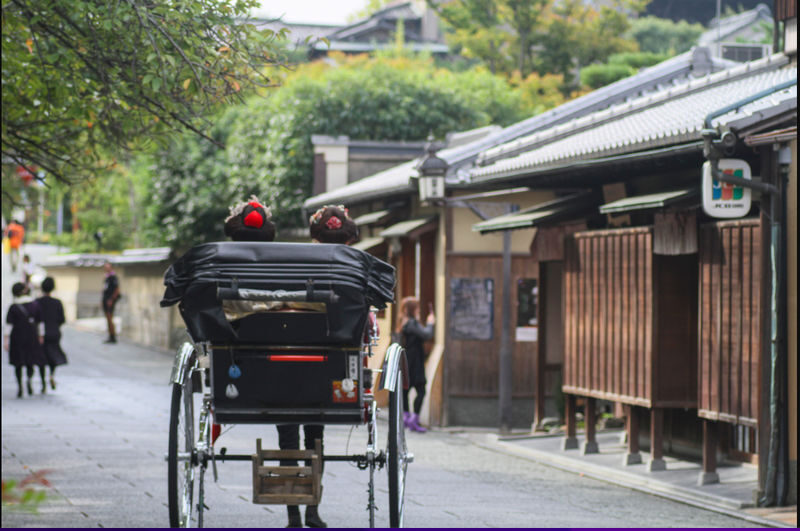
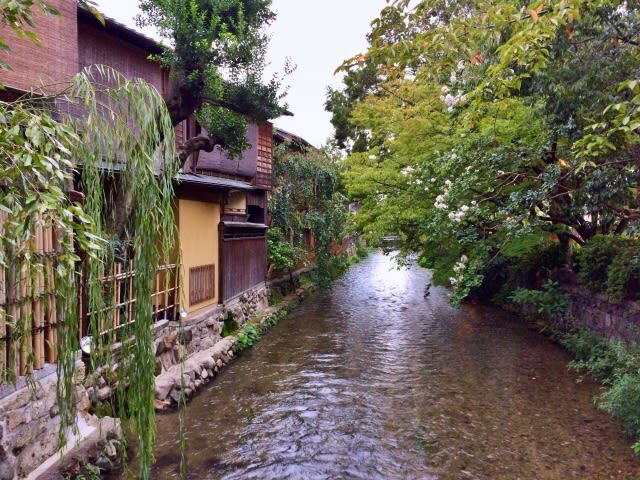
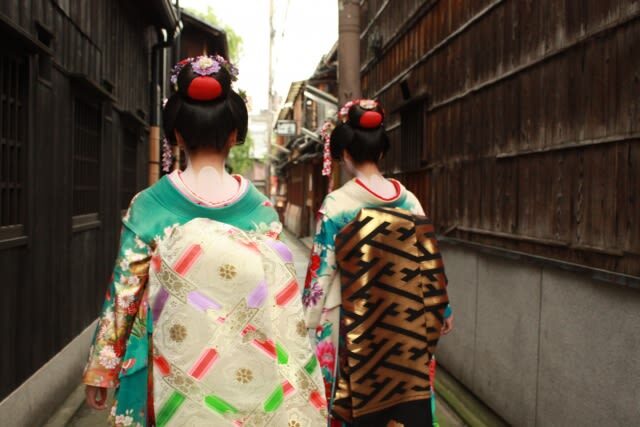
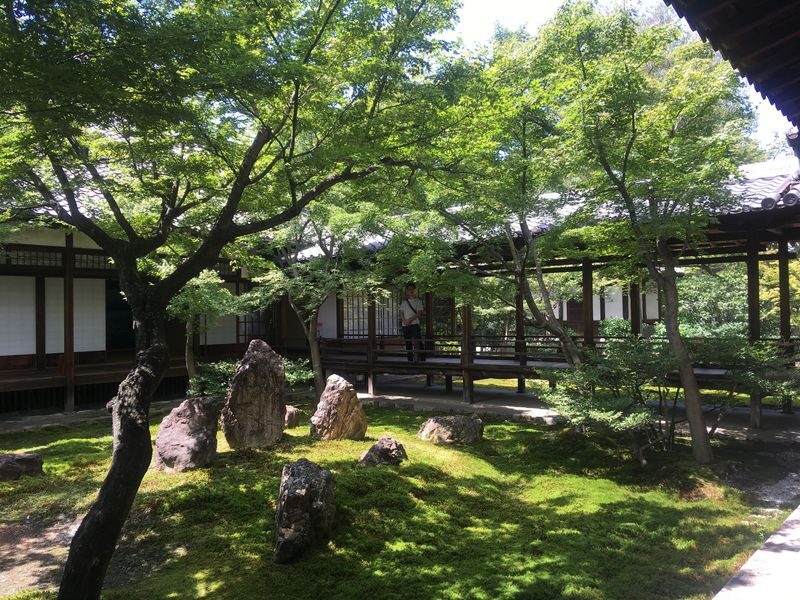
- Gion is one stop among several: The route also takes in Pontocho, Miyagawacho, and sites around Gion Kobu.
- The geisha story is the main subject: Expect explanations of training and daily life, not a formal show.
- Kennin-ji offers a change of pace: The temple stop brings gardens and Zen teachings into a walk focused on entertainment districts.
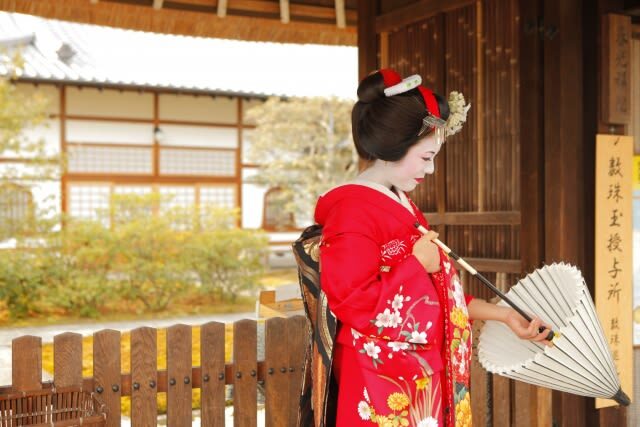
- A sighting is a bonus, not a promise: Geisha and maiko may be working nearby, but the tour cannot guarantee you will see one.
- Plan for four hours on foot: Transport is not included, and the tour is not wheelchair-accessible.
- The guide matters: Past guides have included Naoko, Miki, Ichiro, Koichiro, and Sunshine, with experiences varying by guide.
👉 See our pick of the 25 Best Workshops And Classes In Kyoto
A walk through districts with different purposes
This tour is built around three of Kyoto’s best-known geisha districts, with historic streets and cultural landmarks linking them. Its value is not simply the number of stops. A guide can explain why a street or establishment matters, and what the geisha profession involves, while you’re standing in the area where that life still takes place.
The route includes Pontocho, Gion, and Miyagawacho, along with the Izumo-no-Okuni Statue, Tatsumi-jinja Shrine, Gion Kobu Kaburenjo, and Kennin-ji Temple. The advertised description also mentions Gojyorakuen, once a red-light district. The order and exact stops can change with weather and other conditions, so treat the schedule as a guide rather than a promise of a fixed sequence.
This is a private cultural walk, which is useful if you want to ask questions at your own pace. It is not a show, tea ceremony, or arranged meeting with a geisha. The distinction matters: the tour takes you through places where geisha work and live, but the focus is on learning about the district and its traditions.
You can also read our reviews of more private tours in Kyoto



Starting at Gion-Shijo Station
The meeting point is the ticket gate at Gion-Shijo Station. The tour is listed for either 10 a.m. or 2 p.m., with the specific start time confirmed after booking. The afternoon option is scheduled to finish at 6 p.m., back at Gion-Shijo Station.
Starting near the station puts you close to the streets the tour explores. It also means you should arrive ready to walk, with comfortable shoes and enough time to find the meeting point. Transport is not included in the package, although hotel pick-up and drop-off are available in Kyoto if arranged during booking.
The pace and route may shift according to the day’s conditions. That flexibility can make a private walk more useful than a rigid group schedule, especially if you have questions or want to spend more time on a particular subject. But it also means you should not plan a tightly timed activity immediately afterward.
Izumo-no-Okuni and the story behind the districts
The itinerary begins its listed stops at the Statue of Izumo-no-Okuni, with about 30 minutes scheduled there. The statue gives the guide a natural starting point for talking about Kyoto’s performance traditions and how the city’s entertainment districts developed. Expect the guide to set the scene rather than offer a long museum-style presentation.
The tour is about the geisha profession, a subject often misunderstood by visitors. Your guide explains the process of becoming a geisha and the rhythms of daily life, helping you distinguish cultural work and training from the myths that popular fiction can encourage. If you’ve read or watched Memoirs of a Geisha, the places may feel familiar, but the guide’s explanations are useful even if you haven’t.
Some past guides have brought pictures or video clips to explain the area, and others have been praised for answering questions clearly and adapting the walk to what people wanted to know. Those personal touches can make a difference: the old streets are easier to read when you understand what you are seeing and why it matters.
Tatsumi-jinja and the quieter corners of Gion
Tatsumi-jinja Shrine, also called Tatsumi Dai-myojin, is allotted about 30 minutes. It offers a pause from the larger streets and a chance to consider how shrines sit alongside the district’s traditional entertainment businesses. The tour’s point is not to treat Gion as a preserved set, but to show the cultural landmarks and working places that share its streets.
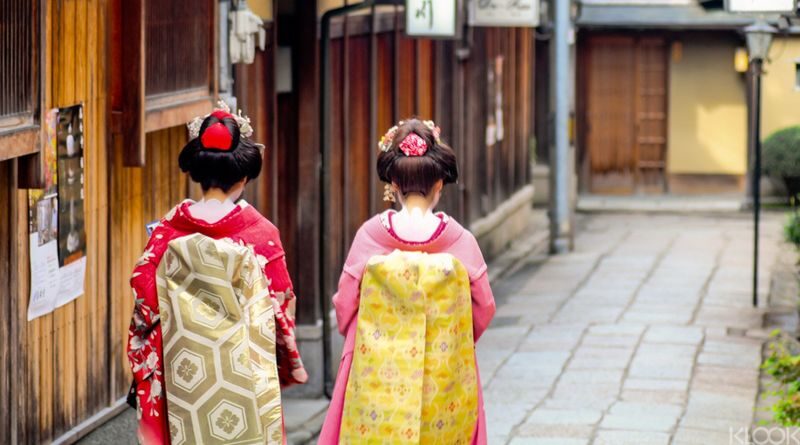
The walk also passes boarding residences and entertainment houses. Your guide can explain the role these places play in the geisha world, while you observe the neighborhood from public streets. Keep your expectations respectful and grounded: this is not an invitation to enter private homes or interrupt people at work.
Gion can feel especially atmospheric when you leave the main roads for smaller lanes. Still, the experience depends partly on what is open and active at the time. One past visitor found that shops and businesses were closed during the walk, a reminder that a daytime tour may have a different feel from the evening hours when appointments and performances are underway.
Gion Kobu Kaburenjo and the working geisha world
The longest scheduled stop is Gion Kobu Kaburenjo, with about an hour set aside. The venue is closely tied to Gion’s geisha culture, and the guide uses the stop to explain the district and its performers. This is a good place to ask about training, performance, and the professional routines that visitors rarely see from the street.
The tour does not promise entry to every building or attraction. Only one temple or shrine entrance fee is included, while other admissions are not. If you are expecting a full performance or access to private establishments, this walk is not designed to provide that. Its strength is the explanation and the chance to see the districts in context.
This stop can be a highlight if the subject interests you. A guide who is warm, clear, and comfortable answering questions can turn a walk past historic buildings into a much more useful introduction. Past guides praised by name include Naoko, Miki, Ichiro, Koichiro, and Sunshine, but you cannot request or count on a particular guide from the information provided.
You can also read our reviews of more historical tours in Kyoto

Kennin-ji Temple brings a quieter turn
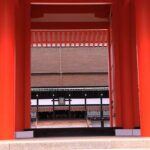
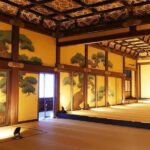
Kennin-ji Temple is scheduled for about 30 minutes. The tour describes its serene gardens and ancient teachings, and the temple gives the route a welcome change of mood after the streets of Gion. If the social history of the districts is your main interest, this may feel like a brief detour. If you enjoy temples and gardens, it adds a valuable second angle on Kyoto.
One past visitor felt the temple was the most interesting part of the walk, while another appreciated the mixture of smaller streets, temples, and local history. That range makes sense. The tour covers several subjects in four hours, so the depth you get at each stop depends on the guide and the day’s pace.
An entrance fee for one temple or shrine is included. The tour does not specify in advance which single entrance fee applies, and other admission fees are excluded. If the temple visit is important to you, check the exact arrangements with the operator before booking.
Miyagawacho and the possibility of a sighting
Miyagawacho is known for geisha skilled in Japanese dance, and the route allots about 30 minutes there. As you walk through the district, your guide can connect its streets and establishments to the training and work you have been learning about. It is a fitting final neighborhood stop before returning to Gion-Shijo Station.
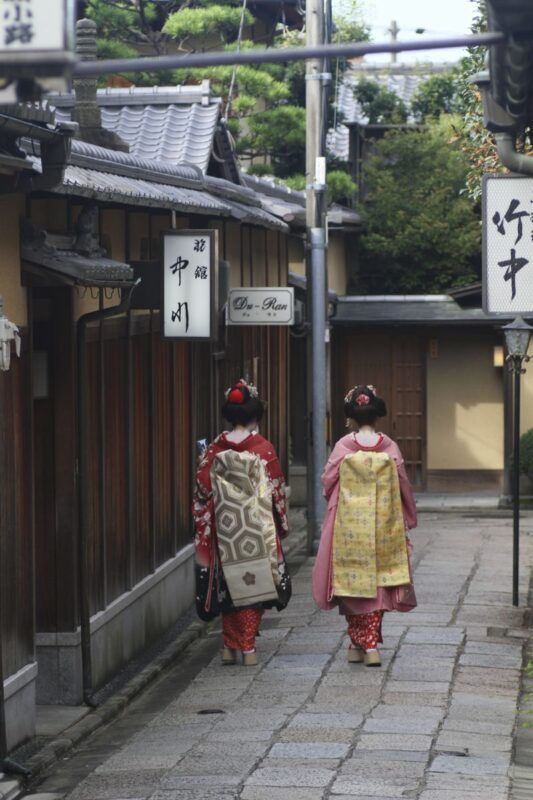
You might hear geisha practicing musical skills or catch sight of one heading to an appointment. Some people have been lucky enough to see geisha or maiko during the walk, but that is a matter of timing, not a feature the operator can guarantee. Go for the cultural background and the walk itself; consider a sighting an unexpected extra.
Treat the neighborhood as a place where people work, not a stage set. Follow your guide’s instructions, keep to public areas, and avoid getting in anyone’s way. The tour’s most useful contribution is understanding what is happening around you, whether or not you see a geisha up close.
What the price includes, and what it leaves out
Prices start at $86.95 for the Kyoto Geisha Districts Tour. For that, you get a private four-hour walk with an English-speaking guide and one temple or shrine entrance fee. The price is easier to justify if you want a guide to explain a subject that can be difficult to understand from signs and guidebooks alone.
You pay separately for transport, meals and drinks, personal expenses, and other admission fees. There is no included performance or guaranteed encounter. If you prefer to explore at your own pace and are happy to read about the districts beforehand, the cost may feel high for a walking route. If you want an informed companion who can answer questions and help you interpret what you see, the private format has more appeal.
The guide’s skill is central to the experience. Many past participants valued friendly explanations, detailed answers, and the ability to adjust the walk around their interests. A few found the route less engaging or felt the value was weak, particularly when the guide’s English was hard to follow or the neighborhood felt quiet. That variability is worth weighing before you pay.
Practical details for a smoother afternoon
The tour lasts four hours and is not wheelchair-accessible. It is a long walk, so wear comfortable shoes and be realistic about your stamina. One past participant specifically cautioned against choosing it with young children if they are not used to walking; children and infants must be included in the passenger count, and there is no age limit.
Hotel pick-up and drop-off are available in Kyoto. If you select that option, provide your hotel name and address at checkout and be in the lobby 10 minutes before the chosen pick-up time. Otherwise, meet at the Gion-Shijo Station ticket gate.
Your voucher can be shown on a phone or in print and is valid only on the booked date and time. Confirmation is expected within 48 hours. You can cancel for a full refund at least 48 hours before the activity, using local destination time; extreme weather or unforeseen events may also lead the operator to cancel and offer a new date or refund.
Who should book this Kyoto walk?
Book it if you want an informed introduction to geisha culture and prefer walking through the districts over watching a staged presentation. It suits curious adults, fans of Kyoto’s traditional arts, and anyone who wants to ask questions along the way. The temple stop also makes the route more varied than a walk focused only on Gion’s entertainment streets.
Think twice if you need a short, easy stroll, want guaranteed access to buildings, or are booking mainly to see a geisha. The route may be less compelling when shops are closed, and the quality of the experience depends heavily on your guide’s communication and approach.
For the best chance of getting your money’s worth, go in with questions about training, performance, and daily routines, and allow the route to unfold without expecting a sighting. If those details interest you, this is a practical way to make sense of Kyoto’s famous districts. If you want entertainment rather than explanation, choose a performance or another activity instead.
Kyoto Geisha Districts Half-Day Private Cultural Tour
“Amazing walking tour! Koichiro and Mickey were great guides and even saw 3 Geishas!!!”
FAQ
How long is the Kyoto Geisha Districts tour?
The tour lasts about four hours. Departure options are listed for 10 a.m. or 2 p.m., with the exact time confirmed after booking.
Where does the tour meet?
The listed meeting point is the ticket gate at Gion-Shijo Station. Hotel pick-up and drop-off are also available in Kyoto if arranged during booking.
Which neighborhoods does the tour visit?
The route covers Gion and Miyagawacho, and highlights include Pontocho and Gion Kobu. The listed stops also include the Statue of Izumo-no-Okuni, Tatsumi-jinja Shrine, Gion Kobu Kaburenjo, and Kennin-ji Temple.
Does the tour guarantee a geisha sighting?
No. You might see a geisha or maiko, or hear someone practicing, but sightings are not guaranteed.
Is the tour private?
It is described as a private cultural tour. The information provided does not specify a maximum party size.
What is included in the price?
An English-speaking guide and the entrance fee for one temple or shrine are included. Transport, meals, drinks, personal expenses, and other admission fees are not.
Is the tour suitable for children?
There is no age limit, but infants and children must be included in the passenger headcount. The walk may be challenging for children who are not used to walking.
Is the tour wheelchair-accessible?
No. The activity is not wheelchair-accessible.
What should I wear?
The tour is a four-hour walking experience, so comfortable walking shoes are a practical choice.
What happens if bad weather cancels the tour?
The operator may cancel because of extreme weather or unforeseen events. If that happens, you can reschedule or request a full refund.