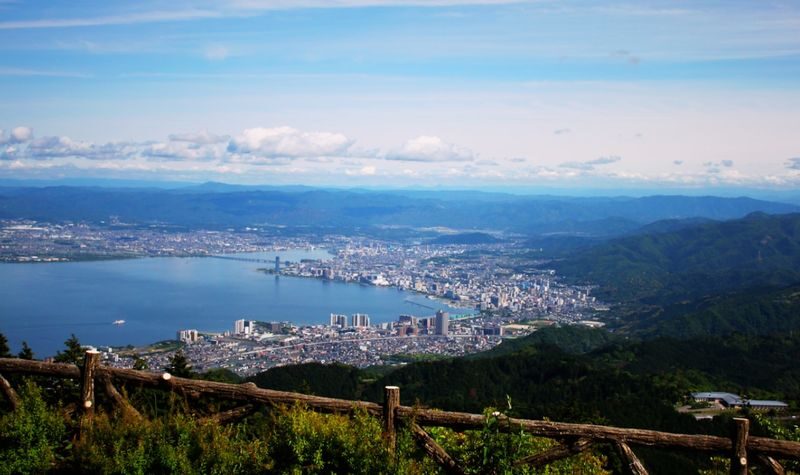
Garden Museum Hiei brings together flower gardens, Impressionist art and a mountain setting above Kyoto. The view is a major part of the appeal: one visitor described it as amazing, and the museum’s position at the summit makes this more than a quick gallery stop.
I like two things about the idea of this visit. First, you can pair outdoor gardens with paintings rather than choosing one or the other. Second, the audio guide, available for ¥300 per day, gives you a way to make sense of the art and facilities at your own pace.
The main drawback is the journey. Getting there involves the Eizan Railway, cable car and ropeway, so this is not a simple stop to squeeze into a busy Kyoto day. The museum also closes on Wednesdays, with a few listed holiday exceptions.
- At a glance
- Why Garden Museum Hiei is more than a quick gallery visit
- The journey from Yase-Hieizanguchi to the summit
- What to see among the gardens and paintings
- How much time to allow
- Seasonal hours and days to check
- Is the admission ticket good value?
- Access, food and a few rules worth knowing
- Who should make the trip
- Should you book Garden Museum Hiei?
- FAQ
- Where is Garden Museum Hiei?
- How do I get to the museum by train?
- When is Garden Museum Hiei open in 2026?
- What are the opening hours?
- How much does admission cost?
- How do I use the ticket?
- Is there an audio guide?
- Can I re-enter after leaving?
- Is the museum wheelchair and stroller accessible?
- What happens if the museum closes because of bad weather?
- The Best Of Kyoto!
- More Museum Experiences in Kyoto
- More Tours in Kyoto
- More Tour Reviews in Kyoto
- Not for you? Here's more nearby things to do in Kyoto we have reviewed
At a glance
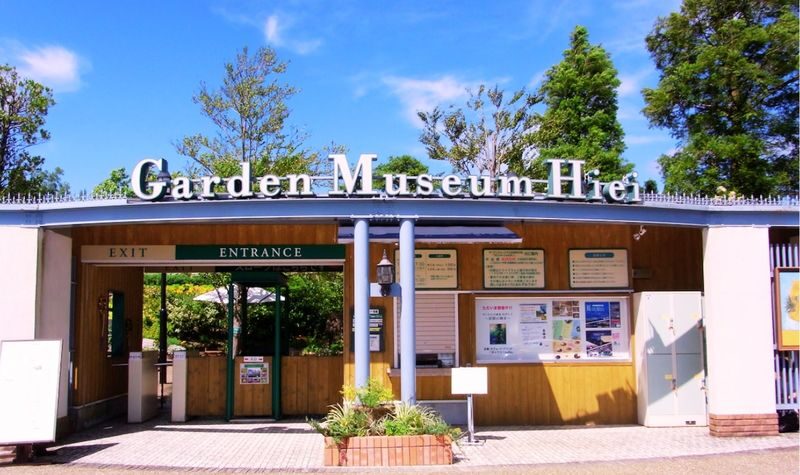
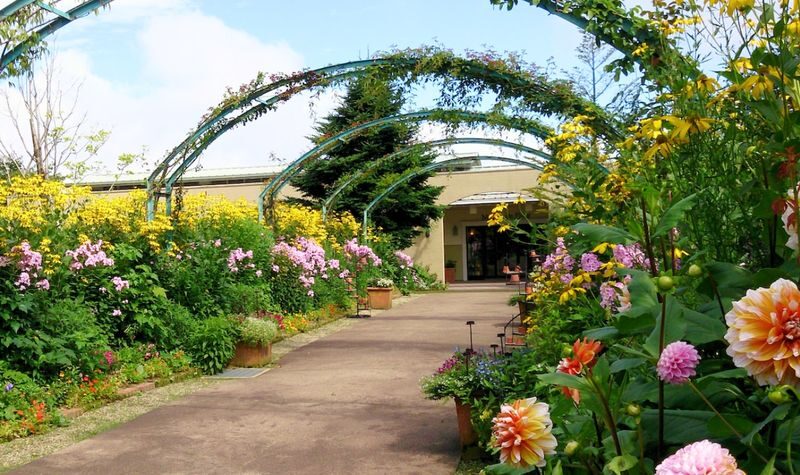
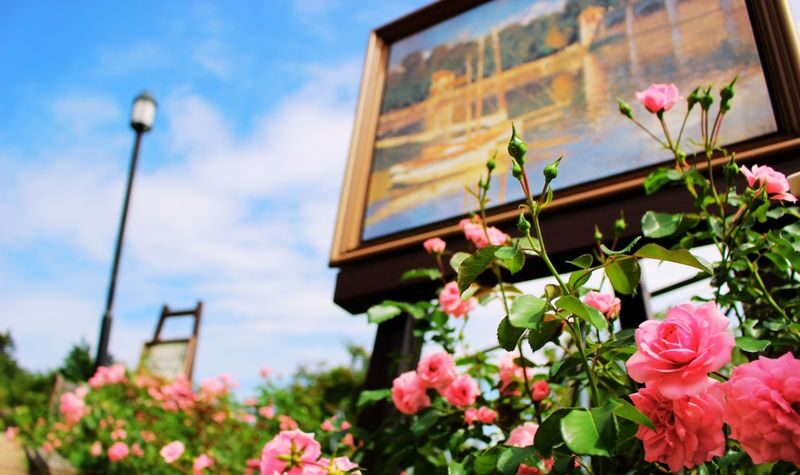
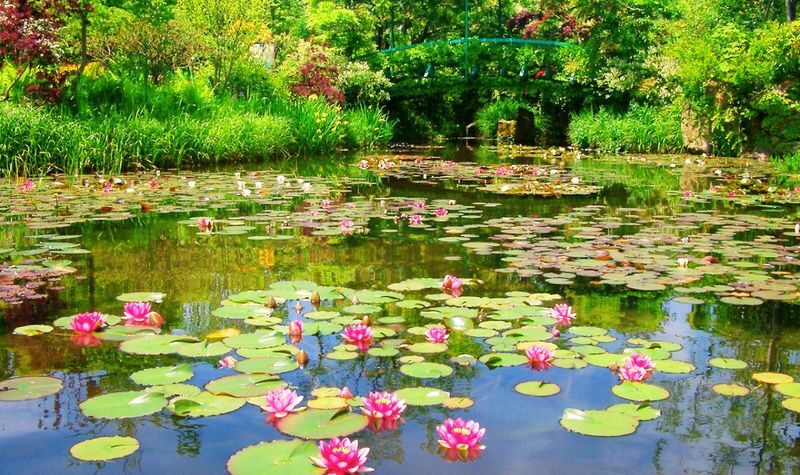
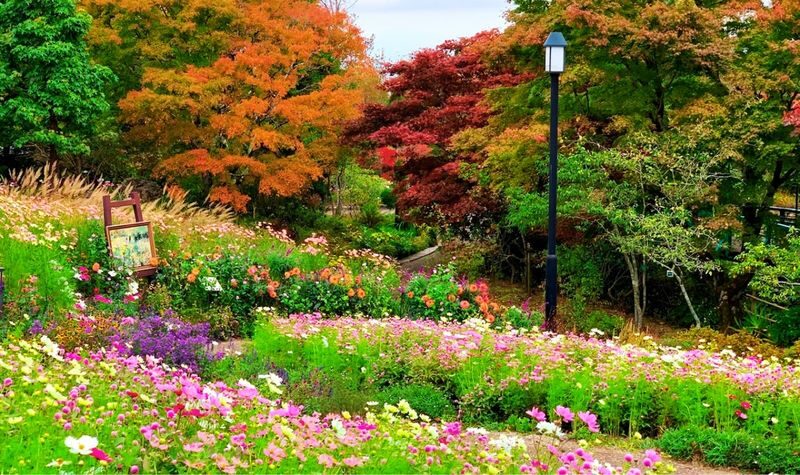
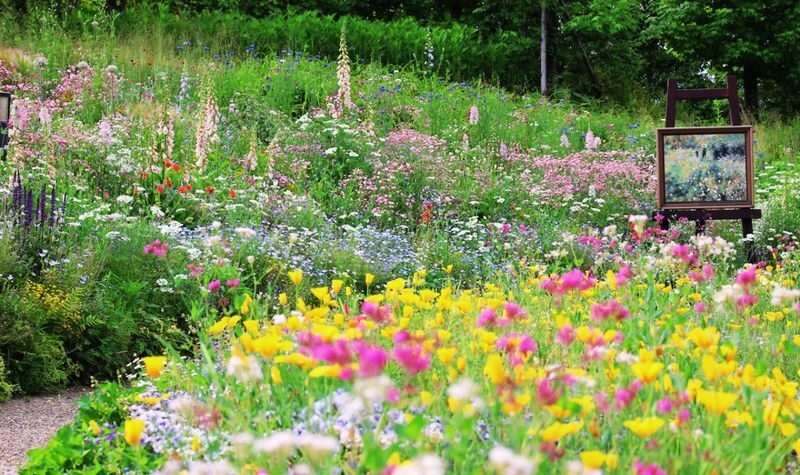
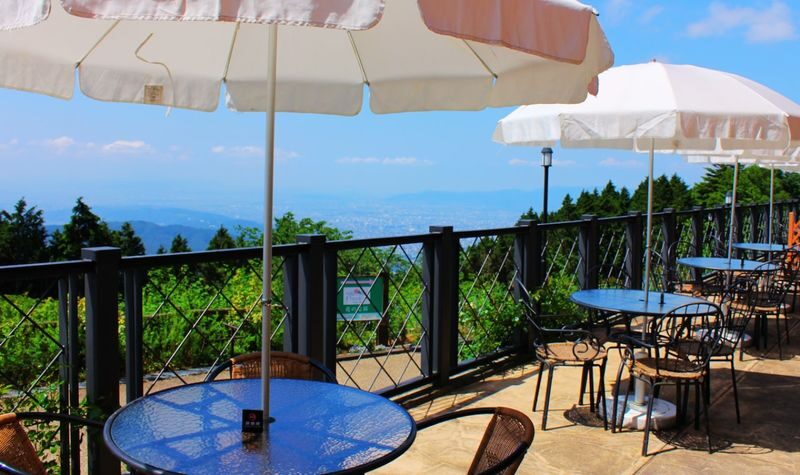
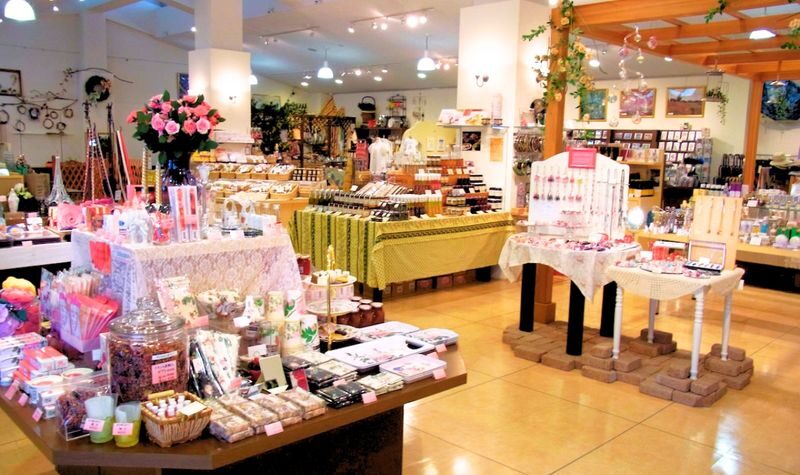
- Art and gardens in one visit: Walk through the grounds and see works by Impressionist painters.
- A summit setting: The museum is at the top of Mount Hiei, reached by cable car and ropeway from Yase-Hieizanguchi Station.
- A useful audio option: Rent an audio guide for ¥300 per day, then enter the number shown at a facility or artwork to hear more.
- A seasonal opening calendar: The 2026 season runs April 18 through December 6, with different closing times in November and December.
- Low listed admission: Tickets start at US$3.79, though the ticket is for museum admission, not a combined transport pass.
- Some uneven access: Wheelchairs and strollers can be rented, but there are stairs at Komorebi Garden and the Observation Tower.
👉 See our pick of the 25 Best Workshops And Classes In Kyoto
Why Garden Museum Hiei is more than a quick gallery visit
The setting shapes the experience. Garden Museum Hiei sits at 4 Shimeigatake, Shugakuin Sharakadani, in Kyoto’s Sakyo Ward, at the summit of Mount Hiei. You come for the gardens and Impressionist art, but the elevated location adds a scenic reason to make the trip.
A five-star visitor assessment singled out the view and the beauty of the place. That is a useful clue to how to plan: treat the outlook and the gardens as part of the main event, not as decoration around a museum visit. If you enjoy places where the surroundings matter as much as the exhibits, this should suit you.
The museum’s art focus also gives the visit a clear theme. Its audio guide covers facilities and works by Impressionist painters. You can use it to add context while moving through the grounds, rather than relying on a wall label here and there. There is no named guide or guided tour specified, so expect a self-directed visit.
You can also read our reviews of more museum experiences in Kyoto


The journey from Yase-Hieizanguchi to the summit
The stated route starts at Eizan Railway’s Yase-Hieizanguchi Station. From there, transfer to the Eizan Cable Car and Ropeway, ride to the summit of Mount Hiei, and walk a short distance to the museum.
That sequence matters when you plan your day. The admission ticket is for the museum, and the access instructions describe the railway, cable car and ropeway as the way to get there. Allow room in your schedule for the transfers and the final walk. The information provided does not give transport fares or journey times, so check those separately before setting out.
The ride is part of the appeal for anyone who likes a gradual change from city streets to a mountaintop setting. But it also means you should not treat the museum as an easy add-on beside central Kyoto attractions. If your time is tight, consider whether you want to spend a good part of the outing getting there and back.
What to see among the gardens and paintings
Once inside, think of the museum as a walk through outdoor spaces linked with art, rather than a single indoor exhibition. The grounds include gardens and facilities, with Impressionist works available to explore. The supplied information does not name particular artists, paintings, or a fixed route, so it is best not to arrive expecting a specific masterpiece or a set sequence of rooms.
The gardens are a good reason to take your time. You can pause at benches around the museum and use the indoor free rest area. The property has slopes throughout, so your walk may feel more like a garden ramble than a flat museum circuit. Wear shoes that are comfortable on sloping paths, and leave a little extra time if you like stopping to look around.
Komorebi Garden and the Observation Tower are the two locations specifically noted as having stairs. That makes them useful to know about before you head out, especially if you are planning a visit with someone who has limited mobility. The tower may appeal if you want another vantage point, but access requires stairs.
The Impressionist art gives the grounds another layer. Rather than treating the paintings as a separate indoor task, use them to break up your time outdoors. The audio guide is designed for this kind of self-paced visit: find the number displayed at an artwork or facility, enter it, and listen through earphones. At ¥300 per day, it is a modest extra if you want more background. If you prefer a quiet walk, you can skip it.
How much time to allow
No visit duration is specified, and the best length depends on how carefully you want to explore. A quick circuit may work if you mainly want the view and a look at the gardens. If you plan to stop for art, use the audio guide, and take breaks, allow more time than you would for a small indoor gallery.
The closing time changes with the season. From April 18 through October 31, the museum is open 10:00 to 17:30, with last admission at 17:00. From November 1 through December 6, it closes at 17:00, and last admission is 16:30. Arriving near the last entry time leaves little room for an unhurried visit.
There is no stated time limit once inside, and re-entry is permitted. Keep your ticket, wristband, or stamp so you can show it when returning through the entrance. That flexibility can help if you need to step out and come back, though it is still wise to check the day’s conditions before relying on a full afternoon outdoors.
Seasonal hours and days to check
The 2026 opening period is April 18 to December 6. The museum is closed every Wednesday and on April 28. It is listed as open on April 29, May 6, August 12, and September 23, despite those dates falling on Wednesdays.
Those exceptions are easy to miss if you rely on a standard weekly schedule. Check the exact calendar for your chosen date before booking, particularly if your Kyoto plans put the visit on a Wednesday. Opening hours may also change, or the museum may close, due to typhoons, stormy weather, or other circumstances.
The outdoor setting makes weather especially relevant. If the museum is closed by opening time because of stormy weather or another circumstance, tickets for that day are canceled without a cancellation fee. This is a practical safeguard, but it does not remove the need to check conditions before making the trip up the mountain.


Is the admission ticket good value?
Admission starts at US$3.79, a low price for a visit that combines gardens, art and a scenic setting. If you are already making the journey to Mount Hiei, the entry cost is unlikely to be the main expense or planning concern. The bigger question is whether the combination interests you enough to set aside time for the route.
The audio guide costs ¥300 per day and is optional. For an art-minded visitor, it may add helpful context; for someone mainly interested in the gardens and view, admission alone may be enough. Wheelchair rental is available at the park, and the information provided lists it as free. Rentals are limited, so ask staff at the Provence Gate or Rose Gate reception.
Remember that the ticket is valid only for the date selected, and for a time if one applies to your booking. If you need to change booking details, the stated policy is to cancel the original and make a new booking. You can cancel for a full refund with at least 48 hours’ notice, using destination local time.
Access, food and a few rules worth knowing
The museum has slopes throughout. Wheelchairs and strollers are available to rent, but numbers are limited, and stairs remain at Komorebi Garden and the Observation Tower. For specific disability access information, check the venue’s official website. If you need a wheelchair, ask at the Provence Gate or Rose Gate reception.
There are benches and an indoor free rest area. The rules do not allow dining in the café, on its terrace, in flowerbeds, or in walkways, and picnicking with a sheet is not permitted. Plan to use the appropriate rest area rather than assume you can eat wherever you find a bench.
Smoking is restricted to designated areas. Do not collect plants or insects, or enter bushes and flowerbeds, where there is a risk of injury. Photography, commercial activity, and advertising require prior permission.
Pets are generally not allowed to walk through the museum. A small pet may enter if kept in a carry bag or held in your arms, but pets are not allowed in the café, including terrace seating, or the shop. Assistance dogs are exempt from this policy.
Who should make the trip
I would put Garden Museum Hiei high on the list for someone who likes both gardens and art, and who is happy to make the mountain journey part of the day. The view and outdoor setting are likely to matter most if you want a quieter change from Kyoto’s city sights. The audio guide adds a little structure without requiring you to follow a group.
It is less suited to a rushed itinerary or to anyone who wants a flat, fully indoor visit. The slopes and stairs need consideration, and the cable car and ropeway connections require planning. Families with strollers can rent one, but the terrain means it is worth checking the access details first.
Should you book Garden Museum Hiei?
Book if the pairing of Impressionist art, garden paths and a Mount Hiei outlook sounds worth a dedicated outing. The entry price is modest, and the visit gives you a different kind of Kyoto day, with scenery and art sharing the focus.
Skip it if you have little time, need a fully step-free route, or would rather stay near central Kyoto. Before committing, confirm the operating calendar for your date, check the weather, and account for the railway, cable car and ropeway journey. Those few checks will help you decide whether this is a good fit, not just a cheap ticket.
FAQ
Where is Garden Museum Hiei?
It is at 4 Shimeigatake, Shugakuin Sharakadani, Sakyo Ward, Kyoto, Japan, at the summit of Mount Hiei.
How do I get to the museum by train?
From Eizan Railway Yase-Hieizanguchi Station, transfer to the Eizan Cable Car and Ropeway. Get off at the summit of Mount Hiei, then walk a short distance to the museum.
When is Garden Museum Hiei open in 2026?
The stated opening period is April 18 through December 6, 2026. The museum is closed every Wednesday and on April 28, with listed Wednesday openings on April 29, May 6, August 12, and September 23.
What are the opening hours?
From April 18 through October 31, hours are 10:00 to 17:30, with last admission at 17:00. From November 1 through December 6, hours are 10:00 to 17:00, with last admission at 16:30.
How much does admission cost?
The admission ticket starts at US$3.79. The price is listed as an admission fee.
How do I use the ticket?
Present your mobile voucher, printed voucher, or voucher in the Klook app. The ticket is valid only on the date selected, and the voucher is redeemed at the venue.
Is there an audio guide?
Yes. Audio guides are available within the park for ¥300 per day. Enter the number shown at a facility or artwork and listen through earphones.
Can I re-enter after leaving?
Yes. Re-entry is permitted. Show your ticket, wristband, or stamp at the entrance when you return.
Is the museum wheelchair and stroller accessible?
Wheelchairs and strollers are available to rent, though the number is limited. There are slopes throughout the museum, and stairs at Komorebi Garden and the Observation Tower. Check the venue’s official website for further access information.
What happens if the museum closes because of bad weather?
If the museum is closed by opening time due to stormy weather or other circumstances, that day’s tickets are canceled without a cancellation fee. The business hours or contents may also change due to weather or other circumstances.