Fukui Prefectural Dinosaur Museum makes its point before you’ve read a single label: the dinosaurs are enormous. Its three floors bring you face to face with towering skeletons, fossils, lifelike displays, and the science behind how these animals moved and sensed their surroundings.
I like two things here: the scale of the fossil collection gives even a quick visit real impact, and the detailed explanations give curious adults as much to chew on as children. The QR-code entry is another practical plus, especially when timed admission slots are busy.
The trade-off is the setting. The museum is outside Katsuyama, so getting there takes planning, and traffic controls can add a long shuttle journey on selected busy dates. Your ticket is also for a fixed entry time, so arriving late or hoping to change plans can complicate the day.
- At a glance
- The first encounter: skeletons on a grand scale
- Three floors, with more than bones to inspect
- A museum rooted in Fukui
- Timing your visit and using the QR ticket
- What the ticket costs, and what it buys
- Getting to Katsuyama without losing the day
- Who will get the most from this visit?
- Should you book the permanent exhibition ticket?
- FAQ
- What does this ticket include?
- Is the ticket valid on any date?
- Can I re-enter the museum?
- What are the museum’s opening hours?
- How do I get to the museum from Katsuyama Station?
- Is parking available?
- More Tours in Fukui
- More Tour Reviews in Fukui
- Not for you? Here's more nearby things to do in Fukui we have reviewed
At a glance
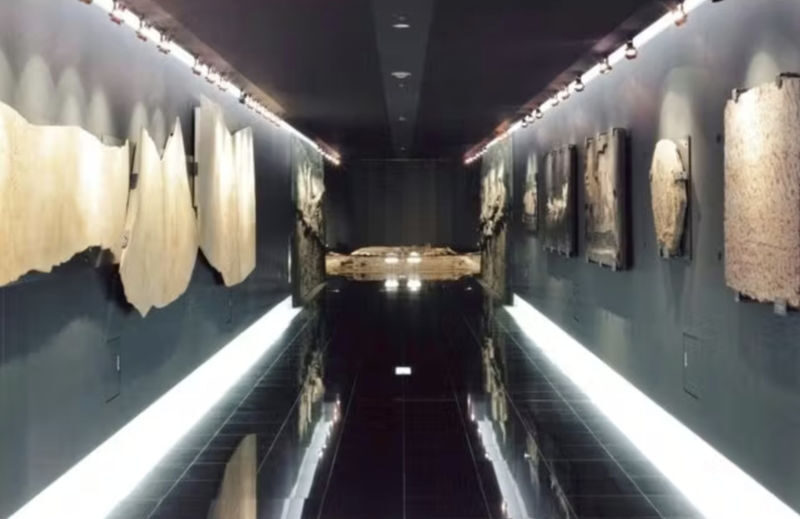
- A three-floor museum: Plan time to explore more than the headline dinosaur skeletons.
- Fukui’s dinosaur story: The museum is in Katsuyama, a region strongly associated with dinosaur discoveries.
- Permanent exhibition ticket: Admission covers the museum’s permanent exhibition, not every nearby activity.
- QR-code entry: Scan your voucher at the entrance during your selected entry time.
- Allow a half-day: Two or three hours can work, but a slower visit may take much longer.
- Plan the journey: The museum is about 15 minutes by bus from Katsuyama Station, though special traffic measures can change the trip.
The first encounter: skeletons on a grand scale
The museum’s main draw is easy to understand: it puts dinosaur fossils and large skeleton displays in a setting designed for looking closely. You can stand beneath the bones, then move from the spectacle to the details: how dinosaurs were built, how their bodies worked, and what fossils can reveal about their lives.
That shift from scale to science is what makes the visit more than a quick photo stop. The dramatic displays give you an immediate sense of size, while the explanations about musculoskeletal structure and senses help put the anatomy into context. If you’re traveling with children, the large forms provide an easy hook. If you’re an adult who wants more than a room of skeletons, the detailed interpretation gives you a reason to linger.
The permanent exhibition also includes fossils of ancient animals beyond dinosaurs, as well as minerals. That variety is useful if someone in your group has already reached their personal dinosaur limit. It also makes the museum feel like a broader introduction to prehistoric life, rather than a single-subject hall.
Expect plenty to see. A careful read of the displays can easily fill half a day, while a brisk visit focused on the main exhibits may take two or three hours. I’d avoid squeezing the museum into a tight gap between other plans. It is a substantial attraction, and the travel time to Katsuyama makes a short stop less worthwhile.
You can also read our reviews of more tours and experiences in Fukui.


Three floors, with more than bones to inspect
The museum is arranged across three floors, giving you room to move between large displays and smaller details. The full layout is one reason to leave enough time: a few striking skeletons may grab your attention first, but the supporting exhibits add substance to the visit.
You’ll find information about fossil anatomy and dinosaur senses, subjects that help explain how scientists interpret the remains. These details suit older children and adults who like to ask how do we know? rather than simply memorize names. If you’re visiting with young children, you can keep things simple and focus on the visual displays, then spend more time on whichever sections catch their interest.
Lifelike landscape installations and life-sized animatronic displays are also part of the experience. They add movement and atmosphere to the fossil halls, though the museum’s strongest feature remains the combination of dramatic scale and substantial information. The result is engaging without requiring you to be a paleontology expert before you arrive.
There may also be a screening room, with the film or program depending on the day. Treat it as a possible extra, not the anchor of your schedule. The museum’s exhibition is large enough to hold its own, and any screening can be a welcome pause for families.
A museum rooted in Fukui
This is not simply a dinosaur attraction dropped into a city center. The museum sits in Katsuyama, within the area known as Katsuyama Dinosaur Forest, and its location gives the visit a connection to Fukui’s dinosaur identity. You’re coming to a regional attraction in a mountain-valley setting, not just adding another indoor stop to a city walk.
That context can make the museum a worthwhile reason to visit Fukui or to extend a stay in the area. It also means you should think of transport as part of the outing. You can’t assume a quick taxi or an easy walk from a central hotel; check your route before you set off and allow time for the return journey too.
Other attractions and activities are nearby. The outdoor Dino World area, for example, is separate from this permanent exhibition ticket. Some families combine the museum with it, but check its admission and operating details separately before building your day around it. The museum ticket alone does not cover other personal expenses or nearby experiences.
Timing your visit and using the QR ticket
This is a date-and-time ticket, not an open-ended pass for any day. Choose your entry time carefully, then arrive in time to enter during the slot printed on your ticket. The QR voucher can be scanned at the entrance gate, so you can skip the ticket vending machine line when everything is working as planned.
The timed entry system is useful in a popular museum, but it does limit spontaneity. You cannot simply arrive whenever suits you, and changing the date, time, or number of people requires cancelling and booking again. If you are traveling with a group, group reservations should be made through the museum’s official website.
Once inside, you can stay until closing time, and re-entry is permitted. Keep your ticket or other entry proof handy for re-entry. This gives you some flexibility if you want to step out and return, though the museum’s out-of-town location means it’s sensible to plan meals and breaks before you arrive.
Advance booking is the safer choice, especially for holidays and busy periods. Same-day tickets may be sold at the museum’s ticket machines depending on availability, but you shouldn’t count on that option if your schedule is fixed. The selected time is the important detail: a ticket in hand does not mean you can enter at any hour.
What the ticket costs, and what it buys
Admission starts at $6.35 for the permanent exhibition. That is a modest price for a large museum that can occupy several hours, particularly if you take time with the fossil displays and explanatory material. The ticket represents good value when you make the journey to Katsuyama and give the museum enough of your day.
Keep the scope clear. This ticket covers admission to the permanent exhibition. It does not include transport, personal expenses, or the separate Dino World outdoor area. Food, souvenirs, and any additional activities should be treated as extra costs.
Discounts or exemptions may apply to people with certain disability certificates and a caregiver. Visitors with an annual pass, coupon, or other discount may still need to make a reservation. Check the museum’s official ticket information to confirm what applies to you, and bring the required certificate to the staffed gate if you qualify.

Getting to Katsuyama without losing the day
From Katsuyama Station on the Katsuyama Eiheiji Line, the bus journey to the museum takes about 15 minutes. By car, the drive is approximately 30 minutes from Fukui Kita Junction on the Hokuriku Expressway, or around 1 hour and 30 minutes from Shiratori Junction or interchange on the Tokai-Hokuriku Expressway.
There is on-site parking, but it has a fee and cannot be reserved. On high-traffic dates, access may be restricted and vehicles may be directed to temporary parking. Free shuttle buses can then run from those lots to the museum. The estimated process can take 40 to 70 minutes: about 15 minutes driving to the temporary lot, a five-minute walk to the bus stop, a possible wait of up to 30 minutes, and a 20-minute shuttle ride.
Those controls can turn a straightforward drive into a longer arrival, so check current local guidance before setting off. Public transport can also be crowded on peak dates. Build in a generous buffer rather than aiming to arrive just before your entry slot. A missed time window is a poor start to a day built around a timed ticket.
The museum is open from 9:00 a.m. to 5:00 p.m., with last entry at 4:30 p.m. During the summer holiday period from July 18 to August 16, hours extend to 8:30 a.m. to 6:00 p.m., with last entry at 5:30 p.m. The museum closes on the second and fourth Wednesday of each month, except during summer holidays, as well as over the year-end and New Year period. Confirm the schedule for your date before travel.
Who will get the most from this visit?
Families with dinosaur fans are an obvious match. The giant skeletons and lifelike displays offer plenty to look at, while the detailed information gives older children something to learn beyond spotting their favorite dinosaur. There are also dinosaur-themed play structures outside, though these are not included in the permanent exhibition ticket.
You don’t need to bring children to enjoy the museum. Adults with an interest in fossils, anatomy, or natural history can spend time studying the exhibits, and casual visitors still get the pleasure of seeing full-scale skeletons up close. The museum can also be a useful indoor choice on a hot or rainy day, provided the journey and opening schedule work for you.
If you’re short on time, dislike fixed entry slots, or have no easy way to reach Katsuyama, the logistics may outweigh the low admission price. The museum is not a quick city-center stop. It rewards a planned visit, especially if you have enough time to explore at a comfortable pace.
Should you book the permanent exhibition ticket?
Book it if dinosaurs interest you, you’re traveling with children, or you want a substantial museum visit in Fukui. The striking skeletons, fossil displays, and accessible explanations make the permanent exhibition worthwhile for both keen fans and first-time visitors. The low starting price is appealing, but the real value depends on allowing enough time and arranging transport.
Choose an entry slot that leaves room for travel delays, and check whether traffic restrictions affect your date. If you want to visit the outdoor Dino World area or join an excavation or skull-assembly activity, check those options separately. The ticket reviewed here is for the permanent exhibition, so a little planning keeps expectations and costs clear.
Fukui Prefectural Dinosaur Museum
“The exhibitions is well thought out. Good for families and we certainly learned a lot. A must visit when visiting Fukui!”
FAQ
What does this ticket include?
It includes admission to the museum’s permanent exhibition. Other personal expenses and separate attractions are not included.
Is the ticket valid on any date?
No. It is valid only on the date and during the entry time selected when booking. Enter during that time.
Can I re-enter the museum?
Yes. Re-entry is permitted. Show your ticket, wristband, or stamp at the entrance.
What are the museum’s opening hours?
Regular hours are 9:00 a.m. to 5:00 p.m., with last entry at 4:30 p.m. From July 18 to August 16, hours are 8:30 a.m. to 6:00 p.m., with last entry at 5:30 p.m.
How do I get to the museum from Katsuyama Station?
Take a bus from Katsuyama Station on the Katsuyama Eiheiji Line. The journey takes approximately 15 minutes.
Is parking available?
Yes. Parking is on site, requires a fee, and cannot be reserved. Traffic restrictions may direct vehicles to temporary parking on selected busy dates.