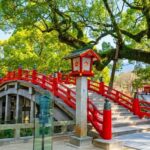
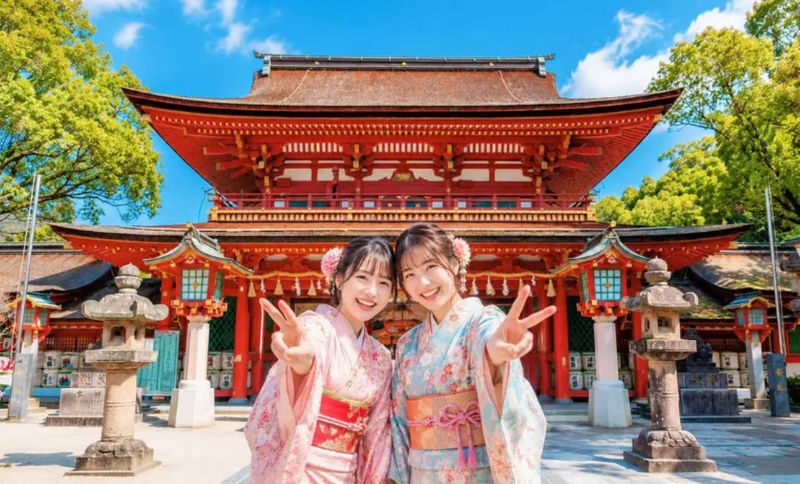
Dazaifu is a fine place to wear a kimono: the shrine’s vermilion buildings, stone bridges, and old approach street give you plenty to see between outfit photos and a stop for Umegae Mochi. This is a self-guided rental, not a scheduled tour, so you can set your own pace.
I like two things in particular: the wide choice of styles, which lets you shape the look to suit you, and the patient dressing help, a welcome hand if this is your first time wearing a kimono. The shop is close to the shrine and Sando shopping street, so you can start exploring without a long transfer.
The main catch is the deadline. You have to return your outfit before 5 pm, and the clothing can make a long day of walking less comfortable than your usual sightseeing clothes. Also, check your voucher carefully: the information gives two different shop addresses.
- What to know before you book
- A shrine visit with a different point of view
- Picking a look that feels like yours
- Yukata or kimono: which package fits?
- Making the most of your day in Dazaifu
- Comfort, weather, and practical limits
- What the service is like
- Is this Dazaifu rental worth booking?
- FAQ
- How much does the rental cost?
- What is included in the yukata set?
- How long can I keep the outfit?
- Is the experience guided?
- Where is the meeting point?
- Can children take part?
- Can I cancel for a refund?
- More Tours in Dazaifu
- More Tour Reviews in Dazaifu
- Not for you? Here's more nearby things to do in Dazaifu we have reviewed
What to know before you book
 1 / 8
 2 / 8
 3 / 8
 4 / 8
 5 / 8
 6 / 8
 7 / 8
 8 / 8
- Choose between a yukata and a kimono: The unisex yukata package starts at US$31.60; the kimono package starts at US$63.20.
- Get help getting dressed: Staff assist with dressing and styling, making this a practical option for first-timers.
- Explore on your own: After changing, you can visit Dazaifu Tenmangu and the surrounding area at your own pace.
- Plan for a 5 pm return: The rental is for the day, but all clothing must be back at the shop before it closes.
- Expect personal service: The shop has been described as clean, with a broad selection and attentive help choosing accessories and colors.
- Check the meeting address: The details give both 1-37-6 Saifu and 1-chome-13-6 Saifu. Use the address on your voucher, and confirm it if anything is unclear.
A shrine visit with a different point of view
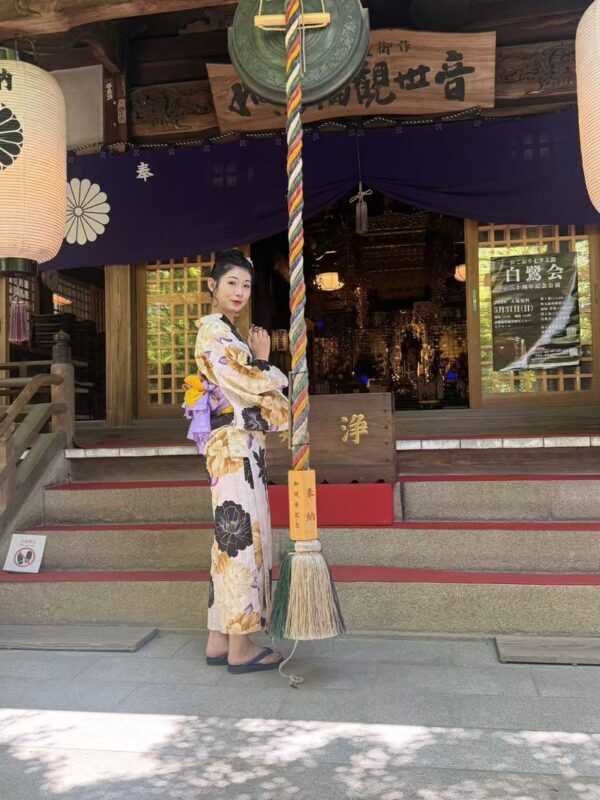
Dazaifu Tenmangu is known as a place of worship for the god of learning, and its history stretches back more than a thousand years. Wearing a kimono here can make a visit feel more connected to the setting, though the outfit is not a substitute for learning about the shrine. You are free to walk the grounds and take in the architecture at your own speed.
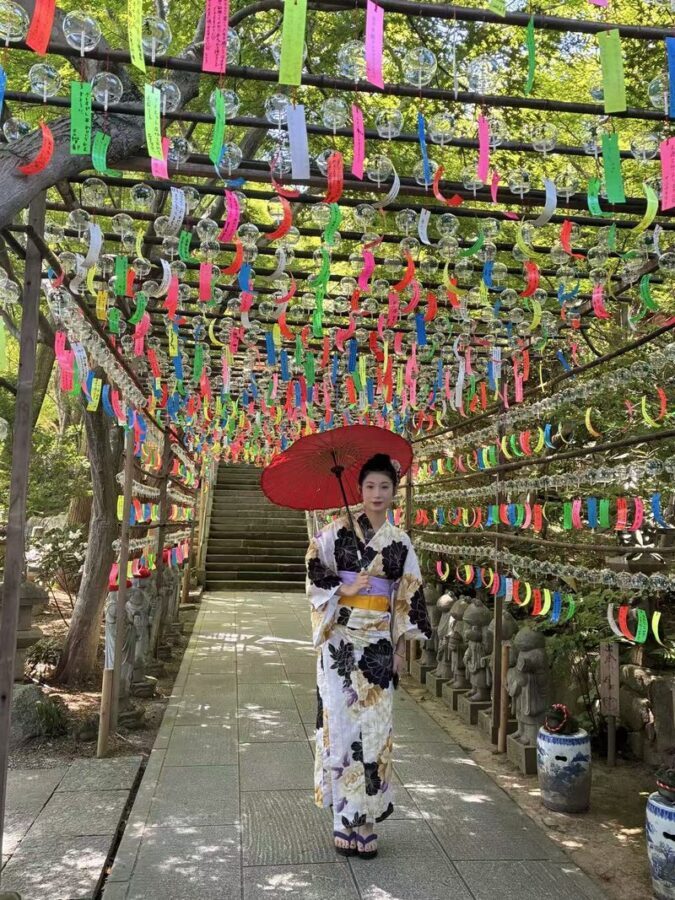
The route around the shrine offers the sort of details that reward a slower look: vermilion buildings, stone bridges, gardens, and the traditional streets leading toward the grounds. In ordinary clothes, it is easy to move quickly from one photo stop to the next. A kimono encourages a gentler pace, which suits a place where the approach and surrounding streets are part of the outing.
This is not a guided history walk. The experience is built around dressing up and exploring independently. If you want detailed explanations of the shrine’s history, you will need to arrange that separately rather than count on the rental package to provide a guide.
You can also read our reviews of more tours and experiences in Dazaifu.


Picking a look that feels like yours
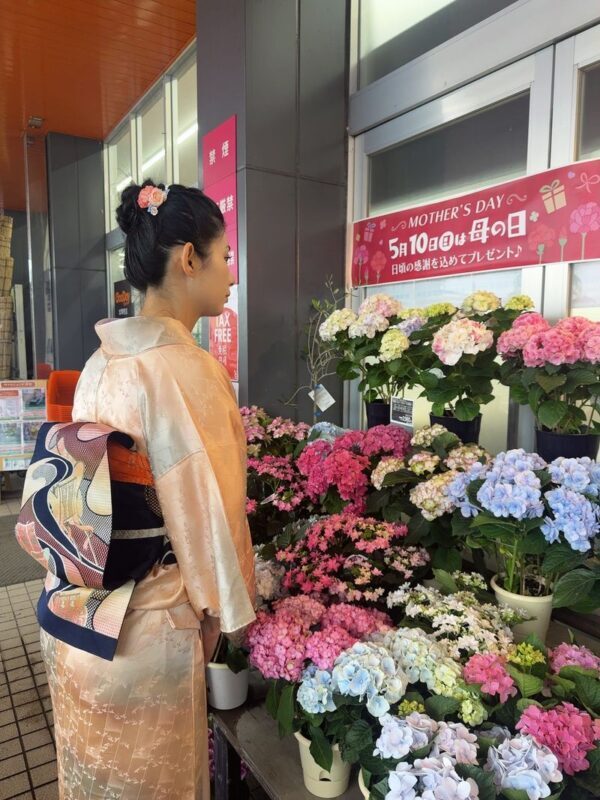
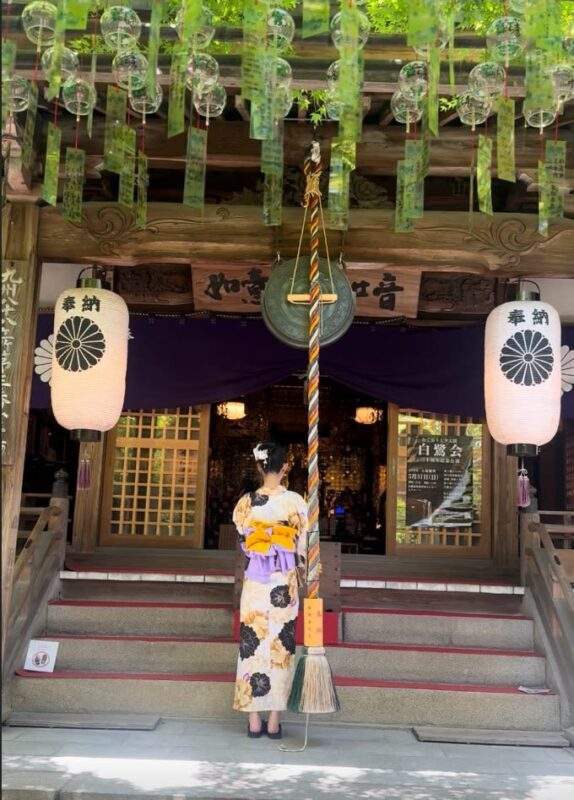
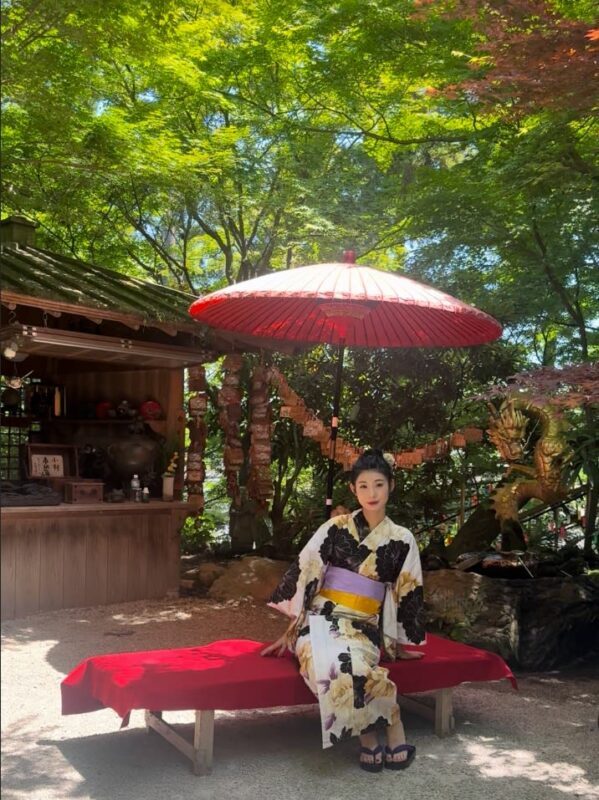
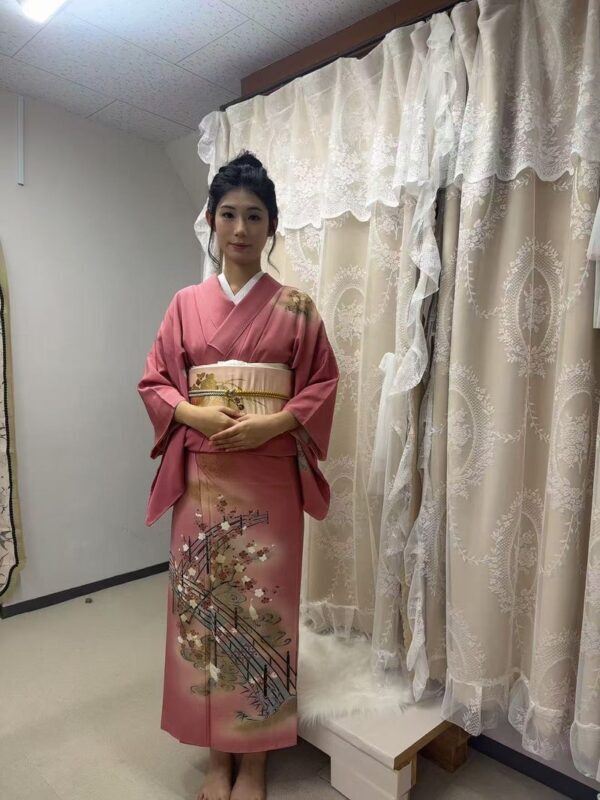
The shop offers both classical and more modern styles, with a range of colors and patterns. That choice matters: you are not simply handed a standard outfit, but can work with staff to find something that matches your taste and the sort of photos you want to take.
The dressing service is one of the most useful parts of the experience. Getting a kimono or yukata to sit properly can be tricky if you have never worn one, and staff help with dressing and styling. Customers have described patient assistance with choices, fit, and accessories, along with hair styling and hair accessories. For women, the yukata package details list hair accessories, belts, bags, shoes, and socks as included.
The rental is listed as unisex, but the included extras are not described in exactly the same way for every participant. If a particular accessory or styling service matters to you, check what your selected package includes before booking. That is especially sensible if you are comparing the lower-priced yukata set with the more expensive kimono set.
Staff have been reported to communicate in Mandarin, English, and Japanese, though the language available may depend on who is working. Some customers have also described receiving help with photos, but photography is not listed as a formal inclusion. Treat it as a possible kindness, not a promised service.
Yukata or kimono: which package fits?
The yukata set starts at US$31.60, while the kimono set starts at US$63.20. The lower starting price makes the yukata a relatively accessible way to add a traditional outfit to a Dazaifu visit. The kimono costs about twice as much, so it is worth paying more only if that style is the look you specifically want.
The package information supplied in detail is for the yukata set. It lists the outfit rental and, for women, hair accessories, a belt, a bag, shoes, and socks. The kimono package is also offered, but its inclusions are not spelled out to the same degree. Check the package description at checkout so you know what is included in the higher price.
The value depends on how much of the day you plan to spend in the outfit. If you want a few photos and a short walk, the price may feel less compelling. If you intend to spend several hours around the shrine and shopping street, the full-day rental gives you time to enjoy the area without rushing back for a quick change. Keep in mind that the day ends at the shop’s 5 pm closing time.
Making the most of your day in Dazaifu
The schedule begins at 9 am, when you go to the shop to change. Once dressed, you are free to move around; there is no set sequence of stops or group itinerary. That flexibility is useful if you want to linger at the shrine, take photos, browse shops, or pause for food.
The shrine is the main draw. Its long history and connection with learning give the visit a particular character, while the traditional buildings, bridges, and gardens make good settings for photographs. The changing seasons add another reason to choose your date carefully: the experience information points to cherry blossoms in spring, greenery in early summer, red maple leaves in autumn, and plum blossoms in winter. These are seasonal possibilities, not a guarantee of what you will see on a particular day.
After the shrine, walk along Dazaifu Sando, the shopping street near the rental shop and shrine. You can try local specialties such as Umegae Mochi, matcha desserts, and other snacks. This gives the day an easy rhythm: shrine grounds, street food, shops, and photos, all within the same area.
The schedule does not promise a guide, transport, or a photographer. You are responsible for your own time and plans once you have changed. That freedom works well if you enjoy independent sightseeing, but it may disappoint you if you are looking for a hosted cultural tour with a fixed route and detailed commentary.
Comfort, weather, and practical limits
A full day in traditional clothing asks more of you than a brief photo stop. The outfit may feel unfamiliar, and your pace may slow as you walk. Plan a day that leaves room for breaks rather than trying to fit in a packed list of sights.
The information advises avoiding high-collared clothing under the rental outfit. That is a simple preparation tip that can make changing easier. The activity is not recommended for pregnant women, and participants must be at least 140 cm tall. Children who meet the height requirement are charged the adult rate.
Weather can change the feel of the day. The experience is outdoors once you leave the shop, and the seasonal scenery is part of its appeal, so check the forecast and dress sensibly for the conditions. The shop’s closing time is fixed: return the kimono or yukata before 5 pm, even if you have more time to spend in Dazaifu.


What the service is like
The experience appears to put personal attention at the center of the rental. The shop has been described as clean and tidy, with staff who patiently help people choose colors, patterns, and accessories. That matters when you are unfamiliar with the clothing and may not know what suits you until you see the options.
Families and couples can both make use of the selection, and the unisex packages allow different participants to take part. Children’s outfits have also been praised for their cute styles. If you are traveling alone, you can still enjoy the rental; some customers have received help taking photos, though this is not a guaranteed part of the service.
The strongest practical reason to book here is the combination of choice and assistance, close to the shrine. The main uncertainty is that service details can vary by staff member, and the formal package description does not promise every extra that people have enjoyed. Go in expecting a rental and dressing help, and consider anything beyond that a bonus.
Is this Dazaifu rental worth booking?
I would consider this experience if wearing traditional clothing is part of the fun for you, not just a quick photo prop. The location makes it easy to pair the rental with the shrine and Sando street, and the day-long window gives you room to explore without following a group schedule.
Book the yukata if you want the lower-cost option and a relaxed, seasonal look. Choose the kimono if that is the style you have in mind and the higher price fits your budget. Skip it if you prefer to cover ground quickly, dislike dressing up, or would rather have a guided tour than plan your own route.
Before you pay, verify the shop address on your voucher, check the package inclusions, and make sure your day allows you to return the outfit before 5 pm. With those points settled, this can be a pleasant way to give a familiar shrine visit a more personal and photogenic feel.
Dazaifu Tenmangu Shrine – Kimono Rental Experience (Fukuoka)
“There is a wide and exquisite selection of yukata and kimonos, and the owner is very friendly and easy to chat with 😊 I really loved the color comb…”
FAQ
How much does the rental cost?
The unisex yukata set starts at US$31.60. The unisex kimono set starts at US$63.20.
What is included in the yukata set?
The package details list a yukata rental. For women, the set also includes hair accessories, a belt, a bag, shoes, and socks.
How long can I keep the outfit?
You can explore after changing, but you must return the yukata or kimono to the shop before 5 pm.
Is the experience guided?
No set guided itinerary is described. After changing, you are free to explore Dazaifu Tenmangu and the surrounding area on your own.
Where is the meeting point?
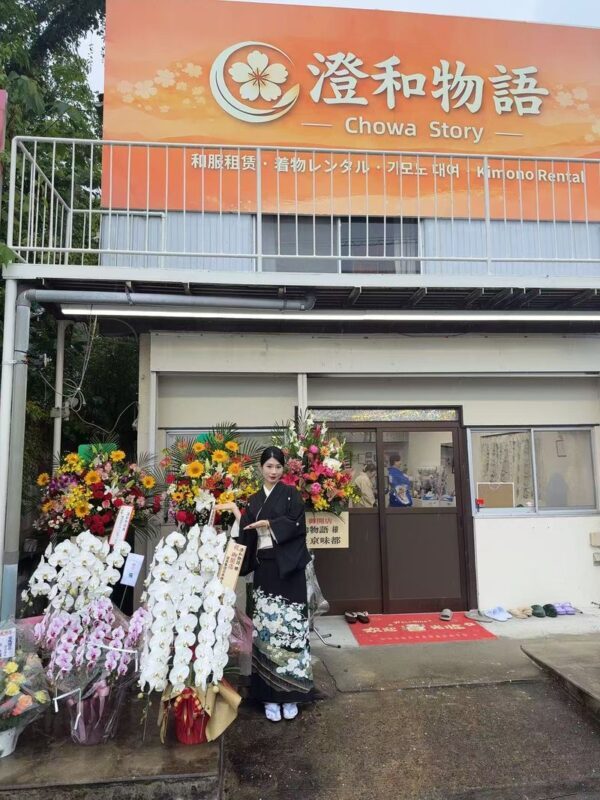
The meeting point is Sumiwa Monogatari, with the address listed as 1-37-6 Saifu, Dazaifu City, Fukuoka Prefecture 818-0117. Another location detail gives 1-chome-13-6 Saifu, so check the address on your voucher.
Can children take part?
Participants must be at least 140 cm tall. Children who are 140 cm or taller are charged the adult rate.
Can I cancel for a refund?
A full refund is available if you cancel at least 24 hours before the activity date, using destination local time.